Jul 27, 2023 | Florida Termite Control
Florida is notorious for its termite problem, and drywood termites are a common termite species found in homes. These pests can cause considerable damage to our homes, leading to costly repairs. It’s important for homeowners to understand the methods of preventing termites from invading their homes. Check out common tips Florida homeowners can utilize to prevent a drywood termite infestation.
Seal Cracks and Gaps
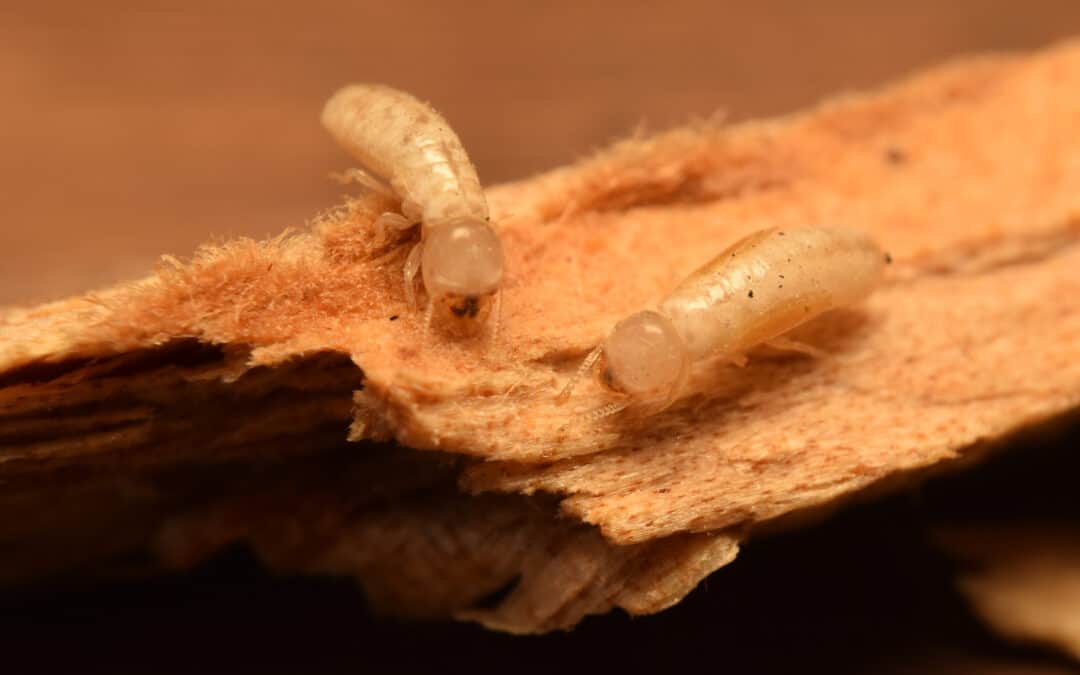
Drywood termites are extremely small, typically ranging from 3/8 in length, but termite soldiers and workers can be even smaller. These pests can easily enter your home through the tiniest crack or gap. It’s important to inspect your home for any openings, including around doors and windows, and even the areas around your utility pipes. Make sure to seal them up with caulk or another appropriate sealant as soon as possible. For areas in your home that must be left open, consider using mesh screens to cover them.
Inspect Wood Furniture & Materials
Drywood termites can easily infest lumber, firewood, and wood furniture. Before bringing any of these items inside your home, it’s essential to inspect them first. Drywood termites will also infest furniture, including old pieces of antique furniture and built-in cabinets utilizing second-hand furniture.
Turn Off Lights at Night
Swarmers, or flying termites, are attracted to light sources, making it essential to eliminate them, especially at night. Particularly, drywood termite swarms like to surround light bulbs and lamps during their flight. At night, look to minimize light sources by turning them off and keeping your windows and curtains closed to avoid attracting them. Consider replacing the porch and floor lights with insect-resistant yellow bulbs to help repel them or motion sensor lighting around your home.
Regularly Inspect Your Home
Regular inspections can help you catch any signs of a drywood termite infestation early, so it’s important to recognize their signs. Inspect your home for small holes in wood, piles of droppings, or wings shed by the termites. If you notice any of these signs, it’s best to call a professional for help immediately.
Hire a Professional Pest Control Company
Sometimes, the best way to prevent a drywood termite infestation is to consider hiring your local professional pest control company to inspect your home regularly, treat any existing infestations, and provide a prevention plan to avoid a future infestation. These professionals will have the knowledge, experience, and tools necessary to detect and eliminate these pests effectively.
May 25, 2023 | Florida Termite Control
South Florida Termite Control: Types of Termites
In South Florida, our warm, humid, and tropical weather is the perfect environment for termites to thrive. If these silent destroyers invade, their damage to your home or property can be devasting and could cost thousands of dollars in repairs. In Florida, there are two common types of termites that homeowners should be aware of: drywood termites and subterranean termites. To prevent these termites, it’s important to understand their differences and methods to keep them from infesting. Read more to learn about drywood termites and subterranean termites.
Common Termites in South Florida
Drywood Termites
- These termites are brown or white and are larger than subterranean termites.
- They live and nest within wooden structures or dry wood.
- They do not need contact with the soil to live.
- One of the most common signs of their infestation is spotting frass, which can appear in piles in the infestation and often looks like sawdust.
Subterranean Termites
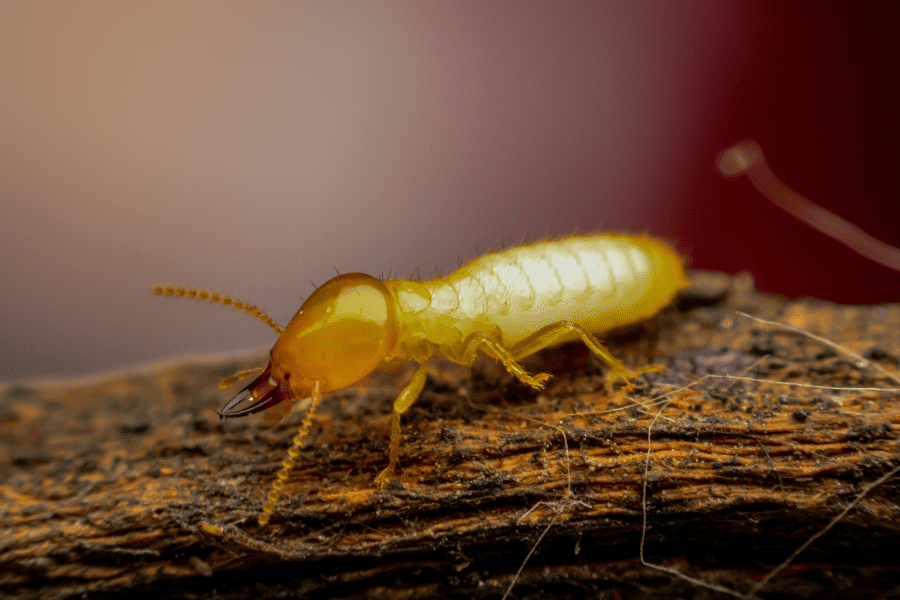
- There are two kinds of subterranean termites, the solider and the alate or flying termites.
- These termites need a water source to survive and will live in the soil to get it.
- These termites build tunnels and nests underground to ensure it’s humid enough and where they can obtain water.
- A sign of their infestation is seeing mud tubes, a mixture of soil, wood, saliva, and feces.
- You can often spot mud tubes along a home’s foundation or floor joints inside a building.
Preventing Termites in South Florida
Preventing both types of termites is essential to protecting the structural integrity of your home. When preventing subterranean termites, look to eliminate any moisture problems from your property, including that your yard has good drainage, fixing leaky pipes, and removing items that can hold water like buckets or old tires. Likewise, make sure that you are being cautious of the areas where there is soil-to-structure contact. For drywood termites, keep firewood at least 20 feet from the home and elevated off the ground, and regularly inspect your deck or patio for signs of damage.
One of the best ways to ensure your home is termite free is to get regular termite inspections from your local termite control company. These professionals will be able to give your home a thorough inspection and recommend the best prevention plan to avoid future termite infestations.
Mar 29, 2023 | Termite Control
Macon Termite Control: Termite Treatment Options
One of the most common termites in the Macon area are subterranean termites. These termites can be extremely destructive, as they eat wood from the inside out and go undetected for long periods of time. Once homeowners finally notice a termite infestation, it’s often too late to stop their damage. There are several methods that a homeowner should know to help protect their home from termite damage. Check out three termite control treatments and how to avoid a termite infestation below.
Termite Treatment Options
There are three termite treatment methods to consider when looking to control and eliminate termite colonies, with their effectiveness depending on the type of termite you have and the severity of their infestation. These methods include:
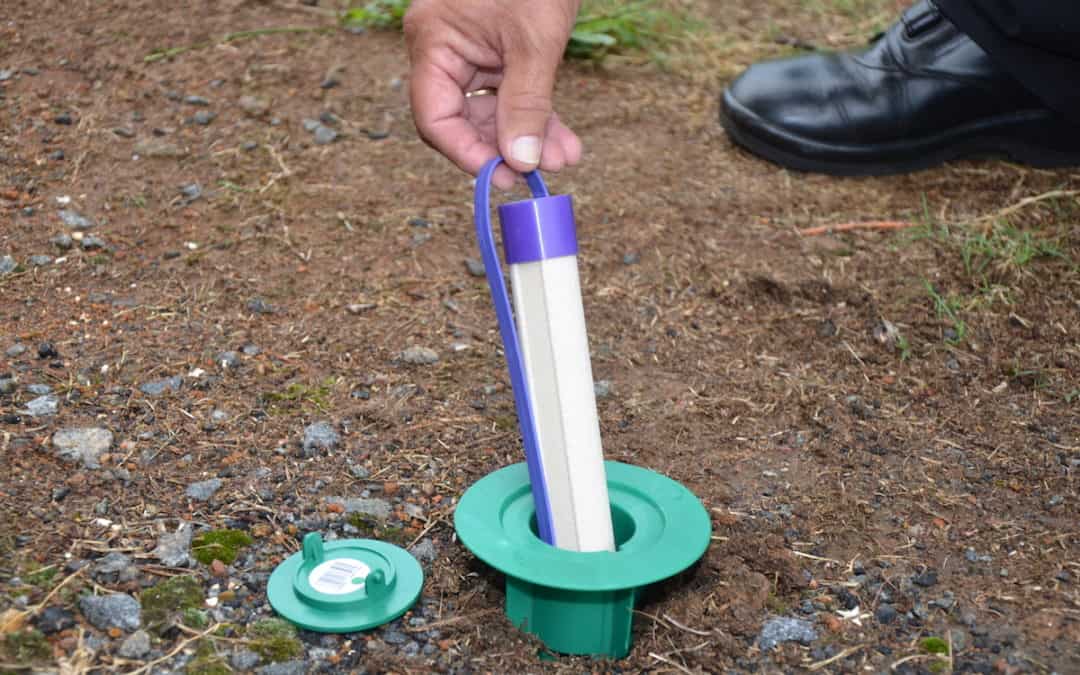
- Bait Systems: Considered highly effective, the bait system contains chemicals that termites eat and then take back to their colonies, which allow it to spread to others.
- Wood Treatments: There are different types of wood treatments that either utilize surface spray treatments or injected sprays/foams. Surface sprays are applied to the surface of the wood. Injected sprays/foams are applied to the inside of the wood.
- Soil Treatments: Applied to the soil around your home, this treatment creates a barrier to prevent termite infestations. First, a trench is dug around your foundation, where the soil is then treated with a termiticide. After, the trench is filled back in.
Preventing Termites from your Macon Home
One of the best ways to get ahead of termite control is by placing preventative measures throughout. Consider the following do-it-yourself prevention tips to avoid termites:
- Reduce openings termites can enter in through. Consider filling in cracks in your cement foundation and sealing around where the utilities pass through the walls.
- Cover exposed wood surfaces with sealant or a metal barrier.
- Try to keep the soil around your foundation dry as much as possible through proper grading, drainage, downspouts, and clearing gutters of debris.
- Avoid planting trees or shrubs too close around the home, especially against exposed wood.
- Avoid placing firewood or wood debris next to your home. Instead, place stored wood at least 20 feet away in plastic containers with a lid.
- Consider having an annual termite inspection.
If you suspect that you have a termite problem or are interested in getting ahead with a prevention plan, reach out to your local pest control company which can provide you with a free analysis and recommend the best treatment and prevention plan.
Mar 23, 2023 | Termite Control
Laurens Termite Control: Termite Prevention Tips
There are two factors to consider when looking at termite control: preventing them from infesting your home and treating established termite colonies. Termites are year-round pests and can go undetected for a long period of time, causing devastating damage in the process. There are several prevention methods to consider when looking to eliminate or prevent termites from your Laurens home.
Remove Entry Point Access
One of the best and most effective ways to keep termites out is to remove any access inside your home, including gaps around water and gas lines where they enter your home. Likewise, inspect your foundation for cracks or openings and repair them immediately.
Reduce Their Food Source
To survive, termites need wood and moisture. Eliminating these factors can help reduce your chance of a termite infestation. If you place mulch against your foundation for landscaping purposes, you could be attracting termites into your home. Mulch is a great source of food for termites as they retain any moisture. Try to minimize the use and keep it at least 15 inches away from the foundation. Additionally, if your crawlspace is experiencing a lack of airflow, it can create an ideal environment for these pests. Consider enclosing your crawlspace to prevent these termites and improve the overall health of your home by reducing moisture and decreasing humidity.
Consider Annual Termite Inspections
Termites can be tricky to control and eliminate! These pests will cause significant damage to your home, sometimes before you even realize they have infested. Placing preventative measures in your home to reduce the chance of a termite infestation will always help, but sometimes it’s best to leave it up to your local Laurens pest control company. These professionals can perform an annual termite inspection and provide you with the best termite control and prevention options for your home.
Mar 10, 2023 | Termite Control
Spring brings warm weather and the need for spring cleaning. When making your spring to-do list, make sure to include pest control with it. The warm weather brings pests out in droves, whether emerging from their overwintering spots or searching for a mate to reproduce with. One of the most common spring pests are termites. Spring marks the beginning of termite swarming season, when termites leave their colonies in search of a mate to form a new colony with. Don’t forget to make termite treatment a priority on your spring checklist!
Termites can go undetected for long periods of time, causing significant damage to your home. Once you identify the signs of termites, the next step is to determine the best termite treatment for your situation. Here are some of the most common termite treatment options:
Pretreatments
Pretreatments are termite treatments carried out during the construction phase of new construction. It is also preferable to use pretreatments when building additions to an existing home. When used before the physical infrastructure of a home or addition is laid, pretreatments are more effective and cost-effective. Pretreatments typically consist of a combination of liquid termiticide (often containing borates), termite bait, lumber treatment, and in-soil barriers.
Barrier Treatments
Barrier treatments create a physical barrier between termites and your home. A trench is dug around your home’s perimeter, and the soil that is removed is heavily treated with a termiticide. The treated soil is then refilled into the trench. In some cases, a physical wall made of rock, sand, mesh, and plastic is built inside the trench’s outer wall. This adds another layer of defense between your home and termites.
Liquid Treatments
The most common termite treatments are liquid treatments. These treatments are effective for termite infestations in your home’s interior. Holes are strategically drilled in both the foundation and the wood in these treatments. The termites are then forced to emerge after termiticide is injected into the holes. Termites are then exterminated using termiticide spot treatments.
Bait Treatments
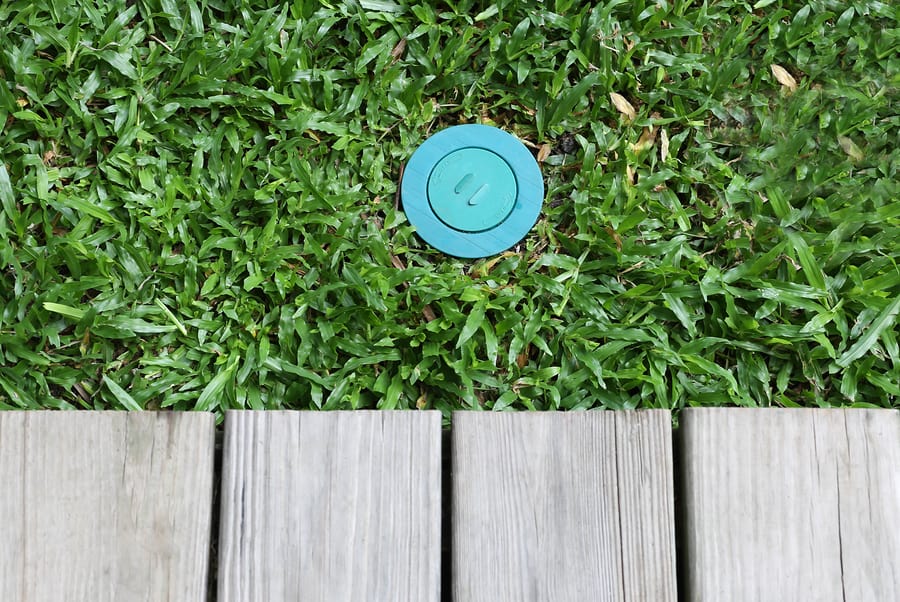
Bait stations containing termiticide-laced wood, paper, or cellulose are placed in the ground around your home. Termites are drawn to the bait and consume it. The termiticide is slow acting, allowing termites to return to the colony and spread the bait to others, effectively killing the colony. Bait stations can be used in places where surface treatments cannot be used, such as near foundation drains and areas covered by slabs or flooring. Bait stations are a long-term and effective treatment solution.
While it can be tempting to attempt termite control yourself, it is usually best left to the professionals. If you have a termite infestation, contact your local pest control company for a termite inspection to determine the best treatment options for your home.
You May Also Be Interested In:
How to Manage Your Lawn & Prevent Lawn Diseases
How to Attract Honeybees & Other Pollinators to Your Yard
How To Identify Ticks & Fleas
Spider Control for Spring
3 Types of Cockroaches & How to Prevent Them