Feb 23, 2024 | Termite Control
As spring approaches in Georgia, so does the dreaded termite swarming season. For homeowners, this annual event can be a cause for concern, as it signals the potential presence of destructive pests in and around their homes. In this guide, we’ll delve into what swarming termites are, when swarming season occurs, what termite swarms indicate, and crucial tips for termite prevention.
What are Swarming Termites?
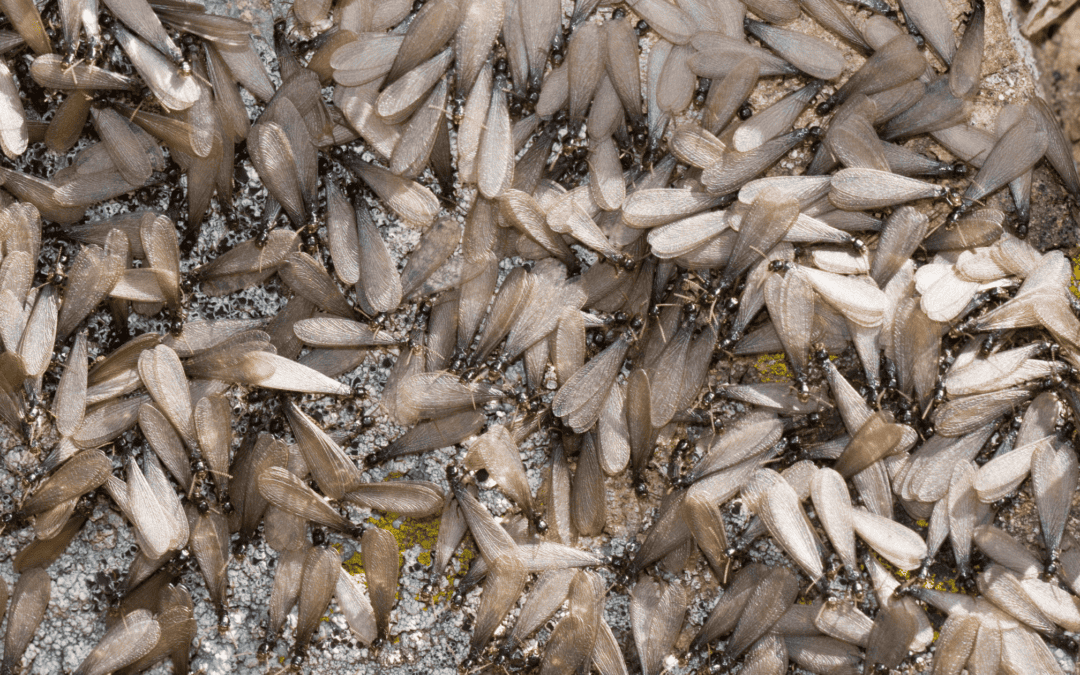
Swarming termites are reproductive members of a termite colony. These winged insects emerge from their nests in large numbers during specific times of the year to mate and establish new colonies. Their primary goal is to find a mate and locate a suitable location to start a new colony, often in or around homes.
When is Termite Swarming Season?
In Georgia, termite swarming season typically occurs in the spring, between March and May. However, it can vary depending on factors such as temperature and humidity. Warm, humid conditions following rainfall trigger swarming behavior in termites, making spring the peak season for infestations.
What Do Termite Swarms Indicate?
The presence of termite swarms near or inside your home is a strong indicator of an existing termite infestation or the potential for one. Swarming termites may be found indoors near windows, doors, or light sources, as they are attracted to light. Additionally, discarded wings near windowsills or on the floor may indicate that a termite swarm has occurred.
Tips for Termite Prevention:
- Schedule Regular Inspections: Annual termite inspections conducted by a professional pest control company are essential for early detection of termite activity and prevention of infestations.
- Eliminate Moisture Sources: Termites are attracted to moisture, so it’s crucial to address any water leaks or standing water around your home. Ensure proper drainage and repair leaky pipes to reduce moisture levels.
- Keep Wood Away from the Foundation: Avoid stacking firewood or storing wood debris near your home’s foundation, as it can attract termites and provide easy access to your property.
- Seal Entry Points: Seal cracks, gaps, and openings around doors, windows, and utility pipes to prevent termites from entering your home.
- Invest in Termite Control: Consider proactive termite control measures, such as bait stations or liquid treatments, to protect your home from termite infestations.
Don’t wait until it’s too late to safeguard your home from termites. Contact a pest control company near you today for a free termite control quote and protect your investment against these destructive pests.
Being aware of termite swarming season and taking proactive measures for termite prevention are vital steps for Georgia homeowners to protect their properties. By understanding the behavior of swarming termites and implementing preventive strategies, you can ensure a termite-free home for years to come.
Feb 15, 2024 | Florida Termite Control
One of the biggest investments you can make is your home, so taking every precaution to protect it from termites is critical! Subterranean and drywood termites will wreak havoc on your Florida home, eating it from the inside out, resulting in thousands of dollars in repairs. Homeowner’s insurance may not cover termite damage, so it’s important to understand the types of termite control and preventative measures you should take to avoid termite damage. We breakdown Florida termite control options and preventative measures to consider for your home and property!
Florida Termite Control Options
It’s always best to consult with your local pest control company on the best termite prevention or control plan for your home and termite situation. These professionals will be able to offer various options to prevent and control termites from taking over your home, including:
- Bait Station: Installed by a pest professional around the perimeter of your home, bait stations, including the Sentricon Always Active Bait Station, eliminate subterranean termites and their colonies. These stations contain a slow-acting termiticide food source where termites will take it back to their colony, eventually eliminating it.
- Liquid Termite Defense: These treatments look to eliminate subterranean termites and their colonies. Liquid defense treatments require your termite professional to dig a trench around your foundation and inject a termiticide to eliminate the entire colony and its queen.
- No-Tent Treatment: Best used to address drywood termite infestations, the no-tent treatments utilize a non-repellent product into drywood termite galleries to eliminate the termites found in your Florida home. This treatment is slow acting to allow termites who encounter the product to take it back to the queen and colony to eliminate it.
DIY Termite Control Tips
Along with having a termite control plan in place, there are several do-it-yourself termite prevention measures you can place around your home to keep these pests from even entering your property. Check out our top termite prevention tips here:
- Eliminate entry points around your home by filling in cracks or holes in cement foundations and around gaps where utilities enter the house with cement, caulk, or grout.
- Eliminate excess moisture or standing water by fixing leaks around or inside your home and keeping your crawlspace and attic well-ventilated to help reduce the moisture.
- Remove unnecessary lumber, old trees, or tree stumps from your yard
- Schedule a regular termite inspection with a termite control company near you to help catch termite infestations early, identify signs of termite activity, and provide the most effective termite treatment option if needed.
Dec 8, 2023 | Termite Control
As winter settles in Georgia, many homeowners may breathe a sigh of relief, thinking that pests like termites take a break during the colder months. However, the reality is that termites are resilient creatures, capable of surviving and even thriving in the cold. In this blog post, we’ll explore whether termites are active in winter, how they avoid the cold weather, when termite season hits Georgia, and most importantly, effective ways to prevent termites in winter.
Are Termites Active in Winter?
Contrary to popular belief, termites remain active even in the colder months. While they may slow down their activity, they don’t go dormant. Termites are cold-blooded insects, meaning their body temperature is influenced by their environment. In warmer climates like Georgia, termites may continue their destructive habits throughout the year.
How Termites Avoid Cold Weather
Termites are well-adapted to survive harsh conditions. Subterranean termites, one of the most common types in Georgia, create elaborate underground tunnels that provide a stable and temperature-controlled environment. These tunnels help them avoid extreme temperatures, including the cold of winter. Additionally, termites may move deeper into the soil where temperatures are more stable.
When is Termite Season in Georgia?
Termite season in Georgia typically starts in spring and extends through the early fall. This is when termites are most active and likely to swarm, seeking new locations to establish colonies. However, as mentioned earlier, they remain active throughout the year, making continuous termite control efforts crucial for homeowners.
Preventing Termites During Winter
- Regular Inspections: Schedule regular termite inspections, even during winter. Professional pest control services can identify early signs of infestations and provide proactive solutions.
- Moisture Control: Termites thrive in moist environments. Ensure proper drainage around your home, fix leaks promptly, and use dehumidifiers if necessary.
- Wood-to-Ground Contact: Avoid direct contact between wooden structures and the soil. Termites use soil as a bridge to access your home, so keeping wood elevated reduces the risk.
- Seal Cracks and Crevices: Termites can exploit even the tiniest cracks. Seal gaps around windows, doors, and foundation walls to prevent their entry.
- Termite-Resistant Materials: Consider using termite-resistant materials for construction. Treated wood and other termite-resistant building materials can act as a barrier against infestations.
Request a Free Termite Control Quote
Don’t wait until termite damage becomes evident. Protect your home by taking proactive measures against termites, especially during the winter months. Request a free termite control quote today and let our experts safeguard your home against these persistent pests. Don’t let termites take advantage of the winter season. Invest in termite prevention now and enjoy peace of mind throughout the year. Contact your local pest control company today and take the first step toward a termite-free home.
Nov 30, 2023 | Termite Control
Winter in Georgia may bring chilly temperatures, but for homeowners, it’s no time to let their guard down, especially when it comes to termite control. Contrary to popular belief, termites can remain active during the colder months, making it crucial to stay vigilant year-round. In this blog post, we’ll explore the types of termites found in Georgia, the concept of a termite season, signs of a termite infestation, and essential tips for prevention.
Types of Termites in Georgia
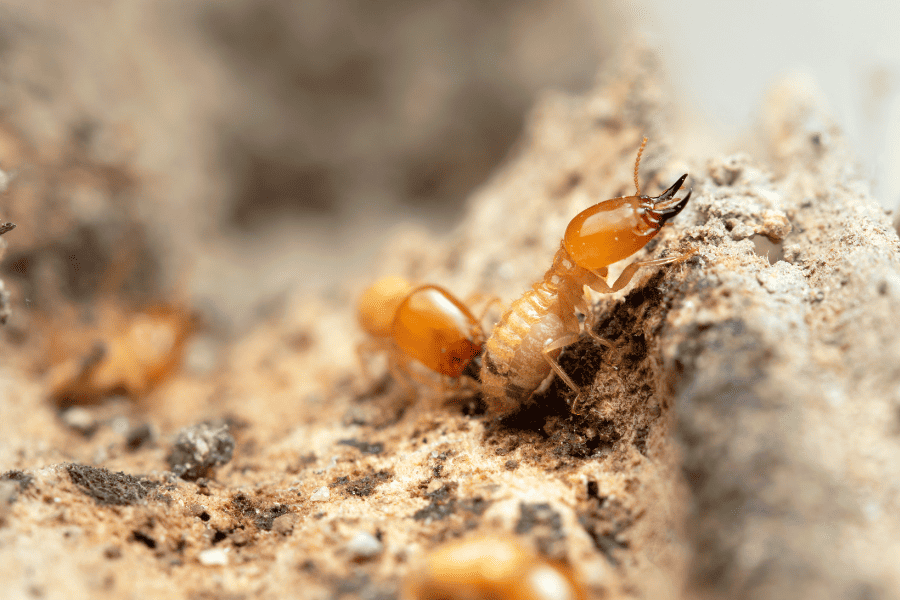
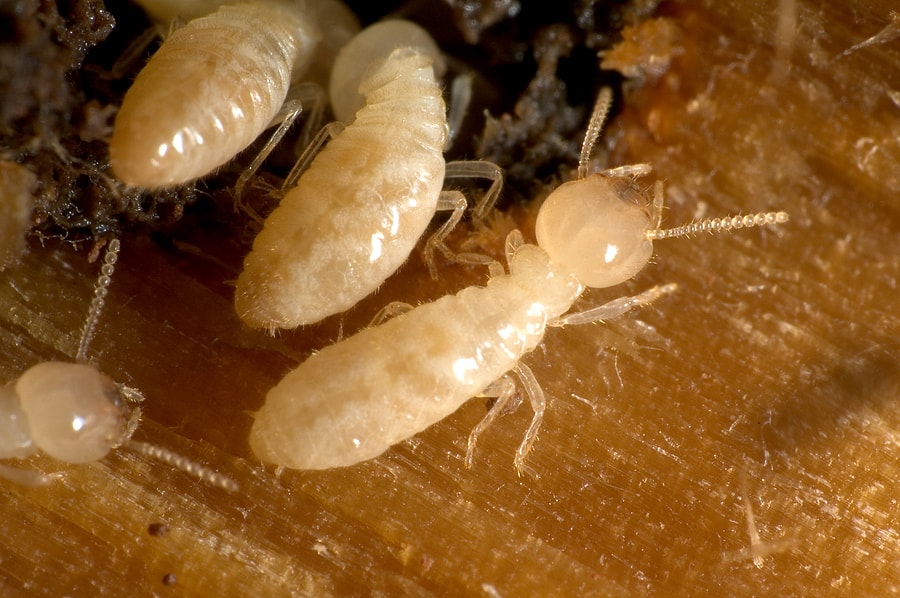
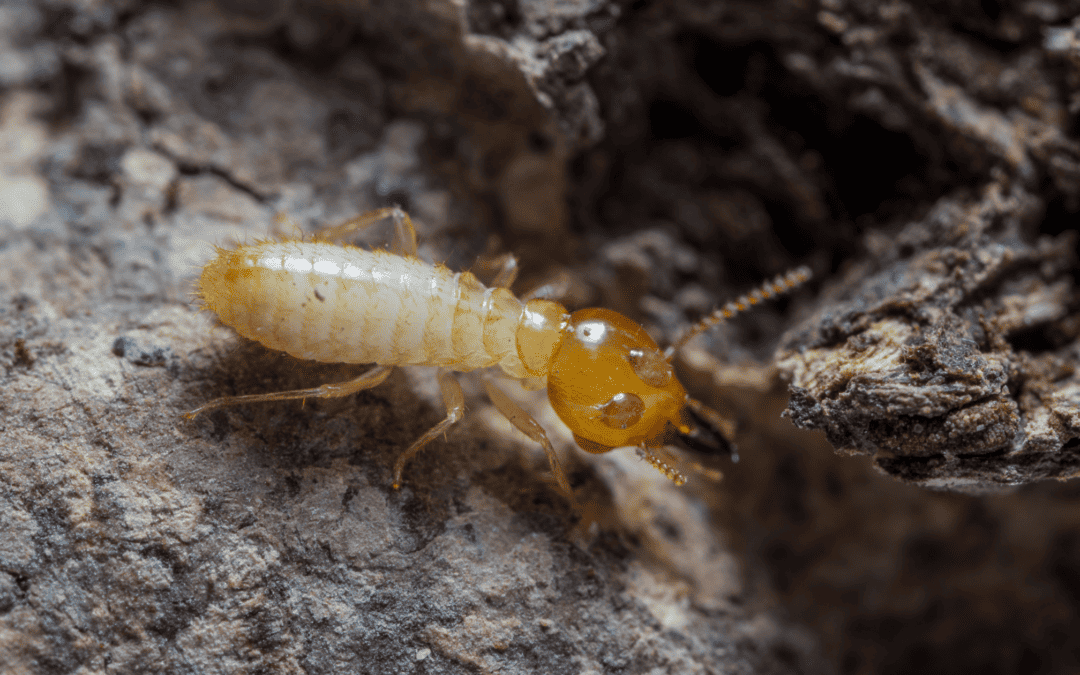
Georgia is home to several termite species, with the most common being Eastern Subterranean Termites, Formosan Subterranean Termites, and Drywood Termites. Each type poses its own set of challenges for homeowners, making termite control a necessity.
Is There a Termite Season in Georgia?
While many associate termite activity with warmer months, Georgia’s mild climate means that termites can remain active throughout the year. There might be a slight slowdown in winter, but it’s a mistake to assume that termites take a complete hiatus. In fact, their activity might even go unnoticed, making it crucial for homeowners to be proactive in their termite control efforts.
Signs of Termites in Your Home
Detecting termite activity early is key to preventing extensive damage. Keep an eye out for the following signs:
- Mud Tubes: Subterranean termites build mud tubes to travel between their nest and food source. Check for these on your foundation or in crawl spaces.
- Swarmers: Reproductive termites, or swarmers, may emerge in large numbers during the spring. However, some species, like the Formosan termites, can swarm in the winter.
- Wood Damage: Look for hollow-sounding or damaged wood, as termites consume wood from the inside out.
- Discarded Wings: After swarming, termites shed their wings. Piles of discarded wings near windows or light sources can indicate an infestation.
Termite Prevention Tips
Prevention is the best defense against termites. Here are some tips to protect your home:
- Moisture Control: Termites are attracted to moisture. Ensure proper ventilation and address any leaks promptly.
- Regular Inspections: Schedule regular termite inspections to catch any infestation in its early stages.
- Wood-to-Ground Contact: Avoid direct wood-to-soil contact in and around your home.
- Remove Wooden Debris: Clear away dead trees, stumps, and other wooden debris from your property.
- Professional Treatment: Enlist the help of a professional pest control company for regular termite control treatments.
Don’t wait until it’s too late. Safeguard your home from termite damage by requesting a free termite control quote from our experienced team. Our experts are ready to assess your property, identify potential risks, and implement effective termite control measures tailored to your needs.
In conclusion, termites in Georgia don’t take a winter vacation. Stay informed, remain vigilant, and take proactive steps to protect your home from these silent invaders. Contact a professional pest control company today for a comprehensive termite control solution and ensure your home stays termite-free year-round.
Oct 10, 2023 | Florida Termite Control
Termite Control Oakland Park
Once termites have infested your Florida home, it’s hard to stop their damage. Both drywood and subterranean termites can wreak havoc, often going undetected for long periods of time, with repairs costing thousands of dollars. The best way to avoid termite damage is investing in termite control. Check out some termite control options for your Oakland Park home.
Termite Treatment Options in Florida
Bait Stations
Bait stations, including the Sentricon Always Active Station, are installed by a pest professional and placed at the perimeter of your home to eliminate subterranean termites. The bait stations provide termites with a food source, which contains a slow-acting termiticide treatment that termites will take back to their colony, eventually eliminating it. A bait station is great to utilize where surface treatments cannot be used, including near foundation drains and areas covered by slabs or flooring. This option is a long-termite preventative solution to avoid termite infestations.
Liquid Termite Defense
Liquid termite treatments are a great way to combat subterranean termites and their colonies. This treatment option is a great way to prevent termites from invading your home. The treatment requires a pest control company to dig a trench around the perimeter of your foundation. Once the trench is dug, a termiticide is injected in the proper intervals. The treatment utilized isn’t instant to give enough time for termites to bring it back to the queen and ultimately eliminate the entire colony at hand.
No-Tent Termite Treatment
The no-tent termite treatment option is best used when drywood termites have infested your home. This option is a great alternative to tent fumigation when you’re not able to vacate the home for treatment. A no-tent termite solution utilizes a non-repellent product into drywood termite galleries to eliminate the termites found in your home. The treatment is slow acting to allow the termites who have come in contact with the product to take it back to the queen and colony to eliminate it.
Dealing with a termite infestation is less than ideal so it’s important to understand preventative measures that you can keep in mind and place throughout your home to avoid their infestation.
DIY termite control tips:
- Reduce openings that offer access to termites by filling cracks in cement foundations or around gaps where utilities enter the home with cement, caulk, or grout.
- Eliminate sources of water, including fixing leaks found inside or outside of your home immediately
- Repair and close any entry points that are leading into your home
- Keep your attic and crawlspace well-ventilated to help reduce moisture; consider utilizing a dehumidifier.
- Remove old trees, lumber, or tree stumps found throughout your property
- Contact your local pest control company to provide you with a thorough termite inspection and the best termite control plan based on your home’s needs.