Nov 15, 2018 | Wildlife
When you think of pest control the most common critters that come to mind are roaches, rats, bed bugs, mosquitoes, and other traditional pests. Wildlife may not be at the top of your list but these sneaky pests can wreak havoc on your home and your health. Two wildlife pests that often get into your home are possums and raccoons. While they are noticeably different in appearance, these two animals share many similarities. They are both highly adaptable to their surroundings and can be quite creative in seeking out food sources. They are both also known to carry diseases that can be harmful to humans. Do you know how to identify a possum or a raccoon? What can you do to prevent these pests from damaging your home and property?
POSSUMS

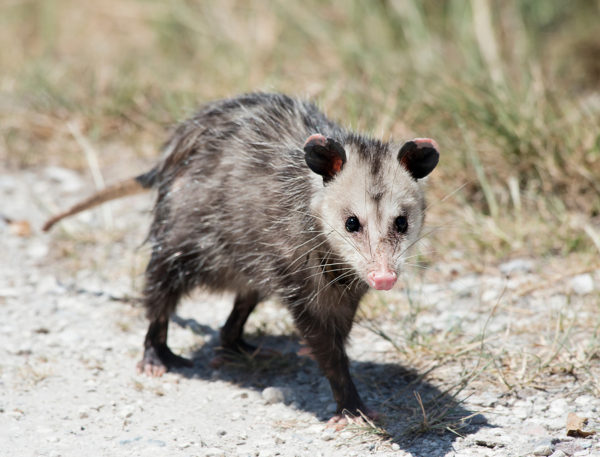
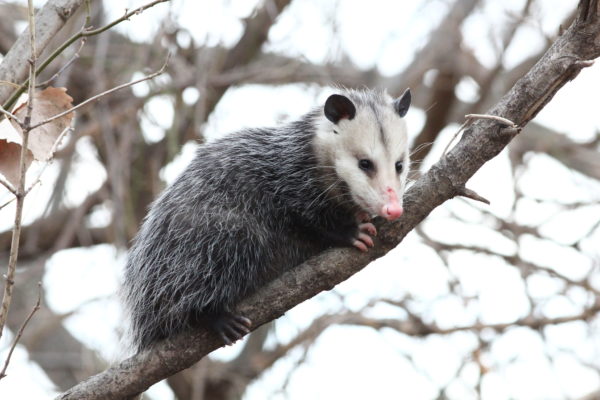
Possums are North America’s only marsupial species. They can range from 14″ long to over 3 feet long. Their tails make up 50% of their total body length. They can weight up to 13 lbs. Possums are scavengers and will forage in trashcans and dumpsters for food. They are omnivores but prefer insects and carrion over fruits and nuts. Possums are highly nocturnal and are rarely seen by humans. They prefer to live near water. Possums are found throughout eastern North America. Possums are slow movers but are highly skilled climbers. They can get into attics and under houses, especially in crawlspaces. They will play dead as a defensive tactic.
RACCOONS
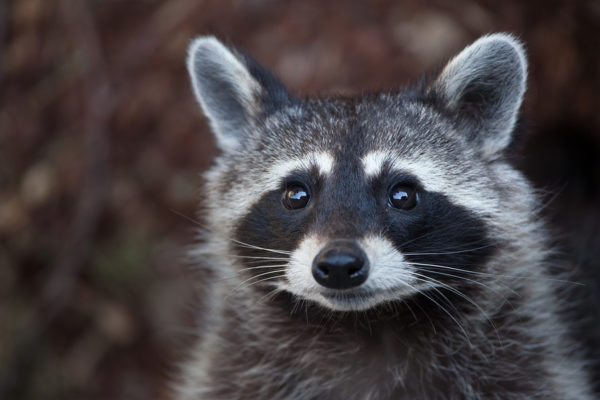
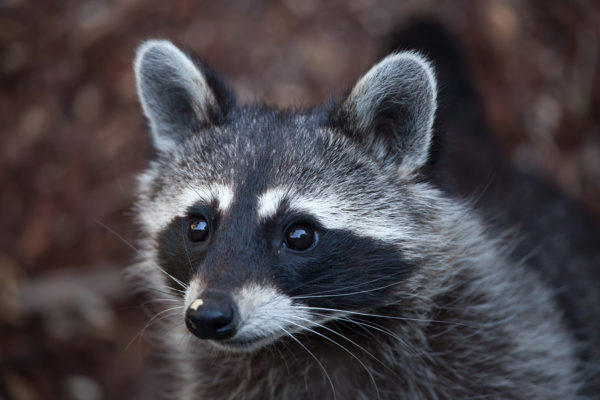
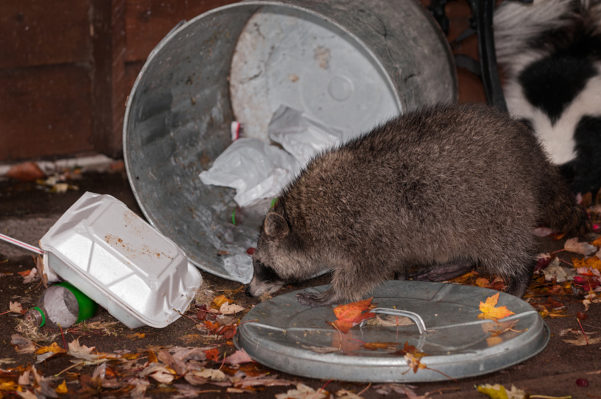
Raccoons can range from just under 2 feet long to just over 3 feet long. They can weigh up to 23 lbs. They have a distinctive black mask coloring on their faces. Raccoons are scavengers and will often forage in trashcans and dumpsters for food. They are quite dexterous and can use their paws to open doors and lids. They are omnivores but prefer fruits and nuts over meat. They are nocturnal and are rarely seen by humans. If you spot a raccoon during the day be aware – this is often (but not always) a sign of rabies or other abnormal condition in the raccoon. Raccoons are found throughout most of the United States, southern Canada, and northern South America. Raccoons are creatures of habit. Once they discover a food source at your house they will keep coming back over and over. They often access attics and roofs of homes causing significant damage.
PREVENTION
- Seal any garbage cans and compost bins at night.
- Use locking lids on trashcans if possible or place a weight on top to keep the lids closed.
- Pick up any fruit or other food items from your yard.
- Make sure to bring your pet’s food and water bowls indoors at night and empty bird feeders.
- Keep the outside of your home well lit at night – possums and raccoons are nocturnal and shy away from lights.
- Examine the outside of your home for possible entry points and seal them off. Make sure to check chimneys, attic vents, and seams along roofs and foundations.
- Keep your yard clear of debris and keep the grass mowed.
- Spray a mixture of half ammonia and half water on your trashcans or soak rags in the mixture and scatter them around your property. The smell will repel these pests.
- Consider enclosing your crawlspace to eliminate their ability to get under your home.
- If you think you have a wildlife issue, contact a licensed pest control expert who can provide you with a thorough evaluation and treatment plan.
Apr 26, 2018 | Pest Control
Summer brings hot temperatures and high humidity. It also brings some of the most annoying pests – fleas and ticks. These parasites can cause significant health issues for your pets including Lyme disease, anaplasmosis, and ehrlichiosis. Fleas and ticks are practically impossible to keep at bay and can take weeks to months to get under control. What can you do to protect your pets from these parasites? Check out these 8 tips to prevent fleas and ticks from taking over your pets and your home.
- Use a preventative year-round. While fleas and ticks are more common in the summer months, some can survive indoors during the winter. Check with your vet to see which preventative product is best for your pet and use it as directed. Make sure to check the expiration dates on products as they will lose their effectiveness after the expiration date. Check with your vet to see if there are any new products you can try that may not have been on the market before. Make sure to check the labels to ensure dog products are used on dogs and cat products are used on cats. Some products that are made for dogs contain an ingredient that is toxic to cats.
- Check regularly for ticks. You should perform tick checks on your pets regularly, especially if you have been in areas that may have ticks. Make sure to check all over your pet’s skin, in their ears, and under their armpits. Remove any ticks that you find immediately and notify your vet if your pet has been bitten.
- Groom your pet regularly. Comb your pet on a regular basis with a flea comb/brush. this allows you to bond with your pet while still giving you a chance to check for any parasites that may be hiding under their fur. Bathe them at least once a week with a flea and tick shampoo.
- Get regular checkups. Make sure to stay up to date with routine examinations with your vet. During the exam your vet will check for any signs of parasite problems to make sure the preventative product you are using is effective.
- Clean behind your pets. Clean crates and carriers at least once a week with warm, soapy water. Commit to a weekly wipe down of their equipment. Bedding should be cleaned in hot water at least once a week. Choose a pet bed that has washable, removable cushions and covers. If you can, try and have more than one cover so you can replace one while the other is washing. If your pet’s bedding looks or smells dirty even after washing, replace it and start a regular laundering schedule.
- Vacuum often. Fleas are known to live in carpets, rugs, and pet bedding. Try to vacuum at least once a week and more often if you actually spot fleas. Fleas also avoid high traffic areas so make sure to vacuum along baseboards, under furniture, under cushions, and anywhere your pets sleep or spend significant time. Change your vacuum bags frequently.
- Clean up your yard. Fleas prefer warm, moist, shady areas while ticks like to hide in tall grass. Mow your lawn regularly. Keep bushes and shrubs trimmed back. Rake leaves, brush, and clippings from your yard to give pests fewer places to hide and breed.
- Don’t attract wildlife. Wildlife like opossums, coyotes, raccoons, skunks, and feral cats can bring fleas and ticks into your yard. Try to limit the access these animals have around your house and in your yard. Don’t leave bowls of pet food and water outside. Keep pet food stored in sealed containers. Remove food from bird feeders nightly. Use trashcans with locking lids. Seal any openings to crawlspaces, garages, sheds, and decks.
If you suspect a flea or tick problem, call a professional pest control company who can come and thoroughly inspect your home and yard and provide you with a comprehensive treatment and prevention plan.
Apr 12, 2018 | Wildlife
As winter comes to an end, many animals are starting to emerge from hibernation. You may not have realized it but these animals will often take up residence over the winter in your home. Now that the weather is warming, they will start moving around in search of food and water and to try and get out. Some wildlife that get into your home are harmless but some can cause significant damage both to your home and to your health. They can leave feces behind that can contaminate the air in your home. They can chew through wires and wood in your attics and walls. So what can you do to keep these animals from seeing your home as a safe haven? Check out these tips to keep the wildlife out this spring.
- Check the outside of your home for any possible entry points and seal them.
- Repair any leaks or damaged and rotted wood around your home.
- Repair or replace damaged window and door screens.
- Use chimney caps.
- Use screens over dryer vents, air vents, and stove vents.
- Trim back trees from your roof line and shrubs from the sides of your home.
- Seal trash in containers with lids and don’t put it out until the day of trash pickup.
- Don’t leave pet food or water out overnight.
- Store unused pet food in sealed containers.
- Empty bird feeders daily.
- Keep your gutters clear or consider installing gutter guards.
- If you suspect you have a wildlife problem, contact a professional wildlife control company to safely remove any animals you may have.
Feb 16, 2018 | Pest Control, Wildlife
When the weather turns cold we tend to spend more time indoors enjoying the warmth from our heaters and blankets. Animals are no different! Fall and winter are the time of year when animals invade our homes in search of warmth, shelter, food and water. One of the most common pests we see in cold weather season is rodents. While rats and mice are the most common rodents we see in our area, they aren’t the only ones that can cause a problem. Chipmunks and squirrels can also cause significant damage to our homes if they get inside. Here are a few of the most common rodents in our area, as well as some tips to keep them from invading your home.
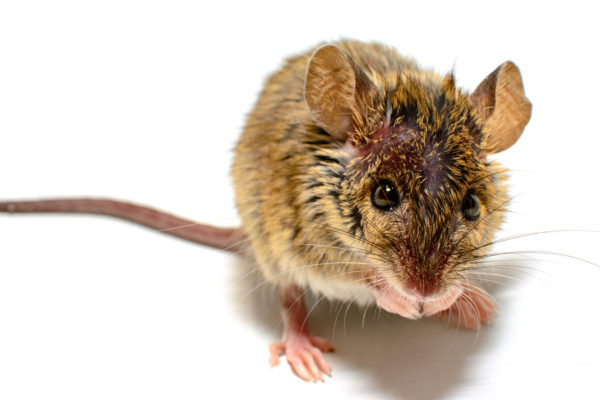
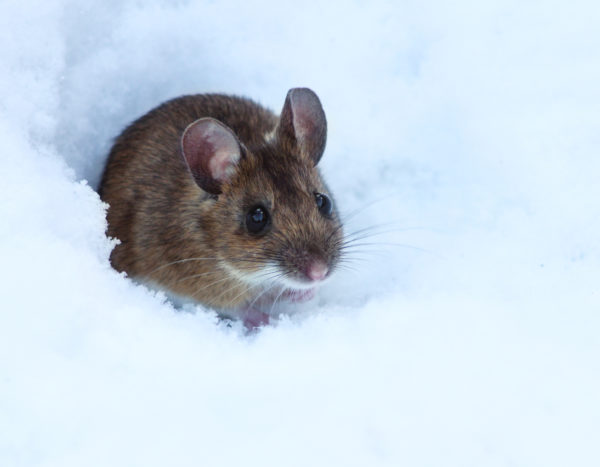
HOUSE MOUSE
- Light to dark gray in color
- Weighs 1 ounce or les
- Small and slender
- Rod shaped droppings
- Live in and around homes, farms, and commercial buildings
- Prefer foods high in fat, protein, and sugar
- Teeth grow continuously
- Cause damage by gnawing on wood and electrical wires
- Can contaminate your home with urine and feces
- Can fit through an opening the size of a dime
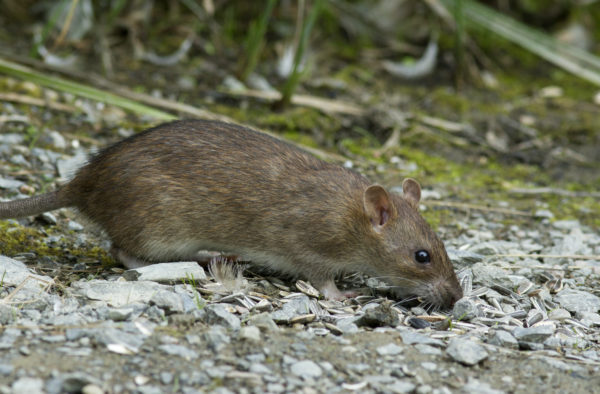
NORWAY RAT
- Gray in color
- Small ears
- Tail is short in relation to its head and body
- Blunt ended droppings
- Exist in large numbers
- Live in and around homes, in basements, in stores, in warehouses, on docks, in sewers, and in dumpsters
- Burrow to nest under buildings, under concrete slabs, around lakes and ponds, and near garbage
- Line their nests with shredded paper, cloth, and other fibrous material
- Nocturnal
- Eat nearly any type of food but prefer cereal grains, meat, fish, nuts, and fruit
- Can fit through an opening the size of a quarter
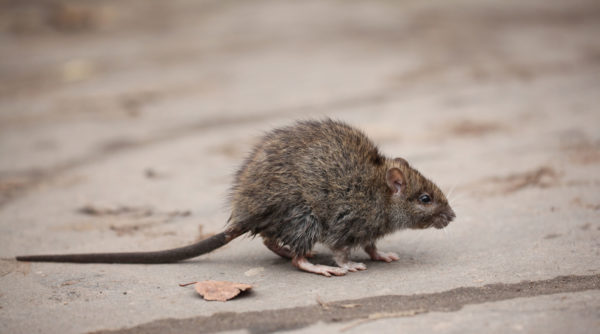
ROOF RAT
- Dark in color
- Weighs less than 1 lb
- Large ears
- Tail is longer than its head and body
- Spindle shaped droppings
- Spends 90% of its time above ground
- Nests in trees and sometimes attics
- Run on power lines or along the tops of fences
- Nocturnal
- Can fit through openings the size of a quarter
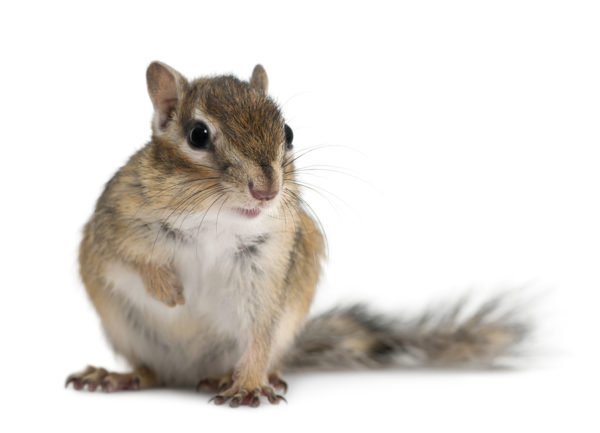
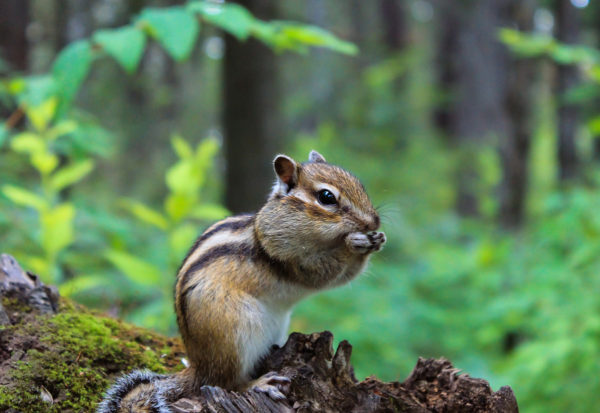
CHIPMUNK
- Small squirrels
- Tan and brown with dark and light stripes
- Make a series of high pitched chirps and flip tail back and forth to attract attention
- Active during the day
- Sleep in underground burrows
- Attracted to homes with gardens, flowers, bird feeders, pet food, and nut trees
- Can damage electrical lines, cable, and AC pipes
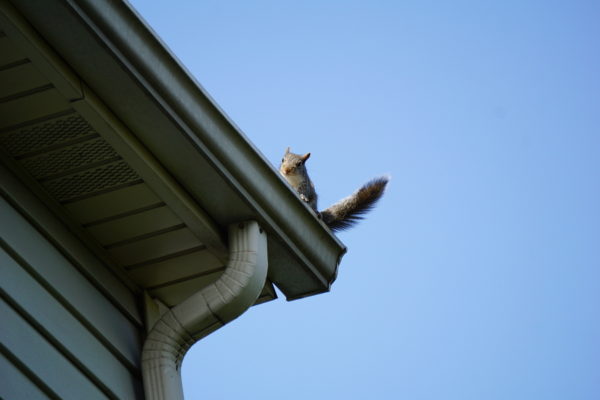
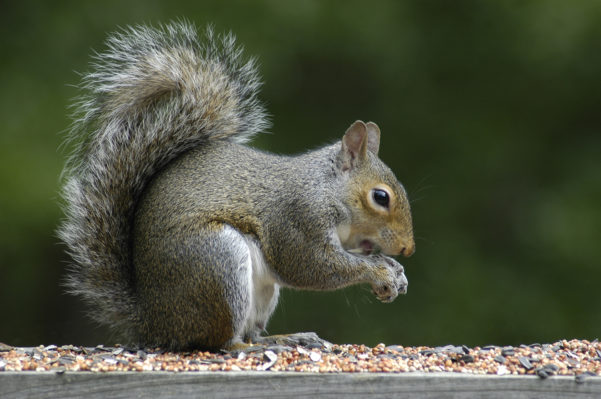
GRAY SQUIRREL
- Predominantly gray with white markings
- Short thick fur
- Bushy tail
- Weighs 1 to 1.5 lbs
- Sends most of its time looking for food
- Active year round
- Active in mornings and evenings
- Nests in attics or garages
- Also invade bird feeders and garbage cans
- Can cause significant damage to electrical wires and telephone cables
- Can also cause damage to wood, insulation, wires, and storage boxes in your attic
- Can contaminate your attic with urine and feces
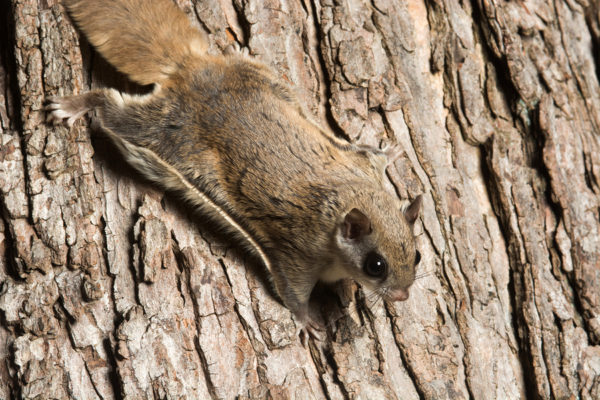
FLYING SQUIRREL
- Grayish brown body
- White belly
- Soft thick fur
- 4 to 6.5 ounces
- Up to 12″ long with tail
- Large eyes
- Low soft chirp
- Nocturnal
- Eat mostly plants, seeds, nuts, leaves, bark, flowers, roots
- Nest in tree cavities
- Occasionally nest in attics (enter through roof gaps)
- Will nest in your insulation
- Can cause contamination with urine and feces
So now that you know some common rodents, what can you do to keep them from coming into your home? Check out these tips to prevent a rodent infestation.
- Clean up spilled food immediately.
- Put away all food at night, including pet food and bird feeders.
- Keep food, including pet food and bird seed, in sealed, airtight containers.
- Keep garbage can lids tightly sealed.
- Declutter your attic and basement, especially anything made of cardboard.
- Store any items you can on shelves rather than in the floor.
- Keep your yard clear of debris.
- Keep grass and shrubs cut short.
- Trim shrubs and trees away from the sides of your home.
- Store firewood off the ground and a safe distance from your home.
- Repair holes in your foundation, garage, and interior walls and any gaps in your roof.
- Seal any openings larger than 1/4″.
- Use rubber seals under garage doors.
- Use door sweeps on exterior doors.
- Use weatherstripping around windows and doors.
- Use screens that are in good repair on doors and windows.
- Seal around pipes, drains, and vents.
- Use chimney caps.
- If you suspect you have a rodent problem, contact a pest control professional.
Jan 26, 2018 | DIY, DIY Pest Control, DIY Wildlife Prevention, Pest Control, Wildlife
During the colder months of winter, most of us like to stay bundled up and warm – with warmer clothes and inside our cozy homes. Unfortunately, many animals also seek this same shelter and warmth in the winter – oftentimes in our homes! Do you know which animals can cause problems for you during these colder months? What can you do to prevent them from seeking shelter in your home? Check out these common winter wildlife pests and 6 ways you can prevent them.
SQUIRRELS
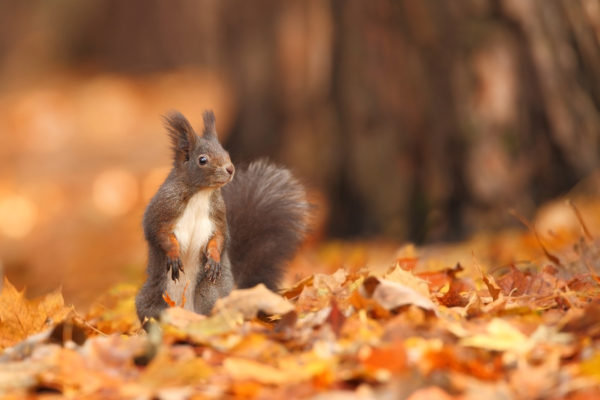
Squirrels can be a problem year round. They don’t hibernate in the winter and stay very active. They like to seek shelter and warmth in attic spaces. They may also seek out your attic as a storage space for their winter stash of nuts, grains, and seeds so they don’t have to search for food in the cold winter months. Squirrel nests are easy to spot in the winter in bare trees. Squirrels are notorious chewers – so if you have them in your attic you can expect your wood, insulation, and electrical wiring to suffer damage.
SKUNKS
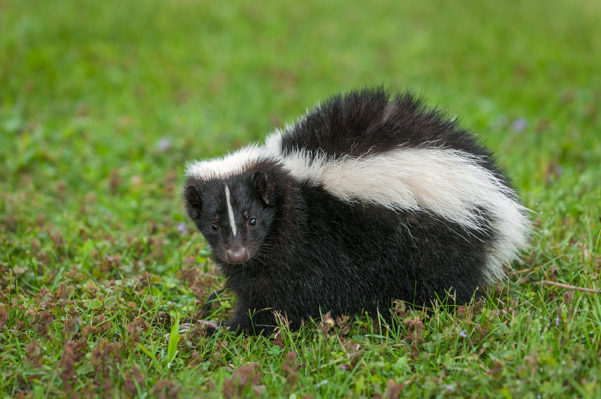
Skunks live in the same areas during the winter as they do in the summer. They like to burrow under our decks, patios, and stoops. Skunks don’t technically hibernate, but they do lower their body temperature and heart rate in the winter to conserve energy and therefore become less active. They can go up to a week without food and water but will venture out on a semi-regular basis in search of sustenance. They live in larger communities in the wintertime for warmth.
RATS/MICE
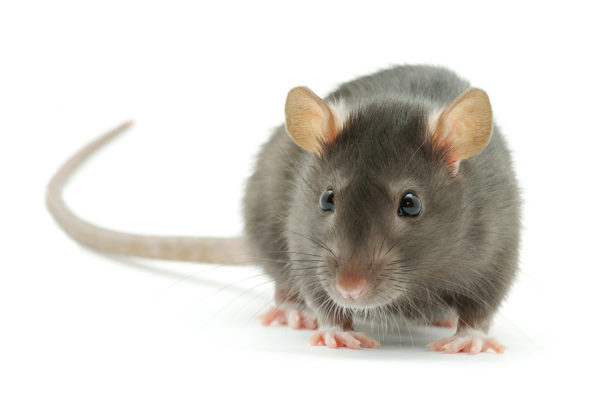
Rats and mice are also year round pests but they can become more of a problem in the winter. These rodents seek out warmth, food, shelter, and water inside our homes during the harsh winter months. They can squeeze into your home through extremely small openings. Like squirrels, they are also notorious for chewing through insulation, wiring, and wood.
BATS
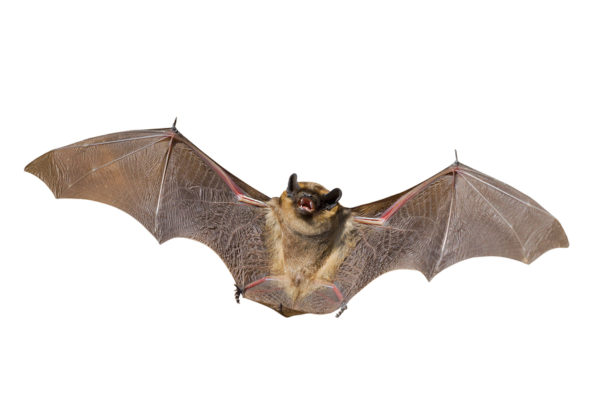
There are at least 40 different species of bats in the United States. Bats are mostly active in the summer months and will hibernate in the winter. They will, however, hibernate in your attic! Bats like to roost in attics, belfries, behind shutters, and loose boards. They are carriers of rabies and can spread disease.
RACCOONS
Raccoons are nocturnal and rarely seen during the day. Raccoons can cause significant damage to roofs and chimneys in their search for den sites. They will also get into crawlspaces in search of den sites. They are a major carrier of rabies.
CHIPMUNKS
Chipmunks are like squirrels in that they gather and store their food in the fall. They are less active in the colder weather, lowering their body temperatures and heart rates to conserve energy. They usually make their nests in underground burrows that can be up to 10 feet long. They will venture out every few days to eat, drink, and go to the bathroom. Oftentimes they will use attics as a storage space for their winter stash.
OPOSSUMS
Opossums are the only marsupial found in North America. They will occasionally make their dens in attics and garages. They are known to make very messy nests. Opossums have very sharp teeth and will show them, as well as hiss, when they feel threatened. They are known to bite in very rare cases.
PREVENTION:
Winter wildlife can be a problem especially if they build a nest or store food in or near your home in the wintertime. The cold weather also doesn’t eliminate the diseases that they carry and spread. If these pests get into your home they can cause significant damage to your roof, insulation, foundation, wiring, and more. What can you do to prevent winter wildlife from making your home theirs? Check out these 6 tips to prevent winter wildlife.
- Eliminate Entry Points. Winter wildlife can’t get into your home if they don’t have a way in. Carefully inspect your home for any openings that animals can use to get in. Check and proof any weep vents in your bricks. Seal around HVAC and utility lines, in gaps in the foundation and siding, in gaps between your roof and soffits, and gaps between the soffits and fascia. Check your roof vents, as well. Seal gaps around windows and doors, including your garage door. Many rodents can chew through rubber or thin plastic seals so consider using heavy duty metal seals or caulk. Check screens on doors and windows to make sure they are in good repair. Use chimney caps. Consider enclosing your crawlspace to prevent unwanted critters, as well.
- Clean Your Gutters. Clogged gutters can block the drainage of rain and melting snow and ice. This can not only cause damage to your home, but also invites birds and other wildlife to build their nests here. Make sure drains are clean and that your spouts are far enough away from your foundation. Consider installing Leafproof XP Gutter Guards to make gutter cleaning and maintenance easier for you.
- Clear Out The Clutter. Now is the time to reorganize your belongings. This not only lets you get your garage or attic cleaned out, but also allows you to inspect areas of these spaces that you might not normally have access to. If possible, get rid of cardboard storage boxes and use plastic containers with lids instead. Get rid of old newspapers or other paper products as these invite rodents and other pests to make nests.
- Get Rid Of Their Food. Winter wildlife will eat anything they can get their hands on. If you have birdfeeders, take them down in the evenings and put them back out in the mornings. Clean up any spilled birdseed from the ground underneath them. If you do keep your birdfeeders out all the time, consider squirrel proofing them. Use trash and compost bins with locks and store them in the garage if possible. Make sure outdoor composts are well sealed. Store food in airtight containers and refrigerate them if possible. Don’t leave pet food out overnight, especially outdoors. Clean up any spilled food and crumbs daily and sweep and vacuum often.
- Clean Up Your Yard. Clutter and debris in your yard can invite all sorts of pests to invade. Keep your yard clean and free of debris. Trim shrubs and branches away from your home as pests can use these to access your house. Stack firewood at least 2 feet off the ground to keep animals from nesting underneath. Dead trees, brush piles, and tall grasses should be put in yard waste bags and kept in the garage until garbage day.
- Call The Pros. If you suspect you have a wildlife problem, call a professional wildlife control company. They can come out and inspect your home, remove any unwanted critters, and provide you with a prevention and treatment plan to keep them from coming back.