Oct 20, 2022 | Pest Control
You might be thinking that since the weather is cooling down, pests won’t be as active. While that’s the case to some, most pests will be making their way indoors to seek warm shelter. Some homeowners even claim to see more pests in their home once the weather cools down. Here are some of the most common questions about winter pest control.
Which Pests Are Most Active?
Surprisingly, there are some pests that survive throughout the colder months. The main ways they stay alive are through hibernation, migration, and overwintering. Overwintering pests are our main issue in the winter. These are the pests that will migrate indoors instead of to a different part of the region.
Some of the most common pests still seen in the winter are cockroaches, rodents, and termites. Most of the time their activity might slow, but they are still nearby and ready to get back into full gear once the weather warms up.
How Often Should Pest Control Be Done?
The goal of pest control is to keep pests away and prevent infestations. Therefore, quarterly pest control is important. If you miss your regular pest control in the winter, it can create an easy opportunity for pests to get inside.
Winter is the best time for a barrier to be put in place. Some pests including spiders, cockroaches, and rodents can be a bigger issue this time of year, so getting ahead of schedule is key.
If you are ready to set up your winter pest control, give your local pest control company a call and they can help you set up a customized plan to prevent these pests.

Sep 13, 2022 | Pest Control
During the impending cooler months, some pests will begin seeking warmth and shelter for survival. These pests, known as overwintering pests, can survive cold temperatures due to these activities. There are three common overwintering pests: stink bugs, ladybugs, and boxelder bugs. They don’t cause any harm to you or your home, but they can become a nuisance once they get inside. Let’s break them down and discover the best ways to keep them away from your home.
Stink Bugs
These armor-shaped insects are an invasive species known to release an odor when disturbed or crushed. They pose no threat to humans or the structure of your home but can become a nuisance when an infestation occurs. They feed on a variety of plants, including fruits like apples, peaches, and figs. They prefer moist, mild climates and can be found in bathrooms and kitchens.
Lady Bugs
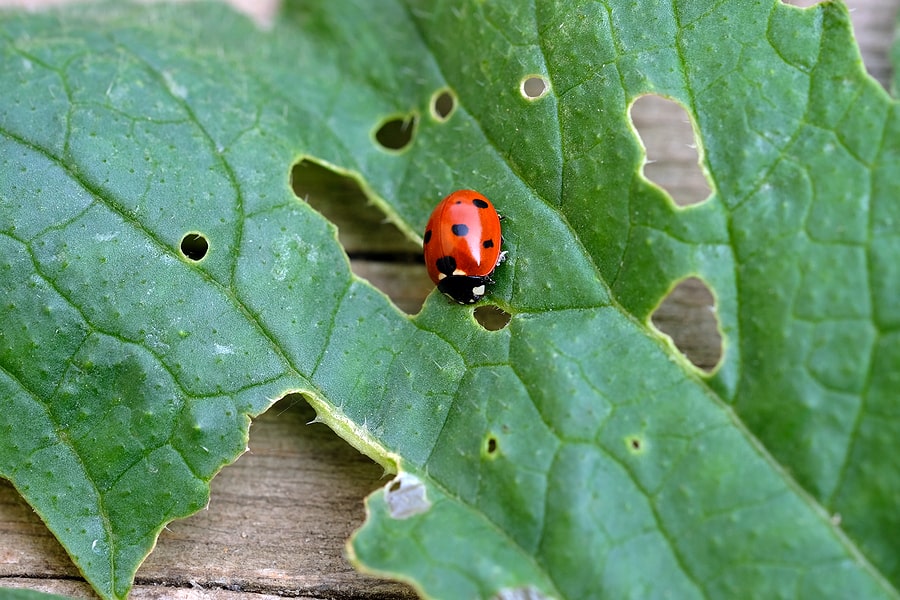
These harmless, overwintering pests are found worldwide and have over 5,000 known species. Ladybugs have an oval, dome-shaped body with a hard-shell wing that covers their inner wings. They are deemed beneficial and consume plant-eating insects, such as aphids, mealybugs, mites, and scale insects. During the colder months, they search for warmth and shelter. They can take over your home in a matter of days and can become a major nuisance when large populations congregate.
Boxelder Bugs
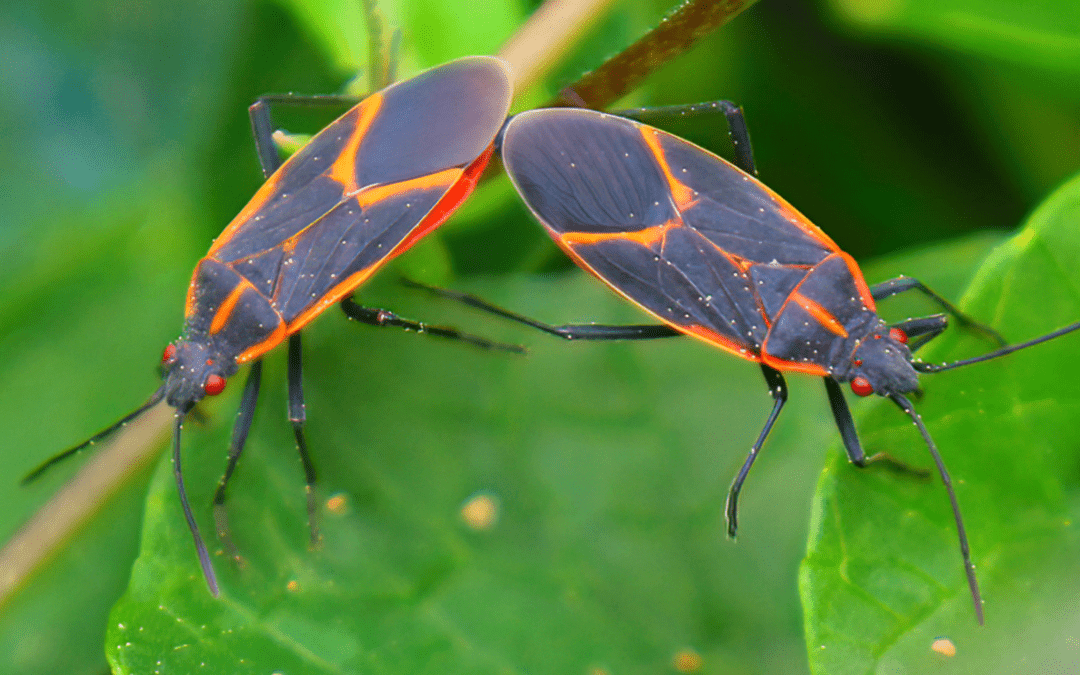
These pests are named for feeding off maple and seed-bearing boxelder trees in the warmer months. Boxelder bugs are sneaky pests that can easily make your home theirs. These pests are oval-shaped and elongated, with a reddish black body and orange markings on their back. They are considered more assertive than other overwintering species, puncturing skin when they feel threatened. The result is similar to that of a mosquito bite, so it shouldn’t be something to worry about.
Preventing Overwintering Pests
- Seal or caulk all cracks, crevices, and holes around house foundations, siding, doors, windows, electrical, and plumbing.
- Keep the yard clean by raking, cutting grass short, and picking up debris in the yard.
- Use tight-fitting insect screens on foundations and attic vents.
If you suspect you have an overwintering pest infestation, contact a professional, local pest control company to provide you with a thorough evaluation and treatment plan.
Jan 6, 2022 | Pest Control
Many pests hibernate or “die off” during the winter, causing homeowners to feel like they can relax during the colder months. Overwintering pests, however, are here to rain on your parade. These pests seek refuge inside our homes looking for food, water, and a warm place to hide until the weather outside is more favorable. Here are 6 winter pests to watch out for along with tips to prevent them.
Ants
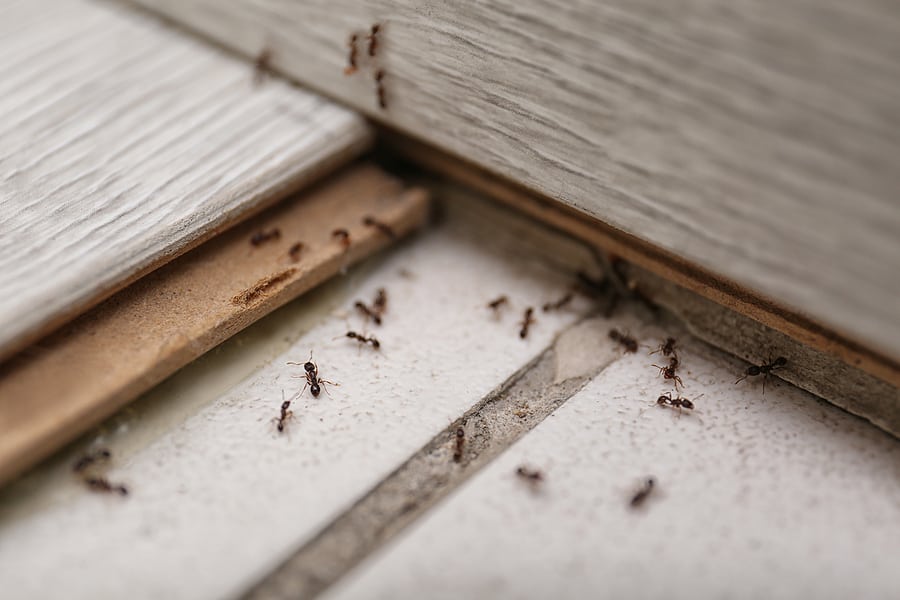
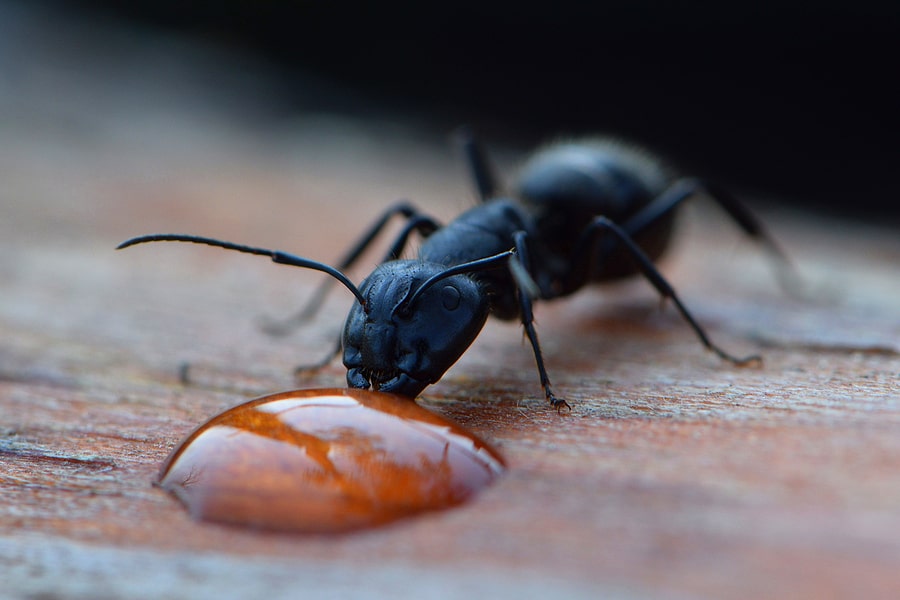
Ants will come in through the tiniest holes or cracks in the exterior of your home. They also like to sneak in on plants and flowers that are brought indoors. Ants are masters of overwintering, typically seeking out warm places deep in the soil or under rocks to hide out. Food can be scarce, though, and your home provides the perfect location for them to get everything they need to survive the winter – food, water, and warmth. The first step to ant control in your home is to get rid of their food source. Make sure food is well sealed and crumbs are cleaned up from floors and counters.
Beetles
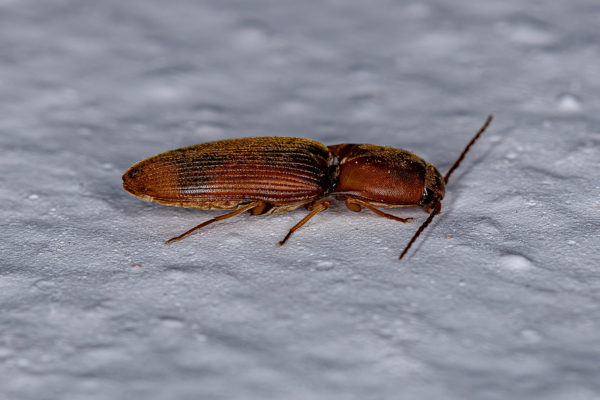
Beetles like to come indoors to get out of the cold. They are known to hide in the warmest areas of your home, such as near dryers or water heaters. Elm leaf beetles and click beetles are two of the most common overwintering beetles you may encounter. They are often brought inside on firewood. If you spot beetles inside, vacuum them up and immediately discard the bag or canister contents. Eliminate their food sources by keeping your kitchen and bathroom clean. Caulk windows or use weatherstripping around them. Keep wood piles and leaf litter away from your home. Inspect any wood before bringing it inside.
Silverfish
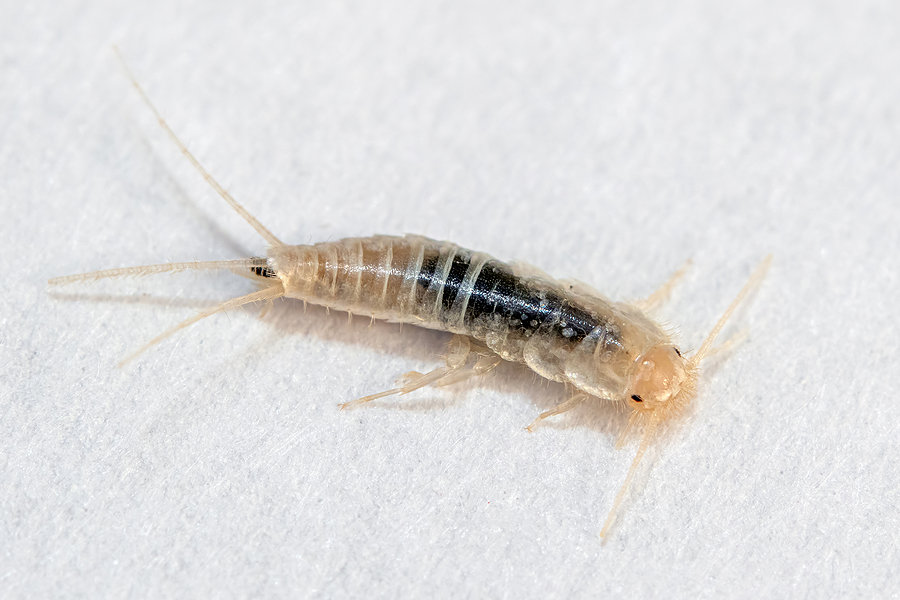
Silverfish prefer damp, cold places and will usually be found hanging out in your basement or bathroom. They are common in the winter months, often hitching a ride as you are hauling your holiday decorations in and out of your attic or garage. They feed on books, glue, wallpaper, and boxes. Keep silverfish under control by vacuuming often and decluttering your home. Get rid of any old newspapers, mail, and cardboard laying around. Inspect any boxes before bringing them inside. Store clothes in sealed bins, preferably made of plastic rather than cardboard.
Ladybugs
Ladybugs will come inside through window cracks and openings to shelter from the cold. While they don’t bite, they will secrete a yellow fluid with an unpleasant odor that not only attracts other ladybugs, but can also leave an unsightly stain on your walls, floors, ceilings, and more. Control ladybugs by locating and sealing any entry points you can find. Vacuum them up or spray them with soapy water. The soapy water will not only get rid of the ladybugs, but it will also get rid of the smell, helping prevent other ladybugs from coming back.
Roaches
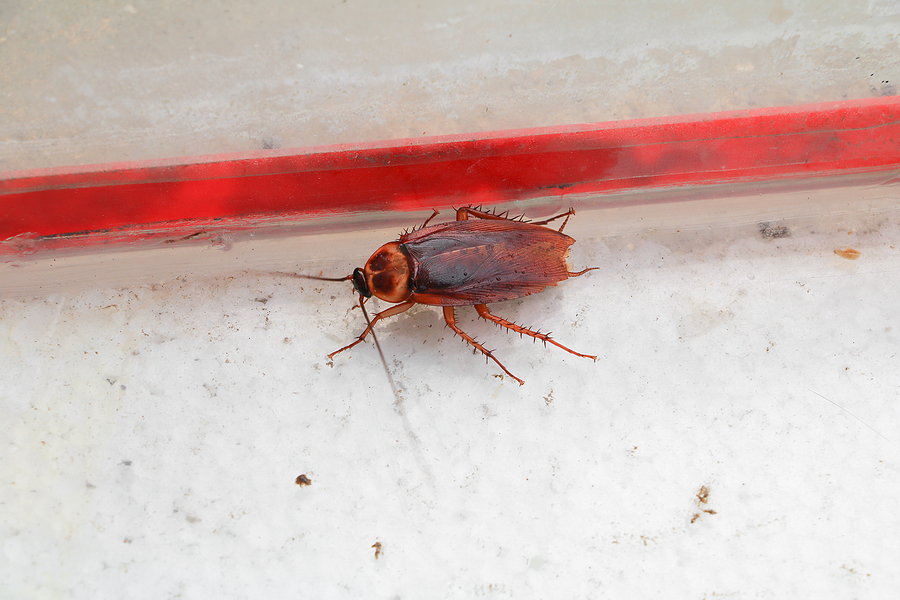
Roaches come indoors during winter for heat and humidity as they cannot survive the cold temperatures outdoors. They are also attracted to plants, leaf litter and mulch. Cockroaches pose a serious health risk to humans as they are known to transmit diseases and trigger allergies and asthma. They will also hitch a ride inside on grocery bags, boxes, and used appliances. They prefer to hang out in kitchens and bathrooms. Keep roaches at bay by cleaning counters and floors and vacuuming frequently. Dispose of your garbage regularly. Keep kitchens and bathrooms clean, especially under appliances and cabinets.
Spiders
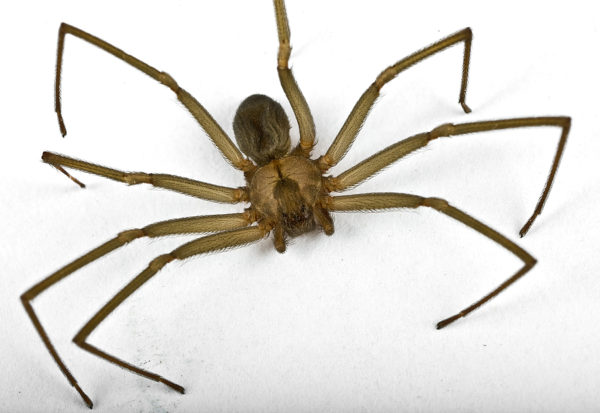
Spiders seek out warm, dark places to hide during the winter, usually in your basement, attic, or rarely used corners of rooms. They will also hide out in boxes and rarely used clothes and shoes. Keep spiders under control this winter by decluttering your home. Dust, vacuum, and sweep out cobwebs frequently. Discard any old boxes and packages they can use to hide out in. Keep trees and shrubs trimmed away from your home and cut back overhanging limbs from the roof. Store clothes and shoes in plastic containers.
No one wants to deal with pests inside their home regardless of what season it is. If you have a problem with pests at any time during the year, contact your local pest control company who can help identify the type of pest you have, identify entry points, and set up a treatment and prevention plan going forward.
You May Also Be Interested In:
Have a Pest-Free New Year
Does My Crawlspace Need A Moisture Barrier?
What Every Homeowner Should Know About DIY Pest Control
Which Season is Worst for Bed Bugs?
Wildlife Control: How to Keep Animals Out of Your Home
Dec 15, 2021 | Pest Control
The holiday season is a time to enjoy family, eat delicious food, and not worry about pests! Unfortunately, overwintering pests such as spiders, rodents, ants, ticks, and more are looking indoors for food, water, and shelter. During the holiday season, Christmas trees, wreaths, firewood, decorations, and storage boxes provide the ideal opportunity for these pests to hitchhike inside.
Check out our top 3 pest prevention tips for holiday pest control.
Check Your Decorations
Attics, basements, and garages provide perfect storage spaces for our holiday decorations. These areas in your home are dark and secluded, making them the perfect place for pests to invade. Stored decorations provide an undisturbed hiding place for pests such as mice, rats, spiders, and more. These creatures will often crawl into the storage boxes you put away last season, contaminating and destroying your decorations.
To ensure that you do not bring these pests into your main living space, inspect and unpack these items outside first. After the holiday season has ended, pack your decorations like foliage, potpourri, and Indian corn in air-tight containers to help prevent pests for next year.
Check Your Firewood
With colder weather here, many homeowners start utilizing their fireplace, bringing in more firewood from outside. However, it’s crucial to inspect firewood before bringing it inside the home. Pests like spiders, termites, and ants are often found on firewood. Consider placing the firewood outside 20 feet from your home and on a raised platform.
Check Your Christmas Tree & Wreaths
If your family celebrates Christmas, you might opt to buy a real Christmas tree and wreath. While both can showcase the authentic look of Christmas, they also tend to carry pests such as spiders, moths, mites, and even squirrels!
To prevent these unwanted pests from hitchhiking indoors, inspect both items outside and then shake them. Also, check these items for any droppings, gnaw marks, or other damage before bringing them inside.
If you suspect that you have a holiday pest problem, consider reaching out to your local pest control company. These professionals will be able to inspect your home, provide the best pest control plan, and recommend prevention techniques for your home.
Dec 8, 2021 | Wildlife
Food, water, and a warm place to live are three things wildlife creatures are in search of this winter season. For them, our house can give them direct access to these needs, where they often find their way into our chimneys, attic, basements, and crawlspaces. It’s important to know what pests to look out for and what preventative measures to take, to help prevent a wildlife infestation.
Rats
Seeing a rat inside is always alarming. These rodents are known to live in crawlspaces and between the side beams of walls, often accessing inside through the smallest hole and gap. Once inside, rats will chew on electrical wire, causing property damage and an increased risk of fires. Their droppings are also a risk, as they contain pathogens dangerous to humans.
Raccoons
Nocturnal omnivores, raccoons are dexterous and can use their paws to open lids and doors. These animals will use their hands to dig for food, especially in garbage cans. A creature of habit, once raccoons discover food sources in a particular area, such as your house, they will keep coming back over and over, causing both a risk of an infestation and damaged property.
Squirrels
Squirrels are one of the most common wildlife creatures homeowners see. While they are cute from afar, if found inside your home, they can cause considerable damage. Squirrels will take refuge in basements and attics, often bringing acorns to store for the wintertime. Like rats, these rodents will also chew on electrical wire, creating a risk of a fire. Both squirrels themselves and their droppings can contain diseases and pathogens.
To avoid a winter wildlife invasion, prevention is key. Here are a few wildlife prevention tips to help with wildlife control:
- Seal garbage cans and compost bins at night.
- Bring pet food and water bowls indoors at night.
- Trim tree limbs and shrubs away from your house.
- Place a grated screen on top of your chimney.
- Consider enclosing your crawlspace to eliminate entry points.
- Examine your home exterior for any holes and gaps. If holes or gaps are found, seal them immediately.