Oct 10, 2012 | Pest Control
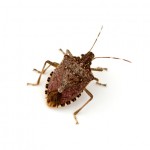
 The stink bug made it’s presence well-known this past Spring when we saw a large invasion of the pest. Well it seems that they are back.
Stink bugs feed on leaves, flowers, fruit, crops, and even other pests, such as caterpillars. They can damage plants and crops but luckily besides the foul odor they emit when they are crushed or threatened, they do not cause harm to humans.
Prevent stink bugs from making a comeback in your home:
- Seal cracks around the structure of your home.
- Replace damaged screens on door and windows.
- Vacuum up stink bugs found in your house (DO NOT step on them. They will emit a horrible odor.) Tightly seal and throw away the vacuum bag outside of your structure, immediately. It is important to dispose of the bag immediately. Stink bugs tend to die or bust in the bags causing a horrendous smell that could be difficult to get out of your vacuum.
- Call your pest control company. Professionals can help you identify where these pests are coming from and what is attracting them. They will also be able to help develop a customized plan that would get rid of any stink bugs and prevent them from coming back.
Oct 8, 2012 | Pest Control
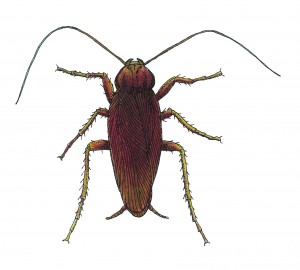
American Cockroaches, or the Palmetto Bug, have been making appearances in homes all over the South recently. Reddish brown in color with a yellow marking, palmetto bugs can grow to be 1.5 to even 2 inches in length. These roaches have wings but are not good flyers.
Cockroaches are found in residences and commercial buildings…anywhere that has food and water sources. Homes, restaurants, bakeries, grocery stores, food processing plants, and even hospitals are common places that cockroaches can be found. Kitchens, food storage areas, and basements are the usual areas roaches are found in because of food and water. They can be found in dark, moist places like basements, drains, tubs, and sewers looking for water.
Keep roaches from invading your structure by:
- Sealing off entry points.
- Caulking around pipes and drains.
- Keep kitchen and food preparation areas clean, especially at night.
- Use a disinfectant on counter tops.
- Wash, dry, and put away dishes.
- Tightly seal and remove garbage.
Roaches can be difficult to control once they have infested your home. Call the professionals for a quick and efficient way to get roaches out of your home.
Oct 5, 2012 | Pest Control, Wildlife
Q: My neighbors abandoned their home and the yard grew about 4 feet tall. The neighborhood had their lawn service cut it and they saw many mice and rats in the yard. The yard is behind mine. What can I do to prevent them from coming into my house?
A: It is a frustrating situation to be in when you are concerned about problems from another source that you do not have any control over!
All animals need three items in order to be successful: food, water and shelter. If you can eliminate these, in most cases you can help control any issue. It sounds as if cutting the grass from the neighbor’s yard took away the shelter and food causing them to search for these sources elsewhere.
We suggest that if you have any outdoor feeders for birds or squirrels to move them away from your home. Also, if you have any water sources such as fountains, bird baths, etc, it would be helpful to move them as far away from the home as possible. Additionally, make sure that any pet food, bird seed or grass seed is stored in a tightly concealed, rodent proof container.
If you find that you notice evidence of animals or rodents in or around your home, call Northwest Exterminating. A pest prevention program or wildlife control program may be needed to remove the unwanted visitors from your home.
Oct 5, 2012 | Pest Control, Wildlife
Q: My neighbors abandoned their home and the yard grew about 4 feet tall. The neighborhood had their lawn service cut it and they saw many mice and rats in the yard. The yard is behind mine. What can I do to prevent them from coming into my house?
A: It is a frustrating situation to be in when you are concerned about problems from another source that you do not have any control over!
All animals need three items in order to be successful: food, water and shelter. If you can eliminate these, in most cases you can help control any issue. It sounds as if cutting the grass from the neighbor’s yard took away the shelter and food causing them to search for these sources elsewhere.
We suggest that if you have any outdoor feeders for birds or squirrels to move them away from your home. Also, if you have any water sources such as fountains, bird baths, etc, it would be helpful to move them as far away from the home as possible. Additionally, make sure that any pet food, bird seed or grass seed is stored in a tightly concealed, rodent proof container.
If you find that you notice evidence of animals or rodents in or around your home, call Northwest Exterminating. A pest prevention program or wildlife control program may be needed to remove the unwanted visitors from your home.
Oct 3, 2012 | Pest Control
At this stage in your life, you probably think you know quite a few facts about nature – the sun rises in the east, dolphins can communicate with each other, and bees gather honey from flowers. So, it may come as a surprise to you that you may have to reconsider what you know. Keep reading for some myth busting – Northwest style.
5 Common Misconceptions About Insects:
1. Bees get honey from flowers
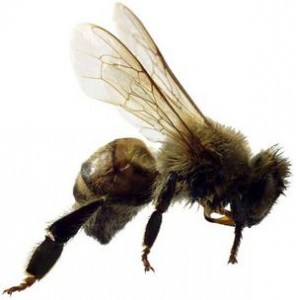
When bees buzz through your garden, they gather nectar, a complex sugar, which they carry to the hive in a “honey stomach.” Once they deposit it into the hive, other bees break down the sugar and pack it into the cells of the honeycomb. Finally, they fan their wings over the honeycomb to evaporate water out of the nectar and the end result is honey!
2. All spiders make webs
Many people think that all spiders spin webs of silk to trap their prey. It is true that all spiders produce silk. On the contrary, hunting spiders, which include wolf spiders, jumping spiders, and trapdoor spiders among others, actually track down their prey instead of making webs.
When most people think of animals, they often mean furry creatures such as dogs, cats and even more menacing lions, tigers and bears. Perhaps because of the unusual appearance of most insects, which have exoskeletons among distinctive features, people tend to assume these arthropods are of a different classification. Though they may not have skin or fur, insects are animals just like dogs, cats – and us!
4. A cocoon and a chrysalis are the same
Growing up, we learned stories of homely worms turning into beautiful butterflies after emerging from their cocoon. Actually, the term chrysalis defines this transformation stage between larva and adult, otherwise known as a pupa. Only butterflies can come from a chrysalis. It is its cousin, the moth, that emerges from a cocoon made of silk.
5. Daddy longlegs are spiders
Daddy longlegs, also known as harvestmen, walk around on eight legs as all spiders do. However, not all eight-legged creatures are spiders. Spiders have two distinct, separated body parts, whereas the harvestmen have one. They also do not have silk or venom glands as spiders do.
Melissa Brown
[email protected]
Sources:
http://insects.about.com/od/teachingaboutinsects/tp/15misconceptions.htm
http://www.flmnh.ufl.edu/exhibits/always-on-display/butterfly-rainforest/butterfly-qa

 The stink bug made it’s presence well-known this past Spring when we saw a large invasion of the pest. Well it seems that they are back.