
How Often Should You Inspect a Vacation Rental for Termites?
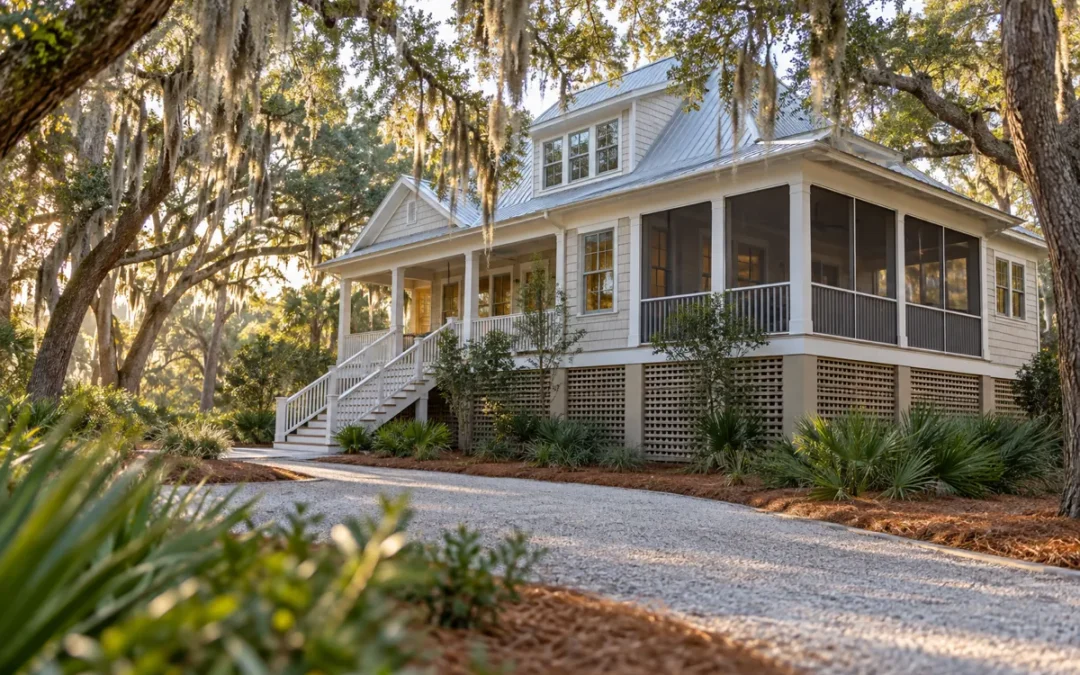
Quick answer: Inspect a vacation rental or second home for termites at least once a year. Coastal Lowcountry properties with a crawl space and an absentee owner often need more frequent checks or continuous monitoring, because swarmers, mud tubes, and moisture problems go unnoticed when nobody is there. Beaufort County’s established Formosan termites raise the stakes.
A termite infestation rarely announces itself. The early signs are visual: swarmers near a light fixture, a scatter of discarded wings on a windowsill, a thin mud tube behind lattice. They only help if someone is there to see them. For an owner of a vacation or rental property in Hilton Head, Bluffton, or Sun City, weeks or months can pass between visits, and a termite colony does not wait for the next booking.
This guide covers how often a second home should be inspected, what an absentee owner is likely to miss, why Beaufort County raises the stakes, and how continuous monitoring changes the picture. For the full service overview, see our page on termite control in Hilton Head.
How Often Should a Second Home Be Inspected for Termites?
At least once a year, and more often for a crawl space property in a coastal area with no one living there full time. Annual inspections are the baseline for most homes, as we explain in our post on the importance of annual termite inspections. An unoccupied rental simply has more unwatched time between them.
An annual inspection is a snapshot of one day out of 365. If a colony reaches a pier or foundation wall two months after the visit, nobody may notice until the next scheduled check, or until a renter mentions something offhand that never reaches the owner.
What Does an Absentee Owner Miss?
The early signs of termites, because most of them are brief or hidden. Swarmers and wings disappear within days, mud tubes form out of sight, and slow changes in flooring and moisture are hard to catch on occasional visits. Here is what tends to slip past.
- Swarmers and discarded wings. They show up for a few days during swarm season, then get swept or blown away before the next visit.
- Mud tubes. Tubes on piers and foundation walls often form behind lattice, shrubs, or stored items, outside the sightline of a quick walkthrough.
- Soft flooring and blistered paint. A floor that felt fine in March can feel different by August, but gradual change is hard to notice if visits are rare.
- Moisture problems. A slow leak or poor drainage under a crawl space builds up the conditions termites like, and nobody is there to see pooling water or rising humidity.
- Guest observations that never get reported. A guest who notices something odd is on vacation, not doing an inspection, and rarely mentions it to the owner or property manager.
None of this means an absentee owner is doing something wrong. It means the property needs a plan built for being empty most of the time.
Why Does Beaufort County Raise the Stakes?
Because Formosan termites are established here. Clemson Extension lists Beaufort County among 16 South Carolina counties with established Formosan populations, and says many native colonies hold about 100,000 workers while Formosan colonies may hold a million or more. More workers feeding means damage can build faster between inspections.
That is a good reason to think hard about how often a Hilton Head or Bluffton property is checked, and what protection is in place between visits. For more on how Formosan termites behave and how they are treated, read our guide to Formosan termite treatment in Hilton Head.
Who Is Responsible for Termite Damage in a Rental?
Usually the owner, because termite damage affects the structure and the structure belongs to the owner. How responsibility is divided among owner, property manager, and tenant depends on the management agreement, so read yours before a problem comes up and make sure it says who reports what.
Property managers typically handle day-to-day upkeep and pass along issues they see or that guests report. A tenant or short-term guest generally has little responsibility for structural pest problems. This is a general description, not legal advice. If you own a rental in Hilton Head, Bluffton, Palmetto Bluff, or Sea Pines, review how your management agreement handles pest issues and reporting.
Is Continuous Monitoring Better Than an Annual Inspection?
For an unoccupied property, continuous monitoring covers the gap between inspections. Sentricon Always Active keeps bait in the stations all the time, so protection does not depend on a visit happening to line up with when a colony arrives or on someone being home to notice.
Monitoring does not replace inspections. It works alongside them, and it suits a rental where the owner is not present to catch early signs. Here is how one of our brand managers describes first inspections at rentals that have never had active monitoring:
“When we do a first inspection on a vacation rental that hasn’t had active monitoring in place, mud tubes are usually the first thing we find, and they’re often somewhere the owner would never think to look, behind lattice skirting, up a pier inside a crawl space, along a beam tucked against the foundation. The other thing we see regularly is moisture damage that’s already created ideal conditions for a colony to get established. As far as access and scheduling, we coordinate directly with the owner or their property manager.”
Charles Miller, Brand Manager, Laurens, SC
What Should You Know About Termite Coverage When Selling a Rental?
That the sale usually involves a wood infestation report and a conversation about what coverage the buyer gets. In South Carolina the report is the CL100, commonly required by lenders and purchase contracts. Our homebuyer guide to the CL100 explains what it is and what it is not.
What an agreement includes, and what happens to it at sale, depends on its terms. For a plain look at what agreements cover, read does your termite bond cover Formosan termites and see the agreements section of our termite control and treatment page. If a second home needs an agreement at all depends on how the property is used and your risk tolerance. A rental in documented Formosan territory with an absentee owner and a crawl space is a strong candidate. Northwest termite agreements cover Formosan subterranean termites.
What Does Termite Protection Look Like for Hilton Head and Bluffton Rentals?
Access is arranged with the owner or the property manager. Ask any provider how access is authorized, how scheduling works around stays, and what record you receive after each visit, so you can follow what is happening from a distance.
If you own a property in Hilton Head, Bluffton, Palmetto Bluff, Sea Pines, or Sun City and want to know what ongoing protection could look like for it, request a free termite inspection. Northwest serves Hilton Head Island, Bluffton, and Beaufort County from our Savannah team.
Frequently Asked Questions
How often should a vacation rental be inspected for termites?
At minimum, once a year. Coastal Lowcountry rentals with a crawl space and an absentee owner often benefit from more frequent checks or continuous monitoring, since gaps between visits are harder to manage when nobody lives there full time.
Do I need a termite bond on a second home?
It depends on the property’s risk and how it is used. A rental in a documented Formosan termite area, with a crawl space and no permanent resident, is a strong candidate for a termite agreement, since early detection matters more when nobody is there day to day.
Who is responsible for termite damage in a rental property?
It depends on the management agreement, but the owner typically carries the structural risk regardless of who manages the property day to day. This is general information, not legal advice, so review your own agreement.
Does a termite agreement transfer when I sell a rental property?
It depends on the agreement. Transfer terms vary by provider, so ask for the terms in writing. In South Carolina, buyers and lenders commonly expect a CL100 wood infestation report as well.
How do you inspect a property when the owner is not there?
Access is arranged in advance with the owner or the designated property manager. Ask the provider how scheduling works around guest stays and what record you will receive after each visit.
Find Out Where Your Rental Stands
If you own a rental or second home in Hilton Head or Bluffton and want a clear picture of its termite risk, request a free termite inspection. A Northwest professional can look at the property, explain what they find, and talk through ongoing protection.