Oct 17, 2025 | Florida Termite Control
In Miami, termites are a year-round concern. Unlike regions where cooler weather slows pests, our tropical climate allows destructive termites to stay active. October is a critical time for homeowners to remain vigilant, as certain termite species, including the formidable Formosan subterranean termite, continue to silently threaten your property. Understanding the termite threat in Miami is key to protecting your home. This guide explains what to watch for and how to reduce risk.
Why Termites Remain a Major Threat in October
Understanding Year-Round Termite Activity
Miami’s warm, humid climate means termites have no true “off-season.” While swarm season peaks in spring, colonies work continuously. Autumn rain and consistent moisture encourage subterranean termites to forage for wood and other cellulose sources to feed their growing populations.
The Hidden Dangers to Your Home
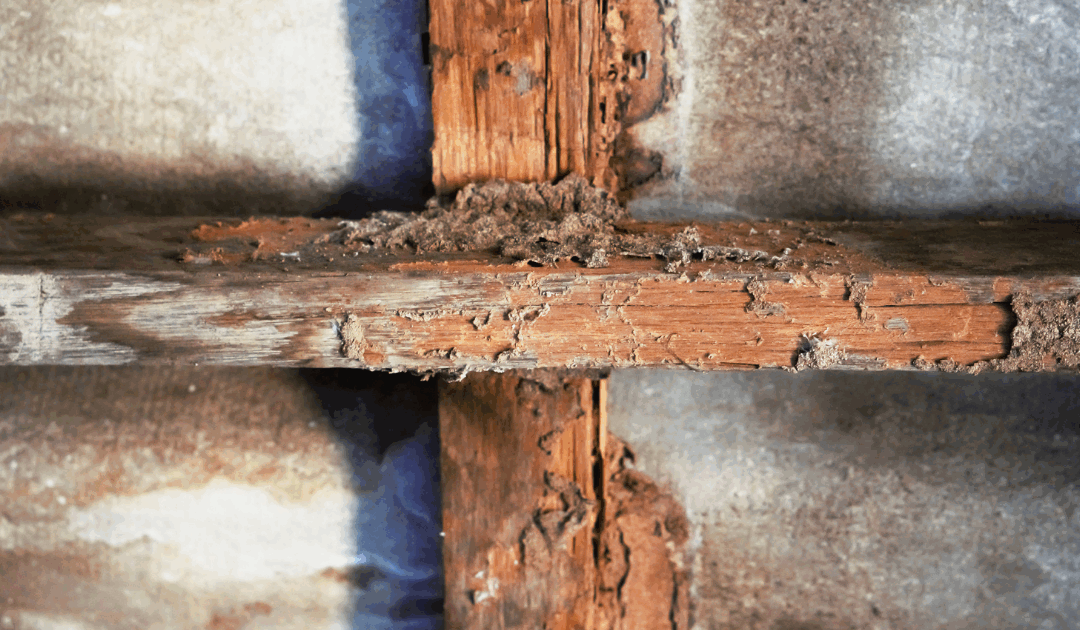
Termites consume wood from the inside out, often leaving no visible damage until the structure is seriously compromised. This can weaken support beams, hollow floors, and damage walls, resulting in costly repairs. The termite threat is not just a nuisance; it directly affects your home’s structural integrity and value.
Identifying an Active Termite Infestation
Mud Tubes
Subterranean termites build pencil-sized mud tubes to travel from underground colonies into your home. Check foundations, crawl spaces, and interior walls for these tunnels.
Discarded Wings
After swarming, reproductive termites shed wings. Look for tiny piles on windowsills, near doors, or caught in spiderwebs—a clear sign a colony is nearby.
Wood Damage
Tap wooden surfaces like baseboards, window frames, and support posts. Hollow or papery sounds, blistering, or darkened wood may indicate termite activity.
Proactive Steps for Termite Prevention
Eliminate Moisture Sources
Termites need moisture to survive. Repair leaky pipes, faucets, or AC units, and keep gutters and downspouts clear to direct water away from your foundation.
Remove Wood-to-Ground Contact
Keep lumber, firewood, and other cellulose debris at least 20 feet from your home on raised platforms. Maintain a gap between mulch or soil and siding to reduce access points.
Staying Ahead of Termites This Fall
Preventing termite damage starts with vigilance. Regularly inspect for mud tubes, discarded wings, and compromised wood while eliminating moisture and wood-to-ground contact. These steps help reduce risk, but established colonies often require targeted strategies.
If you notice any signs of termite activity or want to ensure your home is fully protected, call a certified termite control technician today for a thorough inspection and a customized plan to protect your property.

Oct 16, 2025 | Green Commercial Pest Control
For owners and managers of commercial properties, maintaining a clean, healthy, and pest-free environment is essential. Pest infestations can disrupt operations, harm your reputation, and result in significant financial loss. Green pest control offers a responsible, effective solution that aligns with sustainability goals and modern business practices.
Rooted in Integrated Pest Management (IPM), this approach protects tenants, customers, and your brand. This guide explains why a sustainable pest management program is critical and what to look for in a professional commercial pest control provider.
The Business Case for Green Pest Control
Enhancing Your Brand and Corporate Responsibility
Sustainability is a core business value that influences consumer and tenant decisions. Implementing green pest control demonstrates environmental stewardship and concern for public health. This responsible choice enhances your brand, appeals to eco-conscious clients and tenants, and differentiates your business in a competitive market.
Creating a Healthier Environment for Occupants
Green pest control reduces conventional chemical treatments, improving indoor air quality and reducing occupant exposure. In multi-tenant buildings, offices, and retail spaces, this approach creates a healthier, more comfortable environment for employees, customers, and visitors while reducing potential complaints and liability.
Achieving Long-Term Effectiveness and Cost Efficiency
A sustainable strategy focuses on prevention rather than reacting to pest sightings. IPM identifies and eliminates root causes, including entry points, moisture, sanitation gaps, and habitats. Addressing these conditions results in long-lasting results and can reduce costs from repeated infestations and property damage.
Choosing the Right Commercial Pest Control Partner
Proven Commitment to Integrated Pest Management (IPM)
Ask potential providers about their IPM program. A reputable partner emphasizes inspections, continuous monitoring, and non-chemical methods such as structural exclusion, habitat modification, and sanitation consulting. Chemicals are used only when necessary and applied in a targeted way.
Expertise in Diverse Commercial Environments
Commercial properties vary from offices to warehouses and retail centers, each with unique pest challenges. Providers should have experience with different commercial clients, understand how to work discreetly, schedule services to minimize disruption, and comply with regulations.
Comprehensive Documentation and Partnership
A professional provider acts as a strategic partner in maintaining your property’s integrity. Look for transparent documentation of inspections, pest activity, and any materials used. Clear, consistent communication is essential for a successful partnership and demonstrates due diligence during audits.
Commercial Pest Control Recap
Adopting green pest control strengthens your brand, supports sustainability goals, and creates a healthier environment for everyone on your property. By focusing on prevention and partnering with an IPM expert, you can achieve long-lasting protection. For a tailored, responsible pest management plan, contact a certified pest control professional today.
Oct 10, 2025 | Florida Pest Control
Florida’s fall gardening season is a rewarding time, offering a break from the summer heat. Mild temperatures also create ideal conditions for pests. Protecting your vegetable patches, flower beds, and ornamental plants is key to maintaining a healthy, productive garden. This guide highlights common fall garden pests and provides responsible strategies to keep them in check, ensuring your garden remains a vibrant oasis.
Common Fall Garden Pests in Florida
Caterpillars and Worms
Species like armyworms, loopers, and hornworms are active in the fall. They can defoliate plants, skeletonize leaves, and bore into fruits like tomatoes. Their camouflage makes early detection challenging, so frequent inspections are important.
Aphids and Whiteflies
These sap-sucking insects congregate on new growth or the undersides of leaves. They drain nutrients, causing yellowing leaves and stunted growth, and excrete honeydew, which can lead to sooty mold.
Stink Bugs and Leaf-Footed Bugs
Using piercing-sucking mouthparts, they feed on fruits, vegetables, and seeds. Feeding damage can cause discolored, sunken spots and reduce crop quality. Large populations can significantly impact yields.
Responsible Pest Management Strategies
Promote a Healthy Garden Environment
Strong, healthy plants resist pests better.
- Improve Soil Health: Add compost and organic matter for essential nutrients.
- Proper Watering: Water deeply at the base to avoid wet foliage.
- Select Resistant Varieties: Choose plant varieties resistant to local pests.
Implement Physical and Mechanical Controls
Hands-on methods are often the most effective first step.
- Regular Inspections: Check your garden daily for signs of pests.
- Handpicking: Remove larger pests like caterpillars and stink bugs.
- Use Barriers: Floating row covers protect seedlings from pests like whiteflies.
Encourage Beneficial Insects
“Good bugs” like ladybugs, lacewings, and parasitic wasps prey on garden pests. Plant herbs like dill, fennel, and cilantro to attract these natural allies.
Keeping Your Fall Garden Healthy
Vigilance, prevention, and creating a balanced ecosystem are the best ways to protect your garden this fall. Focus on soil health, physical barriers, and beneficial insects to reduce pest pressure naturally.
If fall garden pests become persistent despite your efforts, a professional can assess your garden, identify the problem, and provide a tailored management plan. Keep your plants thriving and bug-free by contacting a certified pest control expert today.
Oct 9, 2025 | Going Green, Green Commercial Pest Control
Maintaining a clean, pest-free environment is essential for any retail business. A single sighting can harm your reputation, deter customers, and damage inventory. While traditional pest control works, more businesses are turning to sustainable pest control for its effectiveness, environmental responsibility, and alignment with customer expectations.
A sustainable retail pest control strategy goes beyond being “green.” It protects customers, employees, and products while supporting your brand’s commitment to quality and care. This guide explains why sustainability matters and what to look for in a professional partner.
Why Sustainable Pest Control is Smart for Retail
Protecting Your Brand and Customer Experience
Modern consumers care about environmental and health practices. Adopting sustainable pest control shows responsibility and enhances your brand image. It also reduces broad chemical applications, creating a more pleasant shopping environment and a healthier workplace.
Guarding Your Inventory
Rodents, cockroaches, and stored product pests can damage inventory and cause financial loss. Rodents gnaw through packaging, while insects can contaminate stock. Sustainable pest control emphasizes proactive exclusion and monitoring to prevent access, offering a more effective solution than reactive treatments.
Long-Term Effectiveness and Prevention
Sustainable pest control uses Integrated Pest Management (IPM), which focuses on pest biology and behavior to address root causes like entry points, food sources, and harborage. By sealing gaps, improving sanitation, and managing moisture, IPM provides lasting results beyond repeated chemical treatments.
What to Look for in a Sustainable Pest Control Partner
Commitment to Integrated Pest Management (IPM)
A sustainable provider leads with IPM. Their plan should start with a thorough inspection to identify pest pressures and conducive conditions. Non-chemical solutions should be prioritized, including door sweeps, sealing wall cracks, and improved waste management.
Expertise in Retail Environments
Retail spaces have unique challenges, from high-traffic areas to sensitive storage. Providers should have proven experience, understand how to operate discreetly during business hours, protect merchandise, and address common retail pests like flies, rodents, and ants.
Detailed Documentation and Communication
Transparency is key. A professional provider maintains thorough records of service visits, pest activity, and corrective actions. Documentation supports audits and internal quality control. Providers should also communicate regularly with facility managers to report findings and recommend preventative actions.
Retail Pest Control Recap
Sustainable pest control is a strategic investment in your retail business. By focusing on prevention and partnering with an IPM-specialized provider, you create a clean, welcoming environment that protects customers, employees, and inventory. For a tailored, effective pest management plan, contact a certified commercial pest control professional today for a free quote.
Oct 3, 2025 | Florida Pest Control
As fall arrives in Bonita Springs, many homeowners prepare for cooler, drier months. While the change in weather is welcome, it also means pests begin seeking shelter. Your attic, with its warmth and seclusion, is a prime spot for unwanted guests. Addressing these attic pests quickly helps prevent costly damage and keeps your home healthy.
Common Attic Pests in Bonita Springs
Rodents (Rats and Mice)
Roof rats are especially common in this region. They can squeeze through small openings along the roofline and cause serious damage by gnawing wires, creating fire hazards, and shredding insulation.
Squirrels
Squirrels often chew through eaves, fascia boards, and vents to get inside. Their presence is usually noisy, with scratching and scurrying sounds in the morning and evening. They also damage insulation and leave droppings behind.
Raccoons
Raccoons are larger and more forceful intruders. They may tear through shingles or vents to create entry points, especially when looking for a dry place to nest. They can cause significant structural damage and may carry diseases that put people and pets at risk.
Signs of an Infestation in Your Attic
Strange Noises
Scratching, scurrying, gnawing, or chirping noises are early signs of attic activity. These sounds are often heard at night or in the early morning.
Droppings and Urine Stains
Animal droppings are a clear indicator of pests. Urine stains may also appear on ceilings or walls if the issue is severe.
Nests and Damaged Materials
Shredded insulation, chewed wires, or torn ductwork are all signs of nesting pests. Debris like leaves or twigs inside the attic may also point to an active infestation.
Effective Removal and Prevention Strategies
Seal Entry Points
Inspect the exterior of your home and seal cracks, gaps, and holes in the roof, soffits, and foundation. Install mesh screening over vents and a chimney cap to block wildlife.
Trim Vegetation and Remove Attractants
Tree limbs touching the roof provide an easy path for pests. Trim branches several feet back, secure outdoor trash cans, and avoid leaving pet food outside.
Keeping Your Attic Peaceful This Fall
The best way to keep your attic pest-free is to know what signs to look for, seal off entry points, and make your home less inviting to wildlife. By staying a step ahead, you can avoid the damage and mess that attic pests often leave behind.
If you do notice noises, droppings, or damage, it is always a good idea to have an expert take a closer look. Call today to schedule a pest control inspection and make sure your attic is ready for the season ahead. Contact Northwest today for a free pest control quote!