Jul 26, 2024 | DIY Pest Control, Pest Control
Ticks are a common nuisance in Georgia, often found in wooded areas, tall grasses, and even in backyards. These tiny arachnids can latch onto you or your pets and cause a range of health issues. Knowing what to do if you get bitten by a tick is crucial to prevent complications. In this blog, we’ll discuss common types of ticks in Georgia, the diseases they can spread, what to do if you get a tick bite, and preventive measures to keep ticks at bay.
Common Types of Ticks in Georgia
- Blacklegged Tick (Ixodes scapularis): Also known as the deer tick, this type is prevalent in Georgia and is notorious for transmitting Lyme disease.
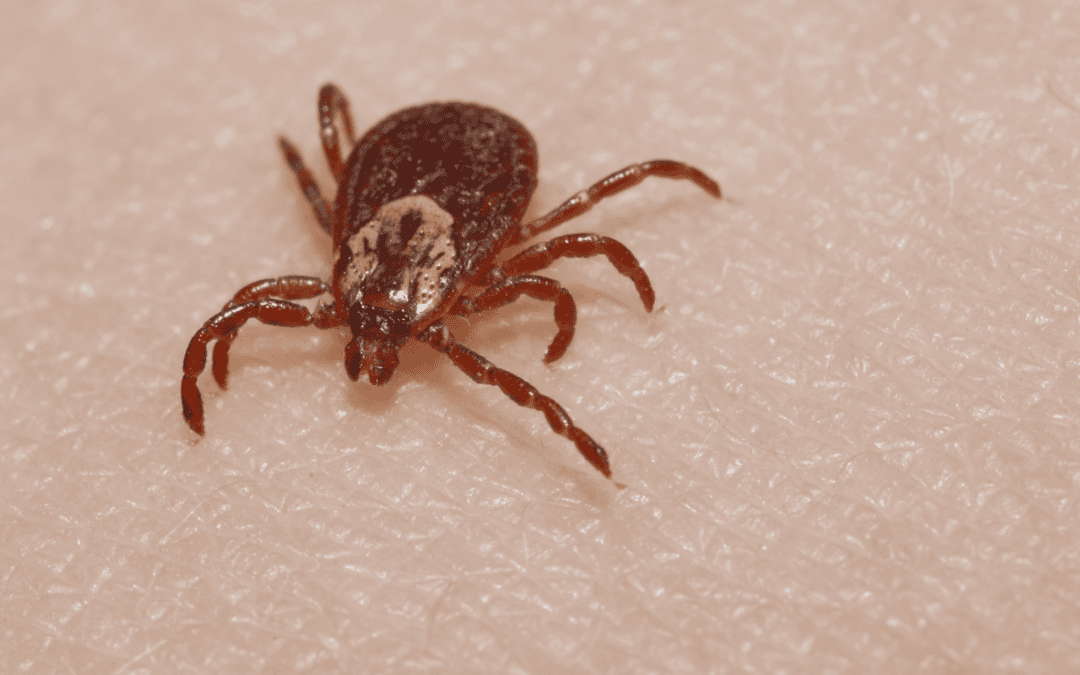
- Lone Star Tick (Amblyomma americanum): Recognizable by the white dot on the back of adult females, this tick can spread diseases like ehrlichiosis and tularemia.
- American Dog Tick (Dermacentor variabilis): Found in grassy and brushy areas, it is a known carrier of Rocky Mountain spotted fever.
Diseases Spread by Tick Bites
- Lyme Disease: Transmitted primarily by the blacklegged tick, symptoms include fever, headache, fatigue, and a characteristic skin rash called erythema migrans.
- Rocky Mountain Spotted Fever: Spread by the American dog tick, it presents with fever, rash, and sometimes fatal complications if not treated promptly.
- Ehrlichiosis and Tularemia: These diseases can be spread by the lone star tick and cause symptoms like fever, headache, and muscle pain.
What to Do If You Get a Tick Bite
- Remove the Tick Properly:
- Use fine-tipped tweezers to grasp the tick as close to the skin’s surface as possible.
- Pull upward with steady, even pressure. Avoid twisting or jerking the tick, as this can cause the mouth parts to break off and remain in the skin.
- If mouth parts remain in the skin, remove them with tweezers if possible. If not, leave them alone and let the skin heal.
- Clean the Area:
- After removing the tick, thoroughly clean the bite area and your hands with soap and water or rubbing alcohol.
- Monitor for Symptoms:
- Watch for signs of tick-borne illnesses, such as rash, fever, fatigue, and muscle aches. These symptoms can develop days to weeks after a tick bite.
- If you develop a rash or other symptoms, contact your healthcare provider promptly.
- When to Worry About a Tick Bite:
- Seek medical attention if you cannot completely remove the tick, if you develop a rash around the bite site, if you experience flu-like symptoms, or if the bite site becomes red, swollen, and painful.
Preventing Tick Bites When Outdoors
- Wear Protective Clothing: Long sleeves, pants tucked into socks, and light-colored clothing can help you spot ticks more easily.
- Use Tick Repellents: Apply insect repellents that contain DEET, picaridin, or permethrin to clothing and exposed skin.
- Avoid Tick-Prone Areas: Stay on well-trodden paths and avoid tall grass and thick vegetation.
- Check for Ticks Regularly: Perform tick checks after spending time outdoors, especially in high-risk areas. Pay special attention to hidden areas like armpits, behind the knees, and the scalp.
Preventing Ticks on Your Pets
- Use Tick Prevention Products: Consult your veterinarian about tick prevention products for your pets, such as tick collars, topical treatments, and oral medications.
- Check Pets Regularly: Inspect your pets for ticks daily, especially after they’ve been outdoors. Focus on areas around the ears, neck, and between the toes.
- Keep Your Yard Tidy: Maintain your yard by keeping grass short, removing leaf litter, and creating a tick-free zone with wood chips or gravel between wooded areas and your lawn.
- Bathe Pets Frequently: Regular baths can help you spot and remove ticks before they attach to your pet’s skin.
Dealing with ticks can be daunting, but your local pest control company in Georgia is here to help. We offer comprehensive pest control services to protect your home, family, and pets from tick infestations. Our experienced technicians can identify tick hotspots around your property and provide effective treatments to eliminate ticks and prevent future problems.
Ticks are more than just a minor inconvenience—they can pose serious health risks to you and your pets. By understanding the types of ticks common in Georgia, recognizing the diseases they can spread, and knowing what to do if you get bitten, you can take proactive steps to protect yourself and your loved ones. Remember, prevention is key, and regular tick checks combined with pest control services can keep your environment tick-free.

Jul 24, 2024 | DIY Pest Control, Florida Pest Control
Stinging pests, like wasps and hornets, can turn a relaxing afternoon in your yard into a stressful experience! These pests can not only be a nuisance but be a danger to both humans and pets. Let’s dive into how you can prevent wasps and hornets from taking over your yard!
Know Which Stinging Pest
It’s important to understand the difference between wasps and hornets so you can effectively prevent them.
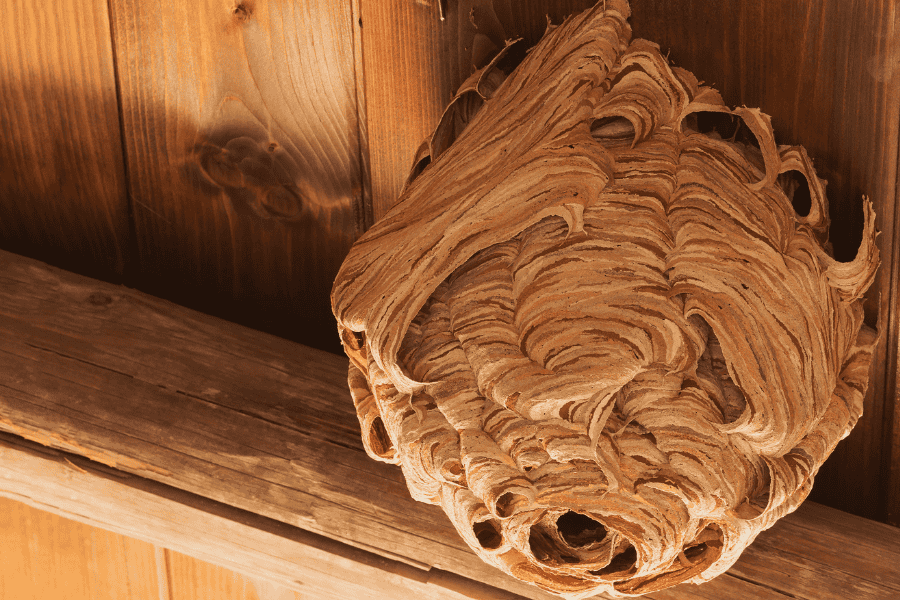
- Wasps: These pests have slender bodies, narrow waists, and long legs. They can have a yellow, black, and even metallic blue body color. They will often build their paper-like nests in sheltered areas like eaves, attics, and trees, though species like yellow jackets love to build their nests underground.
- Hornets: Larger than wasps, hornet bodies can have black and white or black and yellow markings. Hornets also build paper nests, opting to place them high in trees or on buildings.
Both wasp and hornet stings can be very painful and cause similar symptoms, including swelling and pain around the sting site, burning sensation, itchiness, and more.
Preventing Wasps & Hornets
Let’s review the preventative measures to place around your Florida property to avoid stinging pests:
- Seal cracks and gaps in walls, eaves, and around windows to prevent them from getting inside.
- Hornets and wasps are attracted to food sources, so make sure you keep your garbage cans tightly sealed and clean up food and drink spills immediately.
- Both stinging pests are drawn to sweet smells; consider removing fallen fruit from your yard and avoid planting overly fragrant flowers near your home’s entry points.
- Keep your yard tidy by trimming shrubs, mowing the lawn regularly, and removing any debris to reduce potential nesting sites.
If you’ve noticed an influx of stinging pests around your Florida home, it’s best to call a pest control company near you. Removing nests can be extremely dangerous, so it’s always best to leave it to a professional pest control expert who can safely remove the nest and provide you with recommendations on preventing wasps and hornets in the future.
Jul 19, 2024 | DIY Pest Control, Termite Control
Subterranean termites are a significant concern for homeowners in Georgia, causing extensive damage to wooden structures if left untreated. Understanding how to identify these pests, recognizing the signs of an infestation, and knowing the various treatment options available are crucial steps in protecting your home. In this blog, we will explore what subterranean termites look like, the signs of their presence, the best treatments for eliminating them, and essential prevention tips to keep your home termite-free.
What Do Subterranean Termites Look Like?
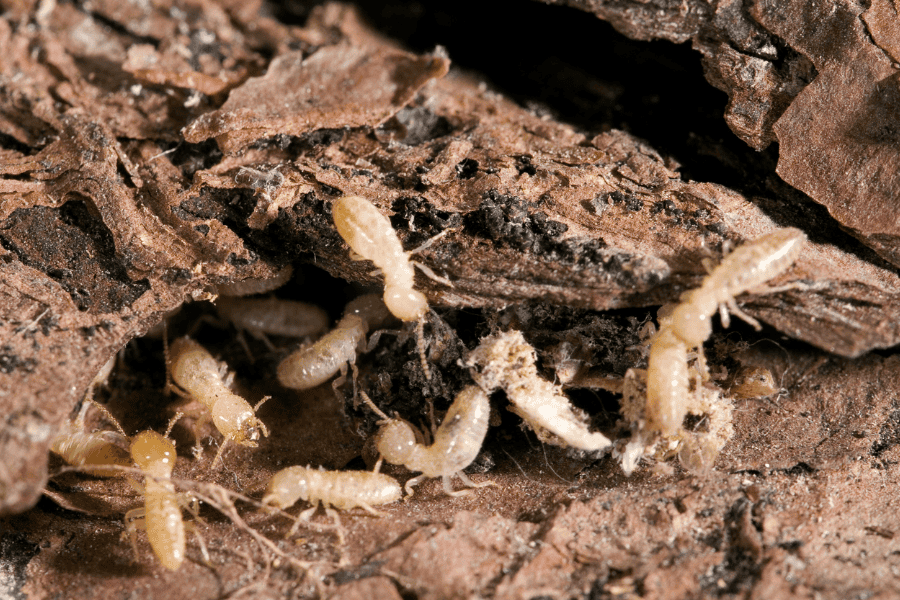
Subterranean termites are small, creamy-white to dark brown insects, typically about 1/8 to 3/8 inch long. They have soft bodies and are often mistaken for ants, though they can be distinguished by their straight antennae, uniform waists, and wings of equal length when swarming. Identifying these termites correctly is the first step in implementing effective termite control.
Signs of a Subterranean Termite Infestation
Recognizing the signs of a subterranean termite infestation early can save homeowners from extensive and costly repairs. Key indicators include:
- Mud Tubes: Subterranean termites build mud tubes to protect themselves from predators and to maintain a moist environment while traveling between their colony and food sources. These tubes, typically found along foundations, walls, and crawl spaces, are a clear sign of an active infestation.
- Damaged Wood: Termite damage often appears as hollowed-out wood, usually along the grain. Tapping on the wood may produce a hollow sound. You might also notice blistering or darkening of the wood surface.
- Swarmers: Winged termites, or swarmers, are reproductive termites that leave the colony to start new ones. Finding discarded wings around windowsills, doors, or other entry points is a sign that termites are nearby.
- Frass: Termite droppings, known as frass, are tiny, pellet-like substances that termites push out of their tunnels. Finding frass near wooden structures can indicate an infestation.
Best Treatments for Subterranean Termites
There are several effective treatments for subterranean termites, each with its benefits and considerations. Here are the most commonly used methods:
- Liquid Termiticides: Liquid termiticides are applied to the soil around a building’s foundation, creating a barrier that termites cannot cross. This method is highly effective for immediate control and long-term prevention.
- Baiting Systems: Termite baiting systems involve placing bait stations around the perimeter of a home. These stations contain wood or cellulose material treated with a slow-acting insecticide. Termites feed on the bait and carry it back to the colony, eventually leading to the colony’s elimination.
- Foam Treatments: Foam termiticides are injected into wall voids, crawl spaces, and other hard-to-reach areas where termites may be hiding. The foam expands to fill the space, ensuring thorough coverage and effective control.
- Borate Treatments: Borate-based treatments are applied directly to wooden structures. They penetrate the wood and kill termites upon ingestion. This method is often used during the construction phase or for treating exposed wood in existing structures.
Termite Prevention Tips
Preventing subterranean termites from invading your home is crucial. Here are some practical tips to keep these pests at bay:
- Reduce Moisture: Termites thrive in moist environments. Ensure proper drainage around your home, fix leaky pipes and faucets, and use dehumidifiers in basements and crawl spaces.
- Remove Wood-to-Ground Contact: Avoid direct contact between wooden structures and soil. Use concrete or metal barriers between wood and soil to deter termites.
- Seal Cracks and Gaps: Seal any cracks or gaps in your home’s foundation, walls, and roof to prevent termites from gaining entry.
- Store Firewood Properly: Keep firewood, lumber, and other wooden materials at least 20 feet away from your home and elevate them off the ground.
- Regular Inspections: Schedule regular termite inspections with a professional termite control company to catch any signs of infestation early.
Subterranean termites are a serious threat to homes in Georgia, but with the right knowledge and proactive measures, you can protect your property from these destructive pests. Identifying what subterranean termites look like, recognizing the signs of an infestation, and choosing the best treatment method are essential steps in effective termite control. Additionally, implementing preventive measures can help keep your home termite-free. If you suspect a termite infestation, contact a reputable termite control company to conduct a thorough inspection and recommend the best course of action.
By staying vigilant and informed, you can safeguard your home against the costly damage caused by termites.
Jul 17, 2024 | DIY Pest Control, Florida Termite Control
There are two common termite species Florida homeowners should know: the subterranean and drywood termite. Both termite species can cause structural damage to homes and cause thousands of dollars in repairs. One of the best ways you can avoid their damage is understanding their characteristics and the preventative measures to place around your home to deter them away. Let’s explore the differences between drywood vs subterranean termites and how you keep them from infesting your home.
Drywood vs Subterranean Termites
Drywood termites thrive in dry wood, often infesting furniture, frames, and other wooden structures without them needing contact with soil. Once they have infested, they will cause damage by hollowing out wood from the inside out. A good indication that these termites infested your home is finding small piles of wood pellets or frass, tiny holes in wood surfaces, and discarded wings near windowsills or light fixtures.
Subterranean termites live underground and build mud tubes to reach food sources above the ground, often destroying foundations and support beams in the process. These termites need soil and moisture to survive and build their colonies. Signs of a subterranean termite infestation include finding discarded wings and mud tubes on exterior walls, foundations, or crawlspaces.
Termite Prevention Tips
There are several preventative measures you can utilize to deter termites away from your Florida property. Let’s review do-it-yourself termite prevention tips:
- Eliminate moisture by fixing leaks, maintaining proper draining, and using dehumidifiers in damp areas.
- Keep firewood, lumber, and other stored wood away from your home’s foundation; consider storing it at least 20 feet from your home and elevated off the ground.
- Inspect your home’s exterior and seal any gaps in windows, doors, and foundations.
- Remove dead trees, stumps, and debris from your yard.
- Direct your drainage system away from your foundation.
- Consider enclosing your crawlspace to help reduce excess moisture and prevent household pests.
While these tips will support efforts to deter termites away, it is always best to schedule an annual termite inspection with a professional termite control company near you. These professionals can detect termite signs early and quickly provide your home with the appropriate termite control and prevention plan.
Jul 12, 2024 | DIY Wildlife Prevention, Wildlife
If you live in Georgia, encountering wildlife around your home is common. While Georgia’s rich biodiversity is something to celebrate, it can also bring some challenges, particularly when it comes to raccoons. These nocturnal creatures are intelligent and resourceful, often creating problems for homeowners. In this comprehensive guide, we will explore how to identify raccoons, recognize signs of their presence, understand the types of raccoon traps available, and learn the best bait to use. We’ll also share tips to prevent raccoons from returning to your property.
Identifying Raccoons
Raccoons are medium-sized mammals known for their distinctive black “mask” across their eyes and their ringed tails. Here are some key characteristics to help you identify them:
- Size and Weight: Adult raccoons typically weigh between 10-20 pounds, though some can be larger, especially in urban areas with abundant food sources. They stand about 1.5-2 feet tall when on all fours.
- Fur and Coloration: Raccoons have dense, greyish-brown fur, with a darker area around their eyes that resembles a mask. Their tails have several black rings.
- Behavior: Raccoons are primarily nocturnal, meaning they are most active at night. They are excellent climbers and swimmers, often found near water sources.
Video Transcript
If you live in Georgia, spotting wildlife around your home is pretty normal. But raccoons can cross the line from curious to destructive fast. These smart nocturnal animals are excellent climbers and problem solvers, which means addicts, trash cans, and crawl spaces often become their favorite hangouts. Common warning signs include nighttime scratching or thumping, tipped over trash cans, scattered pet food, or tracks that look like tiny handprints. While some homeowners try trapping, raccoons can carry health risks, and local laws often regulate removal, making DIY solutions stressful and risky. The best long-term protection starts with prevention. Securing trash bins, removing outdoor food sources, sealing entry points, and addressing attractants before damage spreads. If raccoons keep coming back or have made their way inside your home, that’s your sign to bring in experienced help. When you’re ready to call a professional for a peaceful home, feel free to reach out to our team at Northwest Exterminating.
Signs of Raccoons Around Your Home
Identifying the presence of raccoons early can help you mitigate any potential damage. Here are some common signs:
- Tracks: Raccoon tracks are distinct with five toes on both their front and hind feet. Their tracks resemble tiny human handprints.
- Droppings: Raccoon droppings are similar in appearance to those of a small dog, often containing undigested seeds or other food remnants.
- Noise: Raccoons can be noisy, especially when they have made a den in your attic or chimney. You might hear thumping or scratching noises at night.
- Damage: Raccoons are known to raid trash cans, tear up insulation, and chew on wires. They can also damage gardens by digging up plants and eating crops.
- Scattered Food: If you find pet food, birdseed, or garbage scattered around, it could be a sign of raccoons foraging for food.
Types of Traps Used to Catch Raccoons
There are several types of traps used for raccoon control, but live traps are the most common and humane method. Here’s a look at the different types:
- Live Traps: These are designed to capture raccoons without harming them. They are typically made of metal wire and have a door that closes when the raccoon enters the trap.
- Foot-Hold Traps: While effective, these traps are more controversial due to concerns about animal welfare. They catch the raccoon by the foot and should only be used by professionals.
- Body-Grip Traps: Also known as conibear traps, these are lethal traps that quickly kill the raccoon. They should be used with caution and are often regulated by local laws.
Best Bait to Use in Raccoon Traps
Choosing the right bait is crucial for successfully trapping raccoons. Here are some effective bait options:
- Marshmallows: The sweet smell of marshmallows is highly attractive to raccoons. Place a few inside the trap to lure them in.
- Canned Fish or Sardines: The strong odor of canned fish or sardines is irresistible to raccoons. Ensure the bait is securely placed so the raccoon has to fully enter the trap to retrieve it.
- Cat Food: Wet cat food is another great option due to its strong smell and appealing taste.
- Fruit: Raccoons are omnivores and enjoy a variety of fruits. Apples, grapes, and berries can work well as bait.
- Peanut Butter: Spread peanut butter on bread or crackers. The smell and taste are very enticing to raccoons.
How to Set a Raccoon Trap
Setting a raccoon trap requires some preparation and knowledge. Follow these steps for the best results:
- Choose the Right Location: Place the trap near areas where you’ve noticed raccoon activity, such as near trash cans, gardens, or entry points to your attic.
- Secure the Trap: Ensure the trap is stable and won’t tip over when the raccoon enters. You can anchor it with stakes if necessary.
- Bait the Trap: Place the bait at the back of the trap to ensure the raccoon fully enters before triggering the door.
- Check the Trap Regularly: It’s important to check the trap frequently, at least twice a day, to ensure the raccoon doesn’t suffer from exposure or stress.
- Handle with Care: Once a raccoon is trapped, approach with caution. Wear gloves and use a blanket to cover the trap and calm the animal. Relocate the raccoon according to local wildlife regulations.
Preventing Raccoons from Returning
After successfully trapping and removing raccoons, take steps to prevent them from coming back:
- Secure Trash Bins: Use raccoon-proof trash cans with tight-fitting lids. Consider using bungee cords to keep them securely closed.
- Remove Food Sources: Don’t leave pet food outside overnight, and clean up any fallen fruit from trees. Secure bird feeders to prevent raccoons from accessing them.
- Seal Entry Points: Inspect your home for potential entry points, such as holes in the roof, attic vents, and chimneys. Use metal mesh or hardware cloth to seal these areas.
- Install Motion-Activated Lights: Raccoons prefer dark areas. Installing motion-activated lights can deter them from approaching your home.
- Use Repellents: Commercial raccoon repellents or homemade solutions, such as a mixture of water and hot sauce, can be sprayed around your property to deter raccoons.
When to Call a Wildlife Control Company
While trapping and preventing raccoons can often be managed on your own, there are situations where it’s best to call a professional wildlife control company:
- Persistent Problems: If raccoons keep returning despite your best efforts, a professional can provide more advanced solutions.
- Health Concerns: Raccoons can carry diseases such as rabies and roundworm. If you’re concerned about health risks, it’s safer to involve a professional.
- Complex Situations: If raccoons have made a den in a difficult-to-reach area, such as your attic or chimney, a professional wildlife removal expert can safely handle the situation.
Raccoons can be a challenging nuisance for homeowners in Georgia, but with the right knowledge and tools, you can effectively manage and prevent these wildlife intrusions. Identifying the presence of raccoons early, using the right traps and bait, and taking preventive measures are key steps in successful raccoon control. Remember, if the situation becomes too complex or risky, don’t hesitate to contact a professional wildlife control company. Their expertise and experience can help ensure your home remains raccoon-free and your family stays safe.
By following this comprehensive guide, you’ll be well-equipped to handle raccoon issues and maintain a peaceful, wildlife-free home environment. Happy trapping!