Mar 22, 2024 | Wildlife
Snakes, with their slithering presence and sometimes unnerving appearance, can be a concern for homeowners in Georgia. Whether you stumble upon one in your yard or suspect they might be lurking nearby, knowing how to handle these reptiles safely and effectively is essential. In this comprehensive guide, we’ll delve into common snakes found in Georgia, tips for avoiding snakebites, what to do if you encounter a snake, and strategies for keeping them away from your property. Plus, we’ll discuss the importance of professional snake removal services and how they can help alleviate your snake problem swiftly and securely.
Common Snakes in Georgia
Georgia is home to a variety of snake species, some of which are harmless while others pose a potential threat. Among the most common snakes you might encounter in the state are:
- Eastern Diamondback Rattlesnake
- Eastern Coral Snake
- Copperhead
- Cottonmouth (Water Moccasin)
- Eastern Garter Snake
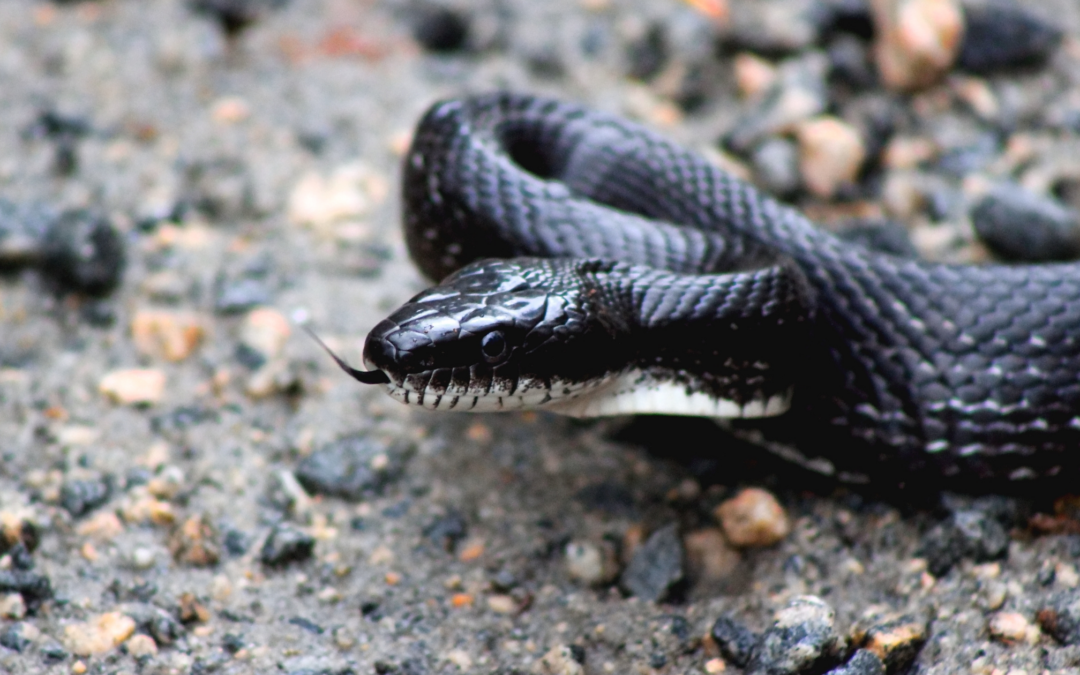
- Eastern Rat Snake
- Eastern King Snake
While most snakes prefer to avoid human contact, encountering them in your yard or near your home can still be disconcerting, especially if you’re unsure of their species or venomous potential.
Tips for Avoiding Snakebites
Prevention is key when it comes to avoiding snakebites, particularly if you spend time outdoors or live in an area prone to snake activity. Here are some essential tips to keep in mind:
- Watch Your Step: When walking in areas where snakes may be present, such as tall grass, brush piles, or wooded areas, watch your step and avoid stepping over logs or rocks where a snake might be hiding.
- Wear Appropriate Footwear: Closed-toe shoes or boots can provide an extra layer of protection against snake bites, particularly in areas with dense vegetation.
- Use Caution Around Water: Snakes, particularly water moccasins and copperheads, are often found near bodies of water. Be cautious when swimming, fishing, or hiking near lakes, ponds, or streams.
- Stay Vigilant at Dusk and Dawn: Snakes are most active during the early morning and evening hours when temperatures are cooler. Exercise caution during these times, especially in areas known for snake activity.
- Keep Your Yard Tidy: Remove debris, such as piles of leaves, wood, or rocks, from your yard, as these can provide hiding spots for snakes. Trim back overgrown vegetation and mow your lawn regularly to reduce potential hiding places.
What to Do if You Encounter a Snake
If you come across a snake in the wild or in your yard, it’s essential to remain calm and take appropriate precautions. Follow these steps to safely handle the situation:
- Give the Snake Space: Back away slowly and give the snake plenty of room to retreat. Remember, snakes will typically only strike if they feel threatened or cornered.
- Do Not Attempt to Capture or Kill the Snake: Trying to capture or kill a snake can escalate the situation and increase the risk of a bite. Instead, contact a professional snake removal service to handle the situation safely.
- Keep Pets and Children Away: Ensure that pets and children are kept at a safe distance from the snake until it has been removed from the area.
- Note the Snake’s Appearance: If possible, take note of the snake’s color, size, and any distinctive markings. This information can be helpful for identifying the species and determining the appropriate course of action.
- Contact a Professional: If you’re unsure how to proceed or if the snake poses a potential threat, contact a reputable snake removal company for assistance.
Tips to Keep Snakes Away from Your Yard
Preventing snakes from entering your yard in the first place is the best way to avoid encounters and potential problems. Here are some tips to make your property less attractive to snakes:
- Eliminate Food Sources: Snakes are attracted to areas where they can find food, such as rodents, insects, and other small animals. Keep your property free of debris and garbage, and consider implementing pest control measures to reduce potential prey.
- Seal Entry Points: Inspect your home for any gaps or cracks where snakes could enter, such as gaps under doors, holes in walls, or gaps around pipes and utility lines. Seal these openings with caulk or other appropriate materials to prevent snakes from gaining access.
- Install Snake Fencing: Consider installing a snake-proof fence around your property to deter snakes from entering. Snake fencing is typically made of mesh or other materials that snakes cannot climb or slither through.
- Keep Grass Short: Regularly mow your lawn and trim back vegetation to reduce hiding places for snakes and make your property less appealing to them.
- Use Natural Repellents: Certain plants, such as marigolds, lemongrass, and garlic, are believed to repel snakes. Planting these around your home and yard may help deter snakes from entering the area.
Professional Snake Removal Services
In cases where snakes have already taken up residence on your property or pose a potential threat to your safety, professional snake removal services are the safest and most effective solution. These trained professionals have the knowledge, experience, and specialized equipment needed to safely remove snakes from your property without causing harm to the animals or risking injury to yourself or your family.
When choosing a snake removal company, be sure to look for one that is licensed, insured, and experienced in dealing with snake-related issues. Additionally, inquire about their removal methods and whether they offer humane relocation services for captured snakes.
In conclusion, while encountering snakes in your yard or outdoor spaces can be unsettling, knowing how to handle these situations safely and effectively is essential for your safety and the well-being of the snakes themselves. By following the tips outlined in this guide and enlisting the help of professional snake removal services when needed, you can minimize the risk of snake encounters and keep your property safe and snake-free.
Remember, when it comes to snake removal, safety always comes first. Trust the experts to handle the job safely and effectively, allowing you to enjoy your outdoor spaces without the worry of unwanted reptilian visitors.

Mar 19, 2024 | Florida Mosquito Control
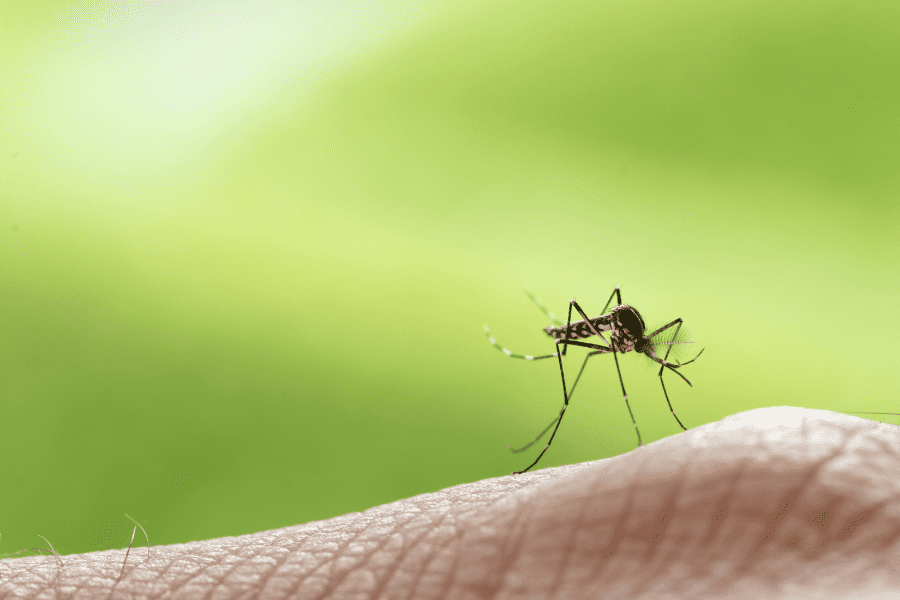
Florida’s tropical weather creates a thriving mosquito environment, often dealing with these nuisance pests year-round. Once mosquitoes invade your yard, they can ruin all your outdoor fun and even transmit diseases, including the West Nile and Zika viruses. One of the best ways you can avoid mosquitoes is creating a less-attractive environment. We breakdown our top 3 mosquito prevention tips you can use throughout your property so you can enjoy your yard again!
3 Common Mosquito Control Tips for Florida Residents
Remove Standing Water
To survive and breed more larva mosquitoes, these pests need the smallest amount of standing water. It’s crucial to remove all standing water from your property, especially after a thunderstorm. Consider the following tips to reduce moisture on your property:
- Remove items that can hold water, including buckets, empty flowerpots, and pet bowls.
- If you have a bird bath, regularly dump old water, clean out debris, and replace the old water with new.
- Clean out clogged gutters of debris and leaves so they doesn’t create a mosquito breeding ground.
Keep a Tidy Yard
Your yard line is the first defense in avoiding mosquitoes so it’s crucial to maintain it on a regular basis; consider these tips on keeping a tidy yard:
- Continue to mow your grass and trim shrubbery as mosquitoes tend to hide in these areas.
- Trim any overgrown trees back to avoid mosquitoes from populating your yard.
- If you store wood on your property, consider placing it in plastic containers with lids and at least 20 feet away from the house.
Call the Pros
Do-it-yourself mosquito prevention will always help efforts in avoiding a mosquito infestation but sometimes it’s best to call a professional mosquito control company for help. These experts will be able to provide you with a mosquito control plan, which typically include:
- Mosquito breeding site identification
- Treatment to eliminate both adult and larva mosquitoes
- Recommendations on preventing mosquitoes in the future
- Additional mosquito control solutions, including the In2Care System
If you have a problem with mosquitoes or would like to start mosquito prevention now, call your Florida pest control company today!
Mar 15, 2024 | Termite Control
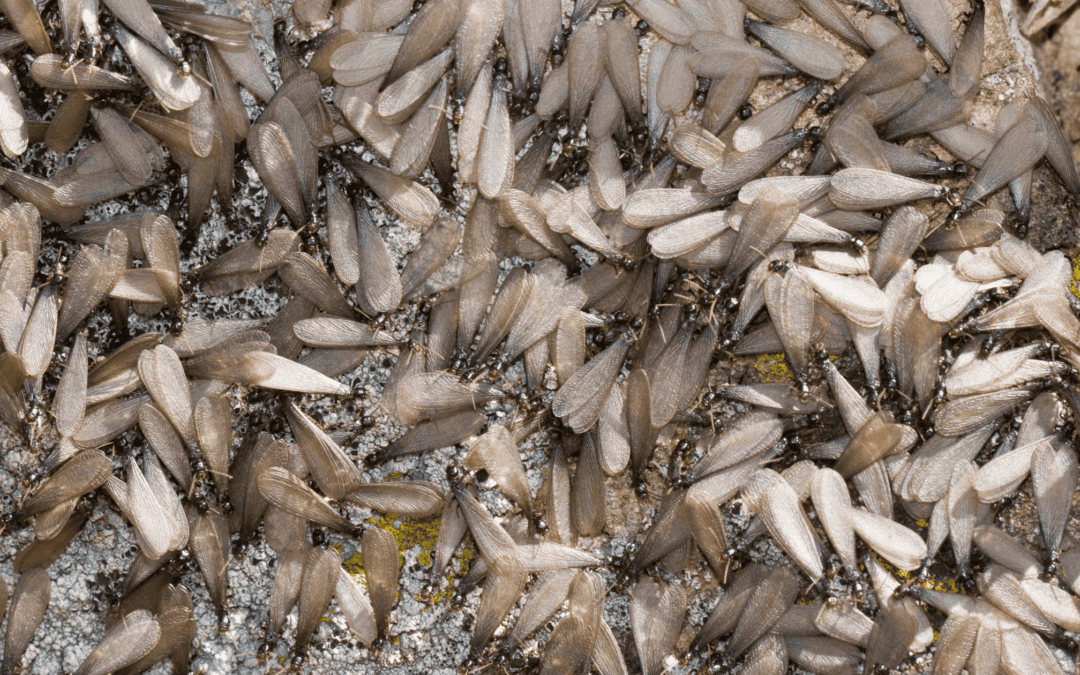
As spring approaches in Georgia, so does the dreaded termite swarming season. For homeowners, this time of year can be particularly nerve-wracking as swarms of termites take flight, searching for new places to establish colonies. Understanding what swarming termites are, how to differentiate them from flying ants, and taking proactive steps to prevent infestations can save you from potential damage to your home. Here’s everything you need to know to prepare for termite swarming season in Georgia.
What are Swarming Termites?
Swarming termites, also known as alates or swarmers, are reproductive termites tasked with starting new colonies. These winged insects emerge from mature termite colonies in search of mates and suitable locations to establish their own nests. Swarms typically occur in the spring, triggered by warm temperatures and high humidity levels, making Georgia’s climate ideal for termite activity.
Termite Swarming Season in Georgia
Termite swarming season in Georgia typically occurs from late February through May, with peak activity often seen in April. During this time, homeowners should remain vigilant for signs of termite activity both indoors and outdoors.
Differentiating Swarming Termites from Flying Ants
Distinguishing between swarming termites and flying ants is crucial for effective pest control. While both insects have wings and swarm during the spring, several key differences can help you identify them:
- Body Shape: Termites have straight bodies, while ants have segmented bodies with a distinct narrow waist.
- Wing Length: Termite wings are uniform in size and longer than their bodies, whereas flying ants have wings of varying lengths.
- Antennae: Termite antennae are straight, while ant antennae are elbowed.
Signs of Swarming Termites
Identifying the signs of termite swarms early can prevent costly damage to your home. Look out for the following indicators:
- Swarms of Winged Insects: If you notice large groups of winged insects inside or around your home, especially near light sources, it could indicate a termite infestation.
- Discarded Wings: After mating, swarming termites shed their wings, leaving behind piles of discarded wings near windowsills, doors, or other entry points.
- Mud Tubes: Subterranean termites build mud tubes along walls or foundations to provide moisture and protection while foraging for food.
What to Do If You Encounter Swarming Termites
If you encounter swarming termites in or around your home, it’s essential to act swiftly:
- Avoid Disturbing Them: Try to avoid disturbing the swarm to prevent them from scattering and potentially establishing new colonies elsewhere.
- Contact a Professional: Immediately contact a reputable termite control company to assess the situation and recommend appropriate treatment options.
Tips to Prevent Termites in Your Home
Prevention is key to protecting your home from termite infestations. Here are some tips to reduce the risk of termite damage:
- Schedule Regular Inspections: Arrange for annual termite inspections by a qualified pest control professional to detect signs of infestation early.
- Reduce Moisture: Termites thrive in damp environments, so repair leaks, improve ventilation, and divert water away from your home’s foundation to reduce moisture levels.
- Remove Wood Debris: Eliminate wood debris, such as stumps, fallen trees, and woodpiles, from your property to eliminate potential termite food sources.
- Use Termite-Resistant Materials: When building or renovating your home, consider using termite-resistant materials like treated lumber or concrete to minimize the risk of infestation.
By understanding the behavior of swarming termites, recognizing the signs of infestation, and implementing preventive measures, you can safeguard your home against these destructive pests. Remember, if you suspect a termite problem, don’t hesitate to contact a professional termite control company near you for assistance.
Mar 12, 2024 | Florida Termite Control
Drywood termites are quite common in the South Florida area, thriving off our year-round dry and humid temperatures. This termite type can be difficult to spot in homes and will often go undetected for lengthy periods, causing considerable structural damage. The best way to avoid the costly damage of drywood termites is to understand their characteristics and the preventative measures you can place to deter them away from your property. Let’s learn more about these household pests and drywood termite control tips to protect your home.
What Are Drywood Termites?
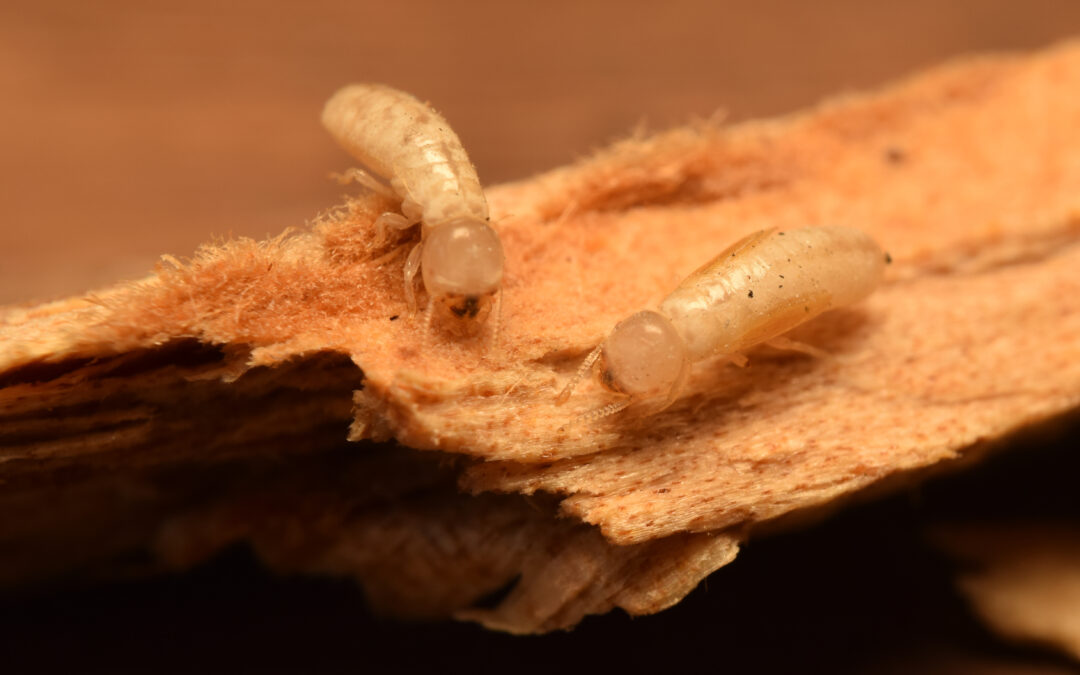
Unlike the subterranean termite, drywood termites do not need to live in soil to survive. These termites will instead excavate wood to create a colony and live. Drywood termites will seek out dry wood, hence their name, to build a nest and live in it, such as attic framings. Drywood termites have an oval-shaped waist, short legs, and a cream to light brown colored body.
How Do I Know I Have a Drywood Termite Infestation?
Often, drywood termites get into your Florida home by hitchhiking through an already infested piece of old furniture, picture frame, or other wooden structure. While they don’t create mud tubes like the subterranean termite to enter the home, they instead fly directly to the wood they infest. They’ll also enter homes through open gaps or cracks around window frames, doors, soffits, and attics.
Since termites live in excavated wood, it can be hard to identify them but there are plenty of signs you can lookout for. A good indication that termites have created a colony in your home is spotting discarded wings near windowsills or doors and finding droppings or frass that look like small mounds of tiny pellets inside or around your home.
How Can I Prevent Drywood Termites from Entering My Home?
There are several preventative do-it-yourself methods you can use throughout your Florida property; consider these:
- If you have lumber, wood, or mulch in your yard, place it away from your foundation; likewise, if you store firewood in your yard, place it 20 feet away from the home and elevate it off the ground.
- Trim all shrubs, bushes, or other dense greenery so it does not touch the sides of your home.
- Before bringing any antique furniture or wooden furniture inside your home, always thoroughly inspect it for drywood termites.
- On a regular basis, check your home’s exterior for any openings leading inside and repair them as soon as possible.
- Consider attic insulation and crawlspace encapsulation for your home to help reduce moisture, termite infestations, and other household pests from entering.
If you’ve noticed signs of termite activity on your property or would like to get started on drywood termite control, reach out to your Florida pest control company! Termite professionals will provide you with a free home inspection, a treatment plan based on your termite control needs, and a prevention plan to avoid a future infestation.
Mar 8, 2024 | Pest Control