Apr 18, 2024 | DIY Pest Control, Florida Pest Control
Florida is no stranger to dealing with stinging pests! These insects can become a real nuisance to your Bonita Springs property once they have invaded your yard and can pose a health risk to your family. Let’s review some common stinging pests in Florida and how you can avoid them on your property.
Common Stinging Pests in Florida
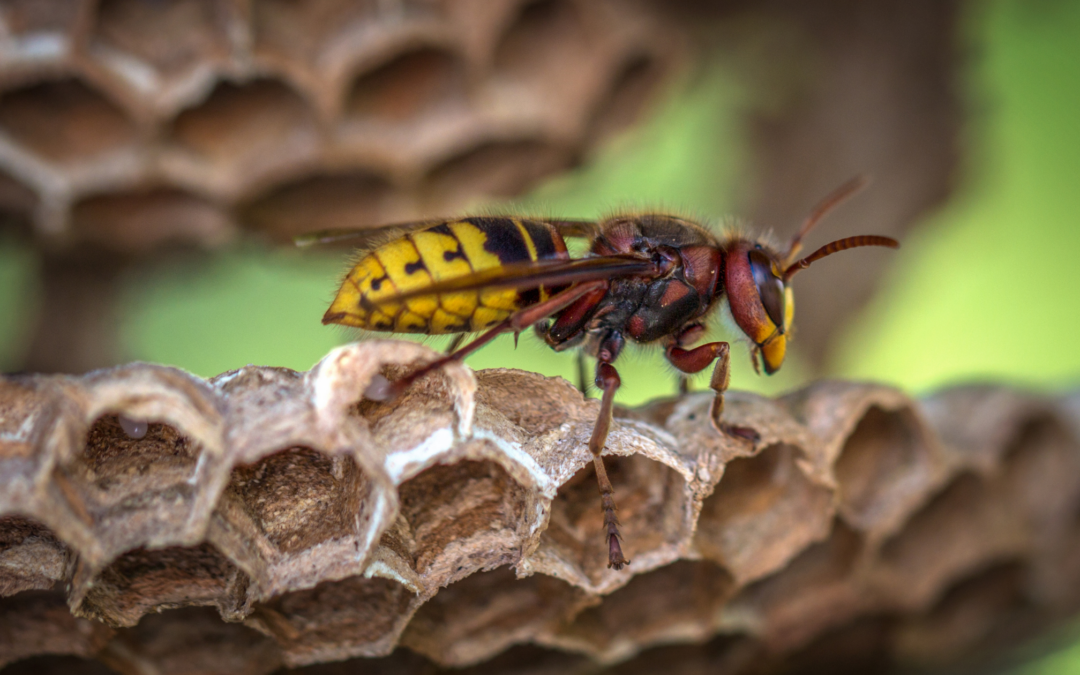
- Hornets: Large and can be aggressive, hornets can pack a powerful sting! These pests build large paper nests in hollow trees, bushes, and attics. Hornets are attracted to light and will often fly into windows at night, infesting the inside of your home. Hornets do not hesitate to sting if they feel threatened.
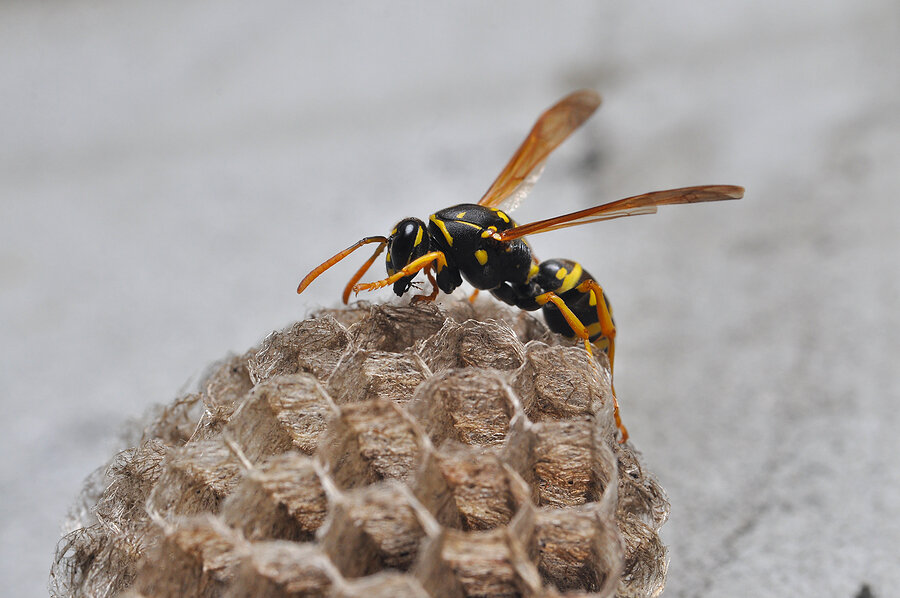
- Wasps: These pests will build their nests on branches, porch ceilings, eaves, and attic rafters. If wasps feel threatened, they will sting multiple times and call on reinforcements by emitting pheromones.
- Yellowjackets: These stinging insects tend to nest in the ground and inside wall voids, where their colonies can number up to 4,000! Yellowjackets are territorial and will sting humans, often causing allergic reactions.
- Fire Ants: These pests are small but known for their painful sting. Fire ants will build large mounds in lawns, gardens, and even HVAC systems! If a fire ant stings you, it can be painful and often result in a raised welt.
Preventing Stinging Pests
Stinging pests are most active during summer and early fall, so it’s crucial to start placing preventative measures throughout your property to avoid their infestation! Check our tips and tricks on avoiding stinging insects:
- Keep your garbage cans covered with a tightly sealed lid.
- Thoroughly inspect the exterior of your home for any openings or gaps in your screens, doors, and windows; fix any openings as soon as possible.
- At night, keep your doors and windows shut and turn your outside lights off.
- Sweet smelling perfumes or cologne can attract stinging pests, so it’s best to avoid wearing them when you’ll be outdoors for long periods of time.
- When eating food outside, make sure to place it in sealed containers and clean up any trash, spills, and crumbs after you have eaten.
If you happen to be stung by a stinging insect, it’s best to seek medical attention immediately. Likewise, if you’ve seen an influx of stinging pests on your property, it’s best to contact a pest control company near you. Removing nests can be extremely dangerous, so it’s best to leave it to the professionals who will safely remove the nest and provide you with recommendations on preventing these common stinging pests in the future.

Apr 11, 2024 | DIY Pest Control, Florida Termite Control
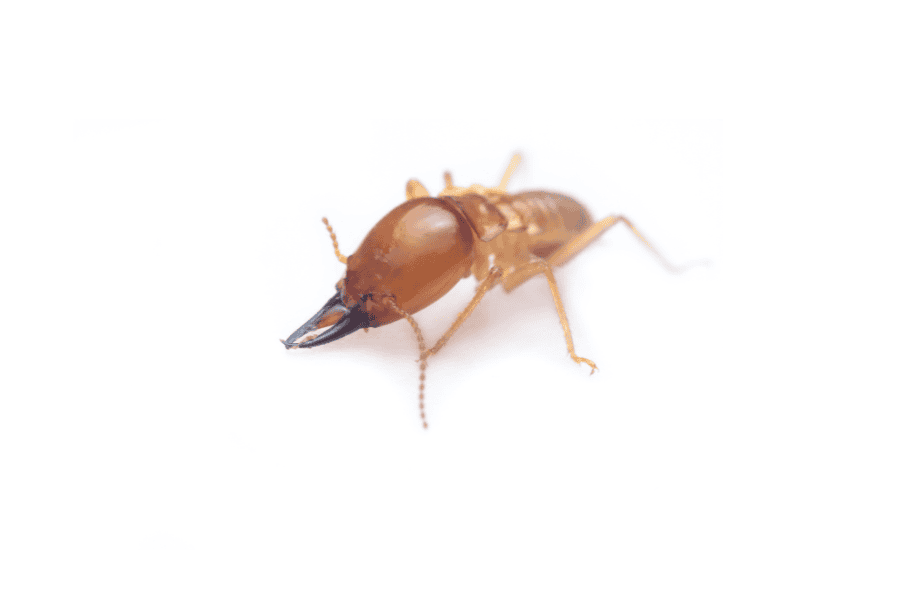
Drywood termites might seem like their counterpart, the subterranean termite, but they couldn’t be more different. Instead of surviving off moisture like subterranean termites, drywood termites seek dry wood for their food source. Once these termites find a place to create their colony, they will excavate the wood and cause significant structural damage to many Florida homes. One of the best ways you can avoid drywood termite damage is understanding their signs and the preventative measures to place on your property!
Common Signs of Drywood Termites
Drywood termites build their colonies inside wood in and around your home, surviving above the ground. While termites are difficult to spot, there are signs to indicate their activity in your home, including:
- Discarded wings on windowsills and near doors
- Seeing flying termites or swarmers near your home or in your neighborhood
- Hollow-sounding or visible damaged wood; the wood often looks carved out
- Piles of frass, or termite droppings, around the exterior or interior of your home; droppings look like coarse grains of sand
Drywood Termite Prevention Tips
In Florida, drywood termite activity is year-round, so it’s crucial to stay on top of your termite prevention. Consider the following tips to avoid a drywood termite infestation:
- Regularly inspect your home for any of the above drywood termite signs. Don’t forget to look near baseboards, beams, and other wood materials throughout your home for their activity.
- Seal openings around your doors, windows, and utility pipes with caulk or other sealants as soon as possible; this will help to keep termites and other household pests from entering your home.
- Before bringing used furniture or firewood inside your home, make sure to inspect it first for any signs of termites.
- At night, turn off your outside lights and close your curtains as termites are attracted to light.
If you notice drywood termite signs or suspect there are termites inside your Florida home, it’s best to contact a local pest control company near you. These professionals can schedule you with a routine termite inspection and termite control options.
Apr 5, 2024 | DIY Pest Control, Pest Control
Georgia’s warm climate and lush landscapes make it a haven for various insects, including some that pack a painful sting. While many of these stinging insects play crucial roles in our ecosystem, encountering them in and around our homes can be alarming and potentially dangerous. In this guide, we’ll explore some of the most common stinging insects found in the region, the threats they pose, and how to deal with them effectively.
Yellow Jackets
One of the most notorious stinging insects in Georgia is the yellow jacket. These aggressive insects are easily recognizable by their black and yellow striped bodies. They typically build their nests in hollow trees, underground burrows, or within wall voids of buildings. Yellow jackets can pose a significant threat to humans and pets, especially when their nests are disturbed. Their stings are painful and can cause allergic reactions in sensitive individuals.
Identification
Yellow jackets are about half an inch to three-quarters of an inch in length, with distinctive yellow and black markings on their bodies.
Treatment
If stung by a yellow jacket, it’s essential to remove the stinger promptly to minimize venom injection. Clean the affected area with soap and water and apply a cold compress to reduce swelling. Over-the-counter antihistamines can help alleviate itching and discomfort.
Removal
Removing a yellow jacket nest can be hazardous and is best left to professionals. Attempting to remove the nest without proper equipment and expertise can provoke the colony, leading to aggressive behavior and more stings.
Prevention
To prevent yellow jackets from nesting near your home, seal any openings in walls, windows, and doors. Keep outdoor garbage cans tightly sealed and promptly clean up any food spills or crumbs.
Paper Wasps
Paper wasps are another common stinging insect found in Georgia. They construct umbrella-shaped nests from a papery material, often hanging from eaves, tree branches, or shrubbery. While they are generally less aggressive than yellow jackets, they will defend their nests if threatened.
Identification
Paper wasps are slender with long legs and wings, typically brownish in color with yellow markings.
Treatment
Treat paper wasp stings similarly to yellow jacket stings. Remove the stinger, clean the area, and apply a cold compress to reduce swelling.
Removal
If a paper wasp nest is located in a high-traffic area or poses a threat to residents, it’s advisable to contact a professional pest control company for safe removal.
Prevention
Regularly inspect your property for signs of paper wasp nests, especially in the spring and summer months. Remove any existing nests during the winter to prevent reinfestation.
Hornets
Hornets are another type of stinging insect that can cause concern for Georgia residents. These insects are larger than yellow jackets and paper wasps and often build their nests in trees, shrubs, or even on buildings.
Identification
Hornets have stout bodies with predominantly black coloring and white or yellow markings. Their nests are typically grayish and football-shaped.
Treatment
Treat hornet stings similarly to other stinging insect stings. Remove the stinger, clean the area, and apply a cold compress to reduce swelling.
Removal
Due to the size and aggression of hornets, it’s best to leave nest removal to professionals. Attempting to remove a hornet nest without proper equipment and expertise can be dangerous.
Prevention
Regularly inspect your property for signs of hornet activity, especially in secluded areas such as attics, sheds, and trees. Seal any openings or gaps in buildings to prevent hornets from entering.
In conclusion, encountering stinging insects in Georgia is not uncommon, but with proper knowledge and precautions, you can minimize the risks associated with them. If you’re dealing with a stinging insect infestation on your property, it’s best to seek assistance from a professional pest control company near you.
Mar 29, 2024 | Pest Control
Rodents, while small in stature, can wreak havoc on homes in Georgia, posing risks to both property and health. From sneaky mice to persistent rats, these unwelcome guests can contaminate food, damage structures, and spread diseases. If left unchecked, a rodent infestation can spiral out of control. Fortunately, there are effective rodent control strategies available to homeowners in Georgia. In this guide, we’ll explore the types of rodents commonly found in Georgia homes, signs of infestation, the risks they pose, and crucially, how to eradicate and prevent them from infiltrating your home.
Common Rodent Culprits
In Georgia, homeowners often encounter several types of rodents, including house mice, roof rats, and Norway rats. House mice, the most common species, are small and agile, capable of squeezing through tiny openings to access homes. Roof rats, also known as black rats, are skilled climbers and tend to nest in attics and high places. Norway rats, larger in size, typically burrow in the ground but may also inhabit basements and crawlspaces. Identifying the species invading your home is crucial for implementing effective control measures.
Recognizing Signs of Infestation
Detecting a rodent infestation early is vital in preventing further damage and health risks. Look out for telltale signs such as droppings, gnaw marks on food packaging or furniture, nests made of shredded materials, and scampering noises in walls or ceilings. Additionally, pet owners should be cautious as rodents are attracted to pet food left out in the open, making it an easy target for contamination.
Risks Posed by Rodents
Rodents pose significant risks to both property and health. They can chew through electrical wiring, causing potential fire hazards, and undermine the structural integrity of buildings by gnawing on wood and insulation. Moreover, rodents are carriers of various diseases, including salmonellosis, hantavirus, and leptospirosis, which can be transmitted to humans through contact with contaminated surfaces or inhalation of airborne particles.
Effective Rodent Control Treatments
When faced with a rodent infestation, prompt action is essential. While DIY methods may provide temporary relief, consulting a professional rodent control company ensures thorough eradication and long-term prevention. Pest control experts employ a combination of tactics tailored to the specific situation, including:
- Trapping: Mechanical traps such as snap traps and glue boards are effective in capturing rodents. These traps should be strategically placed along pathways, near entry points, and in areas where signs of activity are observed.
- Baiting: Rodenticides, in the form of pellets or blocks, are utilized to poison rodents. However, caution must be exercised to prevent accidental ingestion by children or pets. Professionals employ tamper-resistant bait stations to safely dispense rodenticides while minimizing exposure to non-target species.
- Exclusion: Sealing entry points and reinforcing vulnerable areas with materials such as steel wool, caulk, and wire mesh prevents rodents from gaining access to the home. Common entry points include gaps around pipes, vents, and utility lines, as well as cracks in foundations and siding.
- Sanitation: Removing potential food sources and eliminating harborage sites discourages rodent activity. Store food in airtight containers, promptly clean up spills, and maintain cleanliness in kitchens and storage areas. Additionally, trim vegetation and clutter around the perimeter of the home to reduce hiding places for rodents.
- Monitoring and Follow-up: Regular inspections and monitoring help gauge the effectiveness of control measures and identify any resurgence of rodent activity. Follow-up treatments may be necessary to ensure complete eradication and prevent future infestations.
Preventing Rodent Infiltration
While professional intervention is crucial in combating rodent infestations, homeowners can take proactive steps to minimize the risk of recurrence. Here are some practical tips for rodent prevention:
- Seal Entry Points: Inspect the exterior of your home for gaps and openings, paying close attention to areas where utilities enter the building. Seal any cracks or crevices using durable materials to prevent rodents from squeezing through.
- Secure Food Sources: Store pet food in sealed containers, and avoid leaving food bowls out overnight. Keep kitchen countertops clean and dispose of household waste regularly to reduce attractants for rodents.
- Maintain Cleanliness: Regularly clean and declutter indoor and outdoor spaces to eliminate potential nesting sites and hiding places for rodents. Sweep up crumbs, seal garbage bins, and trim vegetation near the home to deter rodent activity.
- Monitor for Signs of Infestation: Stay vigilant for signs of rodent activity, such as droppings, chew marks, and unusual noises. Address any issues promptly to prevent infestations from escalating.
- Professional Inspections: Schedule routine inspections by a qualified pest control company to assess the vulnerability of your home to rodent entry and implement preventive measures as needed.
In conclusion, effective rodent control is essential for maintaining a healthy and pest-free home environment in Georgia. By identifying common rodent species, recognizing signs of infestation, understanding the risks posed by rodents, and implementing comprehensive control measures, homeowners can safeguard their property and family against the perils of rodent infestations. Remember, when it comes to rodent control, swift action and professional expertise are key to achieving lasting results.
Mar 26, 2024 | Florida Pest Control
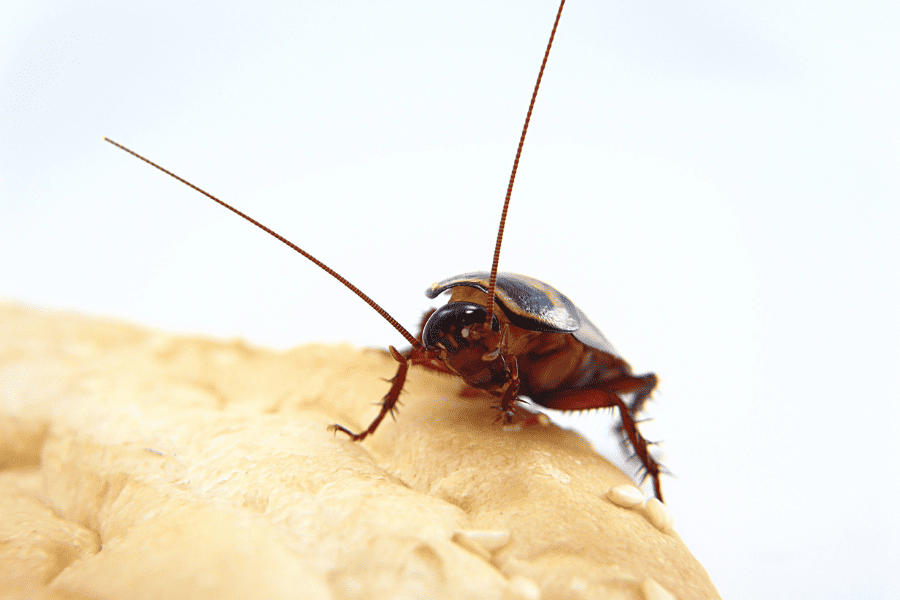
Cockroaches are one of the most common household pests that Florida residents will deal with. While these pests won’t cause structural damage, they can be a health risk to you and your family as they will transmit diseases and contaminate food. Spotting a roach inside your home doesn’t always mean your home is dirty, as roaches can easily get into the cleanest of homes to look for food, water, and shelter. One question homeowners often ask is “How can I stop roaches?” One of the best ways you can prevent them from entering your home is to understand how they can get inside in the first place and familiarize yourself with the cockroach prevention tips that you can utilize.
How Do Roaches Get Inside?
Roaches can be extremely resourceful when trying to enter homes. These small insects will flatten themselves to be able to crawl through the smallest holes and cracks leading inside a building, including openings around your foundation and utility pipes leading inside the home. Likewise, they will squeeze through any available openings around doors and windows, whether it’s gaps or if it’s been open too long. Roaches are known to hitchhike and lay their eggs on certain items to get inside the home, including luggage, backpacks, used furniture, used appliances, and packages.
How Can I Stop Roaches?
One of the best ways you can stop roaches is to create an environment they aren’t attracted to that will deter them away. Check out our common roach preventative tips to consider:
- Identifying where roaches are getting in is the first step in preventing them. If you’ve seen these pests in a certain area of your home, like the kitchen, it is likely that is where they are entering from. Inspect both the inside and outside of these areas, sealing any cracks or crevices you find with caulk.
- Consider placing sticky roach traps in the areas where their activity is the highest, as it can be closer to the nest and closer to where they are entering.
- Use weatherstripping on doors and windows.
- Before you bring in any items, inspect them for roaches, such as packages or used furniture.
- Roaches love to nest in clutter so it is crucial to clean out piles of old newspapers and magazines, cardboard boxes, and paper bags.
- After cooking or eating meals, clean up any spills or food crumbs from dining tables, countertops, stovetops, microwaves, and floors.
- Check for leaky faucets and repair them as soon as possible.
- Consider having your exterior lighting on motion sensors to reduce roach activity.
- Sweep and vacuum behind larger appliances and get rid of any food stuck in the bottom of your dishwasher.
Cockroaches are extremely resilient and once an infestation occurs, they can grow overnight! If you’ve noticed one too many roaches than you are comfortable with, contact a pest control company near you for a free evaluation and the recommended pest control treatment and prevention plan based on your current pest situation.