Jan 26, 2024 | Commercial, Wildlife
As much as birds are necessary, they can become a nuisance once they begin invading and damaging your business property and causing health concerns for your customers and employees. Whether it’s a restaurant, warehouse, commercial building, or store, these wildlife creatures can threaten your business’s bottom line. One of the best bird control methods to keep these birds from invading your business property is to create an undesirable environment for them. If you’re experiencing an influx of bird activity, there are several methods you can utilize to safely deter them from your business.
Common Bird Prevention Tips
Reduce Nesting Options
Create an environment less inciting to birds by removing limbs and branches from your business property. Additionally, look to routinely trim any surrounding trees around your property and if you have a lawn keep it mowed.
Utilize Deterrents
Consider mounting a plastic hawk or owl decoy on the roof of your building to scare nuisance birds away. Bird spikes and optical gel are another great tool to place on top of the building to encourage birds to perch and nest elsewhere.
Exclude Areas
Many birds are known to create nests around or under HVAC units because of the availability of water and shelter. To avoid this, consider netting or blocking off the area around your HVAC unit. If larger areas need excluding, it’s best to contact your local pest management company for assistance.
Remove Food Sources
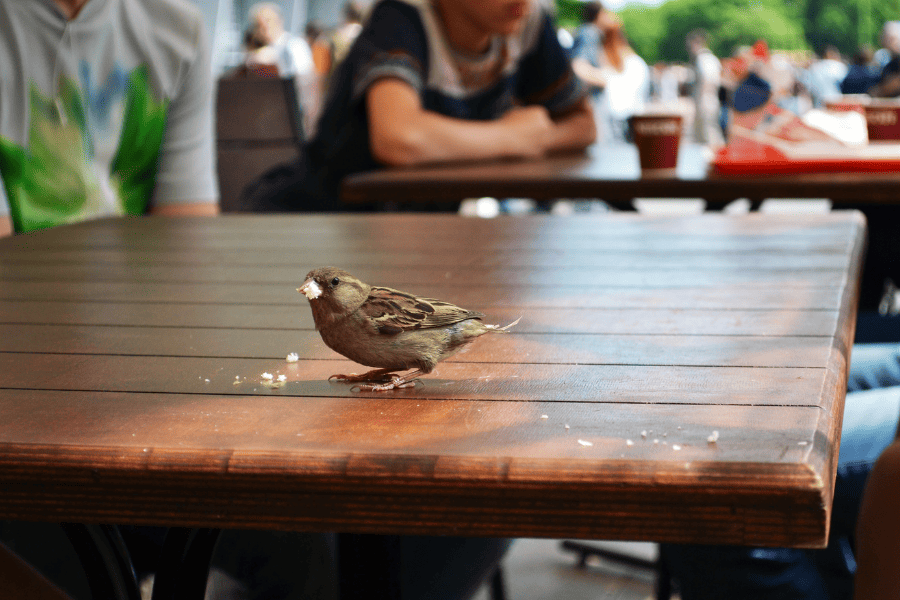
Birds will continue to visit your property if there’s access to food sources. It’s crucial to make food and water sources inaccessible as much as possible by promptly removing all food debris and standing water. Likewise, discourage customers from feeding birds if they happen to land around your business.
Call a Professional
There are state rules and regulations on controlling birds from properties, so it’s best to contact your local wildlife control company to assist with any bird nuisance. These bird control professionals will provide you with a thorough inspection of your business and recommend the best methods to remove and prevent these birds from your property in the future.

Jan 24, 2024 | Florida Pest Control
Contamination, disease, and property destruction are all possible in your home if a rodent invades it! Rodents, including mice and rats, can be destructive creatures and once they’ve invaded your home, it can be difficult to remove them since they reproduce so quickly! One of the best ways to ensure these pests don’t enter your Florida home is taking the necessary precautions to avoid them in the first place. We break down the types of rodents to be cautious of and our best do-it-yourself rodent prevention tips to keep rodents out of your Sunrise home.
Types of Florida Rodents
- House Mouse: Preferring dark, secluded areas in your home, these rodents are found in crawlspaces, basements, and attics. Mice adapt quickly to our human environments, seeking out food and water for survival. These rodents are also skilled climbers and can jump a foot high to reach isolated areas!
- Roof Rats: With their padded feet, roof rats will climb into our homes at the highest points, including our attics, eaves, and roof lines. These rodents typically live in colonies and stick together once they’ve found a place to habitat.
- Norway Rats: One of the largest rodent species, Norway rats are nocturnal and will seek food sources at night, especially in your trash can. Once they’ve infested a home, they are known to gnaw on furniture, walls, plastic, lead pipes, and even electrical wires.
Preventing Rodents in Sunrise
Rodents are attracted to food, water, and available shelter, so it’s crucial to eliminate these factors from your property to avoid a rat and mouse infestation. Check out our DIY rodent prevention tips for your Florida property:
- Seal and repair windows and doors that are loose or have a broken seal.
- Utilize screens on doors and windows, especially for those that tend to be open.
- Inspect the exterior of your home for any cracks or gaps and seal them immediately.
- Avoid leaving your pet food and water bowls outside overnight and store pet food in plastic containers with lids.
- Repair any leaky pipes and eliminate excess moisture in your crawlspace; we recommend enclosing crawlspaces to moisture issues and help eliminate household pests.
- Keep your yard well-maintained by mowing your grass, trimming back shrubbery, and removing debris on a regular basis.
- If you store lumber on your yard, look to place it at least 20 feet from your home and elevated off the ground.
- Have a regular cleaning schedule that includes vacuuming, mopping, and sweeping.
If you suspect you have a rodent infestation or are interested in getting ahead of preventing them, call your local pest control company. Professionals will provide you with a thorough inspection, identification of the rodent, possible entry points, and a rodent control and prevention plan.
Jan 19, 2024 | Bed Bug
Jan 19, 2024 | Wildlife
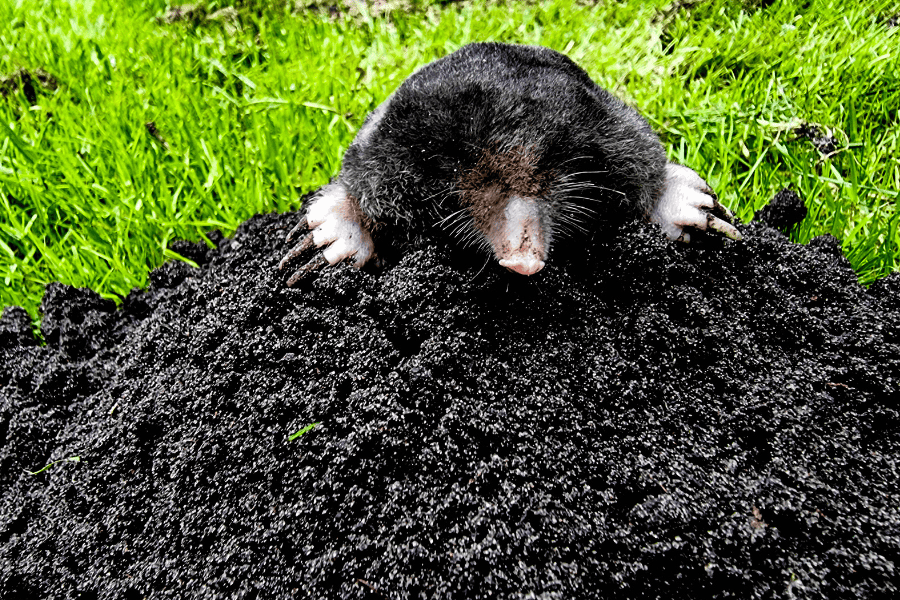
Moles can be one of the most destructive pests for yards. Once these creatures invade, they will dig and destroy your yard! One of the best steps for mole prevention on your property is understanding what’s bringing them there in the first place.
Moles are looking for one thing on your property – food! Moles need a plentiful food source to survive and tend to eat various lawn insects, including grubs, earthworms, and other bugs. If you have available food sources in your yard, they will dig through to get it and leave behind tunnels, holes, and mounds of dirt. Moles can dig up to 18 feet per hours and as they are digging will detach the roots of plants to not only allow weeds to grow but will also kill the lawn, plants, and trees too.
Some common signs that a mole has invaded your yard include,
- Surface tunnels
- Dying grass and plants
- Increase of weeds around your property
- Molehills or piles of dirt less than 6 inches tall and shaped like footballs
Mole Prevention Tips
Mole prevention starts with reducing the sources that are attracting them in the first place. Check out our do-it-yourself mole control tips:
- Eliminate their food source: Eliminate moles primary food sources including earthworms, grubs, ants, mole crickets, and other lawn insects. Consider utilizing products that are labeled to treat these pests or contact your local pest control provider to help you eliminate the lawn pest.
- Reduce water sources: Moles tend to prefer damp earth so it’s best to not overwater your lawn to limit moles and other lawn pests like earthworms. A good rule of thumb is to only water your lawn with 1” of water per week.
- Apply repellents: Moles do not like the smell or taste of castor oil so look to utilize this around your property. It’s always best to use this repellent monthly while these creatures are active.
- Call a wildlife professional: Moles can be difficult to eliminate and control so it’s best to contact your local wildlife control company for help. These wildlife technicians will be able to track the mole, utilize the best bait, monitor the tunnel to ensure moles are removed, and provide recommendations on treating the tunnels.
If you suspect a mole infestation on your property or other wildlife creatures, contact your local pest control company for a free evaluation.
Jan 19, 2024 | Wildlife
Georgia homeowners take pride in their yard and spend money and time to perfect it, which is why having a mole infestation can be so frustrating. Moles are looking to your home for a food source and will dig up your manicured lawn in the process! Understand moles and how you can prevent them from invading your Georgia property in this blog.
What Are Moles?
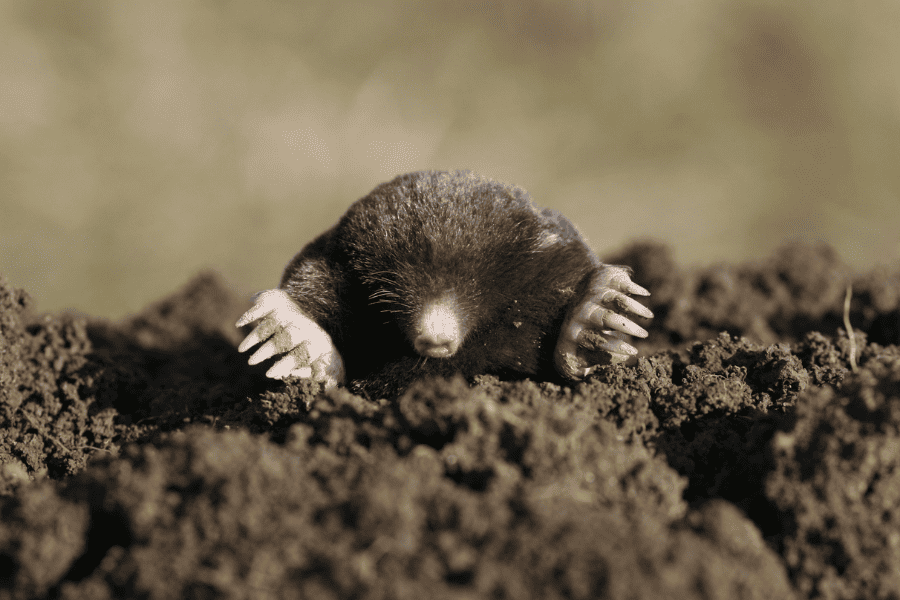
Moles are small animals, ranging between 4 and 11 inches in length, can weigh up to 8 ounces, and have a grey to brown body color. They have a small pair of eyes, and no external ears and are often known for their long, thin, and hairless snout. Moles don’t have the best vision but have an exceptional sense of smell. These creatures also have large front feet with webbed toes, which helps them burrow underground and search for food.
Why Are Moles Invading My Yard?
Moles invade yards for one reason – to search for food. If they’ve sensed food on your property, they will dig underground to find it. Moles’ diets consist of many lawn pests, including grubs, earthworms, mole crickets, and ants. These creatures also prefer damp earth as well. Once they’ve found a food source in your yard, they will create tunnels underground, damaging root systems of your grass.
How Can I Prevent Moles?
The best way to avoid moles is to make your yard undesirable to them. Check out our top mole prevention tips for Georgia yards:
- Remove excess water: The overuse of sprinklers and irrigation systems can provide an ideal environment for moles. Loose and damp soil will make it easier for moles to create a tunnel through your yard.
- Install barriers: Consider using physical barriers, like hardware cloth liners, around your flowerbeds or across the top of the bed to prevent mole digging. You can also place these barriers around the bases of the trees too to deter moles away.
- Lay mulch in the fall: During the colder weather, mulch can become an insulator for plants and moles. Consider installing mulch after the first frost instead of earlier in the fall. Hopefully, moles and other lawn pests have found another environment by the time you’ve laid your mulch.
- Eliminate their food source: Most mole infestations arise because of a grub problem. Look to eliminate grubs and other pests from your yard to help control the mole population and protect the overall health of your lawn.
A mole infestation can happen quickly and can be difficult to control and eliminate. The best and most effective way to remove and control moles is to contact your local wildlife control and pest control company for help. These pest professionals will set you up with an ongoing pest control service and schedule visits to identify the mole problem early and provide you with a treatment and prevention plan.