Sep 15, 2023 | Florida Pest Control
One thing about Florida: pests love to live here! Warm, humid climates make our state the perfect oasis for both humans and pests. While it’s inevitable to come across them, there are ways to prevent them from invading your home. Read more on the types of Florida pests to be aware of and how you can prevent them from ruining your fun in the sun!
Ants:
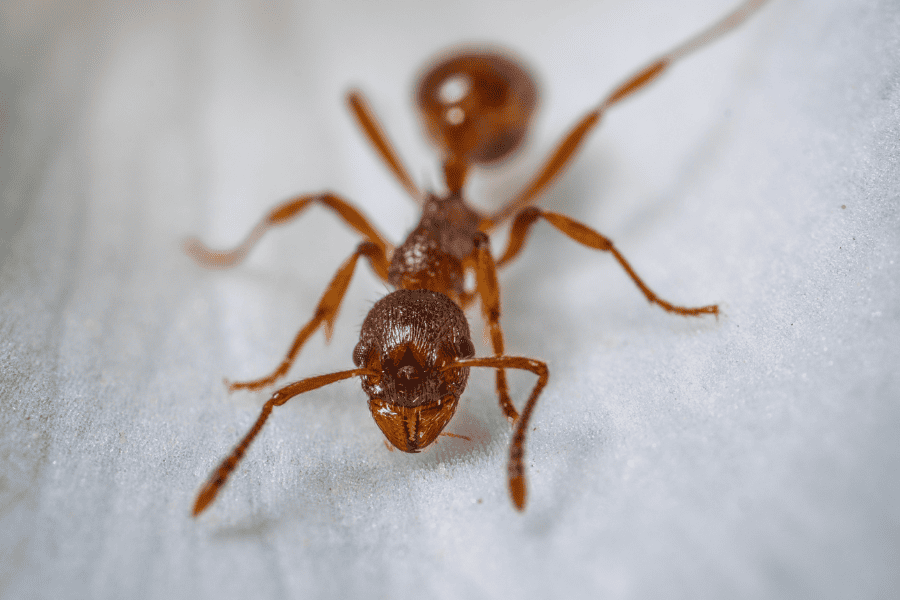
Small, pesky, and will sneak into your home unnoticed, ants can become a major problem if they find their way inside. There are several types of ants popular to our area, including fire ants, carpenter ants, Argentine ants, and more. These ants may have different characteristics, but they all are looking for a water and food source to survive. You will often find these pests in your bathroom, kitchen, basement, or even utility room. While ants can be harmless, they are known to bite which can lead to allergic reactions such as itching or swelling.
Prevent Ants:
- Seal any cracks or crevices around windows, doors, foundations, or exterior walls.
- Keep your plants and shrubbery trimmed and away from your home.
- Ensure your kitchen is free of crumbs and spills by cleaning up after each meal.
Cockroaches
Seeing a cockroach in your home is always alarming! Roaches, including the American roach, German roach, and brown-banded roach prefer to live in places such as sewers, trashcans, basements, and bathrooms, to seek food, shelter, and water for survival. Once these pests invade, it can be hard to remove them as they can multiple quickly. Roaches also carry bacteria on their bodies and feet and will spread unwanted germs when they walk across surfaces. They’re also known to trigger allergic reactions and asthma attacks.
Prevent Cockroaches:
- After each meal, mop up any spills, clean up any leftover crumbs, and throw away your trash in a trashcan with a tightly sealed lid.
- Keep rooms in your home decluttered and maintain a regular dusting schedule.
- When eliminate moisture by regularly checking for leaks or standing water around your home, fixing them if needed.
Ticks
Ticks can not only harm humans but can also be harmful to our pets. These pests are extremely small and will latch and feed onto the blood of animals and humans. They can often be found in wooded or grassy areas, transmitting diseases such as Lyme disease and Rocky Mountain fever. If you’ve been outside for a long period of time, you can often find them on your face, legs, armpits, belly, and in-between toes!
Prevent Ticks:
- Mow your lawn often to keep your grass short
- Remove brush and debris from your lawn
- Keep your yard dry and sunny, as ticks prefer moist and shaded areas
Termites
Dealing with a termite infestation at your home can be devasting, as they can cost thousands of dollars in repairs. There are two common termites in Florida: drywood termites and subterranean termites. Drywood termites prefer to live and nest in wooden structures or dry wood and do not need a water source. Signs of drywood termites include spotting their frass, which appear like sawdust, and located in piles near the infestation area. Subterranean termites need a water source and build their nest underground to obtain it. Signs that indicate a subterranean termite infestation include seeing their mud tubes along a home’s foundation or floor.
Prevent Termites:
- Eliminate moisture problems from your property to avoid a subterranean termite infestation by fixing leaky pipes and ensuring your home has proper drainage around its foundation.
- Be cautious of soil-to-structure contact to avoid subterranean termites from entering your home.
- Keep any firewood stored at least 20 feet from your property and elevated off the ground to avoid drywood termites.
- Regularly inspect your deck or patio for signs of drywood termite damage.
If you notice an influx of the pests listed above, consider reaching out to your local pest control company for help! These professionals will also provide you with free inspection and a treatment and prevention plan customized for your home.

Sep 15, 2023 | Wildlife
When it comes to living in the beautiful state of Georgia, there’s no denying that the warm climate and lush landscapes come with their fair share of wildlife encounters. One of the most common and, for many, dreaded encounters is with snakes. While Georgia is home to a variety of snake species, understanding snake control, prevention, and removal techniques is essential for safeguarding your property and your loved ones. In this blog post, we’ll explore common snakes in Georgia, when snake season typically occurs, and effective ways to keep these slithering neighbors at bay.
Common Snakes in Georgia
Before delving into snake control methods, let’s familiarize ourselves with some of the common snake species found in Georgia:
- Eastern Diamondback Rattlesnake: This venomous snake is one of the largest rattlesnake species in the world. They are mostly found in the southern part of the state.
- Copperhead: Copperheads are venomous and often have a copper-colored head. They are prevalent throughout Georgia.
- Eastern Coral Snake: Although rare, these venomous snakes can be found in certain parts of the state, particularly in the southern regions.
- Black Rat Snake: Non-venomous and beneficial for controlling rodent populations. They are widespread throughout Georgia.
- Eastern Garter Snake: Another non-venomous species often found in gardens and grassy areas.
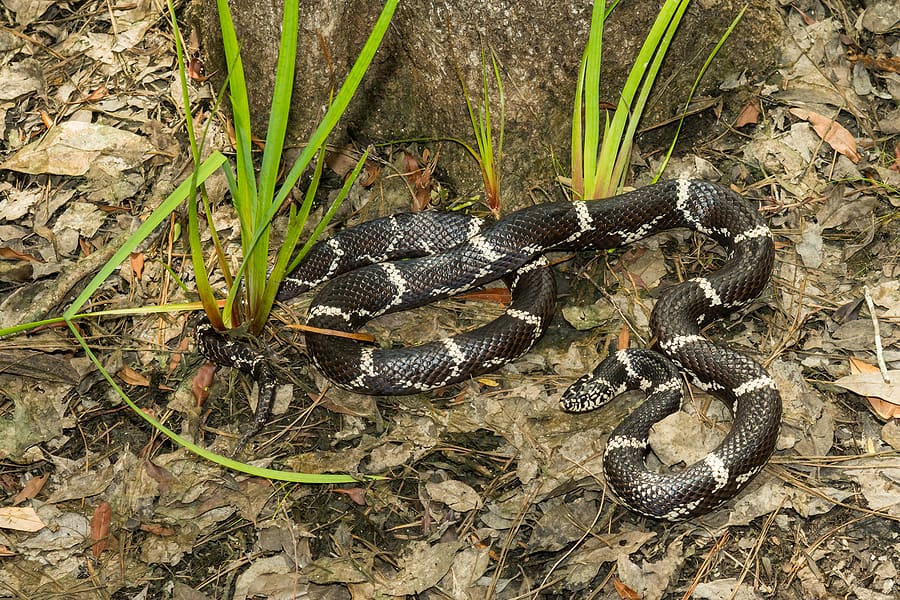
- Eastern King Snake: These are known for their striking appearance and are valuable for keeping other snake populations in check.
When is Snake Season in Georgia?
Snake season in Georgia typically begins in the spring and lasts through the fall. During this time, snakes become more active as they search for food and suitable breeding grounds. It’s essential to be especially vigilant during these months to reduce the likelihood of unwanted snake encounters.
Ways to Keep Snakes Away from Your Home
Now that we’ve discussed common snakes and their active seasons, let’s explore effective snake control and prevention techniques to protect your home and family:
1. Maintain a Tidy Yard:
- Trim tall grass and overgrown vegetation.
- Keep firewood and debris piles away from your home.
- Regularly clean up fallen leaves and debris.
2. Seal Entry Points:
- Inspect your home for any gaps or cracks in the foundation, walls, and doors.
- Seal gaps around utility pipes and drainage lines.
- Repair damaged screens and vents.
3. Remove Attractants:
- Secure trash cans with tight-fitting lids.
- Keep bird feeders and pet food indoors or in secure containers.
- Minimize rodent populations to reduce snake prey.
4. Install Snake Fencing:
- Consider installing snake-proof fencing around your property.
- These barriers can deter snakes from entering your yard.
5. Professional Snake Control and Removal:
- If you spot a snake on your property or inside your home, do not attempt to handle it yourself.
- Contact a licensed pest control professional for safe snake removal.
Protecting Yourself from Snake Bites
While preventing snake encounters is the first line of defense, it’s also crucial to know how to protect yourself from snake bites:
- Wear sturdy boots and long pants when working in areas where snakes may be present.
- Be cautious when stepping over rocks, logs, or tall grass.
- Use a flashlight at night to watch your step in snake-prone areas.
Request a Free Wildlife Control Quote
The importance of effective snake control and removal cannot be stressed enough. While Georgia’s natural beauty and warm climate make it an attractive place to live, it’s essential to be prepared for encounters with snakes. By following these snake control and prevention tips, you can create a safer environment for your family and minimize the chances of unwelcome snake guests. Remember that professional assistance through your local pest control company is just a phone call away if you ever need help with snake removal or control. Stay vigilant, stay safe, and enjoy all that Georgia has to offer!
Sep 11, 2023 | Uncategorized
Spiders can be considered a year-round pest in Georgia but are in full force during the late summer and early fall months. This is due to the summer being a major time for spiders to reproduce. Luckily, most of the spiders you might encounter within your home are not harmful to you and your family!
There are many different species of spiders that can be found in Georgia alone, ranging from the standard garden spider to the feared brown recluse. Let’s discover the most common Georgia spiders you could possibly see this fall:
Black Widow:
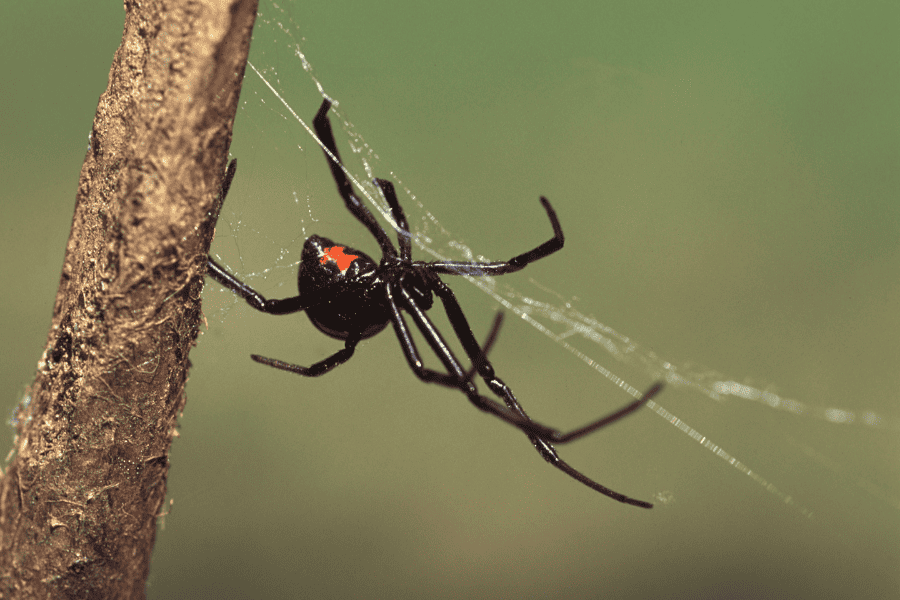
One of the few structure-invading species of spiders in our area, their fangs are big enough to penetrate human skin and their venom is powerful enough to cause side effects in humans. They are one of the most venomous spiders in North America, but an antivenom does exist for them. Female black widows grow to be ¾” in length with males being half that size. These spiders are easily identifiable by the distinctive red hourglass markings on their black body’s abdomen. Black widows are typically found in garages, basements, crawlspaces, and around decks.
Brown Recluse:
Commonly found in the southeast and midwestern United States, these venomous spiders are easily identifiable by their distinctive dark fiddle-shaped markings found on their bodies. They prefer to stay hidden in warm, dark, dry habitats and are commonly found in woodpiles, basements, closets, and especially old shoes that aren’t worn often.
Joro Spider:
These spiders are a non-native species originating from Asia and were first spotted in Georgia in 2014. They can be found almost anywhere including decks, porches, houses, plants, landscaping and more. They are non-venomous and don’t pose a threat to humans, but their large webs and size can become a nuisance. Research is still ongoing for how this invasive species can affect the native ecosystem of Georgia and most of the southeast.
Wolf Spider:
These common spiders don’t use webs to catch prey, they use their speed to catch them. Usually, dark brown or yellow with striped markings on their legs, these spiders can range in size from ¼” to over an inch. They are nocturnal creatures and are typically found along the floor or under furniture. They can be beneficial to keep around due to keeping other pest levels low.
How to prevent spiders:
- Seal up any cracks or gaps around windows and doors.
- Remove clutter, like piles of clothes.
- Call your local pest control company for a customized pest plan!
Sep 8, 2023 | Florida Pest Control
Rodents, like mice and rats, are searching for a place to call home and often look towards our Florida home for it. Once inside our homes, these critters can cause severe damage and be a health risk to our homes and families. Destroyed insulation, left behind droppings, and chewed electrical wires, are signs of rodent infestations. We list popular south Florida rodents to look at for and a few ways you can avoid these creatures from invading your home. Check them out below!
South Florida Rodents
- House Mouse: These creatures will eat any food to survive but tend to feed on cereal grains. If this rodent finds a food source, it will typically stay in that area for more, usually establishing a territory of 30 to 50 feet from it. These creatures are also known to create electrical fires by gnawing on wires.
- Roof Rat: These rodents are excellent climbers, preferring to stay in higher places like our attics. Roof rats eat fruits, vegetables, and cereal products. If they have found a food source, they typically return to the same place for more.
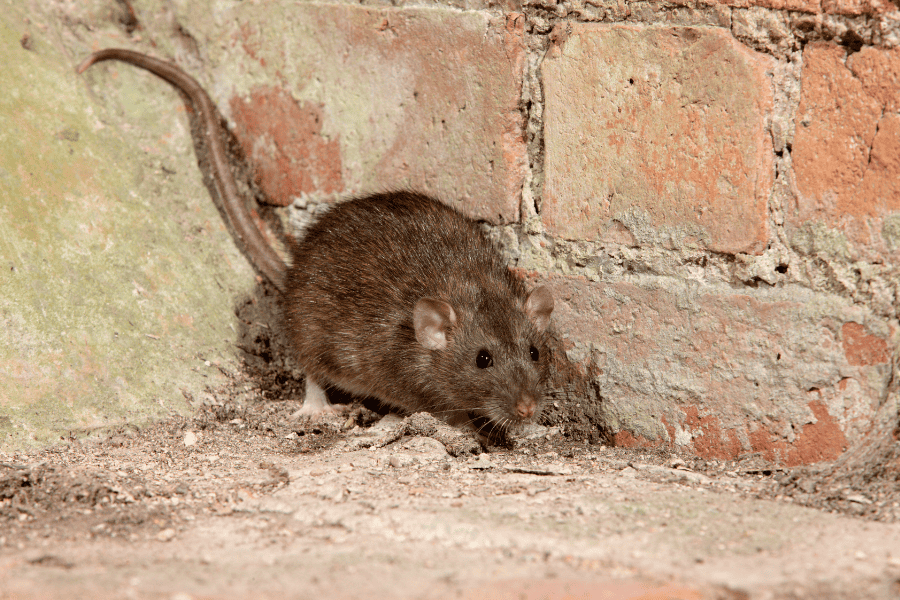
- Norway Rats: These rats are known to create their nests underneath buildings, crawlspaces, and basements. Norway rats do need water to survive, often looking for standing water and will look for standing water in our yards and homes, often bringing with them fleas and mites!
Rodent Prevention Tips
- Place a Lid on Your Trash: Consider utilizing metal trashcans with a tightly fitting lid. If you must use a plastic trashcan, check it has no holes in it.
- Store Your Pet Food: Look to store pet and bird food in glass or metal containers with tight lids. Remember to bring your pet food inside at night and store it until the morning. If you have fruit trees, make sure to pick them up if they’ve fallen on the ground.
- Store Items Properly: Rodents will eat lawn seed, tulip bulbs, bone meal, and other items used in gardening, so it’s important to store them in containers with lids. Likewise, store your firewood at least 20 feet away from your home. In your garage, place storage boxes off the ground to help eliminate nesting places.
- Tidy the Kitchen: Rodents are attracted to any leftover food, making it crucial to clean up any food crumbs or spills after each meal. Additionally, keep your pantry food stored in tightly sealed containers.
- Keep a Well-Maintained Yard: Inspect the inside and outside of your home for any gaps or openings, sealing them as soon as possible. Always ensure that your gutters are clear of debris and standing water. Keep screens on windows and doors, making sure they are in good repair and replaced when needed.
- Consider Professional Help: Once rodents infest, they can multiply, making it difficult to remove them! If you suspect that you have a rodent problem, it could be best to reach out to your local wildlife removal company for help. These professionals will evaluate your home, provide you with a comprehensive treatment plan, and safely remove these critters from your home.
Sep 8, 2023 | Pest Control
Centipedes are arthropods that will often make their way into your home. Although centipede means “100 legs,” not every centipede actually has that many. Most centipedes prefer dark, damp spaces and are commonly found outdoors under rocks, logs, or piles of leaves. Other species can be found in your home. Here are 5 of the most common type of centipedes you may come across in our area.
Types of Centipedes
House Centipede
House centipedes are found throughout North America and even in Hawaii. They can grow to be 1-1/2″ long and have 15 pairs of legs. Their bodies are yellowish-gray in color with 3 stripes on their backs. They have long antennae. House centipedes are usually found in dark areas of your home, like the basement. They are usually harmless, but will bite you if they are handled. They are quite beneficial to have around as they will eat roaches, moths, termites, and other household pests.
Eastern Red Centipede
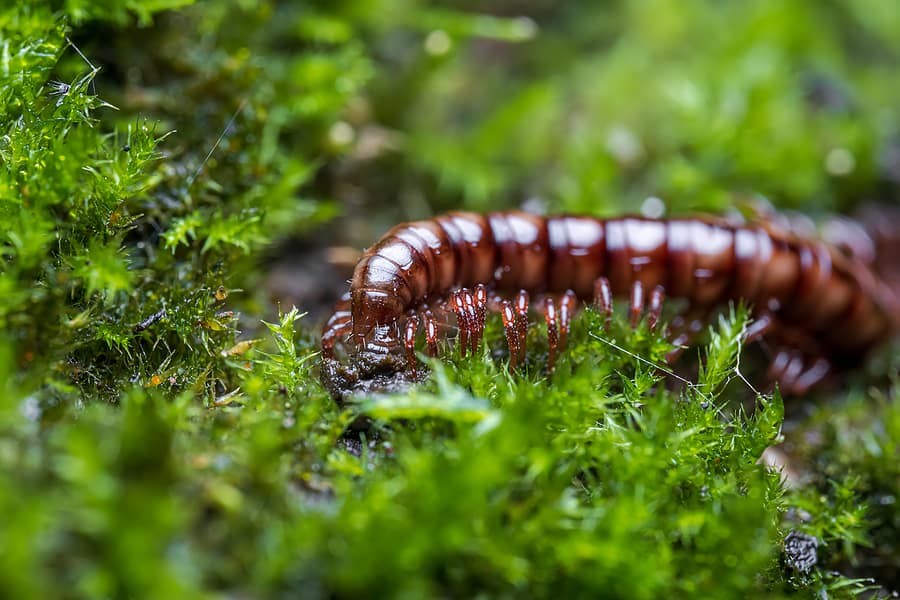
The Eastern Red centipede is found across the East Coast. These centipedes grow to about 2-1/2″ long. Their bodies are red or orange in color with lighter orange legs. They like moisture and will burrow under wet leaves, logs, compost piles, and woodpiles. They are venomous with a very painful bite.
Eastern Bark Centipede
The Eastern Bark centipede can be found in the Eastern United States and Canada westward to the Rocky Mountains. They can grow up to 3″ long. These centipedes vary in color, ranging from solid orange-brown to dark brown. Some species also have an olive colored stripe on their back. Their heads are brownish-red and their antennae and legs are yellow. These centipedes are nocturnal and live under rocks and logs. They are venomous and will bite.
Diamondback Soil Centipede
The diamondback soil centipede will grow up to 2″ in length. They have light brown bodies with dark brown diamonds on their backs. They are found throughout North America, typically in gardens rather than inside the home. They live under debris and will burrow into the soil. They don’t have eyes and don’t bite. They secrete a poisonous substance from the underside of their bodies in an attempt to ward off predators but they are not considered a threat to humans.
Brown Centipede
Brown centipedes originated in Europe (where they are quite common) but can now be found on the Eastern seaboard of the United States. They grow to about 1″ in length. They have brown bodies, long antennae, and long tails. They hunt at night and can often be found in dark areas of the home, such as the basement. They do have venomous fangs but they are so small that they do not pose any threat to humans. In fact, they are beneficial to have around because they eat other household pests.
Preventing Centipedes
- Reduce moisture. Centipedes prefer moist, high humidity environments. Repair any leaks you may have in and around your home. Use dehumidifiers in areas with humidity (e.g. basements and crawlspaces). Run exhaust fans in bathrooms and attics to also help reduce moisture.
- Declutter. Clutter provides shelter and protection for centipedes. Reduce clutter around your home, especially in areas where centipedes are commonly found (basements, crawlspaces, attics). Move any leaf piles, grass clippings, and firewood away from your home.
- Get rid of food sources. Centipedes will eat other pests that come into or around your home. Practice routine pest control to help keep other pest populations at bay to keep centipedes away, as well.
- Seal them out. Seal any cracks, gaps, and holes on the outside of your home to eliminate ways for them to get in. Repair tears in screens and install weatherstripping to doors and windows.
- Call the pros. Establishing routine pest control services with a local pest control company can help to not only keep centipedes from invading your home, but other household pests, as well. The technicians can also give your home a thorough inspection, helping to identify any pest problems before they get out of hand.