Oct 10, 2025 | Florida Pest Control
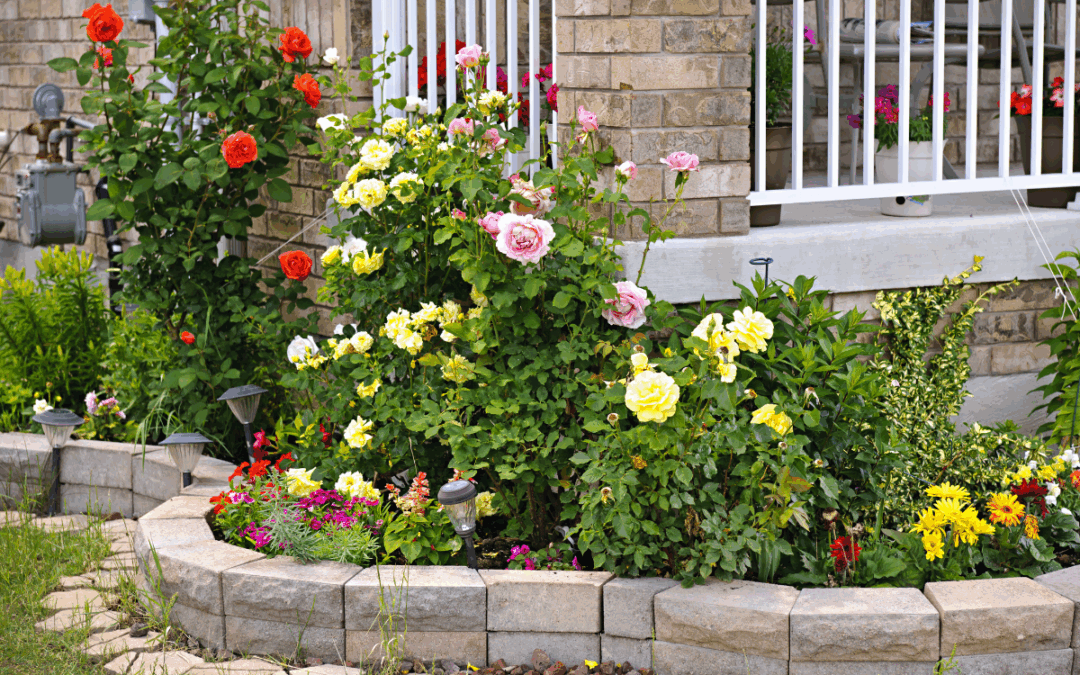
Florida’s fall gardening season is a rewarding time, offering a break from the summer heat. Mild temperatures also create ideal conditions for pests. Protecting your vegetable patches, flower beds, and ornamental plants is key to maintaining a healthy, productive garden. This guide highlights common fall garden pests and provides responsible strategies to keep them in check, ensuring your garden remains a vibrant oasis.
Common Fall Garden Pests in Florida
Caterpillars and Worms
Species like armyworms, loopers, and hornworms are active in the fall. They can defoliate plants, skeletonize leaves, and bore into fruits like tomatoes. Their camouflage makes early detection challenging, so frequent inspections are important.
Aphids and Whiteflies
These sap-sucking insects congregate on new growth or the undersides of leaves. They drain nutrients, causing yellowing leaves and stunted growth, and excrete honeydew, which can lead to sooty mold.
Stink Bugs and Leaf-Footed Bugs
Using piercing-sucking mouthparts, they feed on fruits, vegetables, and seeds. Feeding damage can cause discolored, sunken spots and reduce crop quality. Large populations can significantly impact yields.
Responsible Pest Management Strategies
Promote a Healthy Garden Environment
Strong, healthy plants resist pests better.
- Improve Soil Health: Add compost and organic matter for essential nutrients.
- Proper Watering: Water deeply at the base to avoid wet foliage.
- Select Resistant Varieties: Choose plant varieties resistant to local pests.
Implement Physical and Mechanical Controls
Hands-on methods are often the most effective first step.
- Regular Inspections: Check your garden daily for signs of pests.
- Handpicking: Remove larger pests like caterpillars and stink bugs.
- Use Barriers: Floating row covers protect seedlings from pests like whiteflies.
Encourage Beneficial Insects
“Good bugs” like ladybugs, lacewings, and parasitic wasps prey on garden pests. Plant herbs like dill, fennel, and cilantro to attract these natural allies.
Keeping Your Fall Garden Healthy
Vigilance, prevention, and creating a balanced ecosystem are the best ways to protect your garden this fall. Focus on soil health, physical barriers, and beneficial insects to reduce pest pressure naturally.
If fall garden pests become persistent despite your efforts, a professional can assess your garden, identify the problem, and provide a tailored management plan. Keep your plants thriving and bug-free by contacting a certified pest control expert today.
Oct 9, 2025 | Going Green, Green Commercial Pest Control
Maintaining a clean, pest-free environment is essential for any retail business. A single sighting can harm your reputation, deter customers, and damage inventory. While traditional pest control works, more businesses are turning to sustainable pest control for its effectiveness, environmental responsibility, and alignment with customer expectations.
A sustainable retail pest control strategy goes beyond being “green.” It protects customers, employees, and products while supporting your brand’s commitment to quality and care. This guide explains why sustainability matters and what to look for in a professional partner.
Why Sustainable Pest Control is Smart for Retail
Protecting Your Brand and Customer Experience
Modern consumers care about environmental and health practices. Adopting sustainable pest control shows responsibility and enhances your brand image. It also reduces broad chemical applications, creating a more pleasant shopping environment and a healthier workplace.
Guarding Your Inventory
Rodents, cockroaches, and stored product pests can damage inventory and cause financial loss. Rodents gnaw through packaging, while insects can contaminate stock. Sustainable pest control emphasizes proactive exclusion and monitoring to prevent access, offering a more effective solution than reactive treatments.
Long-Term Effectiveness and Prevention
Sustainable pest control uses Integrated Pest Management (IPM), which focuses on pest biology and behavior to address root causes like entry points, food sources, and harborage. By sealing gaps, improving sanitation, and managing moisture, IPM provides lasting results beyond repeated chemical treatments.
What to Look for in a Sustainable Pest Control Partner
Commitment to Integrated Pest Management (IPM)
A sustainable provider leads with IPM. Their plan should start with a thorough inspection to identify pest pressures and conducive conditions. Non-chemical solutions should be prioritized, including door sweeps, sealing wall cracks, and improved waste management.
Expertise in Retail Environments
Retail spaces have unique challenges, from high-traffic areas to sensitive storage. Providers should have proven experience, understand how to operate discreetly during business hours, protect merchandise, and address common retail pests like flies, rodents, and ants.
Detailed Documentation and Communication
Transparency is key. A professional provider maintains thorough records of service visits, pest activity, and corrective actions. Documentation supports audits and internal quality control. Providers should also communicate regularly with facility managers to report findings and recommend preventative actions.
Retail Pest Control Recap
Sustainable pest control is a strategic investment in your retail business. By focusing on prevention and partnering with an IPM-specialized provider, you create a clean, welcoming environment that protects customers, employees, and inventory. For a tailored, effective pest management plan, contact a certified commercial pest control professional today for a free quote.
Oct 3, 2025 | Florida Pest Control
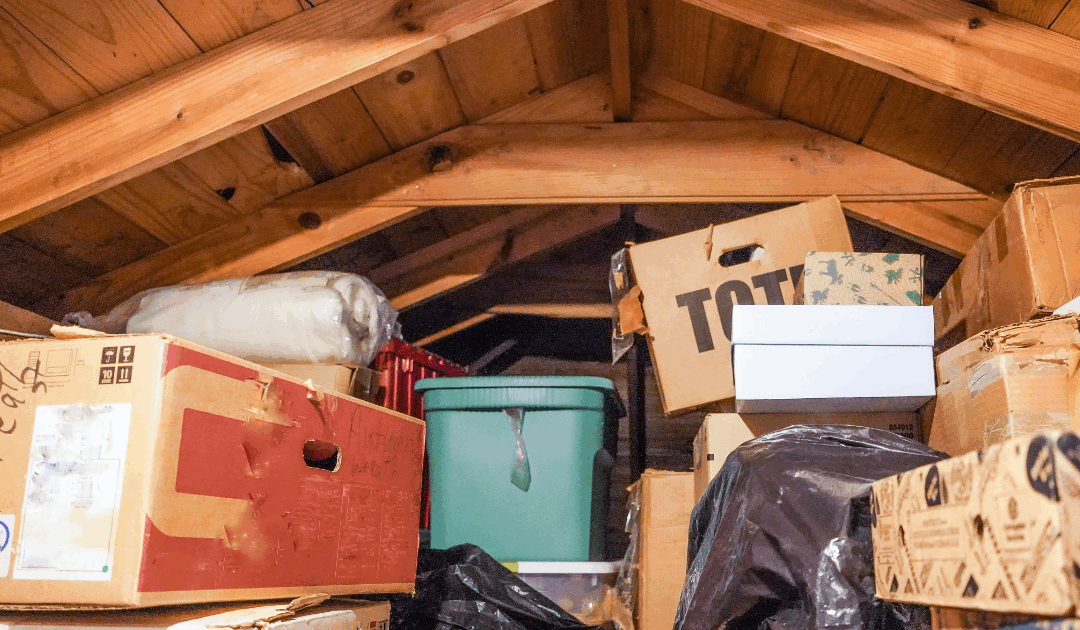
As fall arrives in Bonita Springs, many homeowners prepare for cooler, drier months. While the change in weather is welcome, it also means pests begin seeking shelter. Your attic, with its warmth and seclusion, is a prime spot for unwanted guests. Addressing these attic pests quickly helps prevent costly damage and keeps your home healthy.
Common Attic Pests in Bonita Springs
Rodents (Rats and Mice)
Roof rats are especially common in this region. They can squeeze through small openings along the roofline and cause serious damage by gnawing wires, creating fire hazards, and shredding insulation.
Squirrels
Squirrels often chew through eaves, fascia boards, and vents to get inside. Their presence is usually noisy, with scratching and scurrying sounds in the morning and evening. They also damage insulation and leave droppings behind.
Raccoons
Raccoons are larger and more forceful intruders. They may tear through shingles or vents to create entry points, especially when looking for a dry place to nest. They can cause significant structural damage and may carry diseases that put people and pets at risk.
Signs of an Infestation in Your Attic
Strange Noises
Scratching, scurrying, gnawing, or chirping noises are early signs of attic activity. These sounds are often heard at night or in the early morning.
Droppings and Urine Stains
Animal droppings are a clear indicator of pests. Urine stains may also appear on ceilings or walls if the issue is severe.
Nests and Damaged Materials
Shredded insulation, chewed wires, or torn ductwork are all signs of nesting pests. Debris like leaves or twigs inside the attic may also point to an active infestation.
Effective Removal and Prevention Strategies
Seal Entry Points
Inspect the exterior of your home and seal cracks, gaps, and holes in the roof, soffits, and foundation. Install mesh screening over vents and a chimney cap to block wildlife.
Trim Vegetation and Remove Attractants
Tree limbs touching the roof provide an easy path for pests. Trim branches several feet back, secure outdoor trash cans, and avoid leaving pet food outside.
Keeping Your Attic Peaceful This Fall
The best way to keep your attic pest-free is to know what signs to look for, seal off entry points, and make your home less inviting to wildlife. By staying a step ahead, you can avoid the damage and mess that attic pests often leave behind.
If you do notice noises, droppings, or damage, it is always a good idea to have an expert take a closer look. Call today to schedule a pest control inspection and make sure your attic is ready for the season ahead. Contact Northwest today for a free pest control quote!
Sep 26, 2025 | Florida Mosquito Control
Miami’s tropical climate is perfect for year-round outdoor living, but it also provides ideal conditions for mosquitoes. Warm temperatures, high humidity, and frequent rain create a nearly constant breeding environment for these pests. Sustainable mosquito management offers a way to reduce mosquito activity while protecting the local environment and preserving the beauty of South Florida’s natural spaces.
Why Sustainable Mosquito Control Matters in Miami
In Miami, mosquitoes are more than a seasonal annoyance. Species such as the Aedes aegypti thrive in small amounts of standing water and can be active much of the year. Conventional chemical treatments may offer quick relief but can also affect pollinators, beneficial insects, and waterways.
Sustainable mosquito control addresses the root causes of infestations through prevention, environmental awareness, and targeted treatments. By making small, consistent changes to outdoor spaces, it is possible to enjoy a yard with fewer interruptions from mosquitoes.
Integrated Pest Management for Mosquitoes
Integrated Pest Management (IPM) combines prevention, monitoring, and precise treatments to manage pests effectively with minimal environmental impact.
Reducing Breeding Sites
Since mosquitoes need standing water to reproduce, removing or treating these sources is one of the most effective control measures. Emptying containers, cleaning gutters, and changing water in birdbaths or pet bowls regularly all help break the breeding cycle.
Encouraging Natural Predators
South Florida’s environment supports beneficial wildlife such as dragonflies, bats, and certain fish species that naturally help manage mosquito populations. Supporting these species through balanced landscaping can provide ongoing mosquito control.
Targeted Treatment Options
When additional measures are needed, targeted tools such as In2Care systems can help. These stations attract mosquitoes and expose them to a treatment that affects both adults and larvae, providing ongoing control while minimizing impact on non-target species.
Eco-Friendly Solutions for Miami’s Mosquito Challenges
Natural Repellents
Plants like citronella, marigolds, and basil can deter mosquitoes while adding greenery to outdoor areas. Essential oils such as eucalyptus, peppermint, and lemongrass can be used in sprays for added protection.
Low-Impact Treatments
In2Care stations and targeted larvicides offer effective mosquito reduction without disrupting beneficial insect activity. These methods focus on specific problem areas, limiting environmental impact.
Benefits of a Sustainable Approach to Mosquito Control
Family and Pet-Friendly Living
Reducing chemical use creates a healthier outdoor space for children, pets, and wildlife while also protecting South Florida’s waterways and coastal ecosystems.
Long-Term Results
Addressing mosquito activity at the source reduces the need for frequent treatments, leading to more consistent comfort outdoors.
Preserving South Florida’s Natural Beauty
Eco-friendly mosquito control supports biodiversity, protects pollinators, and maintains the vibrant, tropical environment that makes Miami unique.
A Healthier Way to Manage Mosquitoes
Sustainable mosquito management is about prevention, balance, and smart intervention. By removing breeding sites, encouraging natural predators, and using targeted solutions like In2Care, Miami residents can enjoy their outdoor spaces while supporting a healthier environment for the community.
Sep 25, 2025 | Commercial
Termites cause over $5 billion in property damage annually in the United States, and commercial buildings are prime targets. These structures often house multiple businesses, valuable equipment, and critical operations that cannot afford unexpected shutdowns. For property managers and business owners, understanding termite risks and taking proactive termite control measures is essential to protecting your investment, keeping tenants satisfied, and maintaining long-term property value. Let’s take a look at why commercial termite control is necessary to protect your business from these wood-destroying pests.
Commercial Termite Control
Why Commercial Properties Face Higher Termite Risks
Commercial buildings have unique vulnerabilities that attract termites. Large structures mean more entry points, extensive wooden frameworks, and complex utility systems that allow infestations to spread unnoticed.
Construction Materials and Design
Many commercial buildings contain substantial wood, from beams to fixtures. Open layouts and suspended ceilings make it easy for termites to move between areas undetected.
Moisture Sources
More plumbing, HVAC systems, and high-use areas like kitchens and bathrooms create humidity termites thrive in.
Landscaping Factors
Mulch beds, irrigation systems, and decorative wood features near foundations can host termite colonies close to the building.
The True Cost of Termite Damage
For commercial properties, the financial impact extends beyond repairs.
Structural Repairs
Major infestations may require replacing load-bearing walls, floor joists, or supports—costing tens of thousands of dollars.
Business Disruptions
Repairs can force tenants to relocate, leading to lost income, legal disputes, and damaged client relationships.
Property Value Decline
A termite history can reduce property value and make selling or refinancing more difficult.
Early Detection: Your First Line of Defense
Catching termites early keeps costs lower and damage minimal.
Quarterly Visual Inspections
Train staff to spot warning signs like mud tubes, discarded wings, and hollow-sounding wood.
Professional Annual Inspections
Hire licensed professionals for thorough checks using specialized detection tools.
Monitor High-Risk Areas
Pay attention to basements, crawl spaces, water-adjacent areas, and where wood meets soil.
Sustainable Prevention Strategies
Modern prevention focuses on long-term protection using eco-conscious methods.
Physical Barriers
Install steel mesh or sand barriers during construction or renovations.
Moisture Management
Reduce humidity with ventilation, dehumidifiers, and quick leak repairs. Maintain proper drainage away from the building.
Landscaping Modifications
Keep mulch and soil at least 12 inches from the foundation, remove dead wood, and choose termite-resistant landscaping materials.
Regular Maintenance
Seal foundation cracks, keep wood from soil contact, and maintain clear space between landscaping and structures.
Professional Termite Treatment Options
When prevention isn’t enough, professional solutions can eliminate colonies with minimal disruption.
Baiting Systems
These systems use small amounts of active ingredients to remove entire colonies and work well in busy commercial settings.
Localized Heat Treatment
Heat kills termites and eggs without chemicals—ideal for sensitive equipment areas.
Targeted Liquid Applications
When needed, modern liquid treatments can be applied precisely to protect surrounding areas.
Building Long-Term Termite Protection Plans
Ongoing management keeps your property secure.
Documentation
Track inspections, treatments, and preventive measures for patterns and proof of due diligence.
Staff Training
Educate employees to spot and report early warning signs quickly.
Vendor Partnerships
Work with pest control providers specializing in commercial properties for consistent service and faster response times.
Taking Action Now
Termite prevention is far less costly than repairs and business interruptions. Schedule a comprehensive inspection with a licensed commercial pest control expert, then create a customized prevention plan based on your building’s vulnerabilities.
Protect your investment, keep tenants happy, and maintain your property’s value for years to come—contact your local pest control professionals today.