Mosquitoes are more than just a nuisance; their bites can pose serious health risks to humans and pets. In Georgia, where warm and humid conditions create an ideal breeding ground for these pests, it’s essential to understand how to protect your family effectively. This blog will detail the risks associated with mosquito bites, tips to prevent them, and the most effective mosquito repellents, including natural options and mosquito-repellent plants.
Risks Posed by Mosquito Bites
Mosquito bites can lead to more than just itchy welts. They are vectors for several dangerous diseases, posing significant health risks:
West Nile Virus: This virus can cause severe neurological diseases in humans. There have also been recent cases of West Nile Virus related deaths reported.
Zika Virus: Known for causing birth defects, this virus can have severe consequences for pregnant women.
Dengue Fever: This painful, debilitating disease can lead to severe flu-like symptoms and, in extreme cases, death.
Heartworm in Pets: Mosquito bites can transmit heartworm larvae to dogs and cats, which can be fatal if untreated.
Tips to Prevent Mosquito Bites
Preventing mosquito bites involves a combination of personal protection and environmental management. Here are some practical tips:
Wear Protective Clothing: Long-sleeved shirts and pants can reduce skin exposure.
Avoid Peak Mosquito Hours: Mosquitoes are most active during dawn and dusk.
Use Mosquito Nets: Especially effective for protecting babies and young children.
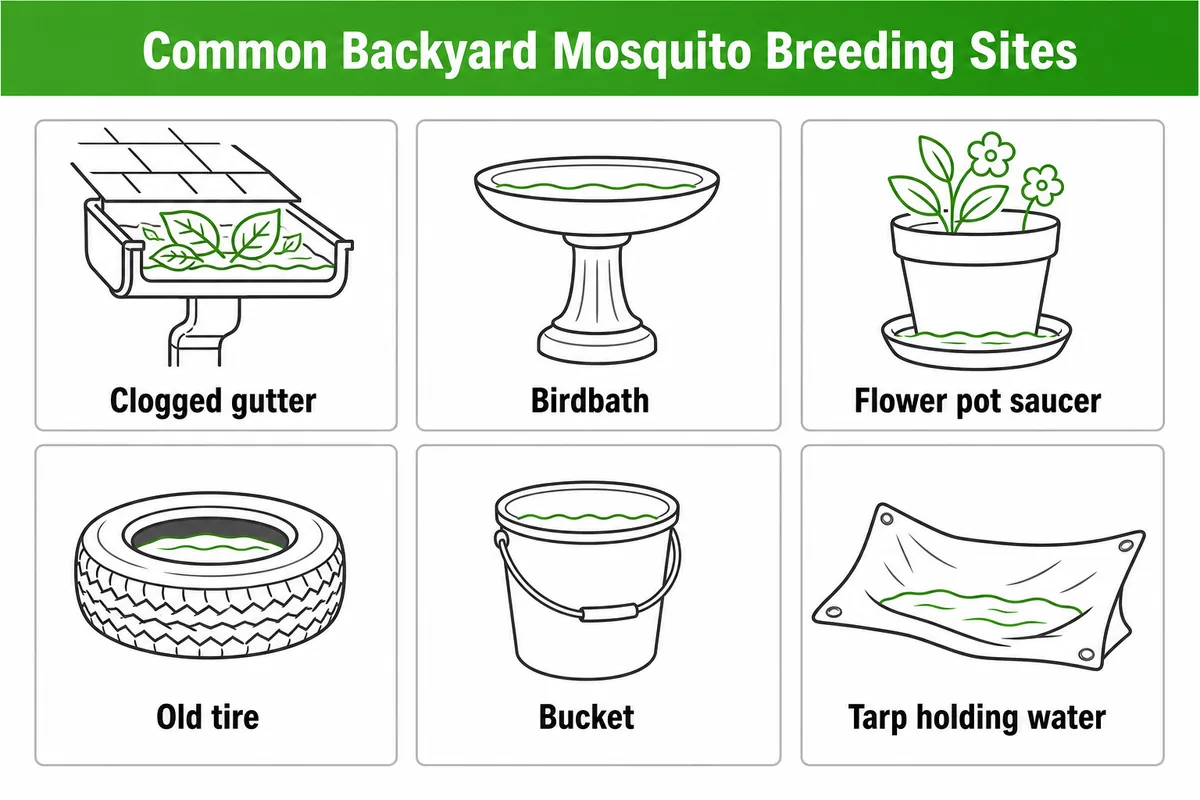
Eliminate Standing Water: Mosquitoes breed in stagnant water, so regularly empty containers, birdbaths, and gutters.
Install Screens: Ensure windows and doors have screens to keep mosquitoes out of your home.
Most Effective Mosquito Repellents
When it comes to mosquito repellents, efficacy and safety are paramount. Here are some of the best options:
DEET (N,N-Diethyl-meta-toluamide)
DEET is the most widely used active ingredient in mosquito repellents and is highly effective. Products containing 20% to 30% DEET provide long-lasting protection and are safe when used as directed by the Environmental Protection Agency (EPA).
Picaridin
Picaridin is another effective mosquito repellent that provides comparable protection to DEET. It is odorless, non-greasy, and less likely to irritate the skin. Products with 20% picaridin are recommended for the best protection.
Oil of Lemon Eucalyptus (OLE)
OLE is a plant-based repellent recognized by the CDC as an effective alternative to DEET and Picaridin. Products with 30% OLE can provide protection for up to six hours. It’s important to note that OLE should not be used on children under three years old.
Natural Mosquito Repellents
For those looking for natural options, several plant-based repellents can help keep mosquitoes at bay:
Citronella
Citronella oil, derived from lemongrass, is a common natural mosquito repellent. Candles, sprays, and lotions containing citronella can provide short-term protection. However, it’s not as long-lasting as DEET or Picaridin.
Lavender
Lavender oil not only has a pleasant fragrance but also acts as a natural mosquito repellent. Applying diluted lavender oil to the skin can help deter mosquitoes.
Tea Tree Oil
Tea tree oil has antiseptic and anti-inflammatory properties. It can be used as a natural repellent, though it should be diluted before application to avoid skin irritation.
Mosquito-Repellent Plants
Incorporating mosquito-repellent plants into your garden can provide additional protection. Here are some plants known for their mosquito-repellent properties:
Marigolds
Marigolds contain pyrethrum, a compound used in many insect repellents. Planting marigolds around your home can help keep mosquitoes at bay.
Basil
Basil is not only a culinary herb but also a mosquito repellent. The essential oils in basil can deter mosquitoes, making it an excellent choice for patio gardens.
Catnip
Catnip contains nepetalactone, which is highly effective at repelling mosquitoes. It is ten times more effective than DEET in some studies.
Mosquito control is essential for protecting your family from the health risks associated with mosquito bites. By combining effective mosquito repellents with preventive measures and natural solutions, you can enjoy the outdoors without the constant threat of these pests. For comprehensive mosquito control, consider consulting a professional mosquito control company in Georgia. They can provide tailored solutions to keep your home and yard mosquito-free.
As a Florida resident, dealing with mosquito season each year can start to feel like a never-ending battle! Luckily, there are plenty of ways you can deter these pests from your property. We breakdown a guide on mosquito prevention you can utilize to protect your family and property in Florida from these pests!
Mosquito Prevention in Florida
Protect Yourself
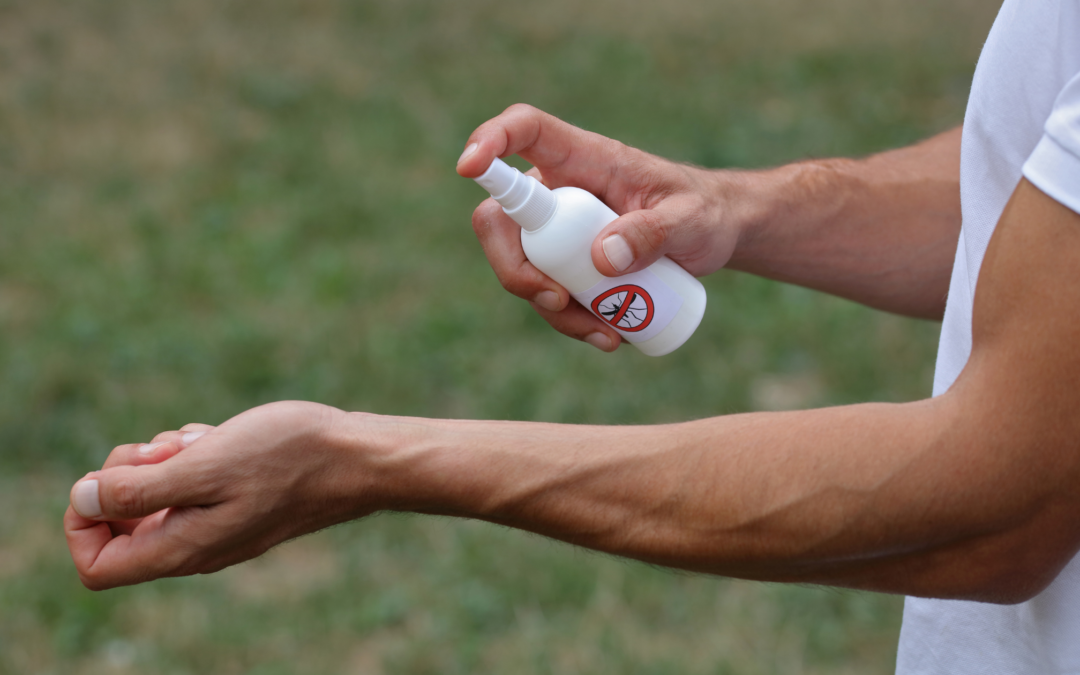
To survive and breed, female mosquitoes need a blood meal, often looking to humans and pets for it. Mosquitoes will transfer diseases and viruses, including the Zika virus, dengue, West Nile virus, and more, making it crucial to protect yourself and your family from mosquito bites during their peak season. One of the best ways to deter mosquitoes from biting you and your family is utilizing mosquito repellent that contains DEET. Repellents with DEET can be very effective as they will block the mosquitoes CO2 receptors. We recommend spraying it onto your hands and running it over your skin instead of spraying it directly onto the skin.
Protect Your Yard
Your lawn is the first line of defense against mosquitoes taking over. The best way to avoid mosquito infestations is to maintain your lawn and place preventative measures throughout your yard to deter them away. Mosquitoes only need the smallest amount of standing water to breed, so it’s important to remove any potential breeding sites throughout your property. Inspect your yard and remove items that can hold water, leaves and debris, clogged gutters, and drainage sites. Likewise, look to trim trees and shrubs that are overgrown and continue your ongoing mowing schedule.
Protect Your Home
Have you ever had to deal with a constant buzzing sound in your home? If so, you know how annoying it can be, especially when you can’t find the culprit! To keep mosquitoes from sneaking into your home, confirm that your windows and doors screens are in good condition, replacing any torn ones if needed. During peak mosquito season, try to keep your doors and windows closed as much as possible.
Consider Mosquito Treatments
While placing these measures throughout your home will always support mosquito prevention efforts, sometimes it’s best to reach out to a mosquito control company near you for even more support. Consider hiring a reputable Florida mosquito control company to inspect your property, identify breeding sites, and implement targeted treatments to reduce mosquito populations effectively.
In the warm and humid climate of Georgia, mosquitoes are a common nuisance, particularly during the summer months. While their buzzing may seem harmless, mosquito bites can lead to discomfort and even pose health risks. Understanding how to identify, treat, and prevent these bites is essential for maintaining a safe and enjoyable outdoor experience. In this guide, we’ll delve into everything you need to know about mosquito bites and how to deal with them effectively.
Identifying Mosquito Bites
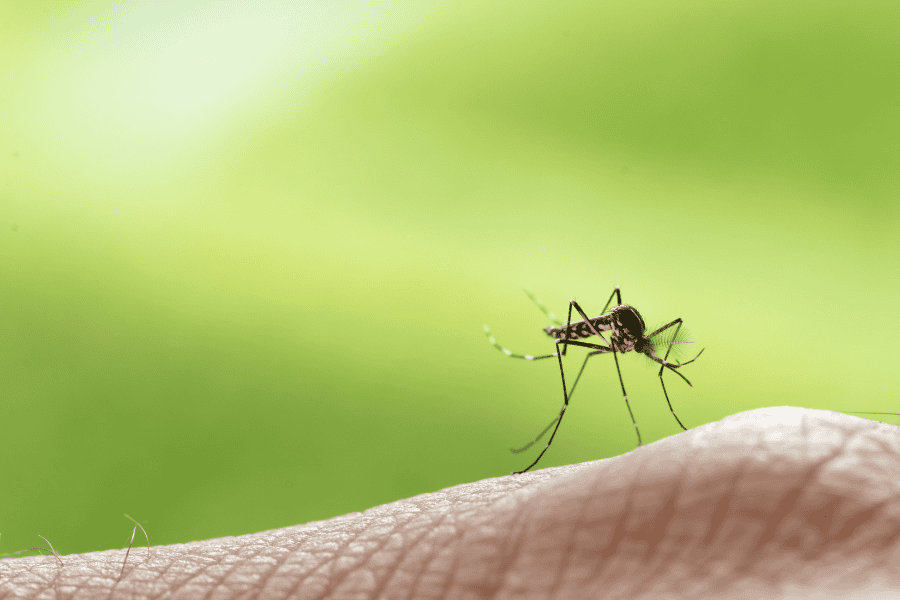
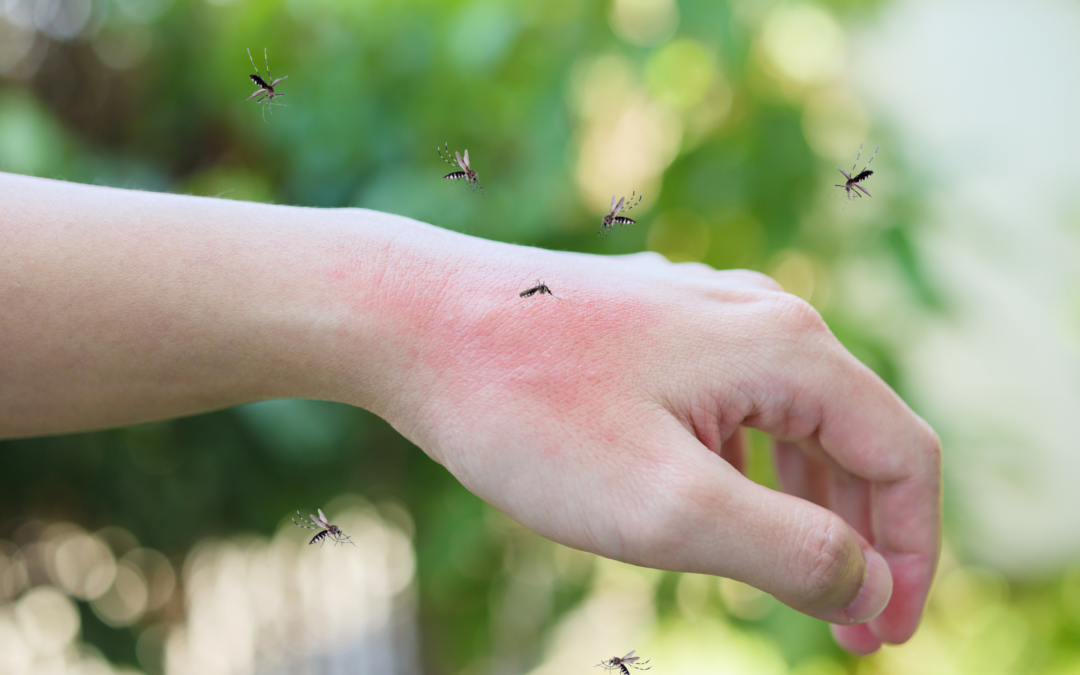
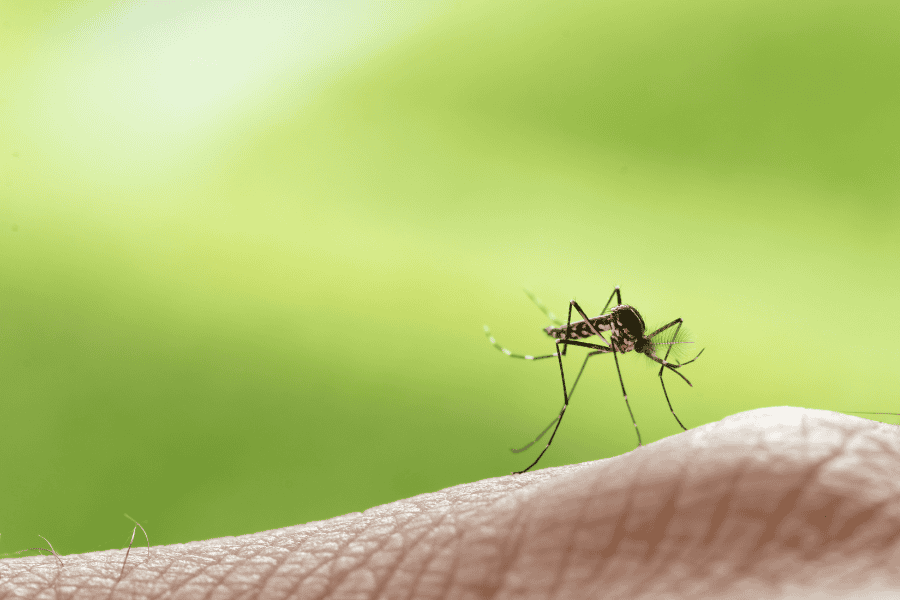
Mosquito bites are typically small, red, and itchy bumps on the skin. They often appear in clusters and can be easily mistaken for other insect bites. However, there are some distinguishing features of bites from mosquitoes that can help you identify them. They usually have a central puncture mark, where the mosquito has inserted its proboscis to draw blood. Additionally, they tend to itch more intensely compared to other insect bites.
Symptoms of Mosquito Bites
Aside from the characteristic red bumps and itching, bites from mosquitoes can sometimes cause more severe reactions in certain individuals. These symptoms may include swelling, soreness, and even blistering around the bite area. In rare cases, individuals may experience allergic reactions to mosquito saliva, leading to symptoms such as hives, difficulty breathing, and swelling of the face or throat. It’s essential to seek medical attention immediately if you experience severe allergic reactions to these bites.
Risks Associated with Mosquito Bites
Mosquito bites not only cause discomfort but also carry the risk of transmitting various diseases. In Georgia, mosquitoes can transmit diseases such as West Nile virus, Eastern equine encephalitis, and Zika virus. Additionally, pets are also susceptible to mosquito-borne illnesses, including heartworm disease in dogs. Mosquito control is crucial for protecting both humans and pets from these potentially harmful diseases.
How Long Do Mosquito Bites Last
The duration of insect bites can vary depending on individual factors such as skin sensitivity and immune response. In general, mosquito bites typically last for a few days to a week. However, the itching and discomfort can persist for longer periods in some cases. Proper treatment and care can help alleviate symptoms and speed up the healing process.
Treating Mosquito Bites
When it comes to treating bites from mosquitoes, there are several home remedies and over-the-counter options available. Calamine lotion or hydrocortisone cream can help reduce itching and inflammation. Applying a cold compress or ice pack to the affected area can also provide temporary relief. Additionally, antihistamines can help alleviate itching and discomfort caused by the bites. For severe reactions or signs of infection, it’s best to consult a healthcare professional for proper evaluation and treatment.
Preventing Mosquito Bites
Prevention is key when it comes to avoiding mosquito bites. Here are some effective strategies to minimize your risk of being bitten:
Eliminate standing water: Mosquitoes breed in stagnant water, so it’s essential to eliminate any sources of standing water around your home, such as clogged gutters, flower pots, and bird baths.
Use insect repellent: Apply EPA-approved insect repellents containing DEET, picaridin, or oil of lemon eucalyptus to exposed skin and clothing when spending time outdoors.
Wear protective clothing: Cover exposed skin with long sleeves, pants, and socks to reduce the risk of mosquito bites.
Install screens: Keep windows and doors screened to prevent mosquitoes from entering your home.
Avoid peak mosquito activity: Mosquitoes are most active during dawn and dusk, so try to limit outdoor activities during these times if possible.
Mosquito bites are more than just a nuisance—they can pose serious health risks to humans and pets alike. By understanding how to identify, treat, and prevent them, you can enjoy the outdoors safely and comfortably. Remember to take proactive measures to control mosquitoes around your home and minimize your exposure to these pesky insects. If mosquito infestations persist despite your efforts, consider seeking professional assistance from a trusted mosquito control company to address the issue effectively. Stay informed, stay protected, and enjoy a bite-free summer in Georgia!
Dealing with mosquitoes is almost a year-round endeavor for Florida homeowners. Florida’s humid and hot weather is the perfect environment for these pesky insects to thrive. Unfortunately, we often deal with their itchy, irritating bites. So why do mosquitoes bite in the first place? And what are the best ways to prevent mosquitoes from biting us and taking over our yards? Let’s breakdown mosquito bites and easy do-it-yourself methods to prevent them.
Why do mosquitoes bite?
To obtain the protein to develop eggs, female mosquitoes will bite animals and humans. Female mosquitoes will locate a host by the carbon dioxide we exhale, heat, and even body odor. When a mosquito lands on your skin, it will use its proboscis or their long, needle-like mouthpart, to pierce your skin and suck your blood. While the mosquito is feeding, it will inject its saliva onto your skin, which can cause an allergic reaction and result in itchiness and swelling. Mosquitoes will bite and feed on blood until they have consumed enough and are full.
How can I avoid mosquito bites?
Depending on the person, mosquito bites can cause an allergic reaction and are also prone to spread disease, including the Zika virus, West Nile, and Encephalitis, so it’s important to take precautions before you go outside during peak mosquito season and maintain your yard to avoid their infestation. There are several do-it-yourself tips to prevent mosquito bites you can utilize:
Use mosquito repellent: Apply mosquito repellent containing DEET to your skin before going outdoors during peak mosquito time; make sure to rub the repellent on your skin instead of only spraying it.
Wear protective clothing: If you’ll be outside for a long period of time, consider wearing long-sleeved shirts and pants to cover your skin. Since mosquitoes are attracted to dark colors, consider wearing light-colored clothing instead.
Use screens: Install screens on your windows and doors making sure they are in good repair during mosquito season.
Remove standing water: Mosquitoes use standing water to survive and breed. Remove any items that could hold water, especially after a rainstorm, such as toys, buckets, pet bowls, tarps, old tires, and hollowed logs or stumps.
Eliminating and controlling mosquitoes can feel like an endless battle during Florida’s spring and summer months, even with preventative measures in place. But you don’t have to battle mosquitoes alone! Contact the nearest pest control company for a thorough inspection, effective mosquito control plan, and recommendations on preventing mosquitoes in the future!
By Jason Womack, Quality Assurance Inspector — Northwest Family of Brands · Last updated: July 2026 Reviewed for accuracy by Cory Goeltzenleuchter, B.C.E., P.H.E., CP-FS — Director of Technical Services, Northwest Exterminating
Quick answer: The most effective backyard mosquito control combines source elimination (removing standing water where mosquitoes breed), habitat modification to reduce resting sites, and targeted yard treatments such as barrier sprays or biological stations. In the Southeast, where heat and humidity extend the mosquito season, professional treatment every 21 to 30 days delivers the most consistent protection.
Mosquitoes aren’t just annoying. They’re a genuine public health concern. According to the CDC, mosquitoes transmit diseases including West Nile virus, Eastern equine encephalitis, and dengue fever. For homeowners across Georgia, Tennessee, Alabama, and the Carolinas, the combination of warm temperatures, high humidity, and frequent rainfall creates near-ideal breeding conditions from spring through fall.
The good news: mosquito pressure is manageable. A layered approach, starting with breeding site elimination and finishing with targeted treatment, can dramatically reduce the mosquito population in and around your yard. This guide walks through each step, explains what professionals do differently, and helps you decide when a DIY approach is enough and when it isn’t.
A shaded, wooded backyard is exactly the kind of setting where mosquito pressure builds through the Southeast season.
The Short Answer: Start With Standing Water
If you only do one thing, eliminate standing water. Mosquitoes need as little as a half-inch of water to lay eggs, and larvae can develop into biting adults in as few as seven days. Every container, clogged gutter, or low-lying area that holds water after rain is a potential breeding site.
Source reduction alone won’t eliminate mosquitoes (adult females fly in from neighboring properties and wooded areas), but it cuts off the reproduction cycle happening on your property. Combined with habitat modification and treatment, it forms the foundation of effective mosquito control.
Mosquitoes need only a half-inch of water to breed, so every container and clogged gutter is a potential nursery.
Step 1 — Eliminate Mosquito Breeding Sites
Start with a thorough walk of your property. You’re looking for anything that holds water, including items you may not immediately associate with mosquitoes.
Common breeding sites to address:
Clogged gutters (one of the most frequently overlooked sources)
Birdbaths (refresh water every three to four days)
Flower pot saucers and trays
Tarps, pool covers, and children’s toys left outdoors
Low spots in the lawn that stay wet after rain
Old tires, buckets, or unused containers
Tree holes and hollow stumps
AC condensate drain lines that drip onto mulch or soil
“The number one breeding source homeowners overlook in Southeast yards is the gutter system,” says Matthew “Logan” Walker, Area Technical Leader for the Northwest Service Centers in Georgia. “Gutters clogged with debris hold water for days after rain. A homeowner can walk the entire yard and still miss what’s happening six feet above their head.”
For water features you want to keep (birdbaths, decorative ponds, rain barrels), use Bti (Bacillus thuringiensis israelensis) dunks or granules. Bti is a naturally occurring bacterium that kills mosquito larvae without harming birds, fish, or beneficial insects.
Adult mosquitoes rest in shaded, humid vegetation during the day, so thinning harborage lowers the biting population.
Step 2 — Make the Yard Less Inviting
Adult mosquitoes don’t spend their time flying. During the heat of the day, they rest in shaded, humid areas: thick shrubs, tall grass, dense groundcover, and leaf litter. Reducing these harborage areas lowers the population of resting adults that will emerge to bite at dawn and dusk.
Habitat modifications that make a measurable difference:
Mow the lawn regularly and keep grass trimmed
Prune shrubs to improve air circulation and reduce humidity at ground level
Clear leaf litter from garden beds and around the base of trees
Trim overhanging vegetation along fence lines and property edges
Avoid overwatering landscaping, which creates moist soil conditions mosquitoes prefer
If you’re interested in adding plants with natural repellent properties, citronella grass, lemongrass, basil, and marigolds all produce compounds mosquitoes find deterring. Positioned near patios and seating areas, they add a useful layer, particularly when leaves are bruised or brushed to release their oils. That said, plants reduce nearby mosquito activity; they don’t eliminate a yard-wide population.
Step 3 — Treat the Yard
Once breeding sites are addressed and harborage is reduced, targeted treatment handles the adult mosquitoes already present and prevents new ones from establishing.
What Are the Most Effective Mosquito Yard Treatments?
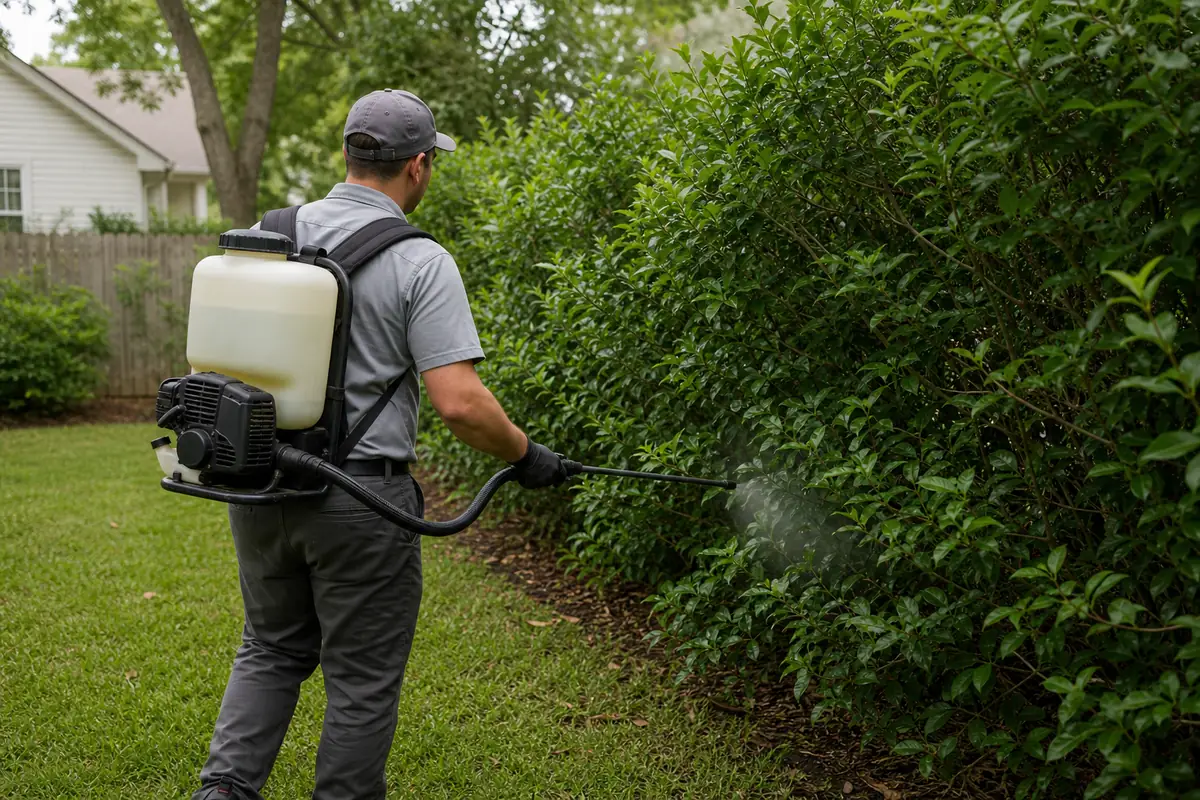
Barrier spray treatments are the most widely used professional option. A technician applies a residual insecticide to the foliage, shrubs, and shaded areas where adult mosquitoes rest. A well-applied barrier spray remains effective for 21 to 30 days in Southeast conditions, though heat, rain, and heavy foliage can shorten that window.
Biological control with In2Care stations offers an alternative for homeowners who prefer to minimize broad insecticide applications. In2Care mosquito stations attract egg-laying female mosquitoes using a biological lure. The station contains a larvicide-laced medium that mosquitoes carry back to additional breeding sites, treating water sources a technician may not be able to directly access. The active ingredient, Beauveria bassiana, is a naturally occurring fungus. In2Care stations work continuously between service visits and are particularly effective when used as part of a broader program.
Larvicides target the larval stage in standing water that can’t be fully eliminated: decorative ponds, retention areas, and drainage features. Bti-based products and surface films that prevent larvae from reaching the surface to breathe are both effective options.
Comparison: DIY vs. Professional Mosquito Treatment
Factor
DIY Store Sprayer
Professional Treatment
Coverage
Limited by reach and volume
Full yard, including canopy and harborage zones
Product strength
Consumer-grade formulations
Professional-grade residual products
Breeding site ID
What’s visible at ground level
Trained inspection, including gutters, structure, and drainage
Treatment frequency
Variable
Scheduled every 21 to 30 days
Biological options
Limited
In2Care and larvicide integration
Consistency
Dependent on homeowner follow-through
Maintained on a program schedule
“A homeowner with a store-bought sprayer can treat what they can see,” says Jason Womack. “A trained technician knows where mosquitoes actually rest and breed, which is often in the upper canopy of shrubs, in gutters, or in water sources the homeowner doesn’t realize are a problem. That changes what gets treated and how effective the outcome is.”
Step 4 — Personal and Patio Protection
Yard treatment reduces the population. Personal and patio protection handles the ones that get through.
Personal repellents: EPA-registered repellents containing DEET, picaridin, or oil of lemon eucalyptus (OLE) provide reliable bite protection. Apply to exposed skin before going outdoors, especially at dawn and dusk when mosquito activity peaks.
Patio fans: Mosquitoes are weak fliers. A fan set on outdoor seating areas disrupts their flight and reduces landings significantly. It’s one of the simplest, most underused tools in backyard mosquito management.
Clothing choices: Wear light-colored, loose-fitting clothing when spending time outdoors during peak hours. Permethrin-treated clothing provides additional protection for extended outdoor activity.
Screens and entry points: If mosquitoes are getting indoors, check window and door screens for tears or gaps. Review our guide on dealing with mosquitoes in the house for additional steps.
Mosquito traps: Traps that use CO2 or octenol lures can supplement control in a managed yard. They work best as part of a broader program, not as a standalone solution.
For more on what mosquito bites mean for your health and how to identify concerning species, see our mosquito bite guide.
When to Call a Pro
DIY approaches work well for light to moderate mosquito pressure in well-maintained yards with limited standing water. In many Southeast properties, though, the conditions that drive mosquito activity (wooded lots, proximity to water, dense landscaping, drainage challenges) require a level of inspection and treatment that consumer tools can’t match.
Call a professional when:
DIY treatments aren’t holding between applications
Your yard backs up to woods, water, or poorly maintained neighboring properties
You’re dealing with disease-carrying species such as the Asian tiger mosquito (Aedes albopictus), which is common throughout the Southeast
You have children, elderly family members, or pets who spend significant time outdoors
You want a consistent, season-long program rather than reactive spot treatments
Professional programs are most effective when they run on a scheduled basis. A one-time treatment reduces pressure temporarily; a recurring program keeps it managed across the full season.
Local Relevance — Southeast Yards
Georgia, Tennessee, Alabama, and the Carolinas share a climate that extends mosquito activity well beyond the summer months. In much of the region, mosquitoes are active from March through October, and in warmer years or in the southern portions of the service area, that window stretches further.
Several factors make Southeast yards particularly challenging:
Tree canopy and shade. The region’s oak, pine, and hardwood canopy creates the cool, shaded resting zones mosquitoes prefer. More canopy means more harborage and more humid microenvironments at ground level.
Rainfall patterns. Frequent afternoon and evening thunderstorms throughout the summer constantly replenish standing water. Breeding sites that are emptied one week are refilled the next.
Asian tiger mosquito pressure. Aedes albopictus is well established throughout the Southeast. Unlike the common house mosquito, Asian tiger mosquitoes bite aggressively during daylight hours, breed in very small containers, and are harder to avoid through timing alone.
Treatment frequency in Southeast conditions: “In Georgia and the Carolinas, we typically recommend treatments on a 21-day cycle during peak season,” says Matthew “Logan” Walker, Area Technical Leader for the Northwest Service Centers in Georgia. “Heat and humidity break down residual products faster than in cooler climates, and rainfall resets breeding conditions constantly. Spacing treatments further apart means you’re spending part of the season unprotected.”
Northwest Exterminating serves homeowners across the Southeast with mosquito control programs designed around regional conditions, including barrier spray and In2Care station options tailored to the level of pressure on your property.
Professional barrier treatments target the shaded foliage where adult mosquitoes rest between feedings.
Take Back Your Yard This Season
Effective backyard mosquito control isn’t a single action. It’s a system. Remove the breeding sites. Reduce the harborage. Treat the yard on a consistent schedule. Protect yourself and your patio during peak hours. Each layer reinforces the others, and the result is a yard that’s genuinely usable from spring through fall.
If you’re ready to stop managing mosquitoes one treatment at a time, Northwest can help. Our technicians inspect your property, identify what’s driving pressure, and recommend a program that fits your yard and your goals.
Call (888) 466-7849 to schedule an inspection with your local Northwest branch.
Frequently Asked Questions About Backyard Mosquito Control
What is the best backyard mosquito control method?
The most effective backyard mosquito control combines three layers: eliminating standing water where mosquitoes breed, reducing shaded harborage areas where adults rest, and applying targeted yard treatments such as barrier sprays or biological In2Care stations. No single method eliminates mosquitoes alone. Used together on a consistent schedule, these steps dramatically reduce populations and keep yards protected throughout the season.
How do I get rid of mosquitoes in my yard naturally?
Natural mosquito control starts with removing standing water, which cuts off reproduction at the source. Bti (Bacillus thuringiensis israelensis) dunks treat water features without chemical insecticides. Repellent plants such as citronella grass, lemongrass, and basil near seating areas reduce nearby activity. Patio fans disrupt mosquito flight. These approaches reduce exposure, but in areas with high mosquito pressure, particularly in the Southeast, they work best alongside professional treatment rather than as a complete replacement.
How often should I treat my yard for mosquitoes?
In Southeast states including Georgia, Tennessee, Alabama, and the Carolinas, professional barrier spray treatments should be applied every 21 to 30 days during active mosquito season. Heat, humidity, and frequent rainfall break down residual products faster than in cooler climates, which shortens the effective window. Biological programs using In2Care stations provide continuous action between visits and can extend the effectiveness of a scheduled program.
Do mosquito yard sprays actually work?
Yes, when applied correctly and on a consistent schedule. Professional barrier sprays target the shrubs, foliage, and shaded areas where adult mosquitoes rest, using residual formulations that remain effective for three to four weeks under typical conditions. Consumer-grade sprays from hardware stores contain diluted formulations, provide shorter residual protection, and are limited by application reach and technique. For consistent season-long results, professional application on a scheduled program outperforms intermittent DIY treatment.
About the Author
Jason Womack is a Quality Assurance Inspector for the Northwest Family of Brands. He helps uphold service quality standards through inspections, technical expertise, and a commitment to continuous improvement. Jason works closely with teams to support effective pest management solutions and extraordinary customer experiences.
Reviewed for accuracy by Cory Goeltzenleuchter, B.C.E., P.H.E., CP-FS, Director of Technical Services for Northwest Exterminating. As a Board Certified Entomologist and Public Health Entomologist, Cory is one of the organization’s leading technical experts in pest management. He oversees technical training, service standards, and industry best practices while helping ensure customers receive extraordinary service through science-based solutions, ongoing education, and innovative approaches across the Northwest Family of Brands.
Humid, hot environments can be a major indication that mosquitoes are out and looking for a blood meal. Mosquito bites can be painful, creating an itchy, red welt on the skin. Depending on the person, mosquito bites could cause an allergic reaction too. While it’s inevitable to run into mosquitoes during these months, there are still ways to eliminate the chance of getting bitten.
When the weather is warm, humid, but perfect for being outside, it’s less likely that covering up is first thing you’ll think of doing. But, covering up is the most effective and easiest way to prevent mosquitoes from biting you. If you know you’ll be outside for some time, consider wearing long sleeves and pants as much as possible to cover your exposed skin. When preparing to spend time outdoors, consider wearing light-colored clothes. It’s known that mosquitoes are more attracted to darker colors, so wearing lightly colored clothing can help reduce the chance of being bitten.
If wearing long shirts and pants isn’t an option, another alternative is using insect repellant. Insect repellants are great to use when the weather is particularly hot and humid. It’s suggested that the best type of repellent to use is those that contain DEET. DEET has proven to be highly effective at repelling mosquitoes and other biting insects. It can help protect from mosquito-borne diseases such as Zika Virus, West Nile, and Encephalitis.
Whatever activities or plans you have while outside if the weather is hot, your body temperature will elevate. Staying cool and avoiding high body temperatures is impossible in the humid heat but it’s still important to try and keep cool as much as you can, since mosquitoes are highly attracted to elevated body temperatures. If you’ll be outside for a while in the heat, consider using portable fans, cold rags on your neck or forehead, and drink plenty of water throughout the day. Or consider planning your day around peak mosquito time which is in the late afternoon and evening.
It’s inevitable to run into mosquitoes in the spring and summertime and sometimes prevention isn’t enough. If you’ve gotten bitten one too many times, consider calling your local pest control company where they can provide you with an inspection and offer an effective mosquito treatment plan.
Spending time outdoors is a great way to escape the hustle and bustle of everyday life. Whether it’s spending time by the pool, having a picnic, or just lounging in the yard, relaxing outside is a great activity for the whole family. But the last thing you want to have to deal with while spending time in your yard are mosquitoes. Mosquitoes can be a danger to your family and even pets as they survive by sucking blood from animals and humans. They are usually found in areas of high humidity looking for stagnant, standing water to breed. Luckily, there are ways you can prep your yard to prevent mosquitoes.
Remove Unnecessary Items
Since mosquitoes breed in standing water, it is essential to eliminate any items that could hold water. Items such as foundations, toy buckets, outdoor pet bowls, flowerpot sauces, tarps, pool covers, and more should not stay in your yard for a long period of time. It’s also important to remove excess grass, leaves, firewood, and yard clippings as mosquitoes tend to stay in grass and debris around your home.
Clean Your Gutters
Clogged gutters can not only create standing water but will also catch debris and leaves. This provides mosquitoes a perfect breeding location. Make sure that your gutters are clean and clear, especially after a thunderstorm. Consider installing gutter guards to help prevent clogs and clutter.
Fill Hollow Areas
Any low-lying areas like ditches can also collect standing water after rain or watering plants. Make sure to check around your yard that you don’t have these; if you do notice them you can simply fill them in with dirt. Additionally, check for any hollow logs and stumps throughout your yard. They not only can hold standing water but will also provide overwintering mosquitoes a place to hibernate during cold weather.
Maintain the Pool
If you have a well-maintained pool, mosquitoes will most likely avoid it. However, if a pool goes unused for a long period of time, these pests will be attracted to the stagnant water. Make sure to keep the pool maintained or covered if you’re planning to not use it for a while.
By utilizing these tips, you can start to enjoy your yard and worry less about mosquito bites! If you are still having an infestation of mosquitoes, it’s best to contact your local pest company to provide you with the best plan of action to eliminate mosquitoes. Request a Free Estimate now to get started.
By Matthew “Logan” Walker, Area Technical Leader — Northwest Service Centers, Georgia · Last updated: July 2026
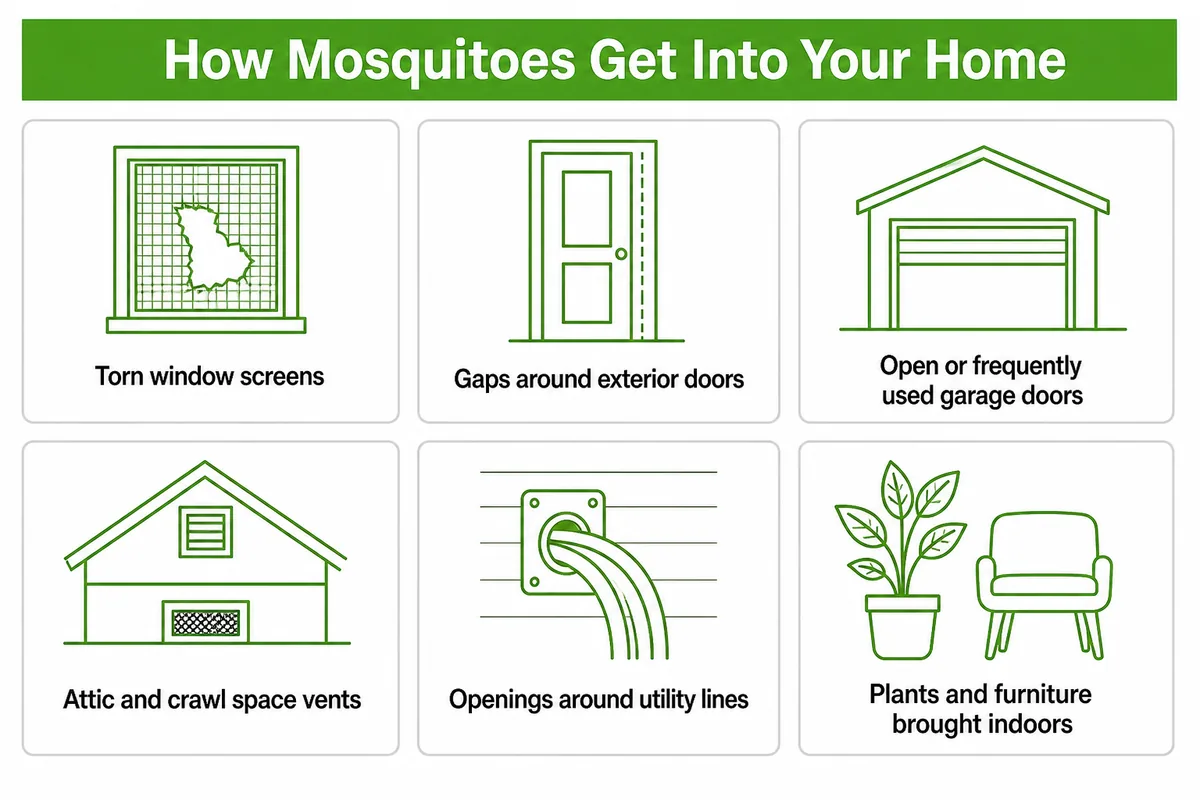
Quick answer: Mosquitoes enter through torn screens, gaps around doors, garages left open, attic and crawl space vents, and small openings around utility lines. They can also hitch a ride indoors on plants or outdoor furniture. Once inside, they hide in cool, dark, humid spaces until they are ready to feed. If you continue seeing mosquitoes inside your home, there is often an outdoor breeding site nearby that needs attention.
If you are asking, ‘Why are there so many mosquitoes in my house?’ the answer is usually one of two things. Mosquitoes are either finding easy ways to enter your home or they are breeding in standing water somewhere on or around your property. Swatting a few mosquitoes may solve today’s annoyance, but identifying the source is the key to solving the problem for good. In the Southeast, warm temperatures, humidity, and frequent rain create ideal mosquito conditions for much of the year, making prevention especially important.
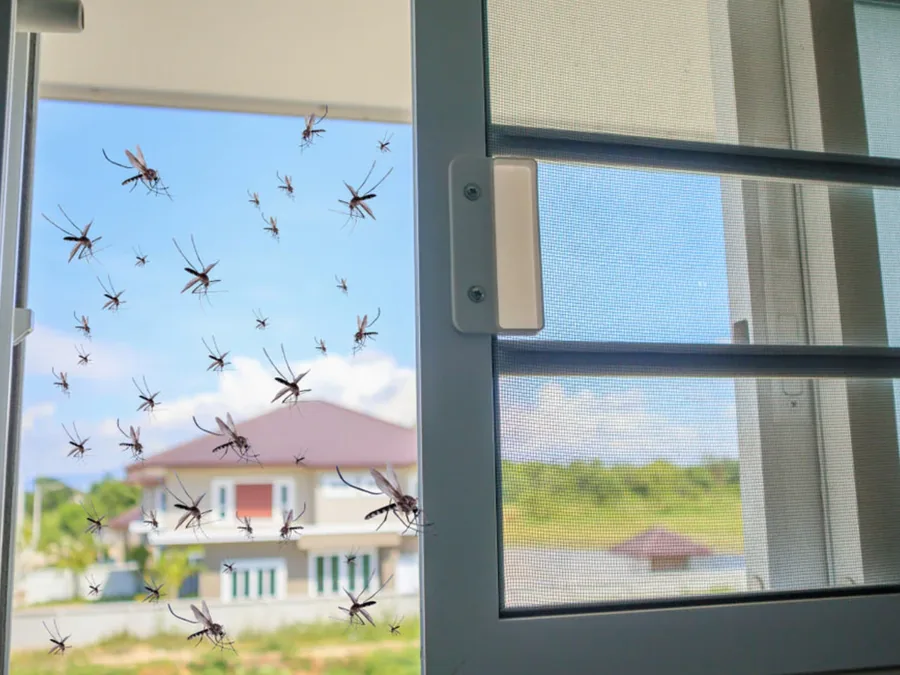
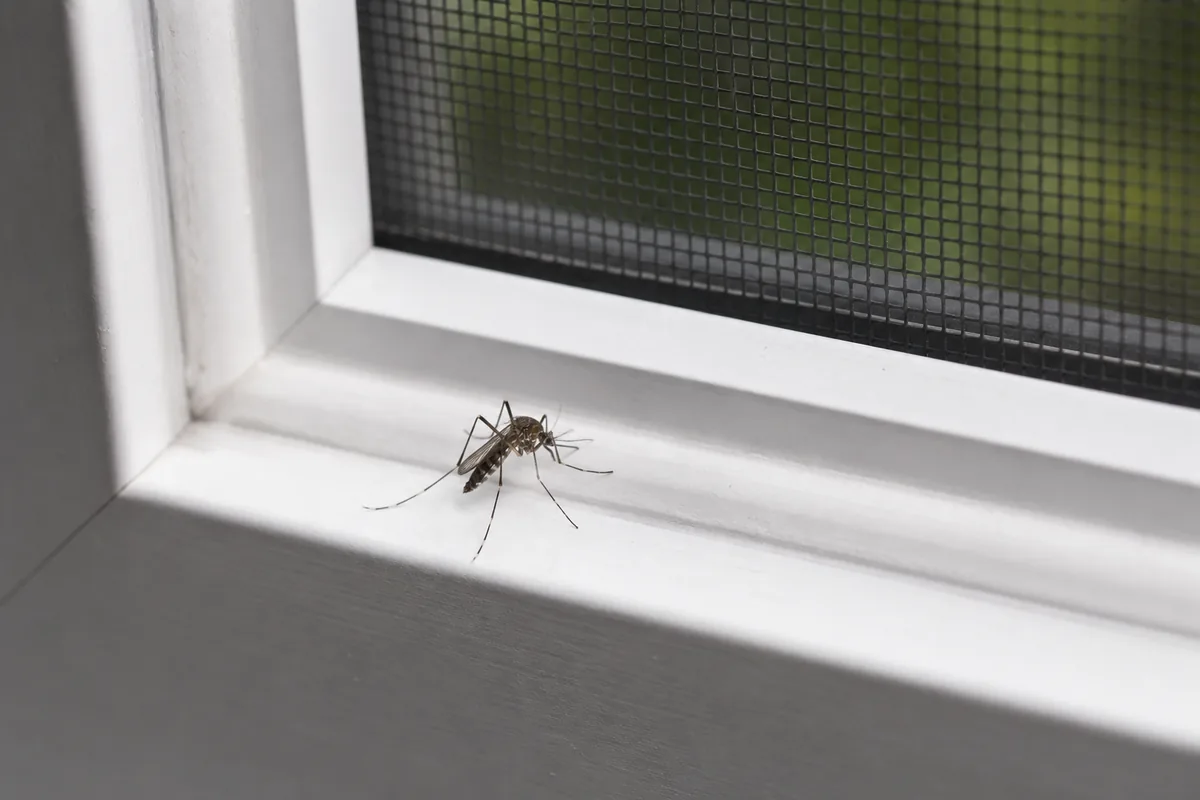
A torn screen or a gap around a window is all a mosquito needs to move from the yard into your living space.Most indoor mosquitoes come in through a handful of predictable openings you can inspect in an afternoon.
How Mosquitoes Get Inside
Even well-maintained homes have small openings that mosquitoes can use. Inspect window screens for tears, check weather stripping around exterior doors, and look for gaps where plumbing, cable, or electrical lines enter the home. Open garage doors and frequently opened entry doors also allow mosquitoes inside. Homeowners often overlook crawl spaces and attic vents, which can become easy entry points if screening is damaged.
Hidden Indoor Breeding Sources Most People Miss
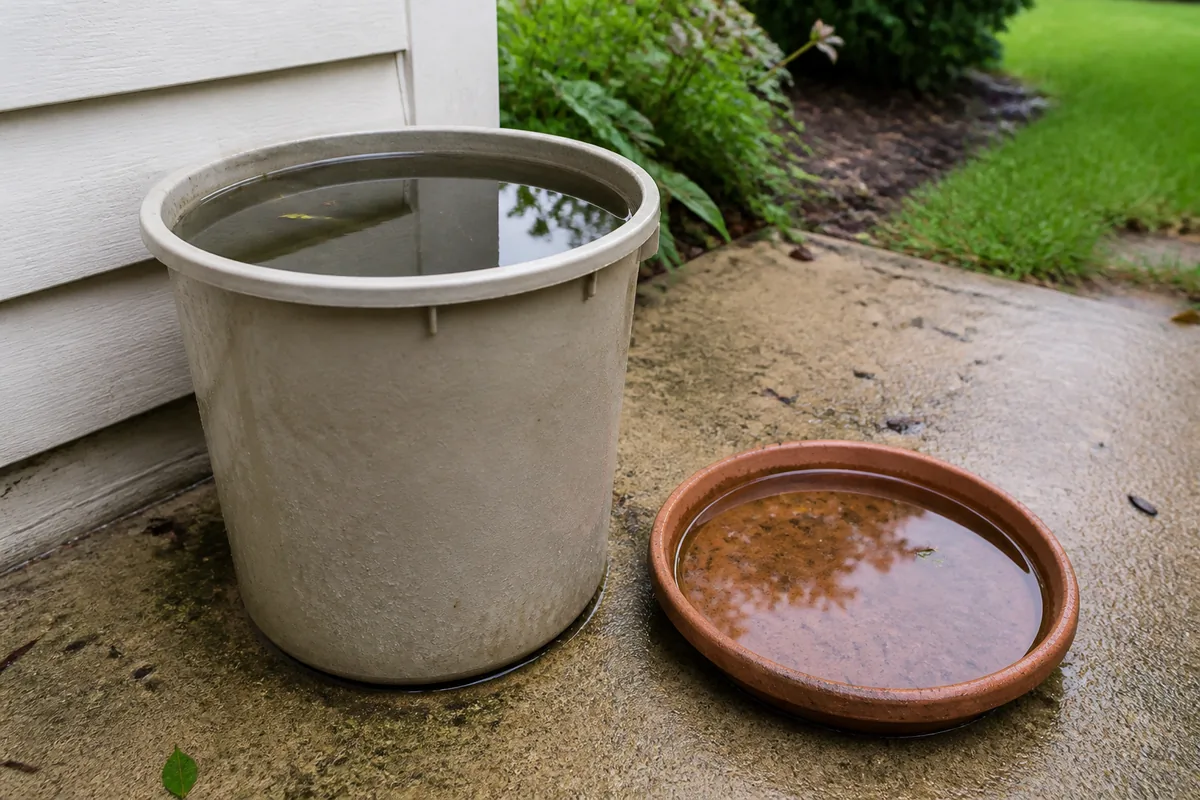
Although most mosquitoes breed outdoors, some species can develop in very small amounts of standing water indoors. Check floor drains, sink overflows, utility rooms, sump pits, crawl spaces, plant saucers, flower vases, pet water bowls left outside, buckets, and anything that collects water for several days. Even a small amount of stagnant water can support mosquito larvae.
Where Mosquitoes Hide Indoors
Mosquitoes avoid bright light and moving air during the day. They typically rest behind curtains, under furniture, inside closets, in bathrooms, laundry rooms, garages, basements, and other cool, humid areas. If you are trying to catch a mosquito in your house, search these quiet locations before evening when mosquitoes become more active. Clearing them out quickly also helps you avoid waking up to itchy mosquito bites.
A single container that holds water for a few days after rain can produce the next generation of mosquitoes.
How to Get Rid of Mosquitoes in the House
Start by removing every source of standing water you can find. Repair damaged screens, install new door sweeps if needed, and seal obvious gaps around utility penetrations. Use a fly swatter, mosquito trap, or vacuum to remove adults already inside. Running ceiling fans can also help because mosquitoes are weak fliers. If mosquitoes continue appearing after these steps, inspect the yard for breeding areas such as clogged gutters, children’s toys, bird baths, tarps, low spots, or containers holding rainwater. For a full outdoor plan, see our backyard mosquito control guide.
How to Keep Them From Coming Back
Long-term mosquito control requires both exclusion and prevention. Regularly empty standing water, keep gutters flowing, trim vegetation around the home, repair screens promptly, and reduce excess moisture around crawl spaces and foundations. According to the CDC, removing standing water around the home is one of the most effective ways to control mosquitoes. Professional mosquito control programs target resting areas and breeding habitats, helping reduce mosquito populations before they reach your doors and windows.
Why Mosquitoes Are So Common in Southeast Homes
Homes throughout Georgia, Tennessee, Alabama, and the Carolinas experience long mosquito seasons because of warm weather and high humidity. Shaded landscapes, wooded lots, crawl spaces, and afternoon rainstorms all contribute to mosquito activity. Managing mosquitoes early in the season helps reduce pressure throughout the summer and into the fall.
Quick Action Plan
Walk through your home and remove any standing water.
Inspect window screens, door sweeps, and utility penetrations.
Check dark, humid rooms where mosquitoes rest during the day.
Inspect your yard for water-holding containers, clogged gutters, bird baths, and low spots.
If mosquitoes continue returning, schedule a professional mosquito inspection.
Why Indoor Mosquitoes Often Mean an Outdoor Problem
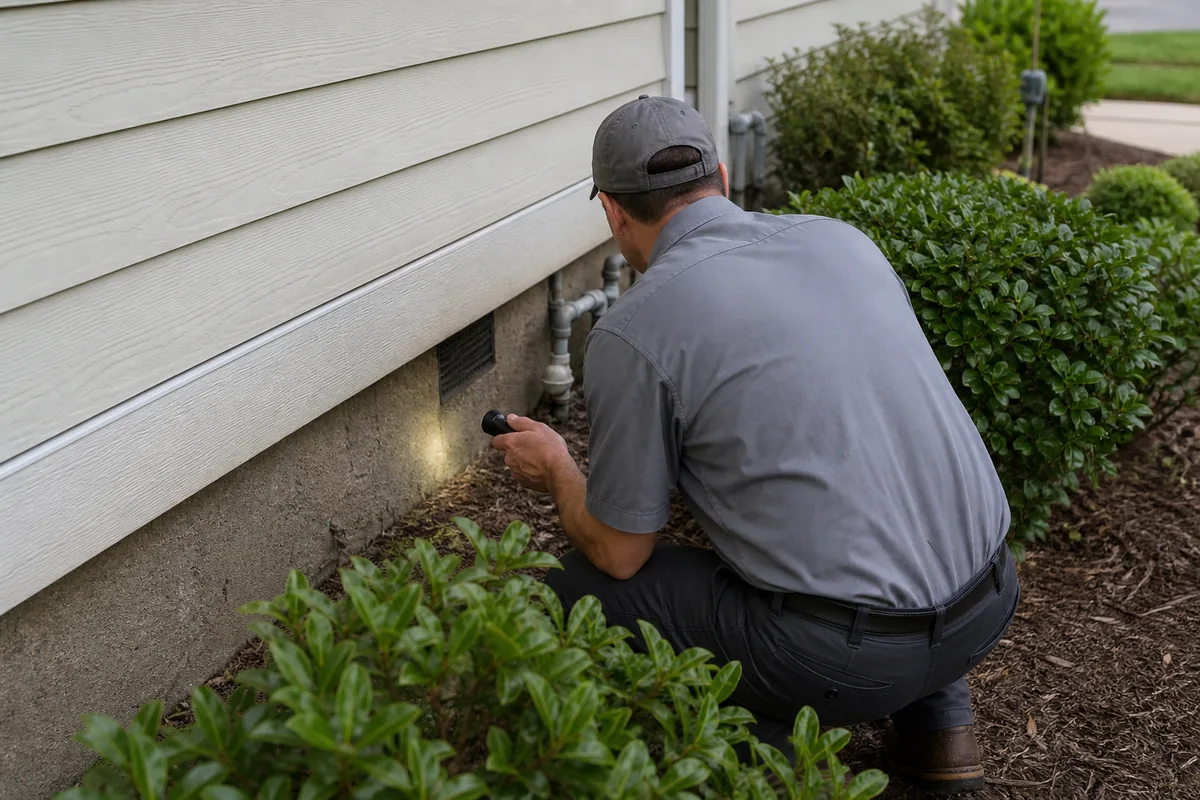
Many homeowners focus on the mosquitoes they can see inside without realizing the source is often outside. Adult mosquitoes only travel so far from where they hatch. If several mosquitoes are finding their way indoors every day, there is a good chance a breeding site exists on your property or very close by. Treating both the yard and the home provides the best long-term results.
“When homeowners have mosquitoes indoors, we almost always find an outdoor breeding source or an overlooked entry point. Addressing both provides the best long-term results,” says Matthew “Logan” Walker, Area Technical Leader at Northwest Exterminating.
Additional Prevention Tips
Regular home maintenance plays an important role in mosquito prevention. Keep vegetation trimmed away from the home, monitor irrigation so water does not pool near the foundation, clean gutters seasonally, and inspect outdoor containers after heavy rain. Consistent inspections help homeowners find problems before mosquito populations grow. These simple habits support professional mosquito control and help reduce the chances of mosquitoes entering your home.
A professional inspection checks the yard and the home together, which is where lasting mosquito control starts.
Get Mosquitoes Out and Keep Them Out
If mosquitoes are making it inside your home, the problem may be bigger than the few you can see. Northwest Exterminating can identify breeding areas, reduce mosquito populations around your property, and help keep mosquitoes from returning. Contact your local Northwest Exterminating team today for a free mosquito control estimate.
Call (888) 466-7849 to speak with your local Northwest branch today.
Frequently Asked Questions About Mosquitoes in the House
Why are there suddenly so many mosquitoes in my house?
New indoor mosquito activity usually means they have discovered an easy entry point or a nearby breeding source.
Can mosquitoes breed inside your home?
Yes. Standing water in drains, plant saucers, sump pits, and other containers can support mosquito development.
How long do mosquitoes live indoors?
Many adult mosquitoes can survive several weeks indoors if they have access to moisture and shelter.
Where do mosquitoes hide in the house?
Closets, bathrooms, garages, basements, behind curtains, and under furniture are common hiding places.
How do I get rid of mosquitoes in the house?
Remove standing water, seal entry points, eliminate active mosquitoes, and address outdoor breeding areas.
How do I find where mosquitoes are coming from?
Inspect both inside and outside your home for standing water and obvious entry points.
About the Author
Matthew “Logan” Walker serves as an Area Technical Leader for the Northwest Service Centers in Georgia. He provides technical support, mentorship, and field training to teammates while promoting industry best practices and effective pest management strategies. Logan’s hands-on experience and commitment to education help teams deliver extraordinary service and exceptional customer care.
The sun is shining, the warm breeze is blowing, you’ve got your feet up, unwinding from the week, when…OUCH! That moment of relaxation you’ve been waiting for was suddenly interrupted by a painful mosquito bite. At this point you’re annoyed, thinking about going back inside to avoid more bites, or wondering if you should make an appointment with your doctor to check for Zika or West Nile. What a summer bummer!
Mosquitoes not only pose serious risks for your family, but pets are a target too. Heartworms are parasites transmitted to dogs and cats through mosquito bites, that live in pets’ bloodstream, lungs and heart, and can cause serious, even deadly, side effects.
Don’t let mosquitoes suck the life out of your summer. Protect family and pets and take back your yard with these easy mosquito bite prevention tips:
Attack Mosquitoes at the Source
Mosquitoes breed in areas with stagnant, standing water like fountains and water features, toys, buckets, outdoor pet bowls, bird baths, clogged gutters, vases, flowerpot saucers, old tires or tire swings, rain barrels, trash cans and trash can lids, tarps, kiddie pools, and pool covers. The best way to prevent mosquito bites is to remove these items/areas and to treat your yard with mosquito control products. This is included in a monthly mosquito reduction program and is guaranteed to drastically reduce the number of mosquitoes in and around your yard.
Use Insect Repellent
One of the best ways to prevent Zika and other mosquito-borne diseases is to use skin-applied insect repellent when you’re going to be outside. Formulas that contain DEET and picaridin were found to be most effective at preventing mosquito bites (and those with natural plant oils least effective), according to Consumer Reports.
Cover Up
If you really want to further prevent bites, keep arms and legs covered when outdoors with light-colored, loose clothing. Sometimes this can be just as uncomfortable as getting bitten, though, with the scorching summer heat. If you leave skin exposed, be sure to reapply insect repellent often (especially if you’ll be swimming).
Use Fans
Consider using fans in areas you’ll be hanging out this summer – on decks, patios, around pools, etc. Mosquitoes are weak fliers so the winds from fans will make it hard for them to get close enough to bite.
Monthly yard treatments during peak mosquito season, targeting mosquitoes where they live and breed.
No harsh chemicals, family-friendly
Guaranteed to reduce mosquitoes
Same or next day service
🐭Trust the Mouse · Serving the Southeast
Free, no-obligation quote. Tell us where to send it and take back your yard.
$75 initial, then only $75/monthMosquito special, now through August 31st
$75 for the initial cost, and $75 per month after for the length of the mosquito season. For green recurring mosquito control service. New customers only. Restrictions apply. Call for more details.