Aug 18, 2014 | DIY, DIY Pest Control, Pest Control
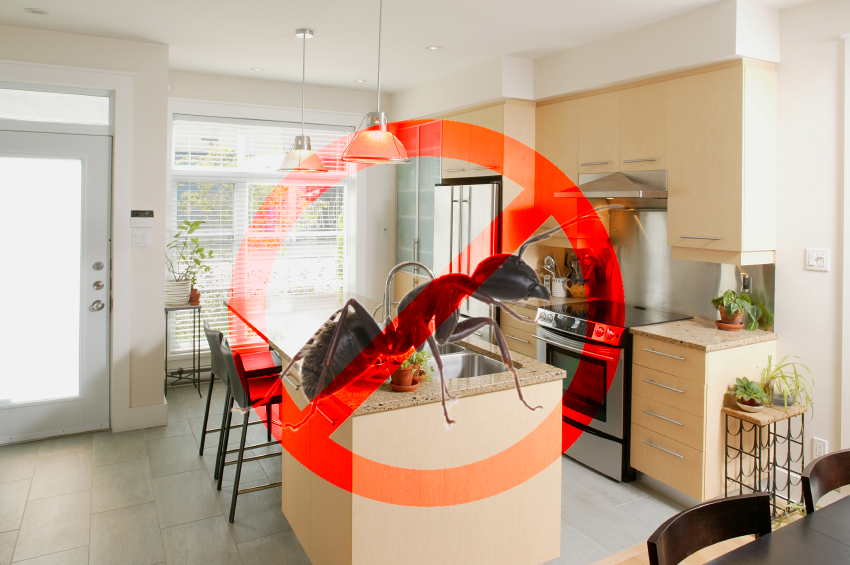
Ants in the Kitchen?
You’re not alone. Our phones have been ringing non-stop for the last few weeks with one common problem: ANTS IN THE KITCHEN. So you may be asking yourself: 1) Why are they here? 2) How can I get rid of them? 3) How can I keep them from coming back? 4) Should I call a pest control company?
Why are Ants in the Kitchen?
Let’s start with why you’re suddenly seeing ants. Ants are always looking for food. Most likely, your kitchen has food. Simple. But maybe you don’t have any food laying around, easily accessible to the ants. No spills or messes left uncleaned. And still… those pesky ants are trailing around your sink or across the countertops. Why? They’re foraging for food and even the smallest supply (that you can’t even see) will keep them busy for days.
How to Get Rid of Ants?
Next question: How to get rid of ants? Start with the basics. Clean any kitchen spills immediately. Wash dirty dishes after using them. Take the trash out daily. Don’t leave any unsealed food out. Kill any ants you see with a household pest product and clean the areas thoroughly. Try and find where the ants are coming in. Clean these areas too and seal any points of entry. Apply an ant bait product near entry points, preferably on the outside of your home so the ants don’t have to come back inside to eat the bait. The goal here is for the ants to take the bait back to their colony, therefore eliminating the source.
How to Prevent Ants?
So now that you’ve eliminated the ants you’re seeing today, how can you keep them out tomorrow and the next day? The answer isn’t as simple. Ants are everywhere and they are constantly looking for food to feed their colony. You can eliminate one tribe and another will appear within days or weeks. This is why preventative pest control is so important and necessary.
DIY or Professional Pest Control?
If you have the time and patience for DIY pest control, you should repeat the above process regularly, in addition to treating the perimeter of your home with some type of granular pesticide. Or you can save time and your sanity and call a pest control company.
Our comprehensive pest control service covers ant control and so much more. Trained technicians will inspect your home quarterly for current pest infestations or entry points, treat and correct these issues, and implement treatment methods that will prevent future infestations. Our unique pest control program, NorPest Green, utilizes the latest professional products (all of which are completely environmentally, kid and pet friendly) and equipment, and comes with a pest-free guarantee.
For more information or to schedule a free pest inspection, visit our pest control services page or call (888) 466-7849. If you’re seeing a few ants now, most likely there are hundreds more that you can’t see. Our advice: act quickly before the ants takeover and move into other parts of your home.

Jun 13, 2014 | DIY, DIY Mosquito Control, Mosquito
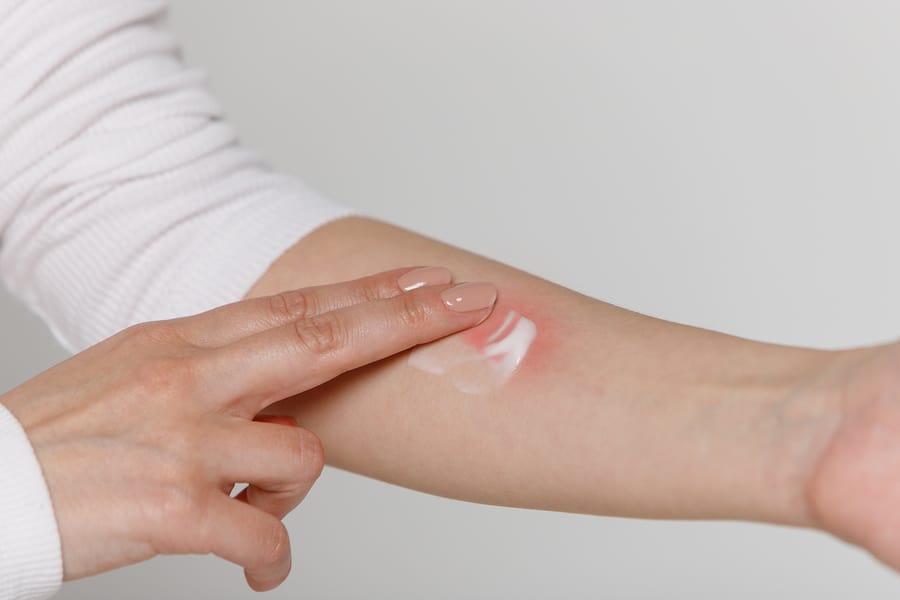
How to Treat a Mosquito Bite
If you spend any time outside, especially in the Southern states, there is a good chance you will get a mosquito bite. The female mosquito (males don’t bite) feed on blood. Once they bite they cause a minor allergic reaction. You will most often see the skin raise and turn red. The itch comes from the allergic reaction to the saliva, an anticoagulant, that the mosquito injects while sucking your blood.
So how can you treat a mosquito bite?
- Wash the affected area with soap and water or rubbing alcohol to remove any excess saliva that is still on the skin.
- Apply ice to the bite as soon as you become aware that you’ve been bitten. Ice will help alleviate pain and swelling.
- Apply an anti-itch medication to the area of the bite. You can also try home remedies such as applying toothpaste, baking soda, mouth wash, or Epsom salt.
- Although it can be difficult, avoid scratching. Scratching will only further aggravate the itch and prolong healing.
How to avoid getting bit by a mosquito:
- Have your property treated by a licensed mosquito control company.
- Apply an insect repellent to deter mosquitoes.
- Wear long pants, long sleeves, and closed toed shoes when possible.
- Read our blog 10 Ways to Prevent Mosquito Bites
Sep 26, 2012 | DIY, DIY Pest Control, Pest Control
There are over 700 species of ants in the US so it is no surprise that ants are the number 1 reported nuisance pest in the US. But according to Pestworld.org there are 6 simple steps that can help you reduce the invasion of ants in your home. Click on the links for more explanation from pestworld.org.
- Know the popular hangouts – mostly found in kitchens for food and water, ants can also be found in bathrooms, bedrooms, living rooms, basements, inside walls, and around heating and air structures.
- Eliminate water sources – rid your property of standing water and excessive moisture. Use a dehumidifier in moist places like crawl spaces, attics, and basements. Repair leaky pipes in and around tubs and sinks.
- Eliminate food sources – cleaning up spills and crumbs, sealing foods, and taking out the trash regularly will discourage ants from coming into your kitchen looking for food.
- Don’t discount your pets – pet food and water can attract ants if left out. Clean up pet food and water and wash bowls when they are finished eating. Make sure that pet food is stored in a properly sealed container.
- Block off or eliminate access points – cut back foliage from property and seal any cracks or crevices that can be used as entrances.
- Don’t go it alone – without proper knowledge of ants your problem can grow. Calling in the pest experts will help identify your problem and create a plan to solve it.
Read the full article HERE and contact a licensed pest professional to get rid of ants in your home. Call Northwest Exterminating to get rid of ants and other pests that are invading your home or business.
Source http://www.pestworld.org/news-and-views/pest-articles/articles/six-steps-to-an-ant-free-home/
Apr 6, 2012 | DIY, DIY Pest Control, Pest Control
It is a common misconception that if you don’t have animals in your home that you can’t get fleas…FALSE. Fleas can be an issue in homes both with and without pets. They often attach themselves to rabbits, skunks, possums, and other rodents or wildlife that can be found living in wooded areas around a structure. Their 6”-8” vertical jump gives them the ability to attach themselves to humans and animals.
The thought of fleas creates a sense of uneasiness…and with good reason; fleas can carry several diseases like plague, tapeworm, and murine typhus that effects humans and pets alike. Flea prevention is much easier and less expensive than flea treatment.
Flea Prevention Tips:
- Clean your home regularly – Regular cleaning prevents fleas and many other pests from being attracted to your home. Make sure that spills and crumbs are cleaned up quickly, vacuum floors and upholstery*, and wipe down counters and furniture. Regular maintenance will make a huge difference against pests. (*Immediately empty, seal, remove, and dispose of the vacuum bag outdoors for your trash provider to retrieve.)
- Wash and treat pets – Bathe your pets on a regular basis. Wash any bedding the pet is allowed to sleep on. Treat your pets with flea prevention by taking them to your veterinarian, the groomer, or using over the counter medication. When cleaning, special attention should be paid to areas where pets often spend time.
- Shampooing carpet – Shampooing carpet can be more beneficial than vacuuming alone.
- Keep out wild animals – Wild animals such as rodents and opossums should be prevented from entering the structure and appropriately trapped.
- Wear light colors when outdoors – Wearing light colors enables you to spot fleas more easily.
- DEET – Apply DEET, an insect repellant, when outside.
- Make a fashion statement – Wear long pants and hiking boots when you are outside. It is also best to tuck pant legs into your socks. A look that your neighbors will surely follow!
Do it yourself flea treatments can be effective. However, we would like to warn you that flea exterminating is a difficult task and more often than not should be done by a professional exterminating company like Northwest Exterminating. When getting rid of fleas yourself, keep in mind that fleas can lay up to 50 eggs per day. Only 5% of the flea population is on your dog or other household pets, the rest have fallen off in and around your home.
DIY Flea Treatments:
Disclaimer: Northwest Exterminating does not encourage the use of the following treatments. We strongly recommend that all instructions are carefully followed on packaging of the following products and hold no liability for the following DIY treatments. Please contact a doctor, veterinarian and a professional pest control company before trying any of these treatments.
- Borax powder – Sprinkle borax powder on your carpet (always do a test patch before treating your whole carpet) and let sit for approximately 24 hours. Vacuum and immediately seal and dispose of vacuum bag. Repeat until fleas are gone.
- Water & Dish Soap – Put ½”-1” of water in shallow dish with a squirt of liquid dish soap. Put the dish directly under a lamp or some other form of light. The fleas are drawn to the light and heat which causes them to jump in the water. The soap makes it difficult for the fleas to move and they will eventually drown. Do this for several days until there are no new fleas found in your dish. Continue for a few days to make sure they are gone. Placing several soap and water dishes around the home where fleas are suspected gives you a better chance of getting rid of the fleas faster.
If you have tried DIY flea control methods without any luck, a pest control professional is your best option. A good exterminating company will be knowledgeable about flea prevention and treatment and should treat your home until fleas are gone.
If you’re looking for flea control in the Atlanta, Savannah, Nashville, or Columbus areas Northwest Exterminating is your best choice. Visit us at callnorthwest.com or call at 888.466.7849
Have you tried any of these DIY flea treatments?
Additional links:
https://www.callnorthwest.com/2011/08/facts-about-ticks-and-fleas/
https://www.callnorthwest.com/2011/06/dog-fleas/