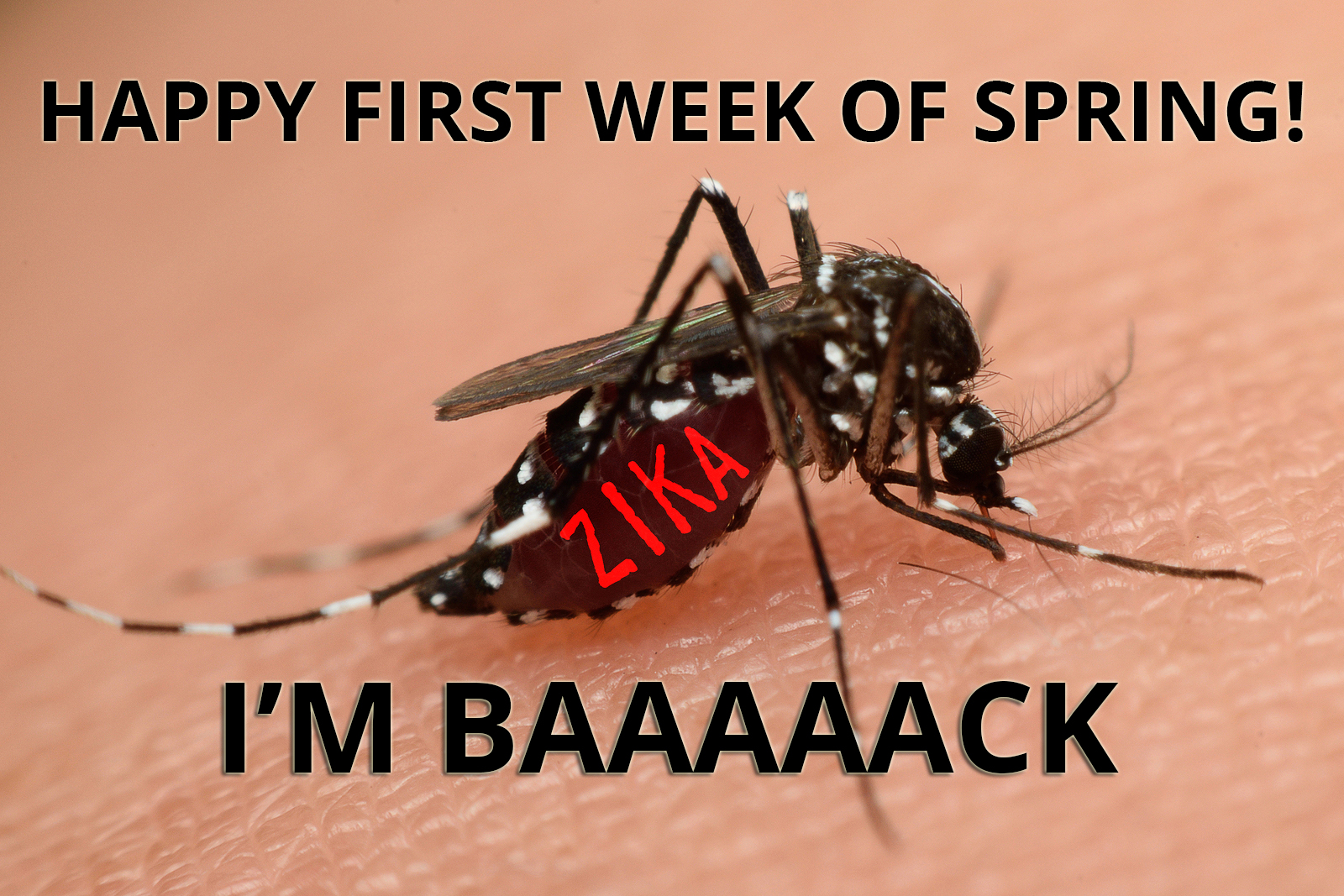
It’s the first official week of Spring (aka Mosquito Season)! Time to start thinking about mosquito prevention.
The risk of contracting mosquito-borne Zika virus in the U.S. is at an all-time high, specifically dangerous for pregnant women or those trying to conceive as the virus can cause serious birth defects. According to the CDC, 222 cases of Zika were reported as of March 15, 2017, acquired through local mosquito-borne transmission in Florida and Texas. And because there’s currently no vaccine for Zika, the only way to prevent it is with mosquito bite prevention. Here’s how you can minimize your risk and limit the spread of Zika.
Home Mosquito Control
The best way to prevent mosquito bites when spending time outside this spring and summer is to reduce mosquito populations around your home with a mosquito control program. Usually consisting of monthly treatments, a professional mosquito control program includes:
Removal and/or reduction of mosquito resting and breeding sites – any areas that accumulate standing water like planters, toys, bird baths, pet bowls, containers, etc.
Larvicide treatments to mosquito breeding sites that cannot be removed, targeting mosquito larvae which inhibits maturity into adult mosquitoes
Adulticide treatments to mosquito resting sites – shaded areas, shrubbery, small trees, ivy, etc. – reducing the amount of adult mosquitoes around your home
Monthly inspections and recommendations on how to reduce mosquito breeding and resting areas
Other ways you can prevent mosquito bites:
Cover arms and legs when spending time outdoors with light, loose-fitting clothing
Keep mosquitoes out of your home by identifying entry points like broken, damaged, or missing window and door screens and make necessary repairs
Reduce mosquito breeding areas by eliminating any items inside that can accumulate standing water
Use EPA-registered insect repellents that contain DEET, picaridin, IR3535, oil of lemon eucalyptus or para-menthane-diol, or 2-undecanone
It’s the first official week of Spring (aka Mosquito Season)! Time to start thinking about mosquito prevention.
The risk of contracting mosquito-borne Zika virus in the U.S. is at an all-time high, specifically dangerous for pregnant women or those trying to conceive as the virus can cause serious birth defects. According to the CDC, 222 cases of Zika were reported as of March 15, 2017, acquired through local mosquito-borne transmission in Florida and Texas. And because there’s currently no vaccine for Zika, the only way to prevent it is with mosquito bite prevention. Here’s how you can minimize your risk and limit the spread of Zika.
Home Mosquito Control
The best way to prevent mosquito bites when spending time outside this spring and summer is to reduce mosquito populations around your home with a mosquito control program. Usually consisting of monthly treatments, a professional mosquito control program includes:
Removal and/or reduction of mosquito resting and breeding sites – any areas that accumulate standing water like planters, toys, bird baths, pet bowls, containers, etc.
Larvicide treatments to mosquito breeding sites that cannot be removed, targeting mosquito larvae which inhibits maturity into adult mosquitoes
Adulticide treatments to mosquito resting sites – shaded areas, shrubbery, small trees, ivy, etc. – reducing the amount of adult mosquitoes around your home
Monthly inspections and recommendations on how to reduce mosquito breeding and resting areas
Other ways you can prevent mosquito bites:
Cover arms and legs when spending time outdoors with light, loose-fitting clothing
Keep mosquitoes out of your home by identifying entry points like broken, damaged, or missing window and door screens and make necessary repairs
Reduce mosquito breeding areas by eliminating any items inside that can accumulate standing water
Use EPA-registered insect repellents that contain DEET, picaridin, IR3535, oil of lemon eucalyptus or para-menthane-diol, or 2-undecanone
Improving the health of your home offers major benefits to your family. Reduce waste, minimize exposure to chemicals & toxins, breathe healthier, lower your risk for sickness, and improve the overall health of your environment with these 10 healthy home tips.
1. Choose Safer Plastics
Most plastics contain chemicals that are added for functionality. Some of these chemicals have been proven to be toxic. It has also been proven that some of these chemicals can leach into food and liquids that are contained in the plastic. While it is unlikely that one can completely avoid plastic altogether, it is important to limit its use with items that are likely to come in contact with the mouth. Most plastics are marked with numbers which indicate the type of plastic used to make the item. Plastics marked with #3 (or “PVC”) contain a toxic chemical that was recently banned in 2009. Plastics marked with #7 (or “PC”) are usually clear and rigid (e.g. food containers and water bottles). These containers have BPA which can leach into food and water that is in the containers. It is best to avoid plastics with these numbers if at all possible. Glass and ceramic containers are a much healthier option than plastic. However, if glass or ceramic are not available, plastics marked with a #1, 2, 4, or 5 do not contain BPA and are much safer choices than the other plastics mentioned above. Don’t heat plastic containers in the microwave as this releases the chemicals in the plastic. If you can, wash them by hand; if you do put them in the dishwasher, put them on the top shelf as the water is cooler there.
2. Watch What You Eat
Most canned foods are lined with the same chemical, BPA, that was mentioned in tip #1. Try using fresh or frozen foods instead of canned when possible. When buying fresh foods, especially vegetables, try to buy organic as these foods are grown with less pesticides. Check to make sure your salt is iodized; it helps to maintain thyroid function. Check the mercury content of fish; some fish are considered mercury-rich. It is best to avoid these fish as much as possible, especially if you are pregnant. Use a filter when drinking tap water to remove contaminants and use a stainless steel, reusable water bottle.
3. Check Your Cookware
Avoid non-stick cookware and kitchen utensils if at all possible. If you must use them, try not to overheat them as this converts the toxic particles into gas form and allows them to release into your food. Try to use stainless steel or cast iron cookware and wooden or stainless steel utensils instead.
4. Go Green
Many cleaning products contain chemicals that have been proven to lead to asthma, cancer, and other health issues. Check the ingredients on your cleaning products and opt for “green” products instead as these contain less chemicals than traditional cleaners. Most of these cleaners are marked with a label indicating they are “green certified.” If you must use traditional cleaners, check the label for diluting instructions and use the least amount as necessary to do the job. Consider using natural alternatives to cleaners, like vinegar diluted with water and baking soda, which is a great alternative to window cleaner. Mix baking soda and water to form a paste which can be used to clean ovens and toilets. Dilute vinegar in a bucket of water to mop floors. Green is the way to go when it comes to pesticides, as well. The saliva, feces, and shedding body parts of cockroaches have been proven to trigger both allergies and asthma. A green pest control program gets rid of pests while maintaining the lowest environmental impact possible, and it’s pet and family-friendly! Mosquitoes transmit a multitude of diseases like Zika, West Nile, malaria, dengue and more. Reduce mosquito bites and lower your risk with mosquito bite prevention and a green mosquito control program – guaranteed to reduce the number of mosquitoes and mosquito breeding sites around your home without harsh chemicals.
5. Clean The Air
Allergies and asthma can also be triggered by pet dander, dust, and other irritants commonly found in your home. Think of your home as an organism and your heating & cooling systems as the breathing mechanisms. The system supplies conditioned air but at the same time it pulls that same air back into the return. This means that the air is being constantly recycled and is picking up particulates from pets, cleaning products and what you cooked for dinner. It’s no wonder it’s polluted. The first step to getting rid of the dust in your home is to dust and vacuum often. Vacuum cleaners with HEPA filters are now available that trap and collect more dust and irritants than a regular vacuum cleaner. Follow this up with wet mopping your floors often, as well. Consider investing in an air purifier for your home that’s installed directly onto your current heating and cooling system, making the air inside your home cleaner, fresher and healthier for the whole family.
6. Modify Your Home
Check the age of your home. If it was built prior to 1978 there is a good chance the paint contains lead. Repainting with low VOC paints can reduce your exposure to toxic lead. Does your furniture contain foam? Many foam stuffed items such as mattresses are treated with toxic flame retardants. Check the items carefully to make sure the foam is not exposed and repair or replace if they are. Check your light bulbs. Compact fluorescent light bulbs contain toxic mercury which can be harmful to you and your family. Handle them with care, especially when disposing of them. Wooden furniture such as picnic tables and swing sets, as well as wooden decking on the exterior of your home can contain arsenic if built before 2005. Replace with items built after 2005 or seal them to reduce your exposure. Check your crawl spaces in your home. One of the best ways to increase energy efficiency, prevent mold growth, and control pests is to enclose your crawl space. This could save you up to 18% on utility bills! In addition to the crawl space, you should also check the insulation in your attic to see if it’s adequate. If not, consider adding a green insulation product like TAP Insulation which can reduce the amount of energy needed to heat and cool your home, conserving energy while significantly reducing energy bills.
7. Take Personal Care
Since we don’t always know what makes up the fragrances of our personal products, consider buying fragrance-free. Does your toothpaste contain fluoride? Fluoride is toxic to children under the age of 2. Use fluoride-free toothpaste for your kids. Check your shower curtain; if it’s vinyl, throw it out. And regardless of the material it’s made of, shower curtains should be left outside for several days before installing in your home. Avoid using products that aren’t absolutely necessary such as hair spray, detanglers, dryer sheets, and fabric softener. Save money while reducing your family’s exposure to toxic chemicals!
8. Maintenance Is Key
Many pests can enter your home in ways that you would never think of. Seal any openings that could be potential pest entry points – utility openings where wires or pipes come into the foundation and areas around gas meters, dryer vents, and outdoor faucets. You can use caulk, expandable foam, copper mesh, or cement to seal these openings. Examine doors and windows. Be sure to seal any gaps and cracks around windows and doors that would allow pests to enter the home. You can use weather stripping or caulk to seal these problem areas. You can also fit the bottoms of your doors, including your garage doors, with rubber seals. Weather stripping can also be used to seal the bottoms of sliding glass doors. Be sure to examine your screens on doors and windows, as well. Repair any rips/tears that can be fixed and replace the screens that can’t be fixed. If you have a chimney, make sure you install a chimney cap to keep out birds, bats, and other wildlife. You can also install wire mesh over attic vents to keep out bats, squirrels, and rodents. If you have a woodpile outside, make sure to keep it at least 20 feet from the exterior of your home and elevate the woodpile if possible. Cut back overgrown landscaping 1-2 feet so they are not touching the exterior of your home. You should be able to walk the entire perimeter of your house without touching any landscaping. Lighting also attracts pests, especially around windows and doors; using sodium vapor lighting can help.
9. Wash Your Hands
Hand washing is easy to do and it’s one of the most effective ways to prevent the spread of many types of infection and illness. Help stop the spread of germs by washing your hands often, especially during key times, such as before, during, and after preparing food; before eating food; before and after caring for someone who is sick; before and after treating a cut or wound; after using the bathroom; after changing diapers; after blowing your nose, coughing or sneezing; after touching an animal, animal food, or animal waste; and after touching garbage. If soap and water are not available, use an alcohol-based hand sanitizer that contains at least 60% alcohol.
10. Be Safety Conscious
Keep a distance between flammable objects (papers, curtains, plastics, etc.) and fire sources (oven, stove top, portable heater, etc.). Keep electrical appliances wrapped and away from water. Install smoke detectors, check them regularly, and replace the batteries at least once a year. Avoid overloading outlets and extension cords. Keep fire extinguishers handy and know how to use them.
It’s raining, it’s pouring… the bugs are exploring!
You may notice an invasion of pests like ants, roaches, and spiders into your home after a rainy day. Why? In most cases, their shelter is compromised, forcing the bugs out of hiding in search of a drier refuge.
The best way to avoid this is with proactive pest control. Make your home less appealing to pests and restrict access by keeping shrubbery and trees trimmed and away from your home’s exterior, take out garbage daily, clean up spills, don’t leave pet food out, de-clutter, and seal off any entry points. You can also ask your local exterminator to apply preventative pest control products, usually in granular form, around your home’s perimeter. This helps to limit the number of pests in close proximity to your home and act as a barrier.
Another side effect of lots of rain: mosquitoes. Once the weather warms up, mosquitoes will be out in full-force. Help to reduce mosquito bites by eliminating sources of standing water that may have accumulated during heavy rainfall. You can also get rid of mosquitoes with monthly treatments during mosquito season targeting mosquito breeding and resting sites in your yard.
With every passing week, Zika becomes more dangerous and is spreading to new areas. Until now, Zika has been a threat mostly to pregnant women, their partners, or couples that are trying or planning to conceive due to the birth defect Microcephaly that Zika can cause. And while the virus does pose health risks much like other viruses – fever, rash, joint pain, headache – it appeared somewhat asymptomatic, other than recent reports that links Zika to the eye infection uveitis.
Now researchers are conducting experiments with findings that show an alarming relationship between Zika and serious long-term effects on the central nervous system of adults. The study, published Thursday in Cell Stem Cell, was performed on mice and found that Zika virus appears to cause cell death in neural stem cells and also hinders their ability to regenerate. The infected mice experienced a decrease in cell population in 2 areas of the brain that was twenty times more pronounced compared to other brain regions.
“Ours is the first study to look at Zika infection in the adult brain in an animal model. What we found was quite striking and dramatic. The stem cell population are highly vulnerable to Zika,” says Dr. Joseph Gleeson, lead author of the study. “In a sense, it’s the exception that proves the rule. It’s not so much the age of the person but the type of cells themselves that are vulnerable and not vulnerable.”
According to Gleeson, the study does come with limitations but clearly suggests that more research is needed and there are more questions to be answered.
For now, the best way to protect yourself and your family from Zika is with mosquito bite prevention. Use insect repellent with DEET when outdoors, keep your arms and legs covered in light-colored, loose clothing, keep doors and windows closed, and contact your local exterminator for mosquito control treatments around your home.
The first cases of locally transmitted Zika virus were reported this week in Florida. On July 29th, 4 people infected with Zika virus in Miami reportedly were bitten by mosquitoes within the city. On August 1st, that number grew from 4 to 14 infected. Until now, all reported cases of Zika in the United States have been linked to those who recently travelled to countries with known Zika transmissions.
Due to the recent developments, the Centers for Disease Control are warning pregnant women and their partners to avoid traveling to Miami and surrounding areas. Zika virus is extremely dangerous to unborn babies, potentially causing a condition known as Microcephaly, a birth defect characterized by abnormally small heads and underdeveloped brain function. Pregnant women and/or their partners that have recently travelled to the area (on or after June 15th) should be tested immediately for Zika virus and those living in and around Miami should exercise strict mosquito bite prevention and avoid unprotected sex.
As for the rest of the country, the risk of contracting Zika from mosquitoes isn’t an immediate threat since mosquitoes carrying Zika do not travel far (a mile or less in their lifetime). BUT, because symptoms of Zika often go unnoticed, those that have recently traveled to the area and may have Zika are likely to pass the virus on to sexual partners, OR could spread the virus to another mosquito if bitten. In turn, that mosquito could then transmit Zika to other people.
Because of its unpredictability, practicing mosquito bite prevention in any warm, humid climate (within the US and when traveling abroad) is key – especially for pregnant women and those planning to become pregnant. Use an insect repellent with DEET when outdoors, keep arms and legs covered with light-colored, loose clothing, stay away from areas with stagnant, standing water, and consider a home mosquito control program by an exterminating company.
By now we know that Zika Virus, a mosquito-borne disease, carries some serious health threats and risks, previously thought to be most dangerous for pregnant mothers and their unborn babies. If bitten by the Aedes aegypti mosquito carrying Zika, an unborn baby could potentially be born with a serious birth defect called Microcephaly, causing abnormally small heads and impaired brain function.
Zika Virus Causes Blindness
Now Zika Virus is also being linked to and eye infection causing permanent blindness, reported by the New England Journal of Medicine last week. This Zika-induced eye infection, uveitis, can cause glaucoma, cataracts and loss of vision.
How can you protect yourself?
If you’ve recently traveled to countries with documented Zika transmission – like Brazil, parts of the Carribbean and Central America, Mexico, and the Pacific Islands – see an ophthalmologist. Potential signs and symptoms of an eye infection related to Zika Virus are eye redness, pain or sensitivity to light. If left untreated, uveitis can “cause irrevocable damage to the retina,” according to Dr. C. Stephen Foster, president of the Massachusetts Eye Research and Surgery Institution in Waltham.
Planning to travel to a country with recent Zika outbreaks?
Protect yourself from mosquito bites by using bug repellent with DEET and keeping your arms and legs covered with loose-fitting long sleeves and pants (find out more about mosquito bite prevention here). Pregnant women or women expecting to become pregnant should avoid traveling to these countries all together. The same applies to men that are trying to conceive with their partner; Zika Virus can be sexually transmitted from men to women.
2016 Summer Olympics
Those planning to travel to Rio, Brazil for the upcoming 2016 Summer Olympics are especially at risk. At least 4-6 weeks prior to your trip, talk to your doctor about vaccinations and medicines recommended for travel to Brazil. It’s also a good idea to purchase travel health and medical evacuation insurance, according to the CDC, and stay up to date with travel warnings and breaking news in that area. While visiting Rio, mosquito bite prevention is key to reducing your risk of Zika and other mosquito-born diseases. Wear mosquito repellent with DEET around the clock, avoid areas of standing or stagnant water, and wear loose, light-colored clothing that covers arms and legs. And since Zika can be sexually-transmitted, avoid unprotected sex during travel and for at least 8 weeks after. The CDC recommends that pregnant women not go to the Olympics.
By Matthew “Logan” Walker, Area Technical Leader — Northwest Service Centers, Georgia · Last updated: July 2026 Reviewed for accuracy by Mike Vilchez, Quality Assurance Technical Field Trainer — South Florida
Quick answer: To get rid of a mosquito bite, wash the area with soap and water, apply a cold compress for 10 minutes, then use an over-the-counter anti-itch cream containing hydrocortisone or an oral antihistamine. Most bites resolve within 3 to 7 days. Scratching slows healing and raises your infection risk.
A mosquito bite seems like a minor problem until it isn’t. The relentless itch, the swelling that won’t quit, the bite you can’t stop scratching at 2 a.m. For residents across Georgia, Tennessee, Alabama, and the Carolinas, this plays out from March through November every single year. Some summers, it feels like the mosquitoes win.
This guide covers what actually works to stop the itch, which home remedies have real evidence behind them (and which don’t), how long you should expect a bite to last, and the warning signs that mean it’s time to call a doctor. It also covers the bigger picture: how to reduce the number of mosquitoes around your home so you’re not treating bites every other day.
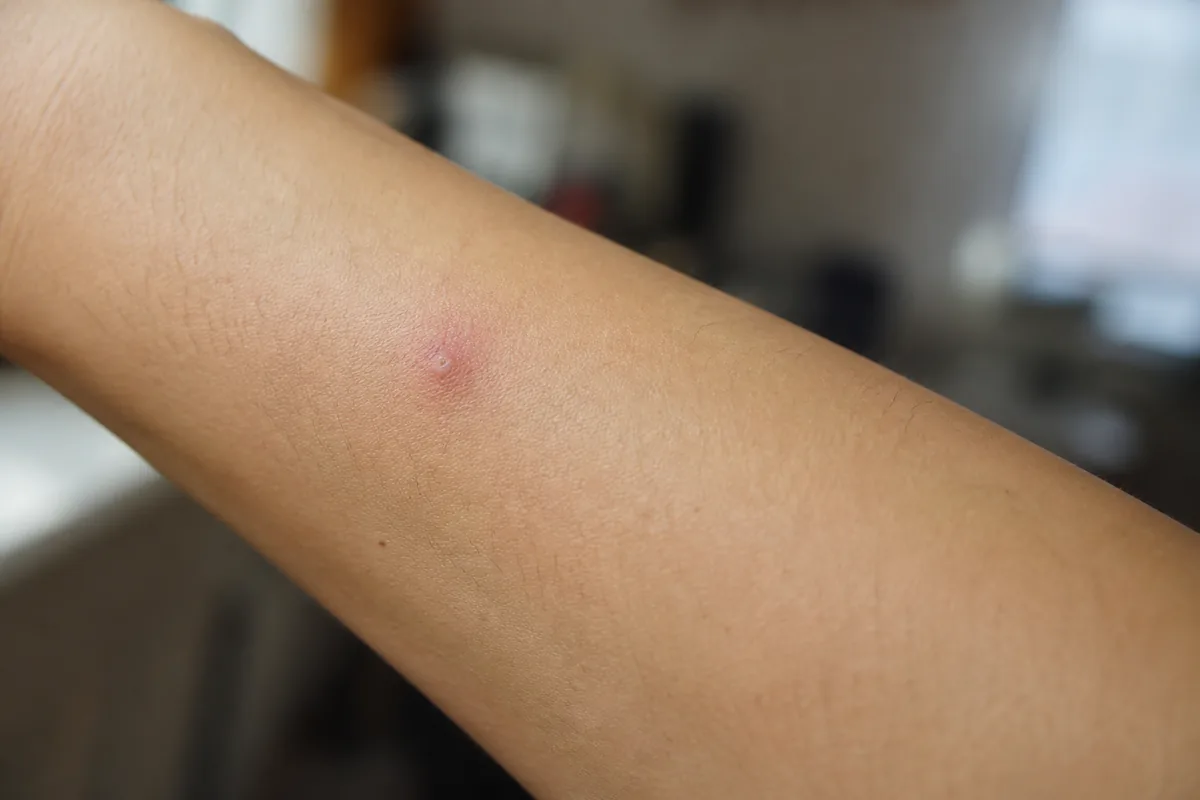
The itch isn’t the bite itself. It’s your immune system reacting to proteins in mosquito saliva.
How to Stop a Mosquito Bite From Itching: The Short Answer
If a bite just happened, these three steps give you the fastest relief:
Wash the bite with soap and water to remove bacteria from the skin surface.
Apply a cold compress, a cloth-wrapped ice pack or a bag of frozen peas, for 10 minutes at a time. Cold constricts blood vessels, reduces swelling, and briefly numbs the itch.
Use an over-the-counter anti-itch treatment. A 1% hydrocortisone cream is the most effective option for most people.
That combination handles the immediate reaction. The sections below explain why bites itch, what else actually works, and what to skip.
Why Mosquito Bites Itch, and Why Yours May Be Worse Than Others
What triggers the itch
When a mosquito bites, it injects saliva into your skin. That saliva contains proteins your immune system doesn’t recognize. Your body responds by releasing histamine, a chemical that increases blood flow to the area and signals surrounding nerves to fire. The result is the familiar combination of redness, swelling, and itch.
The itch is not the bite itself. It’s your immune response to it.
Why reactions vary so much from person to person
Two people can sit outside in the same backyard and walk away with completely different reactions. One has barely visible bumps. The other has quarter-sized welts. Several factors drive that difference:
Immune sensitivity: People who have had frequent mosquito exposure over many years sometimes develop partial tolerance. Children and adults with highly reactive immune systems often respond more dramatically.
Hydrocortisone cream is the first-line recommendation for a single, uncomplicated bite. If you have several bites or your reaction is significant, an oral antihistamine treats the whole-body histamine response rather than addressing each bite individually.
Home remedies, separated by evidence level
Not all popular home remedies are created equal. Here’s a clear breakdown.
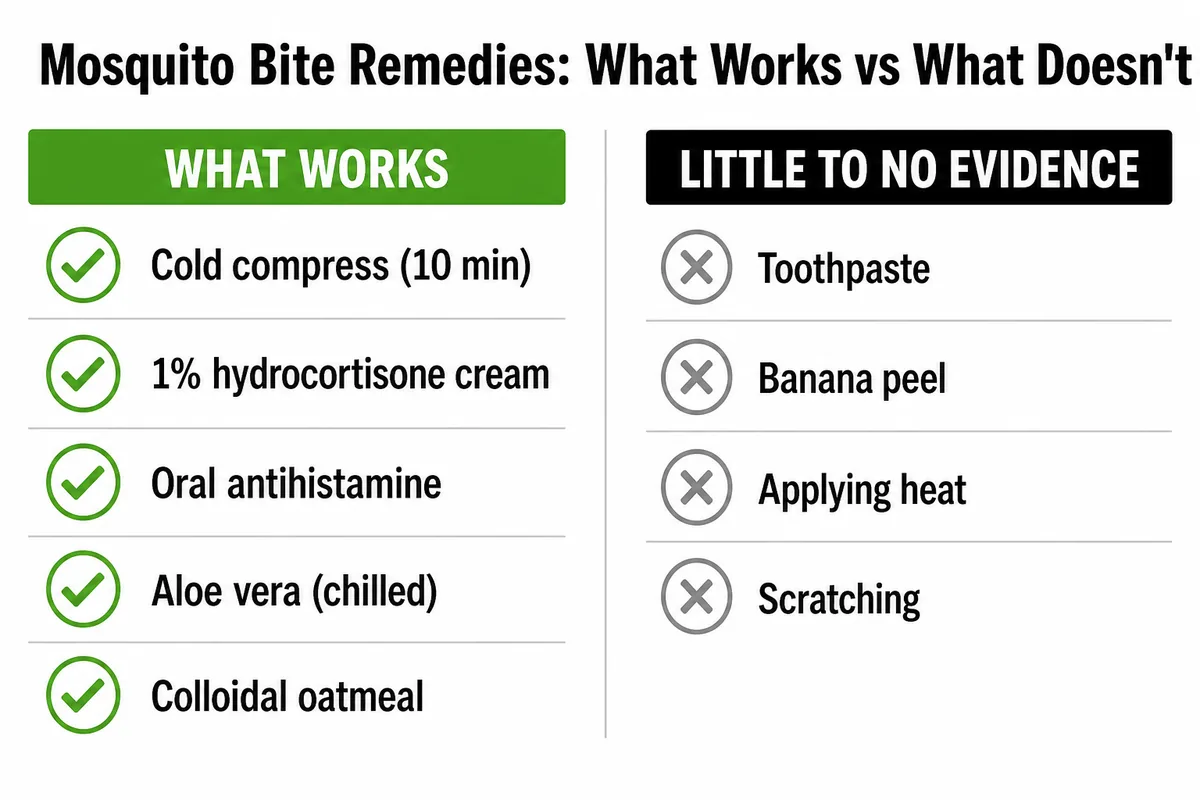
Evidence-supported or plausible:
Cold compress: Reliably reduces swelling and numbs itch. Apply for 10-minute intervals. This works.
Aloe vera: Contains compounds with anti-inflammatory properties. Chilled aloe gel may help with both itch and swelling. There’s reasonable evidence behind this one.
Colloidal oatmeal: Used in dermatology for decades. Oatmeal-based products (like Aveeno) have demonstrated skin-soothing effects. An oatmeal bath is a sensible option for widespread reactions.
Baking soda paste: A small amount mixed with water and applied to the bite may provide modest itch relief. The mechanism is plausible (mild pH buffering), but clinical evidence is limited.
Folk remedies with little to no evidence:
Toothpaste: Commonly suggested online. The menthol may create a brief cooling sensation, but there’s no meaningful anti-itch effect.
Banana peel: No evidence.
Heat (spoon, hot shower): Applying heat to a bite can temporarily interrupt the itch signal, but it also increases circulation to the area and can worsen swelling. Skip this.
What NOT to do
Scratching is the most common mistake. Scratching breaks the skin barrier, introduces bacteria, and causes additional histamine release, making the bite bigger and itchier.
Popping or squeezing the bite does nothing to help and raises your infection risk significantly.
Applying products not intended for skin, such as essential oils at full concentration, household cleaners, or anything caustic, can cause chemical burns on top of an already irritated bite.
How Long Do Mosquito Bites Last?
The typical timeline
For most people, a mosquito bite follows a predictable arc:
Minutes 1 to 20: A raised, white wheal forms at the bite site. This is the immediate immune response.
Hours 1 to 24: The wheal flattens. A red, itchy bump develops. This is the delayed reaction.
Days 2 to 4: Swelling and redness peak, then begin to fade.
Days 3 to 7: The bite resolves completely in most adults.
Children and people with sensitive immune systems may experience reactions that last 7 to 10 days.
When swelling is normal vs. a red flag
Some swelling around a bite is completely expected. Bites on ankles and feet tend to swell more than bites elsewhere, partly due to gravity and partly due to thinner skin. A bump the size of a dime or nickel is within normal range. See a doctor if you notice any of the following:
Swelling that continues to grow after 24 to 48 hours
A bite that looks infected: increasing warmth, red streaks extending outward, pus, or significant tenderness
Swelling that spreads well beyond the bite site
Mosquito Bite Allergies, and When to See a Doctor
Skeeter syndrome: large local reactions
Most people think of allergic reactions as hives or anaphylaxis. Mosquito bite allergies usually look different. Skeeter syndrome is a hypersensitivity to mosquito saliva proteins that causes an exaggerated local reaction: significant swelling, redness, warmth, and sometimes low-grade fever at or near the bite site.
Skeeter syndrome is not life-threatening, but the reaction can be uncomfortable and alarming. It is more common in young children, elderly individuals, and people with immune system conditions. An oral antihistamine taken promptly after a bite can reduce the severity of the reaction.
Signs of a bite that has become infected
Bites get infected when scratching introduces bacteria, most commonly Staphylococcus or Streptococcus, through broken skin. Watch for:
Increasing redness that spreads beyond the bump
Red streaking under the skin radiating outward from the bite
Warmth and swelling that worsens after 48 hours
Yellow or green discharge
Fever
A bite that shows these signs needs medical attention. A course of antibiotics is usually sufficient, but skin infections that go untreated can become serious.
“Most bite reactions, even the ones that look bad, are just your immune system doing its job,” says Mike Vilchez, Quality Assurance Technical Field Trainer at Northwest Exterminating. “What we tell homeowners to watch for is anything that keeps getting worse after 48 hours: spreading redness, streaking, or a fever. That is when you stop treating it at home and call a doctor.”
When a mosquito bite may signal something more serious
In the Southeast, mosquitoes are vectors for several diseases, including West Nile virus and Eastern equine encephalitis. According to the CDC, most people infected with West Nile virus have no symptoms, but about 1 in 5 develop a fever, headache, body aches, or rash within 2 to 14 days of a bite. Contact a healthcare provider if a mosquito bite is followed by:
Fever, chills, or sweating
Severe headache
Stiff neck
Muscle weakness or confusion
Rash that appears across the body
These symptoms are rare, but they are worth taking seriously, especially after significant mosquito exposure.
The Real Fix: Fewer Mosquitoes Around Your Home
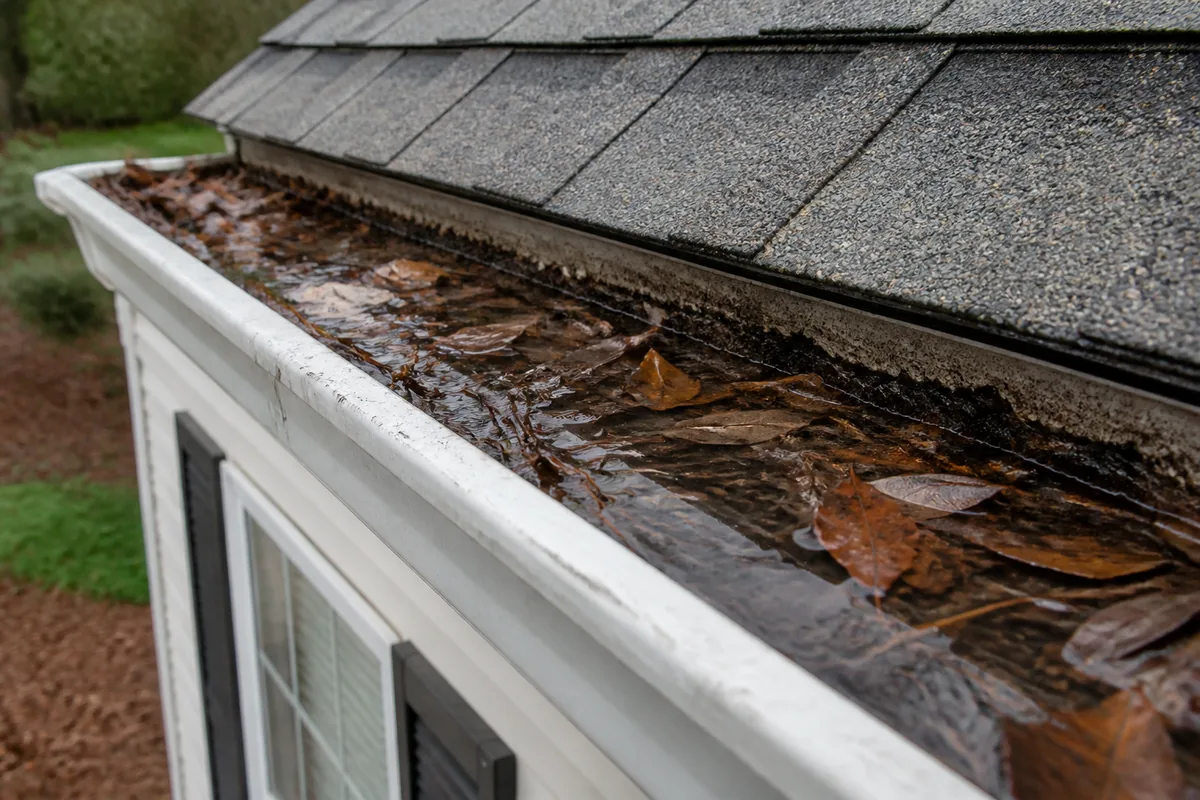
Every container or clogged gutter that holds water after rain is a potential mosquito nursery.
Treating bites helps after the fact. Reducing the mosquito population around your yard addresses the root cause.
Personal protection measures that work
EPA-registered repellents containing DEET, picaridin, or oil of lemon eucalyptus (OLE) are the most effective options for personal protection. According to the CDC, DEET-based repellents remain the standard for preventing mosquito bites when used as directed.
Wear long sleeves and long pants during peak biting hours, dawn and dusk.
Avoid outdoor activity at dusk and dawn when mosquito activity is highest, particularly for species like Culex mosquitoes that transmit West Nile virus.
Eliminate standing water in your yard
Mosquitoes breed in standing water. Every container, low spot, or neglected corner that holds water after rain is a potential breeding site. Common sources include:
Clogged gutters
Birdbaths (change water weekly)
Unused pots, buckets, or tarps
Low-lying lawn areas that hold water after rain
Children’s toys left outside
Eliminating breeding sources reduces the next generation of mosquitoes before they hatch. For a deeper look at yard-level control strategies, see our backyard mosquito control guide.
When to call a professional mosquito control company
Personal protection and source reduction help, but they have real limits, particularly in the Southeast, where the warm season runs long and standing water is abundant after summer storms.
“The Southeast doesn’t give you much of a break,” says Mike Vilchez, Quality Assurance Technical Field Trainer at Northwest Exterminating. “Georgia, the Carolinas, Alabama, those states have a mosquito season that stretches from spring into late fall. By the time homeowners feel like they’re getting ahead of it, the next rain event has reset everything.”
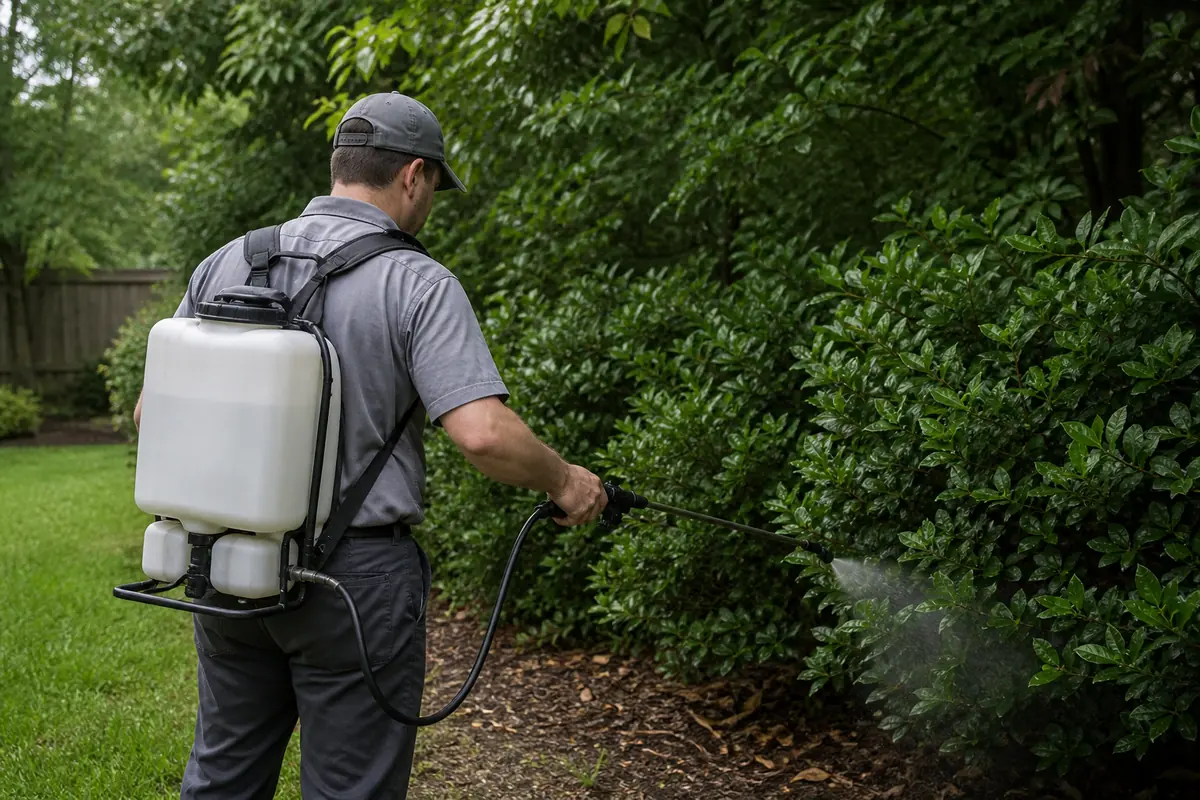
Professional mosquito control programs treat the areas where adult mosquitoes rest, dense vegetation, shaded shrubs, the undersides of leaves, and apply larvicide to water features that can’t be removed. Regular treatments maintain a barrier around your yard throughout the season rather than reacting to each population spike after rain.
Mosquito Bites in the Southeast: Why This Region Gets It Worse
A longer, harder season
Georgia, Tennessee, Alabama, North Carolina, and South Carolina all share one thing: a mosquito season that starts in March or April and doesn’t meaningfully taper until October or November. Summer heat and regular afternoon thunderstorms create ideal breeding conditions from June through September, with population peaks that follow every significant rain event.
For comparison, homeowners in the Midwest may deal with six to eight weeks of significant mosquito pressure. Southeast residents deal with six to eight months.
Species and peak biting patterns
The Southeast is home to several mosquito species that behave differently from each other:
Aedes albopictus (Asian tiger mosquito): Aggressive daytime biter, breeds in very small amounts of water (bottle caps, leaf axils), common in urban and suburban yards across the Southeast.
Culex quinquefasciatus (Southern house mosquito): Most active at dawn and dusk, associated with West Nile virus transmission, breeds in stagnant water including storm drains and neglected birdbaths.
Aedes aegypti (Yellow fever mosquito): Present in coastal Georgia and the Carolinas, also a daytime biter.
The presence of aggressive daytime-biting species like Aedes albopictus is one reason Southeast residents get bitten even when they take precautions. These mosquitoes don’t wait for sunset.
Professional barrier treatments target the shaded vegetation where adult mosquitoes rest between meals.
Tired of Getting Eaten Alive in Your Own Yard?
Knowing how to treat a bite helps in the moment. The better long-term answer is reducing the number of mosquitoes around your home so bites happen less often.
Northwest Exterminating’s mosquito control programs are built for the Southeast’s extended season, not designed around a three-month Midwest schedule. Regular yard treatments target mosquitoes where they live and breed, reducing populations throughout the season.
Call (888) 466-7849 to speak with your local Northwest branch today.
Frequently Asked Questions About Mosquito Bites
Why do mosquito bites itch?
Mosquito bites itch because of your immune system’s response to mosquito saliva. When a mosquito feeds, it injects saliva containing foreign proteins into your skin. Your body releases histamine in response, which increases blood flow to the area and activates nearby nerve fibers, producing the characteristic swelling and itch.
How do you stop a mosquito bite from itching fast?
The fastest relief comes from three steps: wash the bite with soap and water, apply a cold compress for 10 minutes, and use 1% hydrocortisone cream. For multiple bites or a strong reaction, an oral antihistamine like cetirizine (Zyrtec) or diphenhydramine (Benadryl) addresses the histamine response more broadly.
How long do mosquito bites last?
Most mosquito bites resolve within 3 to 7 days in adults. The itching and swelling typically peak in the first 24 to 48 hours and then gradually fade. Children and people with sensitive immune systems may experience reactions lasting up to 10 days.
Can you be allergic to mosquito bites?
Yes. Skeeter syndrome is a hypersensitivity to mosquito saliva proteins that produces an exaggerated local reaction: significant swelling, warmth, and redness well beyond the bite site, sometimes accompanied by low-grade fever. It is more common in young children and elderly individuals. Prompt use of antihistamines can reduce the severity of the reaction.
What’s the fastest way to get rid of a mosquito bite overnight?
Apply 1% hydrocortisone cream to reduce inflammation, take an oral antihistamine to address itching system-wide, and avoid scratching. Keeping the bite covered with a bandage can help prevent scratching during sleep. By morning, most bites will be noticeably less swollen and irritated if left alone.
When should I see a doctor for a mosquito bite?
See a doctor if a bite shows signs of infection: spreading redness, red streaking, warmth, pus, or worsening swelling after 48 hours. Also seek medical attention if fever, severe headache, stiff neck, or muscle weakness develop within two weeks of significant mosquito exposure, as these may indicate a mosquito-borne illness.
About the Author
Matthew “Logan” Walker serves as an Area Technical Leader for the Northwest Service Centers in Georgia. He provides technical support, mentorship, and field training to teammates while promoting industry best practices and effective pest management strategies. Logan’s hands-on experience and commitment to education help teams deliver extraordinary service and exceptional customer care.
Reviewed for accuracy by Mike Vilchez, Quality Assurance Technical Field Trainer for the Northwest Family of Brands in South Florida. Mike provides hands-on coaching, technical training, and field support to teammates while promoting industry best practices and service excellence.
While pests in the house are a year-round nuisance here in the South, certain bugs are more active in warmer months. If you own or rent a home or apartment, you’re likely to come across one or all of these 5 summer pests. Here’s what you can do to prevent them.
1. Ants
Most of the ants you’ll find in your home won’t bite, but that’s not always the case. It’s best to eliminate any potential food sources and entry points to keep them out. You can do this by sealing cracks and crevices and by keeping a clean house. Take the trash out regularly, store food in sealed containers, and clean up spills immediately. Leaving pet food unattended can also attract ants and other pests, so keep the food in a sealed container when not being eaten by pets, and off of floors.
2. Mosquitoes
We’ve likely all been bitten at some point by mosquitoes. They’re active in warmer months and lay their eggs in standing water. In order to have the nutrients to lay these eggs, female mosquitoes need a food source – blood from humans and pets. If bitten, you may experience stinging or itching. In rare cases, mosquitoes will transmit diseases to their host. To prevent mosquitoes, eliminate any standing water around your home – debris, toys, bird baths, fountains, ponds, pet water bowls, etc. Wear mosquito repellent when outdoors, make sure pets are current on heartworm medication, and consider a professional mosquito control service from your local exterminating company.
3. Fleas
As temperatures heat up, fleas come out to play by attaching themselves to a food source – usually your pets. Because flea allergies are common, the bites can be itchy and painful, and they transmit diseases, it’s important to keep your pets current on preventative flea medication. Give them baths regularly, keep pet beds clean, and vacuum often. If your pet gets infested with fleas, we recommend contacting a pest control professional. Fleas reproduce quickly and can be hard to get rid of.
4. Flies
Keeping flies out can be hard to do in the summer. Just like most other pests, they’re looking for food. Prevent flies from spreading bacteria throughout your home by keeping windows and doors closed, taking the trash out often and moving garbage cans away from the exterior of your home. Don’t leave food out and clean up dishes and spills immediately.
5. Roaches
Roaches thrive in warm, humid temperatures. And because they eat almost anything, they can be hard to get rid of once inside your home. They’re most often seen in kitchens and bathrooms. Because they spread bacteria and often cause severe allergic reactions, it’s a good idea to contact an exterminator if you’re seeing roaches. Where there’s one roach, there’s probably a few hundred more hiding somewhere close. They reproduce quickly and are one of the most difficult pests to get rid of once your home is infested. To prevent roaches, keep a clean house, don’t bring in boxes or newspapers, and seal any cracks, holes or crevices.
*Inspection fee for Bird Control or Snake Removal begins at $125. These service inspection fees will be applied to total service cost if bird control and/or snake removal services are completed.
By submitting, you agree to be contacted about your quote. See our Privacy Policy.
READY TO GET STARTED?
REQUEST A FREE ESTIMATE
Fill out the form below or call (866) 800-2197 for a free, no-obligation estimate.
READY TO GET STARTED?
REQUEST A FREE ESTIMATE
Fill out the form below or call (866) 800-2197 for a free, no-obligation estimate.
READY TO GET STARTED?
REQUEST A FREE ESTIMATE
Fill out the form below or call (855) 374-3795 for a free, no-obligation estimate.