Aug 8, 2024 | DIY Pest Control, Fire Ant, Florida Pest Control
Living in Florida offers plenty of sunshine and beaches, but it also means dealing with fire ants. These pests thrive in our humid, warm environment, quickly taking over yards by creating mounds and delivering painful stings. Reducing and preventing fire ant activity is easier than you think. Let’s breakdown everything you need to know about fire ants.
Understanding Fire Ants
Fire ants are known for their painful stings and aggressive behavior if they feel threatened, often stinging multiple times. If stung, these pests will inject venom that causes a burning and itching sensation, and in some cases will cause allergic reactions.
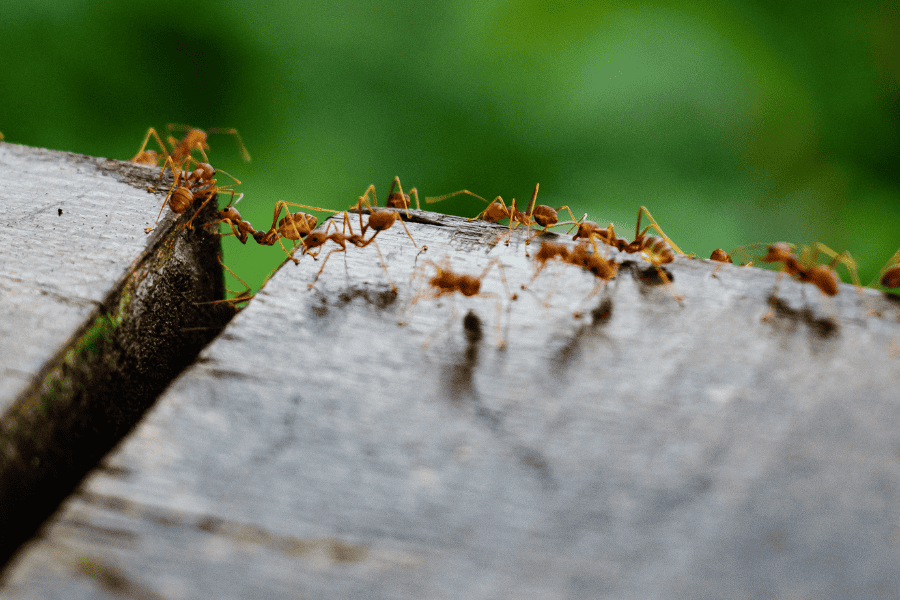
Fire ants can vary in size, ranging from 1/8 to ¼ inch and have reddish-brownish bodies. You’ll often see fire ants building their large, dome-shaped mounds in areas that are open and sunny, such as lawns, pastures, and along roads. These mounds can reach up to 18 inches in height!
Preventing Fire Ants from Your Yard
Deterring fire ants away from your property is the first step to avoiding an infestation. Consider these DIY fire ant prevention tips:
- Keep your lawn maintained by mowing the grass and removing debris regularly to reduce fire ant activity.
- Avoid over-watering your lawn, as fire ants are attracted to moist environments.
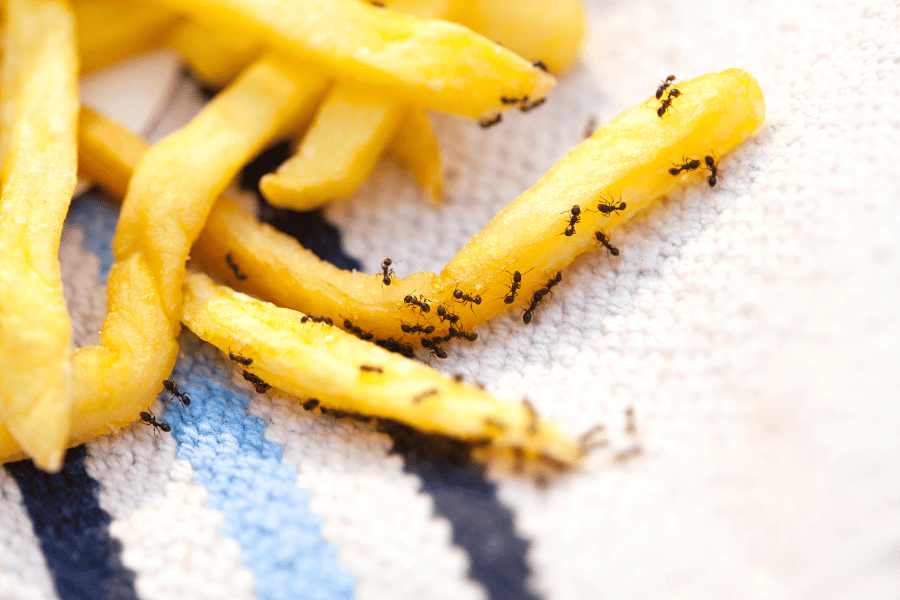
- If you’re eating outdoors, make sure to clean up any food crumbs and drink spills as soon as possible.
- If you have fruit trees, make sure to remove any rotten fruit or fruit that has fallen on the ground.
- Repair any leaking faucets, hoses, or irrigation systems in your yard.
- Consider applying insecticide barriers around the perimeter of your property to deter fire ants from entering.
If you’ve spotted one too many fire ant mounds on your property, call a pest control company near you. These experts will provide you with an inspection, fire ant control plan, and prevention tips to avoid an ant infestation in the future.

Jul 31, 2024 | DIY Pest Control, Florida Pest Control
Miami’s warm, tropical climate is the perfect paradise for not only humans but pests too! It’s crucial for all Florida homeowners to be vigilant in controlling and preventing common household pests to avoid a full-blown infestation. Check out the common pests you should look out for and our tips on preventing them.
Common Household Pests In Miami
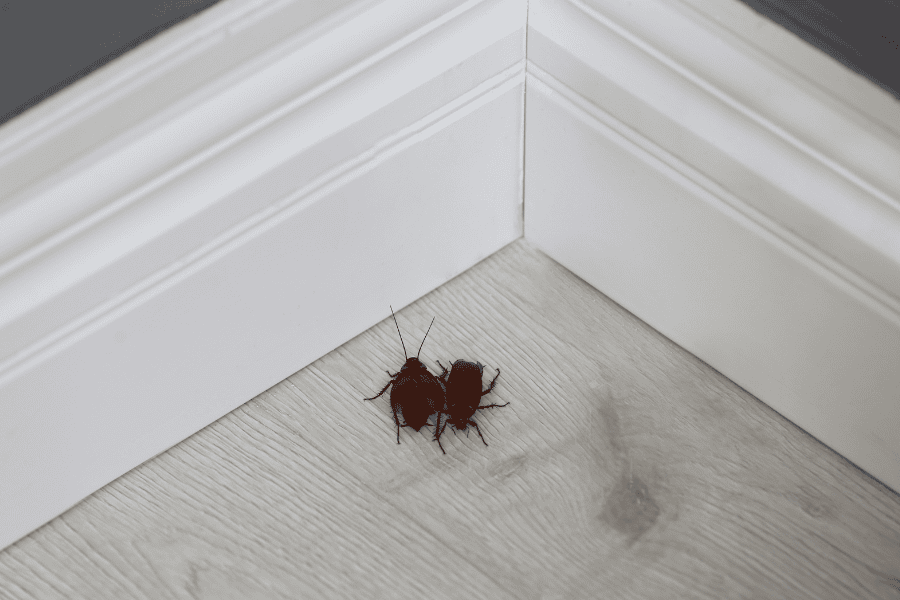
- Cockroaches: These pests are difficult to eliminate, often reproducing very quickly. They thrive in our humid environment and will contaminate food, spread diseases, and trigger allergies.
- Ants: Miami is home to several ant species, including fire ants, carpenter ants, and crazy ants. If these pests invade, they can be challenging to control, especially if they have established their colony in walls, lawns, or kitchens.
- Termites: Subterranean and drywood termites are both common in Florida and are a major concern for homeowners due to their potential to cause extensive structural damage.
- Mosquitoes: Not only a nuisance, but mosquitoes can also transmit diseases like Zika, dengue, and West Nile virus. Peak mosquito season is practically year-round because of our warm climate, creating an ideal breeding ground for them.
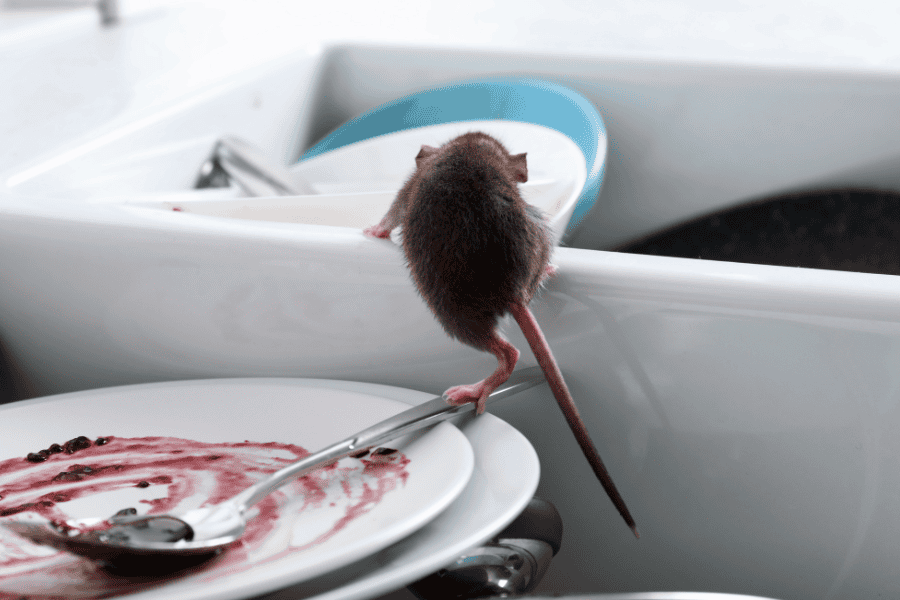
- Rodents: Rats and mice are common in urban areas, often causing various problems including damage and health concerns. Once these creatures find an area with an available food source, they will continue to come back for more.
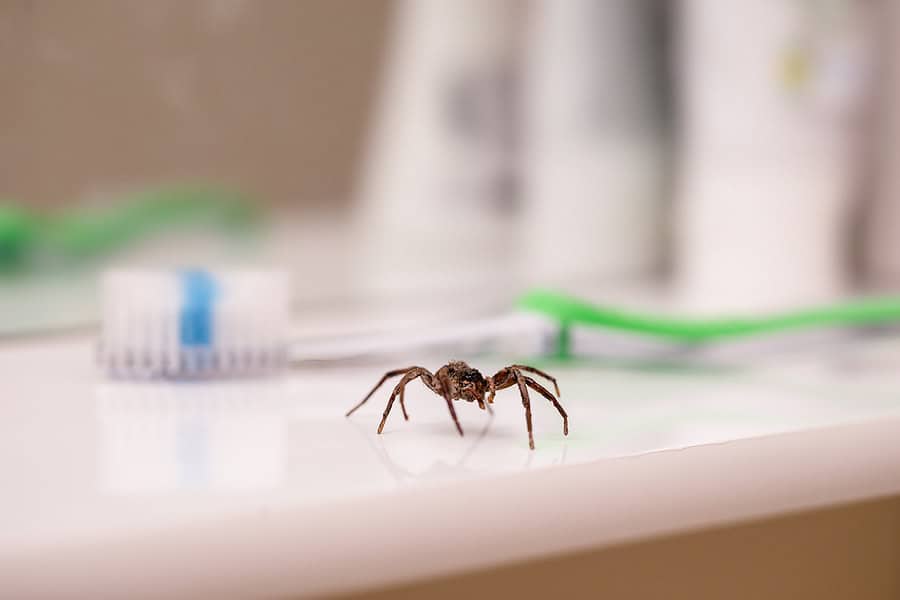
- Spiders: While most spiders in Miami are harmless, like daddy long legs, if they’ve infested your home in numbers, they can quickly become a nuisance.
Pest Prevention Tips for Miami Homeowners
Preventing pests from entering your home is the first step in avoiding an infestation. Here are some effective pest prevention tips:
- Regularly clean your home, especially the kitchen and dining areas.
- Wipe down countertops, sweep floors, and clean up spills as soon as possible.
- Store food in plastic or glass containers with tightly sealed lids.
- Inspect your home for gaps and cracks in walls, windows, and doors.
- Seal any openings with caulk or weather stripping.
- Keep your lawn well-trimmed and free of debris.
- Remove standing water to eliminate mosquito breeding grounds and other common household pests.
- Declutter your home by removing old newspapers and magazines, storing items in plastic storage containers instead of cardboard boxes, and avoiding clothes on the floor.
By implementing and staying informed on common pests in your area, you can keep your home pest-free. If you’ve noticed an influx of the pests mentioned above or would like to get ahead of prevention, it’s always best to call a Miami pest control company near you. These pest control professionals will provide you with a thorough inspection, identify the pest, and recommend the best treatment and prevention plan.
Jul 24, 2024 | DIY Pest Control, Florida Pest Control
Stinging pests, like wasps and hornets, can turn a relaxing afternoon in your yard into a stressful experience! These pests can not only be a nuisance but be a danger to both humans and pets. Let’s dive into how you can prevent wasps and hornets from taking over your yard!
Know Which Stinging Pest
It’s important to understand the difference between wasps and hornets so you can effectively prevent them.
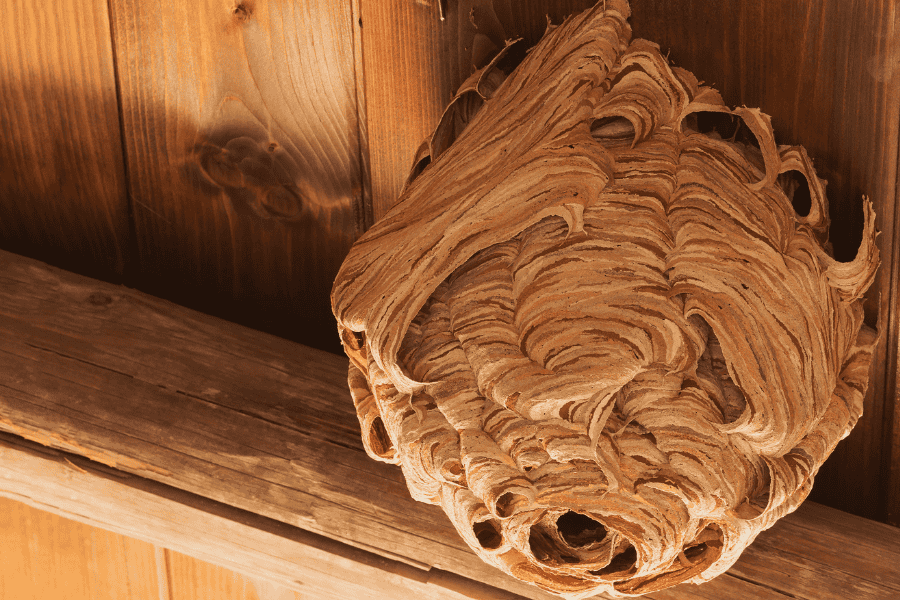
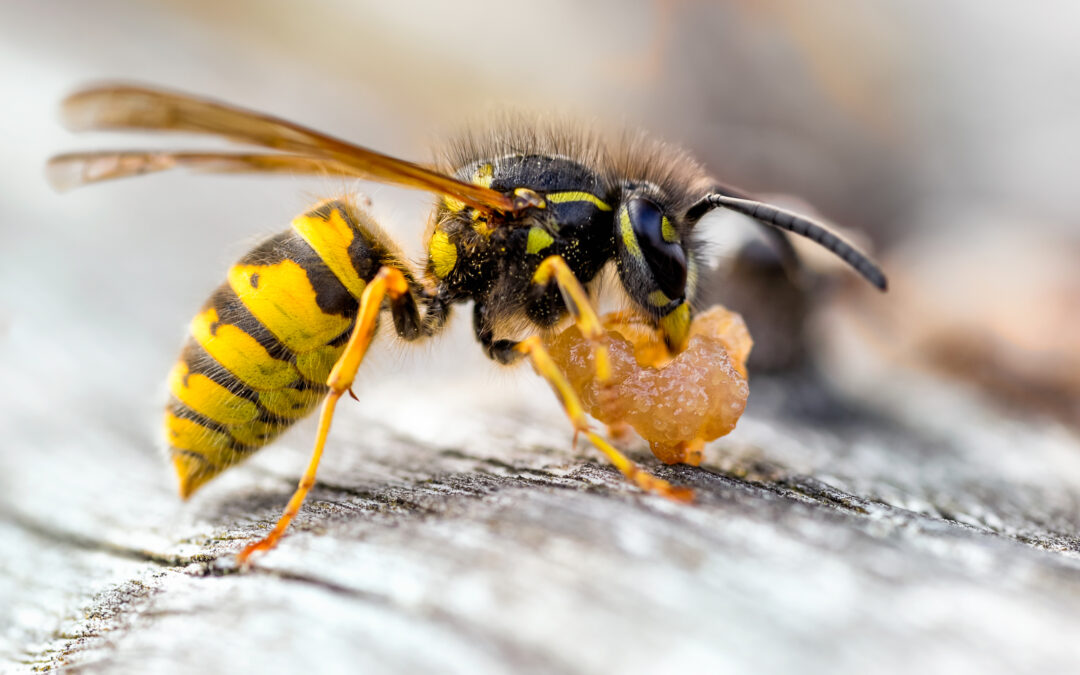
- Wasps: These pests have slender bodies, narrow waists, and long legs. They can have a yellow, black, and even metallic blue body color. They will often build their paper-like nests in sheltered areas like eaves, attics, and trees, though species like yellow jackets love to build their nests underground.
- Hornets: Larger than wasps, hornet bodies can have black and white or black and yellow markings. Hornets also build paper nests, opting to place them high in trees or on buildings.
Both wasp and hornet stings can be very painful and cause similar symptoms, including swelling and pain around the sting site, burning sensation, itchiness, and more.
Preventing Wasps & Hornets
Let’s review the preventative measures to place around your Florida property to avoid stinging pests:
- Seal cracks and gaps in walls, eaves, and around windows to prevent them from getting inside.
- Hornets and wasps are attracted to food sources, so make sure you keep your garbage cans tightly sealed and clean up food and drink spills immediately.
- Both stinging pests are drawn to sweet smells; consider removing fallen fruit from your yard and avoid planting overly fragrant flowers near your home’s entry points.
- Keep your yard tidy by trimming shrubs, mowing the lawn regularly, and removing any debris to reduce potential nesting sites.
If you’ve noticed an influx of stinging pests around your Florida home, it’s best to call a pest control company near you. Removing nests can be extremely dangerous, so it’s always best to leave it to a professional pest control expert who can safely remove the nest and provide you with recommendations on preventing wasps and hornets in the future.
Jul 10, 2024 | DIY Pest Control, Florida Pest Control
Spiders are typically harmless and even deemed beneficial by controlling other pests, but having them in your home can be alarming! We breakdown some easy do-it-yourself spider prevention tips that you can use around your Lauderhill home.
DIY Spider Prevention Tips
Keep you Home Clean & Clutter-Free
Spiders love to hide in cluttered spaces, so keeping your home clean and tidy can significantly reduce the chances of them making themselves at home. Always vacuum regularly, paying extra attention to corners, underneath furniture, and hard-to-reach areas. Look at dust surfaces and if you spot a spider web with no spider, carefully remove the web. It’s also crucial to declutter storage spaces, basements, attics, and garages. Organize items in sealed plastic containers instead of cardboard boxes, which spiders will infest.
Seal Entry Points
Spiders will enter homes through the tiniest cracks and gaps. Sealing these openings will help keep them from entering. Inspect your home and check for cracks in the walls, windows, and doors. Seal any you may find as soon as possible with sealant or caulk. Ensure that your windows and vents have tight-fitting screens, replacing any damaged screens to prevent entry.
Reduce Outside Lighting
Spiders are attracted to insects, which are drawn to lights at night. Look to reduce outdoor lighting to minimize spider activity. Replace white bulbs with yellow bulbs, as insects are less attracted to it. Additionally, consider utilizing timed outdoor lights to avoid them staying on overnight and attracting insects.
Maintain Your Yard
Your yard is the first line of defense to discourage spiders from entering your property, so it’s important to keep it well-maintained. Keep shrubs, trees, and other plants trimmed and pointing away from your home. Clear out leaves, unused woodpiles, and debris that spiders can hide in. If you use mulch, avoid placing it near your foundation so it doesn’t provide a habitat for spiders and other pests.
Regularly Inspect for Spiders
Keeping an eye out for early signs of spider activity will help you address the issue before it becomes a full-blown infestation. Make sure to regularly inspect areas like closets, basements, and garages for webs and spiders.
If you notice a significant spider problem, it’s always best to call a pest control company near you to help. These professionals will provide you with a comprehensive inspection and the best pest control plan for your situation.
Jun 20, 2024 | DIY Pest Control, Florida Pest Control
Living in Florida can come with great perks – gorgeous beaches, vast landscapes, and a warm, tropical climate to enjoy practically year-round, though this climate also invites some unwelcome guests: stinging pests. From wasps to fire ants, these pests can turn your outdoor fun into worry. In this blog, we breakdown your guide to common stinging pests and how to keep them at bay!
Identify Common Stinging Pests
- Wasps: Wasps, such as paper wasps and yellow jackets, can be aggressive, with their sting being extremely painful. They’ll often build their nests in eaves, attics, and other sheltered areas.
- Bees: While beneficial to the environment, these pests can still become a nuisance if they nest near or inside your home. While honeybees are less aggressive, carpenter bees are known to destroy the structural integrity of structures!
- Fire Ants: These small ants pack a painful sting! Fire ants can be aggressive, and their stings are known to cause severe allergic reactions to some.
Tips to Prevent Stinging Pests
Maintain Your Yard
Keep your lawn trimmed and free of debris. Stinging insects will often nest in overgrown areas throughout your property. Additionally, trim back trees and bushes, and remove piles of leaves or wood. Place any stored lumber 20 feet from your home and raise it off the ground.
Secure Your Trashcans
Wasps and other pests are attracted to food waste, so it’s crucial to dispose of it properly. Make sure your trash bins are sealed tightly and clean them regularly to prevent odors that attract pests. Wasps love the sugary liquids that are left behind in soda cans, so make sure your recycling bins are secure and clean too.
Inspect & Repair
Inspect your home for any openings where pests could enter. Repair screens and doors, and seal gaps around pipes and cables with steel wool or caulk, depending on the size.
Call a Professional
Controlling stinging pests on your own can be very risky and it’s always best to deal with these pests by calling a Naples pest control company near you. These pest control professionals are trained to know how to handle and remove these pests safely.
Jun 6, 2024 | DIY Pest Control, Fire Ant, Florida Pest Control
While fire ants are small, they can pack a painful sting! These pests can quickly take over your yard with their unsightly mounds and if threatened they can become aggressive with their painful sting. Let’s review everything you need to know about preventing fire ants and ways you can deter them from your yard.
Understanding Fire Ants
Fire ants are reddish-brown with a dark abdomen. These ants can vary in size from 1/8 to 1/4 inch. Fire ants will often build their large, dome-shaped mounds in yards. These mounds can reach up to 18 inches in height. They will often build in areas that are open and sunny, such as lawns, pastures, and along roads. Fire ants are known to sting if provoked, causing allergic reactions to some. Fire ants will often enter our homes for a food source, such as fruits, insects, and oils from seeds.
Preventing Fire Ants from Your Yard
An effective method to prevent fire ants is placing some easy preventative measures throughout your property to deter them in the first place. Consider the following DIY fire ant prevention tips:
- Seal cracks and crevices to keep them out of your home
- Keep your yard well-maintained by regularly mowing the lawn, trimming bushes, and removing debris.
- Avoid over-watering your lawn, as fire ants are attracted to moist environments.
- If you’re eating food outdoors, make sure to clean up any food crumbs or drink spills.
- If you have fruit trees in your yard, make sure to remove any rotten fruit or fruit that has fallen on the ground.
- Repair any leaking faucets, hoses, or irrigation systems in your yard.
If you’ve spotted a fire ant mound in your yard or would like to start preventing them now, the best thing to do is call a professional pest control company near you for help. These experts will provide you with a thorough inspection, treatment plan to remove these pests, and recommendations on how you can prevent them from returning.
May 28, 2024 | DIY Pest Control, Florida Pest Control
Living in Florida, we have to deal with our fair share of bugs invading our home throughout the year. Whether mosquitoes are invading your yard, ants are taking over your kitchen, or rats are raiding your trash cans, household pests can surely become a major issue. Unfortunately, humans can have a lot to do with pest infestations by our habits, often leading bugs right into our home. We break down the common reasons you could have a bug problem into your Florida home.
What Leads To Bug Problems In Your Home
Trash
Our leftover trash is dinnertime for pests! Pests, such as rats and ants, are all looking for a food source for survival and will often look to our trash cans for available food, creating a huge mess in the process. It’s important to secure your outside and inside trashcan with a tightly sealed lid and ensure your trash bags are sealed without rips or tears.
Excessive Moisture
Several pests prefer a damp environment and need water to survive too. Unfortunately, we also need water, and certain factors throughout our homes can provide pests with a water source, often leading to a bug problem. A leaky faucet can attract pests, like mice, who will return to areas if they have access to water or food. Make sure to check throughout your home for any leaky pipes, faucets, or AC units and repair them as soon as possible. Likewise, your basement and crawlspace can often create excess moisture that can lead to fungus, bad air quality, and pest infestations. Utilize a dehumidifier to dry any wet areas and consider crawlspace enclosure to ensure no moisture is found.
Unnecessary Clutter
Clutter, such as old newspapers, magazines, and cardboard boxes can provide several pests with the perfect environment. Decluttering and cleaning items out to eliminate hiding places will help prevent pests overall. Consider utilizing plastic storage containers with lids to store any items and elevating them off the ground. Additionally, avoid having clothes piled on the floor, as bugs like spiders are known to hide out in them.
Dirty Kitchen
Dirty dishes, food crumbs, and drink spills can attract pests like flies, ants, roaches, and more right into your home! After each meal, wash and put away your dishes to avoid these pests. Likewise, clean up any leftover spills and food crumbs off your floors, dining room table, and counter tops. Don’t forget to clean behind and under your kitchen appliances too as pests like to hide behind stoves and refrigerators to find a food source.
If you’ve noticed an increase of bugs throughout your Florida home, it’s best to call a pest control company near you. These professionals will provide you with a comprehensive pest control and prevention plan.
May 7, 2024 | DIY Pest Control, Florida Pest Control
House mice, roof rats, Norway rats, and other rodents seek our homes as a place for shelter to breed and search for an available food source to survive. These creatures are known to contaminate our environments and spread diseases such as plague, tularemia, and hantavirus. Rodents will often chew through insulation and electrical wiring, creating the risk of a fire. Placing do-it-yourself rodent-proofing measures throughout your home will protect your property and family from these pests.
Do-it-Yourself Rodent Proofing Tips
Rats and mice seek out food, water, and shelter in homes, so it’s important to eliminate these factors from your property to avoid an infestation. Let’s review our DIY rodent-proofing tips for your Florida property:
- Rodents can enter through the smallest opening, so inspect your home’s doors and windows for holes, gaps, and loose or broken seals, repairing where necessary.
- Remove any clutter from your home, including old newspapers, books, magazines, and cardboard boxes you don’t utilize anymore.
- Always keep your yard well-maintained by mowing on a regular basis, keeping shrubs and trees trimmed, and removing yard debris.
- If you store lumber or firewood, place it at least 20 feet from your home and elevated off the ground.
- Check for any excess moisture throughout your home; repair any leaky pipes and eliminate excess moisture in your crawlspace through crawlspace encapsulation.
If you’ve noticed signs of rodents or would like extra help with rodent-proofing, call a pest control company near you! Professionals will provide you with a free analysis and a recommended rodent control treatment and prevention plan!
Apr 25, 2024 | DIY Pest Control, Florida Pest Control
Rats are practically year-round creatures in Florida, seeking your home for a warm place to nest and find a food source. Once these rodents find their way inside your home, they will reproduce quickly, making it difficult to remove them. Here is what attracts rats to your home and easy prevention tips to avoid a future infestation!
What Attracts Rats To Your Home
Dirty & Cluttered Home
Rats are attracted to homes that are both dirty and cluttered. These wildlife creatures look for leftover food crumbs and spills for their food source. Likewise, rats tend to utilize piles of old newspapers or cardboard boxes to create a nest and hide out.
Easy Access Inside
Rats can enter homes through a gap or hole the size of a quarter! If any openings are found, they’ll use it to their advantage to make their way inside your home. You can often find these openings around your foundation, doors, and windows.
Cluttered Yard
Your yard is the first line of defense for avoiding rodents but there could be factors attracting them right onto your property. Leaf piles and deep mulch are the perfect materials for rats nesting sites. Likewise, dirty outdoor grills and open garbage cans can be an invitation for rats to scavenge and find a food source.
Available Water Source
Rats need water to survive and will look for any source available in and around your home. If there is a constant supply of water dripping from your pipes, that’s enough for rats to move into your home. Common areas where rats find water include leaky bathroom faucets, pipes in your basement, hose faucets, and even HVAC systems.
Access to Food
One of the biggest rat attractions is any available food source. Leftover crumbs, drink spills, and open food containers in your pantry will all attract rats into your home. Rats are not picky eaters and are attracted to all kinds of food, including meats, vegetables, fruit, and more.
Preventing Rats from Your Florida Home
Having a rat infestation can be alarming, not only because of the damage they can cause but also the diseases they can spread. One of the best ways to keep rats from entering your property is to place the preventative measures to deter them in the first place. Consider these tips and tricks to avoid rats:
- Empty your garbage on a regular basis and always use a tight-fitting lid or lock it.
- After each meal, make sure to clean up food crumbs and drink spills. Don’t forget to wipe your countertops and stovetops of food too.
- Avoid leaving dirty dishes in the sink overnight; instead, wash, dry, and put them away.
- Repair windows and doors, making sure there are no open gaps, holes, and loose or broken seals.
- If you have pets, consider storing their food in plastic containers with a lid instead of the bag it comes in; always bring in your outside pet food and water bowls at night.
- Check your exterior home for any cracks or gaps that rats could fit into, seal these openings as soon as possible.
- Reduce all standing water on your property by fixing leaky pipes and eliminating moisture in your crawlspace through encapsulation.
- Maintain your yard by keeping your grass mowed, trimming back shrubbery, and removing debris.
If you’ve noticed rodent activity at your property or would like to start rodent control now, it’s best to call a pest control company near you. These professionals can provide you with a thorough inspection, rodent identification, and a rodent treatment and removal plan based on your needs.