Mar 13, 2023 | Pest Control
Tennessee Pest Control: Spring Pests
Spring season brings fresh air, warmer weather, and pests! Because of spring’s climate, household pests, including ants, roaches, mosquitoes, termites, rodents, and other pests start emerging from hibernation, looking for a food source and a place to nest. Before these pests emerge in droves, now is the perfect time to prevent them. Check out our tips on keeping unwanted spring pests away from your Tennessee home!
Seal All Entry Points
The smallest crack, crevice, or hole can let pests inside your home. Check around the exterior of your home, including your foundation, pipes, windows, doors, and HVAC units for these areas. Cockroaches, rodents, wasps, ants, and more will gain access and cause several problems in your home. If you notice any openings, seal them tightly with caulk. For doors, consider utilizing a sweep to seal the gap between the floor and the door. Utilize screens on doors and windows and make sure they’re always in good repair.
Eliminate Stagnant Water
The combination of warmer weather and standing water will attract pests like mosquitoes and roaches to your property. Standing water is a major pest attractant and allows them to multiply and thrive, making it essential to remove it. Check your exterior and interior for leaks. Even dripping faucets and loose fixtures can attract pests. Check your yard for any items that could collect water and remove them, including flowerpots, old tires, tarps, toys, etc. Also, consider enclosing your crawlspace to help reduce moisture and control temperatures inside your home.
Store Your Woodpiles
Many pests will utilize our firewood to hitchhike their way inside our homes. Place and store your woodpiles at least 20 feet away from your home. For extra protection, consider placing them in plastic containers with lids and elevate them off the ground to prevent termites and roaches from living in them. Before you bring it indoors, inspect it for pests and brush them off.
Clear Clutter
Starting early on your spring cleaning could pay off in keeping pests away! Consider starting at the lowest level of your home and working your way up to declutter. Clean the floors, dust, sweep, mop, vacuum, and remove unnecessary items from your closets and drawers. Get rid of old newspapers and cardboard boxes in storage, as these can attract rodents looking for a place to nest. In your yard, remove old tree stumps, twigs, and other debris. Likewise, rake up all the leaves and continue mowing on a regular basis.
Clean Up & Properly Store Food
Mice and rats are looking for food to survive, invading our kitchens to find it. It’s important to clean your kitchen and safely store leftover food. After each meal, wipe down your counters and clean up any leftover crumbs or spills. On a regular basis, sweep and mop your kitchen floors, and don’t forget to clean under your appliances too. Take your garbage out regularly, using trashcans with lids. When storing food, make sure you utilize airtight containers.
While utilizing these pest prevention tips will always help keep bugs from invading your home, sometimes it’s best to call a professional for extra protection. Your local pest control company can assess your home, identify any sources of pest problems, and provide you with a pest control and prevention plan.

Mar 9, 2023 | Pest Control
Laurens Pest Control: Eliminating Cockroaches
A lot of homeowners believe that a tidy home will keep cockroaches away, but that’s not always the case. Cockroaches can find themselves in the tidiest of homes and it’s due to the availability of food, water, and shelter. The sight of even just one roach in your home should raise some alarms. These pests can multiply quickly and seeing just one typically means more are hiding nearby.
The main reason you should be wary about cockroaches in your home is that they can carry bacteria on their bodies and feet. They tend to walk across various surfaces and can pick up many unwanted germs. They are also known to bring on allergic reactions and asthmas attacks.
Signs of Cockroaches:
- Dead cockroach bodies
- Small, brown, oval-shaped eggs or eggshells
- Dark, powdery droppings that resemble coffee grounds
- Musty odor
If you begin noticing these signs of roaches, then it might be time to call your local pest control company. In the meantime, here are some simple cockroach prevention tips that will help lessen the chances of a roach infestation:
- Clean thoroughly. After each meal, clean the dishes and put them away. Get rid of the crumbs and mop up the spills right away. Throw all trash away in a bin with a lid.
- Declutter: Keep rooms decluttered and maintain a regular dusting schedule. When storing items, use plastic bins instead of cardboard, which is a major attractant for roaches.
- Eliminate Moisture. Roaches thrive in moist areas and need water to survive, like most pests. Regularly check for any leaks or standing water in or around your home.
- Call the Professionals. If you have done everything you possibly can but are still experiencing roaches, give your local pest control company a call today. An experienced technician will be able to determine the best plan perfect for you and your home.
Mar 8, 2023 | Pest Control
Macon Pest Control: Preventing Spring Pests
A household pest is any undesired animal that has a history of living, invading, causing damage to, eating food from, acting as a disease vector for, or causing any other harm to a human habitat. While most are considered a nuisance, household pests become dangerous when they pose a risk to health, property, or lifestyle.
While they can be common year-round, some are common in the spring months. Here are a few common spring pests you can find in your Georgia home:
Termites
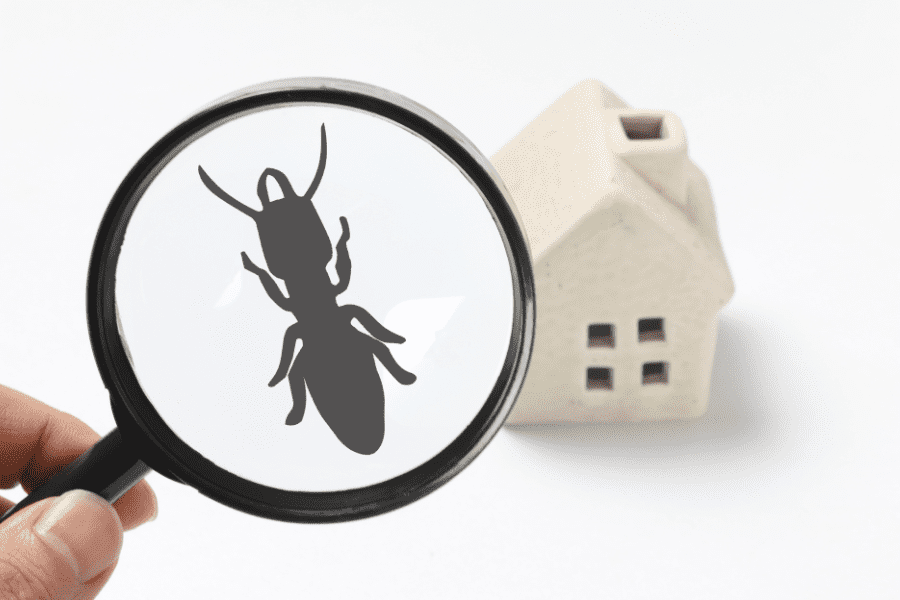
Termite swarming season begins in the springtime. Swarming season is when young termites leave their current colony and go off to find mates and establish new colonies. If you begin to see swarmers, it might mean a colony is nearby.
Ticks
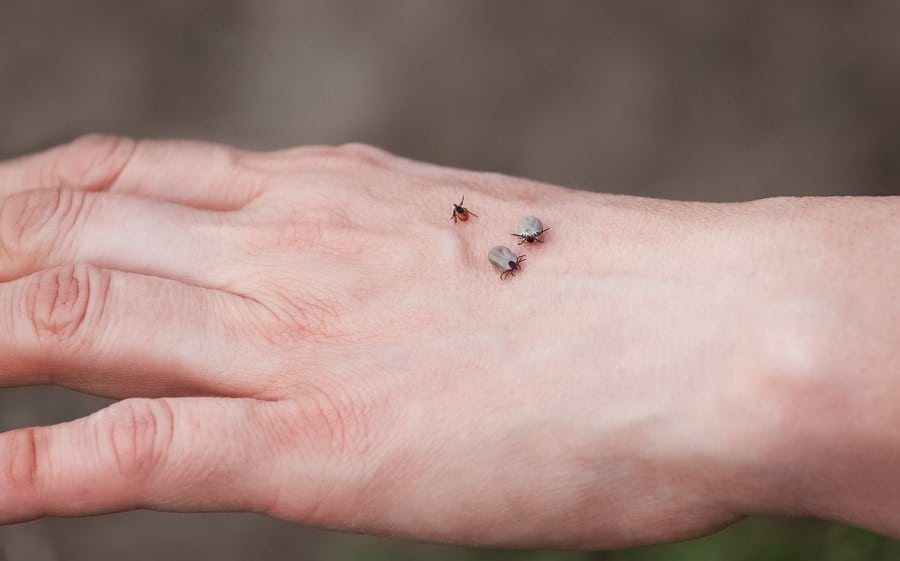
Ticks are problematic to humans and pets because they spread diseases like Lyme disease and Rocky Mountain spotted fever. You might begin to see an increase of tick bites in the springtime. The mild winters in Georgia don’t help with keeping ticks away for long, so you should always be aware of ticks at any time of the year.
Ants
With heavy rainfall in the early spring, you can expect to see ants finding their way inside your home. They will begin to search for food and water, which your home has plenty of.
Flies
These pesky pests will find their way inside once the weather begins to warm up. They can spread many pathogens by picking them up on their feet when landing on different items.
Prevent Spring Pests:
- Keep windows, doors, and vents sealed
- Use garbage cans with sealed lids
- Keep plants and tree limbs cut away from your house
- Fix leaks to prevent excess moisture
- Wear insect repellent
- Keep home clean and free of crumbs, especially the kitchen
- Keep up with quarterly pest control
If you’re ready to begin prevention of these spring pests, reach out to your local pest control company to receive a free quote and the best plan of action to keep pests away!
Mar 3, 2023 | Pest Control
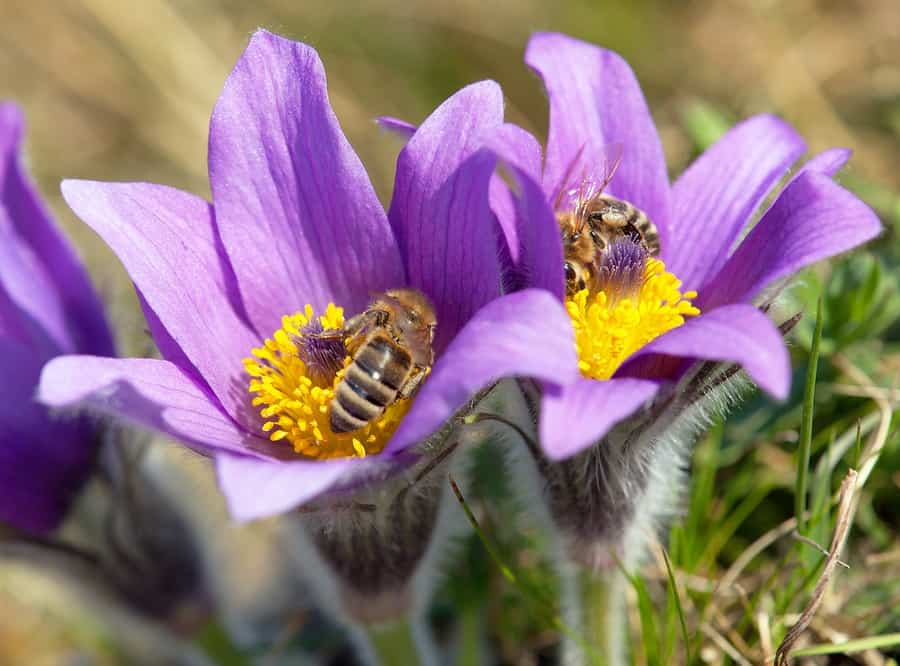
It’s a little-known fact that every good garden needs a pollinator and bee. Without the help of these friendly pollinators, there would be fewer flowers and vegetables. If you want more visits from honeybees, follow these simple tips.
Bees are interested in two things when visiting your garden:
- Nectar: loaded with sugars and a bee’s main source of energy
- Pollen: provides a balanced diet of protein and fats
An effective way to attract bees into your garden is to plant flowers that offer these two main food sources. Try to plant non-hybridized flowers in your garden, as they typically do not produce enough pollen or nectar for our helpful pollinators.
Here are some other helpful tips to keep the bees around:
- Don’t use pesticides
- Use local, native plants
- Choose a variety of colors to plant
- Have a diversity of plants flowering all season
- Plant where it’s safe for bees to visit
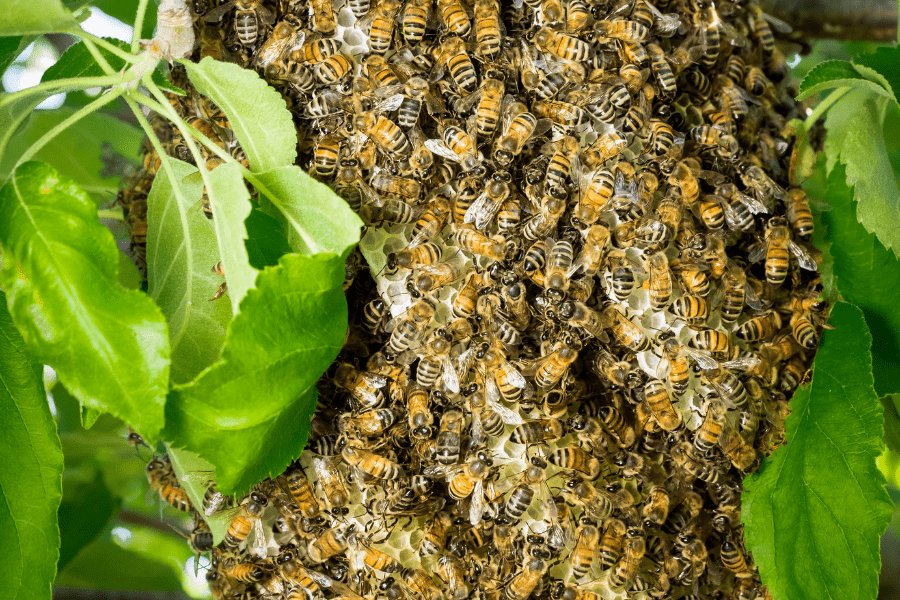
We hope these tips help bring the honeybees back to your garden, so they can do what they do best: pollinate! If you discover an active colony near or around your garden, then reach out to your local certified honeybee removal company to safely remove these colonies and relocate them to a safer location.
Mar 2, 2023 | Pest Control
Laurens Pest Control: Keeping Pests Out
Having a secure pest control plan isn’t always top of mind for homeowners. But once you spot that first sign of a pest infestation, it surely becomes top priority! We want you to be ahead of the infestation game and have a strong relationship with a local pest control company. Let’s go over the benefits of maintaining a regular visit from your technician.
Preventing Problems Before They Occur
With the assistance of a reputable company, your home will be set up to combat any potential pest threats including termites, mosquitoes, cockroaches, ants, and more! A pest professional will work with you to provide the best plan of action for your home to ensure the health of your property and family.
Saves Money Overtime
Up front it might seem like a waste of money to continue with scheduled visits from your technician, but keeping that regular schedule will help keep the chance of infestations low. With lower chances of having a major problem, it saves you money in the long run. No need to worry about bigger problems taking over when you have a solid plan.
Keep Pests Away in Between Visits
With months in between visits, it’s always good to know some easy DIY pest control methods. Making sure you clean your kitchen after each meal by cleaning up spills and crumbs will help lower the chances of spotting a pest. Another great DIY is to walk around your property and look for any potential openings to your home. Be sure to seal them immediately.
Dealing with a pest problem is never a homeowner’s idea of fun. If you think you’re ready for a solid pest control solution, then reach out to your local pest control company and receive a customized plan perfect for you and your property.
Mar 1, 2023 | Pest Control
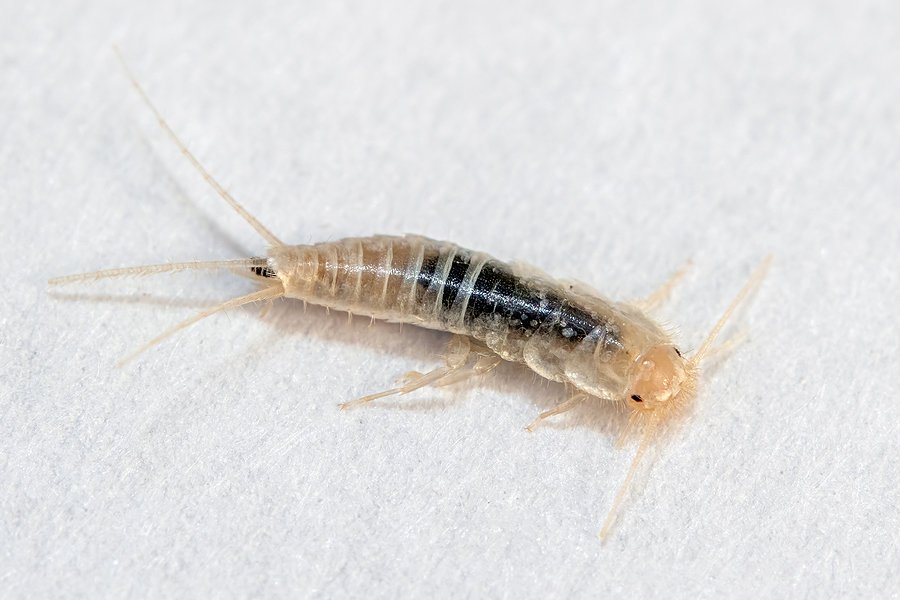
Ranging from 12 to 19 mm in size, silverfish are household pests that are attracted to dark, damp areas. They range in colors including white, brown-grey, and bluish-silver. Silverfish are wingless with a flat appearance and 3 thread-like tails. Their size and shape allow them to hide in small spaces.
They feed on starch and sugar and find a lot of these options in your home. You can find them eating paste from book bindings, photos, clothing, bedding, curtains, old papers, wallpaper paste, shampoo, dead insects, pasta, flour, cereal, and other common starches. Because of this they are typically found in kitchens and pantries.
Beyond the kitchen, they can be found in bathrooms, basements, attics, and laundry rooms, which provide dark, damp spaces. They usually find their way indoors when the weather begins to get warmer and drier or when there is excessive rainfall.
Their jaws aren’t strong enough to pierce human skin, but they are fast and can usually escape predators fairly quickly. They will cause damage to your home by chewing fabrics, contaminating food they are eating, and triggering allergies.
Common signs of silverfish include:
- Holes, notches, edges on surface they eat
- Yellow stains or discarded scales
- Feces in the form of tiny black pellets
Prevent silverfish by:
- Cleaning out closets and cabinets and dusting bookshelves
- Storing food in airtight containers
- Removing piles of wet leaves from your yard
- Using a dehumidifier in damp areas like basements and crawlspaces
- Keeping the perimeter of your home clean and dry
- Sealing the exterior of your home
If you notice an increase in silverfish in your Georgia home, contact your local pest control company for a thorough evaluation.
Feb 28, 2023 | Pest Control
Augusta Pest Control: Eliminating Roaches
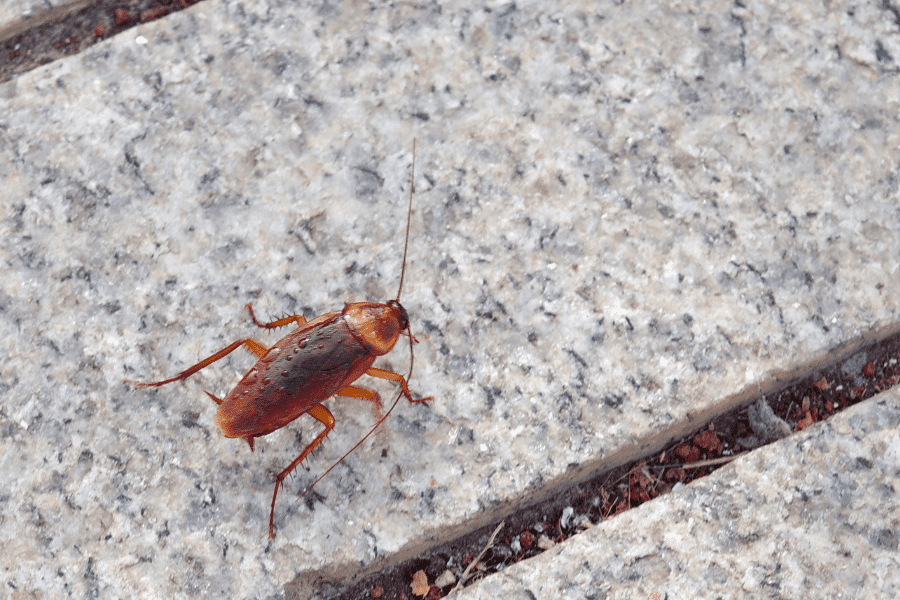
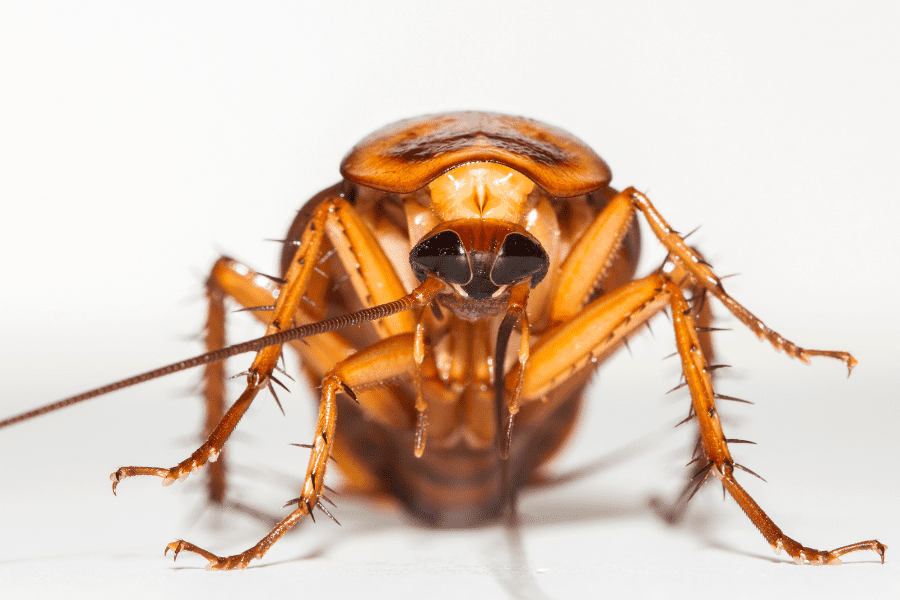
Having an influx of roach activity in your home is never ideal! Cockroaches are year-round pests and are known for their rapid rate of multiplying. The most common roaches found in Augusta homes include the American roach, German roach, and brown-banded roach. Once these roaches have invaded, it can be extremely difficult to get rid of them. Whether you see one roach, multiple roaches, or want to get ahead of the prevention game, consider these cockroach prevention tips below!
Clean Up
To survive, roaches need water and food, typically looking to our homes to search for both. The best way to discourage them from entering is to eliminate their food and water sources. After you’ve cooked or had a meal, it’s important to clean up all the dishes, washing them and putting them away instead of leaving them out at night. Likewise, clean up any leftover spills and crumbs from your meal as soon as possible. Don’t forget to clean your appliances too, as well as wiping down your stovetop, as roaches prefer areas with warmth and the likelihood of spilled food.
Eliminate Entry
Using their small bodies, roaches will enter homes through the smallest gap, hole, or crevice. At least once a year, consider inspecting your windows, doors, foundations, roof, attic vents, crawlspace vents, and even electric, gas, and plumbing lines for points of entry. A good rule of thumb is if you can see daylight shining in, roaches can get inside! Utilize caulk to seal smaller holes and steel wool or foam for larger holes. Consider utilizing a chimney cap and attic vents too.
Reduce Moisture
Moisture provides roaches with a reason to infest, making it essential to eliminate it. These pests only need a small amount to survive. While you’re inspecting for roach entry points, make a note of any leaking faucets, sinks, or pipes and repair them as soon as possible. Likewise, don’t forget to check behind appliances like your refrigerator for excess moisture. Also, consider enclosing your crawlspace to help control moisture underneath your home.
Call a Pro
While placing preventative measures around your home can deter roaches away, sometimes it’s best to call a professional for some extra help. If you’ve noticed roaches on your property or are looking to prevent them before they infest, consider contacting your pest control company. These professionals can thoroughly inspect your home, identify the type of cockroach present, identify areas of entry, and provide you with the best treatment and prevention options!
Feb 25, 2023 | Pest Control
Cockroaches are common household pests that are highly adaptable. They are skilled at finding their way indoors and multiplying quickly to establish an infestation in your home. It is important to know what attracts roaches to your home in order to prevent them. There are 3 main things that will bring roaches to your door: food, water, and shelter. By eliminating these 3 things, your home will become much less attractive to these and other pests. Here is our step-by-step guide to preventing cockroaches from infesting your home.
Deny Food
Cockroaches are scavengers. While they prefer sugar, carbs, and protein, they will eat just about anything. Clean up any leftover food or spills and crumbs on tables, counters, and appliances. Store your food in airtight containers. Rinse cans, bottles, jugs, etc. before throwing them away. Empty your garbage regularly and use trash cans with lids. Don’t leave your dirty dishes out overnight. Wipe down your counters with disinfectant every night. Try to limit food consumption to one room (e.g. the dining room) to help reduce spills and crumbs throughout your home. Store your pet food in sealed containers and don’t leave pet food bowls out overnight.
Deny Water
Roaches can actually go for a week or 2 without it if they are getting enough moisture from their food. Despite this, they will ultimately require water to survive and will seek it out in your home. Remove any standing water both in and around your home. Don’t leave any water in sinks or near drains, especially overnight. Keep excess moisture out of your home, basement, and crawlspace with a dehumidifier. Consider installing a moisture barrier or crawlspace enclosure. Repair any damaged or leaky pipes immediately. Clear blocked drains in the home. Keep gutters free of debris. Don’t leave your pet’s water bowls out overnight.
Deny Shelter
Remove clutter from your home, garage, and attic. Get rid of any old cardboard boxes, newspapers, and magazines. Dust and vacuum frequently. Paint or varnish your wood shelves to seal cracks and crevices where roaches can hide, or consider replacing them with metal or plastic shelving. Check walls, skirting, electrical outlets, sinks, cabinets, and baseboards for cracks and crevices and seal any that you find. Inspect all items before bringing them into your home, including packages, storage boxes, grocery bags, and used appliances. Seal around utility pipes and wall junctures. Make sure windows and doors are sealed and use weatherstripping on them. Trim back any heavy vegetation from your exterior walls and try not to stack firewood against your house.
Cockroaches can be dangerous to you and your family, contaminating surfaces and triggering asthma and allergies. If you have problems with a cockroach infestation, contact your local pest control company for an inspection and cockroach treatment plan.
Feb 23, 2023 | Pest Control
Colony Collapse Disorder (CCD) is a phenomenon that occurs when the majority of working bees in a colony disappear and leave behind the queen, and the rest of the colony. Hives cannot sustain without worker bees and the colony would eventually die. Fortunately, what was once thought to be a major long-term threat to bees, CCD has been reported to have dropped over the last few years.
Some of the best tell-tale signs of CCD are discovering a few dead bees around and near the colony and a lower population of a colony. Another is discovering the queen and young bees remaining with an abundance of honey and pollen reserves. Colony Collapse Disorder isn’t the only reason for a declining colony; here are some other reasons as to why a hive has died:
- Certain pesticides are harmful to bees. Most pesticides have labels that indicate if they are harmful to pollinators. You must always read instructions of a pesticide before usage.
- The bees starved to death. A true indication of this happening is if you discover bees inside their cells with their butt pointing out. This occurs mostly in the winter and a big reason is due to the weather being too cold or a beekeeper harvesting too much honey, which is why honey should be harvested in the springtime.
- The hive was impacted by a disease. Varroa mites can infiltrate a hive and spread many diseases that impact the health of the bees. Over time, if left untreated, the bees will begin to die. A telltale sign of a mite infestation is discovering a dead colony inside of a hive that’s full of honey.
The honeybee community understands how detrimental it is to discover a colony collapse no matter what the reasoning is. As a homeowner, there are some ways for you to get involved with helping the bees:
- Plant a bee garden that encourages pollination. They typically include bee-friendly plants like lavender, cosmos, bee balm, butterfly bushes, geraniums, marigolds, and so many other options.
- Support local beekeepers and organizations by purchasing honey, beeswax products like soap, lotions, and candles, and you could also donate your time to volunteering for local beekeeping societies.
- Creating a bee bath is a simple way to give back. Use a bird bath and place pebbles or rocks in shallow water to allow bees to take breaks and drink water.
If you discover a beehive on or around your property, be sure to reach out to your local certified honeybee removal company to ensure the safety of the hive and colony.