May 4, 2012 | Pest Control
 There is a good chance that you live in some sort of community that is represented or managed by a community management company or a homeowners association. Apartments, condos, townhomes, and many neighborhoods have a company or association in place that helps maintain the safety, upkeep, and the general property value of a community intact. For these companies and associations, their needs are different than an individual homeowner that is looking for pest or termite control.
The needs of community management companies and HOA’s are different than the individual homeowner. That is why we have a team that specializes in meeting their unique needs. Our Community Management Services team specializes in termite and pest control needs for community/property managers, homeowners associations, and property owners associations. We provide services for single-family detached homes, multi-unit homes, clubhouses, amenity buildings, and condominiums.
Northwest Exterminating is the right choice for community managers when it comes to termite, pest, mosquito, wildlife, fire ant, and carpenter bee control. Not only do we have an experienced team in place for community managers, we have a board-certified entomologist on staff, convenient billing, repair warranties, and multiple locations throughout Georgia and Tennessee.
Ask your HOA or community management company if they use Northwest Exterminating. The healthier your community is, the healthier your home is. If you need to contact someone in our Community Management Services team click HERE.
Do you have an HOA or CMA company?
Apr 17, 2012 | Going Green, Pest Control
Northwest Exterminating has been servicing the Atlanta area for over 60 years. In the past 60 years, we have seen the industry grow to be more environmentally friendly while protecting homes and businesses from pests. During this growth, we have proven to be the leader of green pest control. NorPest Green is a program that was developed exclusively by Northwest Exterminating to get rid of pests while maintaining the lowest environmental impact possible.
NorPest Green is a customized program that utilizes only the most innovative and advanced products and equipment available. Our products’ active ingredients are derived from flowers, plants, and natural elements from the earth. No harsh chemicals. And just as effective as traditional pest control.
Check out our latest commercial that features some of the benefits of using Northwest Exterminating and NorPest Green to get rid of your pests. Not to mention that the cute factor in this commercial is OFF THE CHARTS
For your termite, mosquitoes, and pest control needs Trust the Mouse to Protect Your House. Call Northwest Exterminating for your FREE inspection.
Check out our YouTube page for other videos http://www.youtube.com/user/NorthwestExterm
Apr 16, 2012 | Pest Control
What are the tiny red bugs crawling around my windows?

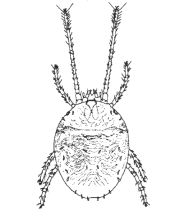
This is a common question that we get in early spring and late fall. Clover mites are found in warm, sunny places which is why you usually see them around your windows and crawling on your curtains. Clover mites are smaller than the tip of a pencil which allows them to fit into the smallest cracks and crevices around a structure. They are oval shaped with 8 legs. Their 2 front legs are longer than the rest and protrude forward which can be confused with antennae.
Clover mites can be alarming to homeowners because they gather in large numbers but there is no need for alarm. Clover mites do not bite or carry diseases, however they can cause skin irritation to some with sensitive skin. (These are not to be confused with chiggers which look similar but get into the skin and itch.) They do not damage furniture or pursue your food. Clover mite eggs lay dormant in the summer months and hatch in temperatures of 85 F or below. They are attracted to warm, sunny places which leads them to the windows in your home. Clover mites are often identified by the red stain they leave once they have been squashed. The red substance is the pigment in their color, not their blood. Grass and clovers are their main source of food.
There are simple ways to get rid of clover mites in your home. The best way is to vacuum them up. As with any vacuumed pest, make sure that you dispose of the bag immediately in an outdoor trash can. Disposing of the bag is always recommended but is especially an issue when it comes to clover mites because they are so small and can escape from the bag into your home. Another way to get rid of clover mites is to place sticky traps around your windows. As always, prevention is your best option. Clover mites feed on fertilized lawns, so if you are seeing an infestation cut back on the fertilizer. Remove grass that has direct contact to your structure. Instead, use soil, gravel, or mulch because clover mites have difficulty moving on bare, loose terrains. Make sure all window screens are tight fitting. Seal any cracks around the outside of the structure and use weather stripping on entrance areas.
If you are having a consistent problem with clover mites or other pests, it’s best to call Northwest Exterminating. We will ensure that your issue is identified and a customized plan is created for treatment of clover mites.
Are these small red bugs showing up in your home?
Apr 13, 2012 | Mosquito, Pest Control, Termite Control
The early spring has brought pests out in full force and we suspect that they will not be slowing down anytime soon. Not only are bugs annoying but they’re a health concern as well.
- West Nile Virus, Encephalitis, dog heartworm – mosquitoes
- Lyme disease – ticks
- Rabies – rodents
- Allergies & Asthma – cockroaches
- Food Contamination – cockroaches, mice/rats
- Salmonella – cockroaches, house flies
- Skin irritation and rashes – lice, fleas, bed bugs, mites
- Venomous bites & stings (that can be accompanied by severe or life threatening reactions) – black widow, brown recluse, scorpion, snakes
- Painful stings (that can be accompanied by severe or life threatening reactions) – fire ants, yellow jackets, hornets, wasps
Pests can carry diseases and cause areas to be unsanitary. These are issues of concern for both homes and businesses. Even the cleanest homes can have bug problems in an environment like this. Carpenter bees, mosquitoes, ants, yellow jackets, silverfish, and other pests have recently been invading properties. If you’re in the Atlanta, Columbus, Savannah, or Nashville area, call Northwest Exterminating. Our NorPest Green program was developed exclusively by Northwest Exterminating to get rid of pests using the lowest environmental impact possible. A Northwest representative will develop a customized plan to target those pests while maintaining the health of your home.
We are strategically placed throughout Georgia and Tennessee to service all areas of Georgia as well as parts of Tennessee, Alabama, and South Carolina. Visit us online or call 888.466.7849 to find the location nearest you.
Apr 11, 2012 | Company News, Fire Ant, Pest Control, Termite Control
There is a whole market for people who like to do it yourself. I am one of them. I enjoy the occasional weekend project around the house like painting, fixing a leaky faucet, or changing out fixtures. However, there are some do it yourself projects that are just not for me. I don’t touch wires, I don’t clean high chandeliers, and I don’t clean out gutters (thank goodness Northwest Exterminating does). Those are the tasks that I leave for the professionals.
In the recent years of the down economy, we have witnessed more people resorting to a do it yourself method of getting rid of bugs. There are certain situations where we agree that do it yourself is a good alternative to hiring an exterminator. If you spot a single bug such as a fly, yellow jacket, or ant, there is usually no need for a professional pest control company to come to your home. But if you spot a termite, a bed bug, or any other insect that can cause damage to your family or your home, it is necessary to call an exterminator.
There are certain things that need to be considered when deciding to DIY or hire a professional:
o DIY – A trip to the store and the purchase of chemicals is typically less expensive than hiring a pest control company.
o Professional – Although the initial investment is more expensive with a professional, it may end up being the cheaper alternative. If the in store pesticides are not effective they may result in the growth of your pest control problem. Continuing to buy in store products can get expensive. Not to mention the potential damage to your home that pests can cause.
o DIY – When doing it yourself, you can go to the store, purchase the pest control product, and apply it at your own convenience.
o Professional – It can be a pain to find a time that is convenient for both you and your exterminator to meet at your home for a treatment. More often than not, this is at the inconvenience of the customer. However, a good exterminator will work with the homeowner to schedule the best time for them.
o DIY – The instructions are on the label. Not only can information be found on the label but it is very easy to go to the internet and do a research on the particular product or insect. Be sure that all instructions are followed exactly as listed on the package.
o Professional – An experienced and knowledgeable exterminator will be able to quickly identify and treat your problem. They are also able to answer any questions that you have about prevention or other issues that you are experiencing. Their experience and expertise can keep your home and family healthier than just reading the instructions on a label.
o DIY – Chemicals of any kind can carry a risk. Applying chemicals that you are not knowledgeable about could potentially cause harm to humans, pets, or plants in the area. This is not to scare you but to remind you that we cannot stress enough the importance to read all instructions and follow all directions listed on the product label.
o Professionals – By hiring an experienced and knowledgeable pest control company, most risk is removed from the homeowner. Be sure to read all contracts and get reviews from past customers before hiring a pest control company.
o DIY – For small pest problems, store bought exterminating products can oftentimes be effective. For a bigger infestation, it can be more difficult with store bought products. Pests are adaptable creatures and can get become immune to certain chemicals after a certain amount of time.
o Professionals – A reliable pest control company will have up to date information and products to treat your infestation.
o DIY – Depending on the store and product, you can return a product. Check your local store return policies before purchasing.
o Professionals – Always ask about a company’s policies before hiring them to treat your home. Will they return to your home for no charge if your issue is not solved? Do they offer warranties on their work? A good exterminating company will.
When trying to decide if you should tackle your pest control problem, consider the list above. For a small infestation, do it yourself is a good option that can be inexpensive. For larger infestations or a continuing problem, save yourself the time, hassle, and money and call a professional exterminator. As always, the key to pest control is prevention. For pest prevention tips visit this blog.
If you have a pest or termite issue in the Atlanta, Columbus, Savannah, or Nashville area, call Northwest Exterminating.
What kind of do-it-yourself projects do you enjoy?
Have you ever tried to do-it-yourself and had to call in the professionals?
Apr 9, 2012 | Pest Control
You’ve heard the news about the large numbers of ticks that have decided to come out earlier in the season than usual. But if you are like me you thought “Well that sure stinks that it’s happening to other people but I’m sure it won’t happen to me”. WRONG!! Actually, the day Dr. Goo’s Corner: Ticks was posted I came home and found a tick on my beloved boxer! It’s a good thing I had read that blog post because I knew I had to get that tick off of my dog immediately.
It’s important that ticks are removed quickly and correctly. To be sure that you know how to properly remove a tick from yourself or your dog, we’ve provided instructions.
How to properly remove a tick:
- Don’t panic
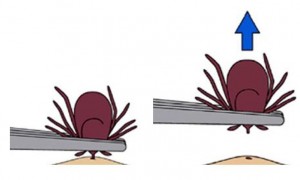
- Using tweezers, grab the tick as close to the skin’s surface as possible
- Slowly pull the tick upward with a steady, gentle, and even pressure. Do not twist or yank the tick; this can cause the mouth of the tick to remain in the skin. If this happens, try removing the mouth with the tweezers. If the mouth doesn’t come out do not keep trying, this can cause an irritation of the skin. Let the skin rest and try again later. If it still does not come out, see a doctor or veterinarian for advice on having it removed or waiting for it to come out on its own.
- Once the tick has been removed, thoroughly clean the area with soap and water or rubbing alcohol.
- If any strange symptoms, such as rash or fever, occur in the following weeks, notify a doctor or veterinarian.
- If you think that you may have a tick problem in or around your home call a professional exterminating company to inspect your property.
Picture courtesy of Centers for Disease Control and Prevention
Ticks in Atlanta and surrounding areas are on the rise this season because of our warm winter. Trust Northwest to protect your home, family, and pets from ticks.
Have you experienced ticks this season?
Apr 6, 2012 | DIY, DIY Pest Control, Pest Control
It is a common misconception that if you don’t have animals in your home that you can’t get fleas…FALSE. Fleas can be an issue in homes both with and without pets. They often attach themselves to rabbits, skunks, possums, and other rodents or wildlife that can be found living in wooded areas around a structure. Their 6”-8” vertical jump gives them the ability to attach themselves to humans and animals.
The thought of fleas creates a sense of uneasiness…and with good reason; fleas can carry several diseases like plague, tapeworm, and murine typhus that effects humans and pets alike. Flea prevention is much easier and less expensive than flea treatment.
Flea Prevention Tips:
- Clean your home regularly – Regular cleaning prevents fleas and many other pests from being attracted to your home. Make sure that spills and crumbs are cleaned up quickly, vacuum floors and upholstery*, and wipe down counters and furniture. Regular maintenance will make a huge difference against pests. (*Immediately empty, seal, remove, and dispose of the vacuum bag outdoors for your trash provider to retrieve.)
- Wash and treat pets – Bathe your pets on a regular basis. Wash any bedding the pet is allowed to sleep on. Treat your pets with flea prevention by taking them to your veterinarian, the groomer, or using over the counter medication. When cleaning, special attention should be paid to areas where pets often spend time.
- Shampooing carpet – Shampooing carpet can be more beneficial than vacuuming alone.
- Keep out wild animals – Wild animals such as rodents and opossums should be prevented from entering the structure and appropriately trapped.
- Wear light colors when outdoors – Wearing light colors enables you to spot fleas more easily.
- DEET – Apply DEET, an insect repellant, when outside.
- Make a fashion statement – Wear long pants and hiking boots when you are outside. It is also best to tuck pant legs into your socks. A look that your neighbors will surely follow!
Do it yourself flea treatments can be effective. However, we would like to warn you that flea exterminating is a difficult task and more often than not should be done by a professional exterminating company like Northwest Exterminating. When getting rid of fleas yourself, keep in mind that fleas can lay up to 50 eggs per day. Only 5% of the flea population is on your dog or other household pets, the rest have fallen off in and around your home.
DIY Flea Treatments:
Disclaimer: Northwest Exterminating does not encourage the use of the following treatments. We strongly recommend that all instructions are carefully followed on packaging of the following products and hold no liability for the following DIY treatments. Please contact a doctor, veterinarian and a professional pest control company before trying any of these treatments.
- Borax powder – Sprinkle borax powder on your carpet (always do a test patch before treating your whole carpet) and let sit for approximately 24 hours. Vacuum and immediately seal and dispose of vacuum bag. Repeat until fleas are gone.
- Water & Dish Soap – Put ½”-1” of water in shallow dish with a squirt of liquid dish soap. Put the dish directly under a lamp or some other form of light. The fleas are drawn to the light and heat which causes them to jump in the water. The soap makes it difficult for the fleas to move and they will eventually drown. Do this for several days until there are no new fleas found in your dish. Continue for a few days to make sure they are gone. Placing several soap and water dishes around the home where fleas are suspected gives you a better chance of getting rid of the fleas faster.
If you have tried DIY flea control methods without any luck, a pest control professional is your best option. A good exterminating company will be knowledgeable about flea prevention and treatment and should treat your home until fleas are gone.
If you’re looking for flea control in the Atlanta, Savannah, Nashville, or Columbus areas Northwest Exterminating is your best choice. Visit us at callnorthwest.com or call at 888.466.7849
Have you tried any of these DIY flea treatments?
Additional links:
https://www.callnorthwest.com/2011/08/facts-about-ticks-and-fleas/
https://www.callnorthwest.com/2011/06/dog-fleas/
Apr 4, 2012 | Pest Control
Watch out pests, it’s National Pest Control Awareness Month and the Georgia Department of Agriculture (GDA) Commissioner Gary W. Black is reminding Georgia residents to protect your homes and businesses from pests. Read the GDA’s recent press release for more tips and information on how to keep your home free from pests.
State Ag Commissioner reminds residents to protect homes, businesses
Spring has sprung in Georgia. This season is always a busy time for insects and pests in Georgia, but it is especially the case after such a mild winter. In honor of National Pest Control Awareness Month in April, Georgia Department of Agriculture (GDA) Commissioner Gary W. Black reminds residents about the risks posed by household pests.
“We are already seeing more insects and pests earlier this year due to the warm winter Georgia has had,” said Commissioner Black. “Every year, pests cause millions of dollars in damage for our residents and it is important for Georgians to prepare a plan of action to help prevent damage from occurring.”
In addition to fees paid for control and preventative services done by pest control professionals, Georgia residents spend untold dollars to repair damage caused by pests such as termites, rodents and carpenter ants who chew through walls, flooring and even electrical wiring. Residents also pay for expenses related to the treatment of medical conditions; mosquitoes can carry West Nile virus while house dust mites and cockroach allergens trigger asthma attacks, and stinging insects send more than half a million people to the emergency room every year.
“I encourage all Georgians to take proactive steps to prevent infestations in their homes and businesses,” said Commissioner Black. “All it takes is a few simple, preventative measures to help protect year-round.”
In April, consider these tips and suggestions:
– Trim back trees and shrubs so they are not physically touching any building structures;
– Walk the perimeter of a structure’s foundation and seal up any cracks or small openings;
– Install window and/or door screens and check once a year for holes or tears;
– Keep wood debris and piles of wood (including firewood) at a distance;
– Check plumbing and pipes to eliminate sources of moisture or standing water;
– Tightly secure all food and garbage to prevent pests from finding their way to the source (this includes pet food dishes and storage containers); and
– If there are any visible signs of pests or an infestation, contact a licensed pest professional immediately.
“April is a great time to have your home or business checked to determine if it’s necessary to re-establish any pest control measures, such as termite protection” said Commissioner Black. “And if control or treatment is necessary, that is one homeowner project best left to the professionals.”
Consumers are urged to only seek advice and use licensed professional pest control companies. If a company is not licensed by the GDA, it is illegal for them to practice pest control protection as a business. Residents can find a list of all licensed professional pest management companies at www.kellysolutions.com/GA/Structural/searchPCOCo.asp, or contact the GDA Structural Pest Section at 404-656-3641.
Note: Consumers can learn more about Pest Control Awareness Month, the GDA’s Structural Pest Section and hear from industry partners in a short video clip available on the Department’s website homepage starting April 1: www.agr.georgia.gov.
The Georgia Department of Agriculture is responsible for licensing the professional pest management companies who perform termite control. There are approximately 1,200 of these companies operating in Georgia. Learn more online at www.agr.georgia.gov.
Apr 2, 2012 | Mosquito, Pest Control
Spring is here and so are the pests. We’ve talked a lot about the unusually warm weather leading to higher numbers of pest sightings and our Ask the Mouse section on our website has been a great place for readers to ask questions about pests they are seeing. Mosquitoes, bed bugs, and carpenter bees are among some of the common household pests that are being seen this spring. Take a look below at some of our most common recent questions.
Why do mosquitoes bite some people more than others?
Mosquitoes are attracted to carbon dioxide and can sense it from up to 30 yards away. Researchers are still trying to find out exactly what it is that makes some people more attractive than others. Research has indicated that the amount of carbon dioxide in the breath, pregnancy, body temperature, alcohol and odorant markers based on blood type are the top attractants. Pregnant women are preferable because they exhale more carbon dioxide and tend to run a little warmer than the average person. It is also thought that alcohol increases body heat making a person more appealing. So be careful who you hang around at the next cook out.
My son’s coming home from college. What do I need to do to make sure he doesn’t bring home bed bugs?
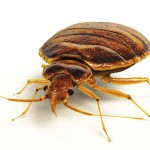
Bed bugs are evasive and hard to detect. When your son brings home his clothes, make sure to leave them outside, in a detached building or in the garage. Immediately place the dirty clothes in the washing machine and dry them on high for at least 10 minutes. It is best to keep the luggage out of the house if possible. If you don’t have that option you can place the luggage in black plastic bags and leave them outside in the sun on a hot day. You can also do this with furniture. Bed bugs won’t tolerate temperatures greater than 120 degrees. Since bed bugs are tiny and can get into the smallest cracks, it is best to have a professional to inspect furniture and other items before you bring them into your house.
I found sawdust on my back porch. Does that mean I have termites?
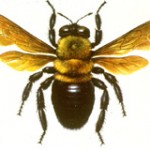
Termites eat the cellulose part of the wood and don’t leave behind sawdust. Chances are you have a different pest, one of the most common is the carpenter bees. Carpenter bees get their name because they excavate clean round entrance holes, close to ½ inch wide, into soft wood such as pine, cedar, cypress and fir. The prefer to attack structural timbers and other wood products such as fascia boards, porch ceilings, decks, railings, siding, shutters, firewood, and other weathered wood. They tend to avoid wood that is well painted or covered in bark. They do not eat the wood therefore they leave behind the sawdust. They bore into wood to make galleries for nesting. If left untreated, they can cause extensive damage.
What other questions do you have for Northwest Exterminating’s Ask The Mouse section?
Have you seen mosquitoes, bed bugs, carpenter bees, or other pests in or around your home?