Aug 30, 2013 | Uncategorized
Yellow jackets have barbed like pointers on their stinger that cause the stinger to get lodged into the skin. The stinger is usually left behind, along with the venom sac. It is important to remove a stinger as quickly as possible because venom can continue to be released even if it’s not attached to the bee. The venom can cause an allergic reaction or a possible infection.
Symptoms of infection include:
- redness
- itchiness
- swelling
- continued pain in area of sting 3-5 afterwards
- fever
- chills
Consult your Doctor immediately if any of these symptoms occur.
Symptoms of an allergic reaction include:
- swollen tongue and throat
- wheezing
- dizziness
- short of breath
- sudden drop in blood pressure
Consult your Doctor immediately at signs of an allergic reaction.
What to do if stung:
- immediately remove stinger
- wash the area with soap and water
- apply a cold compress
- apply a nonsteroidal anti-infammatory drug to reduce pain
- apply an antihistamine or hydrocortisone ointment to reduce swelling, redness, and itchiness
It’s very important to call a pest professional if you believe a yellow jacket nest is near your property. We DO NOT recommend you try to remove this on your own…this could result in being stung.
For yellow jacket removal, wasp removal, and hornet removal, call the professionals at Northwest Exterminating.
Other blogs: How to Treat a Yellow Jacket Sting
Source
Photo Source
Aug 28, 2013 | Uncategorized
PestWorld.org and The Asthma and Allergy Foundation of America have teamed up for a public service announcement to warn homeowner’s of the dangers of allergens in the home caused by pests and rodents. Common household pests such as cockroaches and mice are responsible for inciting allergies and aggravating asthma. In fact, 63% of homes contain cockroach allergens. That number increases to 78%-98% in urban areas. 82% of homes have asthma triggers spread by mice.
Watch NPMA’s public service announcement below:
Keep your family (children are especially at risk) and home safe by keeping your home pest free, call Northwest Exterminating. For more information visit pestworld.org or The Asthma and Allergy Foundation of America.
The NPMA will donate $1 to The AAFA for each new Facebook LIKE (HERE) until Sept, 15th. Go LIKE them…and LIKE Northwest Exterminating (HERE) while you’re there!
SOURCE
Aug 28, 2013 | Uncategorized
PestWorld.org and The Asthma and Allergy Foundation of America have teamed up for a public service announcement to warn homeowner’s of the dangers of allergens in the home caused by pests and rodents. Common household pests such as cockroaches and mice are responsible for inciting allergies and aggravating asthma. In fact, 63% of homes contain cockroach allergens. That number increases to 78%-98% in urban areas. 82% of homes have asthma triggers spread by mice.
Watch NPMA’s public service announcement below:
Keep your family (children are especially at risk) and home safe by keeping your home pest free, call Northwest Exterminating. For more information visit pestworld.org or The Asthma and Allergy Foundation of America.
The NPMA will donate $1 to The AAFA for each new Facebook LIKE (HERE) until Sept, 15th. Go LIKE them…and LIKE Northwest Exterminating (HERE) while you’re there!
SOURCE
Aug 26, 2013 | Uncategorized
According to new information gathered by the CDC the number of lyme disease cases is 10 times higher than the 30,000 cases each year that has previously been reported. Because not every case is reported, recent efforts have uncovered that the number of lyme disease cases is about 300,000 each year. The CDC is conducting 3 complimentary studies to improve their count of lyme disease cases.

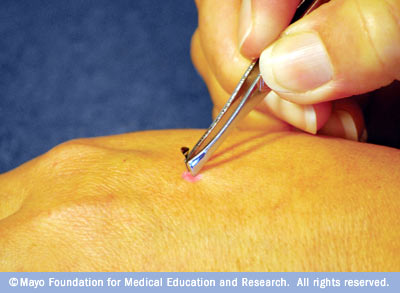
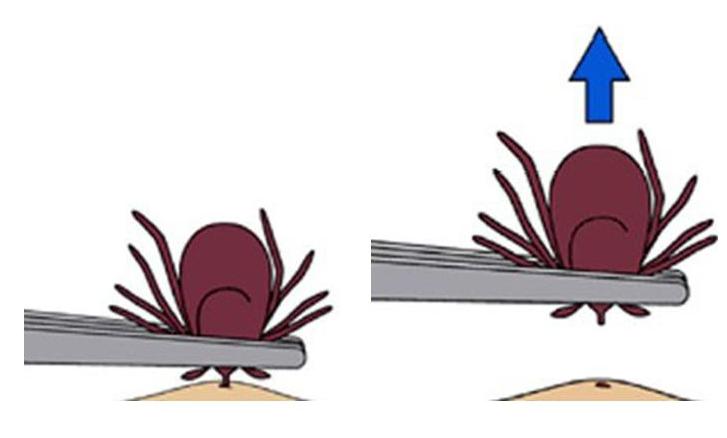
How to Properly Remove a Tick
Source
To prevent tick bites:
- Avoid thick areas of vegetation.
- Wear long sleeves, long pants, and shoes that cover your feet when going outside.
- Use insect repellant such as DEET.
- Bathe as soon as possible when returning from being outside. This allows you to find ticks easier.
- Check yourself for ticks from head to toe, especially in your hair. Make sure to check your children when they return from being outside.
- Check any jackets, hats, bags, etc. that may have come into contact with ticks.
- Dry clothes on high heat to kill any ticks on clothing and/or accessories.
- Talk to your veterinarian on the best solutions to keep ticks away from your pets.
- Check your pets when they come in from being outside.
- Immediately remove ticks if found on a human or a pet. Find out How to Remove a Tick.
- Keep grass cut and vegetation trimmed to reduce areas for ticks to call home.
For more information on Lyme disease visit the CDC.
For more information on how to control ticks visit Northwest Exterminating.
Aug 19, 2013 | Uncategorized
School’s in session!
School is back in so inevitably it’s time to have “the talk”. Ya know, the one we dread every year…the talk about LICE! September is Lice Prevention Month but these days, with school starting in August, it’s best to have the conversation early!
Lice, tiny little wingless insects that make their home in human hair, spreads rapidly! On the bright side, although creepy, they do not spread disease and are by most accounts not a danger to our health. However, they are annoying and highly contagious. They can cause itchiness, redness, and even slight inflammation.
What to Look For:
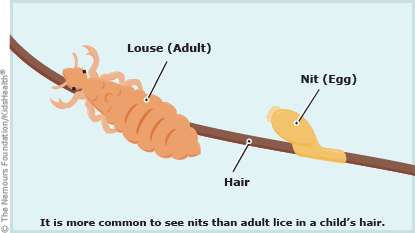
- Nits. Luckily, lice can be seen by thoroughly examining your child’s scalp. Lice lay eggs (nits) that look like tiny dots that are yellow, tan, or brown in color. They are laid on the scalp and can’t be removed by brushing or shaking the hair. Nits take 1-2 weeks to hatch.
- Adult lice. Adult lice are a grayish color and about the size of a poppy seed. It is more common to see nits than adult lice.
- Scratching. Scratching may not always occur right away. A reaction is caused by the saliva of the lice after they bite which then can cause itching and scratching.
- Rash or Redness. A rash or redness can occur from irritation. If excessive scratching occurs it can lead to a bacterial infection.
What to Do If You See Lice:
- Alert your child’s school. By letting your child’s school know they can inform other parents to check their children which will aid in stopping the spread of lice as quickly as possible.
- Treat. Use an over the counter shampoo, cream rinse, or lotion that is developed to kill lice. Make sure to follow the directions.
- Call your Doctor. If OTC treatments aren’t working, contact your child’s doctor so they can recommend other options, even prescription medications.
Note: If your child is 2 years old or younger, contact your child’s Doctor before using any medicated lice treatments.
- Remove by hand. Another option is to remove the lice and nits by hand. Using a fine-tooth comb, comb through your child’s wet, conditioned hair. You should do this every day for 2 weeks after the last live lice is seen.
- Wash and dry clothing. Make sure to wash and dry clothing, sheets, hats, and even backpacks that your child may have used while infected. Use the hot cycle for washing and drying.
- Replace combs/brushes. Throw away any combs and brushes that may have been used while your child was infected with lice. It is also recommended that you soak any hair accessories such as barrettes, hair ties, etc in rubbing alcohol or medicated shampoo.
- Treat household. Since lice is easily transferred to others make sure to inspect all family members.
Prevention:
- Avoid sharing head items. Examples: brushes, combs, hair accessories, helmets, hats, etc.
- Check regularly. Check head’s on a regular basis for nits and lice and treat at the first sign.
Additional Northwest Exterminating posts about lice:
School Has Started…So Has Lice
September is Head Lice Prevention Month
Aug 16, 2013 | Uncategorized
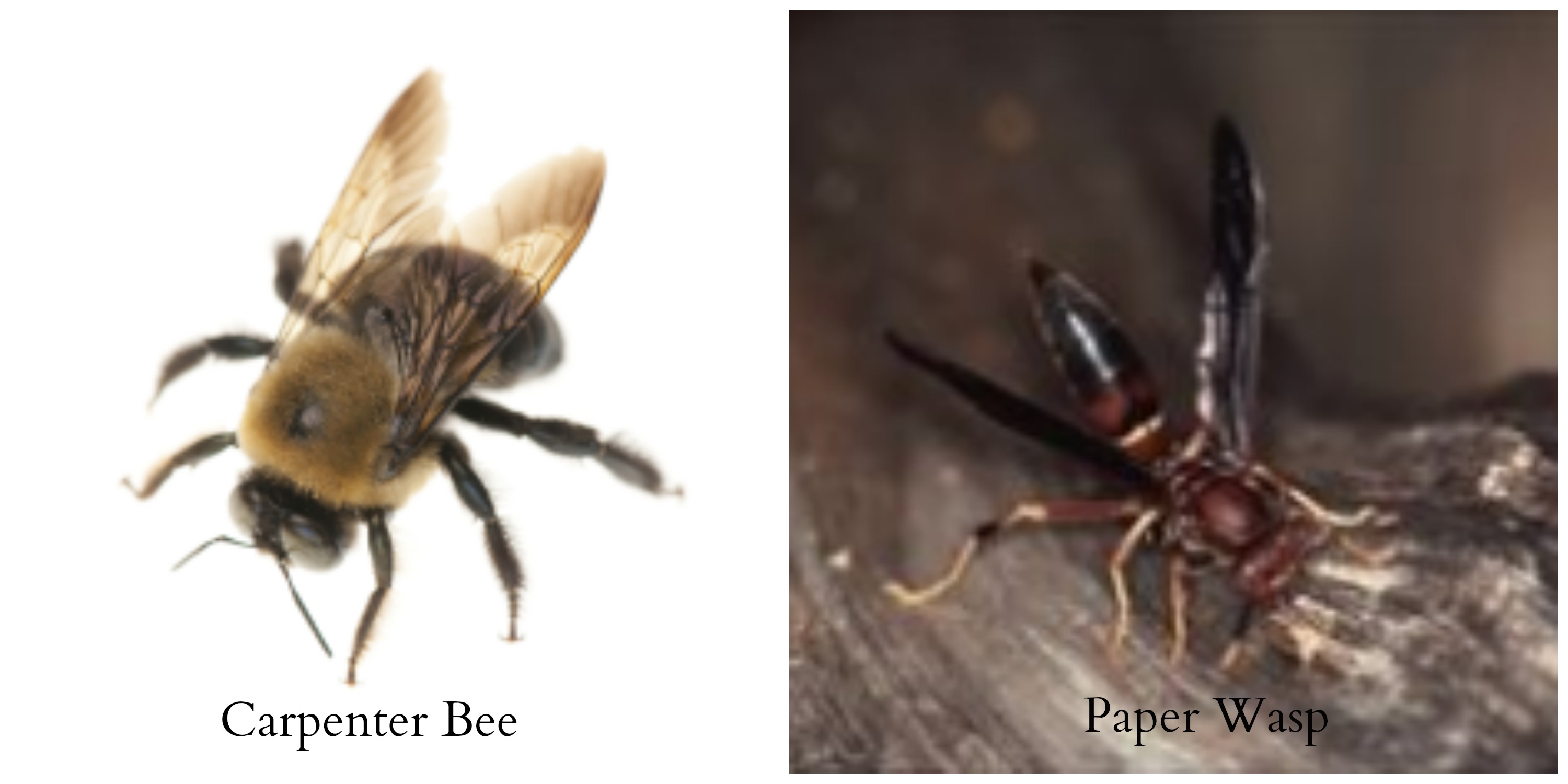
Bees and wasps are often confused for one another. Although they both belong to the hymenoptera order and share similar features, they are different. Below is a list of basic shared features, as well as a list of features that set them apart from one another.
Pictures courtesy of NPMA
Bees AND Wasps
- two sets of wings
- only females can sting
- overwintering pests
- narrow waist
- larvae
- can sting and inject venom
- barb like pointers on stinger used to penetrate victim
Bees
- some bees (honeybees) will die if stinger is pulled from bee, others will continue to live
- round body
- fuzzy appearance
- feed on pollen and nectar
Wasps
- do not leave their stingers behind
- small barbs
- slender and smooth body
- no fuzz
- preys on other insects and spiders
For bee and wasp removal, call our team at Northwest Exterminating!
Aug 14, 2013 | Uncategorized
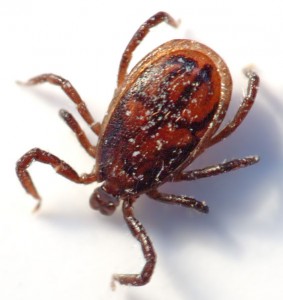
It’s important to protect yourself and your pets from ticks this season! Keep reading for more information on the little suckers!
BRIEF DESCRIPTION
- Size varies depending on the species and type.
- More closely related to spiders than insects.
- Can have either a soft or a hard body.
- Usually brought into homes by animals.
- Feed on animals and humans for their blood meal.
HABITS
- Live in low lying areas such as grass, shrubs, and bushes while waiting for a passing host to attach themselves on to.
- Female ticks have about 3,000 eggs in the spring time.
- Ticks feed on humans, mice, squirrels, raccoons, skunks, dogs, and birds.
SPECIES
- American dog tick
- Blacklegged/deer/bear tick
- Brown dog tick
- Lone Star Tick
- Rocky Mountain Wood Tick
THREATS
- Ticks attach themselves to animals or humans to obtain their blood meal by biting the victim.
- Can cause irritation around the site of the bite, allergic reaction, or cause the mouth parts to get stuck in the skin when the tick is removed.
- Known to transfer Lyme disease, anaplasmosis, and babesiosis.
PREVENTION
- When in wooded areas or tall grass, wear long pants, long sleeves, and closed toed shoes.
- Use a bug repellant that contains DEET.
- Keep grass and other vegetation on your property properly cut and maintained.
- Inspect yourself for ticks after being outdoors.
- Inspect your pets for ticks after being outdoors.
- If you find a tick, use tweezers to remove the tick with a slow, gentle, upward pressure.
OTHER PESTS TO LOOK OUT FOR
Call Northwest Exterminating for information on how to protect your home and loved ones from ticks.
Aug 9, 2013 | Uncategorized
Besides being interesting to look at, there are many little known but fascinating facts about insects that make these pests something to marvel at. Perhaps one reason why it takes a skilled pest control company to totally eliminate insect pests is because of their general resilience. As we blogged about before, the notion that roaches can withstand nuclear warfare is true (to a degree). It should be of no surprise then that the larvae of one type of midge can survive for up to three days in liquid nitrogen. Since the temperature of liquid nitrogen is negative 321 degrees, that’s a pretty amazing feat. Now we know who survived the Ice Age!
Midge
Some humans have trouble finding a date and even resort to the Internet to search for love all over the world. Well, we’re not the only ones who can find a mate from a distance. Indian moon moths are able to smell the pheromones of a potential mate over 6 miles away! How’s that for a long distance relationship?
Indian Moon Moth
Another intriguing but devastating fact pertains to mosquitoes. For the most part, we are bothered by mosquitoes due to the pesky insect bites they leave. Red and itchy marks aren’t the only thing that mosquitoes can leave behind though. Often, mosquitoes transmit diseases to our blood, so devastating in fact that mosquitoes have killed more humans worldwide than all of the wars in history. If you want help fighting that enemy, Northwest Exterminating has a Mosquito Reduction program designed to keep mosquitoes away from the home front.
Mosquito
You can go to this link http://science.discovery.com/creatures/10-weird-bug-facts.htm
for more interesting bug facts.
Aug 5, 2013 | Uncategorized
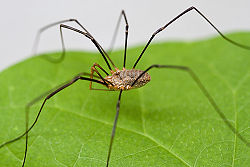
Daddy Long legs or Daddy Long legs Spider?
Daddy Long legs, or harvestmen, are not actually spiders. Daddy long legs are not poisonous, have long legs and a large bulbous-looking body. They feed on insects, which makes them helpful around the garden. They are especially active at the time of harvest, toward the end of summer and beginning of fall. To keep daddy long legs away, vacuum carpet, upholstery, and curtains frequently to remove spider webs, adult spiders, and egg sacs. Be sure to dispose of the vacuum bag. Tightly seal the trash bag to make sure eggs can’t hatch and crawl out of the bag.
Tip for preventing daddy long legs: Pour 1 cup white vinegar and 1/3 cup vanilla extract into a spray bottle and shake. Spray areas where the daddy long legs have been spotted indoors and out. The smell will repel the insects.
Daddy Long legs Spiders, or cellar spiders, although venomous, are not known to be harmful to humans. Their fangs are short and they do not have enough muscle to be able to penetrate human skin. Daddy long legs spiders are very fragile and delicate. They are usually brown or gray in color, cylindrical in shape and their legs are very long and thin. Daddy long legs spiders survive on others species of spiders, or on occasion they will invade other spiders’ webs and consume the host, their egg, and any prey caught in the web. They hang upside down on their webs, which they create in dark, damp places like home cellars, caves or abandoned animal burrows.
Tip for preventing daddy long leg spiders: To keep daddy long legs spiders away you will need caulk, a vacuum cleaner, a duster, boric acid/Borax, and spider traps. Caulk cracks in your walls, foundation, and loose window frames. With a vacuum cleaner attachment, suck up spiders and their webs at wall corners, undersides of furniture, floors beneath appliances, crevices along the baseboards and around windows and curtains. Insects attract daddy long legs spiders so dust frequently and repair leaking pipes and faucets both inside and out. Sprinkle boric acid under doorways, around window sills, along baseboards, and under appliances. Boric acid is a common ingredient in household cleaning products and is not harmful to humans and pets. Place spider traps in areas where spiders are usually seen.
Barry Teubert
Northwest Exterminating
Savannah Service Center
[email protected]