Apr 13, 2023 | Florida Pest Control
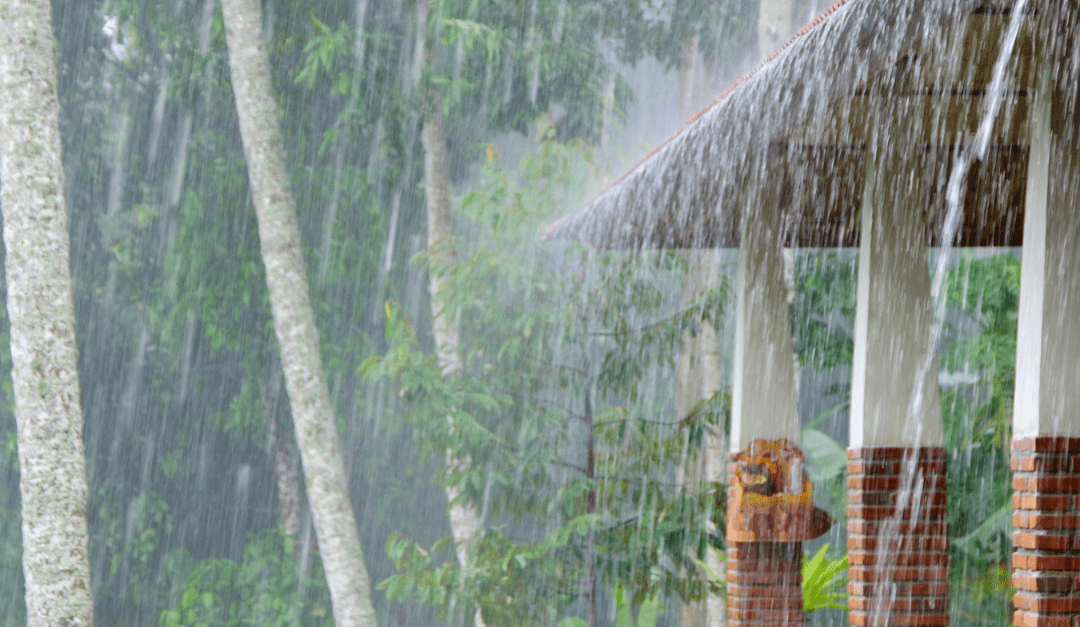
Miami, Florida is known for its beautiful beaches, lively city, and hurricanes! Unfortunately, hurricanes can bring in an influx of certain pest problems that can cause significant damage and be a nuisance. Check out the common hurricane pest problems that you could see after a storm and how to prevent them.
Common Pests After a Hurricane
Check out the most common hurricane pests you could see after a storm which include:
- Mosquitoes: Standing water left behind by the storm will become a breeding ground for mosquitoes. Items that hold water are a huge attractant to these pests, including toys, overturned trash lids, bird baths, flowerpot sauces, and more.
- Cockroaches: Flooded areas are an ideal living environment for cockroaches to inhabit as they prefer damp climates and areas. Likewise, once they invade, it can be difficult to control them as they reproduce at a rapid pace.
- Termites: Flooding and moisture can weaken the structure of homes, making them more susceptible to termite infestations. Termites will cause significant wood damage and destroy the structural integrity of your home by eating it from the inside out.
- Rodents: These wildlife creatures will seek out damaged or flooded areas. Rodents, such as rats, carry many diseases and can cause damage to your home, including chewed electrical wires and destroyed insulation.
Preventing Pests Before a Hurricane
Taking precautions before a hurricane or storm arrives is the best way to prevent hurricane pests from invading your home. Check out our top pest prevention tips:
- Keep your gutters clear of debris and standing water
- Place wood debris and tree stumps away from your house.
- Keep your home clutter-free by removing any old newspapers, magazines, and cardboard boxes.
- Eliminate standing water around your home by checking for any leaky faucets, pipes, sinks, and appliances.
- Remove any items from your yard that can collect water, such as toys, buckets, old tires, tarps, etc.
- Seal up any cracks and holes outside of your home, including the areas where utility and pipes enter.
- Ensure your vents are screened and any gaps around your windows and doors are sealed.
- Store firewood at least 20 feet away from your home and elevated it at least 5 inches off the ground.
- Keep your home clutter-free by removing any old newspapers, magazines, and cardboard boxes.
If you’ve seen an increase in pest activity after a storm, it could be time to reach out to your local pest control company for a thorough inspection and treatment plan.

Feb 8, 2023 | Florida Pest Control
South Florida Pest Control: Cockroaches
Spotting a roach inside your home is always alarming! These creatures are known to be resilient and adaptable, surviving in the harshest temperatures and conditions. While we don’t often see temperatures drop too much, we still experience colder weather in Golden Gate, Florida. Your home can provide a warm environment for roaches, food sources, and moisture for survival. We break down three easy preventative measures you can place to avoid a roach infestation below.
Avoid Leaving Dirty Dishes
The kitchen is a paradise for roaches! These pests will often utilize your dish rack, sink, trash can, and countertops to find a food source. Often, what attracts them to this area are the items left overnight. Leaving dirty dishes and food scraps will attract these pests to various kitchen areas. When dirty dishes are left out, it’s an invitation for roaches to go into the sink, roam on the countertops, and eat food not properly stored. This can all lead to contamination and pose a health threat to your family. Wash your dishes and put them away after each meal. Likewise, check underneath your dining table and cooking area for leftover food crumbs and spills, and clean them up as soon as possible.
Properly Store Food
Cockroaches will go to great lengths to find food, often raiding your pantries and cabinets if they have a chance. Once they’ve gained access and food is available, they’ll eat and contaminate it. It’s important to properly seal all the food in your home to prevent them from accessing it. Look to store grains, cereals, and sweets in plastic or glass containers with a tightly sealed lid. If you have bags of chips and other snacks, secure them with a chip clip or utilize plastic bags for the leftovers.
Seal Window, Doors, & Entry Points
Roaches can fit into the smallest hole or opening to get inside a home. A great way to spot any opening from inside is by seeing daylight around a door or window. Don’t forget to inspect the outside of your home for any entry points roaches could enter through, such as the foundation, roof, attic, and crawlspace. If you spot these openings, seal them with caulk, steel wool, or foam, depending on the size of the gap or hole.
If you’ve placed DIY roach preventative measures and you’re still dealing with these pests, it could be time to call in some extra help. Consider contacting your local South Florida pest control company to provide you with a thorough inspection of your home. These professionals will be able to recommend prevention and treatment options customized to your home.
Jul 22, 2022 | Florida Pest Control
South Florida Ant Control: Common Ants and Ant Prevention Tips
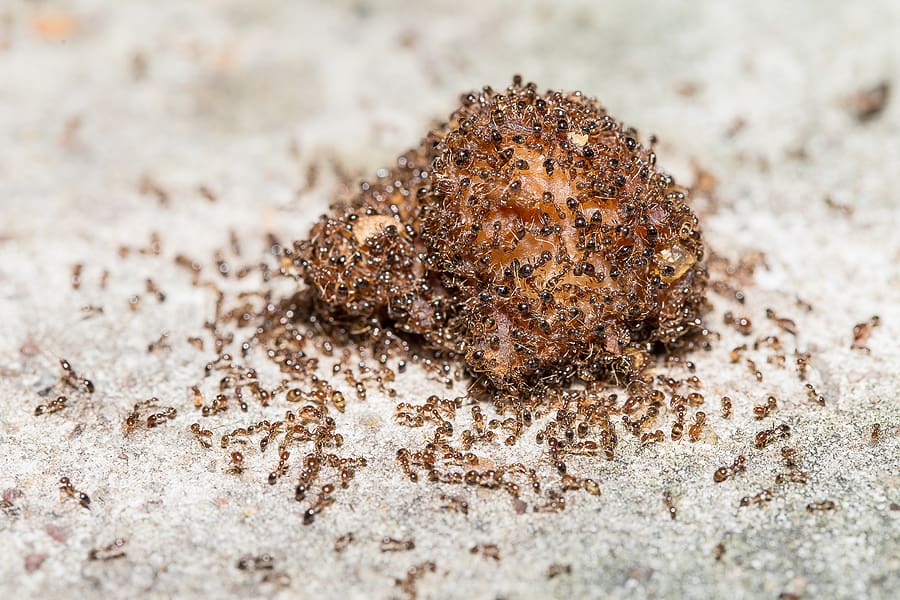
Ants are a major nuisance, infesting our kitchens, pantries, bathrooms, and more! Once an ant infestation occurs, it can be difficult to eliminate them. There are many different species that live in the South Florida area, all of which are attracted to different factors. Check out our list of popular South Florida Ants and how you can prevent them below.
Ghost Ants
Also known as sugar ants, ghost ants are known to invade your home, building their nests either inside the home or outside of your property. These pests are lighter in color and translucent, measuring around 1/16” as an adult. Ghost ants prefer sweet foods that are high in protein, often eating fruits such as honeydew.
You can often find multiple ghost ant colonies close together. These pests tend to build their colonies around flowerpots, under piles of wood, or any undisturbed place that is warm and damp. If they’ve infested your home, they tend to hide behind cabinets and baseboards.
Fire Ants
Fire ants are one of the most aggressive ant species in South Florida. These ants will bite, which can be very painful and leave a raised welt on the skin. Fire ants can reach up to 1.4 inch in length and are reddish-brown in color. While they prefer high-protein foods, they will feed on plants and animal matter.
These ants will bring multiple colonies to your property, creating mounds outside in sunny warm areas such as patios, sidewalks, driveways, and other open areas on your property. Fire ants are also attractive to shiny or reflective objects, often invading vehicles and swimming pools.
Crazy Ants
Harmless to humans, crazy ants are considered the more erratic ant species, getting their name from their erratic patterns of movement. These ants are dark brown to black but can range from reddish-brown to grayish colorations. Many can recognize them from their long antennae and legs. These ants prefer to eat sweeter food courses, such as honeydew in the spring and fall months. In the summer, they tend to feed on seeds and insects for protein.
These ants are highly adaptable, living in both wet and dry habitats. Their nests are typically in the soil, under leaf piles, in shrubs, and in the cavities of trees. They will enter homes, usually right after a rainstorm. Once inside, they can be found in walls, floor voids, and near hot water pipes and heaters.
Avoiding ants can seem impossible, especially during the summertime. Consider these ant prevention tips to help deter ants away from your property:
- Seal cracks and crevices around windows, doors, foundation, or exterior walls
- Keep your plants and shrubbery trimmed back and away from your home
- Store firewood and other yard debris at least 20 feet away from your home’s exterior
- Consider utilizing a routine pest control service to help identify entry points, treat ants, and prevent future infestations.
Jul 11, 2022 | Florida Pest Control, Wildlife
South Florida Pest Control Tips
Purchasing and owning a home is a serious investment for every homeowner. Ensuring that it’s aesthetically pleasing, in good repair, and healthy is at the top of our minds. The last thing we want to deal with is a pest infestation, though it’s likely to happen from time to time. While spotting one or two pests is not usually a big deal, if the problem becomes bigger than we can handle, it could be time to call an exterminator. Check out our top 5 signs that it’s time to contact your local South Florida pest control company.
Rodent Droppings
Finding rodent droppings is one of the first indications that a rat is inside your home. Rat droppings are found in dark, undisturbed places in the home, including basements, attics, or crawlspaces. If these creatures find their way inside, they can cause serious destruction, such as chewed electrical wires that can lead to house fires. They’re also known to carry diseases, putting your family’s health at risk.
Nests
Nests are usually found in basements, attics, or even old cabinets. Pests such as mice, birds, or rats will nest in your home to find a safe place to search for a food source, keep warm, and breed. Finding a nest usually means that the pest population inhabiting your home is getting larger.
Noises & Smells
Have you ever woken up in the middle of the night to scratches, tapping, or squeaking coming from the walls or attic? No, you are not in a horror movie, it’s an indication of a rat, rodent, bird, or termite infestation. These sounds can follow with strange, alarming smells such as the pest’s droppings or urine.
Property Damage
If you start to notice your home or the items in your home are damaged, it’s a sign that pests have snuck in. Spotting chewing or gnawing marks on our furniture, clothes, or walls indicates that rodents such as rats or mice are inside. Ants and termites are likely to destroy wood throughout the home, affecting your home’s structural integrity. Other pests, such as bed bugs, will often eat our bedsheets and mattresses.
Recurring Pest Problems
Many pests can be easily removed or controlled through some do-it-yourself pest control. But, sometimes, as much as we try to remove these pests ourselves, it might be time to call in the professionals for routine pest control service. Pest Control includes a thorough inspection of your home, pest identification, locating pest entry points, and ongoing treatment and pest prevention. Request a free pest control estimate now to get started.
Jun 30, 2022 | Florida Pest Control, Pest Control
South Florida Pest Control: Fig Whiteflies
While fig whiteflies are relatively new to the South Florida area, they have noticeably begun to create severe damage to the plants around us. While these whiteflies are not harmful to humans, they can destroy our favorite tropical plants in our yard. Learn more about the whitefly and how you can prevent them from destroying your plants!
What is a Fig Whitefly?
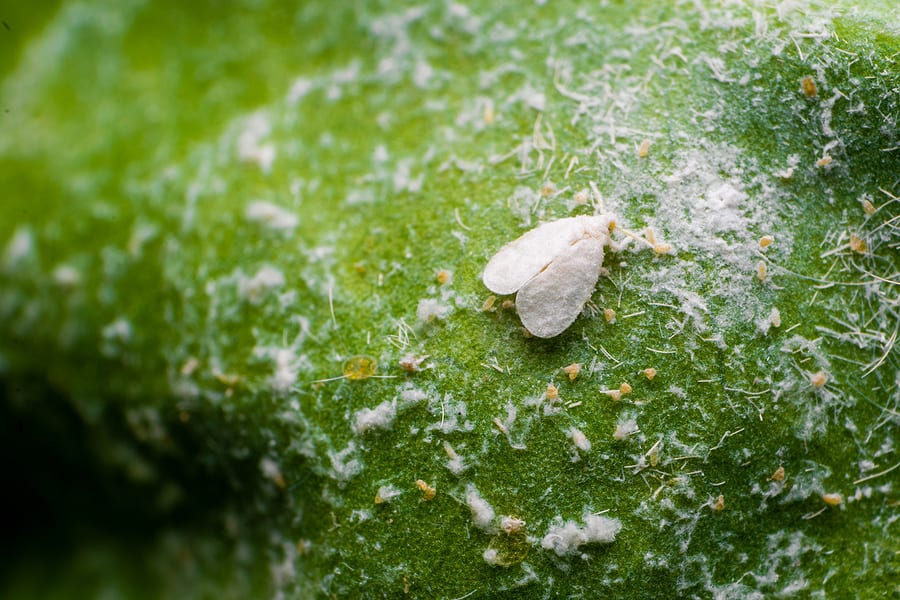
The Ficus whitefly their biology is still being studied by experts. What is certain about these pests is that they have an attraction to certain plants and their leaves. These pests will lay their eggs on the underside of leaves, hatching into a crawler stage. Once hatched, these crawlers will begin to feed on the leaves. As they feed, they emerge into adults and remain on the leaf. When these pests eat the leaves, they injure the host plant by drinking their juices, causing wilting, yellowing, and stunting. Whiteflies can affect a variety of plants such as Palm trees, mango trees, live oaks, Ficus trees, and more.
What Are the Signs of Fig Whiteflies?
Noticeable signs that whiteflies have infested are a buildup of white, waxy substance on the underside of leaves. This substance can weaken the plants and eventually turn into black mold. Another common sign of an infestation is noticing that the plant leaves are gone or have become yellow. You can also look underneath the infested leaves for small, silver, or white spots dotted throughout.
While these pests can affect plants, they can also clog pools and leave their excrement on cars and outdoor patio furniture.
How Can I Prevent Fig Whiteflies?
The best plan of action to prevent these pests is to closely monitor your plants for early signs of an infestation to get ahead of the damage. If you notice infested plants, trees, or hedges, look to trim them immediately. After trimming, bag the leaves to reduce the chance of spreading the whitefly.
If you feel whiteflies have taken over your property, consider reaching out to your local South Florida pest control provider, who can provide you with the best treatment plan to help prevent and eliminate these pests.