Oct 6, 2017 | DIY, DIY Pest Control, Pest Control
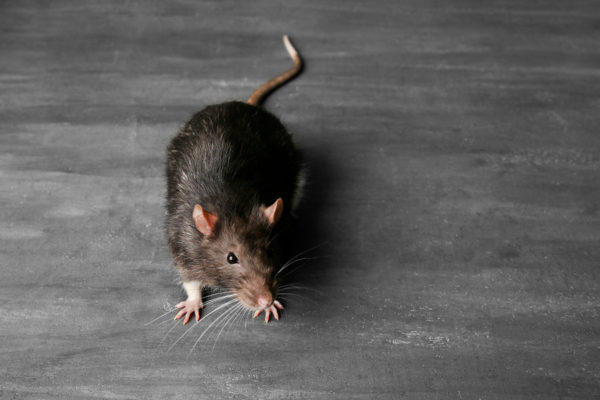
1. Mice and Rats
Mice and rats will seek shelter and warmth during the cold winter months. They can fit through very small openings so eliminating entry points is an effective way at preventing them from coming into your home. Eliminating food and water sources is also effective. Replace damaged roof tiles and fill any cracks in the roofing cement. Keep your attics and garages tidy and clutter free. Store your items in plastic containers versus cardboard. Install chimney caps to keep them from nesting inside your chimney. Cover your air vents with wire mesh. Store food in airtight containers and don’t leave any dirty dishes in the sink. Empty your trash regularly and make sure trash can lids are secure. Don’t leave trash bags out in the open. Clean countertops, stoves, and behind the fridge regularly and sweep and vacuum often. Seal holes around pipes using caulk or expanding foam. Keep branches and shrubbery trimmed away from the house and store firewood at least 20 feet from the home. Don’t leave pet food out overnight and seal unused pet food in airtight containers. Replace weatherstripping on windows and doors.
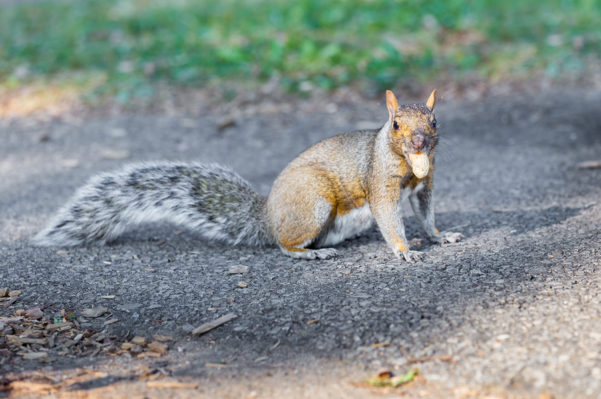
2. Squirrels
Squirrels like to frequent attics and chimneys to make their nests. Cover chimneys with chimney caps. Keep shrubbery trimmed away from the house and cut down overhanging limbs. Replace rotting wood and seal any entry points including where pipes and utilities come into the home and overhanging eaves.
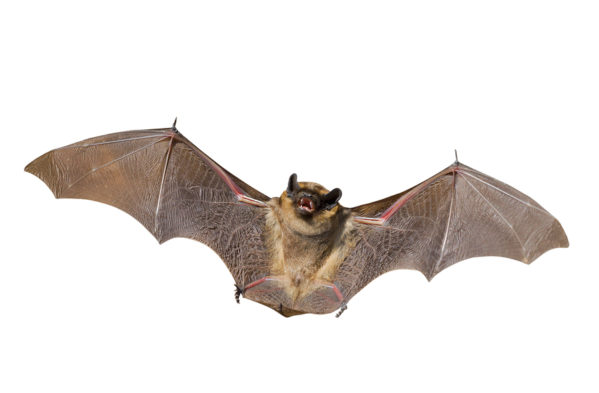
3. Birds and Bats
Birds and bats can and will come into your home through any opening in the exterior of the house. Chimneys should be sealed with chimney caps. Inspect the outside of your home for any openings and seal them with steel wool or foam rubber. Keep doors and windows shut as much as possible. Use screens if you must have your windows open and inspect the screens regularly for damage.
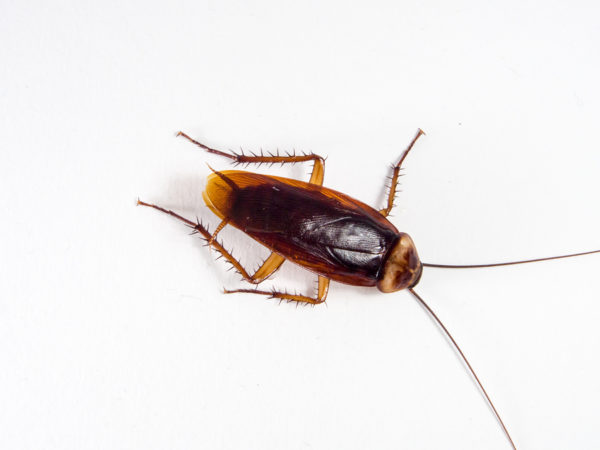
4. Cockroaches
Cockroaches are attracted to moisture and excess water. They will also enter your home in search of food. Check your pipes regularly for leaks and repair quickly. Remove obstructions in pipes to prevent bursting and leaks. Seal around pipe entry points into the home. Clean your gutters. Store items in plastic containers rather than cardboard and keep them off the floor. Store food (including pet food) in airtight containers. Don’t leave dirty dishes in the sink. Wipe down countertops and sweep and vacuum regularly. Clean under sinks, in stoves, and behind appliances regularly. Empty the trash regularly.
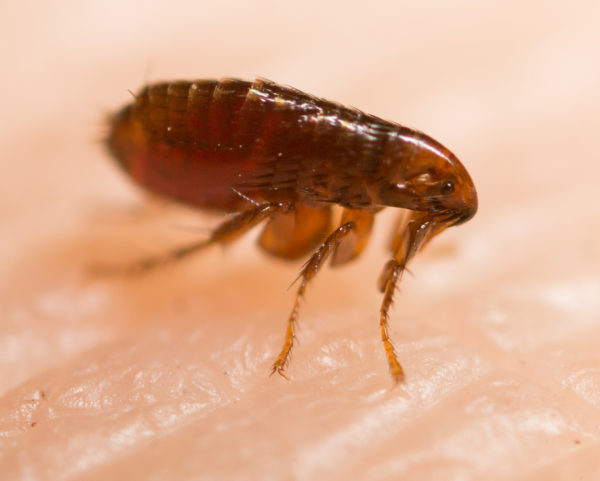
5. Fleas
Fleas will hitch a ride into your home on your pets. The first step in preventing fleas is to treat your animals with a flea preventative, whether through medicine or shampoos or both. Check your rugs, carpets, furniture, and pet bedding for signs of fleas. Wash your pet’s bedding and other items in hot water frequently. Vacuum regularly and be sure to empty the vacuum each time you use it. Keep your grass mowed and your shrubs trimmed as this gives fleas less room to hide. Fleas can come into your yard on wild animals so don’t leave pet food out overnight to tempt them to enter your yard. Seal entry points into the house or under porches to prevent them from hiding there, as well.
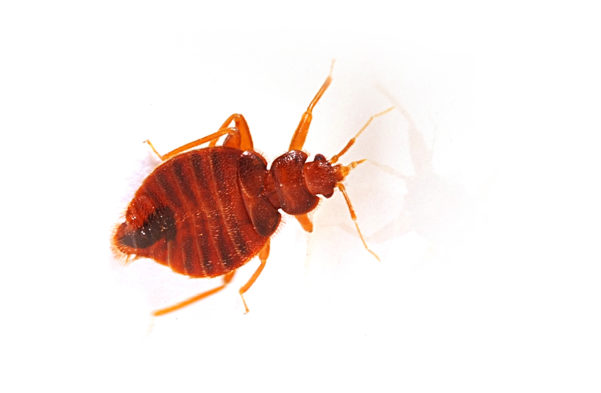
6. Bed Bugs
Bed bugs can come into your home in luggage (be vigilant about preventing bed bugs when traveling!) on furniture, bedding, boxes, and even clothing. Check luggage, furniture, bedding, etc. carefully before bringing it into your home. Use a mattress cover that encases the mattress and the box springs. Vacuum frequently. Wash and dry bedding on high heat regularly. Do the same with clothing after traveling.
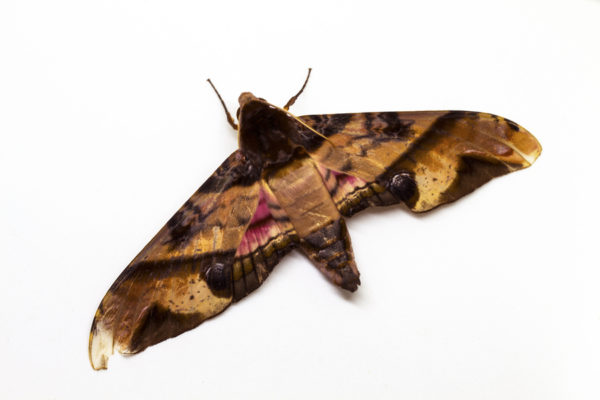
7. Moths
Moths are attracted to wool, fur, and upholstered furniture. Be sure to check your clothes regularly for signs of damage. Wash clothes and store them in sealed bags. Use moth balls. Vacuum and clean the insides of storage areas including wardrobes, closets, and drawers regularly.
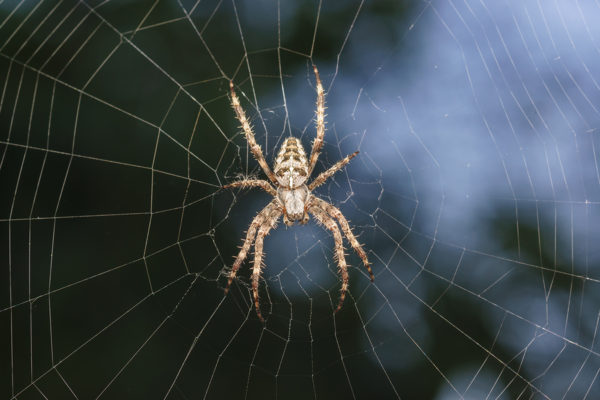
8. Spiders
Spiders like to hide in areas of the home that are seldom used. Store seldom used items in sealed plastic containers. Seal cracks and holes in the exterior of your home to keep them from coming inside. Keep your outdoor lights off and use blinds or curtains to block the inside light. Spiders aren’t attracted to the lights but other insects are which the spiders feed on. This eliminates a food source for spiders. Keep shrubbery trimmed away from your home. Keep the grass mowed and remove debris from around your home. Sweep and vacuum regularly. Clear out as much clutter as possible. Vacuum spiders and spider webs.
Sep 29, 2017 | Pest Control, Wildlife
What’s the difference between a mouse and a rat? Identifying the type of rodent you have is the first and most important step in controlling your rodent problem. What works to control mice won’t necessarily work to control rats. Here are the differences between mice and rats along with some tips to prevent and get rid of them.
MICE:
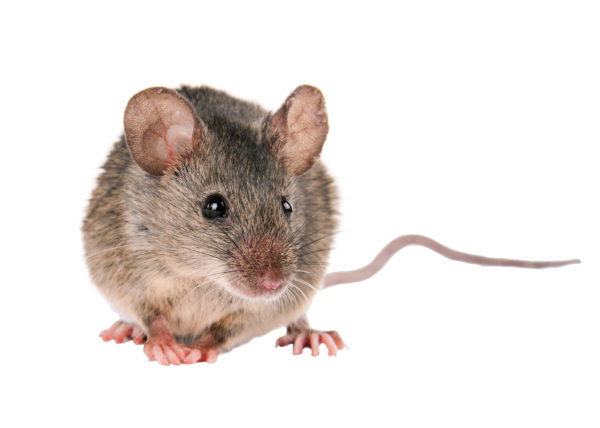
The most common mouse found in the United States is the house mouse.
What Do They Look Like?
- Small size, usually 1-4 inches long.
- Adults weight about 0.5 ounces.
- Small head, small feet, pointed snout.
- Large ears with some hair.
- Light brown body with some gray shading and dark tail.
- Larger ears and longer tail compared to their body size than rats.
- Musky odor
- Color blind
- Droppings shaped like rods
Where Do They Live?
- They usually live on the ground or in nests in burrows.
- Will build nests near food source.
- Will use nearly any soft material or finely shredded paper to build their nest.
- Can be found indoors or outdoors, in cities or rural areas.
What Do They Eat?
- They prefer to eat cereals but will feed on almost anything.
- They tend to seek food in the same place everyday.
- They don’t need to drink water but will if it is available.
How Do They Move?
- They can climb, jump, and swim.
- They can jump up to 13 inches.
- They can run along wires, cables, and ropes.
- They are nocturnal and most active from dusk until dawn.
- They are curious and will come out to investigate.
- Mice can enter buildings through openings as small as 1/4″ in diameter.
RATS:
The two most common rats found in the United States are the brown rat (Norway rat) and the black rat (roof rat, ship rat).
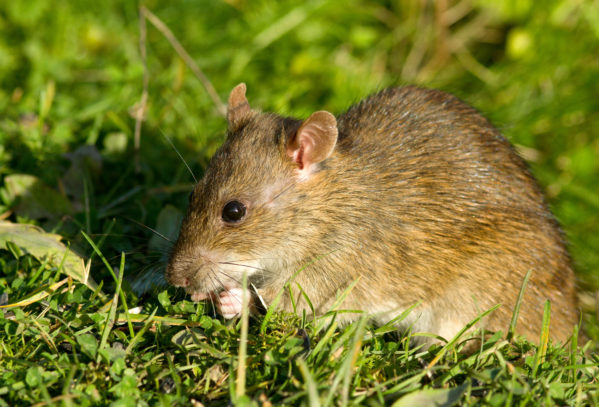
Brown Rat (Norway Rat)
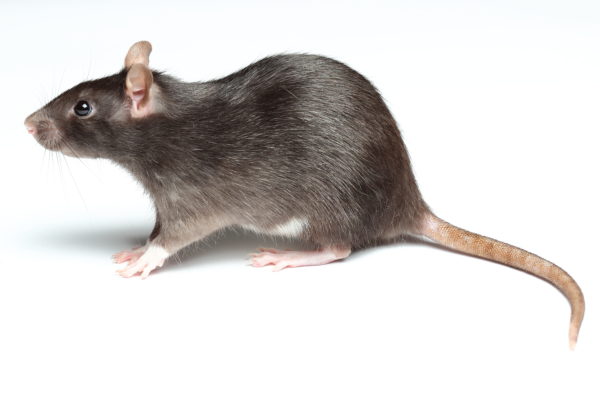
Black Rat (Roof Rat, Ship Rat)
What Do They Look Like?
- Brown rats have a heavy, thick body, a blunt snout, and short ears with dark hair.
- Brown rats have brown bodies with black shading and shaggy coats.
- Brown rats have tails that are dark on top and pale underneath.
- Adult brown rats weigh about 11 ounces.
- Brown rat droppings are shaped like capsules.
- Black rats have light, slender bodies, pointed snouts, and large ears with no hair.
- Black rats have gray bodies with black shading and smooth coats.
- Black rats have dark tails.
- Adult black rats weight about 7 ounces.
- Black rat droppings are shaped like spindles.
- Rats have longer body lengths, measuring about 8″ in body length with another 9″ of tail length.
- Rats have larger feet and heads compared to body size than mice do.
Where Do They Live?
- Rats will dig under buildings, along fences, and under plants and debris.
- The brown rat usually lives on the ground or in burrows.
- The brown rat is usually seen in buildings, sewers, and outdoors.
- The black rat is usually seen in buildings around ports and in ships.
- The black rat will nest high up in roofs, attics, and trees.
What Do They Eat?
- Brown rats prefer cereals.
- Brown rats tend to seek food in the same place everyday.
- Brown rats drink about 2 ounces of water a day.
- Black rats prefer moist fruits.
- Black rats tend to seek food in different places each day.
- Black rats drink about 1 ounce of water a day.
How Do They Move?
- Rats can enter a building through a hole as small as 1/2″ in diameter.
- Rats are strong swimmers and can live in sewers.
- Rats can enter buildings through broken drains and toilets.
- Rats will climb to get food, water, and shelter.
- Rats follow regular routines and paths everyday.
- Rats usually stay within 300 feet of their nest or burrow.
- Rats are nocturnal.
- Rats have poor eyesight.
How Do You Get Rid Of Rodents?
Now that you know the difference between mice and rats, what can you do to get rid of them? Check out these 7 tips for getting rid of both mice and rats:
- Know The Signs. Signs of both mice and rats include droppings, gnaw marks, tracks, and burrows. These signs can especially be seen around food sources.
- Keep It Clean. Mice and rats will come into your home in search of food. Store food in airtight containers. Don’t leave food or dirty dishes out overnight. Wipe crumbs off the counters. Sweep and vacuum floors regularly. Secure your garbage. Don’t leave pet food out overnight and store it in airtight containers, also.
- Don’t Let Them In. Eliminate any entry points into your home. Seal any cracks in your foundation. Seal around any openings in the walls, especially around utility pipes and vents. Use weather stripping for gaps in doors and windows.
- Don’t Forget Outside. Remove debris from around your home. Keep your yard mowed and weeded. Trim shrubbery away from the sides of your home. Keep woodpiles away from your home.
- Use Your Pets. Cats and even some dogs will hunt rodents. Use them as a ready made form of pest control.
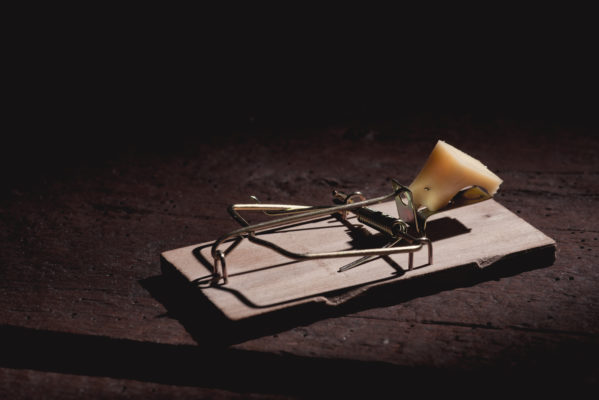
- Use Traps. There is never just one moue or rat so it is best to use several traps at a time. It is also a good idea to use different types of traps. Use whatever food the pests have been feeding on as bait in your traps. Place traps perpendicular to the walls and near where you have seen signs of their presence.
- Call The Pros. If you suspect a mouse or rat problem in your home, contact a pest control professional. They will be able to evaluate your home, identify what kind of rodent you have, and set you up with a comprehensive treatment plan.
Sep 29, 2017 | Pest Control, Wildlife
What’s the difference between a mouse and a rat? Identifying the type of rodent you have is the first and most important step in controlling your rodent problem. What works to control mice won’t necessarily work to control rats. Here are the differences between mice and rats along with some tips to prevent and get rid of them.
MICE:
The most common mouse found in the United States is the house mouse.
What Do They Look Like?
- Small size, usually 1-4 inches long.
- Adults weight about 0.5 ounces.
- Small head, small feet, pointed snout.
- Large ears with some hair.
- Light brown body with some gray shading and dark tail.
- Larger ears and longer tail compared to their body size than rats.
- Musky odor
- Color blind
- Droppings shaped like rods
Where Do They Live?
- They usually live on the ground or in nests in burrows.
- Will build nests near food source.
- Will use nearly any soft material or finely shredded paper to build their nest.
- Can be found indoors or outdoors, in cities or rural areas.
What Do They Eat?
- They prefer to eat cereals but will feed on almost anything.
- They tend to seek food in the same place everyday.
- They don’t need to drink water but will if it is available.
How Do They Move?
- They can climb, jump, and swim.
- They can jump up to 13 inches.
- They can run along wires, cables, and ropes.
- They are nocturnal and most active from dusk until dawn.
- They are curious and will come out to investigate.
- Mice can enter buildings through openings as small as 1/4″ in diameter.
RATS:
The two most common rats found in the United States are the brown rat (Norway rat) and the black rat (roof rat, ship rat).
Brown Rat (Norway Rat)
Black Rat (Roof Rat, Ship Rat)
What Do They Look Like?
- Brown rats have a heavy, thick body, a blunt snout, and short ears with dark hair.
- Brown rats have brown bodies with black shading and shaggy coats.
- Brown rats have tails that are dark on top and pale underneath.
- Adult brown rats weigh about 11 ounces.
- Brown rat droppings are shaped like capsules.
- Black rats have light, slender bodies, pointed snouts, and large ears with no hair.
- Black rats have gray bodies with black shading and smooth coats.
- Black rats have dark tails.
- Adult black rats weight about 7 ounces.
- Black rat droppings are shaped like spindles.
- Rats have longer body lengths, measuring about 8″ in body length with another 9″ of tail length.
- Rats have larger feet and heads compared to body size than mice do.
Where Do They Live?
- Rats will dig under buildings, along fences, and under plants and debris.
- The brown rat usually lives on the ground or in burrows.
- The brown rat is usually seen in buildings, sewers, and outdoors.
- The black rat is usually seen in buildings around ports and in ships.
- The black rat will nest high up in roofs, attics, and trees.
What Do They Eat?
- Brown rats prefer cereals.
- Brown rats tend to seek food in the same place everyday.
- Brown rats drink about 2 ounces of water a day.
- Black rats prefer moist fruits.
- Black rats tend to seek food in different places each day.
- Black rats drink about 1 ounce of water a day.
How Do They Move?
- Rats can enter a building through a hole as small as 1/2″ in diameter.
- Rats are strong swimmers and can live in sewers.
- Rats can enter buildings through broken drains and toilets.
- Rats will climb to get food, water, and shelter.
- Rats follow regular routines and paths everyday.
- Rats usually stay within 300 feet of their nest or burrow.
- Rats are nocturnal.
- Rats have poor eyesight.
How Do You Get Rid Of Rodents?
Now that you know the difference between mice and rats, what can you do to get rid of them? Check out these 7 tips for getting rid of both mice and rats:
- Know The Signs. Signs of both mice and rats include droppings, gnaw marks, tracks, and burrows. These signs can especially be seen around food sources.
- Keep It Clean. Mice and rats will come into your home in search of food. Store food in airtight containers. Don’t leave food or dirty dishes out overnight. Wipe crumbs off the counters. Sweep and vacuum floors regularly. Secure your garbage. Don’t leave pet food out overnight and store it in airtight containers, also.
- Don’t Let Them In. Eliminate any entry points into your home. Seal any cracks in your foundation. Seal around any openings in the walls, especially around utility pipes and vents. Use weather stripping for gaps in doors and windows.
- Don’t Forget Outside. Remove debris from around your home. Keep your yard mowed and weeded. Trim shrubbery away from the sides of your home. Keep woodpiles away from your home.
- Use Your Pets. Cats and even some dogs will hunt rodents. Use them as a ready made form of pest control.
- Use Traps. There is never just one moue or rat so it is best to use several traps at a time. It is also a good idea to use different types of traps. Use whatever food the pests have been feeding on as bait in your traps. Place traps perpendicular to the walls and near where you have seen signs of their presence.
- Call The Pros. If you suspect a mouse or rat problem in your home, contact a pest control professional. They will be able to evaluate your home, identify what kind of rodent you have, and set you up with a comprehensive treatment plan.
Sep 8, 2017 | Pest Control
1. Bees
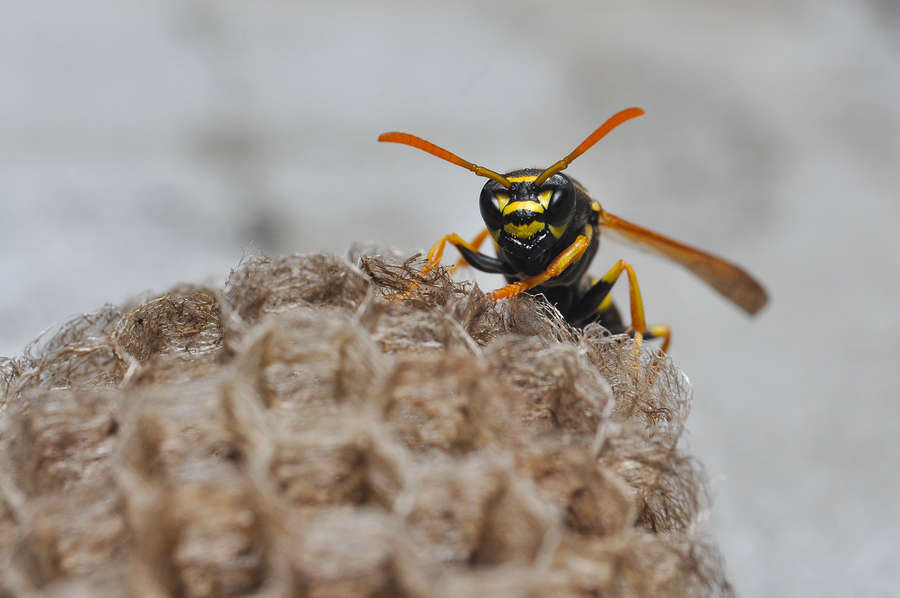
You may be noticing the bees buzzing more than they were a few weeks ago. Why? (Hint: it’s not to ruin your outdoor fun or to sting you) Some species of bees, like honeybees for example, are preparing for winter by collecting nutrients for their colony via late-blooming flowers. Wasps can also be more active (or noticeable) this time of year, when they change up their usual diet of insects for sweeter, more carbohydrate-rich foods. Since bees are beneficial insects, the best way to prevent stings is by avoiding them. If you have an unusual amount of bee activity around your home, contact a wildlife removal company for recommendations.
2. Roaches
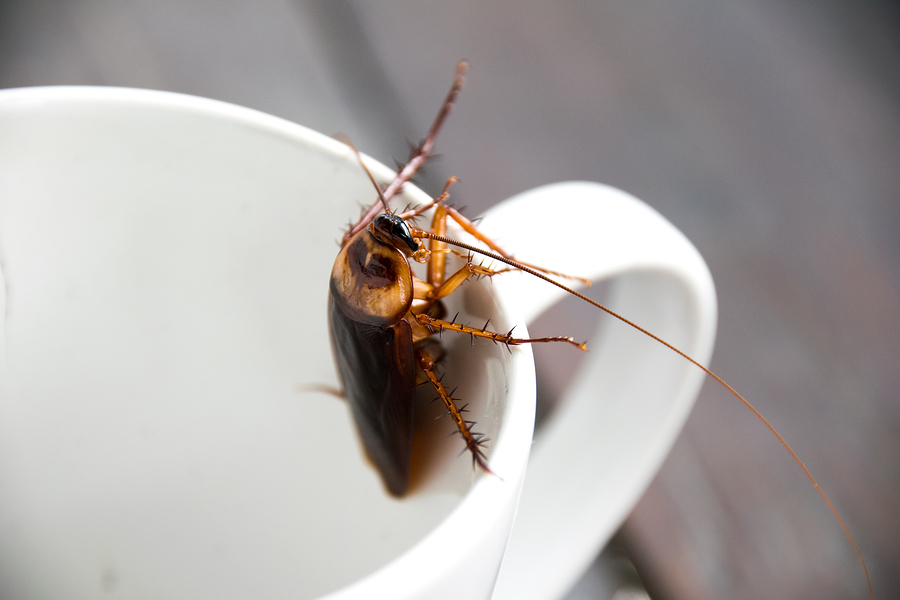
Cockroaches may start moving indoors when the weather gets cooler in search of food, water, and warmth. The best way to prevent an infestation in your home is with proactive roach control: eliminate or reduce food and water sources and get rid of hiding places by de-cluttering and keeping a clean house. Fix any plumbing leaks, store leftover food and dog food in storage containers, take out the trash daily, and seal or correct any gaps, cracks, or crevices that roaches can use to gain access into your home. If you’re seeing several roaches of varying sizes, you may have a roach infestation. Resist the urge to use OTC sprays as these are only on-contact killers and won’t prevent roaches from reproducing. Contact an exterminator for a pest control plan that will include a thorough inspection and quarterly or monthly treatments.
3. Beetles
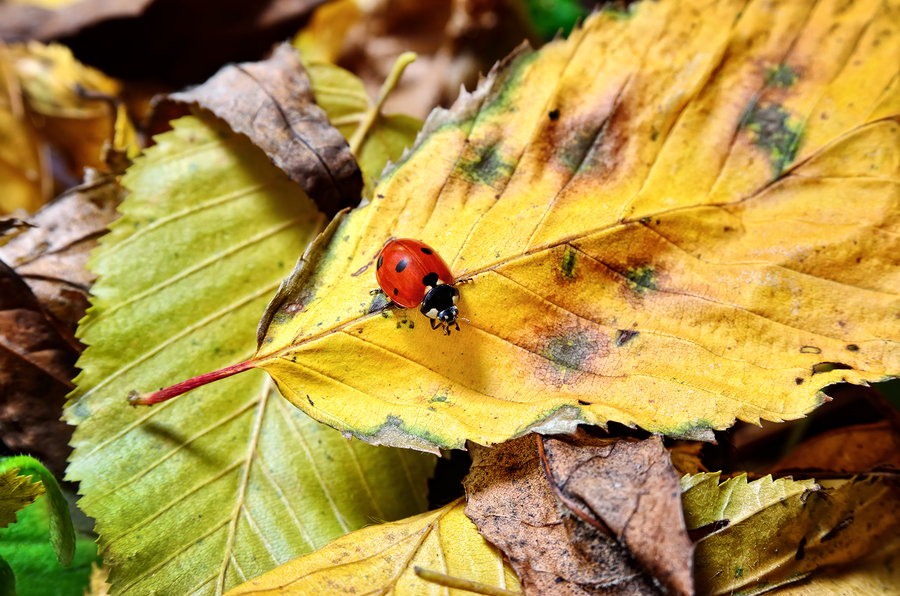
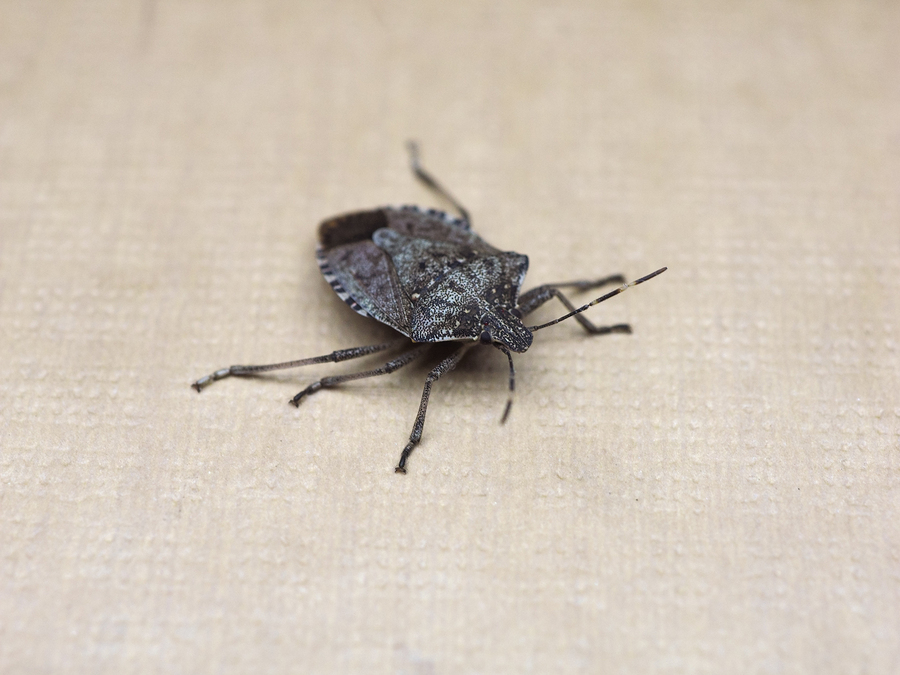
You may notice an influx of varying kinds of beetles in the Fall months as these overwintering pests are preparing for hibernation. Common fall beetles include ladybugs, boxelder bugs, and stink bugs. These types of pests often resist traditional treatments with pesticides so it’s best to vacuum up the ones you see inside your home and take measures around your home to prevent more from coming inside. They’ll gather near the warmest areas of your home, usually on the south and west-facing sides. Especially around these areas, check to be sure there aren’t any openings or gaps around windows and doors and, if there are, correct these issues to keep beetles out.
4. Mice
Like other rodents and pests, mice are searching for food and warmth in cooler weather, making your home a welcoming environment. Keep them out by rodent-proofing: seal gaps or openings around your home’s exterior and around plumbing, make sure outdoor vents are covered, repair any holes or tears in window screens or door screens, install weatherstripping around doors, clear out plants, leaves or any other vegetation that may be touching or near your home’s exterior, clean up any yard debris, and de-clutter inside the house. You can also use glue boards in less-traveled areas, like basements and attics, as a proactive approach to mice control.
5. Spiders
Knocking down cobwebs only to find another one in it’s place the next day? You’re not alone. For some species of garden spiders, like the orb weaver, now is when they are at their largest, making them more noticeable, and females are laying eggs before they die. Since spiders are beneficial insects and can reduce the amount of other pests around your home, try and resist the urge to knock down their webs outside. If you’re seeing spiders in the house, contact an exterminator for pest control recommendations.
Jan 20, 2017 | Pest Control, Wildlife
Squirrels
Hearing noises at night? You may have squirrels nesting in the attic, looking for shelter from the cold. To get rid of squirrels, first you have to determine how they’re getting in. This can be tricky if you don’t have easy access to your roof and since squirrels can sneak into small spaces. Contact a wildlife removal company to fully inspect your home for squirrel access points, set up traps, and correct any damage caused by squirrels. It’s also a good idea to keep trees trimmed and away from your roofline to cut off direct access.
Raccoons
Raccoons are common home invaders in the winter months, looking for refuge in crawl spaces, attics, and chimneys. Similar to squirrels, effective raccoon control requires professional expertise – to identify and seal entry points, trap and remove the raccoons, and prevent them from coming back with exclusion techniques. To prevent a raccoon invasion, eliminate food sources that attract them by using outdoor trash bins with lids and removing pet food when it’s not being eaten.
Mice
Mice are year-round pest nuisances that typically nest in attics, basements, cabinets, and closets. And because mice can fit through gaps as small as 1/4 inch, keeping them out can be difficult. As with other rodent control methods, the first step is to inspect your home for cracks, gaps, holes, or any other openings and correct them. Secondly, eliminate food sources and hiding places by keeping a clean house, removing clutter, and storing food in sealed containers. If you see small, dark-colored droppings anywhere, call an exterminator – quarterly pest control treatments are recommended to get rid of mice and prevent a future infestation.
Rats
Similar to mice, rats are common winter invaders, searching for food and warmth inside your home, needing holes as small as a quarter to get in. To prevent this, and other rodent invasions, seal any gaps or holes in your home’s foundation, around your roof, in the crawl space or basement, or around doors and windows, keep garbage away from your home’s exterior in sealed bins, and check for evidence of rats – usually indicated by droppings (larger than those left by mice), gnawing, or footprints and tail tracks.
Roaches
Cockroaches, too, are looking for food and warmth during colder months. The best way to prevent roaches is with preventative pest control and by eliminating what attracts roaches – food left out, crumbs, pet food and water, clutter, and water leaks.
Spiders
Common house spiders will start making their ways indoors starting in the cooler, Fall months. Prevent spiders with ongoing pest control treatments, by eliminating clutter (spiders like to hide in dark, undisturbed places), and by knocking down cobwebs regularly.