Feb 23, 2021 | Mosquito
Mosquitoes are known to be a nuisance. With the warmer weather upon us, taking the necessary steps to avoid these pests is extremely important. Mosquito control treatments performed by professionals can help reduce these pests by targeting adult mosquitoes and larvae throughout your property. There are several factors that determine how these treatments can help protect you, your family, and your property.
Mosquito season typically runs from April to October, with warm seasons being a major factor in their activity. Mosquitoes are highly attracted to standing water. They will usually lay their eggs in water for survival, only needing a small amount of water to do so. Once these eggs hatch, it can be difficult to try and control them.
If mosquitoes have hatched and are roaming your property, they can find their way inside your home. Mosquitoes are small, measuring only 1/8 – 3/8” long. They can easily fit inside small holes or gaps leading into your house. Ensuring that your windows and doors have screens in good repair is essential for keeping them out. If inside, mosquitoes will search for a perfect place to lay eggs, including in areas with house plants and water trays. These nuisance pests will lay their eggs in water trays and even feed off the plants for energy.
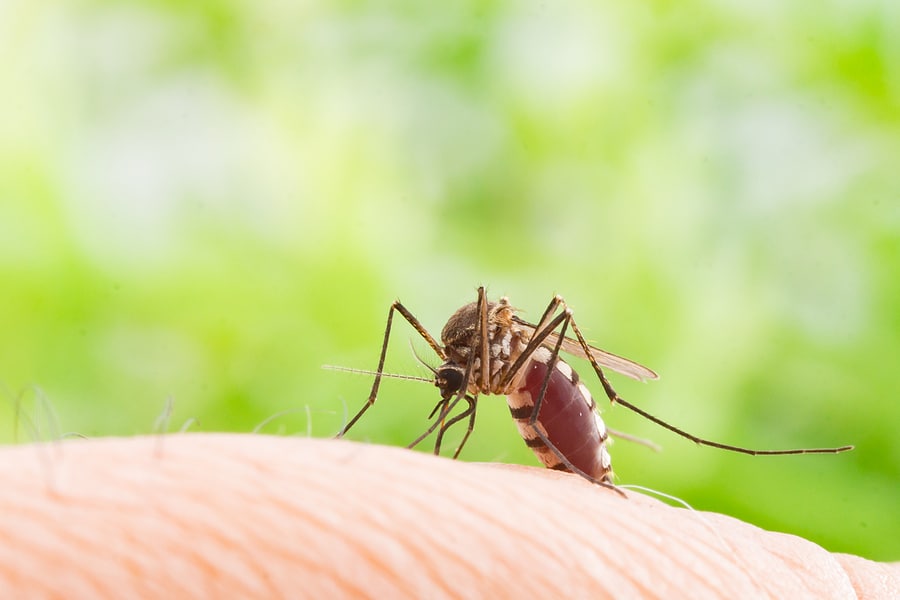
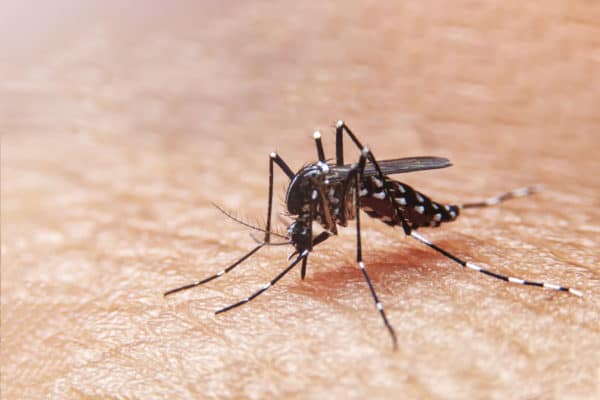
Female mosquitoes will bite and feed on humans and animals, as they require a blood meal to lay fertile eggs. These bites can become red, itchy, and irritating for both humans and animals. Mosquito bites are equally dangerous; mosquitoes can spread viruses such as West Nile or dengue fever through their bites. To avoid mosquito bites, take precautions when you know you’ll be outside during the peak season. Use EPA-registered mosquito repellants, wear long-sleeved shirts and pants, and avoid using scented lotions or bath products.
With mosquito treatments, a pest professional can inspect your property and identify the resting and breeding areas to more effectively eliminate these pests. These services are recommended monthly during peak mosquito season so you can have a bite-free spring and summer! If you are concerned with mosquitoes on your property, contact your local pest control company for a free inspection!
Feb 5, 2021 | Mosquito
Mosquito season is right around the corner, starting in the spring and peaking over the summer. Taking precautions now can help prevent a mosquito infestation when the weather warms up. While mosquitoes aren’t usually a problem inside your home, they will take over your yard, hampering your time spent outdoors. Besides being a nuisance, mosquitoes can transmit serious diseases to not only humans but also dogs, cats, and horses. Help keep your family and pets safe with these mosquito prevention tips.
Get Rid of Standing Water
Mosquitoes breed in standing water and only need a thimbleful to procreate. Eliminating potential breeding sites will help with mosquito elimination. Identify any low areas that are prone to flooding or pooling water and fill them in with dirt or remulch them. Empty bird baths daily and refill them. Keep gutters clear of debris. Turn over and remove water from anything that can collect it including pots, tarps, toys, furniture, old tires, pet bowls, etc. Fix any leaky faucets, sprinklers, and hoses that can cause water to pool up. Check AC drip pans for standing water. Keep pools maintained and cover or fill hollow tree stumps.
Clean Your Gutters
Clogged gutters can lead to standing water, attracting mosquitoes looking for a place to lay eggs. Keep gutters clear of debris or consider installing gutter guards to help prevent clogs. This can also help prevent other pests, as well.
Treat Your Water Features
For larger water features that can’t be eliminated, treat them with larvacide that will eliminate any mosquito larvae that is present. Use it in any areas of standing water such as ponds, water features, and swimming pools.
Keep Yards Maintained
Mosquitoes love to hide in tall grass, shrubbery, and damp woodpiles. Keep your grass mowed short and your landscaping well maintained. Keep wood piles covered or store wood in containers with lids.
Use Outdoor Fans
Mosquitoes are attracted to carbon dioxide and body heat. If you have to spend any time outdoors, consider using outdoor fans to help dissipate and redirect the carbon dioxide and body heat you emit. This helps make you less attractive to mosquitoes in the area.
Install Mosquito-Repelling Flowers
Some common flowers and plants actually make great natural mosquito repellent. Planting these flowers around your home will help keep mosquitoes at bay. Marigold is one of the most common mosquito-repelling plants. Others include lavender, rosemary, basil, catnip, lemon balm, peppermint, and pennyroyal. Citronella grass is also a good option as it is extremely easy to maintain and can be used to fill in large areas.
Attract Bats
Yes, you heard that right! Bats eat thousands of mosquitoes each day. While this may not be an ideal solution if you live in a neighborhood or in close proximity to your neighbors, it is a great alternative to those with larger properties. You can build a bat house to attract them to your yard and watch the mosquitoes disappear.
Call The Pros
Fighting mosquitoes can seem like a never-ending battle despite your best efforts. There are several mosquito control options available today. Most professional mosquito elimination services will include treatments that target both adult and larvae, as well as source reduction and elimination techniques. These services are typically monthly during peak mosquito season. If you have a problem with mosquitoes, contact a professional pest control company for a free estimate.
You May Also Be Interested In:
Oriental Cockroach Vs American Cockroach
10 Easy Tips for Preventing Mice and Rats
Avoiding A Winter Wildlife Invasion
What You Should Know About Termites This Spring
10 Common Spiders in Georgia
Aug 5, 2020 | Mosquito
Mosquitoes, known to be a top summer nuisance pest, are a huge problem when they invade your property. With consistently heavy rains and warm temperatures, it seems like these insects never go away. Why is it that these pests seem to come out excessively when it’s hot and raining?
It’s important to note that mosquito activity can vary from region to region, depending on the temperature of the area. Mosquitoes are cold-blooded insects; therefore, these pests won’t disappear until temperatures are consistently below 50 degrees. In areas of high temperatures, mosquito activity increases making summer peak mosquito season. Because of this, if it’s warm in the area you live in you’ll most likely see mosquitoes around.
When it comes to the rain, mosquitoes aren’t particularly attracted to the actual rainfall, but instead to what the rain leaves behind. Standing water brings mosquitoes for one reason – a place to lay their eggs. The water that’s left behind from rain provides the ideal place for their eggs to survive and hatch. It’s important to note that if any water is left undistributed for a long period of time, the eggs laid will eventually hatch and create even more mosquitoes to invade your property.
While rain and heat are inevitable during the summer months, they don’t mean there isn’t a solution to prevent mosquitoes. Here are some easy ways you can keep mosquitoes away from your property,
- Remove standing water from flowerpots, birdbaths, tarps, and any containers in or around your yard holding standing water
- Remove piles of leaves and debris from your yard and gutters, as these can give mosquitoes a place to hide and breed
- Cover any objects that can hold or collect standing water that can’t be removed, such as pools and boats
- If you’re constantly battling mosquitoes, it might be time to contact a professional pest control company to help eliminate them and provide an ongoing prevention plan.
May 29, 2020 | Mosquito
The peak of mosquito season is from April to October. During this time, mosquitoes invade, leaving behind itchy bites and aggravation. They are also capable of spreading serious diseases such as Zika and West Nile virus. While many of us take precautions by using mosquito repellent and wearing long sleeved clothing, sometimes these prevention techniques just aren’t enough. A mosquito treatment is often needed to help control mosquito populations.
There are two options to mosquito treatments – green and traditional. Green mosquito treatments utilize products derived from flowers and bacteria that are only applied to the areas where they are needed, minimizing their impact on surrounding areas. These treatments also work on adult and larvae.
A traditional mosquito treatment consists of 5 steps:
- A property inspection to help identify any potential mosquito breeding sites.
- A service guarantee where a technician will come back in between scheduled visits to address any problems at no additional charge.
- Mosquito source reduction where areas of standing water and other potential breeding sites are eliminated.
- Larvicide treatments to target these potential breeding areas.
- Adulticide treatments to target adult resting areas.
How much does a mosquito treatment cost? Treatments typically last between 21 and 30 days and should be applied as often. Most treatments are billed per 1/4 acre or per 1/2 acre. Generally only the perimeter of the yard is treated, concentrating on areas of foliage and woods. The average cost of a mosquito treatment is between $350 and $500 per season for a 1/4 to 1/2 acre property. This cost can range anywhere from $325 up to $1900 depending on the size of the property and the frequency of treatments. Mosquito treatments are performed on a monthly basis with an average of $70 to $100 cost per visit. Some companies will offer a discount on this rate if you sign up for recurring treatments.
While there are DIY mosquito treatments available, a professional pest control company has the experience, training, and equipment to get rid of mosquitoes and keep them away. Most will utilize an Integrated Pest Management (IPM) program that combines a variety of treatment and control methods to eliminate mosquitoes with minimal impact to the surrounding environment.
You May Also Be Interested In:
Protecting Your Garden From Birds
The 411 on Granddaddy Long Legs
The Summer Big Three: Roaches, Mosquitoes, & Termites
What Can You Do to Keep Your Home Cool This Summer?
Venomous vs Poisonous Spiders – What’s the Difference?
Apr 20, 2020 | Mosquito, Pest Control
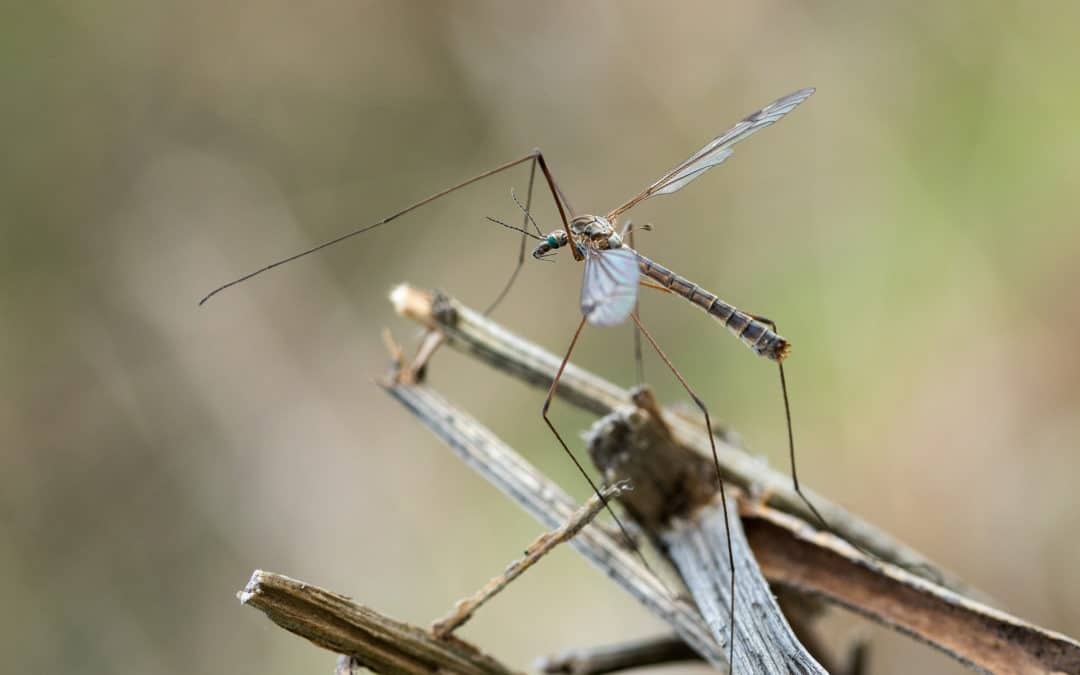
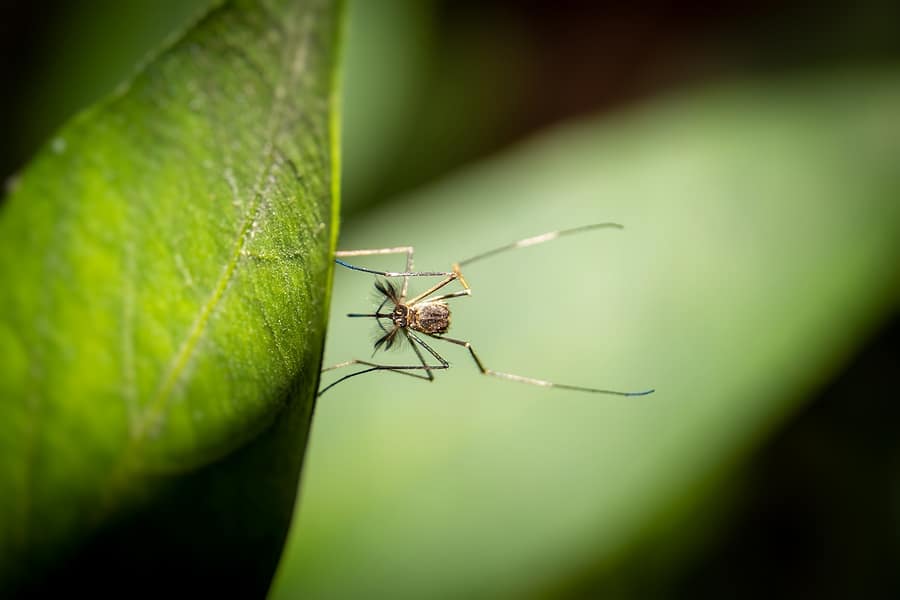
Imagine sitting outside, enjoying the weather with family, when you notice what looks to be a mosquito but it’s massive! No, this isn’t a super-sized mosquito, though it may look like one; it’s just a crane fly. Mosquitoes and crane flies can look very similar to one another, though they are very different by nature.
Crane flies can be black, red, or yellow in color depending on their species. Their wings can be transparent, brown, grayish-black or even brownish-yellow. They typically have extremely long legs and elongated faces opposed to the much smaller body of the mosquito. Active in the fall and spring, these creatures enjoy lawns near wooded areas or open fields where the females can lay eggs in the grass. They also tend to increase in numbers when there is a surge of dampness or heavy rainfall.
While mosquitoes can be considered a threat since they are known to survive off the blood of warm-blooded creatures, crane flies are deemed harmless and even gentle creatures. The only real damage that a crane fly can cause is in their larvae state after hatching when they will typically eat grass roots, leaving large brown patches on the lawn.
If you happen to see crane flies roaming around in your yard, don’t be too alarmed as they are no real threat to human health. If you are noticing more mosquitoes flying around, though, that could be a concern. It’s always best to contact a local pest control company who can help identify these pests and suggest a treatment plan if needed.