Jan 31, 2020 | Mosquito
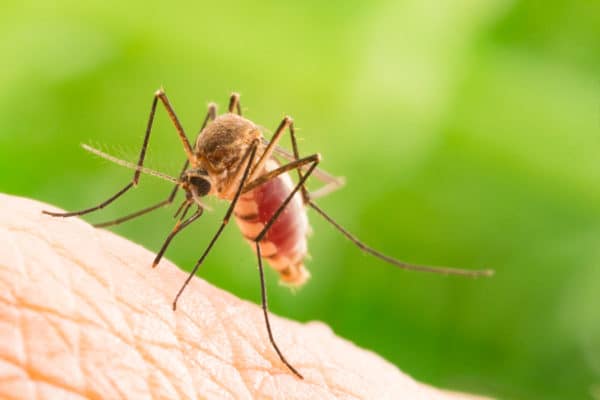
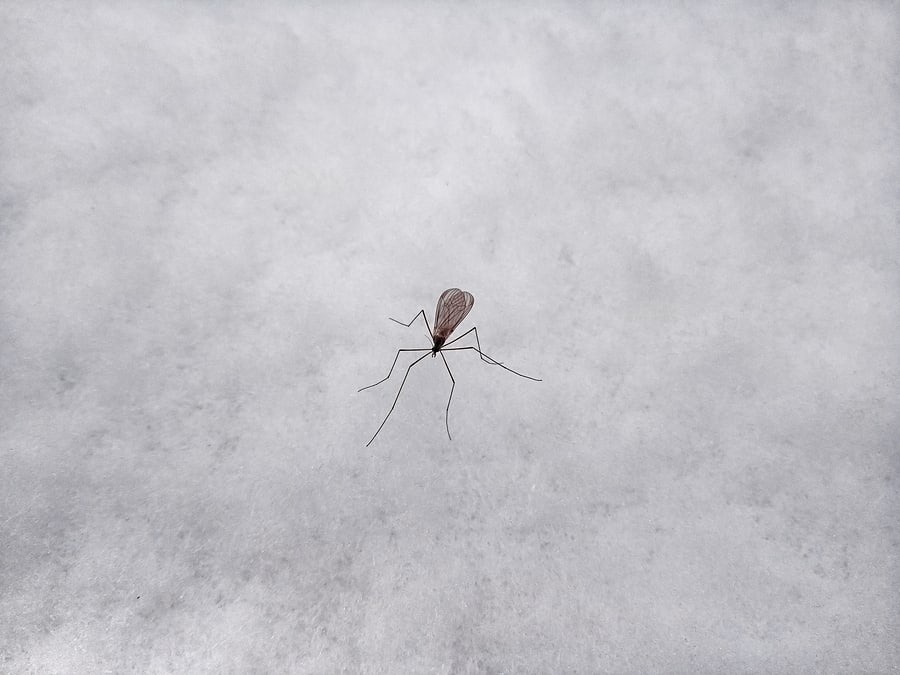
While we don’t often think of mosquitoes in the cold winter months, don’t let them stray too far from your mind. Although they might not be active this time of year, it’s never too early to start preparing for the start of mosquito season. Prevention is key in mosquito control. While most male mosquitoes die off when colder weather moves in, female mosquitoes go into a state similar to hibernation called diapause. They are oftentimes fertilized just before they enter diapause so that they are ready to lay eggs as soon as the weather warms up in the spring. Mosquito eggs can also go into diapause. Female mosquitoes will often lay eggs in standing water just before the weather cools down for winter. These eggs will then go into diapause and then hatch once the temperatures increase to above 50 degrees Fahrenheit consistently. Because of this, winter is a great time to perform some do-it-yourself mosquito prevention techniques.
- Mosquitoes will look to overwinter in sheltered areas on your property. These often include garbage, yard debris, old tires, bins, piles of leaves, logs, and tree trunks. Make sure to keep your yard clean and get rid of any objects that might house mosquitoes through the winter.
- Mosquitoes will also look for standing water to lay their eggs in before winter sets in. If this water goes undisturbed throughout the winter, those eggs will then hatch once temperatures warm up. If you notice any standing water on your property, even during the wintertime, get rid of it to get rid of those resilient mosquito eggs. Remove or overturn buckets, wheelbarrows, unused flower pots, or anything else that can hold water after rain or snow. Rake up any leaves that fall during the season. Make sure patio furniture, play equipment, and outdoor toys aren’t collecting water, as well. Make sure gutters stay clear and consider installing gutter guards to help prevent clogs. Repair any leaky pipes and keep trash cans sealed tightly.
- Mosquitoes will also look to stay in tall grass and overgrown vegetation. It provides good cover for them to enter diapause through the winter. Make sure to keep your grass mowed and clear out any overgrown vegetation on your property.
- Consider planting mosquito-repelling plants such as rosemary, mint, and lavender on your property.
- Check the Mosquito Activity Forecast from weather.com before spending any time outdoors and dress accordingly. Wear appropriate clothing and apply insect repellent as needed.
- Invest in a professional mosquito treatment from a licensed pest control company. In our area, mosquito service starts in March so go ahead and schedule your service before mosquito season starts in the spring.
You May Also Be Interested In:
Where Did These Ants Come From?
Keep Your Lawn Healthy This Winter
How to Deal With Moles This Winter
Are Termites Active In Fall and Winter?
Which Season is Worst for Bed Bugs?

Oct 14, 2019 | Mosquito
Even with cold weather on the way, mosquitoes will stay active through the fall months. It is important to continue to take precautions when outdoors and be wary of breeding sites around your home. Doing so will cut down on mosquito populations and the spread of mosquito-borne diseases like Eastern Equine Encephalitis, a disease that has had 20 human cases in 2019 in the United States.
Eastern Equine Encephalitis (EEE) is rare, but it can be life-threatening. There are two types of illnesses caused by EEE: systemic and encephalitic, with the latter being the most serious. The symptoms after a bite are flu-like including chills, fever, and pain in joints. However, if encephalitic, the symptoms can escalate to vomiting and convulsions. There have been cases recorded in Massachusetts, Michigan, New Jersey, North Carolina, Rhode Island, and Connecticut.
During mosquito season, look to use these tips to cut down on mosquito encounters:
- Remove areas of standing water around your home and business
- Utilize insect repellent containing DEET
- Avoid outdoor activities during peak mosquito times which are dawn and dusk
- Call a professional mosquito control company to get a thorough inspection and comprehensive treatment plan to help combat the mosquitoes around your home
Contracting this disease is rare, but by taking these precautions you can help further protect you and your family from mosquitoes and their bites. Click here for more information on EEE cases in the United States.
Aug 30, 2019 | Mosquito
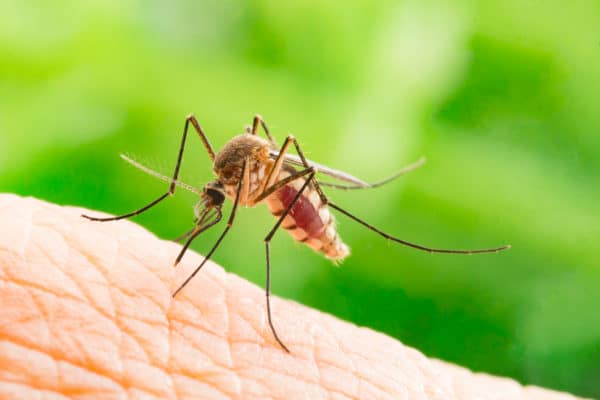
In some places, especially the southern United States, mosquito season can seem like it lasts forever – or at least for the majority of the year; and in some cases it actually does. Mosquitoes are most often associated with the hot summer months but the season actually begins earlier than that and can run through fall. Besides being annoying, mosquitoes can also pose serious health hazards to both humans and animals. Mosquitoes are known to transmit serious diseases like West Nile virus, Zika virus, chikungunya, and eastern equine encephalitis.
Because mosquito activity is primarily driven by temperature, mosquito seasons vary from region to region. Some species of mosquitoes hibernate during the winter and emerge when the weather warms up. Other species die off when cold weather arrives and their offspring hatch from previously laid eggs in the spring. Regardless of the species, most mosquito activity begins when temperatures consistently reach above 50 degrees Fahrenheit. As temperatures increase, so does mosquito activity, making peak mosquito season in the hot summer months. As the weather begins to cool down, so does mosquito activity. Those mosquito species that hibernate over winter will begin looking for their winter dwellings in hollow logs, abandoned animal burrows, and other places. Those mosquito species that don’t hibernate will begin dying off as temperatures drop below 50 degrees. Because of this, those places with warmer climates will have mosquito season begin earlier and last longer than those with cooler climates.
There are some do-it-yourself pest control steps that you can take to help minimize mosquitoes on and around your property. Try to implement these before mosquito season starts when temperatures are still below the 50 degree mark. Waiting until mosquito season means the breeding population will already be established and will be much harder to control.
- Eliminate Standing Water. Walk your property and remove any objects that can collect water. Standing water serves as a breeding ground for mosquitoes. They only require a small amount of water to lay eggs so be sure to check flower pots, bird feeders, toys, old tires, buckets, wheelbarrows, etc.
- Clean Gutters. Clogged gutters can create standing water which provides ample breeding ground for mosquitoes. Make sure gutters remain free of debris and clogs. Consider installing gutter guards to help eliminate clogs.
- Fill in Hollow Areas. When checking your property, take note of any low lying areas like ditches that can collect standing water after rain or watering. Fill them in with dirt as necessary. Also make sure to check for any hollow logs and stumps which can not only hold standing water but also provide overwintering mosquitoes a place to hibernate during the cold weather.
- Check For Leaks and Cracks. Inspect foundations and exterior walls for cracks and make sure to promptly repair them. Even the smallest cracks can provide mosquitoes with an entryway into your home. Check for any leaks, as well, as mosquitoes can breed in the standing water.
- Repair/Replace Screens. Check screens to make sure they are intact and in good repair. This includes screens on windows, doors, and screened porches and patios. Size 16-18 mesh is recommended for pest control.
- Cover Up. Some objects that can hold or collect standing water can’t be removed from your yard like wading pools and boats. When these items aren’t in use make sure they stay covered. Also make sure to check the covers after rain to make sure they aren’t collecting water, as well.
- Maintain the Pool. Mosquitoes will typically stay away from well maintained pools. However, if a pool goes unused for a period of time they will be attracted to the stagnant water. Make sure to keep your pool maintained or covered if not in use for an extended period.
Even with these proactive steps, mosquitoes can still be difficult to control. Consider investing in a professional mosquito control program that can reduce mosquitoes, help prevent mosquito bites, and limit your risk of mosquito-borne disease. A mosquito control program from a licensed pest control company can provide you with treatments throughout mosquito season.
You May Also Be Interested In:
How to Help Your Lawn During Late Summer
Are Millipedes Helpful or Harmful?
Pest Control for Basements and Attics
When Should You Be Concerned About A Spider Bite?
Mice, Rats, and Other Problem Rodents
Aug 15, 2019 | Pest Control
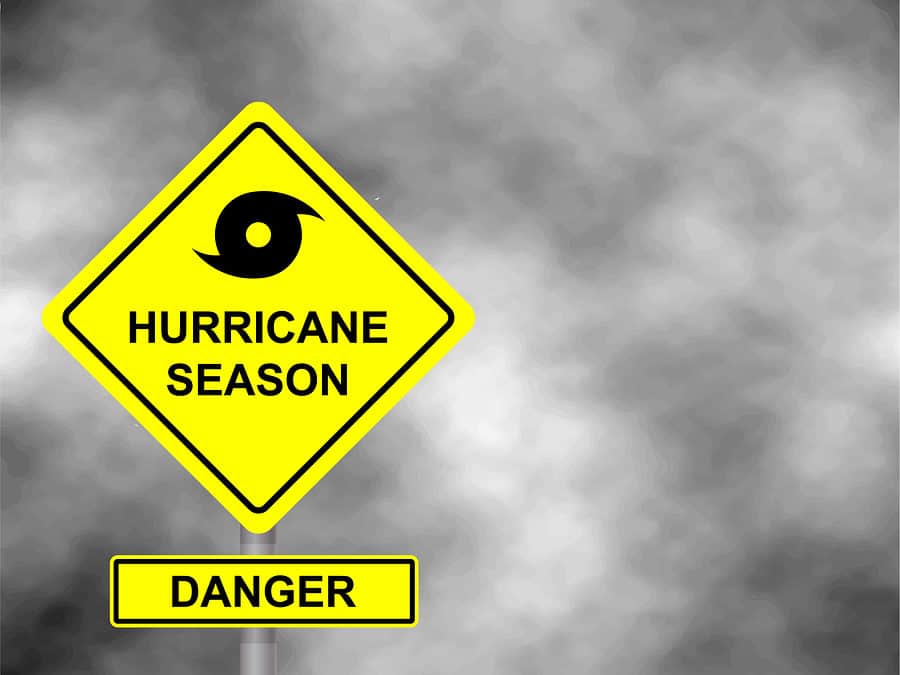
Predictions for the 2019 Atlantic hurricane season have come in from the National Oceanic and Atmospheric Administration (NOAA). During what they are calling a “near-normal” season, the Southeast region could see 9-15 major storms, 4-8 hurricanes, and 2-4 mega-hurricanes. Storms and heavy rains can lead to an explosion in pest populations after these weather systems are long gone. From clogged gutters to excess moisture in and around your home, your property needs protection from storm damage. Follow these tips to prepare and protect your home in case the weather takes a turn for the worst.
- Windows on your property should be reinforced before the impending weather makes landfall. While you’re at it, look to also replace old weather-stripping and seal all cracks and crevices. Pests will seek out your home for shelter after being flooded out of their nests and will use these entry points to gain access inside.
- Once the storm makes its way further inland, your home will be left surrounded by standing water. This is when mosquito populations will thrive as the standing water provides the perfect breeding site. Eliminate all areas of standing water and look to invest in gutter protection to promote proper drainage.
- Should you experience prolonged power outages, all spoiled food should be removed from the home and stored in trash bins as far from the home as possible. Any waste or clutter can attract flies and rodents, so organizing all trash piles away from the home is crucial.
Once the clouds have cleared and you find that you have an issue with pests post-storm, contact your local, licensed pest control company for an inspection of your home. They can pinpoint areas of damage that can lead to more pest issues down the road.
May 10, 2019 | Mosquito
Mosquitoes are one of the most common pests active during the spring and summer months. While most consider them a nuisance with their incessant buzzing and itchy bites, mosquitoes can also be dangerous to both humans and pets, transmitting serious diseases like Zika and West Nile to humans and heartworms and encephalitis to pets. Peak season for mosquitoes is from April to October. What methods for mosquito control are out there? How long do they last? Find out the answers to these questions and more below.
When is Mosquito Season?
Mosquitoes will begin to lay eggs or previously laid eggs will begin to hatch when the temperature outside consistently reaches 50 degrees in the evenings. Peak mosquito season typically runs from April through October.
What is Included in a Mosquito Treatment?
There are several benefits included in a mosquito treatment. Green mosquito treatments use products derived from flowers and bacteria and are applied only to areas needed, reducing adult mosquito populations as well as mosquito larvae. A typical mosquito treatment program may include a property inspection to identify potential mosquito breeding and resting areas in and around your home and yard; a service guarantee to come back in between scheduled visits if needed at no charge; mosquito source reduction by eliminating areas of standing water such as clogged gutters, containers, bird baths, etc; larvicide mosquito treatments to target those potential breeding sites; and adulticide mosquito treatments to target adult mosquito resting areas like shrubs, ivy, weeds, small trees, shaded areas.
How Long Does a Mosquito Treatment Last?
Several factors affect the longevity of a mosquito treatment including weather, environment, application technique and the mosquito population levels around your home. A typical mosquito treatment lasts about 30 days. After this time, the material begins to degrade making your mosquito protection less effective. It is recommended that mosquito treatments should be applied monthly for the duration of mosquito season.
What Size Area is Treated?
In general, if your property is less than 1 acre the mosquito treatment will be applied to the entire yard. If your property is greater than 1 acre, technicians will usually start with a treatment area of about 1 acre and progress as needed. The treatment will specifically be applied to the perimeter of the yard in areas of foliage, woods, and shaded damp areas. These are the areas where mosquitoes prefer to rest during the day. This creates the largest impact while using the least amount of product.
What Can You Do To Prevent Mosquito Bites?
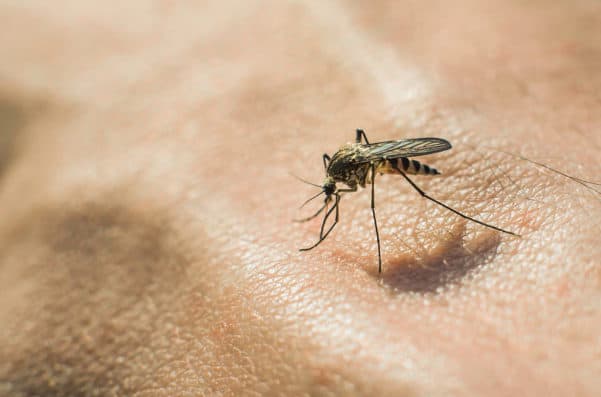
Mosquito bites are itchy and sometimes painful; they can also be dangerous as they can transmit serious diseases to both humans and animals. There are several steps you can take to prevent mosquito bites. Use insect repellent any time you will be outside. This repellent should include one of the following ingredients: DEET, Picaridin, IR3535, oil of eucalyptus (OLE), para-menthane-diol (PMD), or 2-undecanone. Cover up with long sleeves and pants. Tuck pants into your shoes if possible. Treat boots, pants, socks, and even tents with permethrin. Use air conditioning or window and door screens to keep mosquitoes out of your home. Make sure screens are in good repair with no holes or tears. Cover cribs, strollers, and carriers with mosquito netting. Once a week empty, scrub, turn over, cover, or throw out any items that can hold standing water such as buckets, planters, toys, pools, birdbaths, flower pots, and trashcans.
How Can You Treat Mosquito Bites?
Mosquito bites are not only painful, they can cause severe reactions if you have a mosquito allergy. There are several things you can do to treat mosquito bites. First and foremost, don’t scratch the bite. Scratching may temporarily relieve the itching but it also continues to irritate and inflame the skin and can lead to infection. Wash the bite with cool water and soap instead. Try calamine lotion or Caladryl on the bites; there are also several new products containing cortisone or other antihistamines such as AfterBite that can help relieve itching. Use a cold compress or ice pack on the bite to help reduce inflammation. Try an oral antihistamine like Benadryl to help with itching. These take longer to work but can also provide longer relief.
You May Also Be Interested In:
Home Remedies To Keep Snakes Away
Keeping Wildlife Out This Spring
Do I Really Need Termite Protection?
Tips For Preventing Cockroaches
Spring Clean Your Lawn