READY TO GET STARTED?
REQUEST A FREE ESTIMATE
Fill out the form below or call (888) 466-7849 for a free, no-obligation estimate.

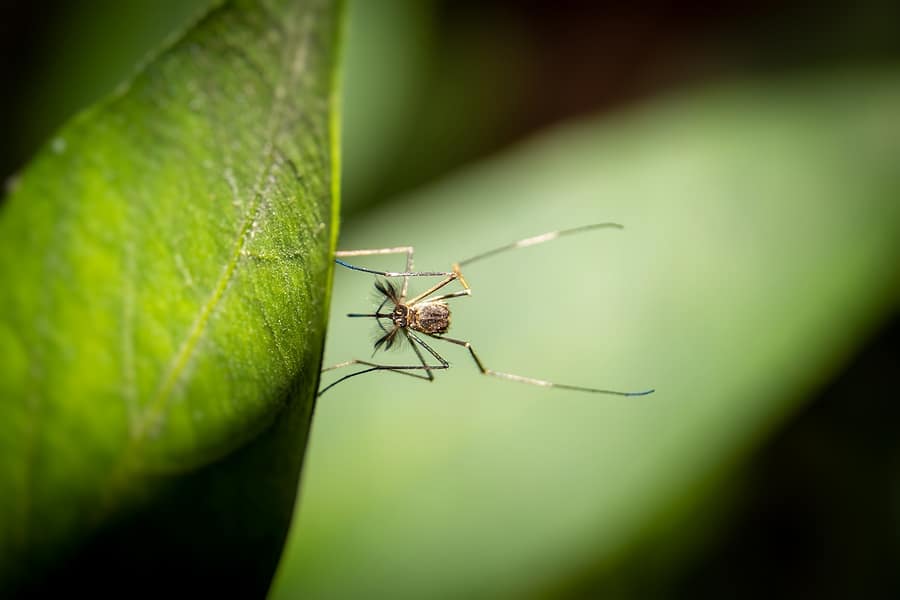
Mosquito season is right around the corner, starting in the spring and peaking over the summer. Taking precautions now can help prevent a mosquito infestation when the weather warms up. While mosquitoes aren’t usually a problem inside your home, they will take over your yard, hampering your time spent outdoors. Besides being a nuisance, mosquitoes can transmit serious diseases to not only humans but also dogs, cats, and horses. Help keep your family and pets safe with these mosquito prevention tips.
Mosquitoes breed in standing water and only need a thimbleful to procreate. Eliminating potential breeding sites will help with mosquito elimination. Identify any low areas that are prone to flooding or pooling water and fill them in with dirt or remulch them. Empty bird baths daily and refill them. Keep gutters clear of debris. Turn over and remove water from anything that can collect it including pots, tarps, toys, furniture, old tires, pet bowls, etc. Fix any leaky faucets, sprinklers, and hoses that can cause water to pool up. Check AC drip pans for standing water. Keep pools maintained and cover or fill hollow tree stumps.
Clogged gutters can lead to standing water, attracting mosquitoes looking for a place to lay eggs. Keep gutters clear of debris or consider installing gutter guards to help prevent clogs. This can also help prevent other pests, as well.
For larger water features that can’t be eliminated, treat them with larvacide that will eliminate any mosquito larvae that is present. Use it in any areas of standing water such as ponds, water features, and swimming pools.
Mosquitoes love to hide in tall grass, shrubbery, and damp woodpiles. Keep your grass mowed short and your landscaping well maintained. Keep wood piles covered or store wood in containers with lids.
Mosquitoes are attracted to carbon dioxide and body heat. If you have to spend any time outdoors, consider using outdoor fans to help dissipate and redirect the carbon dioxide and body heat you emit. This helps make you less attractive to mosquitoes in the area.
Some common flowers and plants actually make great natural mosquito repellent. Planting these flowers around your home will help keep mosquitoes at bay. Marigold is one of the most common mosquito-repelling plants. Others include lavender, rosemary, basil, catnip, lemon balm, peppermint, and pennyroyal. Citronella grass is also a good option as it is extremely easy to maintain and can be used to fill in large areas.
Yes, you heard that right! Bats eat thousands of mosquitoes each day. While this may not be an ideal solution if you live in a neighborhood or in close proximity to your neighbors, it is a great alternative to those with larger properties. You can build a bat house to attract them to your yard and watch the mosquitoes disappear.
Fighting mosquitoes can seem like a never-ending battle despite your best efforts. There are several mosquito control options available today. Most professional mosquito elimination services will include treatments that target both adult and larvae, as well as source reduction and elimination techniques. These services are typically monthly during peak mosquito season. If you have a problem with mosquitoes, contact a professional pest control company for a free estimate.
Oriental Cockroach Vs American Cockroach
10 Easy Tips for Preventing Mice and Rats
Avoiding A Winter Wildlife Invasion

Mosquitoes, known to be a top summer nuisance pest, are a huge problem when they invade your property. With consistently heavy rains and warm temperatures, it seems like these insects never go away. Why is it that these pests seem to come out excessively when it’s hot and raining?
It’s important to note that mosquito activity can vary from region to region, depending on the temperature of the area. Mosquitoes are cold-blooded insects; therefore, these pests won’t disappear until temperatures are consistently below 50 degrees. In areas of high temperatures, mosquito activity increases making summer peak mosquito season. Because of this, if it’s warm in the area you live in you’ll most likely see mosquitoes around.
When it comes to the rain, mosquitoes aren’t particularly attracted to the actual rainfall, but instead to what the rain leaves behind. Standing water brings mosquitoes for one reason – a place to lay their eggs. The water that’s left behind from rain provides the ideal place for their eggs to survive and hatch. It’s important to note that if any water is left undistributed for a long period of time, the eggs laid will eventually hatch and create even more mosquitoes to invade your property.
While rain and heat are inevitable during the summer months, they don’t mean there isn’t a solution to prevent mosquitoes. Here are some easy ways you can keep mosquitoes away from your property,
A household pest is any undesired animal that has a history of living, invading, causing damage to, eating food from, acting as a disease vector for, or causing any other harm to a human habitat. While most are considered a nuisance, household pests become dangerous when they pose a risk to health, property, or lifestyle. Household pests aren’t just limited to insects; they also include arachnids, rodents, and wildlife.
While household pests can be found year-round, some are more common in the summer months. Here are 8 of the most common summer household pests and how you can prevent them.
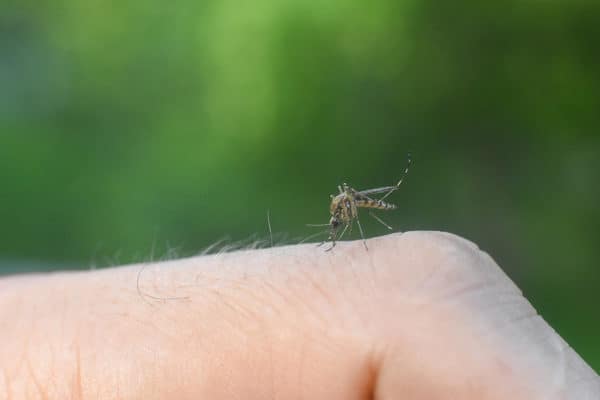
Mosquito season peaks in the summer months. The warm weather and humid environments accelerate their life cycle so they are able to reproduce in large numbers during this time. You are most likely to see mosquitoes when you have standing water on your property. Mosquitoes lay eggs in standing water and the hot, humid climate in summer is ideal for both breeding and to find food sources. Mosquitoes are dangerous to humans as they carry pathogens that can cause serious diseases like Zika and West Nile virus.
Mosquitoes can be prevented by:
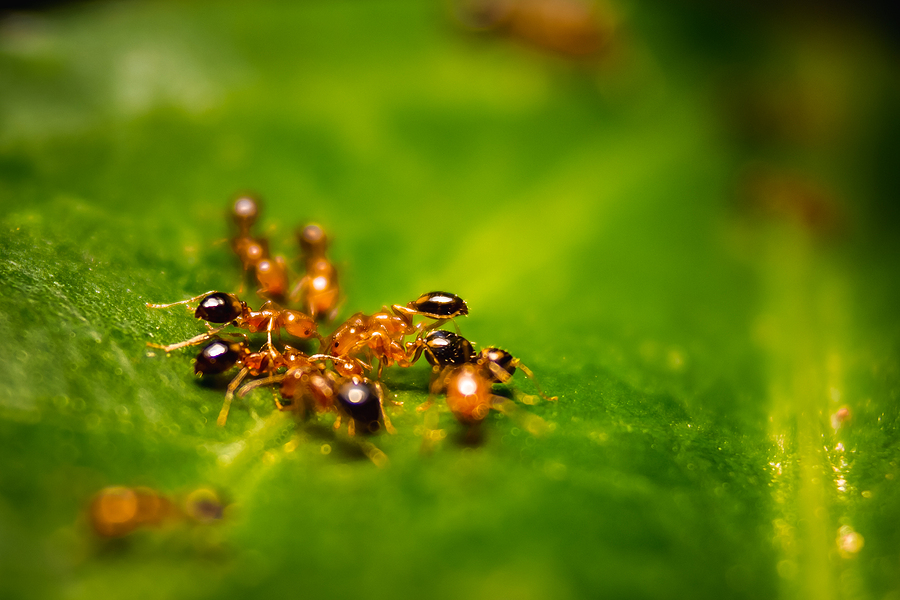
Ants hibernate in the winter and come out in full force over the summer. They have to forage in the summer months to feed their growing colonies and to build up their reserves for fall. Ants are usually seen indoors in the summer because they are searching for food and water as these can become scarce for them.
Ants can be prevented by:
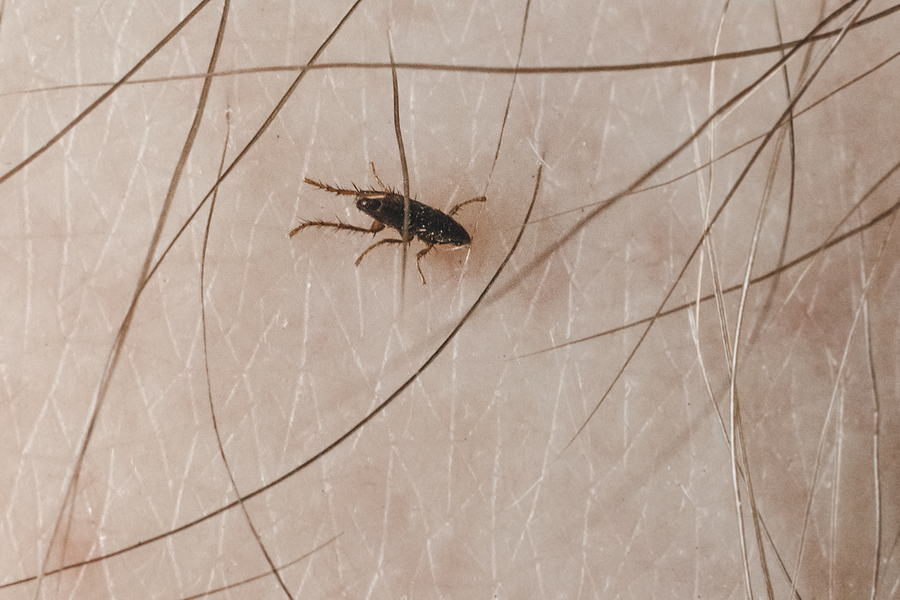
Fleas are prevalent in the summer months, although they can be found on pets year-round. Pets will indicate the presence of fleas by scratching and biting when they come in from outdoors.
Fleas can be prevented by:
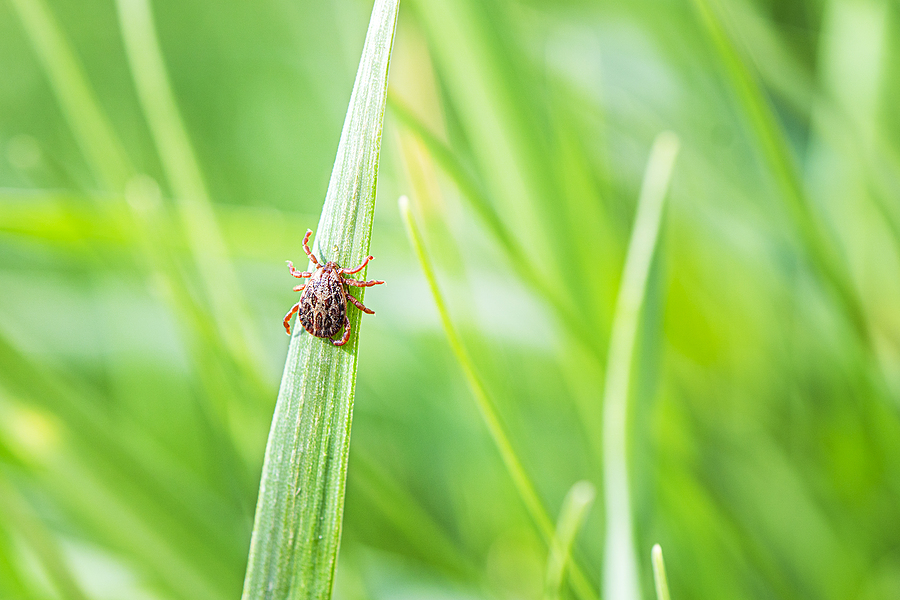
Ticks are problematic to humans and pets because they spread diseases like Lyme disease and Rocky Mountain spotted fever. Tick bites increase in the summer because people and animals are spending more time outside. The US is also seeing an increase in ticks because of the combination of mild winters and an increased population of deer and rodents which are known to carry ticks.
Ticks can be prevented by:
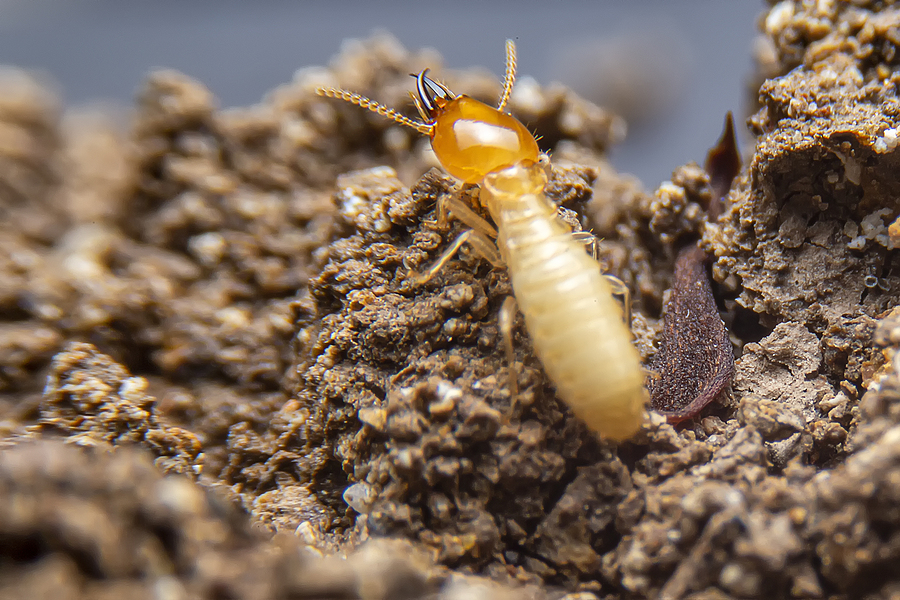
Termite swarming season is in the spring but these newly established colonies grow exponentially in the summer. Termites can go long periods of time undetected, causing significant damage to your home. It is important to keep an eye out for signs of termites so you can catch them early.
Termites can be prevented by:
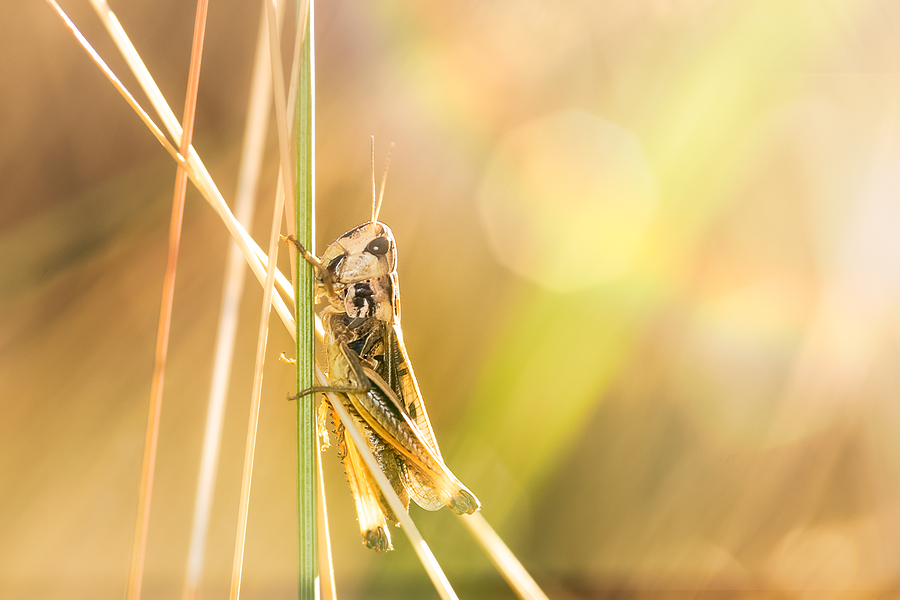
While most people view grasshoppers as just a nuisance pest, they can be devastating to gardeners and farmers. Grasshoppers can devour an entire field of crops in just a few days. Grasshoppers surge in large numbers in the summer months and are most prevalent in dry, hot summers. Grasshoppers can also cause damage to non-farmers as these are one of the only pests that can chew through screens.
Grasshoppers can be prevented by:
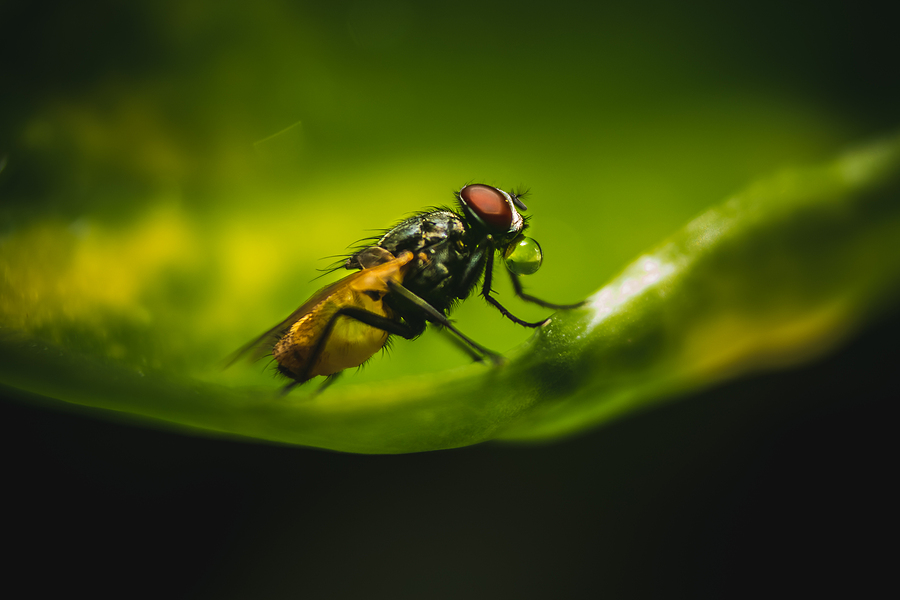
Flies invade your home in the summer months to escape the heat. They only reproduce during the hotter months and reproduce even more prolifically when they get indoors. Flies will stick around well into the fall months.
Flies can be prevented by:
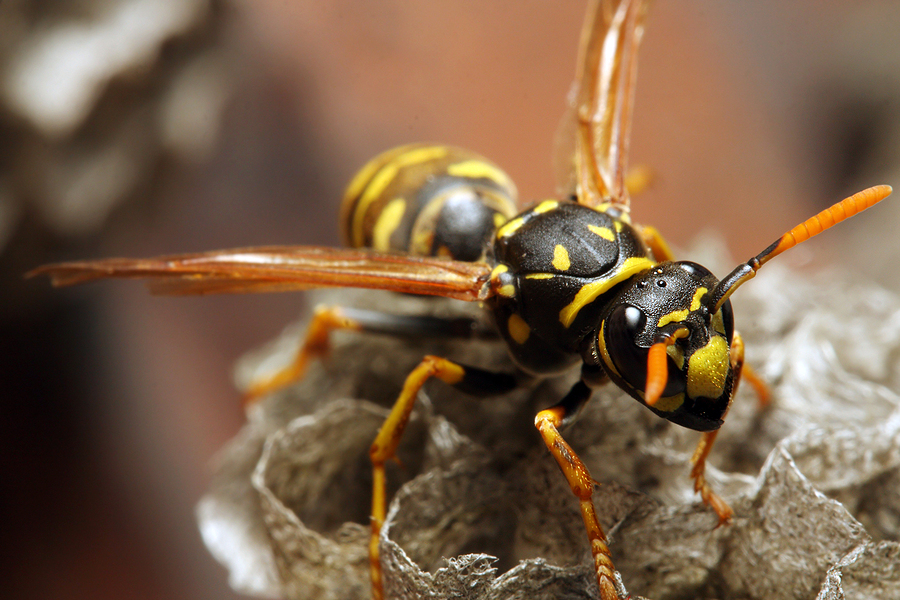
Stinging insects mate in the spring and their populations grow during the summer months. Hornets and yellow jackets are especially common in the summer because they have to establish new nests each year. These are usually found under decking or under piles of leaves. These stinging insects are potentially dangerous for people with allergies. Yellow jackets and bees can also get into the walls of homes, causing significant damage.
Stinging insects can be prevented by:
Don’t let these common summer pests ruin your summer. If you have a problem with any of these pests, contact a professional pest control company who can help eliminate them safely and prevent them going forward.
Termites: How to Stop Their Damage
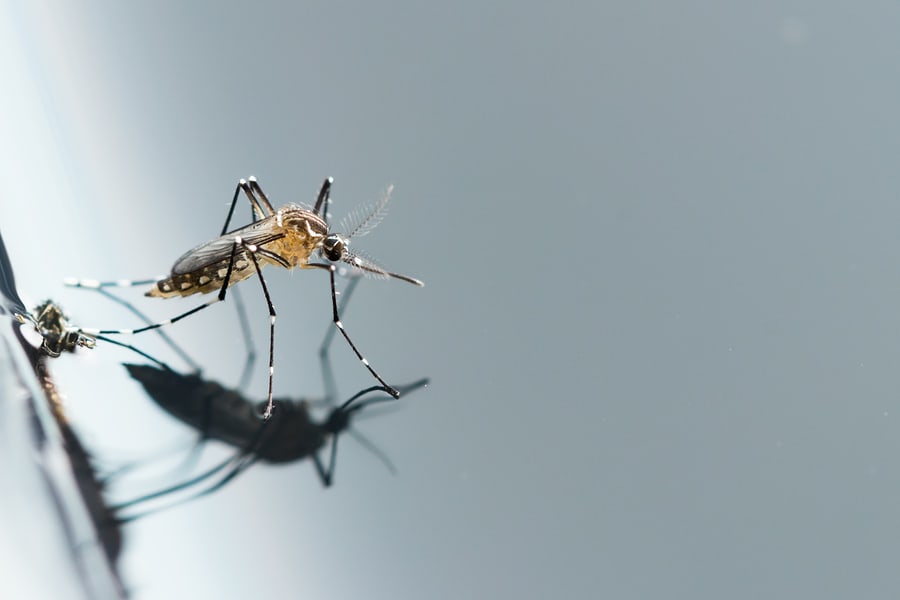
Typically, when you’re swatting away mosquitoes, you’re most likely outside. But what if you notice these pesky bugs inside your home? Mosquitoes can be considered one of the most irritating pests during the warmer seasons. They’re usually found in areas of high humidity and survive by sucking blood from animals and humans. When you’re relaxing at home after a long day of work, the last thing you want to worry about is getting bit by one or several of these pests. Though, if you’re starting to see them inside your home, it’s probably time to start investigating.
Mosquitoes could easily sneak inside your home through broken screens or doors. Mosquitoes are extremely small, and if there’s a slightest gap open to enter your home, they will. Begin to inspect the screens, windows, and doors in your home. Make sure there aren’t any large gaps or tears that would allow any bugs to enter the home.
Mosquitoes are attracted to still and stagnant water. There’s a high chance of mosquito activity if your property is near standing water with a constant water source. Mosquitoes could easily enter your home and lay their eggs; female mosquitoes will lay eggs in water for survival.
House plants are also known to attract mosquitoes inside the house. If your house plant has a water tray, mosquitoes will typically start to lay their eggs there while also feeding off the plant to get energy. Clean out your water trays periodically to prevent mosquitoes from laying more eggs.
One factor that not all homeowners will think about is a possible plumbing problem attracting mosquitoes. Simple leaks with small pools of water will certainly attract these pests. Mosquitoes are not only attracted to just areas of moisture, they can also be found in shaded, covered areas. Make sure to check crawl spaces, basements, and other areas where a pipe could leak.
Finally, if you’ve inspected all these possible factors and are still being infested with mosquitoes or want to put in place a mosquito prevention plan, call a local pest control company where they can investigate the problem and create a mosquito reduction program designed for your home.
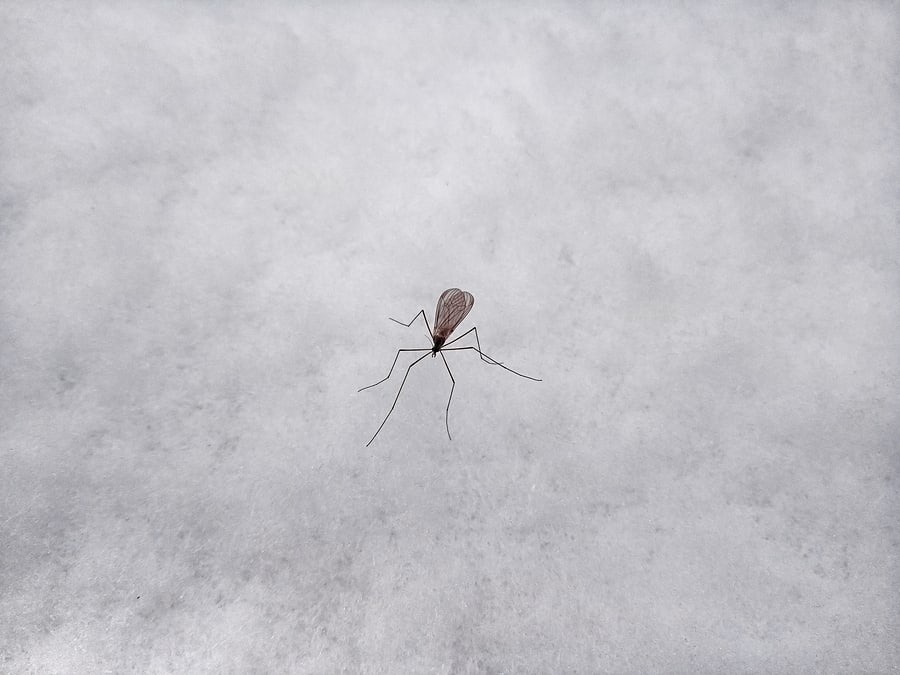
While we don’t often think of mosquitoes in the cold winter months, don’t let them stray too far from your mind. Although they might not be active this time of year, it’s never too early to start preparing for the start of mosquito season. Prevention is key in mosquito control. While most male mosquitoes die off when colder weather moves in, female mosquitoes go into a state similar to hibernation called diapause. They are oftentimes fertilized just before they enter diapause so that they are ready to lay eggs as soon as the weather warms up in the spring. Mosquito eggs can also go into diapause. Female mosquitoes will often lay eggs in standing water just before the weather cools down for winter. These eggs will then go into diapause and then hatch once the temperatures increase to above 50 degrees Fahrenheit consistently. Because of this, winter is a great time to perform some do-it-yourself mosquito prevention techniques.
Where Did These Ants Come From?
Keep Your Lawn Healthy This Winter
How to Deal With Moles This Winter