Oct 14, 2019 | Mosquito
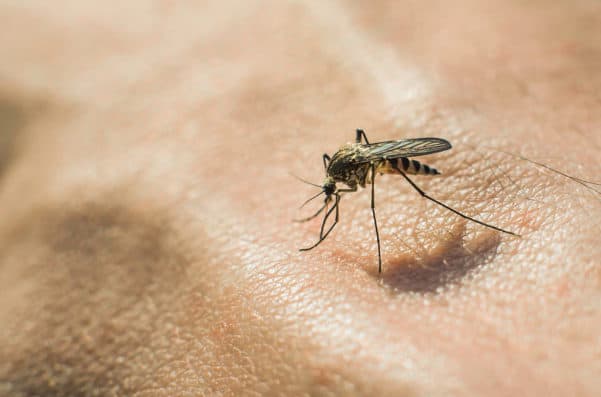
Even with cold weather on the way, mosquitoes will stay active through the fall months. It is important to continue to take precautions when outdoors and be wary of breeding sites around your home. Doing so will cut down on mosquito populations and the spread of mosquito-borne diseases like Eastern Equine Encephalitis, a disease that has had 20 human cases in 2019 in the United States.
Eastern Equine Encephalitis (EEE) is rare, but it can be life-threatening. There are two types of illnesses caused by EEE: systemic and encephalitic, with the latter being the most serious. The symptoms after a bite are flu-like including chills, fever, and pain in joints. However, if encephalitic, the symptoms can escalate to vomiting and convulsions. There have been cases recorded in Massachusetts, Michigan, New Jersey, North Carolina, Rhode Island, and Connecticut.
During mosquito season, look to use these tips to cut down on mosquito encounters:
- Remove areas of standing water around your home and business
- Utilize insect repellent containing DEET
- Avoid outdoor activities during peak mosquito times which are dawn and dusk
- Call a professional mosquito control company to get a thorough inspection and comprehensive treatment plan to help combat the mosquitoes around your home
Contracting this disease is rare, but by taking these precautions you can help further protect you and your family from mosquitoes and their bites. Click here for more information on EEE cases in the United States.

Aug 30, 2019 | Mosquito
In some places, especially the southern United States, mosquito season can seem like it lasts forever – or at least for the majority of the year; and in some cases it actually does. Mosquitoes are most often associated with the hot summer months but the season actually begins earlier than that and can run through fall. Besides being annoying, mosquitoes can also pose serious health hazards to both humans and animals. Mosquitoes are known to transmit serious diseases like West Nile virus, Zika virus, chikungunya, and eastern equine encephalitis.
Because mosquito activity is primarily driven by temperature, mosquito seasons vary from region to region. Some species of mosquitoes hibernate during the winter and emerge when the weather warms up. Other species die off when cold weather arrives and their offspring hatch from previously laid eggs in the spring. Regardless of the species, most mosquito activity begins when temperatures consistently reach above 50 degrees Fahrenheit. As temperatures increase, so does mosquito activity, making peak mosquito season in the hot summer months. As the weather begins to cool down, so does mosquito activity. Those mosquito species that hibernate over winter will begin looking for their winter dwellings in hollow logs, abandoned animal burrows, and other places. Those mosquito species that don’t hibernate will begin dying off as temperatures drop below 50 degrees. Because of this, those places with warmer climates will have mosquito season begin earlier and last longer than those with cooler climates.
There are some do-it-yourself pest control steps that you can take to help minimize mosquitoes on and around your property. Try to implement these before mosquito season starts when temperatures are still below the 50 degree mark. Waiting until mosquito season means the breeding population will already be established and will be much harder to control.
- Eliminate Standing Water. Walk your property and remove any objects that can collect water. Standing water serves as a breeding ground for mosquitoes. They only require a small amount of water to lay eggs so be sure to check flower pots, bird feeders, toys, old tires, buckets, wheelbarrows, etc.
- Clean Gutters. Clogged gutters can create standing water which provides ample breeding ground for mosquitoes. Make sure gutters remain free of debris and clogs. Consider installing gutter guards to help eliminate clogs.
- Fill in Hollow Areas. When checking your property, take note of any low lying areas like ditches that can collect standing water after rain or watering. Fill them in with dirt as necessary. Also make sure to check for any hollow logs and stumps which can not only hold standing water but also provide overwintering mosquitoes a place to hibernate during the cold weather.
- Check For Leaks and Cracks. Inspect foundations and exterior walls for cracks and make sure to promptly repair them. Even the smallest cracks can provide mosquitoes with an entryway into your home. Check for any leaks, as well, as mosquitoes can breed in the standing water.
- Repair/Replace Screens. Check screens to make sure they are intact and in good repair. This includes screens on windows, doors, and screened porches and patios. Size 16-18 mesh is recommended for pest control.
- Cover Up. Some objects that can hold or collect standing water can’t be removed from your yard like wading pools and boats. When these items aren’t in use make sure they stay covered. Also make sure to check the covers after rain to make sure they aren’t collecting water, as well.
- Maintain the Pool. Mosquitoes will typically stay away from well maintained pools. However, if a pool goes unused for a period of time they will be attracted to the stagnant water. Make sure to keep your pool maintained or covered if not in use for an extended period.
Even with these proactive steps, mosquitoes can still be difficult to control. Consider investing in a professional mosquito control program that can reduce mosquitoes, help prevent mosquito bites, and limit your risk of mosquito-borne disease. A mosquito control program from a licensed pest control company can provide you with treatments throughout mosquito season.
You May Also Be Interested In:
How to Help Your Lawn During Late Summer
Are Millipedes Helpful or Harmful?
Pest Control for Basements and Attics
When Should You Be Concerned About A Spider Bite?
Mice, Rats, and Other Problem Rodents
Aug 15, 2019 | Pest Control
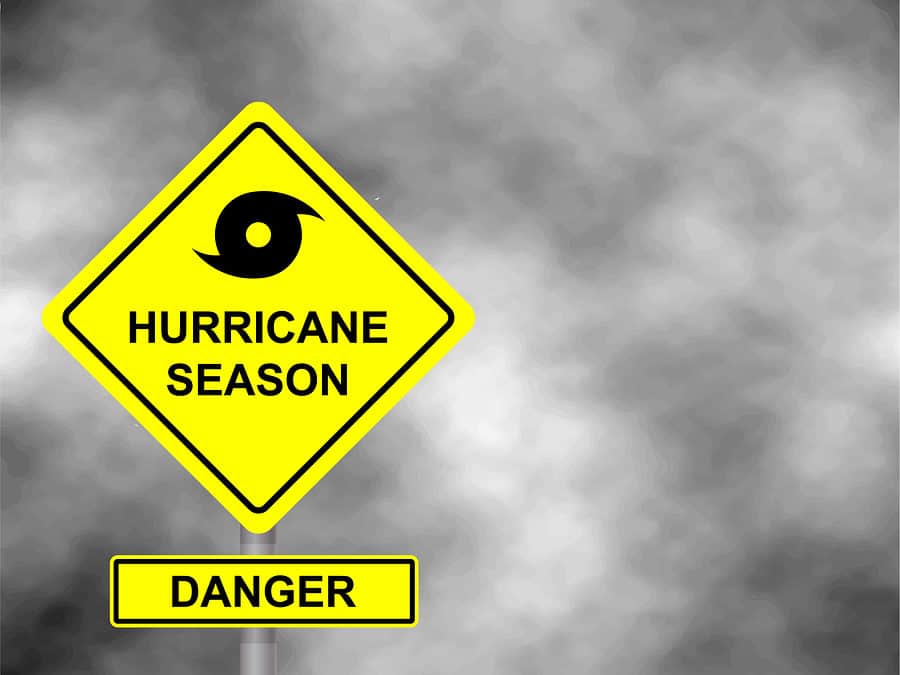
Predictions for the 2019 Atlantic hurricane season have come in from the National Oceanic and Atmospheric Administration (NOAA). During what they are calling a “near-normal” season, the Southeast region could see 9-15 major storms, 4-8 hurricanes, and 2-4 mega-hurricanes. Storms and heavy rains can lead to an explosion in pest populations after these weather systems are long gone. From clogged gutters to excess moisture in and around your home, your property needs protection from storm damage. Follow these tips to prepare and protect your home in case the weather takes a turn for the worst.
- Windows on your property should be reinforced before the impending weather makes landfall. While you’re at it, look to also replace old weather-stripping and seal all cracks and crevices. Pests will seek out your home for shelter after being flooded out of their nests and will use these entry points to gain access inside.
- Once the storm makes its way further inland, your home will be left surrounded by standing water. This is when mosquito populations will thrive as the standing water provides the perfect breeding site. Eliminate all areas of standing water and look to invest in gutter protection to promote proper drainage.
- Should you experience prolonged power outages, all spoiled food should be removed from the home and stored in trash bins as far from the home as possible. Any waste or clutter can attract flies and rodents, so organizing all trash piles away from the home is crucial.
Once the clouds have cleared and you find that you have an issue with pests post-storm, contact your local, licensed pest control company for an inspection of your home. They can pinpoint areas of damage that can lead to more pest issues down the road.
Aug 7, 2019 | Pest Control
Summer is here and as the temperatures are ramping up and the summer storms roll in, new pests are taking advantage of the conditions and becoming more active.
Let’s check which summer pests are stirring up trouble in your neck of the woods.
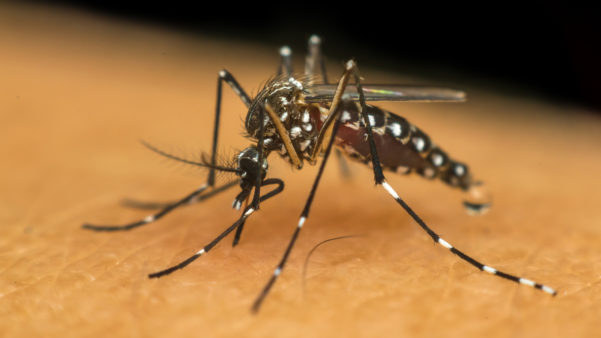
Yellow Fever Mosquitoes:
The 2019 Atlantic hurricane season officially started June 1 and storms will start to occur more frequently. This excessive moisture will lead to areas of standing water which are the perfect breeding sites for yellow fever mosquitoes. To help prevent mosquitoes this summer, try to:
- Eliminate areas of standing water around your home.
- Utilize insect-repellant that contains DEET.
Carpenter Ants:
Swarming season for carpenter ants is typically from May through August. Just like yellow fever mosquitoes, carpenter ants need water for survival and will be drawn to your home if there is excess moisture. To keep ants out of your home this summer try to:
- Seal cracks and openings around your home to keep carpenter ants from entering.
- Cut tree branches back away from your home as this is how carpenter ants can gain access.
Formosan Termites:
Formosan termites are sometimes called “super termites,” as they are known to be very aggressive. Formosans can chew through wood, floors, and even wallpaper without being detected. A few ways to prevent termites and their subsequent damage are to:
Pests are a hassle but preparation and treatment are key in stopping them in their tracks. Call to schedule a free home inspection and start your journey to a pest-free home.
Sep 28, 2018 | Mosquito, Pest Control
Summer is drawing to a close and, even though the temperatures are cooling off, they haven’t reached the cold level yet. The time is drawing near for the last battle of the year – us versus mosquitoes! That’s right – just because we’ve moved into fall doesn’t mean the end of mosquito season – especially in the south. Mosquitoes are cold-blooded insects and won’t disappear until temperatures are consistently below 50 degrees. In fact, mosquitoes can even still breed in standing water, especially with the extra rain this time of year brings.
So what can you do to not only prepare yourself for this last battle but keep them at bay until the winter months? Make sure to include mosquito prevention in your fall home and yard preparations. Follow these tips to win the battle with mosquitoes!
- Remove any standing water from flower pots, bird baths, tires, tarps, and any other containers in and around your yard that can hold stagnant water.
- Remove piles of leaves and debris from your yard as these can give mosquitoes a place to hide out and possibly breed.
- Clean your gutters and fix leaky pipes. If cleaning gutters isn’t your thing, consider installing gutter guards to eliminate the hassle of cleaning them year after year.
- Continue to wear protective clothing and repellent when you are outdoors, especially in the early morning and at dusk.
- Make sure screens on doors and windows are in good repair without holes or tears, especially as we use our air conditioners less and enjoy the cooler temperatures outdoors.
- Contact a professional pest control company to help you eliminate mosquitoes from your home and property and help you with an ongoing prevention and treatment plan.