Jul 19, 2018 | Community News, Mosquito
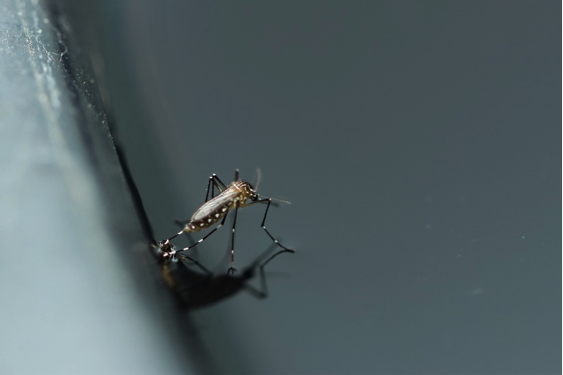
We’ve reached the point in summer where random showers appear out of nowhere and end just as quickly as they start. The showers can sometimes occur back to back and the sun does not have time to dry up the puddles or standing water, leaving behind the perfect breeding sites for mosquitoes. Not only are mosquitoes one of the more annoying pests, they also carry disease, endangering you and your family. West Nile and Zika are the most well-known diseases that can be spread through mosquito bites. However, in recent news, another disease has surfaced in the media, the Keystone Virus.
- What is the Keystone Virus? This is a virus transmitted by mosquitoes. The first human case documented was in 2016 in North Central Florida. However, the virus was first discovered in Keystone, FL in 1964.
- Should my family and I be worried about the Keystone virus? The virus is not a cause for panic or concern like Zika. Humans infected by the Keystone virus, may exhibit a mild fever and rash, and in very rare cases it may cause encephalitis. However, it is very unlikely to exhibit any symptoms.
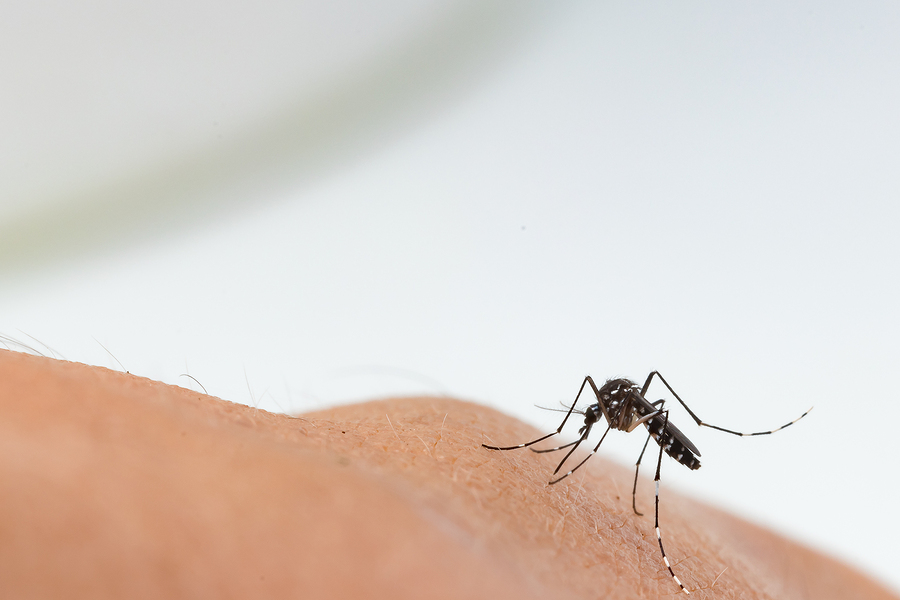
- What kind of mosquito spreads the Keystone virus? The virus is primarily transmitted by the floodwater mosquito. This mosquito is common throughout the southeastern U.S and is most active during dusk. Unlike, the Asian Tiger Mosquito, this mosquito does not breed in containers but prefers woodlands and swampy flooded areas.
- I think I was bitten by a mosquito and I do not feel well. What should I do? Contact your doctor or a medical professional.
Our products and mosquito reduction program have proven to help control this mosquito, but there are steps you can take in mosquito prevention as well!
- Keep gutters clear of debris and consider installing gutter guards.
- Eliminate any areas of standing water. If you live in an area that is prone to flooding, check that the water is draining properly.
- Peak mosquito activity is during dusk and dawn. Minimize outdoor activity during these periods. If this is unavoidable, make sure to use insect repellent, preferably one with DEET.
- Call a pest control professional if you suspect a problem with mosquitoes.

May 25, 2018 | LeafProof, Mosquito, Pest Control
One of the perks of summer is spending more time doing what we enjoy outdoors – barbecues, picnics, gardening anyone? But, you know that all of these fun activities come with another risk – pests! Nothing ruins a picnic faster than ants or mosquitoes. What can you do to make sure you can still enjoy all the fun times outside this summer? Check out these 9 ways to protect your outdoor fun from pests.
- Remove standing water. Standing water is the perfect breeding ground for mosquitoes. Walk around your yard and fill in any areas where water is prone to pooling. Use pumps in ponds and fountains. Empty out any containers that contain standing water like wading pools, flower pots, buckets, toys, wading pools, and more. Check gutters and rain spouts for clogs and clear them. Consider using gutter guards to help prevent clogs. Check around AC units for leaks.
- Clear out clutter and debris. There are lots of items around your yard that can hold rainwater like toys, tires, and even half empty bags. Make sure these are empty and cleared away or, if you can’t get rid of them, turn them over so they can’t collect water. Piles of leaves, fallen branches, and rotting fruit can attract pests to your yard by providing them with food and shelter. Make sure these are cleared out of your yard.
- Landscape your yard. Tall grass and weeds can harbor ticks, fleas, and ant hills. Mow your lawn regularly in spring and summer so pests have less places to hide. Overgrown shrubbery and tree branches that are in contact with the side of your home can provide a clear pathway for roaches and other pests. Keep trees and shrubs trimmed with at least 1 foot between the branches and the walls of your home.
- Store firewood properly. Firewood provides food and shelter for many different pests, especially termites. Make sure firewood is dry before storing it. Keep firewood stacked above the ground and use a rack or a platform if possible. This way ants and termites can’t easily access the wood. Make sure firewood is stored at least 5 feet away from any structures like houses or sheds. If possible, store firewood with a cover or roof over it.
- Use screens. Keep windows and doors closed as much as possible. Make sure doors and windows have screens on them. Check screens regularly for holes and tears and repair or replace them as needed. Check around doors and windows for gaps and replace weatherstripping as needed.
- Inspect your outdoor equipment. Regularly check the chains of swing sets and the corners of outdoor furniture for spiders and egg sacks and remove them immediately. Check under your porch, in your eaves, or near your grill for wasp nests and remove them immediately. Keep outside toys outside and inside toys inside. If you have to bring outside toys items inside make sure to wipe them down beforehand.
- Cover your food. Keep all food and beverages in sealed covers and containers. Keep food covered at all times. Keep garbage containers sealed. Bring utensils and dishware indoors shortly after the meal. Clean trash, spills, and crumbs immediately from tables and other surfaces. Rinse all beverage bottles and cans and dispose of them in tightly closed garbage containers. Use clear plastic cups for drinks since aluminum cans and plastic bottles provide hiding places for stinging insects.
- Use insect repellent. Mosquitoes are most active from dusk to dawn. If you must be outdoors during this time, use insect repellent that contains DEET. Use repellent on both exposed skin and on your clothes. Wear long sleeves and pants to avoid bites. Use citronella candles around decks and patios.
- Call a professional. If you suspect you have a pest problem, call a professional pest control company who can provide you with a thorough evaluation and a comprehensive treatment and prevention program for pests.
May 17, 2018 | Mosquito
Summer has arrived and with it comes warmer weather and more outdoor time. While we want to enjoy picnics and parties outside, mosquitoes will often make us the life of their party, feasting on us as unsuspecting victims. Mosquitoes are annoying as they buzz around us and can be a major nuisance if they get inside your home. They can also be dangerous, transmitting serious diseases like West Nile virus and Zika. What can you do to make your summer more enjoyable sans mosquitoes? Check out these 6 tips to prevent mosquitoes this summer.
- Protect Yourself. The CDC advises that you use mosquito repellents that are registered with the US Environmental Protection Agency. They also recommend using products that contain DEET. Use these repellents sparingly on your skin and make sure to wash up when you come inside. Mosquitoes are attracted to clothing that is dark in color or that has floral prints. Try to avoid wearing these colors during peak mosquito times. Also try to avoid wearing sweet-smelling colognes and perfumes. If you have to be outdoors, try to wear long-sleeved shirts and long pants. Spray your clothes with mosquito repellent.
- Protect Your Home. Take steps to keep mosquitoes out of your home. Keep doors and windows closed as much as possible, especially during peak season. Make sure doors and windows have screens and that the screens are in good repair. Replace screens that are beyond repair.
- Dry It Out. Mosquitoes only need 1/2″ of water to breed. Eliminate any areas of standing water around your home, including flower pots, birdbaths, and wading pools. Turn over any vessels that can hold standing water such as tarps. Make sure gutters are clear to avoid pooling water. Consider installing gutter guards to help keep drains clear.
- Mind Their Schedule. Peak activity time for mosquitoes is between dusk and dawn, and especially in early mornings and early evenings. Try to avoid outdoor activity as much as possible during this time. If you must be outdoors, wear long sleeves and long pants and make sure to use mosquito repellent.
- Avoid Triggers. Mosquitoes are attracted to carbon dioxide. People with increased metabolic rates, larger people, and pregnant women are especially attractive to mosquitoes because they expel more carbon dioxide. You also expel larger amounts of carbon dioxide when you exercise. Try to avoid outdoor activity, especially exercise, during peak mosquito times. If you must be outdoors, wear long sleeves and pants and use mosquito repellents.
- Call The Pros. If you have a problem with mosquitoes, call a professional pest control company who can provide you with a thorough evaluation and provide you with a comprehensive treatment plan.
May 17, 2018 | Fire Ant, Mosquito, Pest Control
With the last day of school, graduation ceremonies, and Memorial Day quickly approaching, you’re probably feeling the pressure to get your outdoor area ready for all the festivities. Not only are you concerned about the look of your lawn and impressing your guests, but you also need to know which pests to avoid and, if possible, prevent from ruining your celebration. Here’s your party pest avoidance checklist:
Mosquitoes
We’d like to be completely rid of mosquitoes forever, but that would be a difficult task! Let’s look at what you can do to reduce their occurrence in and around your home:
- Eliminate breeding grounds
- Be cautious of the time of day you plan your festivities; mosquitoes are most active early morning and late afternoon
- Minimize wearing floral prints and perfumes as they attract more mosquitoes
- Receive regular mosquito reduction service
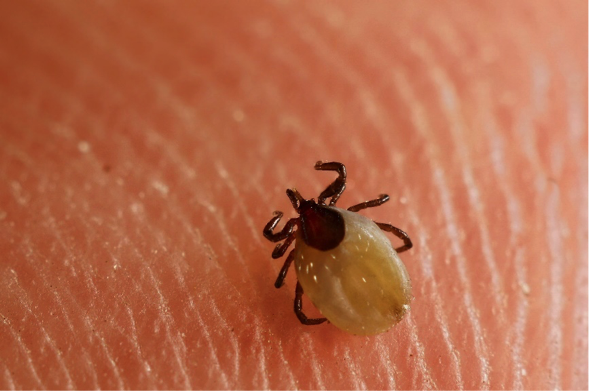
Ticks
We understand the concern that ticks can breed. Take a look at these tips to prevent one of these pests attaching to you:
- Wear light-colored clothing to help you see if you have picked up any ticks if you live in a wooded area
- Wearing long-sleeves, pants, and shoes without open toes is suggested if your festivities are in an area with tall grass. Ticks will use the tall grass to attach to you
- Keep grass cut low and inspect yourself thoroughly after working in the yard
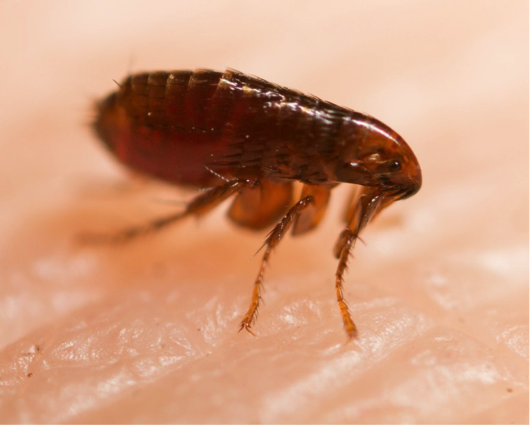
Fleas
Fleas are typically a nuisance for our furry friends, though they can still cause issues for you too. Here are a few suggestions to keep your home and pets flea-free:
- Check pets frequently for fleas and flea dust
- Vacuum carpets, mop floors, and clean furniture regularly
- Bathe pets frequently and speak with a vet about preventative medicine
- If you think you have a flea infestation in your home and/or yard, call your exterminator for a free flea treatment quote
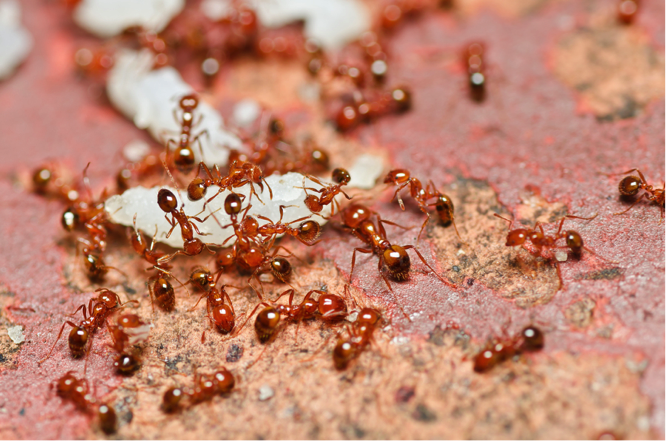
Fire Ants
Like mosquitoes, fire ants can be an unwanted fixture on your lawn during the warmer months. They leave painful bites and can be an issue for pets and humans alike. To prevent fire ants from ruining your summer fun, try these tips:
- Avoid all contact with fire ant mounds
- To stop them from coming into your home, seal any cracks and replace any weather-stripping
- If you see mounds around your home, call a pest control company to discuss a treatment plan
Apr 13, 2018 | Mosquito
Mosquito season is in full swing, much to the dismay of those of us in the South. The humid weather stirs them up in a major way year after year.
Your mosquito service has already started up, but reduction services are just that, a service aimed at managing the occurrence of mosquitoes in the yard. Your Northwest technician utilizes an Intergrated Pest Management approach (IPM), which is customized just for you and your pest needs. This approach is aimed at mosquito prevention, mosquito reduction, and the elimination of the habitats that mosquitoes need to breed. Implementing a successful IPM strategy goes a long way with cutting down the mosquito population surrounding your home.
But, did you know that there are steps you can take to push your mosquito service to the next level?
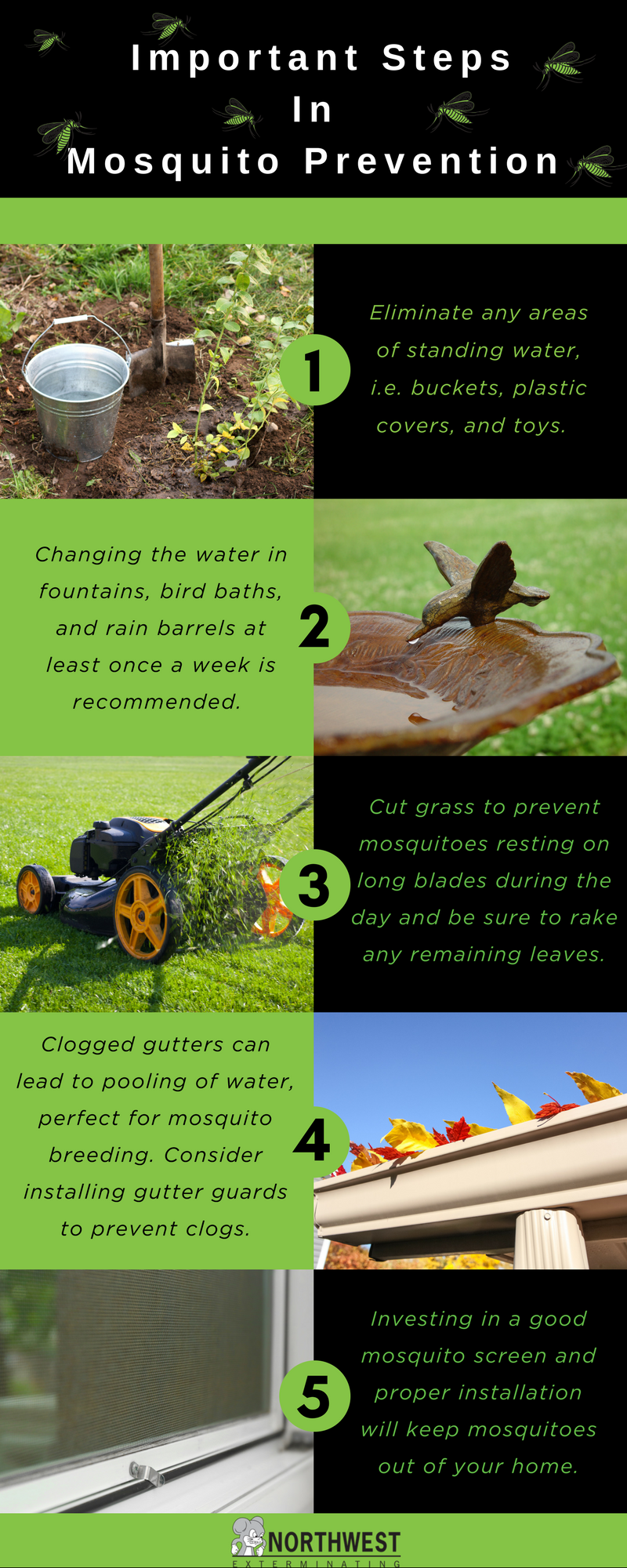
- Eliminate any areas of standing water i.e. buckets, plastic covers, and toys
- Change the water in fountains, bird baths, and rain barrels at least once a week
- Cut grass to prevent mosquitoes resting on long blades and rake leaves
- Keep gutters clean and consider installing gutter guards to prevent clogs, which create areas of standing water, conducive to mosquito breeding
- Install a mosquito screen to keep mosquitoes out of your home
These extra steps will not only reduce the number of mosquitoes you encounter but will also help protect you and your family from mosquito bites and the diseases they can carry.
If you suspect you have a problem with mosquitoes in or around your home, contact a professional pest control company who can provide you with a thorough inspection and comprehensive mosquito treatment plan.