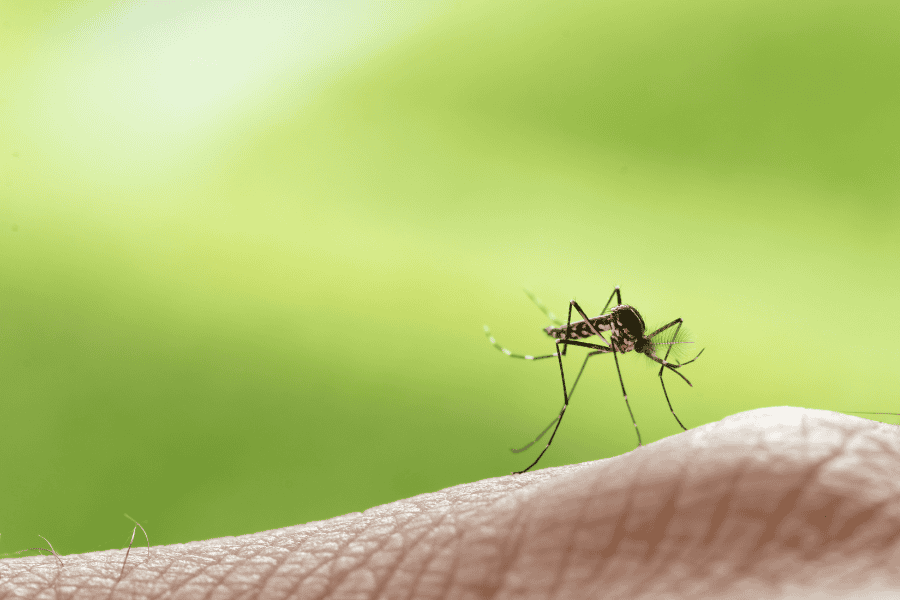
As temperatures rise in Alabama, mosquito season kicks into full gear—especially in the summer. The state’s warm, humid climate creates ideal breeding conditions, and without action, mosquito populations can quickly grow. More than just a nuisance, mosquitoes are known to spread diseases like West Nile Virus and Zika. If you’re looking to reduce mosquito activity around your home, sustainable, eco-conscious methods can help. Below are practical green mosquito control strategies to help keep mosquitoes away this season—without relying on harsh chemicals.
Why Green Mosquito Control Is Important in Alabama
Peak Season:
Mosquito activity typically spikes in July due to standing water, warm nights, and rising humidity.
Health Risks:
Mosquitoes carry several viruses that can affect humans and pets:
West Nile Virus: May cause fever, fatigue, or, in rare cases, neurological complications.
Zika Virus: Can be especially concerning for pregnant women due to risks of birth defects.
Other Risks: Includes dengue fever and chikungunya, though less common in Alabama.
Everyday Impact:
Mosquitoes can make backyards unusable and outdoor gatherings unpleasant, especially during the evenings.
Sustainable Ways to Reduce Mosquitoes
1. Eliminate Standing Water
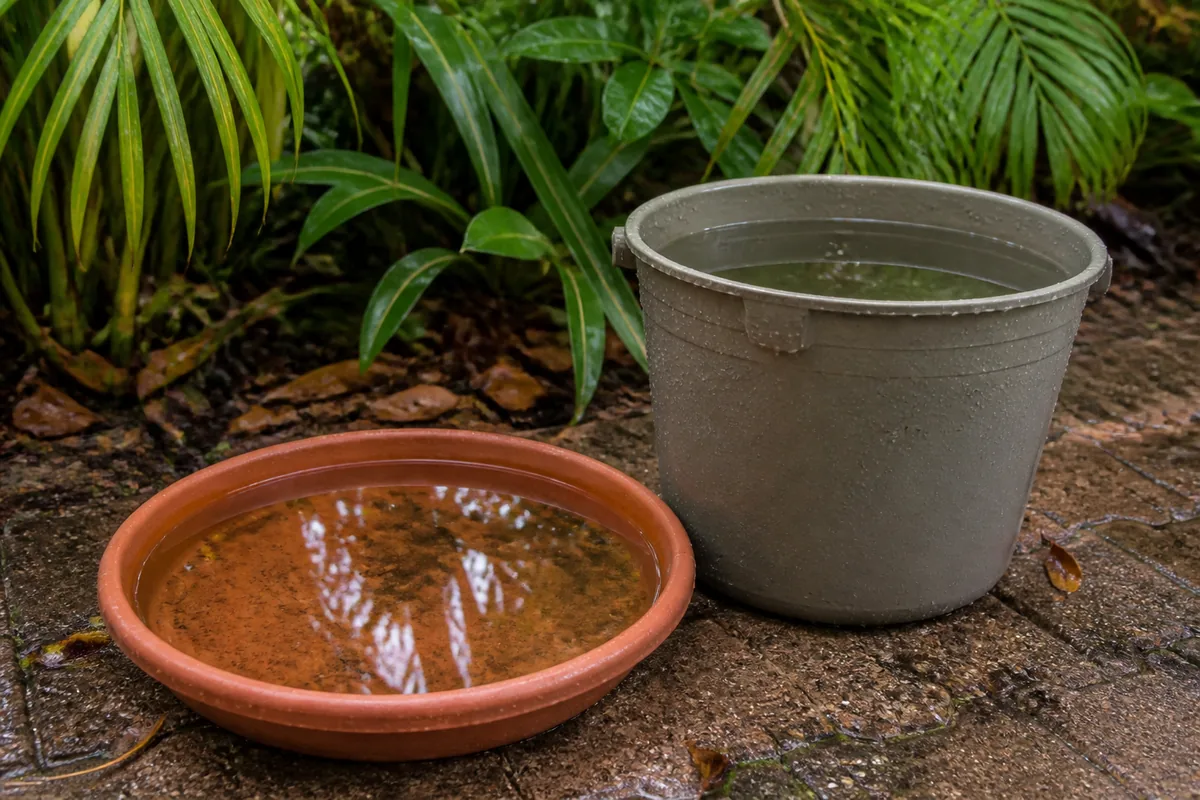
Mosquitoes lay eggs in stagnant water. Removing these sources helps limit breeding:
Empty Containers: Check flowerpots, birdbaths, toys, and gutters.
Refresh Water: Clean and refill birdbaths or pet bowls every few days.
Improve Drainage: Fill low-lying spots where water pools after rain.
2. Add Mosquito-Repelling Plants
Certain plants help deter mosquitoes naturally:
Effective Options: Citronella, lavender, marigolds, lemongrass, and basil.
Where to Plant: Use near patios, entryways, and outdoor seating areas.
These plants provide mosquito control and improve your home’s landscaping.
3. Use Mosquito Traps
Mosquito traps attract and capture adult mosquitoes:
Types: Options include CO₂-based, UV-light, and fan-powered traps.
Eco Benefits: Choose chemical-free or reusable traps like In2Care, which uses environmentally friendly ingredients and reduces the need for broad insecticide spraying.
4. Modify Landscaping
Your yard’s design plays a big role in mosquito activity:
Trim Overgrowth: Keep grass mowed and bushes pruned to reduce resting spots.
Fix Drainage Issues: Ensure water flows away from your home.
Encourage Natural Predators: Dragonflies, frogs, and birds feed on mosquitoes.
5. Use Non-Toxic Sprays
Skip the harsh pesticides and opt for more natural alternatives:
DIY Repellents: Use essential oils like citronella, eucalyptus, or peppermint.
Store-Bought Sprays: Look for plant-based ingredients and low-toxicity formulas.
Additional Ways to Deter Mosquitoes
Install Screens: Repair any tears in window and door screens to block entry.
Use Outdoor Fans: Mosquitoes avoid air movement, making fans on porches effective.
Dress Smart: Light-colored, loose-fitting clothes are harder for mosquitoes to bite through.
Reclaim Your Yard This Season
Mosquitoes don’t have to take over your outdoor spaces this summer. By removing breeding grounds, enhancing your landscaping, and using natural repellents, you can enjoy more time outside. For added support, reach out to a local pest control provider with expertise in eco-conscious, green mosquito solutions.
Make this mosquito season manageable, starting today.
By Mike Vilchez, Quality Assurance Technical Field Trainer — South Florida · Last updated: July 2026 Reviewed for accuracy by the Northwest Exterminating South Florida Service Team.
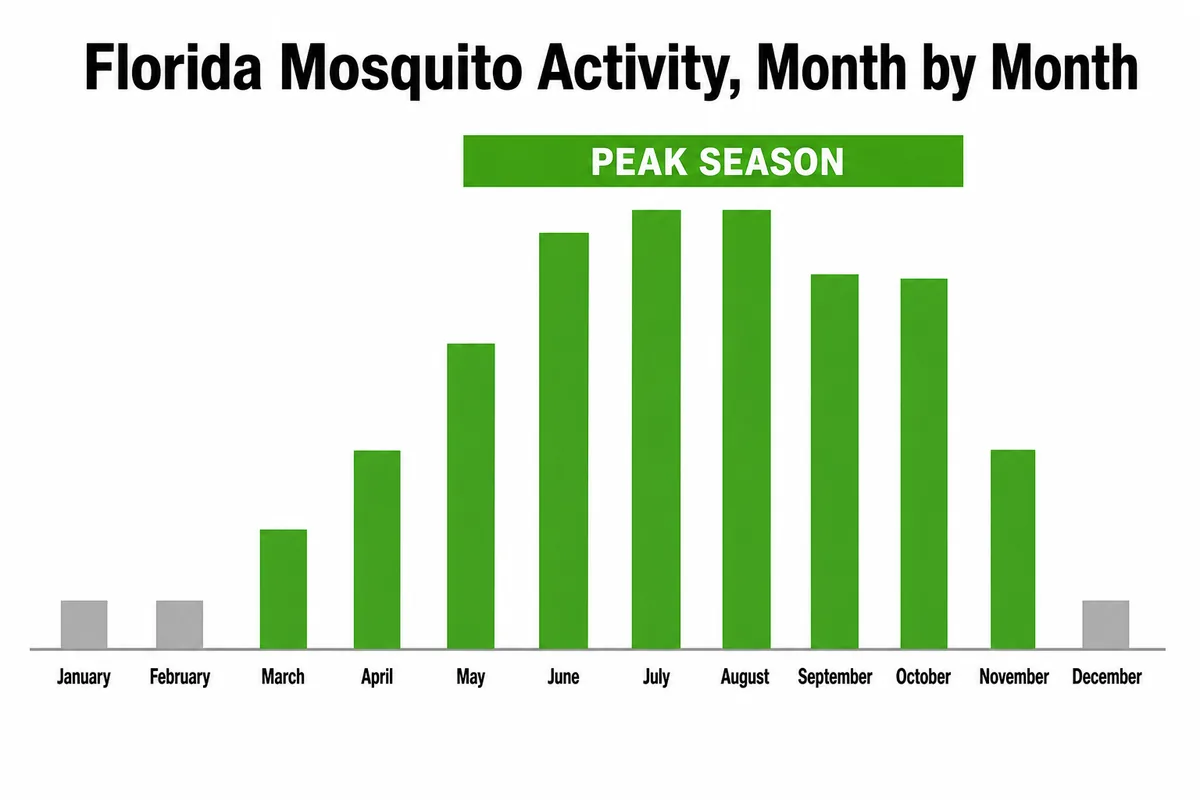
Quick answer: Mosquito season in Florida runs essentially year-round, with activity ramping up in March, peaking from June through October during the rainy season, and tapering (but never fully stopping) in winter. South Florida, including Naples, Fort Myers, and Miami, sees the longest and most intense pressure of any region in the state.
Florida mosquitoes don’t follow the same seasonal calendar as the rest of the country. While homeowners in the Midwest pack away their repellent in October, Florida residents are still swatting in December. Understanding exactly when mosquito season in Florida starts, peaks, and eases up is the first step toward protecting your yard and family all year long.
This guide gives you a clear, month-by-month breakdown of Florida’s mosquito season, explains why South Florida faces a uniquely long season, and outlines what a year-round protection plan actually looks like. Whether you’re in Naples, Fort Myers, Miami, or Pompano Beach, this is the local detail that most generic guides skip entirely.
Florida’s warm, humid climate keeps mosquitoes active far longer than in the rest of the country.
The Short Answer: Florida’s Mosquito Season Is Basically Year-Round
Most states get a true mosquito-free winter. Florida does not. Mosquito season in Florida officially spans from roughly March through November, but in South Florida, activity never fully stops. It only slows.
The peak window runs from June through October, driven by the state’s rainy season and sustained heat. Outside of that peak, mosquitoes in South Florida remain present and capable of biting on warm winter days. Temperatures need to drop consistently below 50°F before mosquito activity meaningfully decreases, and in Miami-Dade, Broward, Collier, and Lee counties, that threshold is rarely met for more than a few days at a time.
For practical purposes, Florida mosquito control is a 12-month commitment.
Florida mosquito pressure ramps up in spring, peaks from June through October, and only slows in winter.
Florida Mosquito Season, Month by Month
Spring (March through May): The Season Ramps Up Fast
By March, daytime temperatures across Florida are climbing back into the 70s and 80s. Mosquitoes that survived winter as eggs or larvae in standing water begin hatching. Activity builds steadily through April and accelerates sharply in May as humidity rises ahead of the rainy season.
South Florida residents often notice meaningful mosquito pressure as early as mid-February during warm winters. This early ramp-up is one of the key differences between South Florida and the northern part of the state, where the season typically doesn’t gain momentum until late March or April.
Summer and Early Fall (June through October): Peak Season
This is the worst period. Florida’s rainy season runs from June through September, dropping an average of 50 to 60 inches of rain annually across the southern half of the state, according to the University of Florida IFAS Extension. Every rain event creates fresh standing water, and standing water is where mosquitoes breed.
Warm temperatures accelerate the mosquito life cycle dramatically. At 80°F, a mosquito can complete its development from egg to biting adult in as little as 7 to 10 days. With near-daily afternoon storms refilling breeding sites faster than they dry out, the population compounds quickly throughout June, July, and August.
September and October remain heavily active. The rains taper, but residual warmth and humidity keep populations elevated well into fall.
“In South Florida, we don’t really see a summer spike. We see a summer ceiling,” says Mike Vilchez, Quality Assurance Technical Field Trainer and South Florida expert at Northwest Exterminating. “From June through October, pressure is just consistently high. Service calls spike right after the first big June rains, and they don’t drop off until we get a real cold front, which might not happen until December.”
Winter (November through February): A Lull, Not a Stop
North Florida typically sees a meaningful drop in mosquito activity between November and February. Temperatures fall far enough to suppress most species. In South Florida, the picture is different.
Miami, Fort Lauderdale, Pompano Beach, and coastal Collier County rarely see extended cold snaps. Average January temperatures in Miami sit around 68°F, well above the 50°F threshold at which mosquito activity begins to slow. That means mosquitoes remain capable of biting on most winter days in South Florida, even if the population is smaller than it was in August.
The practical implication: dropping your mosquito protection in November is a mistake if you live south of Lake Okeechobee.
Why Is Florida’s Mosquito Season So Much Longer Than Other States?
Three factors combine to make Florida, and South Florida in particular, one of the most mosquito-intense environments in the continental United States.
Heat: Mosquitoes are cold-blooded insects. Warmer temperatures shorten their breeding cycle and extend their active season. Florida’s subtropical and tropical climate provides warmth year-round, which other Southeastern states cannot match.
Humidity: Florida’s average relative humidity exceeds 70% across most of the year. High humidity slows mosquito dehydration, keeping adult populations active longer after each breeding cycle.
Rainy season and standing water: Florida’s June-through-September rainy season creates the breeding conditions mosquitoes need. Low-lying yards, drainage ditches, landscape features, and poorly maintained gutters all become active breeding sites within days of a rain event. The University of Florida IFAS Extension has documented more than 80 mosquito species in the state, more than any other state in the continental US.
Coastal geography: South Florida’s flat terrain and coastal proximity means rainwater drains slowly. Water sits in yards, swales, and natural areas for days after a storm, and each of those sites is a potential breeding zone.
What Are the Worst Months for Mosquitoes in Florida?
The worst months for mosquitoes in Florida are June, July, August, and September. These four months combine peak rainfall with peak heat, creating conditions that drive rapid population growth.
July is consistently the most complained-about month across Northwest Exterminating’s South Florida service area. Afternoon storms roll through almost daily, and temperatures rarely dip below 75°F even at night, meaning mosquitoes breed around the clock.
Regional differences matter here. In Tallahassee and Jacksonville, the season is bad in summer but clearly seasonal. In Naples, Fort Myers, and Miami, the summer peak is more extreme and the shoulder months are longer. Coastal areas face additional pressure because salt marsh mosquitoes (species that breed in tidal flats and coastal wetlands) add to the existing inland population.
“The difference between South Florida and the rest of the state is that we don’t get the natural reset that a cold winter provides,” says Mike Vilchez, Quality Assurance Technical Field Trainer and South Florida expert at Northwest Exterminating. “Our customers who try to stop treatments in October almost always call back in January frustrated. The pressure never fully stops down here.”
How to Stay Protected During Florida’s Year-Round Mosquito Season
Source Reduction: Your First Line of Defense
No treatment program works well if active breeding sites remain in your yard. Before anything else, eliminate standing water:
Empty and scrub birdbaths weekly
Clear gutters of debris and standing water after every rain
Store or cover containers that collect rainwater (pots, buckets, kiddie pools)
Check for low spots in your lawn where water pools after storms
Keep ornamental ponds stocked with mosquito-eating fish or treated with BTI (a naturally occurring larvicide)
For Florida homeowners, this kind of mosquito source reduction is a weekly habit, not a one-time task. The rainy season refills breeding sites constantly.
Every container that holds rainwater becomes a mosquito breeding site within days during Florida’s rainy season.
Why a Year-Round Plan Beats Seasonal Treatment in Florida
In northern markets, a seasonal mosquito treatment that runs from May through October makes sense. Florida’s biology doesn’t support that model, especially in South Florida.
A continuous mosquito control program maintains a barrier around your yard through regular treatments, targeting adult mosquitoes where they rest and larvae before they hatch. The In2Care mosquito system, which Northwest Exterminating offers in Florida, uses a slow-release biological approach that spreads through the mosquito population and reduces breeding in hard-to-reach water sources without broad pesticide spraying.
The combination of barrier treatments and a system like In2Care is particularly well-suited to South Florida’s year-round pressure because it doesn’t rely on timing a season. It maintains control continuously. You can also support your protection with plants that naturally repel mosquitoes, which pair well with a professional program.
Why South Florida Mosquito Pressure Is Different From the Rest of the State
Naples, Fort Myers, Miami, and Pompano Beach sit in a climate zone that most mosquito guides overlook entirely. These markets face pressure that is longer, more intense, and driven by different mosquito species than what residents in Orlando or Gainesville deal with.
South Florida’s combination of coastal salt marsh mosquitoes, subtropical heat, a rainy season that delivers heavy rainfall with few dry intervals, and winters too mild to suppress populations means that the standard “seasonal” framing simply doesn’t apply. Residents in Collier and Lee counties often describe summer as “bad” and winter as “manageable,” not “mosquito-free.”
For homeowners in these markets, the goal of mosquito control isn’t to get through a season. It’s to maintain livable pressure year-round.
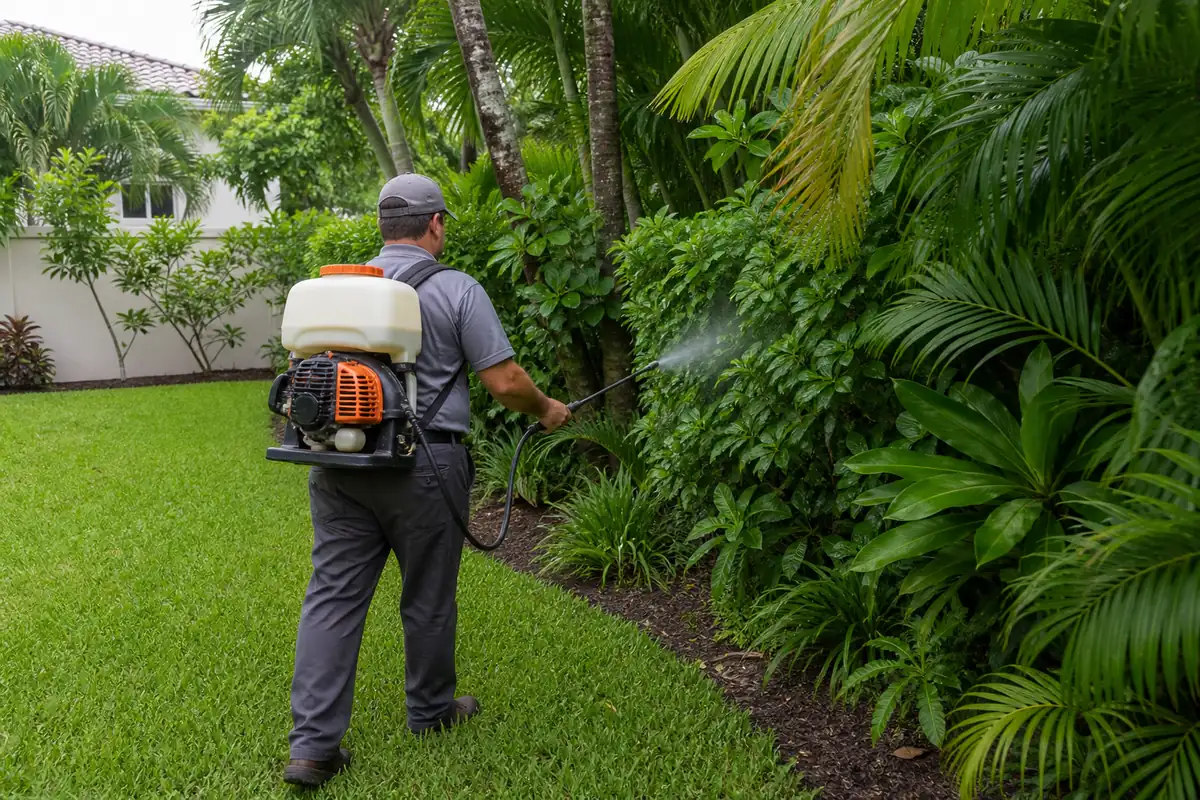
Professional barrier treatments target the shaded areas where adult mosquitoes rest between meals.
Take Back Your Yard — Get a Free South Florida Mosquito Quote
Year-round mosquitoes need a year-round plan. Northwest Exterminating’s Florida mosquito control programs are built specifically for the extended season South Florida demands, not copied from a northern playbook.
Get a free estimate and find out which program fits your yard, your neighborhood, and your schedule. Same-day and next-day service available across South Florida.
Call (855) 789-9807 to speak with your local Northwest branch today.
Frequently Asked Questions About Mosquito Season in Florida
When does mosquito season start in Florida?
Mosquito season in Florida typically begins in March, when temperatures rise above 50°F consistently enough to trigger hatching and breeding. In South Florida, including Miami, Naples, and Fort Myers, activity can begin as early as mid-February during warm winters.
When does mosquito season end in Florida?
Mosquito season ends in late November or December in northern Florida, where temperatures eventually drop below the 50°F activity threshold. In South Florida, the season never fully ends. It only slows. Mosquitoes remain active on warm winter days throughout Miami-Dade, Broward, Collier, and Lee counties.
Are mosquitoes year-round in Florida?
Yes. While the population is smaller in winter, mosquitoes are present and active year-round in Florida, particularly in South Florida. Temperatures in the southern part of the state rarely stay below 50°F long enough to fully suppress mosquito activity. Residents in Naples, Fort Myers, Miami, and Pompano Beach should maintain protection throughout all 12 months.
What is the worst month for mosquitoes in Florida?
July is typically the worst month for mosquitoes in Florida. It combines the peak of rainy season with consistently high temperatures, conditions that shorten the mosquito breeding cycle to as little as 7 to 10 days and allow populations to compound rapidly. June, August, and September are close behind.
Why are mosquitoes so bad in Florida compared to other states?
Florida has more mosquito species than any other continental US state, over 80, according to the University of Florida IFAS Extension. The combination of subtropical heat, humidity above 70% for most of the year, and a rainy season that creates abundant standing water gives mosquitoes nearly ideal conditions for most of the calendar year. South Florida’s flat terrain and coastal wetlands make it particularly intense.
How is South Florida mosquito pressure different from the rest of the state?
South Florida sees a longer active season, a more intense summer peak, and a milder winter that never provides the natural population reset that northern Florida gets. Coastal areas in Collier and Lee counties also face salt marsh mosquito species that aren’t factors further inland. For South Florida residents, treating mosquito control as seasonal is a plan that reliably fails.
About the Author
Mike Vilchez serves as a Quality Assurance Technical Field Trainer for the Northwest Family of Brands in South Florida. He provides hands-on coaching, technical training, and field support to teammates while promoting industry best practices and service excellence. Mike’s commitment to education and continuous improvement helps teams deliver effective pest management solutions and extraordinary customer experiences.
Reviewed for accuracy by the Northwest Exterminating South Florida Service Team.
Mosquitoes can quickly turn a pleasant evening in your yard into an itchy nightmare! These pesky bugs thrive in Florida’s warm, humid climate, and can often be active almost year-round! One of the best ways you can avoid their infestation is placing easy, do-it-yourself preventative measures throughout your property to avoid them! Here are some of our favorite strategies to reduce mosquitoes around your Florida property.
Effective Strategies to Reduce Mosquito Activity
Eliminate Standing Water
Mosquitoes need standing water to breed and need only a cap-sized amount of water to do so. It’s important to eliminate any standing water throughout your home. Look to remove items from your yard that can hold water, including buckets, toys, unused flowerpots, pet bowls, etc. Likewise, fix any leaky pipes and clear your gutters of leaves and debris so they do not clog.
Keep your Yard Clean & Tidy
Your yard is the first line of defense against mosquitoes taking over your property. Mosquitoes will rest in dense vegetation, so it’s important to keep your lawn well-trimmed, bushes and shrubs pruned. Additionally, continue your lawn maintenance by mowing your grass frequently. If you store wood, look to place it at least 20 feet from your home and elevated off the ground.
Create a Barrier
Mosquitoes are small, fitting in the smallest hole or gap leading indoors. Ensure that all your windows and doors are fitted with screens to prevent them from entering the home. Likewise, for your outdoor areas, consider using mosquito nets or screens around patios and porches to avoid their infestation.
Consider Professional Help
Do-it-yourself mosquito prevention can only go so far, especially if mosquitoes have infested in droves. If there has been an influx of mosquitoes on your property, consider calling a professional mosquito control company near you for help. These experts will provide you with a mosquito control plan, usually including a thorough inspection, mosquito reduction plan, treatment to eliminate adult and larva mosquitoes, and recommendations on preventing mosquitoes in the future.
As a Florida resident, dealing with mosquito season each year can start to feel like a never-ending battle! Luckily, there are plenty of ways you can deter these pests from your property. We breakdown a guide on mosquito prevention you can utilize to protect your family and property in Florida from these pests!
Mosquito Prevention in Florida
Protect Yourself
To survive and breed, female mosquitoes need a blood meal, often looking to humans and pets for it. Mosquitoes will transfer diseases and viruses, including the Zika virus, dengue, West Nile virus, and more, making it crucial to protect yourself and your family from mosquito bites during their peak season. One of the best ways to deter mosquitoes from biting you and your family is utilizing mosquito repellent that contains DEET. Repellents with DEET can be very effective as they will block the mosquitoes CO2 receptors. We recommend spraying it onto your hands and running it over your skin instead of spraying it directly onto the skin.
Protect Your Yard
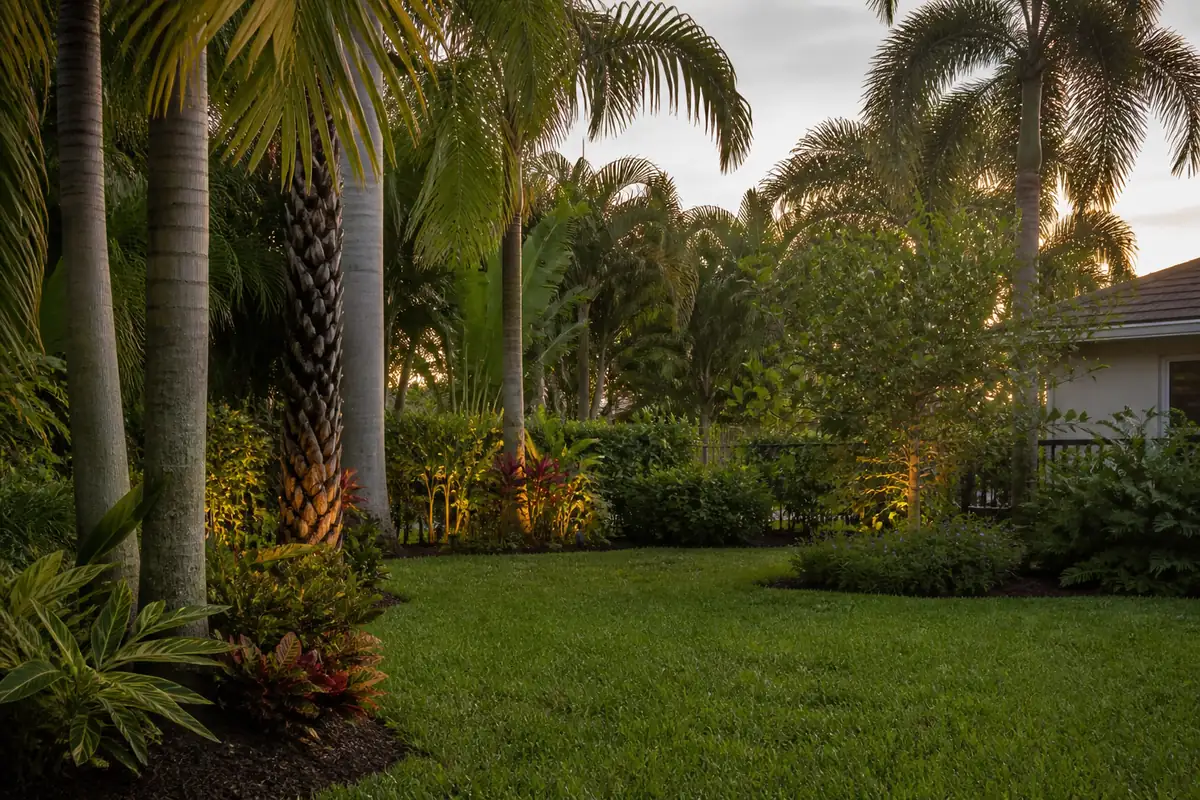
Your lawn is the first line of defense against mosquitoes taking over. The best way to avoid mosquito infestations is to maintain your lawn and place preventative measures throughout your yard to deter them away. Mosquitoes only need the smallest amount of standing water to breed, so it’s important to remove any potential breeding sites throughout your property. Inspect your yard and remove items that can hold water, leaves and debris, clogged gutters, and drainage sites. Likewise, look to trim trees and shrubs that are overgrown and continue your ongoing mowing schedule.
Protect Your Home
Have you ever had to deal with a constant buzzing sound in your home? If so, you know how annoying it can be, especially when you can’t find the culprit! To keep mosquitoes from sneaking into your home, confirm that your windows and doors screens are in good condition, replacing any torn ones if needed. During peak mosquito season, try to keep your doors and windows closed as much as possible.
Consider Mosquito Treatments
While placing these measures throughout your home will always support mosquito prevention efforts, sometimes it’s best to reach out to a mosquito control company near you for even more support. Consider hiring a reputable Florida mosquito control company to inspect your property, identify breeding sites, and implement targeted treatments to reduce mosquito populations effectively.
Dealing with mosquitoes is almost a year-round endeavor for Florida homeowners. Florida’s humid and hot weather is the perfect environment for these pesky insects to thrive. Unfortunately, we often deal with their itchy, irritating bites. So why do mosquitoes bite in the first place? And what are the best ways to prevent mosquitoes from biting us and taking over our yards? Let’s breakdown mosquito bites and easy do-it-yourself methods to prevent them.
Why do mosquitoes bite?
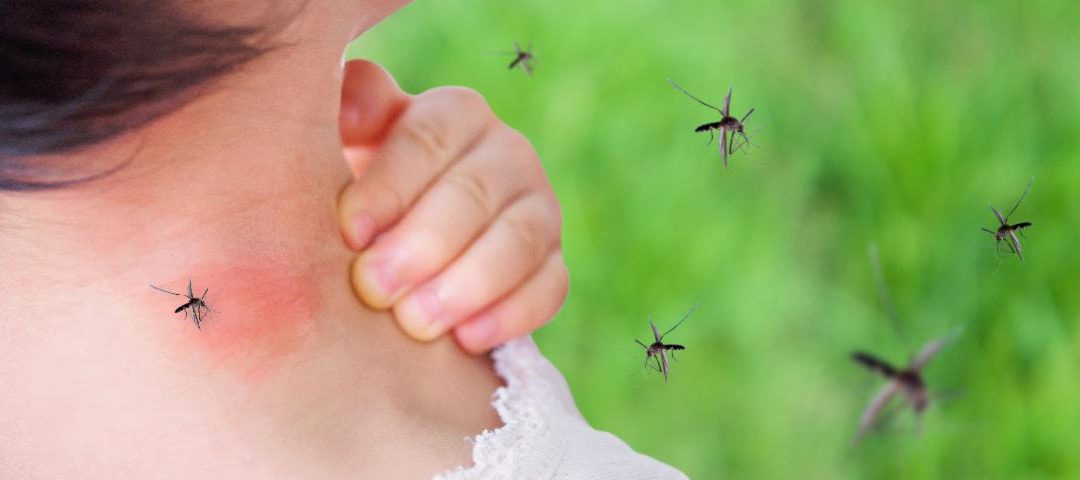
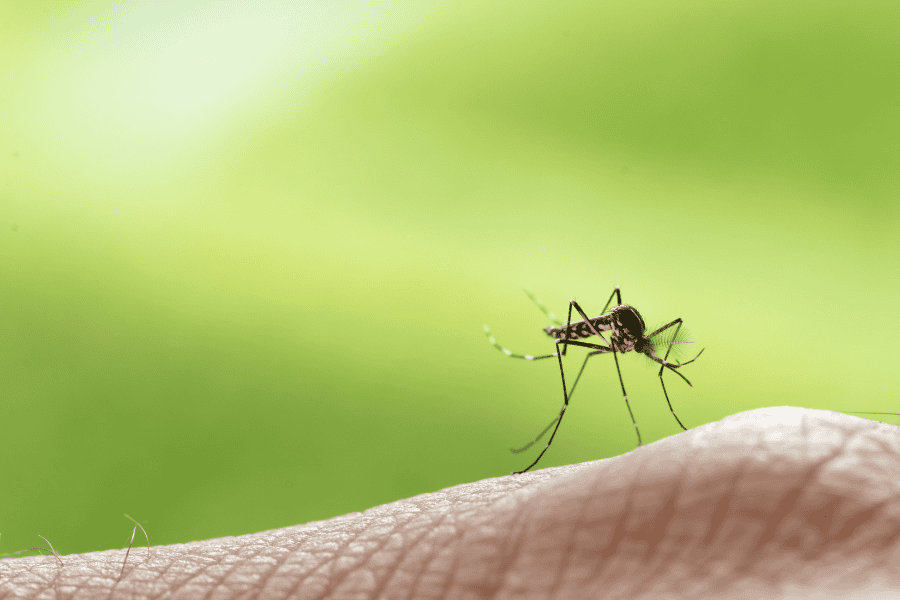
To obtain the protein to develop eggs, female mosquitoes will bite animals and humans. Female mosquitoes will locate a host by the carbon dioxide we exhale, heat, and even body odor. When a mosquito lands on your skin, it will use its proboscis or their long, needle-like mouthpart, to pierce your skin and suck your blood. While the mosquito is feeding, it will inject its saliva onto your skin, which can cause an allergic reaction and result in itchiness and swelling. Mosquitoes will bite and feed on blood until they have consumed enough and are full.
How can I avoid mosquito bites?
Depending on the person, mosquito bites can cause an allergic reaction and are also prone to spread disease, including the Zika virus, West Nile, and Encephalitis, so it’s important to take precautions before you go outside during peak mosquito season and maintain your yard to avoid their infestation. There are several do-it-yourself tips to prevent mosquito bites you can utilize:
Use mosquito repellent: Apply mosquito repellent containing DEET to your skin before going outdoors during peak mosquito time; make sure to rub the repellent on your skin instead of only spraying it.
Wear protective clothing: If you’ll be outside for a long period of time, consider wearing long-sleeved shirts and pants to cover your skin. Since mosquitoes are attracted to dark colors, consider wearing light-colored clothing instead.
Use screens: Install screens on your windows and doors making sure they are in good repair during mosquito season.
Remove standing water: Mosquitoes use standing water to survive and breed. Remove any items that could hold water, especially after a rainstorm, such as toys, buckets, pet bowls, tarps, old tires, and hollowed logs or stumps.
Eliminating and controlling mosquitoes can feel like an endless battle during Florida’s spring and summer months, even with preventative measures in place. But you don’t have to battle mosquitoes alone! Contact the nearest pest control company for a thorough inspection, effective mosquito control plan, and recommendations on preventing mosquitoes in the future!
*Inspection fee for Bird Control or Snake Removal begins at $125. These service inspection fees will be applied to total service cost if bird control and/or snake removal services are completed.
By submitting, you agree to be contacted about your quote. See our Privacy Policy.
READY TO GET STARTED?
REQUEST A FREE ESTIMATE
Fill out the form below or call (866) 800-2197 for a free, no-obligation estimate.
READY TO GET STARTED?
REQUEST A FREE ESTIMATE
Fill out the form below or call (866) 800-2197 for a free, no-obligation estimate.
READY TO GET STARTED?
REQUEST A FREE ESTIMATE
Fill out the form below or call (855) 374-3795 for a free, no-obligation estimate.