Jun 6, 2012 | Pest Control
 It may be one of the most easily identifiable pests but it’s also commonly misrepresented. Granddaddylonglegs, or daddylonglegs, are often thought to be spiders but are actually harvestmen. Harvestmen get their name because that is when they are usually seen…during harvest time. There are about 150 species of daddylonglegs in North America.
When you spot a granddaddylongleg, with its long and thin legs, it is not hard to see where the “longlegs” part of their name comes from. They use their infamous legs to catch insects, spiders, and plants that they feed on. They are found around structures of homes and buildings, and tree trunks, presumably looking for food. Inside of a structure they are typically found in garages, basements, crawlspaces, or other damp areas of the home. You won’t usually find them in the common living areas.
Another common misconception about daddylonglegs is that they are poisonous or venomous…neither of which are true. They are not harmful to humans or animals, they won’t even bite.
- Keep pests out. By keeping pests out of your home granddaddylonglegs won’t venture in looking to feed on these small pests. *Maintaining your pest control service with a professional exterminating company will keep bugs out of your home.
- Vacuum. Vacuuming is the easiest way to remove any daddylonglegs that you find in your home. Vacuuming also helps to remove food sources from your carpets and furniture.
- Keep house dry. Like most insects, daddylonglegs like moisture. Fix leaky faucets and pipes, use dehumidifiers, and dry any standing water.
- Sticky Traps. Sticky traps are a great way to catch harvestmen and other insects. Place traps in areas of the home where you have seen pests. Check regularly to see if any pests have been trapped on the board.
Did you know that granddaddy long legs weren’t spiders?
Call Northwest Exterminating to get rid of grand daddy long legs or other pests in your home or business.
Jun 1, 2012 | Termite Control
A Columbus family recently had some unwelcome guests in the form of Formosan termites. Out of over 2,000 species of termites, Formosan termites or “Super Termites” are the most aggressive. They are native to Asia and often make their way into the US through shipped wood. Formosan termites gather in large colonies and can cause thousands of dollars of damage to a home. Once a home is infested with Formosan termites, they can be difficult to control. That is why termite prevention is key!
In this particular case, a family member noticed “flying insects” and called Northwest Exterminating to identify the pests as Formosan termites. Northwest President, Steve Phillips, personally went out with the team to inspect the home. The termites were found swarming in several areas of the home. We installed a termite baiting system, The Sentricon System with Always Active, an effective and environmentally friendly option to eliminate and prevent termites. Always Active offers continuous property protection from the termite colony – not just the individual termite.
We strongly suggested that this customer’s neighbors have their homes inspected for termites as well. If a neighbor has termites, or some other pest or rodent infestation, they can easily make their way over to your home. That is why termite protection is so important…prevention is key! Preventing termites from ever getting into your home will ensure that you don’t get a termite infestation. Call us or visit us online for a FREE termite inspection
Watch Steve Phillips and some of the Northwest Exterminating team on Columbus’ WRBL News 3.
5:27 mark
May 28, 2012 | Community News, Community/Events
Northwest Exterminating would like to wish everyone a Happy Memorial Day. We want to thank those that have given their lives for our country, as well as their families. We are very grateful for what you’ve done for this country.
Today isn’t just an extra day for the weekend or a day to catch up on chores…it’s a day to remember those who have given the ultimate sacrifice. Please take some time today to observe those who paid the price for our freedom.
- place flags or flowers on the graves of fallen soldiers
- visit memorials
- fly the US flag at half-staff until noon
- participate in a “National Moment of Remembrance” at 3 pm
- assist the widows, widowers, and children of the fallen
- assist disabled veterans
- attend a local parade
Wishing everyone a safe and Happy Memorial Day from Northwest Exterminating!
May 23, 2012 | Wildlife
There’s nothing like jumping in the pool on a hot summer day (well, a day that feels like summer anyways)! So that is exactly what my family and I did on Saturday. We went to my in-laws’ house and jumped right in the pool. We had just begun to cool off and enjoy the water when we noticed we weren’t alone. There was a mole in the pool!!!
The mole was quickly removed without incident and the fun continued but of course my mother-in-law had lots of questions about what it was doing in her yard, how did it get there, what is was looking for, and how does she get rid of them. So mother in law…this is for you!
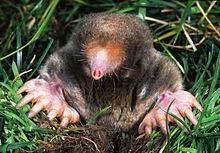
Moles are mammals that live underground and occasionally come to the surface. Above ground, they breathe in oxygen and are able to re-use it to survive in low-oxygen environments such as underground burrows. When they surface, they cause damage. Mole damage is divided into two types: burrows and mounds. Burrows occur when moles search for food near the surface, causing soil to be raised in ridges. Mounds are created when moles burrow deep or tunnel under solid objects such as tree roots or sidewalks and push the soil to the surface.
Mole's runway system
Moles’ bodies and front claws are ideal for digging. Their hands are quite large for their bodies and include an extra thumb and multiple joints in other fingers. There are situations where mole damage is mostly visual, but in other situations they can destroy root systems in your yard, eventually killing the grass.
Damage caused by moles:
- Interference of mowing and planting
- Create weed invasion
- Damage plants
- Damage drainage systems and watercourses
The best way to get rid of a mole is by trapping or baiting the runs. The trick to mole extermination is to find the feeding tunnels vs. the travel tunnels. A professional animal removal service provider can distinguish between the two and can humanely remove the moles from your yard. Call Northwest Exterminating for mole removal.
What is the craziest thing you ever jumped in next to?
May 23, 2012 | Wildlife
There’s nothing like jumping in the pool on a hot summer day (well, a day that feels like summer anyways)! So that is exactly what my family and I did on Saturday. We went to my in-laws’ house and jumped right in the pool. We had just begun to cool off and enjoy the water when we noticed we weren’t alone. There was a mole in the pool!!!
The mole was quickly removed without incident and the fun continued but of course my mother-in-law had lots of questions about what it was doing in her yard, how did it get there, what is was looking for, and how does she get rid of them. So mother in law…this is for you!
Moles are mammals that live underground and occasionally come to the surface. Above ground, they breathe in oxygen and are able to re-use it to survive in low-oxygen environments such as underground burrows. When they surface, they cause damage. Mole damage is divided into two types: burrows and mounds. Burrows occur when moles search for food near the surface, causing soil to be raised in ridges. Mounds are created when moles burrow deep or tunnel under solid objects such as tree roots or sidewalks and push the soil to the surface.
Mole's runway system
Moles’ bodies and front claws are ideal for digging. Their hands are quite large for their bodies and include an extra thumb and multiple joints in other fingers. There are situations where mole damage is mostly visual, but in other situations they can destroy root systems in your yard, eventually killing the grass.
Damage caused by moles:
- Interference of mowing and planting
- Create weed invasion
- Damage plants
- Damage drainage systems and watercourses
The best way to get rid of a mole is by trapping or baiting the runs. The trick to mole extermination is to find the feeding tunnels vs. the travel tunnels. A professional animal removal service provider can distinguish between the two and can humanely remove the moles from your yard. Call Northwest Exterminating for mole removal.
What is the craziest thing you ever jumped in next to?

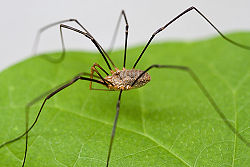 It may be one of the most easily identifiable pests but it’s also commonly misrepresented. Granddaddylonglegs, or daddylonglegs, are often thought to be spiders but are actually harvestmen. Harvestmen get their name because that is when they are usually seen…during harvest time. There are about 150 species of daddylonglegs in North America.