Sep 8, 2017 | Pest Control
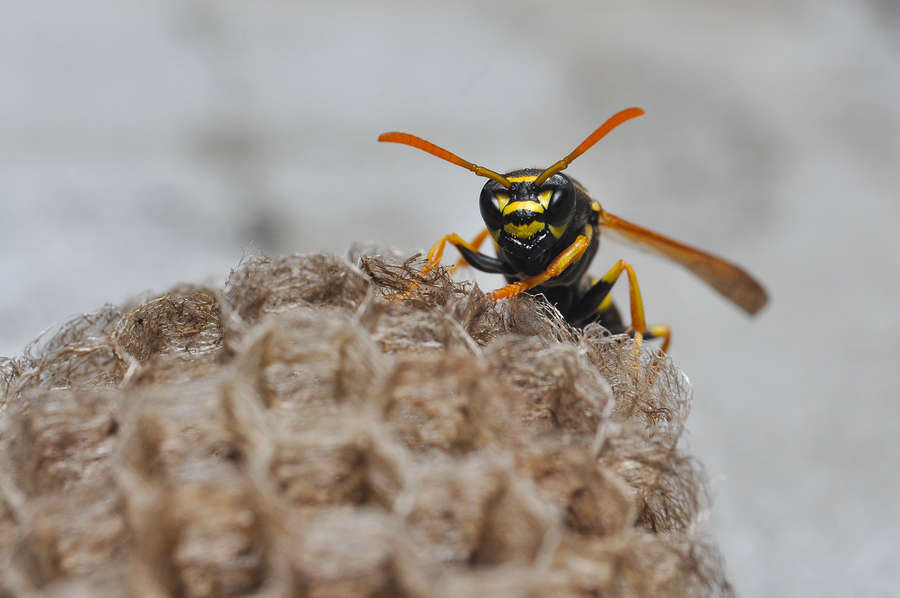
1. Bees

You may be noticing the bees buzzing more than they were a few weeks ago. Why? (Hint: it’s not to ruin your outdoor fun or to sting you) Some species of bees, like honeybees for example, are preparing for winter by collecting nutrients for their colony via late-blooming flowers. Wasps can also be more active (or noticeable) this time of year, when they change up their usual diet of insects for sweeter, more carbohydrate-rich foods. Since bees are beneficial insects, the best way to prevent stings is by avoiding them. If you have an unusual amount of bee activity around your home, contact a wildlife removal company for recommendations.
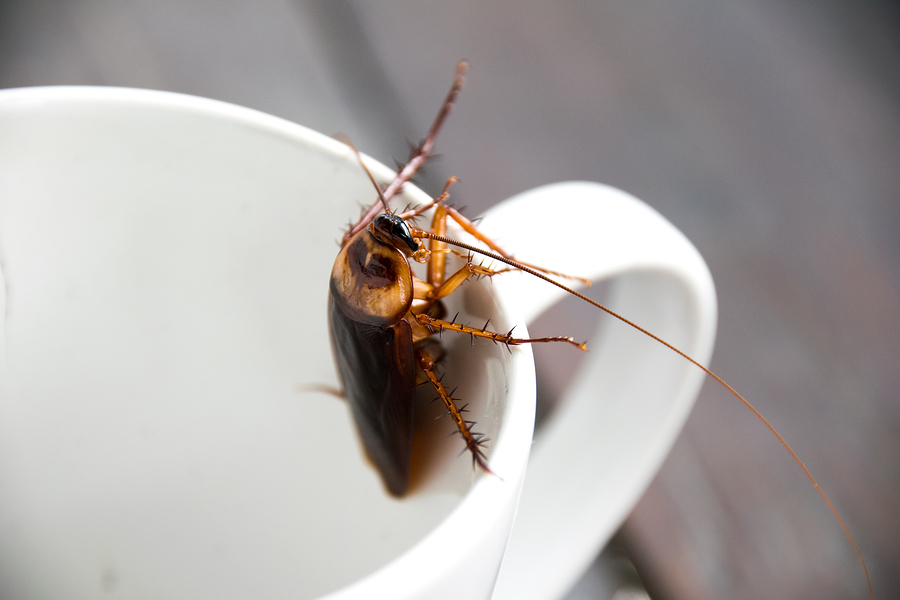
2. Roaches
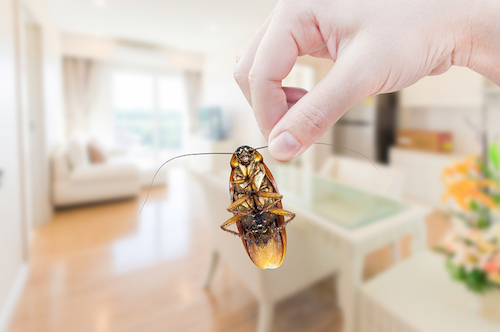
Cockroaches may start moving indoors when the weather gets cooler in search of food, water, and warmth. The best way to prevent an infestation in your home is with proactive roach control: eliminate or reduce food and water sources and get rid of hiding places by de-cluttering and keeping a clean house. Fix any plumbing leaks, store leftover food and dog food in storage containers, take out the trash daily, and seal or correct any gaps, cracks, or crevices that roaches can use to gain access into your home. If you’re seeing several roaches of varying sizes, you may have a roach infestation. Resist the urge to use OTC sprays as these are only on-contact killers and won’t prevent roaches from reproducing. Contact an exterminator for a pest control plan that will include a thorough inspection and quarterly or monthly treatments.
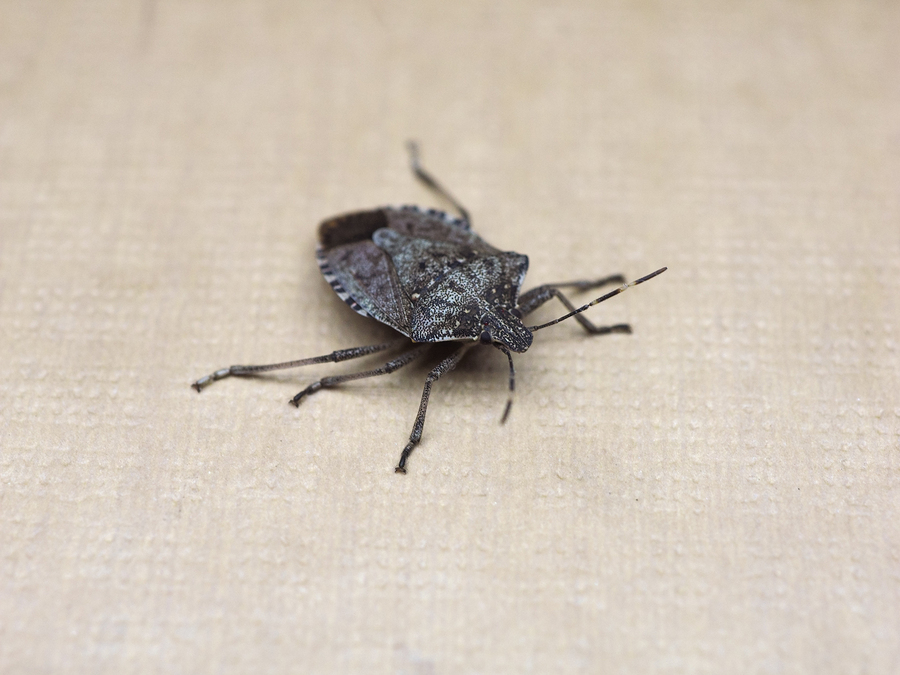
3. Beetles
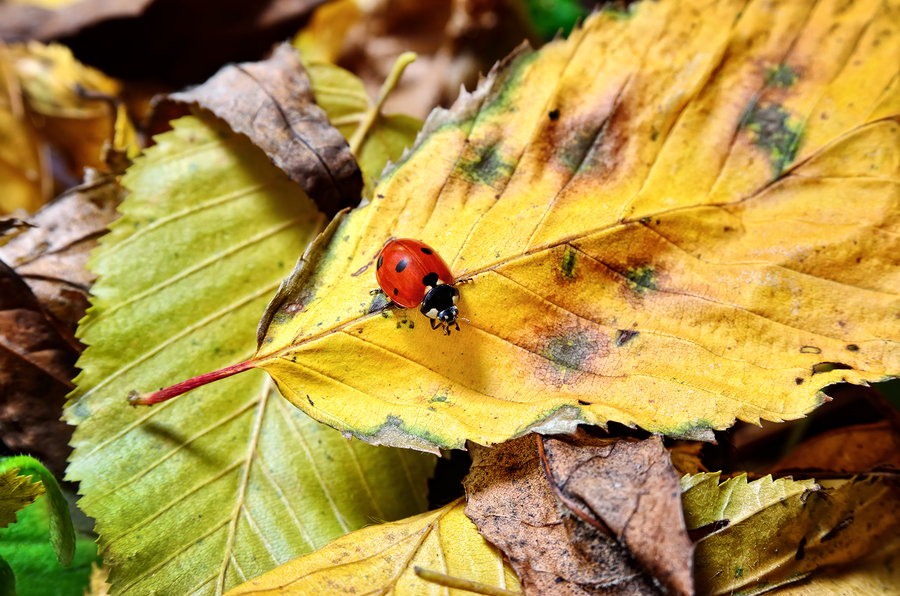
You may notice an influx of varying kinds of beetles in the Fall months as these overwintering pests are preparing for hibernation. Common fall beetles include ladybugs, boxelder bugs, and stink bugs. These types of pests often resist traditional treatments with pesticides so it’s best to vacuum up the ones you see inside your home and take measures around your home to prevent more from coming inside. They’ll gather near the warmest areas of your home, usually on the south and west-facing sides. Especially around these areas, check to be sure there aren’t any openings or gaps around windows and doors and, if there are, correct these issues to keep beetles out.
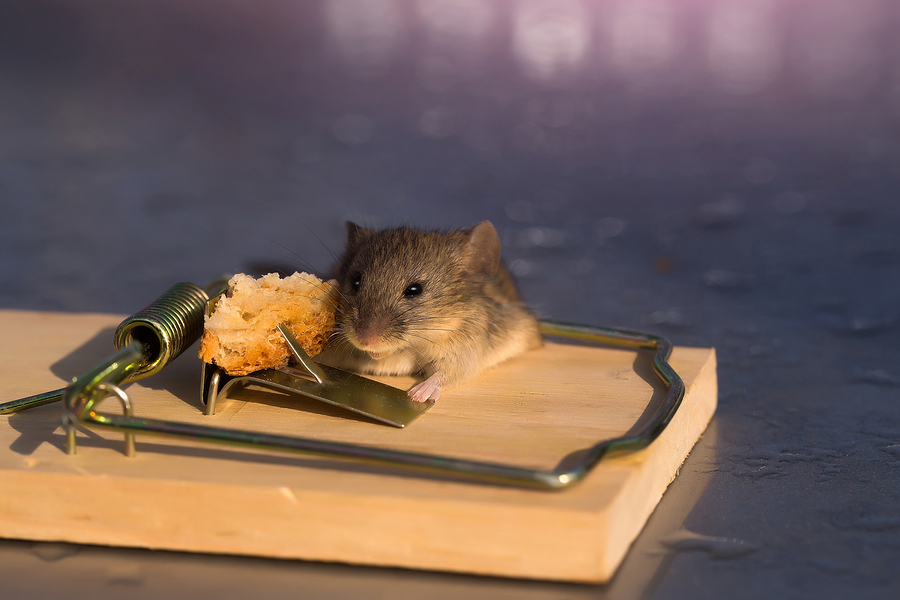
4. Mice
Like other rodents and pests, mice are searching for food and warmth in cooler weather, making your home a welcoming environment. Keep them out by rodent-proofing: seal gaps or openings around your home’s exterior and around plumbing, make sure outdoor vents are covered, repair any holes or tears in window screens or door screens, install weatherstripping around doors, clear out plants, leaves or any other vegetation that may be touching or near your home’s exterior, clean up any yard debris, and de-clutter inside the house. You can also use glue boards in less-traveled areas, like basements and attics, as a proactive approach to mice control.
5. Spiders
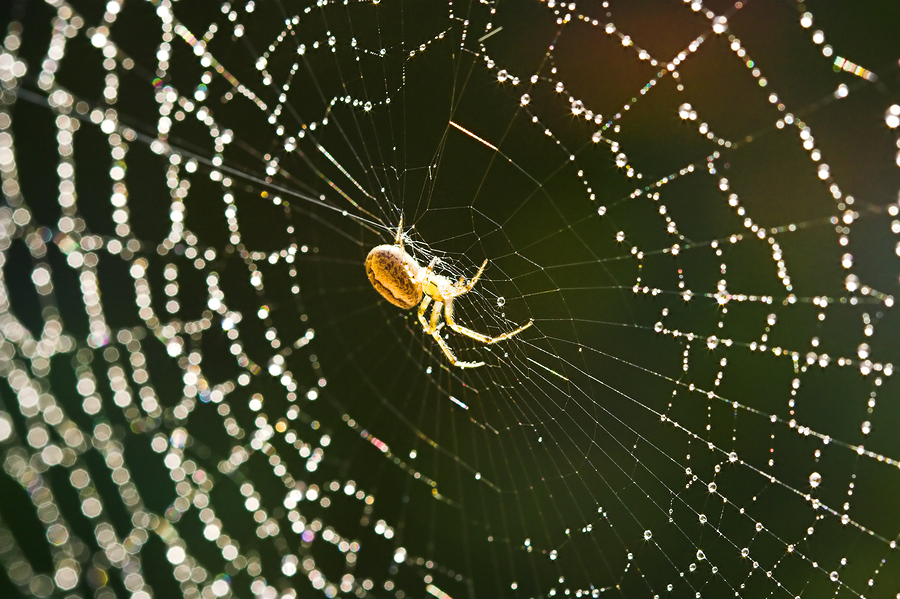
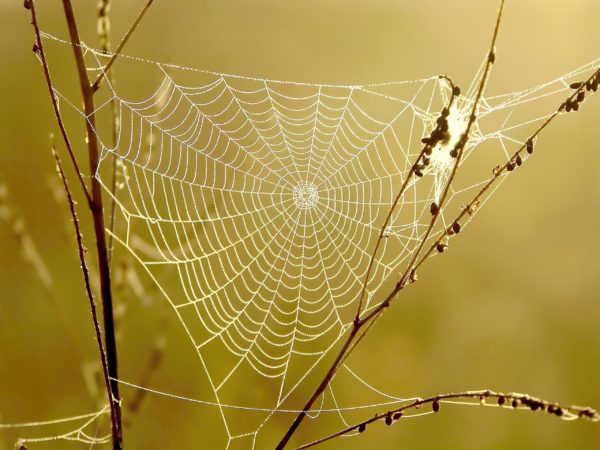
Knocking down cobwebs only to find another one in it’s place the next day? You’re not alone. For some species of garden spiders, like the orb weaver, now is when they are at their largest, making them more noticeable, and females are laying eggs before they die. Since spiders are beneficial insects and can reduce the amount of other pests around your home, try and resist the urge to knock down their webs outside. If you’re seeing spiders in the house, contact an exterminator for pest control recommendations.
Jun 30, 2017 | Mosquito, Pest Control
Common pests you’ll see after rainy weather:
The best way to prevent rainy day bugs:
- Keep shrubbery and trees trimmed and away from your home’s exterior
- Take out garbage daily
- Clean up spills immediately
- Don’t leave pet food out
- De-clutter
- Seal off pest entry points
- Interior and exterior pest control treatments by a professional exterminator
- Eliminate sources of standing water (inside and outside)
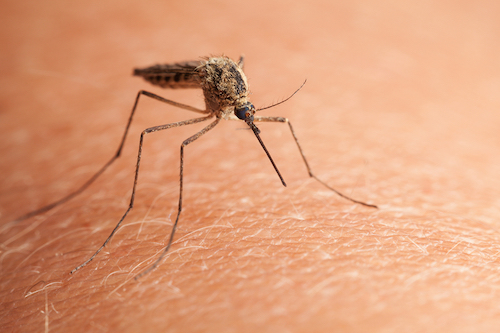
- Mosquito bite prevention
- Monthly mosquito treatments
Jun 16, 2017 | Pest Control
Common Spiders in the Southeast:
Where Do They Live, What Do They Look Like, Are They Dangerous, and How To Prevent Them
WHERE DO THEY LIVE?
- Woodpiles and sheds
- Closets, garages, and cellars
- Any places that are dry and undisturbed
- Favor cardboard indoors because it mimics tree bark
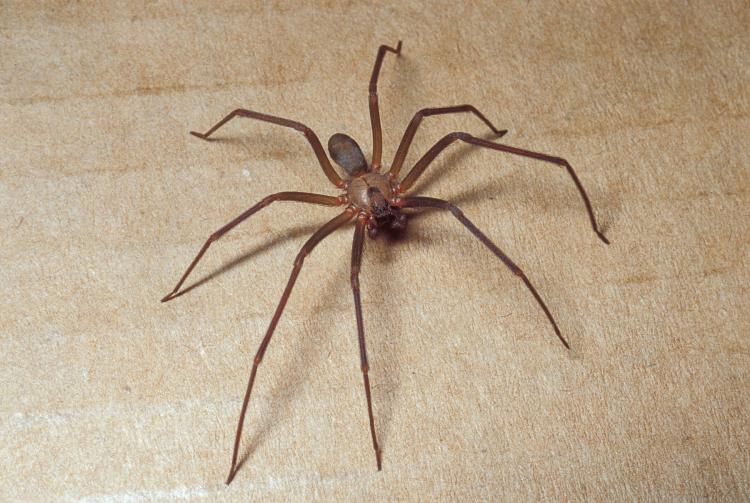
WHAT DO THEY LOOK LIKE?
- Adults are 1/4″ to 3/4″ body length
- Dark violin shaped image on body at leg attachment
- Has 6 eyes arranged in pairs (most spiders have 8 eyes)
ARE THEY DANGEROUS?
- Bite is severely toxic to humans
- Can cause significant injury
- Can cause tissue loss and necrosis
BLACK WIDOW SPIDER
WHERE DO THEY LIVE?
- Woodpiles and piles of rubble
- Under rocks and in hollow tree stumps
- In sheds, garages, basements, and crawl spaces
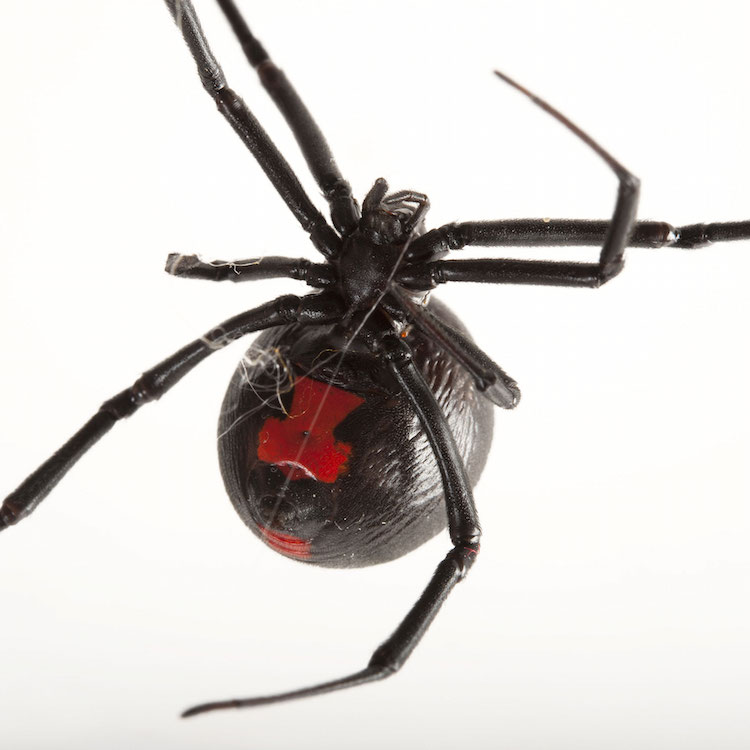
WHAT DO THEY LOOK LIKE?
- Adults are 1/2″ in body length
- Female is shiny black with a red hourglass marking on the underside of the abdomen
- Hourglass marking may range in color from yellow orange to red
- Marking shape may range from an hourglass to a dot
ARE THEY DANGEROUS?
- Toxic to humans
- Potentially fatal, especially to the young and the elderly
- Venom affects the nervous system
- Most common symptoms are headache, nausea, vomiting, abdominal pain, pyrexia, and hypertension
- Anti-venom is available
MOUSE SPIDER
WHERE DO THEY LIVE?
- Ground dwellers with burrows more than 3 feet deep
- Male wanders during the day, often in search of females
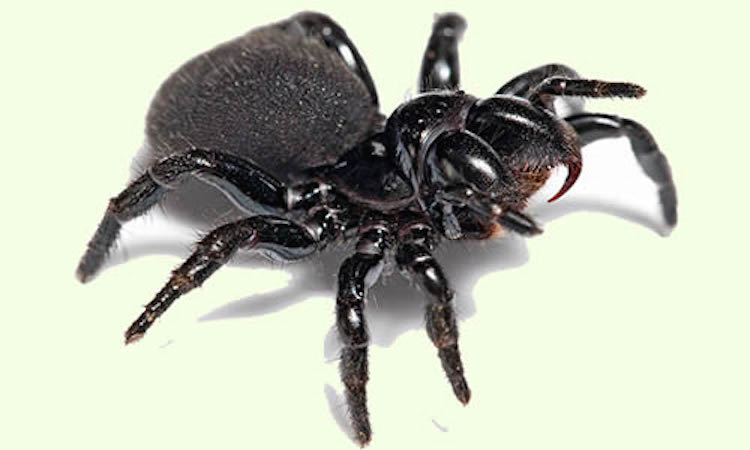
WHAT DO THEY LOOK LIKE?
- Adult is up to 1-1/2″ in body length
- Male often has a bright red head and elongated fangs
ARE THEY DANGEROUS?
- Known to cause severe illness, especially to young children
- Usually not aggressive unless provoked
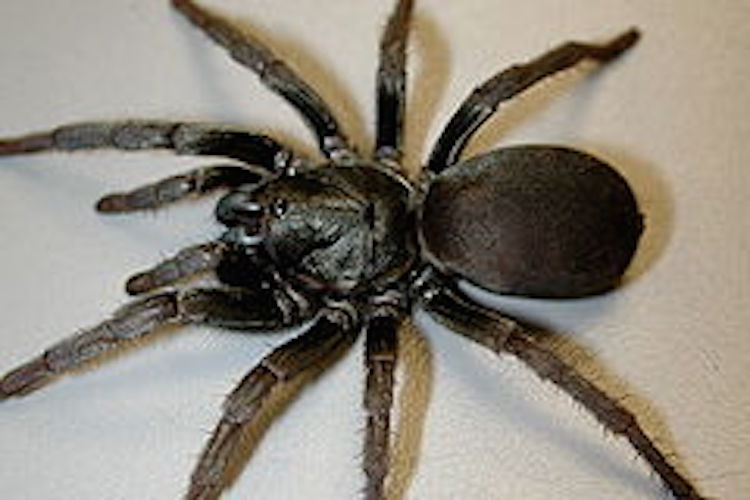
BLACK HOUSE SPIDER
WHERE DO THEY LIVE?
- Dry habitats in secluded locations
- In window framing, under eaves and gutters, and in brickwork
- In sheds and toilets
- Among rocks and bark
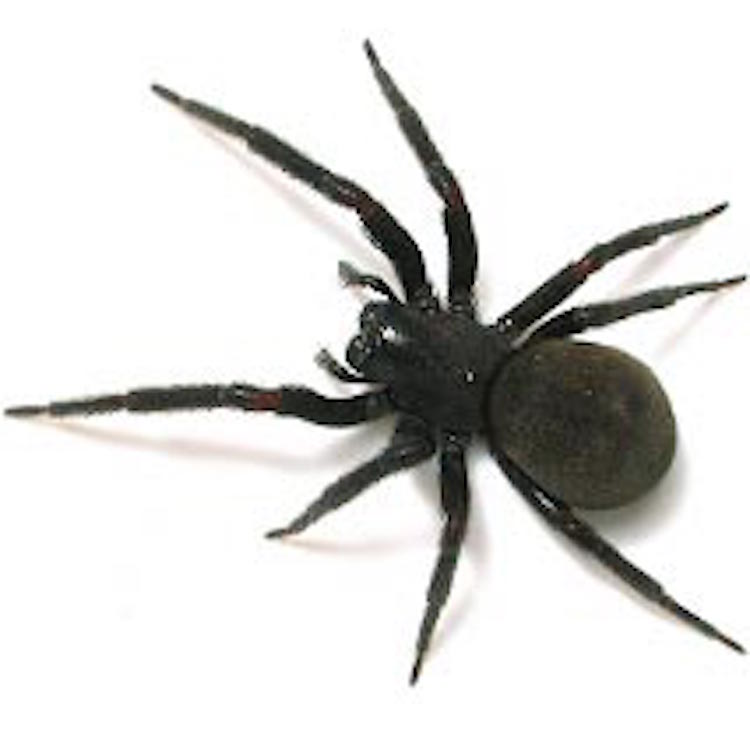
WHAT DO THEY LOOK LIKE?
- Adult is about 1/2″ in body length
- Dark brown to black velvet textured appearance
ARE THEY DANGEROUS?
- Poisonous but not lethal
- Can cause severe pain around the bite, heavy sweating, muscle pain, vomiting, and headache
WHERE DO THEY LIVE?
- Ground dwellers with burrow retreats
- Commonly found around the home in garden areas
- Has a silk lined burrow that is sometimes covered by leaves or grass
- Roams at night to hunt prey
WHAT DO THEY LOOK LIKE?
- Adult is 1/2″ to more than 1″ in body length
- Mottled gray to brown in color
- Distinct Union Jack marking on its back
ARE THEY DANGEROUS?
- Poisonous but not lethal
- Can cause a painful bite
- Usually non-aggressive but will bite if provoked
TRAPDOOR SPIDER
WHERE DO THEY LIVE?
- Ground dweller with burrow retreat
- Burrow is usually lined with silk and about 10″ deep x 1″ wide
- Prefers nesting in drier exposed locations around the home
WHAT DO THEY LOOK LIKE?
- Adult is about 1-1/2″ in body length
- Brown to dark brown in color
- Heavily covered in fine hair
- Male has boxing glove shaped “feelers” at front of its head
ARE THEY DANGEROUS?
- Nontoxic to humans
- Usually timid and rarely bites
WHERE DO THEY LIVE?
- Often found in summer garden areas around the home
- Spin large circular web that can be 6 feet or more
- Web is often between buildings or shrubs
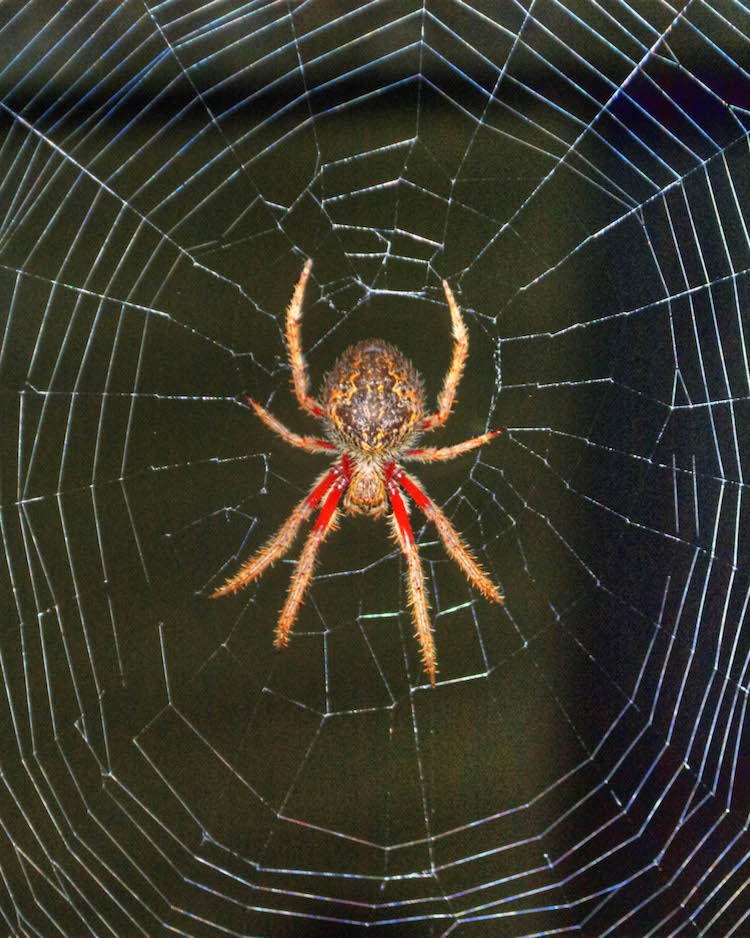
WHAT DO THEY LOOK LIKE?
- Adults are 2/3″ to more than 1″ in body length
- Has a bulbous abdomen
- Often colorful with a dark brown to light brown pattern
- Most common has a purplish bulbous abdomen with fine hairs
ARE THEY DANGEROUS?
- Nontoxic to humans
- Non-aggressive and rarely bite
ST. ANDREWS CROSS SPIDER
WHERE DO THEY LIVE?
- Web weaver
- Usually found in summer garden areas around the home
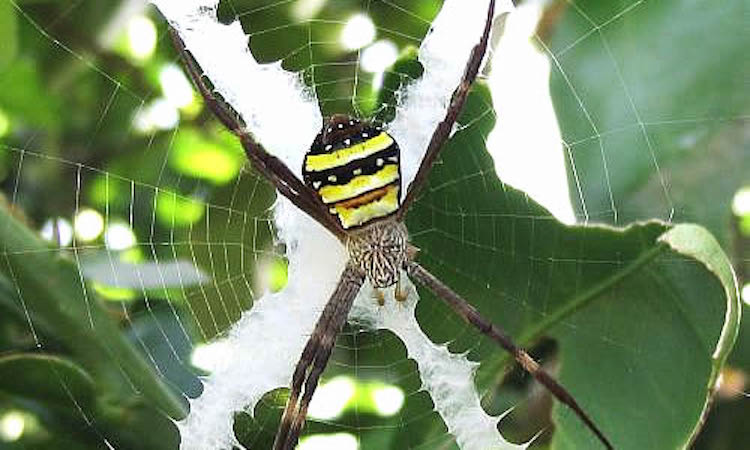
WHAT DO THEY LOOK LIKE?
- Adult is 1/4″ to 1/2″ in body length
- Abdomen is striped yellow and brown
- Usually sits upside down in the middle of its web forming a cross
ARE THEY DANGEROUS?
- Nontoxic to humans
- Usually non-aggressive
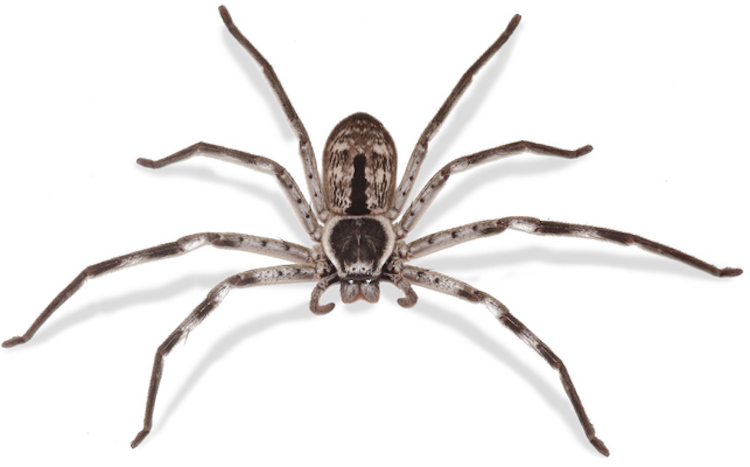
HUNTSMAN SPIDER
WHERE DO THEY LIVE?
- Prefer to live under the flaking bark of trees
- Also found under flat rocks and under eaves or within roof spaces of buildings
- Often wanders into homes and is found perched on a wall
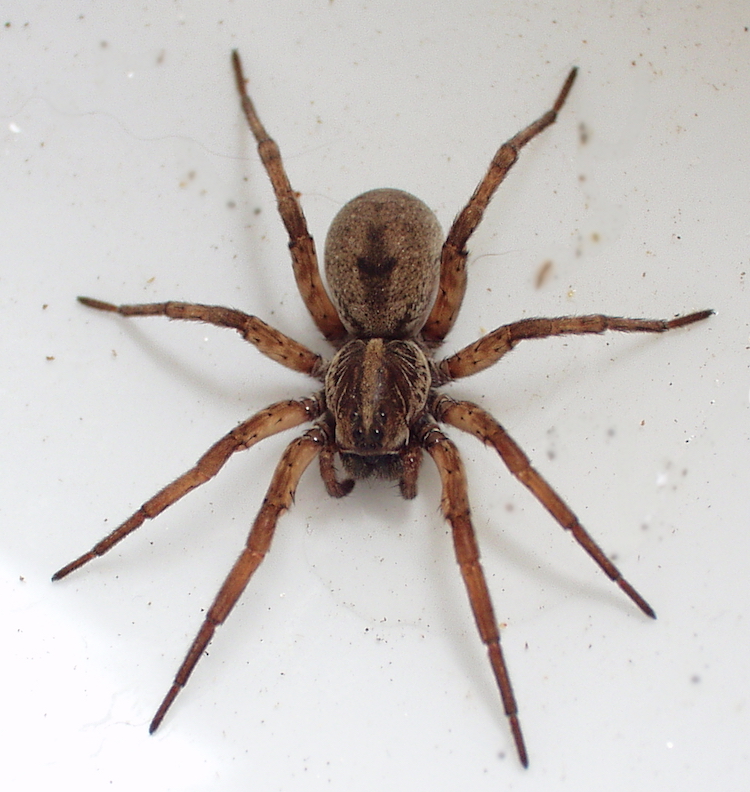
WHAT DO THEY LOOK LIKE?
- Adult is around 1/2″ in body length
- Has long legs
- Hairy
- Buff to beige in color with dark patterns on body
ARE THEY DANGEROUS?
- Nontoxic to humans
- Usually non-aggressive except in summer when females are guarding egg sacs or young
How Can You Prevent Spiders?
Follow these six tips to prevent spiders from coming into and around your home:
- Remove nesting sources like clutter and debris in your yard and crawl spaces.
- Trim weeds around your building foundation.
- Eliminate or shield outdoor lights as these attract other insects which are a source of food for spiders.
- Seal cracks and crevices around your home and install screens and door sweeps. This eliminates points of entry for spiders.
- Use a vacuum cleaner to remove webs, spiders, and egg sacs from your home.
- Call a pest control professional for a thorough evaluation and treatment plan for your home.
Jan 20, 2017 | Pest Control, Wildlife
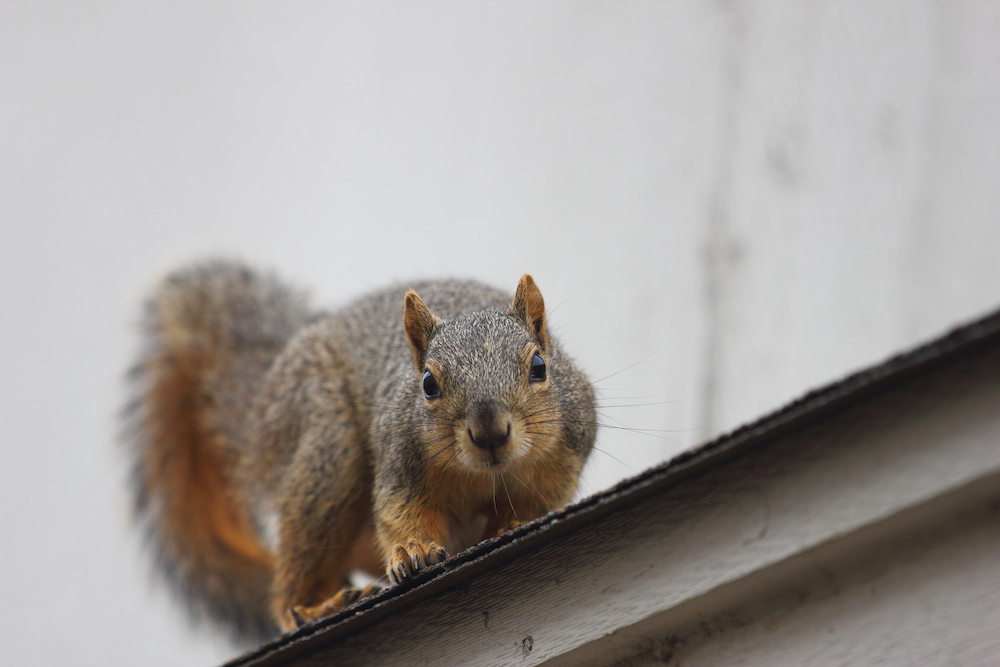
Squirrels
Hearing noises at night? You may have squirrels nesting in the attic, looking for shelter from the cold. To get rid of squirrels, first you have to determine how they’re getting in. This can be tricky if you don’t have easy access to your roof and since squirrels can sneak into small spaces. Contact a wildlife removal company to fully inspect your home for squirrel access points, set up traps, and correct any damage caused by squirrels. It’s also a good idea to keep trees trimmed and away from your roofline to cut off direct access.
Raccoons
Raccoons are common home invaders in the winter months, looking for refuge in crawl spaces, attics, and chimneys. Similar to squirrels, effective raccoon control requires professional expertise – to identify and seal entry points, trap and remove the raccoons, and prevent them from coming back with exclusion techniques. To prevent a raccoon invasion, eliminate food sources that attract them by using outdoor trash bins with lids and removing pet food when it’s not being eaten.
Mice
Mice are year-round pest nuisances that typically nest in attics, basements, cabinets, and closets. And because mice can fit through gaps as small as 1/4 inch, keeping them out can be difficult. As with other rodent control methods, the first step is to inspect your home for cracks, gaps, holes, or any other openings and correct them. Secondly, eliminate food sources and hiding places by keeping a clean house, removing clutter, and storing food in sealed containers. If you see small, dark-colored droppings anywhere, call an exterminator – quarterly pest control treatments are recommended to get rid of mice and prevent a future infestation.
Rats
Similar to mice, rats are common winter invaders, searching for food and warmth inside your home, needing holes as small as a quarter to get in. To prevent this, and other rodent invasions, seal any gaps or holes in your home’s foundation, around your roof, in the crawl space or basement, or around doors and windows, keep garbage away from your home’s exterior in sealed bins, and check for evidence of rats – usually indicated by droppings (larger than those left by mice), gnawing, or footprints and tail tracks.
Roaches
Cockroaches, too, are looking for food and warmth during colder months. The best way to prevent roaches is with preventative pest control and by eliminating what attracts roaches – food left out, crumbs, pet food and water, clutter, and water leaks.
Spiders
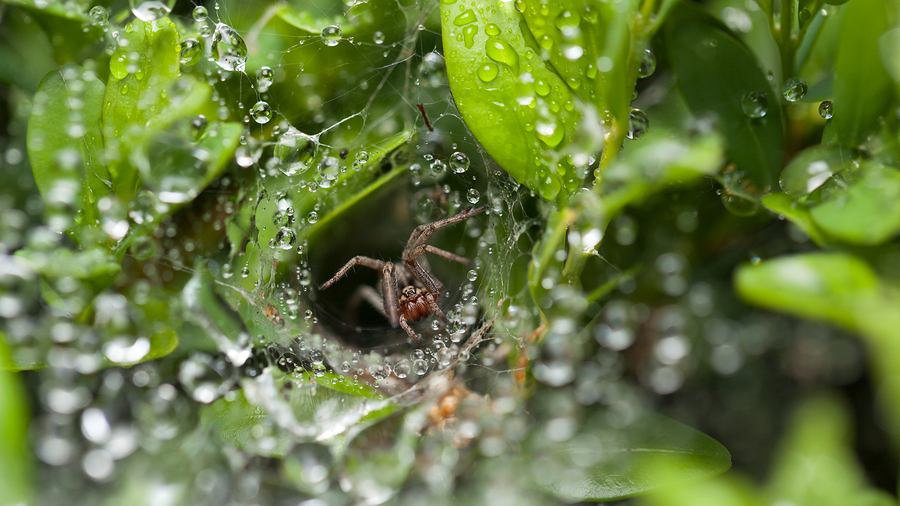
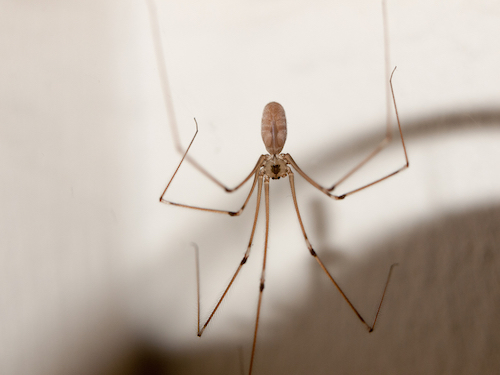
Common house spiders will start making their ways indoors starting in the cooler, Fall months. Prevent spiders with ongoing pest control treatments, by eliminating clutter (spiders like to hide in dark, undisturbed places), and by knocking down cobwebs regularly.
Jan 20, 2017 | Pest Control, Wildlife
Squirrels
Hearing noises at night? You may have squirrels nesting in the attic, looking for shelter from the cold. To get rid of squirrels, first you have to determine how they’re getting in. This can be tricky if you don’t have easy access to your roof and since squirrels can sneak into small spaces. Contact a wildlife removal company to fully inspect your home for squirrel access points, set up traps, and correct any damage caused by squirrels. It’s also a good idea to keep trees trimmed and away from your roofline to cut off direct access.
Raccoons
Raccoons are common home invaders in the winter months, looking for refuge in crawl spaces, attics, and chimneys. Similar to squirrels, effective raccoon control requires professional expertise – to identify and seal entry points, trap and remove the raccoons, and prevent them from coming back with exclusion techniques. To prevent a raccoon invasion, eliminate food sources that attract them by using outdoor trash bins with lids and removing pet food when it’s not being eaten.
Mice
Mice are year-round pest nuisances that typically nest in attics, basements, cabinets, and closets. And because mice can fit through gaps as small as 1/4 inch, keeping them out can be difficult. As with other rodent control methods, the first step is to inspect your home for cracks, gaps, holes, or any other openings and correct them. Secondly, eliminate food sources and hiding places by keeping a clean house, removing clutter, and storing food in sealed containers. If you see small, dark-colored droppings anywhere, call an exterminator – quarterly pest control treatments are recommended to get rid of mice and prevent a future infestation.
Rats
Similar to mice, rats are common winter invaders, searching for food and warmth inside your home, needing holes as small as a quarter to get in. To prevent this, and other rodent invasions, seal any gaps or holes in your home’s foundation, around your roof, in the crawl space or basement, or around doors and windows, keep garbage away from your home’s exterior in sealed bins, and check for evidence of rats – usually indicated by droppings (larger than those left by mice), gnawing, or footprints and tail tracks.
Roaches
Cockroaches, too, are looking for food and warmth during colder months. The best way to prevent roaches is with preventative pest control and by eliminating what attracts roaches – food left out, crumbs, pet food and water, clutter, and water leaks.
Spiders
Common house spiders will start making their ways indoors starting in the cooler, Fall months. Prevent spiders with ongoing pest control treatments, by eliminating clutter (spiders like to hide in dark, undisturbed places), and by knocking down cobwebs regularly.