Oct 23, 2018 | Pest Control
Leaves are falling, the weather is prepping for a big change, and while you decorate your home for the upcoming seasonal festivities, one of the seasons most notorious creepy crawlers will try to make its way into your home, posing a significant danger to you and your family.
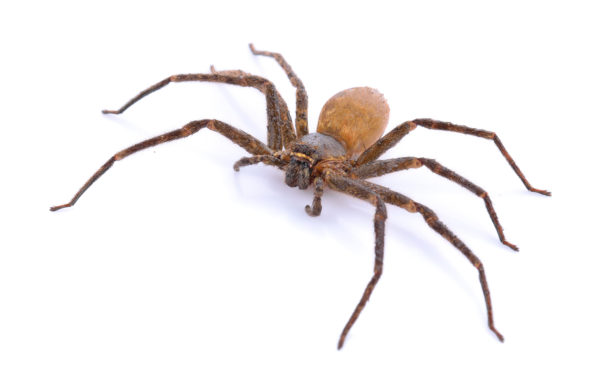
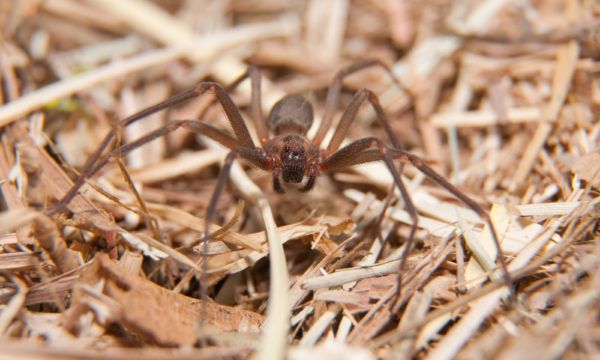
Once the weather starts to cool, spiders look for refuge inside your house. Brown recluse spiders will make their way into undisturbed areas of your home (attics, garages, basements, and crawl spaces). At 1/2″ in size and varying from light brown to medium brown with a dark brown violin marking on its back, brown recluse spiders are very good at adapting to living in your home and can go months without food or water.
Most spiders are harmless, but brown recluse spiders can cause very painful and sometimes severe bites. Some people are only affected slightly by the bites of brown recluse spiders, sometimes only walking away with only a small red mark. Some however, may have a severe allergic reaction will need to seek out a medical professional to identify if the bite is from a brown recluse.
Mind these points during Fall:
- When pulling out decorations for the holidays, exercise caution. Brown recluse spiders will utilize these spaces as hiding spaces.
- We say this in every blog but seal any cracks and crevices around the house. This is the best defense as this is how brown recluse spiders will enter homes.
- As proactive as we’d like to be in our home preparations, calling a pest control professional to properly identify the pests and create a treatment plan is crucial.

Oct 15, 2018 | Pest Control
Autumn is right around the corner and it brings with it cooler weather, Halloween, football, and a plethora of new pests. As the weather gets colder, pests will seek shelter, food, and warmth in our homes. Different seasons bring different pests and this time of year is no exception. Here are 7 of the most common fall pests and ways to prevent them from invading your home.
RODENTS
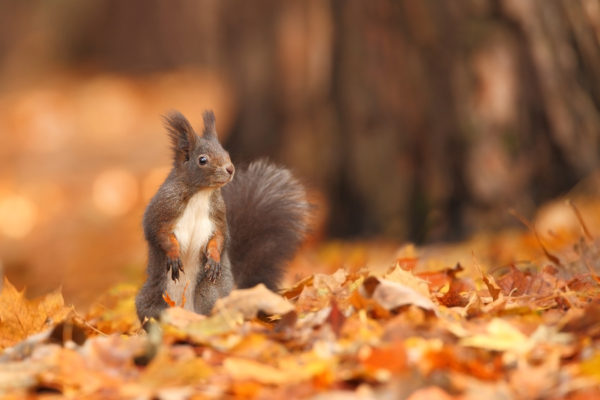
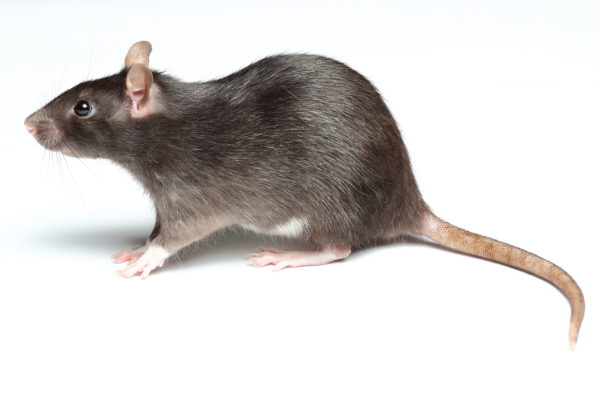
Rats, mice, and squirrels are among the most common rodents seen in the fall. They need food and warmth to survive the cold winter months. Rats are known to carry disease and can cause potential health problems for you and your family. They also get into food storage and chew through wooden supports. They build their nests in your insulation and can cause fires by chewing through electrical wires. They can fit into small gaps and holes to get into your home and bring fleas, mites, ticks, and lice with them.
Rodents can be prevented by:
- Storing food in airtight containers.
- Sealing cracks around your foundation.
- Keeping your kitchen clean.
- Decluttering your garage and attic.
- Using plastic storage containers instead of cardboard.
COCKROACHES
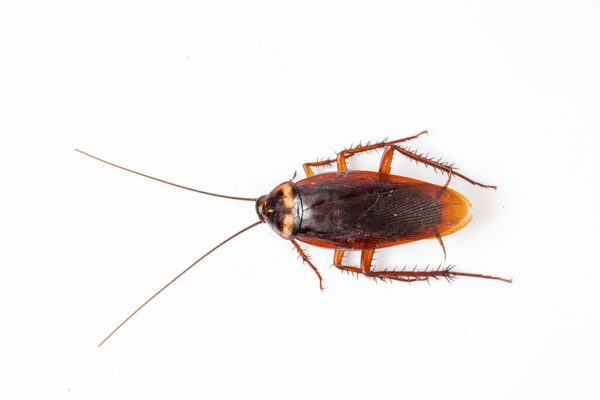
Cockroaches are the most common fall pest. Cockroaches can be dangerous to your health as they are known to carry 33 different types of bacteria and can cause asthma in children. They are large, fast, and extremely resilient. They like to hide near pipes and drains and are commonly seen in kitchens and bathrooms.
Cockroaches can be prevented by:
- Keeping kitchens and bathrooms sanitized.
- Vacuuming frequently.
- Ensuring cracks around your home are sealed.
- Storing food in airtight containers.
- Eliminating sources of standing water.
FLEAS
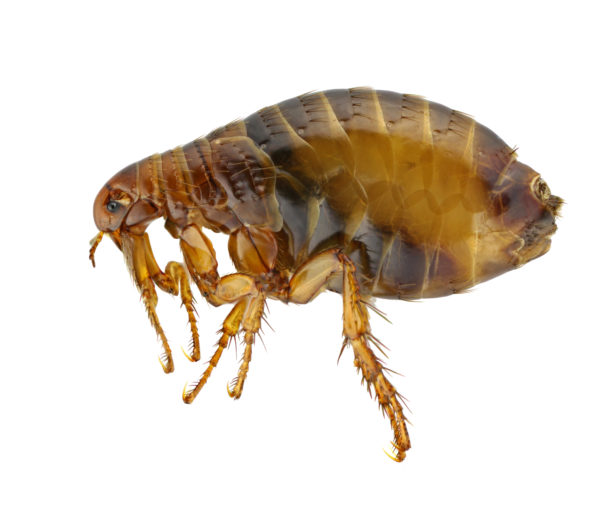
Fleas come into your home on both pets and rodents. While they don’t transmit serious diseases to humans, their bites can be painful and irritating. Fleas can spread throughout your home quickly and can be extremely difficult to get rid of.
Fleas can be prevented by:
- Keeping grass mowed and shrubs trimmed.
- Not leaving pet food out overnight.
- Sealing openings to crawlspaces, garages, sheds, and decks.
- Using preventative products on your pets.
- Vacuuming often.
- Washing pet bedding often.
ANTS
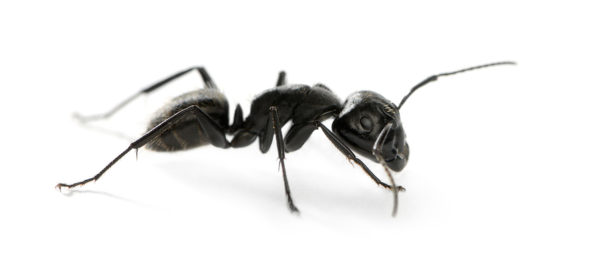
There are several species of ants that are common in the fall. Ants can move into the walls of your home or underneath your foundations and cause significant damage to your home. Carpenter ants can chew through the wood of your home and compromise its structure. Odorous house ants can get into and contaminate your food.
Ants can be prevented by:
- Sealing cracks around your foundation.
- Storing food in airtight containers.
- Sweeping your floors often.
- Eliminating sources of standing water.
- Keeping tree branches and plants cut back from your home.
- Not storing firewood near the home or indoors overnight.
STINK BUGS
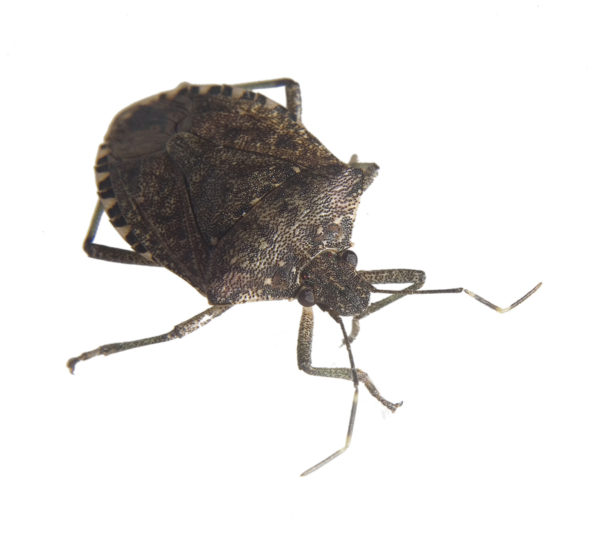
Stink bugs actively seek shelter indoors from the cooler weather of fall. Stink bugs don’t transmit diseases, nor do they bite or sting. They can, however, cause damage to clothing, furniture and other fabrics with their droppings. They emit a strong odor when they are frightened, disturbed, or squashed as a defense mechanism against predators.
Stink bugs can be prevented by:
- Checking your belongings before bringing them inside the home.
- Making sure screens on doors and windows are in good repair or, if not, that they are replaced.
SPIDERS
There is a significant increase in the number and variety of spiders that appear in the fall. Fall is mating season for most spiders so they are actively seeking mates before winter sets in. The most common spiders seen in the fall are house spiders, which are responsible for the cobwebs you often see in your home, wolf spiders, and hobo spiders.
Spiders can be prevented by:
- Sealing cracks and crevices around your home.
- Turning porch lights off at night to decrease the number of bugs around your home for spiders to eat.
- Dusting regularly.
- Removing cobwebs as soon as you find them.
BED BUGS
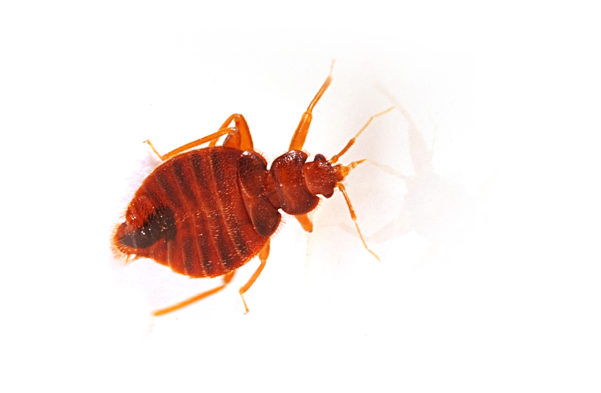
Travel in the fall increases with a large number of sporting events, family gatherings, and students heading back to school and college. Bed bugs ride on clothing, suitcases, and even school bags. While they don’t spread disease, they do leave behind itchy red welts. Bed bugs are extremely difficult to control and eliminate.
Bed bugs can be prevented by:
- Inspecting hotel rooms and dorms before unpacking.
- Keeping personal belongings off the floor in public places.
- Checking suitcases before bringing them back into your home.
Sep 27, 2018 | Pest Control
Ladybugs are said to be a sign of good luck, but when you start to find them crawling all over the inside of your home, you don’t feel as lucky.
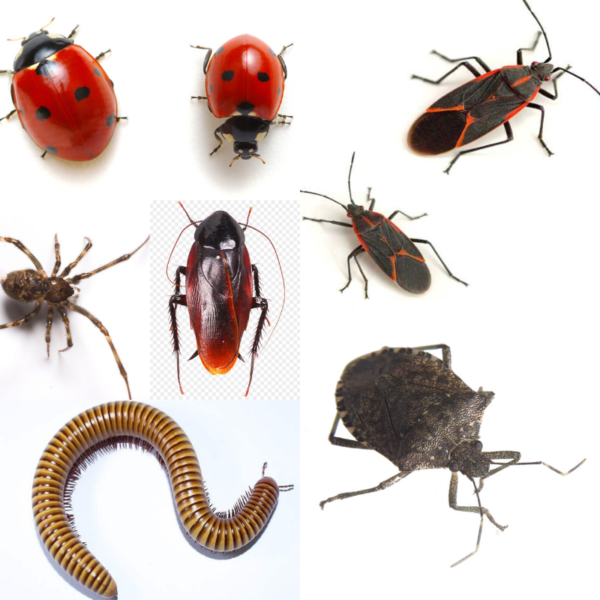
Ladybugs, or Asian Lady Beetles, are just one of the pests that will try to use your home for overwintering. Overwintering is the process of insects passing the winter season, and your home poses as the ideal habitat for this practice.
Temperatures drop, and pests such as house spiders, boxelder bugs, ladybugs, millipedes, stink bugs, and even smokybrown roaches, will make their way in your home to hide during the cold weather. Come spring, these pests will emerge in and around your home in MASSIVE numbers.
The best preventive measures to stop overwintering pests, luckily enough, are DIY!
- Seal entry points around doors and windows. Also, look for any cracks and crevices to seal.
- Invest in weather-stripping around your home.
- Use yellow bulbs for outdoor lighting; these pests are attracted to light, and this will help deter them.
- Utilize a vacuum for removal; both stink bugs and ladybugs will leave behind foul odors or liquid when smushed.
If you feel you have an issue with any of these overwintering pests, call you licensed pest professional to schedule an inspection right away.
May 25, 2018 | LeafProof, Mosquito, Pest Control
One of the perks of summer is spending more time doing what we enjoy outdoors – barbecues, picnics, gardening anyone? But, you know that all of these fun activities come with another risk – pests! Nothing ruins a picnic faster than ants or mosquitoes. What can you do to make sure you can still enjoy all the fun times outside this summer? Check out these 9 ways to protect your outdoor fun from pests.
- Remove standing water. Standing water is the perfect breeding ground for mosquitoes. Walk around your yard and fill in any areas where water is prone to pooling. Use pumps in ponds and fountains. Empty out any containers that contain standing water like wading pools, flower pots, buckets, toys, wading pools, and more. Check gutters and rain spouts for clogs and clear them. Consider using gutter guards to help prevent clogs. Check around AC units for leaks.
- Clear out clutter and debris. There are lots of items around your yard that can hold rainwater like toys, tires, and even half empty bags. Make sure these are empty and cleared away or, if you can’t get rid of them, turn them over so they can’t collect water. Piles of leaves, fallen branches, and rotting fruit can attract pests to your yard by providing them with food and shelter. Make sure these are cleared out of your yard.
- Landscape your yard. Tall grass and weeds can harbor ticks, fleas, and ant hills. Mow your lawn regularly in spring and summer so pests have less places to hide. Overgrown shrubbery and tree branches that are in contact with the side of your home can provide a clear pathway for roaches and other pests. Keep trees and shrubs trimmed with at least 1 foot between the branches and the walls of your home.
- Store firewood properly. Firewood provides food and shelter for many different pests, especially termites. Make sure firewood is dry before storing it. Keep firewood stacked above the ground and use a rack or a platform if possible. This way ants and termites can’t easily access the wood. Make sure firewood is stored at least 5 feet away from any structures like houses or sheds. If possible, store firewood with a cover or roof over it.
- Use screens. Keep windows and doors closed as much as possible. Make sure doors and windows have screens on them. Check screens regularly for holes and tears and repair or replace them as needed. Check around doors and windows for gaps and replace weatherstripping as needed.
- Inspect your outdoor equipment. Regularly check the chains of swing sets and the corners of outdoor furniture for spiders and egg sacks and remove them immediately. Check under your porch, in your eaves, or near your grill for wasp nests and remove them immediately. Keep outside toys outside and inside toys inside. If you have to bring outside toys items inside make sure to wipe them down beforehand.
- Cover your food. Keep all food and beverages in sealed covers and containers. Keep food covered at all times. Keep garbage containers sealed. Bring utensils and dishware indoors shortly after the meal. Clean trash, spills, and crumbs immediately from tables and other surfaces. Rinse all beverage bottles and cans and dispose of them in tightly closed garbage containers. Use clear plastic cups for drinks since aluminum cans and plastic bottles provide hiding places for stinging insects.
- Use insect repellent. Mosquitoes are most active from dusk to dawn. If you must be outdoors during this time, use insect repellent that contains DEET. Use repellent on both exposed skin and on your clothes. Wear long sleeves and pants to avoid bites. Use citronella candles around decks and patios.
- Call a professional. If you suspect you have a pest problem, call a professional pest control company who can provide you with a thorough evaluation and a comprehensive treatment and prevention program for pests.
May 11, 2018 | Pest Control
As summer approaches we kick off the start of vacation season. We’ll soon be taking advantage of warm weather, sunshine, and school getting out to take off to the beach, camping in the mountains, or just visiting out of town relatives. But people aren’t the only ones hitting the road – pests take advantage of our travels to hitch a ride back home with us too! What can you do to keep these pests from turning your home into an insect’s paradise? Check out these tips to keep your home pest free this summer.
In The Car:
Bed bugs, fleas, ticks, spiders, and roaches like to catch a ride with you from destination to destination, especially on road trips.
- Keep car windows closed as much as possible when you’re on the road, especially when you drive through wooded areas.
- Keep the interior of your car clean and dehumidified.
- Clean up any food and drink spills immediately.
- When you arrive at your destination check the sheets, carpet, curtains, and bathrooms for any signs of pests.
- Elevate your bags in the room and keep them sealed tightly when they’re not in use.
- Check your socks and the inside of your shoes every morning before you put them on.
On A Plane:
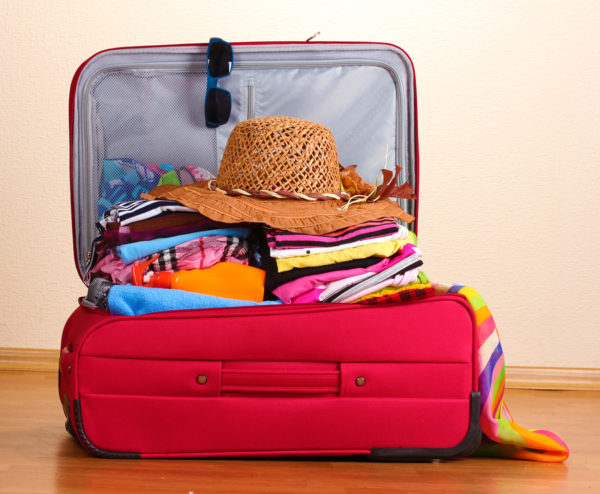
Silverfish, bed bugs, and even moths can hitch a ride in your suitcase. You can pick these up in hotels, your relatives’ homes, and even in the airport.
- Keep your bags sealed when you’re not using them, whether it’s in a hotel, in your car, in the airport, or on a plane).
- Wash and dry your clothes as soon as you get home.
- Don’t keep food in your carry-on bags.
- Don’t take any trash off the plane when you disembark.
- Once you unpack, put your bags in the dryer for at least 20 minutes.
- Inspect everything you bring home for pests, even after you wash and dry it.
In The Woods:
Camping is one of the most challenging environments for pest control. Let’s face it – pests live outdoors!
- Keep your food in sealed containers and make sure to store them at least 10 feet from your camp site and at least 8 feet in the air.
- Make sure you store your firewood at least 20 feet away from your camp site.
- Seal your sleeping bags inside your tent when you’re not using them.
- Check your sleeping bags for pests every night before getting in them.
- Sleep under a mosquito net.
- Wear bug spray.
- Dispose of any food scraps immediately.
- Wash and dry all of your things as soon as you get home, including your tent, your sleeping bags, your clothes, and even yourself).
- Check your whole body, especially any skin folds for ticks.
In Someone’s Home:
One place we don’t often think about picking up unwanted pests is in the homes of our relatives. Pests, however, don’t discriminate – they can be found in even the cleanest of homes.
- Inspect the furniture where you’re staying as soon as you arrive for signs of pests.
- Change the sheets upon arrival.
- Don’t hang your clothes up in the closet.
- Elevate your bags and keep them tightly sealed when they’re not in use.
- Wash and dry your clothes and bags immediately when you get home.
If you suspect a pest problem when you get back from vacation, contact a pest control professional for a thorough inspection.