Jan 13, 2023 | Termite Control
Termites are household pests that can cause significant damage in a short amount of time, leaving homeowners with costly repairs. In fact, most homeowner’s policies do not cover termite damage. There are two major types of termites that cause damage to homes: subterranean termites and drywood termites. The type of termite you are dealing with, along with the size of the colony and extent of the damage all determine what type of termite treatment will be most effective. Preparation of your home will depend on which treatment will be performed.
For liquid-soil treatment, a trench is dug around the perimeter of your home where termiticide is applied and then filled back in. For this type of treatment, no preparation is required.
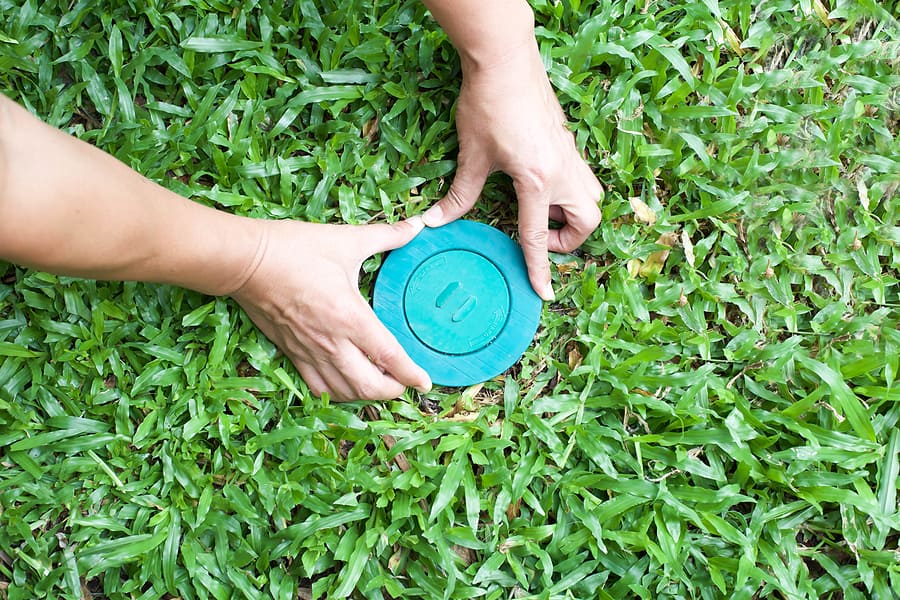
Bait stations are strategically placed in the ground around your home. These treatments also do not require any preparation.
Fumigant treatments are the most extensive and also require you to prepare your home prior to treatment. During fumigation, a tent will be placed over your home and gas will be released, killing any termites that are present, even those in hard to reach areas. You can get your home ready for fumigation by:
- Finding a place to stay. You, your family and your pets cannot be inside the house during treatment, which can last up to 72 hours.
- Remove perishable and other unsealed items including food, medication, and hygiene products.
- Store clothes, bedding and curtains outside the home.
- Remove indoor plants from the home.
- If products are still sealed (e.g. food), they can be stored in approved bags during treatment; it’s best to double bag them.
- Turn off electrical appliances and unplug them.
- Make sure the gas is turned off to your home.
- Unwrap any plastic covered mattresses, cushions, and other furniture.
- Open all doors between rooms and into closets.
- Leave drawers and cabinets open.
- Leave shutters open.
- Trim back shrubs and trees near the exterior walls of the home.
Termites can be difficult to get rid of once an infestation has established. Contact your local pest control company for a termite inspection and appropriate treatment options.
You May Also Be Interested In:
Rodents to Lookout for this Winter
Are Spiders More Common In Winter?
When Does Swarming Season Begin?
How Do I Know if I Have Bed Bugs?
Preparing Your Lawn for Spring

Jan 5, 2023 | Termite Control
The new year has begun and although the weather is chilly now, the luxuries of living in the south typically means that warmer weather appears sooner than later. This means that termite swarming season is just around the corner, with the earliest swarms beginning in February. Let’s break down what to expect this swarming season.
What are Swarming Termites?
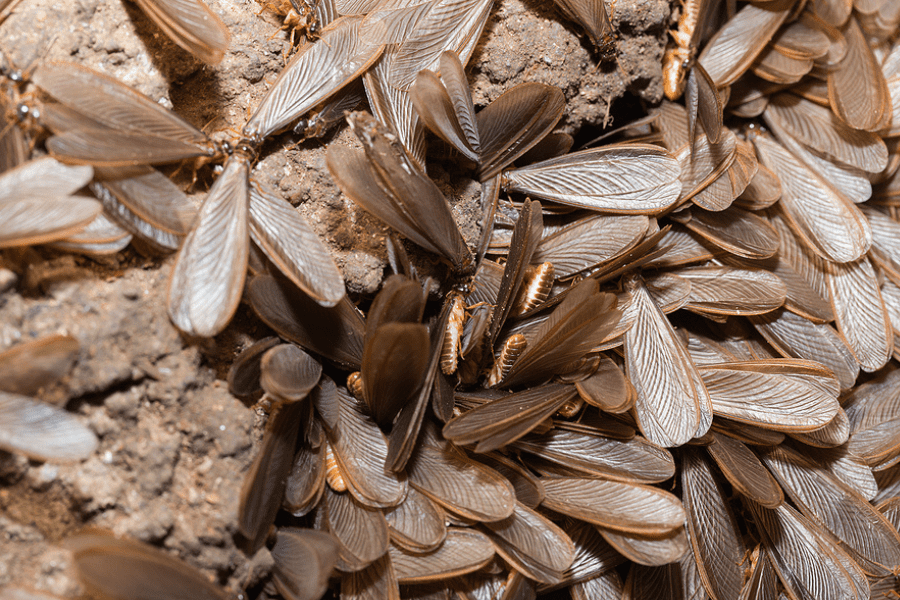
Termite swarmers, often mistaken for winged ants, are most active during the spring months, when they fly away from their colony to reproduce. These swarmers are attracted to bright, light areas often seen around doors and windows in homes. Fortunately, they don’t cause wood damage, but seeing a group of them around your property typically means a colony is nearby.
Which Species Do I Need to Lookout For?
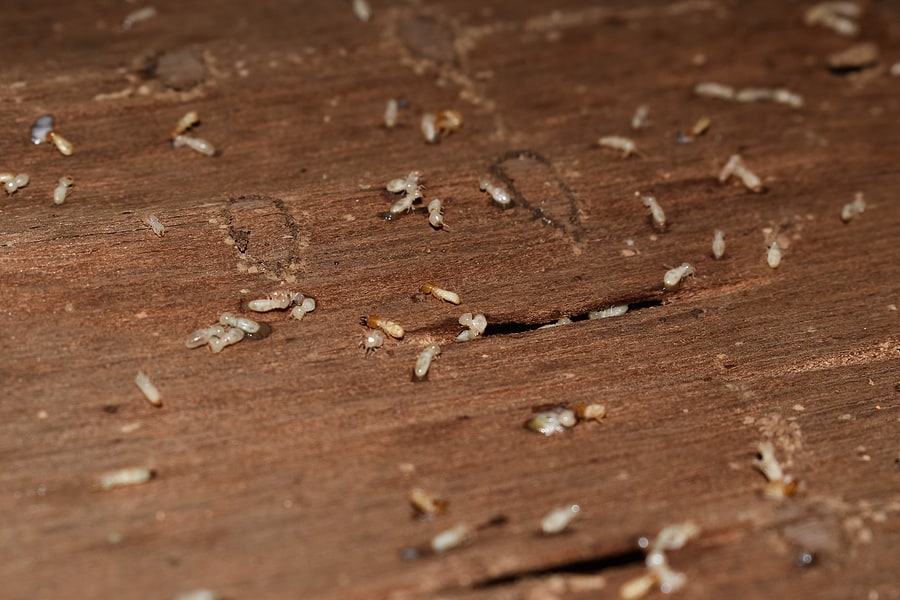
The southeastern region of the United States is home to a variety of termites, including the subterranean, drywood, and Formosan species. Subterranean is the most common type of termite found in the southeast. They live underground in colonies that can get up to two million members. They are also known to be found in moist, secluded areas above ground. With their hard, saw-toothed jaws that work like shears, they are known to cause significant damage to properties.
Termite Prevention Tips:
- Eliminate Moisture: Repair leaky faucets, don’t let water pool near foundations, keep gutters clear, and use downspouts to divert water away from your home.
- Maintain Landscape: Don’t let anything touch the exterior surfaces of your home (mulch & woodpiles), removing old tree stumps, and keeping shrubbery and tree limbs trimmed back away from your home.
- Repair Home: Replace broken tiles, shingles, etc. on your roof and exposed beams in attics are a great food source and access point into your home.
If you suspect termite swarming activity or just want to get a step ahead at termite prevention, contact your local pest control company and schedule your free inspection.
Dec 16, 2022 | Termite Control
Termites are highly destructive household pests, causing billions of dollars in damages to homeowners annually. Most homeowner’s policies don’t cover termite damage. What options do homeowners have to protect themselves from these pests?
Two options that are available are a termite warranty and a termite bond. These terms are often used interchangeably but they are, in fact, different.
A termite warranty is similar to an insurance policy you take out against termites. It is insured by an insurance company and allows for more coverage against damages. These warranties will also include an agreement for ongoing monitoring and/or maintenance for the length of the warranty term. They also require the termite control company who provides it to treat for termites if they are found on their annual termite inspection during the warranty period. It can also specify if the pest control company will repair any damages from termites or if they will only retreat the home. Some warranties can even be transferred between homeowners (such as during the sale of the home) but others cannot be transferred.
Termite bonds are similar to warranties. The difference between the two is that bonds require the pest control company to hold a specified amount of money in a surety bond.
Some kind of protection against termites and termite damage is beneficial to homeowners. If you are interested in scheduling a termite inspection or taking out coverage against termites, contact your pest control company for more information.
Nov 17, 2022 | Termite Control
Termites are one of the most destructive pests, causing significant damage to homeowners in the United States each year. Termites often go long periods of time undetected, allowing a termite infestation to proliferate inside your home. But what causes a termite infestation in the first place? What attracts termites to your home?
Moisture
Termites are attracted to moisture, especially subterranean termites. Damp basements, bathrooms, laundry rooms, kitchens, leaky pipes, and stagnant water around foundations are common areas that termites are attracted to. Rotten or water damaged wood should be replaced immediately. Leaky or broken pipes should also be repaired as soon as they are discovered. Make sure roofs and gutters are cleaned properly and that proper drainage systems are established. Check and repair issues with foundations. Use a dehumidifier to reduce moisture in attics, crawlspaces, basements, and any other rooms where humidity is high.
Wood
Termites will feed on just about any type of wood. This includes new wood, painted wood, treated wood, rotted wood, water damaged wood, wood mulch, wallpaper, and shelf paper. As such, care should be taken to reduce access to wood in and around your home. Foliage and mulch should be kept at least 28″ away from foundations. Wood mulch should be replaced with another coverage medium, like rubber mulch or treated cedar. Anywhere wood comes into contact with the sides of your home also provide a bridge termites can use for access. This allows them to make their way inside, even bypassing soil that has been treated with termiticides. Get rid of any vines, trellises, mulch, stumps, firewood, etc. that is close to your home’s foundation. Trim limbs away that touch the roof, as well.
Coverage
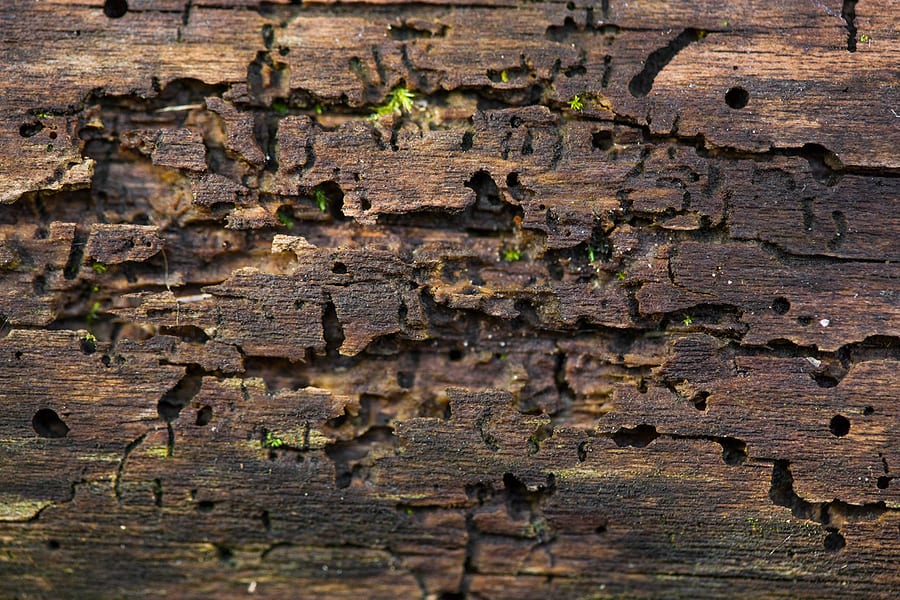
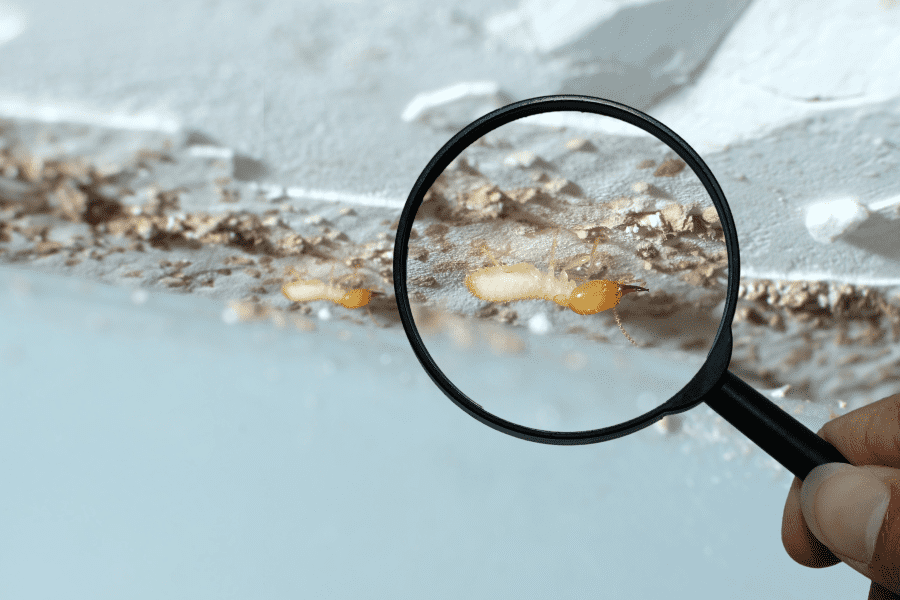
Termites are silent destroyers, eating wood from the inside out, allowing them to establish colonies and infestations before any signs of their presence arise. It is important to recognize the signs of termites so they can be detected earlier before they can cause significant damage. It is also beneficial to have an annual termite inspection performed by a termite control company. These professionals will inspect the interior and exterior of your home, looking for signs of termite activity or previous termite damage. They can then present you with the best termite control options when necessary.
You May Also Be Interested In:
Are Bed Bugs Active in the Winter?
When Is Millipede and Centipede Season?
Do I Need Termite Treatments in the Winter?
Preventing Spiders
Pest Control for Basements & Attics
Nov 9, 2022 | Termite Control
With termites being active 365 days a year, termite prevention is a year-round venture. Termite activity is typically more predictable in the winter months, so setting up termite treatments, especially bait stations, is ideal.
Termites in the south are more likely to discover strategically placed bait stations, like Sentricon® Always Active, year-round, but can also discover the bait stations in the winter. This is because in warmer months, termites are more likely to travel further away from their nests to find food. Termites tend to stay closer to home in the cooler months, making it more likely for them to find termite bait instead of food.
How Does Sentricon® Work?
The first step to getting your bait stations in place is to have a property inspection. A technician will do an assessment of your property to determine the best placement locations for your bait stations. They will be able to evaluate the size of your property, age of the structure, and if any termites are currently active. The stations are then implanted into the ground with the top placed flush with the soil’s surface. The stations don’t need to be messed with and your technicians know when to check on them, making it something you don’t need to worry about.
If you are interested in getting year-round termite protection, be sure to reach out to your local pest control company to get started today!