Apr 14, 2022 | Termite Control
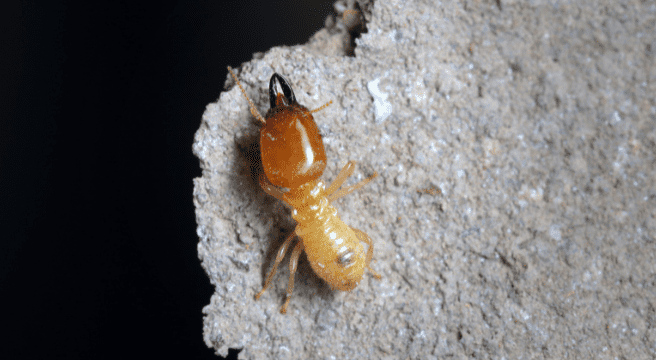
Termites can cause serious damage to your home, affecting both its structure and integrity. Termite damage can also be costly to repair. Let’s take a closer look at how to recognize when you have a termite problem, as well as the different types of termite treatments that are available today.
The first step in preventing termites is to identify when you have a problem. Termites eat wood from the inside out so they often go undetected for long periods of time, causing substantial damage before you even realize you have a problem. Recognizing the signs of termites in your home is a good first step to identifying their presence. Common signs of termites include:
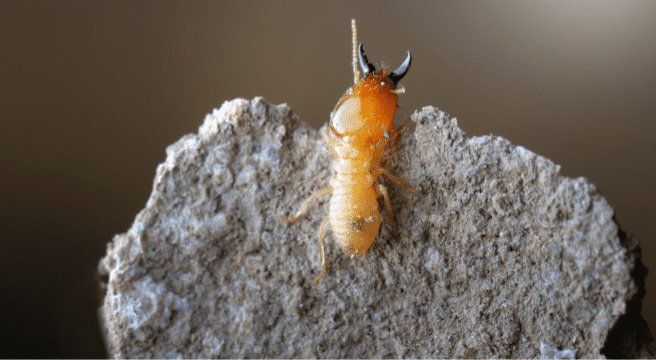
- Noise: Soldier termites bang their heads against the wood or shake their bodies when disturbed. This can be heard as a quiet clicking sound coming from your walls.
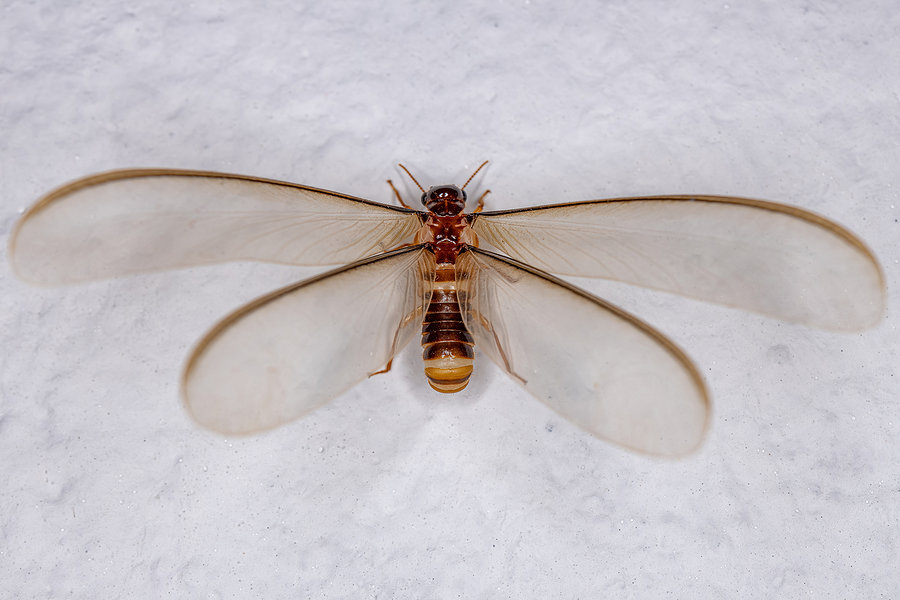
- Discarded wings: Swarming termites leave existing colonies to reproduce and establish new colonies. Once they mate, they discard their wings. These wings can often be found near doors and windows.
- Warped wood: Termites produce moisture as they tunnel through wood. This moisture causes wood to warp, making doors and windows difficult to open and paint to bubble. This can often resemble water damage.
- Damaged wood: Termites eat wood from the inside out, leaving behind a labyrinth of tunnels in damaged wood. This wood will then make a hollow or papery sound when tapped on.
- Feces: Termite feces, also known as frass, is left behind as termites tunnel through wood. Frass can be seen as piles of pellets, black marks, or a dark, powdery substance near the sites of damage.
- Mud tubes: Subterranean termites will build mud tubes to provide moisture and to protect them from predators. They use these tubes to travel between their colony and their food source. These tubes are usually found near foundations.
Prevention
The best way to control termites is to prevent them in the first place. Some common termite prevention tips include:
- Using concrete foundation.
- Leaving ventilation space between the soil and the wood.
- Covering exposed wood surfaces with sealant or a metal barrier.
- Keeping the soil around foundations dry (through proper grading, adequate drainage, and clear gutters and downspouts).
- Reducing openings termites can use to get in (by filling cracks in cement foundations and sealing around where utilities pass through walls).
- Fixing leaks immediately.
- Keeping vents free from blockage.
- Making sure trees and shrubs are not planted too close to the home.
- Not allowing trees and shrubs to grow against exposed wood.
- Not piling firewood or wood debris next to the house.
- Having annual termite inspections performed.
Termite Treatments
Once you have an established termite infestation, the next step is deciding which termite control treatment is best for your situation. Treatments depend on a variety of factors including the type of termite you are dealing with, the severity of the infestation, the type and size of your home, whether it is a new construction or an existing home, the cost of the treatment, and more. There are four main types of termite treatments:
Liquid-Soil Treatment
Liquid-soil termite treatments are used on the soil surrounding your home to act as a treatment barrier. They are long lasting, providing protection for an average of 5 years. With these treatments, a trench is dug around the perimeter of your home and liquid termiticide is applied. The trench is then filled back in. This method helps prevent future infestations, as well as killing any existing termites as they travel between your home and their nests.
Bait Treatments
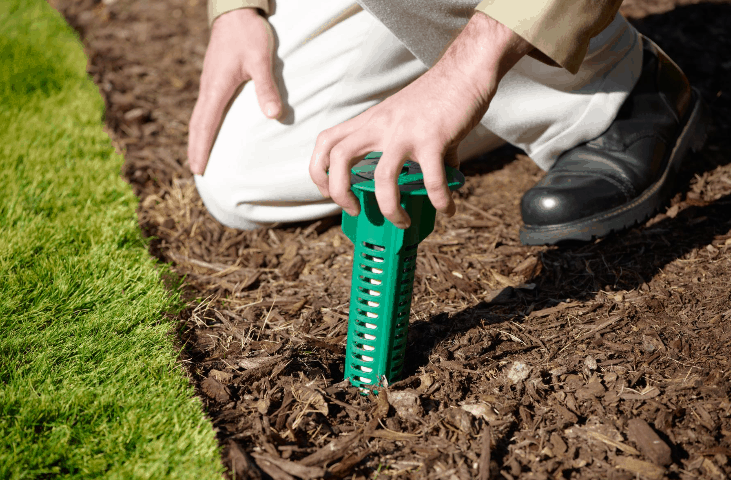
Bait station treatments are another option for treating termites. In this method, bait stations are strategically placed around your home. Each station contains a slow-acting termiticide that the termites take back to their nests and share with other termites. These treatments can take longer to affect termites. They also require regular monitoring and maintenance to make sure each station still contains bait.
Wood Treatments
Wood treatments offer another alternative to termite control. These treatments utilize either surface sprays and treatments or injected sprays and foams. Wood treatments kill existing termites and also soak into the wood to prevent future problems. These treatments require direct access to infested wood which can be difficult to get to in some circumstances. Sprays are better for use in new construction treatments as the wood can be treated as the house is being built. Injected foams are better for use on existing structures as they can expand into cracks and crevices that sprays may not be able to reach.
Pre-Treated Materials
Pre-treated building materials are best used for new construction. The termiticide can either be sprayed or brushed on. Termiticide can also be applied anywhere the new structure comes into contact with the soil, allowing the soil to be pretreated. Using pressure treated wood is also an option as termites are less likely to infest wood that has been mixed with chemicals.
Termites are a serious problem for homeowners. If you suspect you have a problem with termites or other pests, contact your local pest control company for an inspection.
You May Also Be Interested In:
Protecting Your Pets from Fleas and Ticks
What Happens During the Bee Relocation Process?
When Should Mosquito Treatments Start?
The Myth of the Grandaddy Long Legs
Controlling Birds During the Summer Months
Mar 16, 2022 | Uncategorized
It’s Termite Awareness Week, and termites are a known threat to southern homeowners. Termites can cause more than 5 million dollars in property damage throughout the United States, and it is normal for this damage not to be covered by homeowner’s insurance policies. Before the damage gets out of control, look for termite signs and consider getting a preventative termite treatment and warranty from professional help.
One of the first signs that termites are near is if you encounter swarmers near your home. Although swarmers do not cause wood damage, they do indicate that a colony is nearby. If you notice swarmers, it’s best to take immediate action and have a local termite control company take a look.
Another tell-tale sign that termites are close by is the presence of mud tubes or tunnels along the foundation of your home. Termites use mud tubes to keep moisture when traveling to and from their colony and your home.
Some other signs of termites that you may notice are:
- Hollowed or damaged wood: Wood damage can be found behind surfaces like walls and floors. This is caused by termites searching for cellulose, which can leave long grooves in the wood. Over time, these grooves weaken the wood and can create structural damage. If wood is hollowed, it will show a honeycomb interior and give off an empty sound.
- Bubbles in paint: Discovering bubbles in paint means there is a buildup of moisture, which can either be from water damage or termite damage.
- Frass: Finding the appearance of wood-colored droppings that litter the ground is a sign of a drywood termite infestation.
Even if you do not find signs of termites, now is still the perfect time to get preventative termite protection! With the Sentricon Always Active bait system, you’ll experience 24/7 termite protection, annual inspections, a lifetime termite warranty, and more! Reach out to your local pest control company to help identify the type of termite and recommendations on the best treatment plan.
Mar 3, 2022 | Termite Control
Swarming termites, also known as alates, are termites with wings that leave their colonies with two purposes in mind: reproducing and establishing a new colony. Alates resemble flying ants and will colonize anywhere with a cellulose source and adequate moisture for survival, making your home the ideal environment for a new colony. While alates don’t bite, sting, or eat wood, they are a good indication that there is a termite colony nearby.
Why Do Termites Swarm?
Once the original termite colony reaches capacity and is ready to expand, termite swarms occur. These usually happen once per year, although some species will swarm multiple times. Swarms can contain anywhere from hundreds to thousands of alates whose sole purpose is reproduction and expansion of the colony. Once environmental conditions are right, the swarmers will launch themselves into the air and pair off. Once they’ve found their partner, both will shed their wings, mate, and find a new place to nest.
When Do Termites Swarm?
The timing of termite swarms depends on the type of termite you are dealing with. Subterranean termites typically swarm in the spring during daylight hours. Drywood termites swarm in late summer and early fall, and dampwood termites swarm over the summer. Termites will swarm once conditions are ideal, usually the day after a rain shower with overcast weather and winds less than 6 mph. Damp soil after a rainstorm also helps with nest building.
Do Termites Swarm Indoors?
If a colony is already established inside your home, termites may swarm inside. These alates will try to squeeze through cracks and crevices in your foundations and walls to reach open air. Alates are also attracted to light so they can often be found near windows and light fixtures.
What Kind of Termites Swarms Are There?
Termite swarms vary depending on what species it is. Drywood termite swarms are usually smaller than other termites with less than 100 swarmers. They will swarm in late summer and fall. Due to the small size of the swarm, you may not see the signs of drywood termites until they are already established. Dampwood termites swarm in the summer months. They are of less concern to homeowners as houses don’t typically have the moisture content necessary for them to survive. They can, however, be found in wood structures surrounding homes, e.g. utility poles. Subterranean termites are the most common and have the largest swarms, sometimes numbering into the thousands. These termites swarm in the spring between March and June.
While swarms don’t necessarily mean you have a termite infestation in your home, they are a good indicator that there is a thriving colony nearby. If you spot swarming termites in or near your home, consider a termite inspection to help identify signs of termites you may have missed and ensure you don’t have a hidden colony eating your home from the inside out.
If you suspect termites, contact a professional pest control company who can give your house a thorough inspection and help with a termite control and prevention plan going forward.
You May Also Be Interested In:
How Do I Know if I Have Bed Bugs?
Preparing Your Lawn for Spring
Millipede vs Centipede – Which Is More Dangerous?
The Myth of the Grandaddy Long Legs
Spring Cleaning to Keep Pests Out
Feb 17, 2022 | Termite Control
With the warmer months creeping up on us, it’s time to start preparing for the termite swarming season. Termites cause billions of dollars in damage each year and infestations are normally not found until considerable damage has already been done. It’s important to know what types of termites are active in your area to understand ways to prevent them from causing damage to your home.
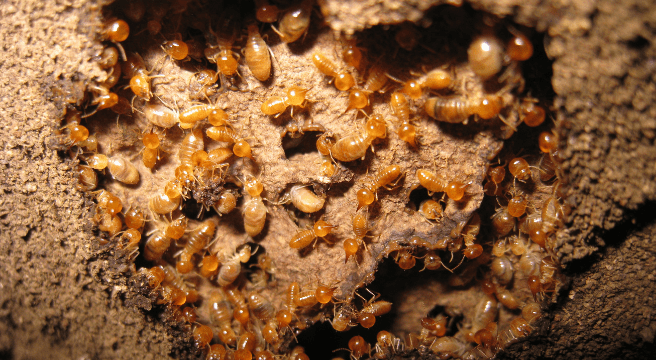
The most common type of termite in the southeast is the subterranean termite. This termite species lives in underground colonies with as many as two million members but can also be found in moist, secluded areas above ground. They are the most destructive termite species and, over time, can potentially collapse a building. This is due to their hard, saw-toothed jaws that work like shears and can bite off extremely small fragments of wood, one piece at a time. They typically begin their swarming season in early spring, usually during daylight hours.
Swarming is beneficial when creating new colonies. Termites swarm after a colony has reached a certain capacity and is ready to expand. This normally happens once per year for most colonies. Hundreds or even thousands of swarmers, also known as alates, are produced with the sole purpose of reproduction and expansion.
Swarming can occur indoors or outdoors. They cannot survive indoors because of the lack of soil to colonize. If found indoors, they are usually found near windows and light fixtures as they are attracted to light. Whether indoors or outdoors, they usually can’t cause damage. As swarmers, they can’t bite, sting, or chew. The presence of swarms indicates that a colony is nearby, though; so although the swarmers can’t cause damage, the nearby colony can.
There are many ways to prevent swarming from happening. The first step is to eliminate any termite colonies in the area. To prevent termites, make sure there are no water sources nearby, including standing water around your home. Also, routinely inspect your foundation for loose mortar or bubbling paint to see if there are termites present.
Because a termite swarm indicates a nearby colony, homeowners should take precaution when one is spotted close to home. If you suspect you have a termite infestation, contact a professional local pest control company who can inspect your property and set up a termite control plan.
Jan 25, 2022 | Termite Control
It’s a known fact that termites can cause costly and significant damage to your home, but did you know they are active year-round? Winter does bring some daily changes to termite colonies, including moving deeper into the ground for warmth or seeking shelter in your home’s foundation. Both cases are something to be wary of, especially when it comes to the health of your home.
Subterranean termites might seem like they can’t cause damage in the winter when they burrow deep underground, but don’t let that fool you. When termites burrow underground, they tunnel deep beneath your home’s foundation and can cause structural damage, such as causing your home to shift and become uneven, which is costly to repair.
The plus side to termites in the wintertime is that swarms are nearly impossible. Termite swarms may sound like a scene out of a science fiction movie, but they are necessary for the survival of termites. Fortunately, they are not common in the winter, as they tend to move further away from their colonies in the warmer months, making it more difficult to find them. Consider putting preventative measures in place around your home during the winter season before these pests become active again in the spring months, which mark the beginning of swarming season.
There are several ways to prevent termites, even in the wintertime. There are many great services offered to homeowners that can be beneficial year-round. The most effective option in termite prevention is the Sentricon Always Active® system. It is an environmentally responsible choice for home termite protection and is scientifically designed to eliminate the entire colony – including the queen. It’s crucial to prevent termites, whether they’re active or not.
Termites can be extremely difficult to identify, avoid, and eliminate once they are established. If you spot signs of termites in your home or just want to get ahead in the prevention game, contact a professional pest control company who can set you up with annual termite inspections and even a termite control plan.