Jun 13, 2024 | DIY Pest Control, Florida Termite Control
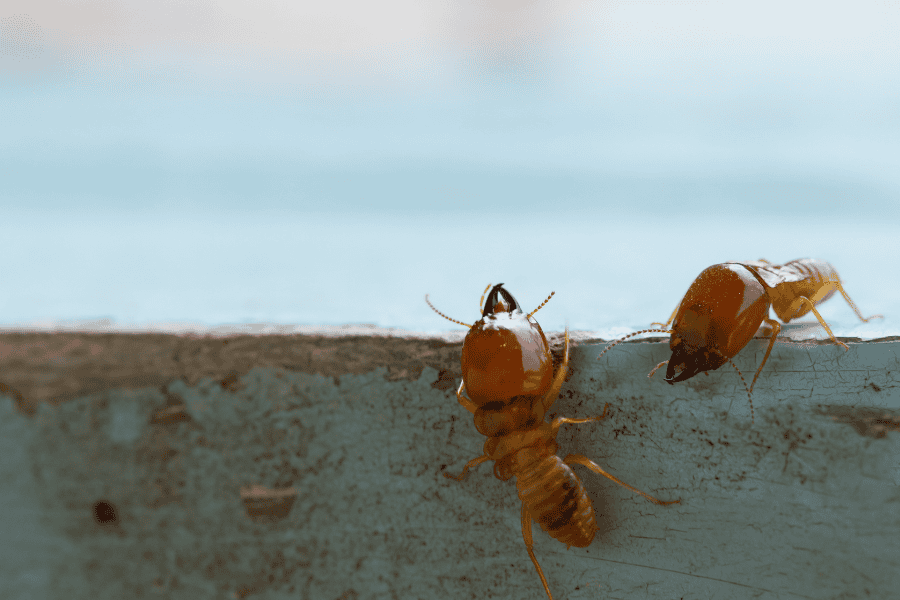
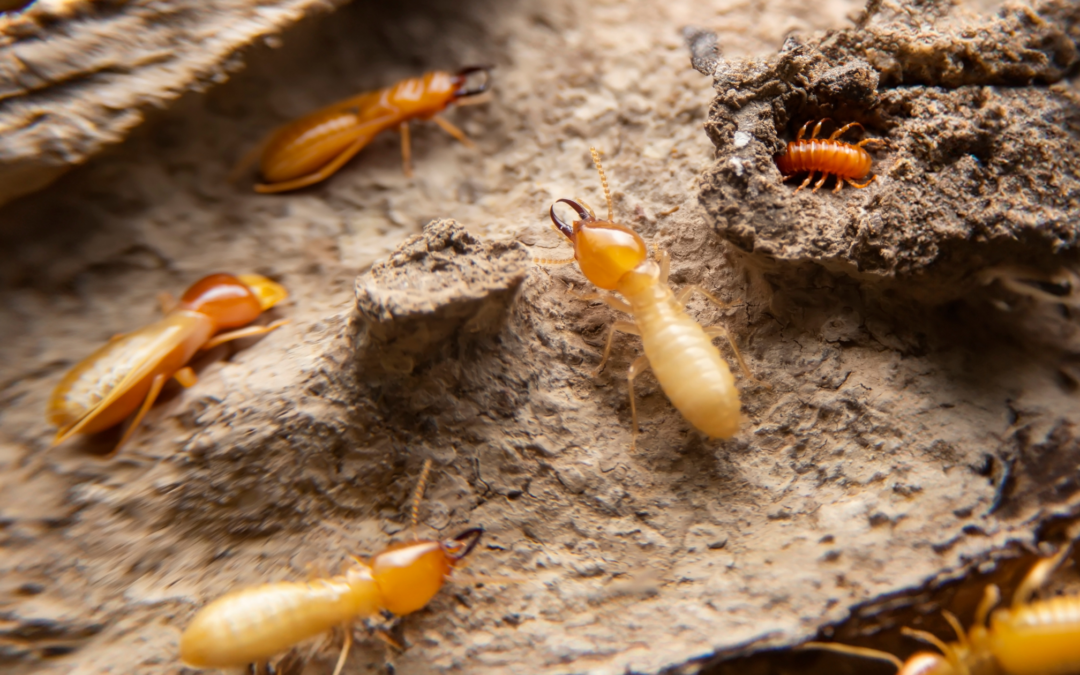
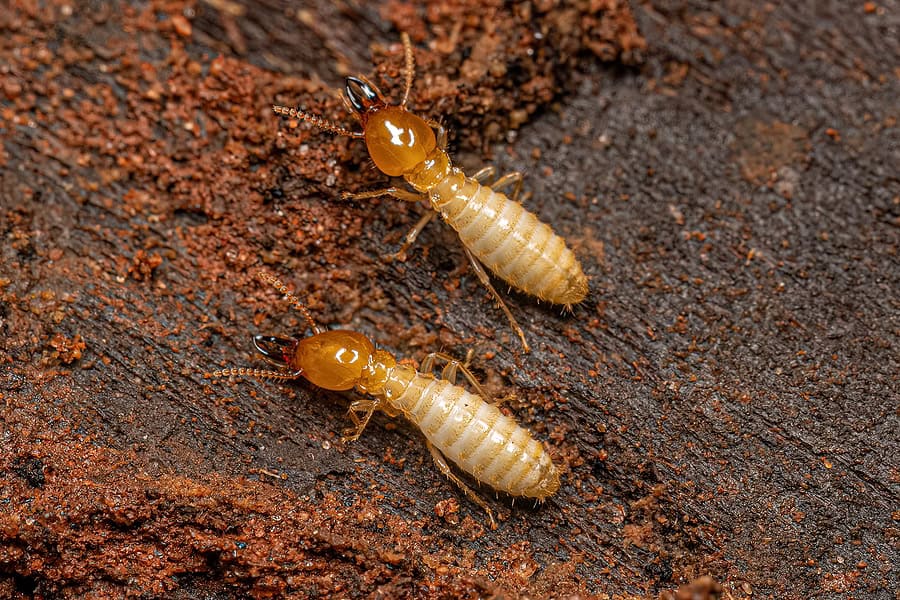
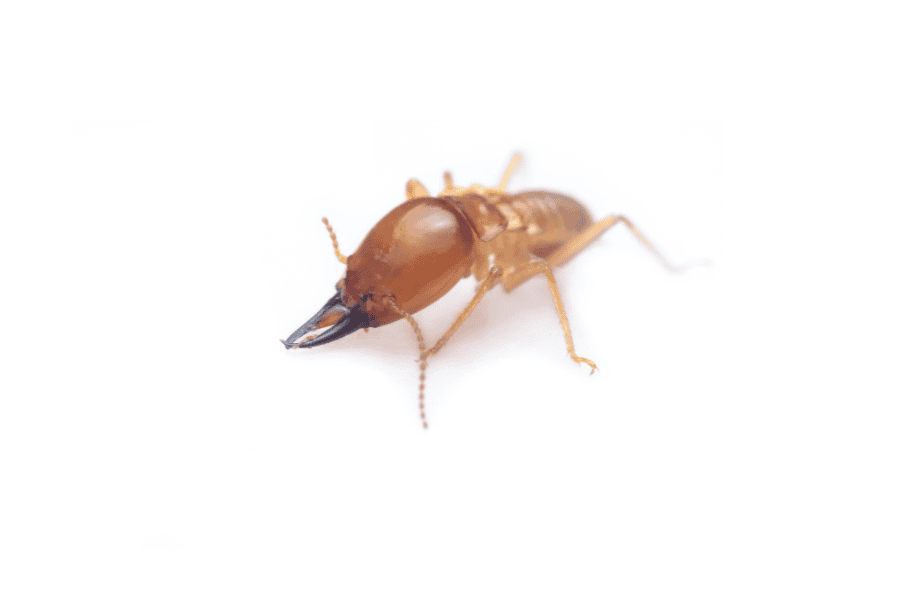
Termites thrive in warmer weather and are known to create extensive damage to your home if not managed properly. This makes Florida’s warm and humid climate a hotspot for termite activity! In our sunshine state, the most common types of termites are drywood and subterranean termites. Let’s breakdown the difference between these two termite species and how you can prevent these pests from infesting your home.
Drywood and Subterranean Termites
It’s important to understand the difference between drywood termites and subterranean termites to properly treat and prevent them.
Drywood Termites
- Drywood termites live inside dry wood and do not need contact with soil.
- A good indication on whether drywood termites have infested is finding small piles of wood pellets or frass, tiny holes in wood surfaces, and discarded wings near windowsills or light fixtures.
- Drywood termites cause significant structural damage by hollowing out wood from the inside out.
Subterranean Termites
- Subterranean termites build colonies in the soil and require moisture to do so. They will often create mud tubes to travel between their nest and food sources.
- Signs of a subterranean termite infestation include mud tubes on exterior walls, foundations, or crawlspaces. Other infestation signs include damaged wood that sounds hollow and swarms of winged termites.
- These termites will destroy foundations, support beams, and other wooden structural causing thousands of dollars in repairs.
Termite Prevention Tips
There are several do-it-yourself prevention tips that you can utilize to prevent both drywood and subterranean termites. Consider the following:
- Seal any cracks and crevices in your home’s exterior using caulk or steel wool depending on the size.
- Keep attics, basements, and crawlspaces well-ventilated and dry; consider encapsulating your crawlspace to help with excess moisture.
- Fix leaky faucets, pipes, and air conditioning units to prevent standing water.
- Make sure your home’s drainage system directs water away from the foundation.
- Keep firewood, lumber, and other wooden materials elevated and away from your home’s foundation.
- Keep shrubs, trees, and other vegetation trimmed away from your home.
- Schedule an annual termite inspection with a professional Pompano pest control company near you. These professionals will provide you with a thorough inspection and termite control options if termites are found.

Jun 7, 2024 | Commercial
Termites are one of the most destructive pests, capable of causing significant damage to commercial properties. Their ability to silently infiltrate and compromise the structural integrity of buildings makes them a serious threat. Effective termite control is essential to protect your investment and ensure the safety of your property. Explore the importance of termite control for your business, the types of termite infestations, and the best strategies for effective termite management.
The Importance of Termite Control
Termites can cause extensive damage before their presence is even detected. They feed on wood and other cellulose materials, weakening the structure of buildings and potentially leading to costly repairs. For commercial properties, this not only affects physical integrity but also can disrupt business operations and impact your reputation.
Regular termite inspections and proactive control measures are crucial in preventing infestations and mitigating damage. By understanding the signs of termite activity and implementing effective control strategies, you can protect your property and avoid the significant costs associated with termite damage.
Types of Termite Infestations
There are several species of termites, but the most common ones that affect commercial properties are:
- Subterranean Termites: These termites live in the soil and build mud tubes to access above-ground food sources. They are the most destructive and responsible for most termite damage in commercial properties.
- Drywood Termites: Unlike subterranean termites, drywood termites do not require contact with soil and can infest dry wood structures. They are often found in areas such as attics, walls, and furniture.
Signs of Termite Activity
Detecting termite activity early is critical for effective control. Here are some common signs to watch for:
- Mud Tubes: Subterranean termites build mud tubes to travel between their nest and food sources. These tubes are often found on foundation walls, support beams, and other structural elements.
- Wood Damage: Termite-damaged wood often sounds hollow when tapped and may have a honeycomb interior.
- Discarded Wings: Swarming termites shed their wings after mating. Finding discarded wings near windows, doors, or other entry points can indicate an infestation.
- Frass (Termite Droppings): Drywood termites leave behind small, pellet-like droppings known as frass, often found near infested wood.
Effective Termite Control Strategies
- Regular Inspections: Schedule annual termite inspections with a professional pest control company. Regular inspections can detect early signs of infestation and prevent extensive damage.
- Soil Treatments: Subterranean termites often enter buildings through the soil. Soil treatments, such as liquid termiticides, create a chemical barrier that prevents termites from reaching the structure.
- Bait Systems: Termite bait systems are an effective and eco-friendly method for controlling termite populations. Baits are placed around the property, attracting termites and then eliminating the colony.
- Wood Treatments: Treat exposed wood with borate-based products to protect against termite infestation. These treatments penetrate the wood and create a barrier that is toxic to termites.
- Moisture Control: Since termites thrive in moist environments, it’s essential to address any moisture issues around your property. Repair leaks, ensure proper drainage, and use dehumidifiers in areas prone to moisture buildup.
- Preventive Maintenance: Regularly inspect and maintain your property to eliminate potential termite entry points. Seal cracks and crevices, repair damaged wood, and remove any debris or wood piles near the building.
Professional Termite Control Services
While DIY methods can offer temporary relief, professional pest control services provide comprehensive and long-term solutions. A qualified commercial pest control company can:
- Conduct thorough inspections: Identify signs of termite activity and potential risk areas.
- Develop customized treatment plans: Tailored to the specific needs and conditions of your property.
- Implement advanced treatments: Use the latest tools and techniques to ensure effective termite control for your business.
- Offer ongoing monitoring and maintenance: Regular follow-ups to ensure your property remains termite-free.
Effective termite control is essential for safeguarding your commercial property from the destructive impact of these pests. By understanding the types of termite infestations, recognizing signs of activity, and implementing comprehensive control strategies, you can protect your investment and maintain a safe, functional property. Be sure to call a pest management team near you for a free, personalized, no-obligation quote!
May 24, 2024 | DIY Pest Control, Termite Control
May 14, 2024 | DIY Pest Control, Florida Termite Control
Subterranean termites will go undetected and cause severe damage to Florida homes. While there are several species of termites, subterranean termites are one of the most popular species found in areas of Florida. We breakdown what you should know about these termites and how you can prevent them from infesting your home.
What You Should Know About Subterranean Termites
They Need Water & Soil to Survive
Subterranean termites need a water source and soil to survive and form their colonies. These termites create mud tubes to travel back and forth between your home and their nest. These tubes protect them from damage and predators, and allow them to accumulate moisture for survival.
They Are Active Year-Round
Subterranean termites are active year-round, with swarmers being the earliest sign of their activity. Termite swarming season in Florida can start as early as February and run all the way until June. Spotting swarmers around your home is the first indication that a termite colony is present nearby, and another one could be starting up soon.
Their Colonies Are Hidden
Subterranean termites will stay hidden within wood and underground within their colony. Their mud tubes will protect them and allow them to stay hidden when traveling back from their nest to your home. These mud tubes are typically about the size of a pencil and can be on ceilings, walls, exterior surfaces, and on the sides of slabs.
Their Damage Can Be Extensive
Since these colonies stay hidden, it can be very difficult to detect them, allowing them to cause extensive damage to homes. Many termite infestations can go unnoticed until it’s too late for early treatment before their damage is done. In the United States, termites are known to cause over $5 billion in damage to homes annually.
Subterranean Termite Infestations Are Preventable
There are several preventative options that Florida homeowners should consider to prevent termite infestations. Several pest control companies provide varying techniques of termite management, including liquid barrier treatments and termite bait treatments, such as the Sentricon®️ Always Active Bait Station. These preventative measures also include annual inspections along with their treatments to provide you with the peace of mind that your home is always being protected from termites.
If you’re interested in termite control, reach out to a pest control company near you. These professionals will provide you with a thorough inspection and a customized treatment and prevention plan for your home.
Apr 11, 2024 | DIY Pest Control, Florida Termite Control
Drywood termites might seem like their counterpart, the subterranean termite, but they couldn’t be more different. Instead of surviving off moisture like subterranean termites, drywood termites seek dry wood for their food source. Once these termites find a place to create their colony, they will excavate the wood and cause significant structural damage to many Florida homes. One of the best ways you can avoid drywood termite damage is understanding their signs and the preventative measures to place on your property!
Common Signs of Drywood Termites
Drywood termites build their colonies inside wood in and around your home, surviving above the ground. While termites are difficult to spot, there are signs to indicate their activity in your home, including:
- Discarded wings on windowsills and near doors
- Seeing flying termites or swarmers near your home or in your neighborhood
- Hollow-sounding or visible damaged wood; the wood often looks carved out
- Piles of frass, or termite droppings, around the exterior or interior of your home; droppings look like coarse grains of sand
Drywood Termite Prevention Tips
In Florida, drywood termite activity is year-round, so it’s crucial to stay on top of your termite prevention. Consider the following tips to avoid a drywood termite infestation:
- Regularly inspect your home for any of the above drywood termite signs. Don’t forget to look near baseboards, beams, and other wood materials throughout your home for their activity.
- Seal openings around your doors, windows, and utility pipes with caulk or other sealants as soon as possible; this will help to keep termites and other household pests from entering your home.
- Before bringing used furniture or firewood inside your home, make sure to inspect it first for any signs of termites.
- At night, turn off your outside lights and close your curtains as termites are attracted to light.
If you notice drywood termite signs or suspect there are termites inside your Florida home, it’s best to contact a local pest control company near you. These professionals can schedule you with a routine termite inspection and termite control options.