Jan 14, 2021 | Termite Control
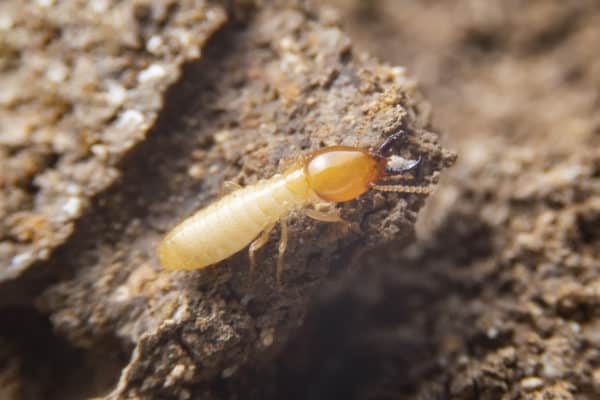
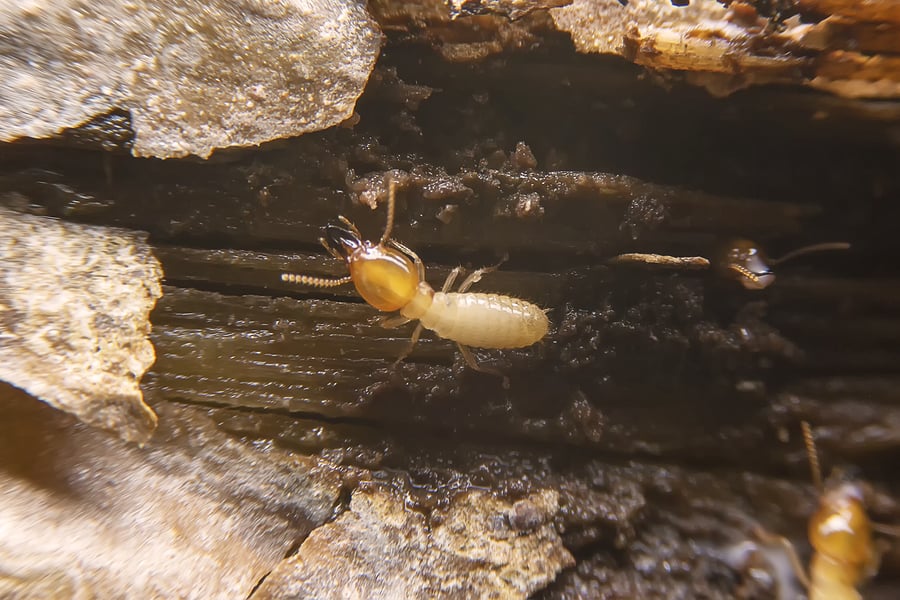
Termites are one of the most feared and difficult pests to get rid of. Every homeowner is weary of having termites as they can destroy your home from the ground up; but as the colder weather continues, many wonder if termites are even active right now?
Unfortunately for many homeowners, termites are out right now, with some termite species active year-round! This means that even on the coldest day termites are active. Fortunately, during colder weather termites do tend to go deeper into the ground to find warmth. If they’ve already infested your home, however, they will continue their activity. Termites will search for food throughout your house with the potential of significant damage, costing thousands of dollars in repairs. It’s extremely important to understand and recognize the signs of termites to catch them early.
One sign of termite activity is crumbling wood. Crumbling wood is a major indicator that these pests are infesting your property. Termites will eat wood from the inside out, so if the wood in your house sounds hollow when tapped on, you could have termites. Likewise, seeing uneven or bubbling paint is a sign of moisture build-up. This means the potential for two scenarios: water damage, which can attract termites; or existing termites inside your home. An obvious sign that termites are roaming is the presence of discarded wings inside your house. You can often find these near windowsills and doors.
Termite-proofing your house or property now can help prevent termites in the future. Take precautions with these tips:
- Ensure that all water and gas lines are sealed.
- Fix any leaky faucets or appliances and get rid of any standing water.
- Try to eliminate any cellulose material as this is a termite’s primary food source.
If you suspect you have termites or are just ready to get prepared this year, reach out to your local pest control company who can set you up with a prevention and termite treatment plan.

Apr 3, 2020 | Termite Control
A home is one of the biggest investments one can make and termite damage can be one of the most costly. Termites can colonize your home and cause significant destruction undetected over a long period of time. This can cost a homeowner thousands of dollars in treatment and repairs.
Termites will colonize near readily available food sources, typically soft or rotting wood. They will seek out these moist areas in and around your home in search of a new colony site. The best plan is always termite prevention. The first step in prevention is recognizing what attracts termites to your home in the first place. Here are five things that could be attracting termites to your home:
Wood Piles
Firewood and other wood piles are a huge termite attractant and also provide them with a quick and easy ride into your home. Firewood should be stored at least 20 feet from your home and elevated at least 5 inches off the ground.
Dead Trees
As trees die and rot, the dead trees and stumps will attract termites. They will then move from these stumps and trees to your home. Remove and clear any dead trees and stumps from your property.
Moisture
Poor drainage, lack of airflow, and leaking pipes all contribute to moisture problems in the home AND create conditions conducive to termite infestations. Subterranean termites need an abundant source of nearby water to survive, so reducing moisture is an easy way to help prevent a termite infestation and damage. Consider enclosing your crawlspace to further enhance the overall health of your home, by reducing excess moisture, decreasing humidity, preventing mold and wood rot, controlling pests (including termites!), and lowering utility bills.
Landscaping
While aesthetically pleasing, mulch can actually be a big attractant for termites. Mulch is comprised of wood chips which can retain moisture, making them an attractive food source for termites. Consider replacing mulch with another medium or, if you do use it, try to keep it at least 15 inches from your foundations.
Gutters
Clogged gutters can lead to damage to your home on their own but they can also be an attractant to termites. As leaves, twigs, and other debris build up in your gutters, the excess moisture can soften your roof and cause it to rot. These soft spots attract termites and also provide them with an easy access point into your home. Keep your gutters cleaned out regularly or consider installing gutter guards to prevent clogs.
Another component of termite control and prevention is the professional termite inspection. There are three circumstances where a termite inspection should be performed:
- As a prospective home buyer. During the buying process, potential homeowners should request a termite inspection which can show any potential termite damage and provide time for treatment and repairs during the negotiation phase of the transaction.
- As a homeowner. All homeowners should have a professional termite inspection every 3 to 5 years. By doing this, homeowners can catch infestations early and appropriate treatments or prevention techniques can be implemented before the damage progresses.
- If termite treatment has been performed previously. Homeowners who have had termite treatments done in the past should also schedule ongoing, routine termite inspections to maintain treatment and monitoring going forward. Most termite control companies offer these services as part of their termite protection plan with their treatments.
If you suspect you have a termite problem, contact a professional pest control company who can provide you with a thorough inspection and comprehensive treatment and prevention plan.
You May Also Be Interested In:
Imported Red Fire Ants
How Do You Get Rid of Brown Banded Cockroaches?
Cockroaches: A Possible Allergy Trigger
Why Are Mosquitoes Inside My Home?
Mouse vs Rat: Can You Spot The Difference?
Oct 25, 2019 | Termite Control
Are termites active in fall and winter? The answer is a resounding yes! All species of termites are active year-round, even in the cold weather of fall and winter. The only difference in termite activity when the weather cools off is a change in their routine – termites will nest deeper in the ground to access warmth and modify their tunnels for easier access to winter food sources. If termites have already colonized your home or office their routine won’t change at all. Heated buildings and their adjacent soil provide the ideal habitat for termites to thrive even in cold weather. Colony queens also lay their eggs year-round which means that not only are termites active during every season, their colonies are also consistently growing. Swarming termites are unlikely to be seen in the fall and winter months as termite swarming season typically begins in the spring.
Regardless of the season, there are some common signs of termite infestations to look for in your home or office including:
- Crumbling wood
- Hollow windows and doors
- Bubbling or buckling floors
- Loose tiles
- Holes in drywall
- Sagging sheetrock
- Discoloration of ceilings or walls
There are a few steps for termite protection you can take in and around your home. Make sure all water and gas lines are sealed adequately. Fix any leaky faucets or appliances and get rid of any standing water. Try to eliminate any cellulose material as this is a termite’s primary food source.
If you suspect you have a problem with termites or want to make sure you stay ahead of any potential problems, contact a professional termite control company who can provide you with a free termite inspection and set you up with the most comprehensive termite protection for your situation.
You May Also Be Interested In:
Where Do Snakes Go in Cold Weather?
Mosquitoes Active Through Fall
8 Tips for Winter
Where Are All of These Roaches Coming From?
Steps to Keep Spiders Out of Your Home