Aug 19, 2021 | Termite Control
One of the most important things a homeowner must do is protect the wood within their structure. Two of the most common causes of wood damage in a home are wood rot and termites. Both of these can cause significant damage by going undetected for long periods of time. Signs of wood rot and termite damage are similar, often making it difficult to determine what type of problem you have. It is important to know which of these you are dealing with in order to properly resolve it. Here are some signs of termites and wood rot and how to tell the difference between the two.
Wood Rot
There are two types of wood rot: dry rot and wet rot. Dry rot is caused by fungi that attack wood, destroying it from the inside out. Dry rot can affect any untreated wood that has a 20% moisture content. This type of rot spreads quickly and is also known as brown rot. Wet rot is common in homes that have a preexisting moisture problem such as a leak around an air conditioner, a malfunctioning downspout, clogged gutters, leaky faucets, or shrubs that are too close to the house. With wet rot, the surface veneer of the wood is impacted so it is usually easier to spot. Wet rot can affect any unprotected wood. It tends to be more localized than dry rot and doesn’t spread as much.
Some common signs of dry wood rot include:
- Wood that cracks and crumbles when touched
- Fungi blooms on wood
- Musty damp odor
- Yellow tinge to wood color
Some common signs of wet wood rot include:
- Wood that is spongy or stringy in texture
- Wood that breaks off into cube-like patterns
- Wood that looks darker than surrounding areas
- Musty, damp odor
Termite Damage
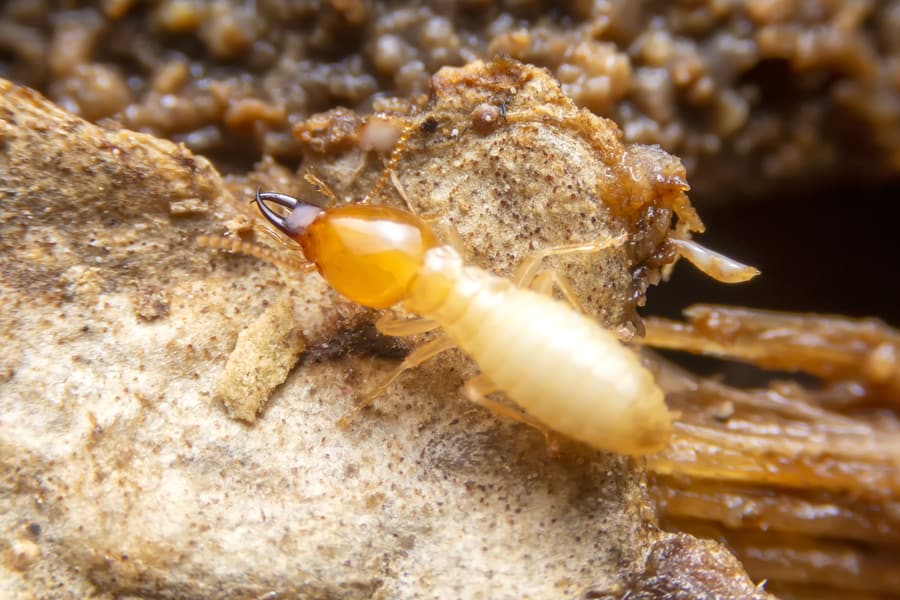
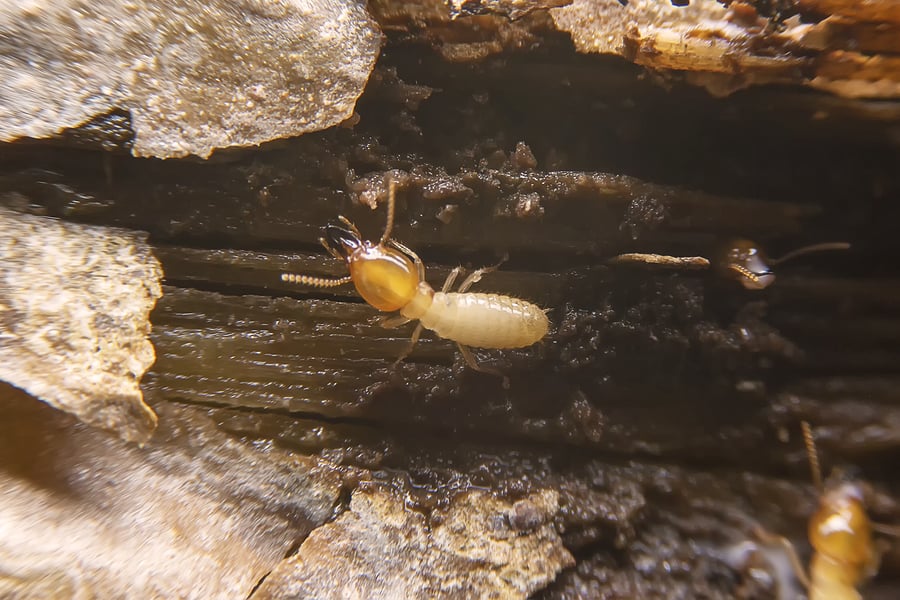
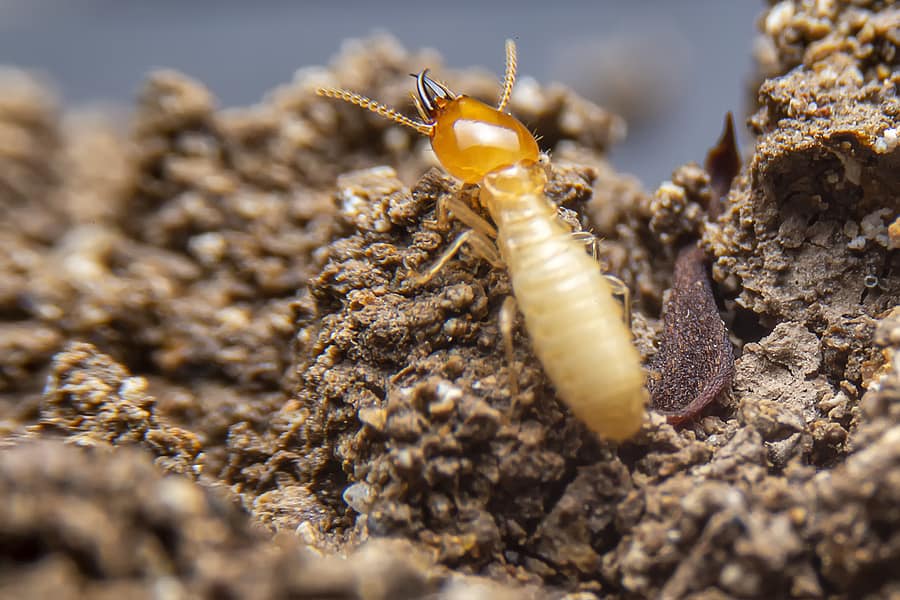
Subterranean termites are one of the most common types of termite, although drywood termites can also cause significant damage. Termites eat cellulose that is present in wood, hollowing them out from the inside out. Termites access your home through cracks in the foundation and walls. Because termites eat from the inside out, they can often go long periods of time undetected.
Some common signs of termite damage include:
- Tunnels and galleries on the inside of wood
- Wavy looking wood
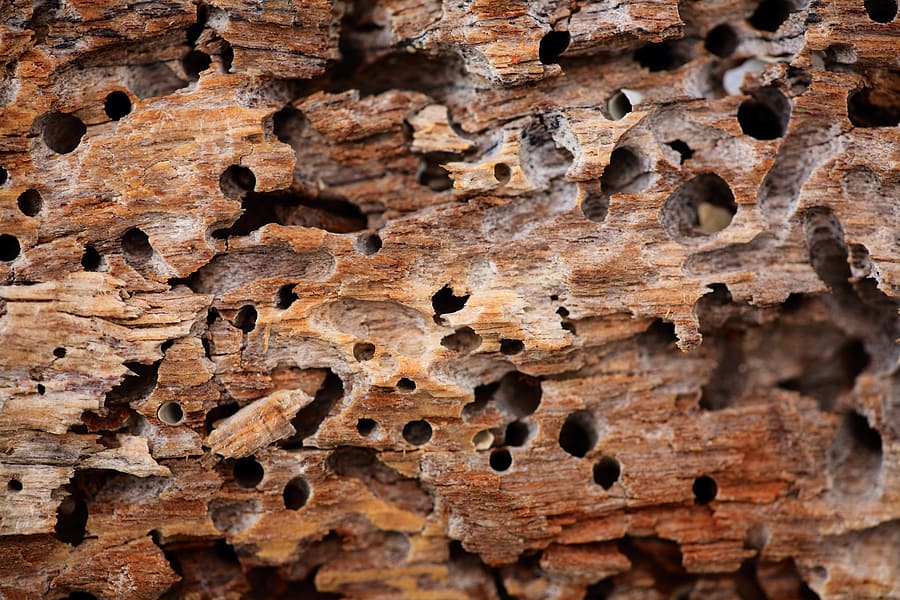
- Small, pinpoint holes in wood
- Peeling paint
- Wood that sounds hollow when tapped
- Buckling floors
- Loose tiles
- Squeaky floorboards
- Discolored drywall
Whether you have wood rot or termites, the most important thing is to recognize the issue and get it resolved as quickly as possible. If you have an issue with termites or any other pests, contact your local pest control company for a free analysis and treatment plan.
You May Also Be Interested In:
Preparing for Fall Wildlife
The Importance of Commercial Pest Control
Fact or Fiction: Mothballs Keep Snakes Away
: Maintaining Through Fall
Does One Cockroach Mean an Infestation?

Jun 15, 2021 | Termite Control
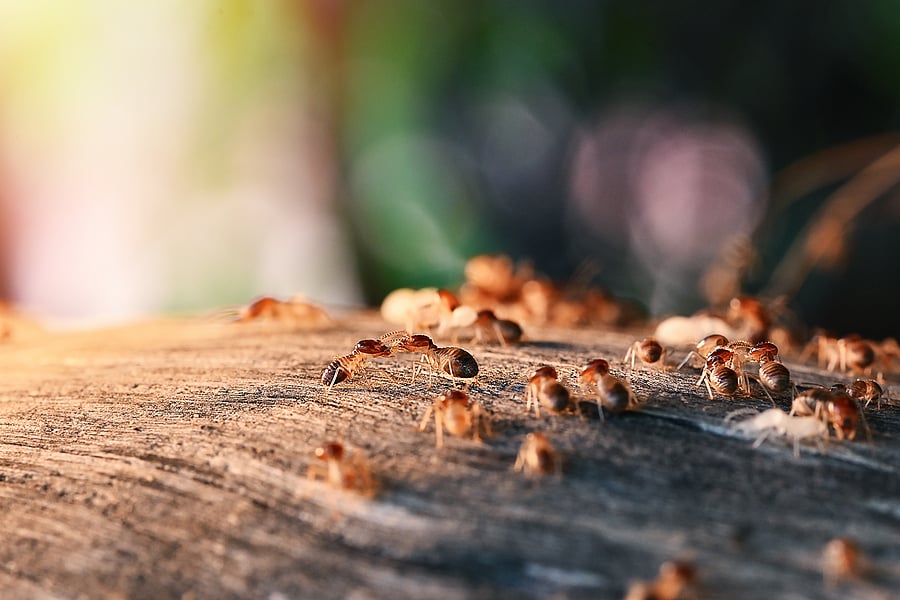
Did you know that certain termite species, such as subterranean termites, are active year-round? This means that even on the hottest or coldest days of the year these pests can still cause considerable damage and destruction to your property. Termites are in search of two things: a food source and a place to establish their colony. The first step in preventing termites is knowing what attracts them so you can take the necessary precautions to avoid them!
Termites like to colonize near a food source, most often soft or rotting wood. Firewood and other wood piles throughout your property are a major attractant to termites. This wood provides them with both a supply of food and a place to create their colony. If you must have this wood on your property, place it at least 20 feet from your home and elevate it at least 5 inches off the ground.
Summer showers are inevitable, meaning that your gutters could quickly become clogged. While clogged gutters can damage your home’s foundation, they can also attract termites. As the debris blocking the gutters accumulate, the excess moisture can soften your roof and cause it to rot. These areas provide termites an easy way to get inside your home. Make sure that your gutters are cleaned out regularly, especially after a bad rainstorm or consider installing gutter guards.
Every homeowner wants their yard to look aesthetically pleasing but sometimes the materials used for landscaping (like mulch) can attract termites to your home. Mulch is comprised of wood chips that can retain moisture, making it a perfect source of food for termites. Instead of mulch, consider using landscaping rocks; if you do use mulch, place it at least 15 inches from your foundation.
If you suspect a termite infestation or just want to get ahead of preventing them, consider calling your local pest control company where they can provide you with the best termite control options for your home.
Jun 4, 2021 | Termite Control
Spring and early summer mark the start of termite swarming season. Swarming termites, also known as alates, are classified as nuisance pests because although they can be bothersome to have around, they cannot bite, sting, or even chew wood. They do, however, signify the presence of an established termite colony nearby which can be problematic for you and your home.
Termites are silent destroyers, often causing significant damage and destruction to your home for long periods of time while going undetected. Learning the signs of termites, including the presence of swarms, is a critical first step in termite prevention.
When dealing with termite swarms, several questions are posed: When is swarming season? Where should I look for swarms? Can these swarms cause damage? Why are they swarming? How can I prevent them?
When Is Swarming Season?
This question depends on what type of termite you are dealing with. Subterranean termites begin their swarming season in the spring, usually during daylight hours. Drywood termites, on the other hand, don’t swarm until late summer and early fall. Dampwood termites tend to swarm during the summer months. The weather also plays a factor into when termites will swarm. Each species has its own set of conditions that are ideal for swarming but most of them will start the day after a rainstorm when the weather is still overcast and there is little to no wind.
Where Should I Look For Swarms?
While termite swarms can be found both indoors and outdoors, they cannot survive indoors because of the lack of soil in which to colonize. Swarming termites can be found anywhere termites colonize. If they do make their way indoors, they can often be found near windows and light fixtures as they are attracted to the light.
Can These Swarms Cause Damage?
Termite swarms themselves usually do not cause damage. Swarming termites cannot bite, sting, or chew. As termites get ready to swarm, they make a tube which they use to launch. When conditions are ideal, they use the tube to launch themselves. After a brief flight of only a few seconds, the termites land and break their wings away from their bodies and pair with a mate. Those pairs that survive then create a chamber underground that they use to breed and the new colony is formed. Swarm launches are usually spread out over a few days with a large release on the first day and smaller launches on subsequent days. Termite swarms can indicate the presence of an existing colony nearby so while the swarmers themselves may not cause damage, the nearby colony can.
Why Are They Swarming?
The primary purpose of termite swarms is reproduction and expansion of the colony. When the original termite colony reaches capacity and needs to expand then the swarming process begins, usually occurring once per year. The number of termites in each swarm varies depending on which type of termite species is swarming and the size of the colony.
How Can I Prevent Them?
In order to prevent termite swarms, one must prevent termite colonies from establishing nearby. Prevent termites by:
- Getting rid of water sources by eliminating or reducing standing water around your home.
- Repairing any leaky faucets, pipes, and air conditioners.
- Diverting water away from your house with properly functioning spouts, splash blocks, and gutters that are clear of debris.
- Repairing and replacing damaged roof shingles, fascia and soffits on your house.
- Replacing weatherstripping on doors and windows.
- Routinely inspecting foundations for loose mortar, uneven or bubbling paint, wood that sounds hollow when you tap it, and for the presence of mud tubes which termites use to reach food.
- Regularly inspecting wood in and around your home for noticeable changes, making sure to check windows, doors, and skirting.
- Making sure there is at least an 18″ gap between the soil and the wood portions of your home.
- When storing items in the attic or basement, using plastic storage containers and metal shelving instead of cardboard or wood.
- During swarming season, keeping doors and windows shut as much as possible. Keep outdoor lights turned off at night also, as they will attract swarming termites.
- Keeping firewood stored at least 20 feet away from your home and elevated off the ground.
- Keeping plants a few feet away from your home.
- Making sure there is at least a 4″ barrier between your mulch and the side of your home. You can also use mulch made of rubber, plastic, or gravel.
- Removing any tree stumps from your property.
- Scheduling an annual termite inspection of your home and property to help detect termite problems early before they can cause significant damage.
Because a termite swarm indicates a nearby colony, homeowners should take precaution when one is spotted nearby. If you suspect you have a termite infestation, contact a professional pest control company who can inspect your property and set up a termite control plan.
You May Also Be Interested In:
Preventing Ticks & Fleas
7 Snakes You May Encounter This Summer
Are Termites Active Right Now?
Turning A Yellow Lawn Green
Is That Spider Poisonous?
Apr 20, 2021 | Termite Control
Buying a home is a major investment and, for most homeowners, a lot of time is spent repairing and renovating their house to their liking. Home ownership can also bring unexpected problems that can be costly to repair, such as a subterranean termite infestation. Subterranean termites are known to cause considerable damage by building tunnels to reach food sources. Termites can colonize homes and cause significant undetected destruction over a long period of time. The cost to repair the damage can be in the thousands of dollars. Unfortunately, termite infestations can sometime be caused by the homeowner!
Improper Drainage
Having improper drainage around your home is one of the most common reasons why termites have infested. Subterranean termites are attracted to moisture and need an abundant source of nearby water to survive. Clogged gutters can cause water to pool and make insulation vulnerable to termites. Leaves, twigs, and other debris can build up in the home’s gutters, while the excess moisture can soften your roof and cause it to rot. Try to divert rainwater away from your foundation with a down-spout and by having splash blocks that will prevent water from pooling.
Wood Mulch
Landscaping and crafting a beautiful yard come with having a home, though, sometimes the type of materials used to landscape is attracting termites. Mulch is often used near and around the house, usually against the foundation. Unfortunately, mulch can serve as a source of food for termites as they retain moisture, attracting these pests right to the edge of your home. Try to minimize the use of wood mulch and keep it at least 15 inches from the foundation.
Moisture
Lack of airflow and leaking pipes all contribute to moisture problems in the home and can create conditions beneficial to termites. Eliminating any type of excess moisture inside the home is a major step in preventing termites from infesting. Consider enclosing your crawlspace to not only prevent these termites and other pests but also improve the overall health of your home by reducing the moisture, decreasing humidity, lowering utility bills, and preventing mold and wood rot.
If you have taken these necessary steps in preventing termites but suspect that you might have a termite problem, consider calling your local pest control company to help. They will set you up with a termite inspection and a treatment and prevention plan.
Mar 10, 2021 | Termite Control
Termites cause costly and considerable damage to homes and property each year. These pests are known to go undetected for some time, making it more challenging to eliminate them. It’s necessary to know the warning signs of termites and how to prevent them from infesting your home.
Termites need water to survive. They will seek moist, wet areas inside or around your home to build a new colony site and utilize the water to survive. Eliminating unnecessary moisture both inside and outside of your home is a great start to termite prevention. Storm drains should always be directed away from your house, draining at least a few feet from the foundation. Inside, ensure that there are no leaky faucets or water pipes. If there are leaks, fix them as soon as possible. If your home has a crawlspace, consider investing in a crawlspace enclosure which will help eliminate moisture under the house while also preventing mold, wood rot, and other pests.
In addition to searching for water, termites also search for wood. If there is any exposed wood around your house that is easily accessible to termites, they will find it and destroy it. Reducing soil-to-wood contact around your home is essential in preventing them. Get rid of any lumber, mulch, plants, or other wood items that are around your foundation. If you do want to use mulch for landscape purposes, keep at least a 4-inch barrier between the mulch and the side of your home. Always clean up and get rid of fallen branches, dead wood, or old tree stumps throughout your property.
Termites can be extremely difficult to detect, prevent, and eliminate once they are established. If you suspect or discover that you have a termite problem, or even want to get ahead of the prevention game, contact a professional pest control company who can set you up with annual termite inspections and even a termite control plan.