Mar 7, 2023 | Termite Control
Augusta Termite Control: Signs of Termites
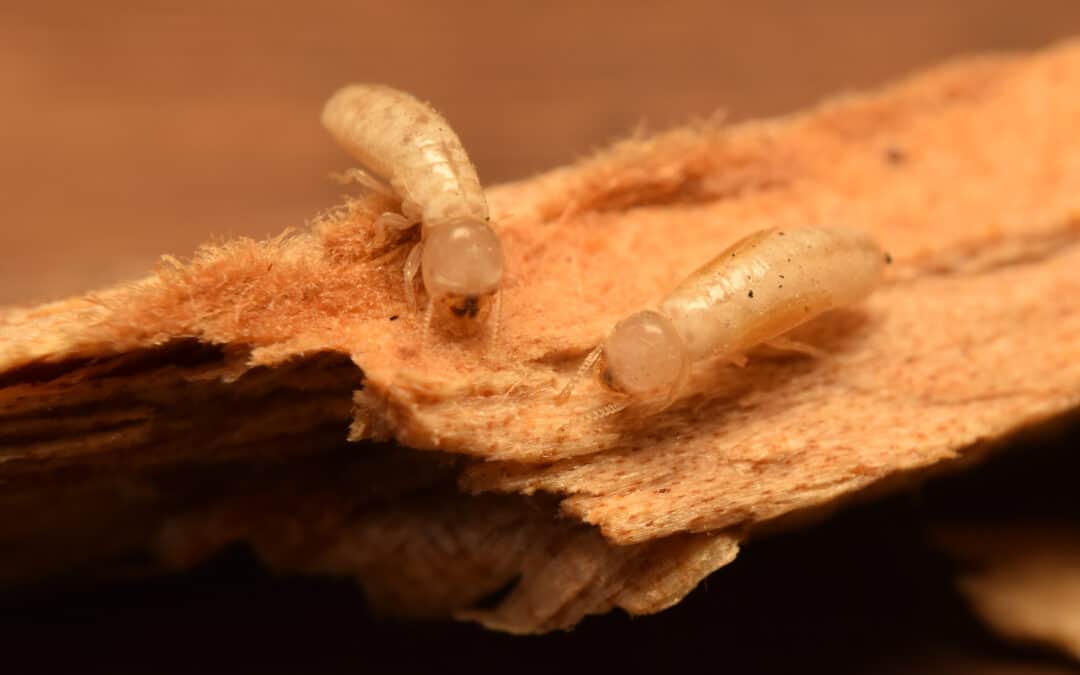
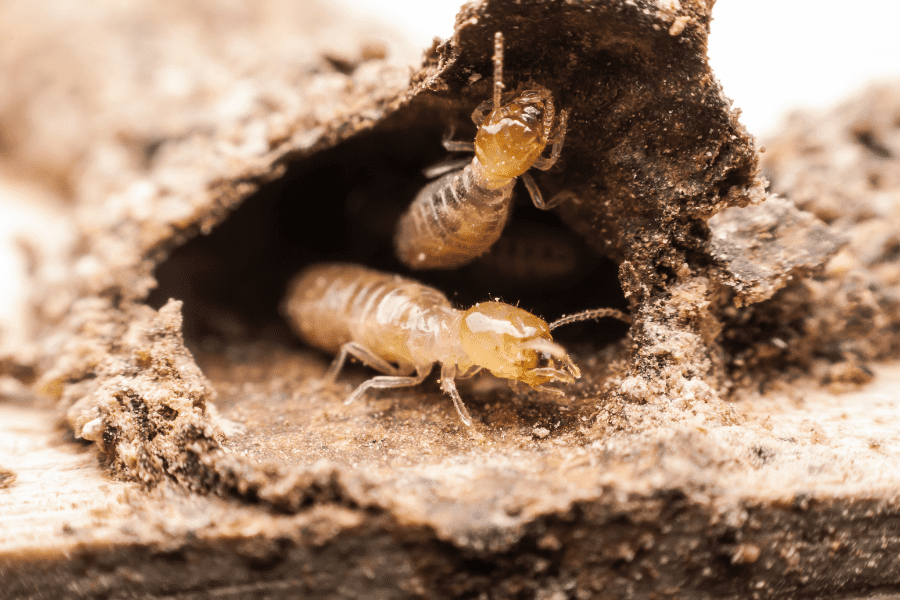
Termites are known as silent destroyers, meaning they can go undetected for a long period of time, making their destruction devasting. Common termite species, such as subterranean termites, will infest our Augusta homes and damage the infrastructure, costing billions of dollars in repair. It can be difficult to detect subterranean termites, often hiding until the damage is done, but it is possible. To prevent termites, every homeowner should recognize signs of termite infestations. Check out our top 5 signs of termites that you might see in your home:
Mud Tubes
Often found on exterior surfaces, subterranean termites create mud tubes that allow them to move back and forth between their nest and their food source, which is often your home. These tunnels help protect termites from any predators and provide moisture for survival. Usually, mud tubes can be found wrapped around walls, ceilings, and floors. Mud tubes are common signs of termites.
Noises
Sometimes, hearing noises is your first sign of a termite infestation. Often, if a termite colony has infested your home, you can hear a faint clicking or knocking sound coming from behind walls and other voids. Termites create this noise when a soldier termite bangs their head against wood or vibrates their bodies to signal damage to their colony. When you listen closely, you can also hear termites chewing through wood.
Hollow Wood
Have you noticed hollow wood inside your home or in trees throughout your yard? If so, this is a major sign that termites have established a colony on your property. These pests destroy wood from the inside out, leaving only a thin layer of wood behind. When checking for hollow wood, try tapping on the area in question. You’ll hear a hollow or paper sound, indicating an infestation. Other signs include blistering or bubbling paint in or near wood structures, including windows and door trims.
Frass
Frass is the name for the waste termites leave behind. When subterranean termites travel through wood, they will push debris and waste out behind them through tiny openings. You may notice small black marks or a dark powdery substance around the infested area with small piles of sawdust-like droppings. These sawdust droppings are frass and are usually the color of the structural wood infested.
Wood Damage
The most obvious sign of a termite infestation is seeing the damaged wood itself. Floor, window, and door damage is a major indication that termites are inside. Another indication includes windows and doors not opening or closing smoothly. Take note of any floors that buckle or sag and have them inspected.
If you’ve noticed any of these termite signs or damage, consider contacting your pest control company for a thorough inspection and treatment plan before any more termite damage is done.

Feb 27, 2023 | Termite Control
Tennessee Termite Control: Methods of Elimination
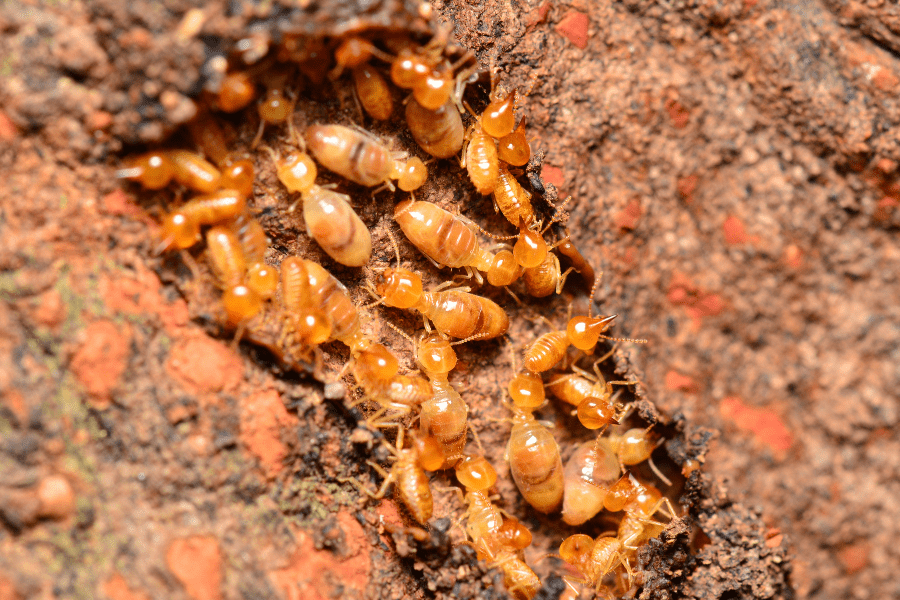
Being ready for termites is your first step in preventing them. Termites can go undetected for long periods, creating extreme damage to the structural integrity of your home. In Tennessee, the most common termite species you’ll find include subterranean termites and drywood termites. The type of termite treatment option you need for a termite infestation will depend on your situation, its location, and the type of termite you have. Check out the most common termite treatments in your area below!
Pretreatments
Performed in new construction homes, this treatment is utilized during the building phase of a home. Pretreatments are a combination of liquid termiticide, termite bait, lumber treatment, and in-soil barriers. These treatments are known to be effective and affordable when performed before the physical infrastructure or addition is laid.
Bait Stations
Bait stations are placed in the ground and around your home to protect against termites. These stations contain wood, paper, or cellulose that has termiticide. Once termites reach the bait station, they eat the slow-acting termiticide, which allows termites to bring it to their colony and spread it, killing off the entire colony. This treatment is best used in locations where surface treatments will not work, including near foundation drains and areas covered by slabs or flooring.
Barrier & Liquid Treatments
This long-term treatment gets its name from the literal barrier in the ground between the termites and your home. A barrier treatment is performed by digging a trench around the perimeter of your home and then treated with termiticide. The trench is then refilled with the treated soil to help deter termites away from your home. Sometimes, a physical wall can be built inside the outer wall of the trench, made up of rock, sand, mesh, and plastic. The wall can add another layer of protection between your home and termites.
One of the most common termite treatments is liquid treatment. This option is effective when termites are in the interior of your home. The first step in the treatment is performed by drilling holes in the foundation and wood. Then, the termiticide is injected into the holes that will force termites to emerge. After emerging, the termites will be eliminated by spot treatments with termiticides.
The last thing you want to deal with is a termite infestation, as they can be difficult to get rid of once they’re inside. Consider reaching out to your local termite and pest control company for a termite inspection. These professionals will recommend the best prevention plan to avoid termites in the future. Likewise, if you suspect you have a termite infestation, they will identify the type of termite you have and provide the best termite control option for your situation.
Feb 21, 2023 | Termite Control
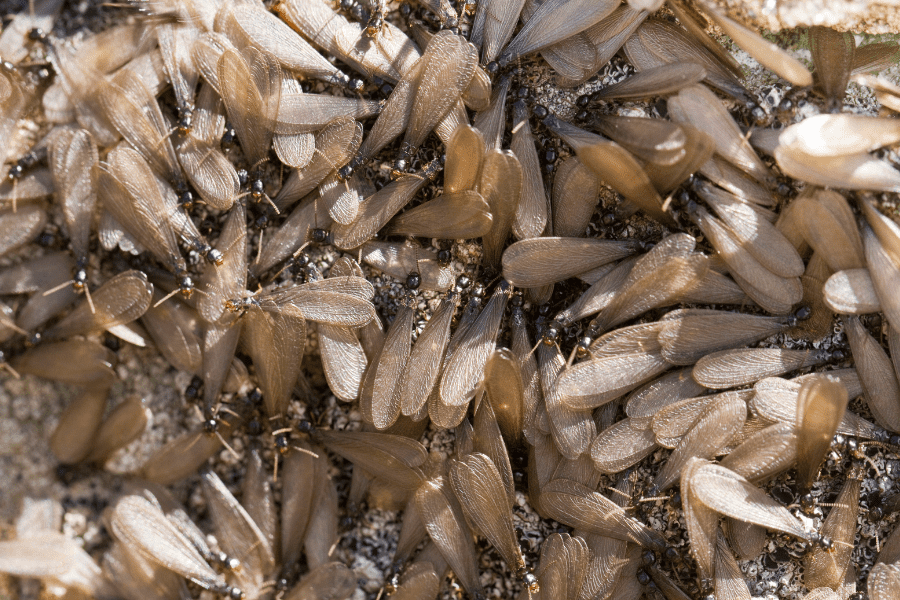
Spring is a crucial time for identifying and dealing with termites because it’s the season for swarming. Swarming termites are a big indicator that a termite colony is nearby, which could mean an infestation is occurring. It’s better to discover you have termites earlier than later, due to the significant damage they can cause to your home.
Swarming termites are winged adult termites that mature and fly away from their colonies to continue reproducing. Termite swarming begins at different times of the year depending on the type of termite, but they all usually begin when the weather begins warming up following a significant rain event. The one type of termite that typically swarms first is known as subterranean termites.
Because termites eat wood from the inside out, termite damage often goes undetected for long periods of time. Often in fact, by the time signs of termites appear, colonies are well established, and significant damage has already been done. If you begin spotting swarming termites, keep an eye out for other signs of termites, like these below:
- Hearing quiet clicking sound emanating from the walls
- Finding wings around your home
- Warping windows or doors
- Wood damage
- Mud tubes near home’s foundation
If you suspect you have a termite problem or if you spot signs of a termite infestation, contact a professional termite control company who can provide you with a thorough termite inspection and a comprehensive termite protection and treatment plan.
Feb 21, 2023 | Termite Control
Augusta Termite Control: Swarming Termites
One of the most common signs of termites in your home, including those in Augusta, is seeing a swarm of flying insects. With swarming season around the corner, be on the lookout for these groups of flying insects, including swarming termites.
But how do you know if they’re termite swarmers? Unfortunately, swarming termites appear like flying ants, but there are noticeable differences, especially if you can get a closer look.
Here are three ways to tell the difference in termites vs flying ants:
- Waist Size: Flying ants have a pinched waist, while termites have a more streamlined body.
- Antennae Shape: On ants, the antennae are elbowed; but on termites they appear straight and bead-like.
- Wing Size: Termite wings are all equal in length and extend past the abdomen, while ant wings are unequal and generally end at the tip of their abdomen.
Beyond the physical differences, they also possess behavioral differences. Both insects live in large colonies with designated caste systems, but termites can also be found in decaying trees, stumps, wood debris, lumber, and wooden structures. The only ant species that would live in any type of wood are carpenter ants; other species wouldn’t be found in these areas.
If you believe you have termites causing damage to your home, reach out to your local pest control company who can provide a free inspection and service plan that’s right for you and your property.
Feb 10, 2023 | Termite Control
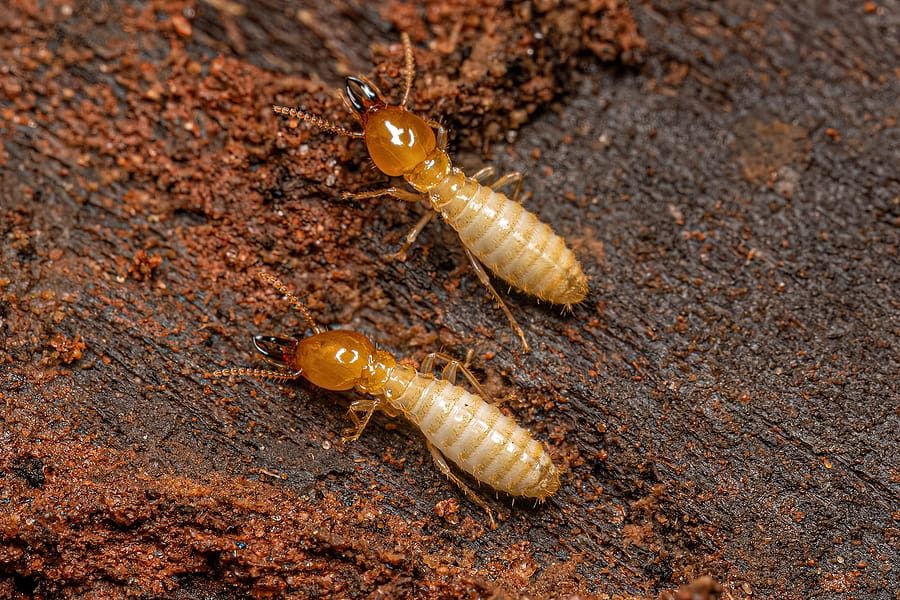
Termites are so destructive because they eat wood from the inside out, often going long periods of time before they are discovered. For this reason, annual termite inspections are critical to protecting your home. These inspections help spot signs of termites sooner, allowing termite control to be implemented earlier in the termite infestation.
There are several different options when it comes to termite treatments. Here are four of the most popular:
Liquid-Soil Treatment
Liquid-soil termite treatments are applied to the soil around your home to act as a treatment barrier. They last for an average of 5 years. A trench is dug around the perimeter of your home, and liquid termiticide is applied. The trench is then filled in. This method helps to prevent future infestations while also killing any existing termites as they travel between your home and their nests.
Bait Treatments
Bait station treatments are another option for termite control. Bait stations are strategically placed around your home using this method. Each station contains a slow-acting termiticide that the termites take back to their nests and share with other termites. These treatments may take longer to work on termites. They also necessitate regular monitoring and maintenance to ensure that each station contains bait.
Wood Finishes
Wood treatments are an additional termite control option. These treatments make use of either surface sprays and treatments or injected sprays and foams. Wood treatments kill existing termites while also penetrating the wood to prevent future problems. These treatments necessitate direct access to infested wood, which can be difficult to obtain in some cases. Sprays are better for new construction treatments because the wood can be treated while the house is being built. Injected foams are better for use on existing structures because they can expand into cracks and crevices that sprays may not be able to reach.
Pre-Treated Materials
Pre-treated building materials are ideal for new construction. The termiticide can be sprayed or brushed on. Termiticide can also be applied anywhere the new structure comes into contact with the soil, allowing the soil to be pretreated. Using pressure treated wood is another option because termites are less likely to infest wood that has been treated with chemicals.
While these termite treatment options are efficient at eliminating existing infestations, unfortunately they do not provide permanent elimination of termites. There is always a risk that termites will return to invade again. Termite control is an ongoing process, requiring persistent maintenance and prevention techniques to continue to keep them out.
You can prevent termites by:
- Getting rid of water sources by eliminating or reducing standing water around your home.
- Repairing any leaky faucets, pipes, and air conditioners.
- Diverting water away from your house with properly functioning spouts, splash blocks, and gutters that are clear of debris.
- Repairing and replacing damaged roof shingles, fascia and soffits on your house.
- Replacing weatherstripping on doors and windows.
- Routinely inspecting foundations for loose mortar, uneven or bubbling paint, wood that sounds hollow when you tap it, and for the presence of mud tubes which termites use to reach food.
- Regularly inspecting wood in and around your home for noticeable changes, making sure to check windows, doors, and skirting.
- Making sure there is at least an 18″ gap between the soil and the wood portions of your home.
- When storing items in the attic or basement, using plastic storage containers and metal shelving instead of cardboard or wood.
- During swarming season, keeping doors and windows shut as much as possible. Keep outdoor lights turned off at night also, as they will attract swarming termites.
- Keeping firewood stored at least 20 feet away from your home and elevated off the ground.
- Keeping plants a few feet away from your home.
- Making sure there is at least a 4″ barrier between your mulch and the side of your home. You can also use mulch made of rubber, plastic, or gravel.
- Removing any tree stumps from your property.
- Scheduling an annual termite inspection of your home and property to help detect termite problems early before they can cause significant damage.
Contact your local pest control company for a thorough evaluation.
You May Also Be Interested In:
Early Spring Tips
How to Keep Spring Wildlife Out of Your Home
How Dangerous Is The Water Moccasin?
Bed Bugs: Where Do They Come From?
Keeping Snakes Away From Your Home