Feb 27, 2023 | Termite Control
Tennessee Termite Control: Methods of Elimination
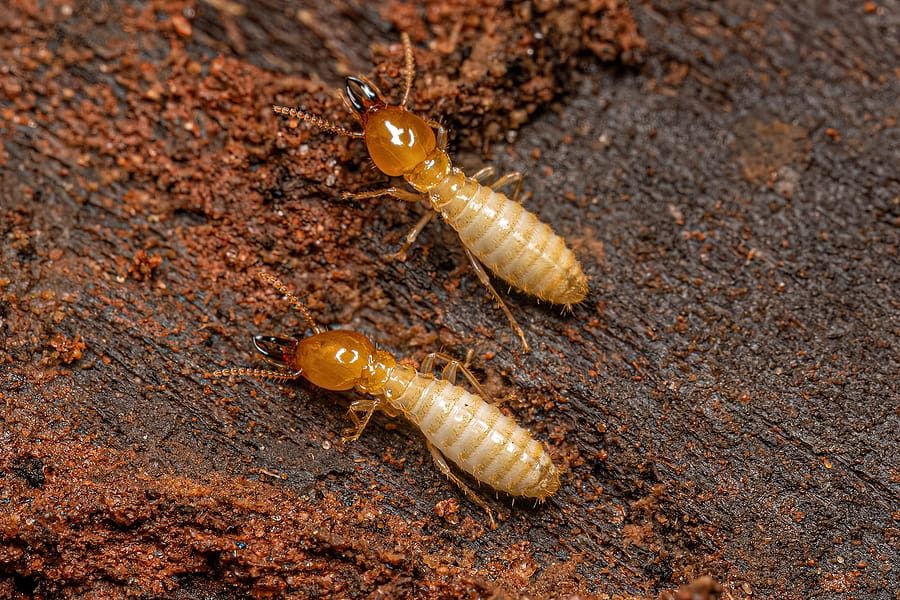
Being ready for termites is your first step in preventing them. Termites can go undetected for long periods, creating extreme damage to the structural integrity of your home. In Tennessee, the most common termite species you’ll find include subterranean termites and drywood termites. The type of termite treatment option you need for a termite infestation will depend on your situation, its location, and the type of termite you have. Check out the most common termite treatments in your area below!
Pretreatments
Performed in new construction homes, this treatment is utilized during the building phase of a home. Pretreatments are a combination of liquid termiticide, termite bait, lumber treatment, and in-soil barriers. These treatments are known to be effective and affordable when performed before the physical infrastructure or addition is laid.
Bait Stations
Bait stations are placed in the ground and around your home to protect against termites. These stations contain wood, paper, or cellulose that has termiticide. Once termites reach the bait station, they eat the slow-acting termiticide, which allows termites to bring it to their colony and spread it, killing off the entire colony. This treatment is best used in locations where surface treatments will not work, including near foundation drains and areas covered by slabs or flooring.
Barrier & Liquid Treatments
This long-term treatment gets its name from the literal barrier in the ground between the termites and your home. A barrier treatment is performed by digging a trench around the perimeter of your home and then treated with termiticide. The trench is then refilled with the treated soil to help deter termites away from your home. Sometimes, a physical wall can be built inside the outer wall of the trench, made up of rock, sand, mesh, and plastic. The wall can add another layer of protection between your home and termites.
One of the most common termite treatments is liquid treatment. This option is effective when termites are in the interior of your home. The first step in the treatment is performed by drilling holes in the foundation and wood. Then, the termiticide is injected into the holes that will force termites to emerge. After emerging, the termites will be eliminated by spot treatments with termiticides.
The last thing you want to deal with is a termite infestation, as they can be difficult to get rid of once they’re inside. Consider reaching out to your local termite and pest control company for a termite inspection. These professionals will recommend the best prevention plan to avoid termites in the future. Likewise, if you suspect you have a termite infestation, they will identify the type of termite you have and provide the best termite control option for your situation.

Feb 10, 2023 | Termite Control
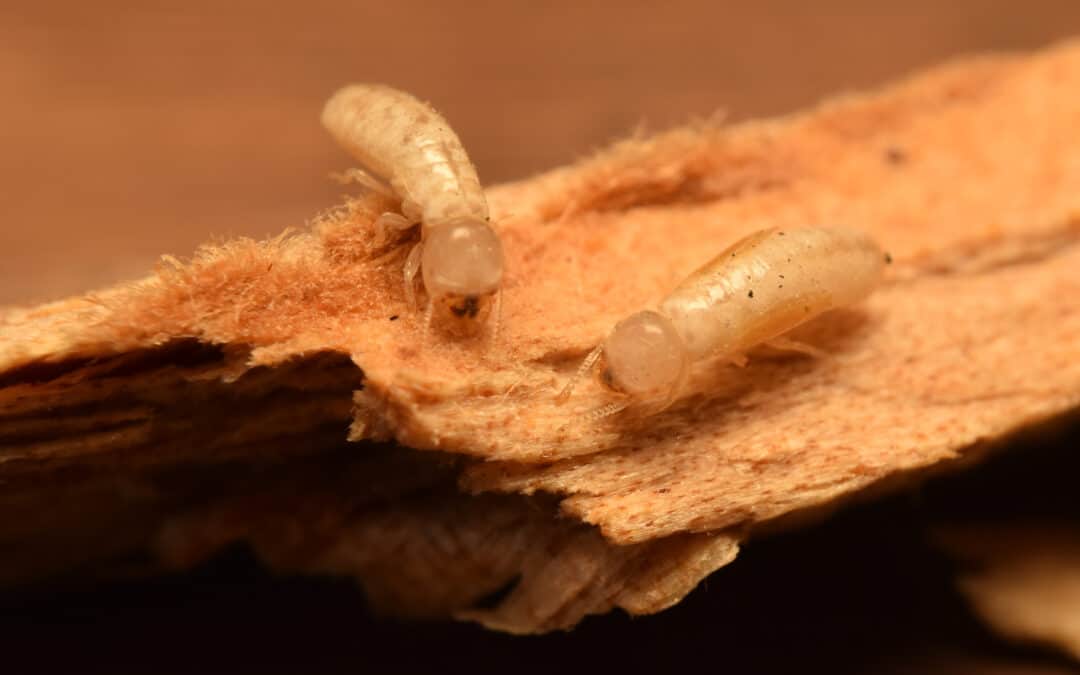
Termites are so destructive because they eat wood from the inside out, often going long periods of time before they are discovered. For this reason, annual termite inspections are critical to protecting your home. These inspections help spot signs of termites sooner, allowing termite control to be implemented earlier in the termite infestation.
There are several different options when it comes to termite treatments. Here are four of the most popular:
Liquid-Soil Treatment
Liquid-soil termite treatments are applied to the soil around your home to act as a treatment barrier. They last for an average of 5 years. A trench is dug around the perimeter of your home, and liquid termiticide is applied. The trench is then filled in. This method helps to prevent future infestations while also killing any existing termites as they travel between your home and their nests.
Bait Treatments
Bait station treatments are another option for termite control. Bait stations are strategically placed around your home using this method. Each station contains a slow-acting termiticide that the termites take back to their nests and share with other termites. These treatments may take longer to work on termites. They also necessitate regular monitoring and maintenance to ensure that each station contains bait.
Wood Finishes
Wood treatments are an additional termite control option. These treatments make use of either surface sprays and treatments or injected sprays and foams. Wood treatments kill existing termites while also penetrating the wood to prevent future problems. These treatments necessitate direct access to infested wood, which can be difficult to obtain in some cases. Sprays are better for new construction treatments because the wood can be treated while the house is being built. Injected foams are better for use on existing structures because they can expand into cracks and crevices that sprays may not be able to reach.
Pre-Treated Materials
Pre-treated building materials are ideal for new construction. The termiticide can be sprayed or brushed on. Termiticide can also be applied anywhere the new structure comes into contact with the soil, allowing the soil to be pretreated. Using pressure treated wood is another option because termites are less likely to infest wood that has been treated with chemicals.
While these termite treatment options are efficient at eliminating existing infestations, unfortunately they do not provide permanent elimination of termites. There is always a risk that termites will return to invade again. Termite control is an ongoing process, requiring persistent maintenance and prevention techniques to continue to keep them out.
You can prevent termites by:
- Getting rid of water sources by eliminating or reducing standing water around your home.
- Repairing any leaky faucets, pipes, and air conditioners.
- Diverting water away from your house with properly functioning spouts, splash blocks, and gutters that are clear of debris.
- Repairing and replacing damaged roof shingles, fascia and soffits on your house.
- Replacing weatherstripping on doors and windows.
- Routinely inspecting foundations for loose mortar, uneven or bubbling paint, wood that sounds hollow when you tap it, and for the presence of mud tubes which termites use to reach food.
- Regularly inspecting wood in and around your home for noticeable changes, making sure to check windows, doors, and skirting.
- Making sure there is at least an 18″ gap between the soil and the wood portions of your home.
- When storing items in the attic or basement, using plastic storage containers and metal shelving instead of cardboard or wood.
- During swarming season, keeping doors and windows shut as much as possible. Keep outdoor lights turned off at night also, as they will attract swarming termites.
- Keeping firewood stored at least 20 feet away from your home and elevated off the ground.
- Keeping plants a few feet away from your home.
- Making sure there is at least a 4″ barrier between your mulch and the side of your home. You can also use mulch made of rubber, plastic, or gravel.
- Removing any tree stumps from your property.
- Scheduling an annual termite inspection of your home and property to help detect termite problems early before they can cause significant damage.
Contact your local pest control company for a thorough evaluation.
You May Also Be Interested In:
Early Spring Tips
How to Keep Spring Wildlife Out of Your Home
How Dangerous Is The Water Moccasin?
Bed Bugs: Where Do They Come From?
Keeping Snakes Away From Your Home
Feb 6, 2023 | Florida Pest Control, Termite Control
South Florida Termite Control: Protecting Your Home From Infestation
Subterranean and drywood termite types are popular within the Coral Springs area, looking for homes for their next meal! Termites are year-round pests, making it essential for every South Florida homeowner to be on top of termite control. Check out the top 5 ways you can prevent termites from invading your home and causing billions of dollars in repairs!
Be Mindful of Stacked Wood
If you’re keeping wood stacked against your house, you could be leading termites right inside your home! Leaving woodpiles near your home is not only a great source of food for termites, but it also gives them a safe passage into your home. To avoid the risk of a termite infestation, don’t store any type of wood products in your crawlspace and stack your woodpiles at least 20 feet away from your home. For extra precautions, consider placing wood in a sealed plastic container with a lid and elevating it off the ground.
Repair Drainage
Termites need moisture to survive, and if there’s any improper drainage in or around your home, you create the ideal environment for them to thrive. Inspect your downspouts and divert water away from your home. Regularly check that your faucets and A/C drip lines are not causing water to pool around your foundation.
Remove Mulch & Debris
Did you know wood mulch is a major termite attractant? It’s true that wood mulch can be a great landscaping tool, but it is known to contain moisture that attracts termites. If you’re using mulch, keep it at least four inches away from your foundation. Likewise, make sure it never contacts the home’s siding, window frames, or door frames. Sometimes an overlooked reason for a termite infestation is clogged gutters. Clogged gutters containing debris will collect moisture, attracting termites. It’s important to remove debris and clean your gutters on a regular basis to avoid backup.
Maintain Landscaping
Trees hanging over your home and overgrown bushes can create the perfect shelter area for termites. These areas will often cause moisture to build up and provide an area to build their colony. Avoid termites utilizing your landscape by regularly maintaining it and keeping your trees and shrubs trimmed on a regular basis.
Regular Termite Inspections & Treatments
While the above can help make your home less attractive to termites, the best and most effective way to avoid termites is to do a home inspection and regular termite treatments. There are several termite treatment options, such as bait stations, liquid-soil treatments, and spray/foam treatments. It’s best to contact your local Coral Springs pest control company to provide you with a thorough termite inspection and recommended termite control plan that works best for your situation.
Jan 27, 2023 | Florida Pest Control, Termite Control
South Florida Termite Control: Eliminating Drywood Termites
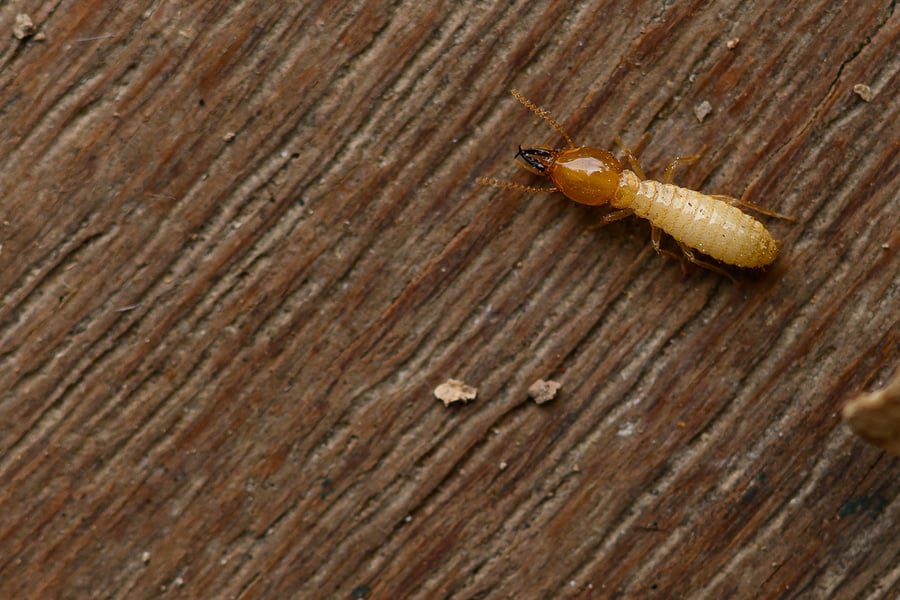
Drywood termites are seeking dry wood as a food source and will destroy your home in the process. These termites differ from other species, such as subterranean termites, since they tend to create their colonies in wood instead of in the ground and need little moisture to survive. Unlike other species, these termites can create devasting damage to homes, excavating wood and ruining it. To prevent them, it’s best to place preventative measures throughout your property.
Inspect Your Home
The first step in preventing drywood termites is inspecting your home. By investigating your home, you can get a good idea of what repairs are needed or discover that a termite infestation has occurred. When inspecting, write down everything you see that’s a concern, as this will help overall when relaying to a pest professional. When checking the home’s interior, don’t forget to check in darker areas such as your crawl space, attic, and basements. Check around your baseboards, beams, or other wood materials. Likewise, look at any furniture or firewood inside the home too. As you are investigating the exterior of your home, be extra thorough, as these termites haven’t yet entered the home. Check your foundation, old trees, wooden sheds, and firewood.
Seal & Vent
Drywood termites are very small, ranging from 3/8 to ½ inch in length, allowing them to fit in the smallest hole or gap. If you find any openings leading into your home, it’s best to repair them immediately. Likewise, keeping your home’s attic and crawlspace well ventilated will help reduce moisture and the risk of a termite infestation. Consider encapsulating your crawlspace or insulating your attic.
Keep Your Yard Maintained
Drywood termites are looking for any wood materials to inhabit. Make sure you place firewood at least 20 feet away from the home and raise it off the ground. Additionally, trim all shrubs, bushes, or other dense greenery so that it doesn’t touch the side of your home. If you have old trees, lumber, or tree stumps, consider removing them, so these pests don’t infest and make their way inside your home.
Call a Professional
Sometimes, all the prevention in the world can’t stop termites from infesting homes. If a termite infestation has occurred, it’s best to call your local South Florida pest control company for extra help. A termite professional will provide you with a thorough inspection, a treatment plan based on your home’s needs, and recommendations on preventing them in the future.
Jan 5, 2023 | Termite Control
The new year has begun and although the weather is chilly now, the luxuries of living in the south typically means that warmer weather appears sooner than later. This means that termite swarming season is just around the corner, with the earliest swarms beginning in February. Let’s break down what to expect this swarming season.
What are Swarming Termites?
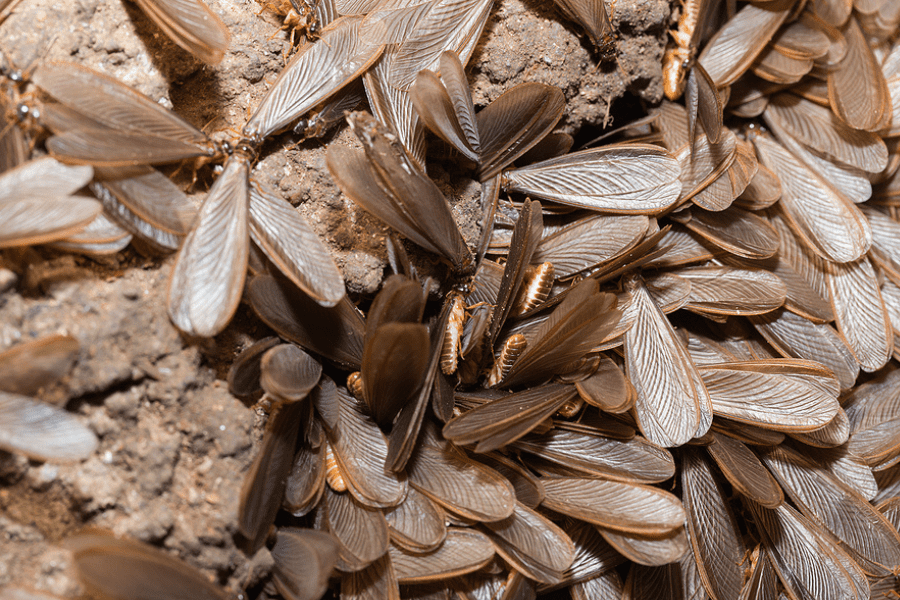
Termite swarmers, often mistaken for winged ants, are most active during the spring months, when they fly away from their colony to reproduce. These swarmers are attracted to bright, light areas often seen around doors and windows in homes. Fortunately, they don’t cause wood damage, but seeing a group of them around your property typically means a colony is nearby.
Which Species Do I Need to Lookout For?
The southeastern region of the United States is home to a variety of termites, including the subterranean, drywood, and Formosan species. Subterranean is the most common type of termite found in the southeast. They live underground in colonies that can get up to two million members. They are also known to be found in moist, secluded areas above ground. With their hard, saw-toothed jaws that work like shears, they are known to cause significant damage to properties.
Termite Prevention Tips:
- Eliminate Moisture: Repair leaky faucets, don’t let water pool near foundations, keep gutters clear, and use downspouts to divert water away from your home.
- Maintain Landscape: Don’t let anything touch the exterior surfaces of your home (mulch & woodpiles), removing old tree stumps, and keeping shrubbery and tree limbs trimmed back away from your home.
- Repair Home: Replace broken tiles, shingles, etc. on your roof and exposed beams in attics are a great food source and access point into your home.
If you suspect termite swarming activity or just want to get a step ahead at termite prevention, contact your local pest control company and schedule your free inspection.