READY TO GET STARTED?
REQUEST A FREE ESTIMATE
Fill out the form below or call (888) 466-7849 for a free, no-obligation estimate.

We know that bugs are gross and unsanitary but did you also know that they can be bad for our health. WebMD discusses some of the worst bugs and the potential harm they can do to our health:
Tips to prevent feeling the sting of these health issues:
For more information on these insects and their health hazards, visit WebMD: Bad Bugs Slideshow: Identifying Bugs and Their Bites.
If you think you may have been bitten or stung by any of the insects above, please take note of your body’s reaction and seek medical assistance immediately.
The NPMA recently released the results of a survey that listed the Top 5 Pests of the Summer for homeowners. The results are not too surprising to us here at Northwest Exterminating.
Along with being an annoyance, these pests can cause health and sanitary issues for homeowners and their families. Stings, bites, and disease are all risks that come with such pests. Luckily, with good housekeeping and an exterminator that you can trust, you can rest easy.
The NPMA has offered tips to avoid these pests throughout the summer:
CLICK HERE to view the rest of the tips to avoid these summer pests.
Do you agree with the Top 5 pest results?
Happy 4th of July!! We’d like to take a second to say how proud we are to be Americans!! We’re proud to live in the country of the land of the free and the home of the brave!! And like always, we’d like to thank all of the brave men and women and their families that have given so much for this great country!!

But before you go enjoy those fireworks…here are some tips to stay bug free this 4th of July:
What other tips do have for staying bug free this 4th of July?
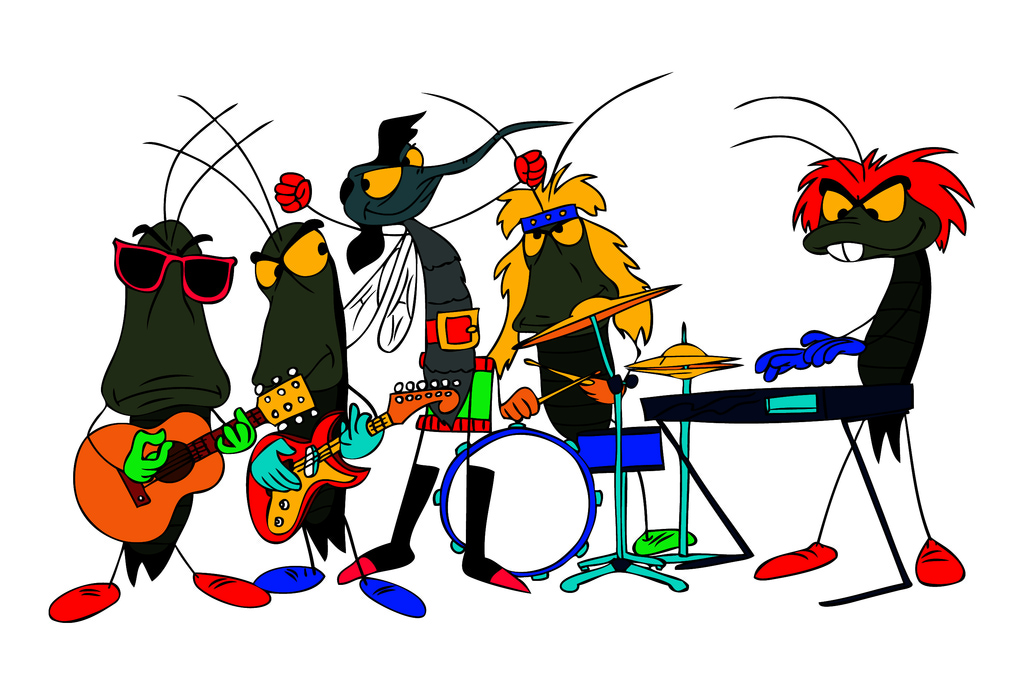
After doing a post on bug movies, we thought it was only appropriate to have a post about bug songs! We came up with some classic kid songs, some well-known mainstream songs, and even found some songs that we’ve never heard of before!
While coming up with songs we also came up with some band names that were based on bugs:
For more “Ticky Tunes” visit Northwest Exterminating‘s Pinterest page!
What bug themed songs or bands can you think of?
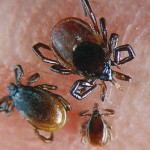
Protecting ourselves and our pets from ticks are a big concern this year. The EPA has put out information through the NPMA on tick bites and Lyme disease prevention:
An ounce of prevention
It is important to know about tick habitats and personal protection techniques because most people are exposed to ticks in residential areas. Here are a few ways to prevent ticks:
1. Keep the lawn mowed to make your property unattractive to ticks. Ticks are found in high grass, yards with trees and shrubs.
2. Keep backyard grasses set back from the woods around a home by eight feet. Place a three-foot wood chip, gravel or mulch border area between grassy edges and tick-prone zones. Ticks prefer moist areas like leaf litter and the edge of woods. Ticks don’t like the sun and wait in shady areas on brush and grasses.
3. Practice personal protection. Personal protection involves using repellents, wearing appropriate clothing and checking for ticks on one’s person, which is the most effective practice of all. In tick habitats, wear long, light-colored pants tucked into socks or boots, and long-sleeved shirts. This keeps ticks from reaching the skin and makes them easier to see. Ticks like places on humans that are warm and moist, most commonly the backs of the knees, armpits, the groin, the scalp, the back of the neck, and behind the ears. Attached ticks should be removed as soon as possible using fine-point tweezers since risk of disease transmission is increased the longer the tick is attached.
To read the full article click HERE.
To protect your home and loved ones from ticks, call Northwest Exterminating.