Nov 2, 2020 | Company News, Good Deed Team, Teammate Celebration
In October, our Wildlife and Smyrna service centers joined each other to collect sneaker and book donations for a drive sponsored by Kids Care, Kindness in Doing Service Connecting and Respecting Everyone. Kids Care was started by a mother daughter duo who wanted the world to know that kids do care and can make impactful differences.
The sneakers and books our Wildlife and Smyrna teams graciously donated will be given to local nonprofits and charities including liveSAFE Resources in Marietta. Thank you to these two extraordinary teams; together they donated about 30 pairs of shoes and 40 books!
The Good Deed Team has continued to seek opportunities to serve safely, and this Sneaker and Book Drive–By and Drop Off aligned with COVID protocols perfectly. We are grateful for Wildlife and Smyrna’s willingness to serve our communities. For more information on Kids Care and how you can further volunteer, visit their website.
Mar 13, 2020 | DIY, DIY Wildlife Prevention, Wildlife
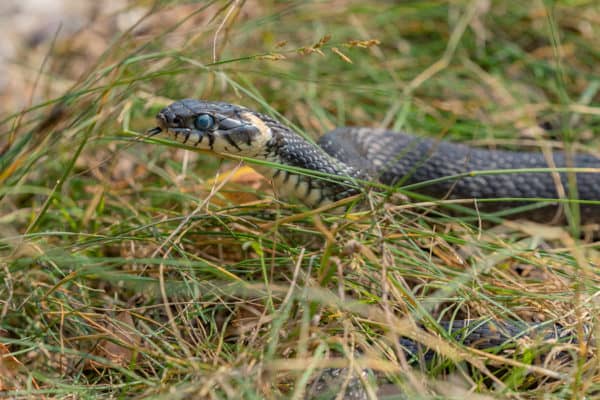
If you live in an area where snakes are common, chances are you may stumble across one at some point. Snakes, like any other pest, are usually in search of three things: food, water, and shelter. Oftentimes the area around our homes provides all of these things that attract snakes.
The likelihood of a snake on your property depends on several factors, including location (north vs south), landscape (urban vs rural), a nearby water source (pond, lake, river), how well your lawn is landscaped and maintained, and how readily a food supply is available.
When dealing with snakes, it is important to identify the type of snake you are dealing with: venomous snakes should be left to a professional to eliminate while non-venomous snakes can often be deterred with natural snake repellent techniques. Here are 4 ways to keep snakes out of your yard:
1. Scare Them Off
One of the easiest ways to scare off a snake from your yard is to use your garden hose. Spray the snake with a steady stream from the hose until he slithers off. Consider installing a perch pole for hawks, owls, and other natural snake predators to alight on. Be sure to place it in an open area so the birds have a good view of your yard and the surrounding area.
2. Repel Them Away
There are some natural products and at-home techniques you can use for snake prevention. Ammonia is a common snake repellent. Snakes hate the smell of ammonia and won’t come near it. Soak rags in ammonia and place them in unsealed plastic bags. Leave the bags where you usually see snakes to keep them away.
You can also use vinegar to keep snakes and other pests out of your swimming pool. Pour white vinegar around the perimeter of the pool. Snakes can absorb the vinegar through their skin, so they will avoid slithering over it once it’s poured on the ground. Snakes also try to avoid humans at all costs. Save hair from your hairbrush and scatter it around the perimeter of your property to help keep snakes away.
3. Don’t Invite Them In
Snakes will come into your yard in search of food, water, and shelter. Eliminating these three basic necessities will make them much less likely to pay you a visit. Mow your grass often and keep it cut short. Shorter grass means more exposure to predators like hawks and coyotes and also makes them much easier for you to spot.
Avoid overwatering your lawn, as this can attract snake food sources like frogs, worms, and slugs. Keep trees, shrubs, and branches trimmed away from the sides of your house, the roof, and the ground. Try to keep a 24 to 36-inch space cleared under trees and shrubs, as this reduces the chance of snakes using them for cover and makes them easier to spot. Move bird feeders away from the house or get rid of them altogether.
Birds often leave seeds scattered underneath which attracts rodents that, in turn, attract snakes. Keep bird seed and pet food stored in metal cans with tight-fitting lids.
Make sure your woodpile is kept away from the home and elevated if possible. When designing your landscaping, try not to use mulch or large rocks, as these create breeding grounds and overwintering habitats for snakes. Instead, try to use smaller, tight-fitting rocks like gravel or river rock. Also, try to avoid using water features and Koi ponds as the water can also attract snakes.
4. Lock Them Out
Snakes can be very persistent pests, and keeping them out can be difficult. Carefully inspect the outside of your home and seal any cracks or crevices you find on the house, sidewalk, and foundations. Consider installing fencing around your yard, garden, or pool.
Fencing should be buried a few inches into the ground and constructed using 1/4″ rigid mesh or solid sheeting. Fencing should also include a bend at the top to prevent snakes from climbing up and over. There are some companies that even make wildlife-specific fencing.
The best way to prevent snakes is to take steps to keep them out in the first place. Dealing with snakes can be dangerous, depending on the type of snake you have. If you have a snake problem, contact animal control or a professional wildlife control company that can help safely trap, relocate, or remove the nuisance snake from your home.
You May Also Be Interested In:
What You Should Know About Termites This Spring
Where Are These Stinkbugs Coming From?
Where Do Roaches Come From?
Summer Wildlife Removal: Common Home Invaders
Mice, Rats, And Other Problem Rodents
Nov 9, 2012 | Wildlife
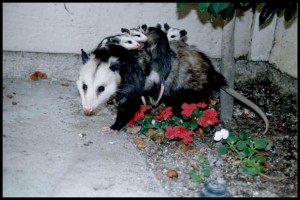
 Some people think that when the temperatures drop, they will have less pest issues. For some critters this may be true, as they use the autumn to store up for a cold winter, during which they hide away. However, some of the larger animals such as squirrels, raccoons, possums, etc., might want to use your home for a warm space to hide away from the weather. Northwest Exterminating’s Wildlife Team knows just what to do in order to keep your home a pest-free zone!
Depending on what type of animals may be in your area, they can leave you susceptible to various issues. For instance, some squirrels like to make nests in attics, using your insulation as material! The costs of repair plus the hazards of a potential electrical fire due to damaged wires makes it really necessary to block this area off from potential unwanted guests. Aside from squirrels, other creatures have the potential to do damage in the form of bites or fleas that might affect your children or pets.
To reduce these risks against you, Northwest’s Wildlife Team specializes in wildlife exclusion. One of form of wildlife exclusion involves sealing up any potential openings to secure your home. The Wildlife Team will inspect your home, evaluating potential problem areas and implementing measures to eliminate these issues. However, if by chance your home has already gotten unsolicited attention from these pests, the Wildlife Team knows just what to do to take care of your home and prevent the issue from happening in the future. If you need a Wildlife representative, please contact us at 888-466-7849 or visit our website www.callnorthwest.com
Source: http://ezinearticles.com/?The-Importance-of-Wildlife-Exclusion&id=7352650
Melissa Brown
[email protected]