Jan 27, 2021 | Pest Control, Wildlife
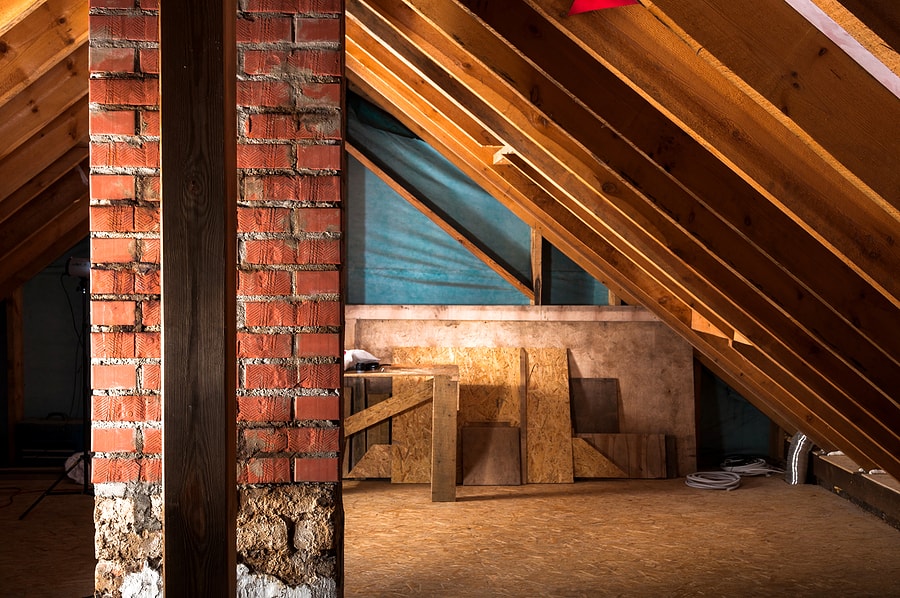
Main living areas such as kitchens, bathrooms, and bedrooms are all places that homeowners want to ensure are pest-free and wildlife-free year-round. While these spaces are always important to keep free of pests, it’s equally important to prevent them from entering the “forgotten rooms” in your home, as well. These forgotten areas include your basement, attic, and even extra storage rooms. Unfortunately, many homeowners are so focused on keeping the main living areas pest-free that they sometimes forget these other areas too.
Wildlife critters and household pests are looking for three things: water, food, and a warm environment. These three elements are easily available inside every home. Your attic is the perfect room for wildlife to make their home and for a pest to infest. Wildlife such as raccoons, squirrels, and birds can make their way through any openings or gaps leading into the attic. Sealing up any entry points is always a great start for wildlife prevention. Check your attic for any holes or gaps and seal them up immediately. In addition, inspecting your attic insulation is key to household pest prevention. Proper attic insulation can help prevent bugs such as roaches or ants from making their way inside.
Basements will often contain moisture by way of standing water, which provides pests and wildlife a plentiful water supply. Water is one of the main sources of attraction for pests like termites and millipedes. Cutting down moisture is essential to pest prevention. A moisture barrier for your crawlspace and a gutter protection system for your roof are great investments to help eliminate any standing water. These investments both help ensure that water is not filtering into your crawlspace and basement area.
If you suspect that you have a pest or wildlife infestation in your home’s “forgotten areas,” consider reaching out to your local pest control company. A professional will inspect these areas and provide you with a prevention and treatment plan.

Jan 22, 2021 | Wildlife
When cold weather hits, winter wildlife go in search of three things: food for their bellies, water to quench their thirst, and warm shelter to keep them safe. When the going gets tough, these winter pests have to get creative in order to survive – often by making their way into your attic, chimney, basement, or crawlspace. While it’s beneficial for them, it can cause serious damage to both your home and your health to have them sharing space with you.
How do you know if you have a stowaway for the winter? Common signs of wildlife include:
- Scratching sounds coming from your walls or attic
- Chirping or squeaking sounds coming from the walls, vents, or attic
- Garbage cans and bags that have been broken into
- Chewing or gnawing marks in the basement or attic, or through wires or cardboard
- A foul smell that lingers even after cleaning (which could be urine or feces)
Now that you know what to look for, what kinds of animals can cause these signs? Some of the most common winter wildlife include:
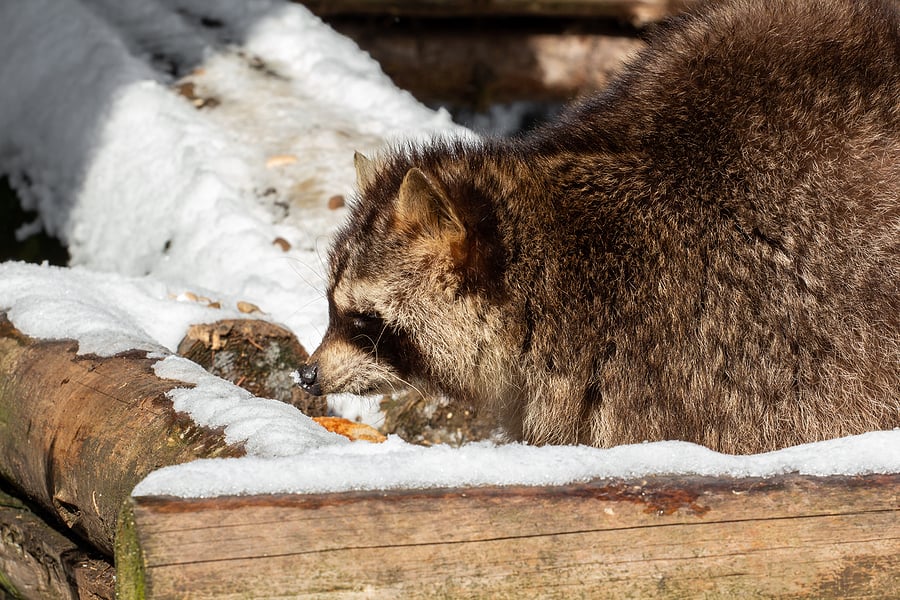
- Raccoons: These nocturnal omnivores use their hands to dig for food, especially in your garbage cans. Raccoons are the largest carriers of rabies in Georgia (along with skunks, bats, foxes, and coyotes). Raccoons can damage property, spread rabies, and spread ringworm. They are most likely to nest in chimneys and attics.
- Rats and mice: These rodents like to live in crawlspaces and between the side beams in your walls. They will venture out to make trips to your kitchen in search of food. Rats and mice carry and spread salmonella, along with fleas, ticks, and lice. Their droppings also contain pathogens that can be dangerous to humans. They are avid chewers and will often chew through electrical wiring, causing property damage and increasing the risk of fires.
- Squirrels: These are the most common rodents in Georgia with populations in the millions. These pests like to take up residence in attics and basements and will bring in tons of acorns to store for the winter. Squirrels, like their rodent cousins, also carry diseases and pathogens, both on themselves and in their droppings. They can also chew through wires.
- Birds: Although less common than other winter wildlife, birds can be just as dangerous. Birds like to infest chimneys and attics to nest and lay their eggs. Their droppings can cause quite a mess and also harbor diseases and parasites. They can also cause severe damage to roof lines and chimneys. Many birds are protected so bird control and bird nest removal are usually best left to the professionals.
- Bats: Bats like to roost in attics where they can hide during the day and venture out at night. They carry disease like rabies and can spread them to humans through their bite. Bats are a protected species in Georgia and killing them is prohibited.
Prevention is key to avoiding a winter wildlife invasion. Critter control starts at home with these winter wildlife prevention tips:
1. Inspect Chimneys
Chimneys provide a great hideout and also a gateway for wildlife to get into your home. Make sure the top of your chimney has a grated screen that is in good repair with no holes. Check above the flue panel for any leaves, debris, droppings, or animals before sealing it up. Make sure your chimney is secure.
2. Inspect Foundations
Small holes, cracks, open pipes, etc. in your foundation provide easy routes for wildlife to get into your home. A careful inspection of your foundations should be performed every season throughout the year. Seal any openings as you find them.
3. Inspect Roof and Siding
Any tiny cracks or openings in your roof or siding means easy access to your attic. Check the entire exterior of the roof, starting with the intersections and siding. Make sure to also check the flushing seams on the roof. Siding that connects to the roof should not be warped or pulled away. Be sure to check around exhaust openings and for loose vent screens, as well.
4. Inspect the Attic
Many wildlife critters love to hide out in the attic. Use a flashlight or headlamp and thoroughly inspect this space, checking for openings or chewed up or damaged areas of wood. Seal any holes you find but always make sure the animals are not still present before you do.
5. Secure Trash Containers
Your trashcans offer a buffet of food sources for pests. Use cans with tightly securing lids, avoid overfilling them, and wash the bins regularly to get rid of food waste.
6. Maintain Landscaping
Branches and limbs offer squirrels, raccoons, and other creatures a bridge directly into your home. Keep trees and shrubs trimmed away from the house. Prune shrubs to keep them at least 12″ from the sides of your home. Trim any branches that overhang or touch your roof, as well.
7. Clean Up Food
Leaving food sources outside your home will just attract wildlife in. Try to avoid leaving pet food outside and tossing scraps or pouring leftover grease in the yard. Pick up any fallen fruit. Protect your gardens with fences that are designed to keep animals out. Clean up any spilled birdseed from feeders and bring them in overnight.
Wildlife control is an ongoing process that needs special attention and consideration, especially in the cold winter months. If you have a problem with winter wildlife, contact your local pest control company for an inspection and appropriate treatment or wildlife exclusion plan.
You May Also Be Interested In:
4 Pests That Are Closer Than You Think!
How to Get Rid of Pigeons
Are Termites Active Right Now?
A Guide to Home Pest Control
Where Do Snakes Go In Cold Weather?
Jan 15, 2021 | Wildlife
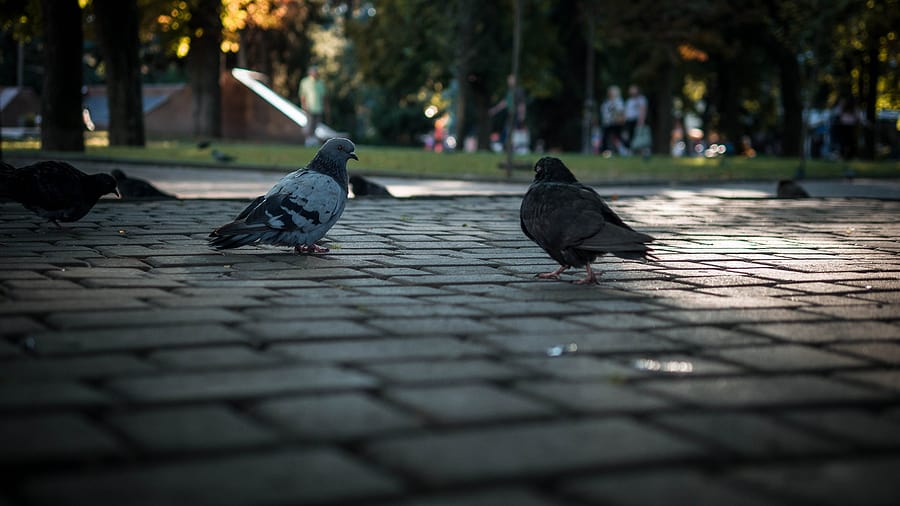
While some people consider pigeons a minor nuisance, they can actually be harmful to humans. Pigeons are the most common nuisance bird and are also responsible for the worst public health concerns caused by birds. Pigeons are capable of spreading more than 60 pathogens to humans, mostly through their droppings. Besides the obvious means of transmission by handling pigeon feces, what many don’t realize is pigeon droppings that are left on cars, windowsills, and even the street can dry into a powder that can be blown into the air and inhaled. The most common diseases spread by pigeons are E. coli, histoplasmosis, and salmonellosis.
Pigeons are also capable of damaging and destroying your property. Nests can interfere with the functioning of air conditioning units and electrical elements. Pigeon droppings can also accumulate, causing surfaces to become slippery. Their feces can also deface and deteriorate buildings and other structures.
Pigeons prefer to nest in small, flat areas that are off the ground (e.g. ledges, air conditioning units, pipes, and window sills). They eat a varied diet, consuming anything from grains and livestock feed to discarded food scraps and manure. They must have water daily to survive.
Pigeons adapt easily to their environments, including those that are manmade. They will travel up to 5 miles between their nesting and roosting sites, making it very difficult to get an established flock to move. Their homing capabilities allow them to easily find their way back to their original nesting sites.
Get rid of nuisance pigeons with these bird prevention tips:
- Discourage people from feeding these birds in public areas.
- Clean up any spilled grain or feed daily.
- Make food and water sources as inaccessible as possible.
- Block building openings such as lofts, vents, eaves, window sills, and steeples) with wood, metal, glass, masonry, wire mesh, plastic or nylon.
- Change ledge angles to 45 degrees or more as this discourages roosting.
- Place netting over ornamental architecture.
- Screen the underside of rafters with netting or wire mesh screening.
- Install a permanent mechanical bird repellent like bird spikes to help eliminate roosting.
If you suspect you have a problem with pigeons or any other nuisance pests, contact a professional pest control company for a free evaluation.
You May Also Be Interested In:
Are Termites Active Right Now?
A Guide to Home Pest Control
A New Year’s Resolution: Keeping Pest-Free!
Wildlife Control: How to Keep Animals Out of Your Home
10 Common Spiders in Georgia
Nov 18, 2020 | Wildlife
The temperatures have dropped, the warm heat is running throughout the house, and we are all bundled up under a blanket come nightfall. While we enjoy the indoor warmth, the creatures outside could be a bit envious. Most wildlife animals are looking for shelter to keep them warm and provide them with a food source. We breakdown some common wildlife that roam about during the colder months and why they can be harmful to your home and family.
Norway Rats
One common pest encountered in the fall and winter is the Norway rat. These rodents are most active at night, when they begin their search for food and water. They exist in large numbers and are known to produce up to 5 litters per year with an average of 7 babies per litter! If given the opportunity, Norway rats will enter through open holes and gaps leading inside your home. If they gain access, they can be dangerous as they will chew electrical wires, putting you at risk of house fires.
Raccoons
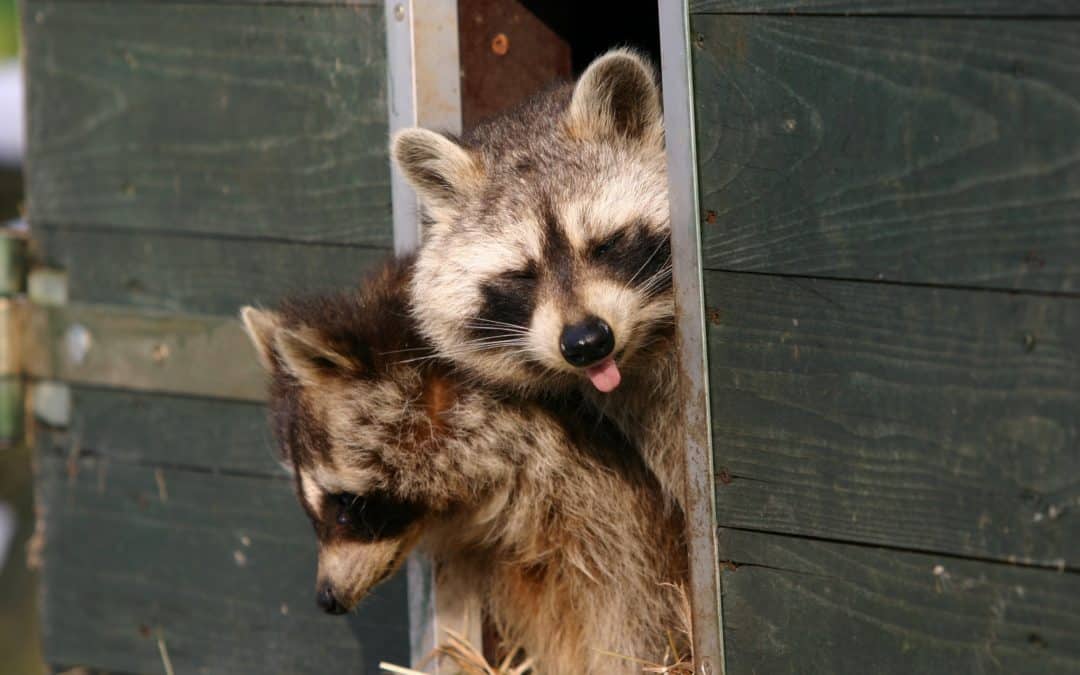
While raccoons can look cute to some, having them destroy your property is not ideal for any homeowner. These animals are talented, capable of using their paws to open doors and lids. They often live in hollowed trees or caves but can also sneak inside the attic and garage to find warmth and food. Once these pests find a food source, they will keep returning to search for more. This can be not only dangerous, as there is potential they could have rabies, but it is also a nuisance as they can cause considerable damage to your roof or inside the home.
Squirrels
Squirrels spend most of their time in trees foraging for food. While these animals might look harmless, they can easily become a threat if they find themselves inside your home. These pests are looking for a food source and will commonly invade bird feeders, garbage cans, and attics. If access is gained into your attic, squirrels can cause damage to the wood, insulation, wires, and even storage boxes. Their urine and droppings can also contaminate attic insulation, which can be extremely costly to replace.
If you suspect that one or more of these wildlife creatures have gotten inside your home, it’s best to contact your local wildlife control company. A professional will be able to locate any entry points, create a customized plan, and prevent them from returning in the future.
Nov 13, 2020 | Wildlife
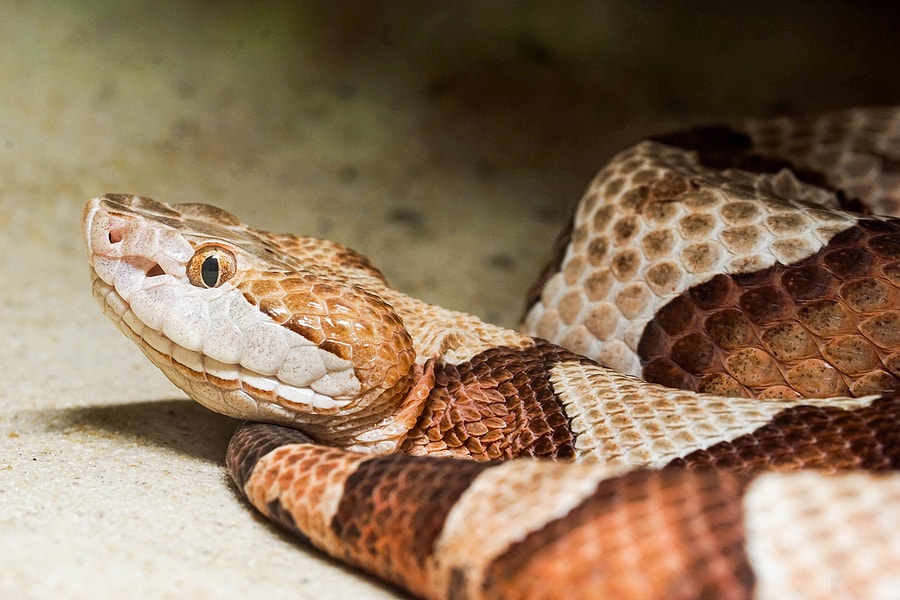
The last thing anyone wants to encounter when spending time outdoors is a snake. In Georgia, there are 46 native species of snakes and only 6 of those are venomous (the copperhead, pigmy rattlesnake, timber rattlesnake, cottonmouth, eastern diamondback rattlesnake, and eastern coral snake). Although they can be quite scary when stumbled upon, they are actually quite beneficial to have around. Snakes are top predators, eating rats, mice, and other small mammals. Some even eat other venomous snakes! There are only an average of 8000 snakebites nationwide each year.
Snakes are most commonly found in backyards, parks, and woodlands. Many species will spend most of their time underground, only coming out to hunt and feed. Larger snakes will often shelter in brush piles or stacks of firewood. Water snakes are usually found in areas that border streams, lakes, swamps, and ponds.
Snake season officially begins in the spring, usually around March or April, and runs through late fall and winter. The end of snake season depends on weather patterns and geographic locations. In southern states with warmer climates, snakes will remain active longer than in northern states when it gets colder sooner.
Because snakes are coldblooded, they are less active in cooler months. Where do snakes go in the winter? Many snakes will go into a state of brumation, which is similar to hibernation but doesn’t require the same amount of sleep. In brumation, snakes will wake to forage for food and water, especially during warm snaps when temperatures increase periodically. Because they use less energy, they can go longer between feedings.
If you encounter a snake, whether outdoors or inside your home, there are a few tips you should keep in mind:
- Familiarize yourself with the venomous snake species common in your area and how to recognize them.
- Try to identify the snake without getting too close to it.
- Give the snake space.
- If spending time outdoors, wear closed-toed shoes and long pants.
- Remove any brush, log piles and other attractants for rodents from around your home.
- Seal up any cracks, gaps, and holes that snakes can use to get into.
- Remember that non-venomous snakes are protected by law in Georgia.
Although snake bites are rare, it’s best to leave handling and removal of snakes to the professionals. If you encounter a snake in or near your property, contact a wildlife control company who can safely and quickly remove the offending snake.
You May Also Be Interested In:
Kudzu Bugs vs. Brown Marmorated Stink Bug: What’s the Difference?
How To Get Rid of Millipedes Naturally
What’s Attracting These Roaches?!
How to Deal With Moles This Winter
8 Tips For Winter