Jan 19, 2022 | Wildlife
Now that winter is here, it is time to make sure your attic is not harboring wildlife from the cold. The most common pests that find refuge in attics are racoons, squirrels, bats, birds, and mice. These pests can cause severe damage to your home and pose a significant threat to your health.
There are many ways for wildlife creatures to get into your home. The most obvious ways are through vents and construction gaps. These can sometimes be unavoidable, since rodents can squeeze through cracks as small as half an inch wide. Some of the pests can be taken care of with DIY pest control, but some do need professional attention. Bats are a pest that you should not take care of yourself. They can carry rabies and some species are protected.
The damage that can be caused in your attic can be anything from chewed wires to disturbance to your insulation, which can end up being costly for you. There are many ways to implement wildlife control in your attic. Here are a few of our favorites below:
- Regularly inspect the exterior of your home to ensure there is no damage to the roof or siding. If you notice any damage or openings, look to seal them immediately. Fixing issues before they escalate is the best way to prevent pests from entering the attic.
- Keeping branches trimmed back away from the house will help keep wildlife like squirrels and raccoons from potentially jumping onto your roof. This will not keep them fully away, as they are both good climbers, but it will hinder their options.
- Consider investing in some roof vent covers to keep wildlife from accessing your attic. These will help to block entryways on the roof and are built to resist erosion and weather conditions, so they have lasting effects.
- If your home has a chimney, getting a chimney cap is a terrific addition. This will help to keep creatures, such as squirrels, from entering through the chimney into your main living space.
If you believe that you have wildlife in your attic, consider calling your local pest control company to help locate entry points, safely remove them, and prevent them from entering your house in the future.
Dec 15, 2021 | Wildlife
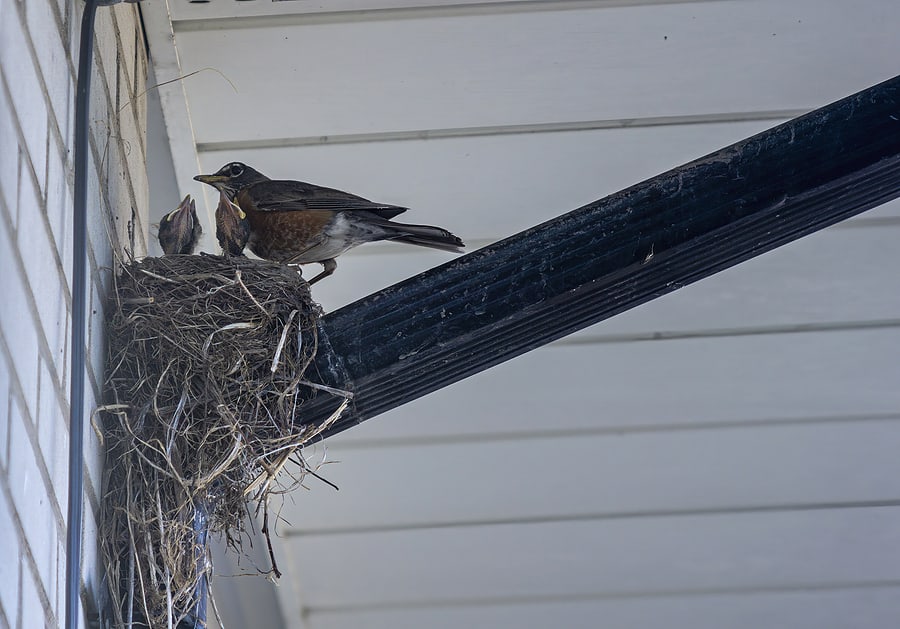
Birds have been known to build their nests in the most inconvenient places around your home – above doors, over your garage, inside your shed, on top of your lawnmower, in heat pumps, and any number of other high traffic or hazardous areas. Although birds don’t typically pose a serious threat to humans, they can cause damage to your roof, car, and property. Their nests can block stove, dryer, and fan vents causing fire hazards and rendering them useless. Their nests can also clog gutters and drains, leading to standing water and potential damage to your roof. Their droppings contain uric acid which can damage the paint on your car. Bird droppings also contain pathogens that are dangerous to humans like histoplasmosis. Bird nests can also contain other pests such as mites, parasites, and ticks that can stick around long after the birds have left the nest.
Your first reaction when encountering a nuisance bird may be to just remove the nest. However, there are Federal laws regarding bird nest removal that make it illegal to remove certain species of birds or their nests. Best practice is always to check with a wildlife control company before attempting to remove any bird nests from your home.
Here are some steps to take to ensure both proper and safe bird nest removal and/or relocation.
1. Prevent Them
The best way to eliminate bird nests from your property is to prevent them from building in the first place. Remove any food scraps and open trash from around your home as this invites them to feed. Make sure trash is secured tightly in containers. Place any bird feeders and birdbaths away from the home and further out in the yard. Only put out enough food for a few birds and clean up any spills regularly. Consider installing gutter guards to prevent nesting in gutters and downspouts. Vents are a common nesting place for birds so install vent covers and screens. Use perch repellents if necessary; these are rows of bird spikes installed on ledges, window sills, and around the perimeter of the roof to prevent birds from alighting on perches. You can also use visual repellents such as plastic owls, hawks, snakes, and even coyotes. If you use visual repellents, make sure to move them often as the birds will get used to them being in one place. Hang reflective bird diverters from strings on your porch also.
The best time to remove a nest is when it is still in the building stage. If you notice a bird nest already built or remove one this season, keep an eye out in the same area next season and stop it before it is fully completed.
2. Check for Activity
Always make sure a nest is inactive before removing or relocating it. Never attempt to remove or relocate a nest if there are birds or eggs present. It is best to wait until after nesting season for any removal or relocation. Eggs in a nest without signs of the parents don’t necessarily mean the nest has been abandoned. The parents may be out feeding or they may have left to allow the eggs a chance to cool down.
3. Wait For the End of Nesting Season
The best time to remove or relocate a nest is after nesting season is over. Most birds only nest once per year; however, some species will nest 4 to 5 times. The time varies with the species of bird. Without knowing the specific species of bird, it is difficult to determine the best time to remove or relocate the nest. A professional wildlife exclusion expert can help identify the species you are dealing with and help determine the best time to remove the nest.
4. Use Proper Precautions
Once you have positively identified the species of bird you have, confirmed it is legal to remove the nest, and have made sure the nest is inactive and no eggs are present, you can proceed with removing or relocating the nest. Bird nests can harbor other pests and residual bird droppings that can contain dangerous pathogens for humans. Make sure to wear long sleeves, long pants, latex gloves, and a respiratory mask to protect yourself. Carefully inspect the nest to make sure it is empty of eggs and birds. Spray the nest with an antibacterial spray. Once dry, remove the nest and dispose of it in a securely sealed container or exterior trash bag. Dispose of it in the trash away from the home. Clean the area where the nest was with a strong disinfectant. Remove and dispose of your gloves. Remove your clothing and wash them immediately in hot water. Wash your hands thoroughly.
5. Call A Professional
It can be difficult to determine whether or not the bird nest in or on your home is legal to remove or the best way to remove it. If you have a bird nest that is causing problems in or on your property, contact a professional wildlife exclusion company who can positively identify the species of bird you have, properly remove or dispose of the nest, and help you identify areas where nesting could be a potential issue in the future.
You May Also Be Interested In:
3 Holiday Pest Control Tips
Can You Have Rats and Mice at the Same Time?
Wildlife Creatures to Lookout for this Winter
Is Your CrawlSpace Effecting the Health of Your Home?
Are Carpenter Ants Active During the Winter?
Dec 8, 2021 | Wildlife
Food, water, and a warm place to live are three things wildlife creatures are in search of this winter season. For them, our house can give them direct access to these needs, where they often find their way into our chimneys, attic, basements, and crawlspaces. It’s important to know what pests to look out for and what preventative measures to take, to help prevent a wildlife infestation.
Rats
Seeing a rat inside is always alarming. These rodents are known to live in crawlspaces and between the side beams of walls, often accessing inside through the smallest hole and gap. Once inside, rats will chew on electrical wire, causing property damage and an increased risk of fires. Their droppings are also a risk, as they contain pathogens dangerous to humans.
Raccoons
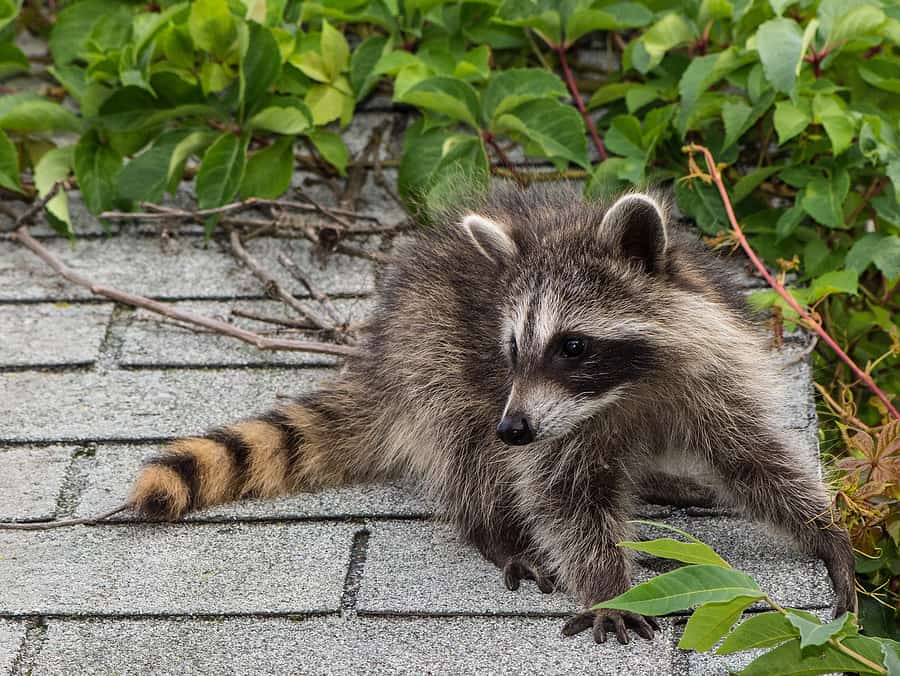
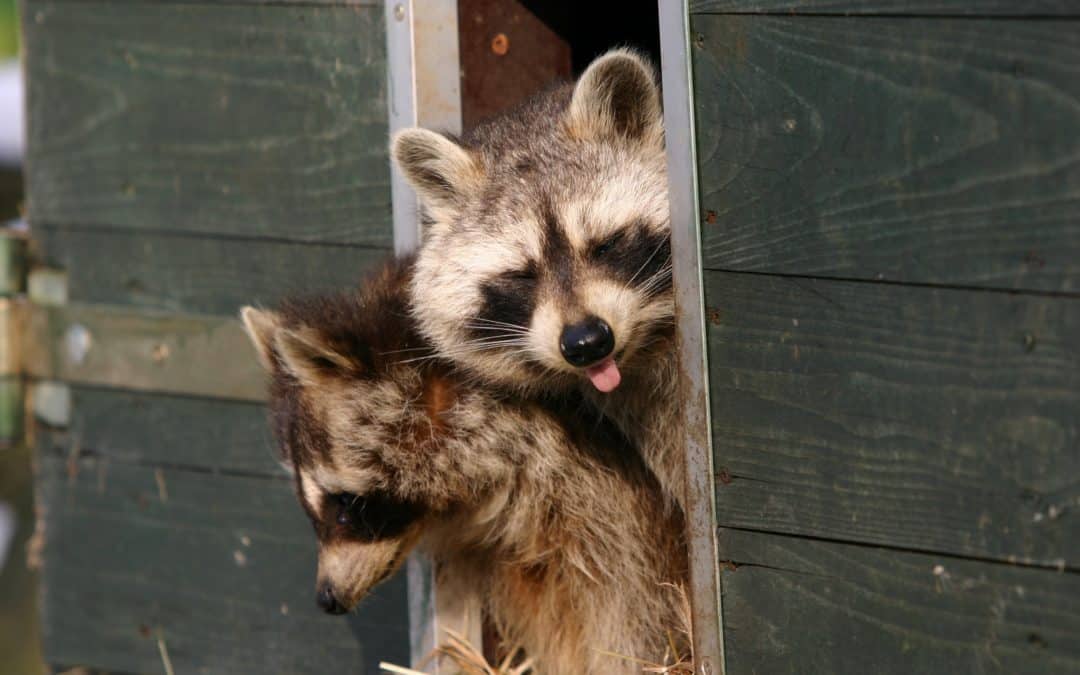
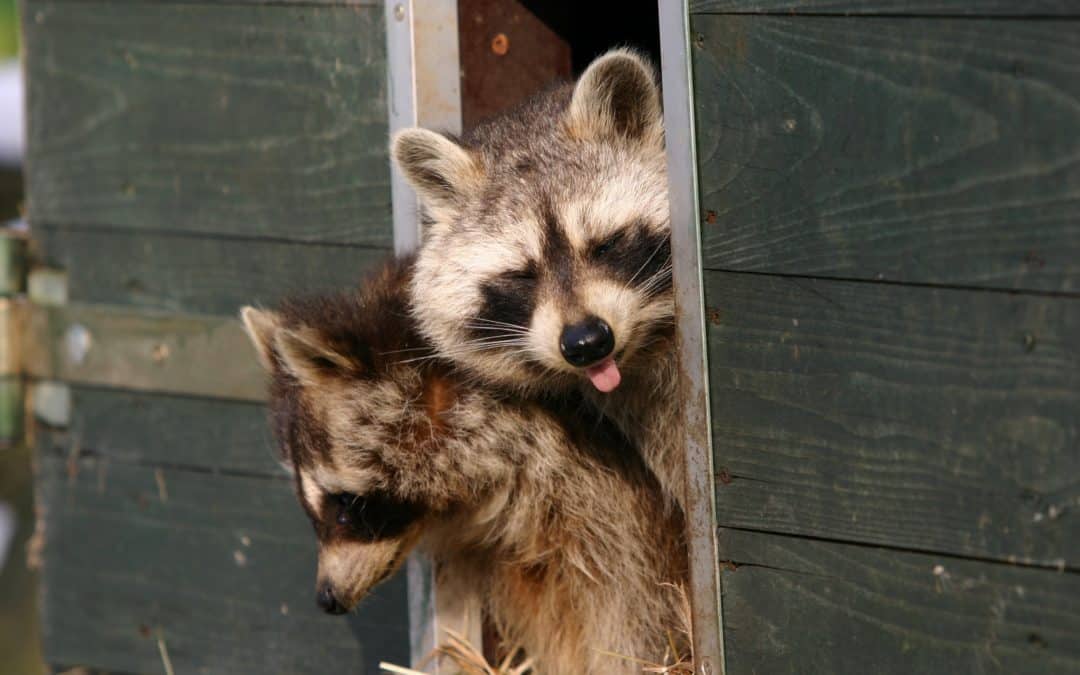
Nocturnal omnivores, raccoons are dexterous and can use their paws to open lids and doors. These animals will use their hands to dig for food, especially in garbage cans. A creature of habit, once raccoons discover food sources in a particular area, such as your house, they will keep coming back over and over, causing both a risk of an infestation and damaged property.
Squirrels
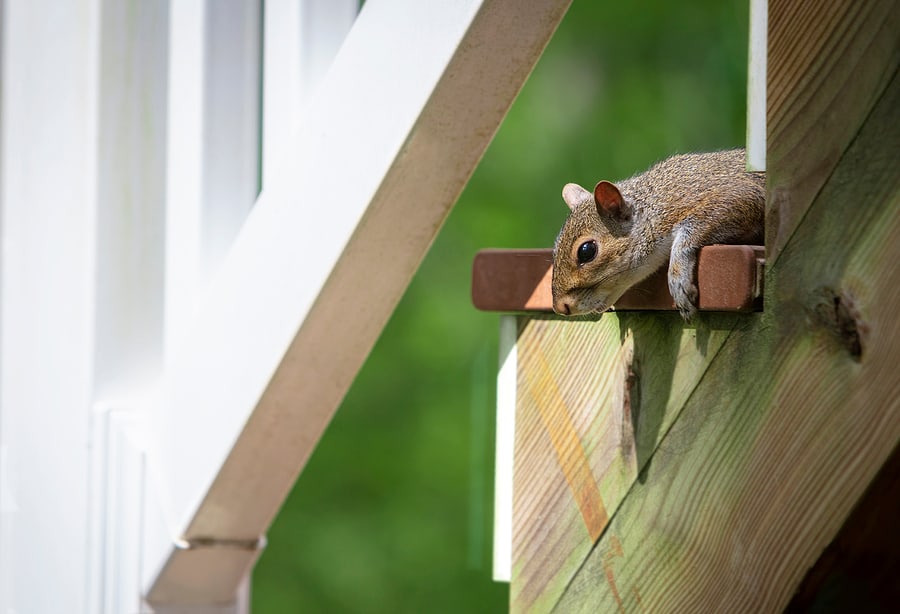
Squirrels are one of the most common wildlife creatures homeowners see. While they are cute from afar, if found inside your home, they can cause considerable damage. Squirrels will take refuge in basements and attics, often bringing acorns to store for the wintertime. Like rats, these rodents will also chew on electrical wire, creating a risk of a fire. Both squirrels themselves and their droppings can contain diseases and pathogens.
To avoid a winter wildlife invasion, prevention is key. Here are a few wildlife prevention tips to help with wildlife control:
- Seal garbage cans and compost bins at night.
- Bring pet food and water bowls indoors at night.
- Trim tree limbs and shrubs away from your house.
- Place a grated screen on top of your chimney.
- Consider enclosing your crawlspace to eliminate entry points.
- Examine your home exterior for any holes and gaps. If holes or gaps are found, seal them immediately.
Sep 28, 2021 | Wildlife
While many of us deem squirrels as cute and cuddly, the moment they start to invade our homes, we soon lose that fondness for wanting them around. As the weather begins to cool down, these pests will look towards houses, specifically attics, to create a nest and keep warm. Once inside, squirrels can cause major damage, such as chewing on electrical wires, destroying insulation, and leaving behind their droppings and urine. Luckily, there are a few ways to deter these creatures from your house. Check out these squirrel control tips you can use at home.
Trees and limbs can give squirrels easy access to your roofline. To prevent squirrels from gaining access, make sure that your tree limbs are cut back and trimmed away from the roofline. By cutting these access points, it’s an easy way to keep them away from your attic, chimneys, and any open holes or gaps leading inside the house.
Cleaning up around your home can also help to prevent these squirrels from entering your property. Squirrels are omnivores, meaning they will eat both meat and plants, including fruits, nuts, and small insects. To prevent them from scavenging for food around your house, make sure to dispose of garbage regularly while always using a sealed container. If you have any fruit trees on your property, try to look out for any ripe fruit and dispose of or pick them promptly.
Getting rid of squirrels can be difficult, and it can often take a trained professional who has the expertise to help prevent and eliminate them. If utilizing preventative measures fails and squirrels have invaded your property, consider reaching out to your local wildlife control company where they can provide you with the most effective trapping and removal methods for these rodents.
Aug 18, 2021 | Wildlife
Fall is just around the corner! While we are all eager for that brisk fall breeze to arrive, we know that as the temperatures get cooler, certain wildlife creatures will be more active during the fall season. Wildlife such as squirrels, mice, opossums, and rats are just a few that will start to look indoors for a warm habitat and food source. Before the fall season arrives, every homeowner should start wildlife control preparations early to help prevent these animal intruders from getting inside.
Wildlife animals are constantly in search of food and water to survive. Animals such as opossums and rats often look to garbage cans to find food, making a huge mess in the process. To keep them from scavenging through your trash cans, make sure your garbage isn’t overflowing. Keep your exterior garbage cans secure by locking and sealing the lids overnight.
Raccoons, squirrels, and birds will easily sneak into open gaps or holes leading right into your home. Screen attic vents and openings in chimneys can provide them with ideal openings. Ensure that the vents and chimneys are fully screened and sealed off. Likewise, check around the exterior of your home for any gaps or holes leading inside. Rats and mice only need a small opening to get inside, so ensuring that you’ve sealed any openings can help eliminate the chance of infestation.
Your yard is the first thing that wildlife creatures will enter. Keeping your yard well-maintained can help to prevent these pests from inhabiting. Make sure to clean up leaf piles, brush, and debris throughout the yard. When cleaning up the piles, put them in sealed waste bags and store them in the garage until garbage day. Trim your tree limbs or branches away from your roofline as animals, such as squirrels, will use them as a guide to enter inside the home.
Preventing wildlife from entering your property can be difficult but possible. If you’ve noticed more wildlife creatures than usual, consider calling your professional wildlife control company. These wildlife exclusion experts will inspect your home, identify entry points, safely remove infested animals, and prevent them from entering in the future!