Aug 12, 2021 | Pest Control, Wildlife
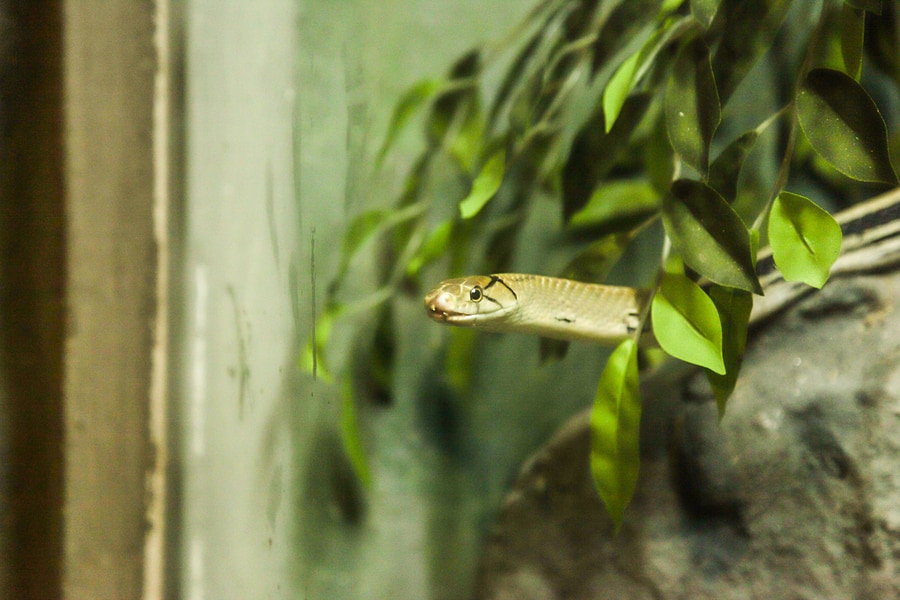
Although many people don’t welcome the sight of a snake in their yard, they are actually quite beneficial to have around. Snakes eat mice, grubs, slugs, and other insects around your home and are also a source of food for birds of prey like hawks. While most species of snakes are non-venomous, there are a few types of snakes that are venomous in our area. For this reason, you should never handle a snake unless you are 100% sure you know what species it is. Most snakes will bite when harassed whether they are venomous or not.
There are many natural snake repellent methods out there today with one of the most common being mothballs. But are they really effective? According to experts at the Blue Ridge Poison Center the answer is a resounding NO. Mothballs are made of either naphthalene or paradicholorbenzene. Both of these chemicals are hazardous to both humans and animals if exposed to or ingested. The chemical makeup of each of these substances allow them to turn into gas when they are exposed to the air – resulting in the strong smell we usually associate with mothballs. These fumes can cause dizziness and irritation to the eyes and the lungs. If ingested, mothballs can cause a condition called hemolytic anemia which is very dangerous. Mothballs also resemble candy to young children, making them more likely to pick them up and handle or eat them.
So if mothballs aren’t the answer, how can you get rid of snakes? Here are a few snake prevention tips you can use safely around your home.
- Make your home and yard less attractive to snakes who are looking for food and shelter.
- Remove any food sources such as rodents or other pests.
- Keep pet food sealed in containers.
- Don’t leave pet food out overnight.
- Clean up spilled pet food and birdseed from the ground.
- Don’t overwater your lawn as this can attract worms, frogs, and slugs – another food source for snakes.
- Have your home inspected for rodents and other pests and maintain routine pest control treatments.
- Seal any entries into your crawlspace or basement that are larger than 1/4″.
- Make sure doorsweeps and window screens fit tightly.
- Cover vents and drains that come into the house.
- Keep grass mowed – tall grass and weeds provide more coverage for snakes from predators.
- Clean up any debris snakes can hide under (scarp metal, wood piles, trash, logs, etc.).
- Check the roof for overhanging vegetation – snakes are good climbers and can access your home from the roof.
If you have a problem with snakes or other wildlife, contact your local pest control company who can help identify pest attractants, points of entry, and provide you with safe and humane snake removal services.
You May Also Be Interested In:
Fleas & Ticks: What’s the Difference?
7 Signs You Have Cockroaches
Bed Bugs: Where Do They Come From?
Back To School Means Head Lice Season
Avoid Bites and Stings this Summer
Jul 13, 2021 | Commercial, Wildlife
Wildlife creatures can bring a host of issues to your business. Some of these can disrupt your business, create unsanitary conditions, and drive customers away. The first step in dealing with these nuisance pests is knowing the type of animal you are dealing with and how to prevent them. We break down which ones to watch out for around your business and give some easy wildlife prevention tips.
Birds
Birds can pose a major health threat to your business as they can spread diseases and contaminate your business space. Their droppings can cause quite a mess and harbor diseases and parasites. These acidic droppings can corrode and ruin your business roof, walkways, windows, ledges, signage, and even your customers’ vehicles. These pests can also easily access and damage the roofline and chimney, which can lead to problems with your electrical wiring.
Rats & Mice
Rats and mice are looking for a place to eat and sleep. They can easily invade your business by entering through the smallest crack or hole that is unsealed. Just like birds, rodents can spread disease throughout your business, making it unsafe for both your customers and team members. These creatures are also known to gnaw on merchandise, packaging, equipment, and electrical wiring.
Squirrels
Squirrels can look cute and cuddly, but they are also known to create structural damage and disturbances at businesses. These creatures are in search of a food source, and you can tell if they have been searching around in your property by seeing uprooted plants and flowers, dug up holes, and eaten nuts or fruits. Squirrels are also known to create holes in roofs, chew on wires, damage vents, and create a musty smell from their urine if they’ve infested inside the building.
Utilizing preventative measures is the key to ensuring wildlife don’t infest your business and disturb your customers!
- Inspect the foundation for small holes and gaps, sealing them up as you find them.
- Inspect the roof and siding to make sure there are no openings to access your attic.
- Secure all trash containers, making sure they are tightly sealed and not overflowing.
- If you have an outside area where customers eat, make sure all food is frequently cleaned up and thrown out.
- Consider Commercial Wildlife Control for your business as service professionals can set your business up with a customized prevention and treatment plan fit for your business.
Jun 18, 2021 | Pest Control, Wildlife
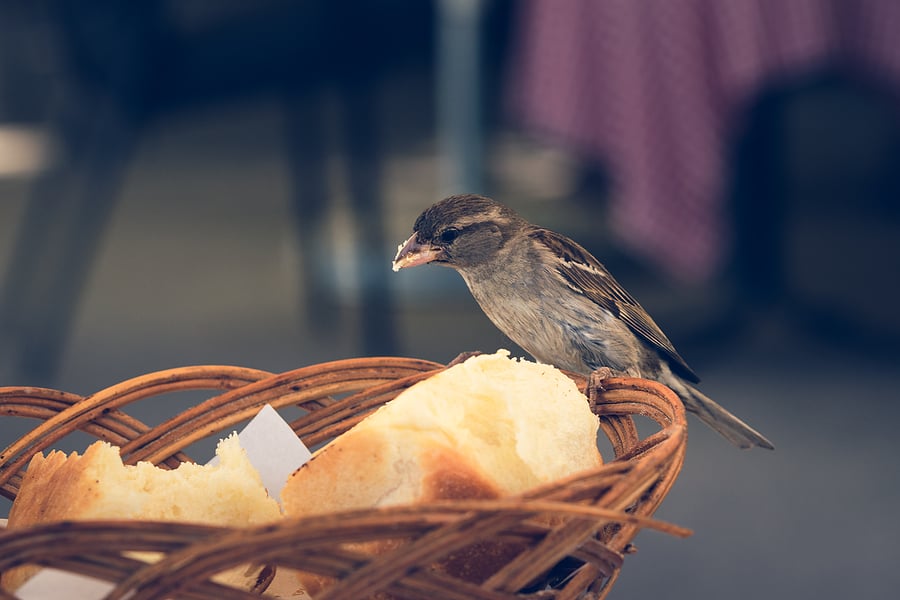
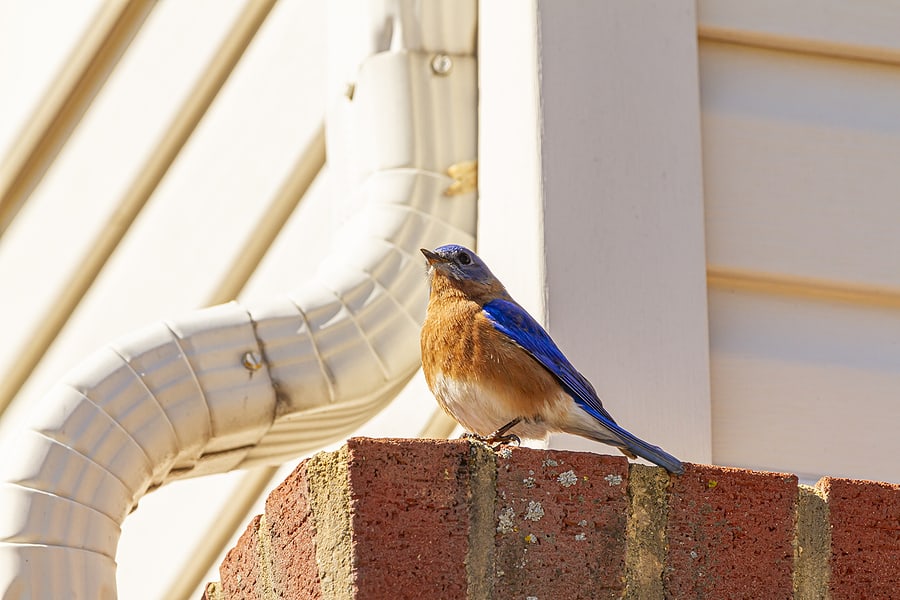
As the weather starts to warm up, you may see an increase in bird activity around your home. Birds will often leave a mess on your patio or deck and can even be found taking a dip in your swimming pool. Nuisance birds will build nests in the most inconvenient places putting you and your family in harm’s way. Here are a few tips on how to prevent birds from taking over your outdoor fun this summer.
Protect Your Pool
There are several things you can try to keep birds away from your pool and deck. One of the easiest is to install a decoy bird near your pool. Owl statues are the most common but hawks and falcons will also work well. These statues make other nuisance birds think a predator has already claimed that territory and they will take up residence somewhere else. Remember to move the statue occasionally, especially if birds get used to it or start ignoring it.
You can also use automatic pool vacuums in your swimming pool to help deter birds. Automatic vacuums are constantly moving which discourage birds from landing in the water. Leaving brightly colored toys and floats in the pool can also help keep these pesky birds away. Keep your pool covered if possible. You can even use a simple solar cover instead of a traditional cover to help protect your pool from droppings and feathers.
Guard Your Grill
Birds will often nest in your grill or in the eaves around your patio. To protect your grill in between uses, invest in a high quality cover and use it any time the grill is not in use. If that’s not an option, cover your grill with bird netting when it’s not in use. Clean the grill after use and make sure there is no food residue left over. Birds will keep coming back if they continue to find food in the area.
Defend Your Deck
If you’re finding birds flocking to your deck or patio area, try installing bird spikes on fences or in gutters. It is difficult for birds to land on them, making it undesirable for birds to nest. You can also try wind chimes or ultrasonic noise machines which are also helpful and driving nuisance birds away. The noise machines give off a high-pitched sound that is undetectable to humans but will annoy any lingering birds.
Prepare Your Property
Taking preventative measures against birds will help in your bird control efforts. Discourage people from feeding birds in and around your home. Clean up any spilled grain or birdseed from feeders daily. Block any openings in your home (lofts, vents, eaves, window sills, etc.). Change your ledge angles to 45 degrees or more to prevent birds from roosting on them. Screen the underside of rafters with netting or wire mesh screening.
While birds aren’t usually a dangerous problem, they can become quite a nuisance, especially when you are trying to enjoy time outdoors. If you have a problem with birds or any other pests, contact your local pest control company who can provide you with a thorough evaluation and treatment plan.
You May Also Be Interested In:
What Attracts Termites?
Does Hot Weather Bring Out Cockroaches?
8 Ways To Protect Your Pets From Fleas And Ticks
Summer Without Bed Bug Worry
Snake Repellent: What Works and What Doesn’t
May 28, 2021 | Wildlife
As the weather heats up, snakes will be on the move, emerging from hibernation in search of food. Snake season peaks in the summertime, making your chances of an encounter with these reptiles increase. Here are 7 common snakes you may encounter this summer, along with snake prevention tips to help you avoid these pests while outdoors.
Eastern King Snakes
Eastern kingsnakes are large snakes, usually 3-4 feet long, shiny black in color with white or yellow bands. They have a short, blunt snout, rectangular looking head, and small beady eyes. They’re usually found in protected areas such as woods, overgrown vegetation, cluttered areas, etc. and most active during summer months in the morning hours. If you encounter a kingsnake, use caution; they are non-venomous but strong constrictors and may bite if handled. Keep eastern kingsnakes away from your home by limiting their food sources – other snakes, lizards, rodents, and birds, removing clutter and debris, storing wood away from your home’s exterior, use a snake repellent product, or contact a pest control company specializing in snake control.
Rat Snakes
Rat snakes are large, 3-6+ feet long, and black and yellow with stripes, or gray with darker patches. You can expect to find them in wooded areas, overgrown vegetation, swamps, abandoned or vacant buildings. Though they’re non-venomous, they may bite if handled or threatened and will climb for food. Prevent rat snakes around your home by reducing potential food sources – rats, mice, squirrels, birds, and bird eggs – using a snake repellent product, or professional snake control by a pest or wildlife removal company.
Garter Snakes
Garter snakes are small, usually 1/5-4 feet long, with three yellow stripes running vertically down a dark colored body. They’re active during day or night hours and often found in suburban areas under debris or boards – anywhere that provides cover for them – and around water, grassy areas, woods, and marshes. Garter snakes are common throughout the Southeast and most of the U.S. Like other non-venomous snakes, they pose no real threat unless bothered. Keep garter snakes away from you home by limiting preferred food sources – worms, slugs, frogs, toads, salamanders, fish and tadpoles – removing items that can be used as cover (wood, debris, etc.), and using a snake repellent product.
Black Racer Snakes
Black racers are large snakes, 5 feet long or larger, with slender black bodies and sometimes a white chin. Juvenile black racers are grayish in color with darker blotches. Black racers are common through the eastern U.S. and most often seen near forest edges, fields, or wetland outskirts during the day in warmer months. They’re non-venomous and usually timid, fleeing when threatened. To keep them away from your home, reduce food sources – insects, lizards, snakes, birds, rodents, and amphibians – and apply snake repellent products.
Brown Snakes
Brown snakes are small, 6-13 inches long, and usually brown but may be yellowish, reddish, or grayish-brown with darker spots on the back. You’ll find them in residential areas, wooded areas, near wetlands, and in urban areas under wood, leaves, and debris, or any other area with adequate ground cover. Brown snakes are the most common snake found in urban areas. They’re most active during evening or night hours, occasionally seen crossing roads. Brown snakes are non-venomous and pose no serious threat although may bite if threatened. While they’re not dangerous, you may not want to find one hiding out around your home. Prevent this by removing clutter and debris from your yard and consider using a product that brown snakes find repellent.
Copperhead Snakes
Copperheads are large snakes, usually 2-4 feet long, with a heavy body and a triangular shaped head. They are tan to brown in color with hourglass shaped darker bands running across the body; juvenile copperheads have a distinct yellow tail tip. You may encounter a copperhead snake in suburban areas or in semi-protected areas like woods or swamps. They’re common throughout central and eastern U.S. with the exception of some areas in south Georgia and all of Florida. Copperheads are venomous and dangerous and may bite if threatened. Use caution when outside in the summer, especially at night. Deter copperhead snakes from hanging out around your house by reducing potential food sources – mice, small birds, lizards, small snakes, amphibians and insects. If you see a copperhead, contact a wildlife control company to safely remove it.
Cottonmouth Snakes (Water Moccasins)
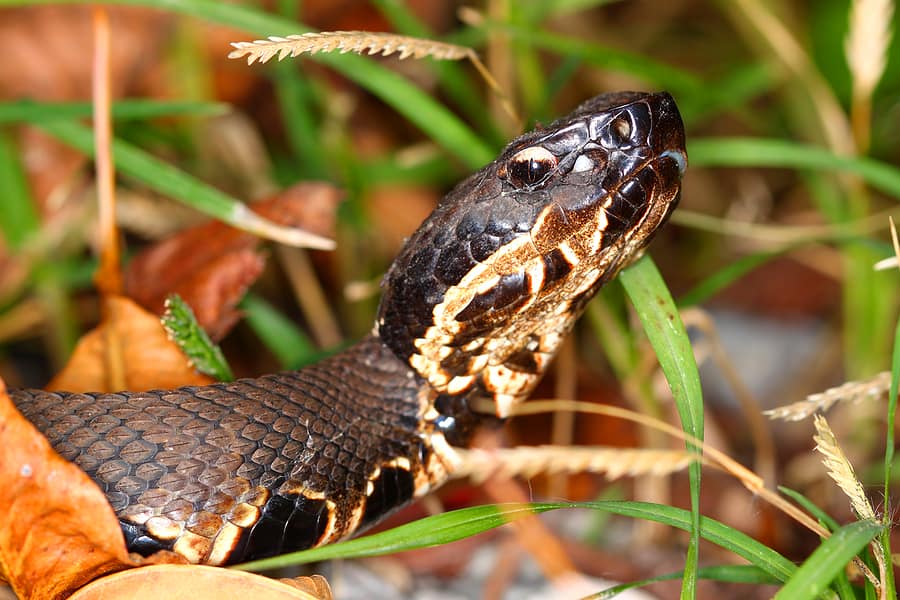
Cottonmouths, also called water moccasins, are large snakes – 2-4 feet in length – with a very heavy body and a distinctly triangular head. Their color varies from solid brown or brown or yellow with dark crossbands with a white mouse (inside); juveniles have a yellow tail tip. When threatened, cottonmouths display with the head in the middle of their coiled body and mouth wide open. As the name “water moccasin” suggests, cottonmouth snakes prefer to inhabit freshwater, swamps, river floodplains, and heavily vegetated wetlands. While they’re most common throughout coastal regions, cottonmouths are prevalent across the southeast U.S. They are active day and night but more likely to be seen when foraging for food at night in warmer months. Avoid cottonmouths if you come in contact with one, they are venomous and may bite if threatened. Use caution around fresh water habitats in the summer.
Prevention
- Clean Up Your Yard. This includes leaf litter, fallen logs, piles of bricks, rocks, or any other hiding spots. Keep grass mowed short and shrubs, hedges, and trees trimmed back. Discard mulch and clippings away from your property. Elevate firewood and store it away from your home.
- Inspect Your House. Snakes can get inside your home through holes in the exterior. Thoroughly inspect the outside of your house, especially under roofs, in skirting, under the house, in garages, etc. Repair or block any openings you find.
- Eliminate Food Sources. Snakes feed on frogs, rodents, and insects. Keeping these pests away from your home will also help keep snakes away. Clean up spilled birdseed from under feeders. Seal outdoor trashcans and feed your pets indoors if possible. Seal pet food and birdseed in plastic or metal containers with tight lids.
- Dry It Out. Moisture attracts frogs, rodents and insects that snakes love to feed on. Drying out this excess moisture on your property will make it less attractive to snakes. Get rid of standing water. Fix leaky pipes and spigots. Set sprinklers on timers to avoid overwatering. Consider enclosing your crawlspace and installing gutter guards.
- Use The Professionals. Establishing routine pest control can help prevent pest problems before they become an infestation. Contact your local pest control company for a free analysis and a scheduled service plan.
You May Also Be Interested In:
Have a Pest-Free BBQ!
Your Guide To Summer Pest Control
Watch Out for These Stinging Pests
Mice, Rats, And Other Problem Rodents
Where Can Bed Bugs Hide?
May 12, 2021 | Wildlife
It’s true – many wildlife creatures invade and infest homes during the colder months of the year. However, there are still plenty of pests that are active and looking for a place to inhabit. Knowing which types are prevalent this season and how to prevent them can help you protect your home and family.
Snakes
As coldblooded animals, snakes get their energy from the sun. Because of this, snakes are more active during the warmer months as they require more energy to mate. You’ll typically see snakes out in the early morning and late evenings to avoid the high heat of midday. When they aren’t out, snakes like to hide out in cool, dark places such as underneath rocks and decks. You could also find them hiding out in your basement if they’ve gained access.
To keep nuisance pests from infesting your property it’s important to keep your lawn neat and clean. Clean up any yard clutter, such as piles of leaves and wood. Keep your grass mowed to eliminate coverage and trim bushes and hedges regularly. Always check your garage, garage doors, windows, and exterior doors for gaps and seal any openings.
Opossums
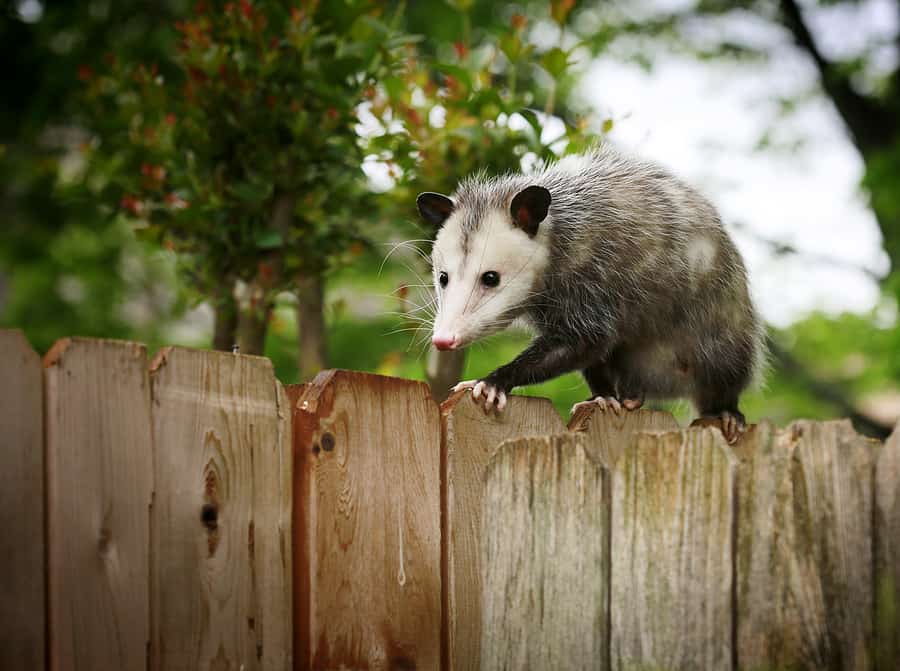
During the spring and summer, opossum females care for their young, meaning they are more active in searching for food to nourish them with. These animals are nocturnal and search for food at night. During the day, possums will hide in trees where they will stay until the evening. While they eat unwanted pests such as snails, cockroaches, spiders, and rats, they also eat garbage, fruit, grass, and roadkill.
To prevent opossums, keeping food from being left out outside your house is crucial. Make sure you bring in pet food and water from outside. Pick up any fruit that might have fallen from trees, including tossing out the rotten ones. It’s equally important to keep your garage doors, pet doors, or unscreened windows closed during the night.
Rats
Rats are active year-round, but the warmer weather provides them with more sources of food. These rodents can reproduce very quickly and controlling them can become difficult once they’ve infested. Rats will typically make burrows before wintertime, building these under buildings, concrete slabs, around lakes and ponds, and even near the garbage. These wildlife creatures can be a risk to humans as they can contaminate food, chew wires causing fire hazards, and their urine and feces can cause health concerns.
Taking necessary precautions before you start seeing rats is the key to preventing them. Check around the exterior of your home and seal up any cracks, crevices, and holes found in the foundation or siding. Remove clutter throughout your garages and storage areas, along with using plastic storage instead of cardboard. Keep your kitchen clean from any crumbs and spills and take your trash out regularly.
If you’ve taken the necessary steps to prevent these common wildlife but are still seeing them, it might be time to call your local pest control company. They’ll be able to assess the wildlife issue and provide you with the best wildlife control and wildlife exclusion options.