May 28, 2024 | DIY Pest Control, Florida Pest Control
Living in Florida, we have to deal with our fair share of bugs invading our home throughout the year. Whether mosquitoes are invading your yard, ants are taking over your kitchen, or rats are raiding your trash cans, household pests can surely become a major issue. Unfortunately, humans can have a lot to do with pest infestations by our habits, often leading bugs right into our home. We break down the common reasons you could have a bug problem into your Florida home.
What Leads To Bug Problems In Your Home
Trash
Our leftover trash is dinnertime for pests! Pests, such as rats and ants, are all looking for a food source for survival and will often look to our trash cans for available food, creating a huge mess in the process. It’s important to secure your outside and inside trashcan with a tightly sealed lid and ensure your trash bags are sealed without rips or tears.
Excessive Moisture
Several pests prefer a damp environment and need water to survive too. Unfortunately, we also need water, and certain factors throughout our homes can provide pests with a water source, often leading to a bug problem. A leaky faucet can attract pests, like mice, who will return to areas if they have access to water or food. Make sure to check throughout your home for any leaky pipes, faucets, or AC units and repair them as soon as possible. Likewise, your basement and crawlspace can often create excess moisture that can lead to fungus, bad air quality, and pest infestations. Utilize a dehumidifier to dry any wet areas and consider crawlspace enclosure to ensure no moisture is found.
Unnecessary Clutter
Clutter, such as old newspapers, magazines, and cardboard boxes can provide several pests with the perfect environment. Decluttering and cleaning items out to eliminate hiding places will help prevent pests overall. Consider utilizing plastic storage containers with lids to store any items and elevating them off the ground. Additionally, avoid having clothes piled on the floor, as bugs like spiders are known to hide out in them.
Dirty Kitchen
Dirty dishes, food crumbs, and drink spills can attract pests like flies, ants, roaches, and more right into your home! After each meal, wash and put away your dishes to avoid these pests. Likewise, clean up any leftover spills and food crumbs off your floors, dining room table, and counter tops. Don’t forget to clean behind and under your kitchen appliances too as pests like to hide behind stoves and refrigerators to find a food source.
If you’ve noticed an increase of bugs throughout your Florida home, it’s best to call a pest control company near you. These professionals will provide you with a comprehensive pest control and prevention plan.

May 24, 2024 | DIY Pest Control, Termite Control
May 21, 2024 | DIY Mosquito Control, Florida Mosquito Control
As a Florida resident, dealing with mosquito season each year can start to feel like a never-ending battle! Luckily, there are plenty of ways you can deter these pests from your property. We breakdown a guide on mosquito prevention you can utilize to protect your family and property in Florida from these pests!
Mosquito Prevention in Florida
Protect Yourself
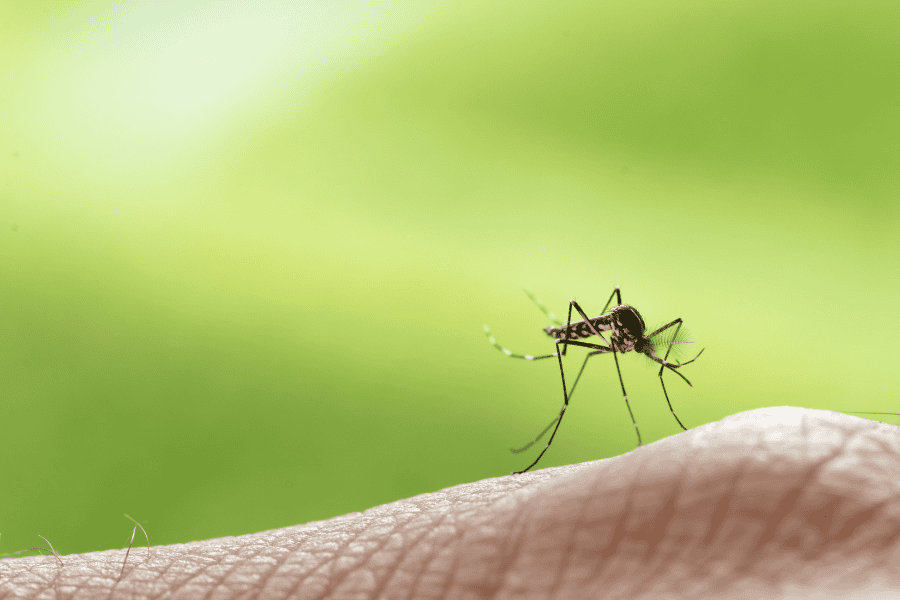
To survive and breed, female mosquitoes need a blood meal, often looking to humans and pets for it. Mosquitoes will transfer diseases and viruses, including the Zika virus, dengue, West Nile virus, and more, making it crucial to protect yourself and your family from mosquito bites during their peak season. One of the best ways to deter mosquitoes from biting you and your family is utilizing mosquito repellent that contains DEET. Repellents with DEET can be very effective as they will block the mosquitoes CO2 receptors. We recommend spraying it onto your hands and running it over your skin instead of spraying it directly onto the skin.
Protect Your Yard
Your lawn is the first line of defense against mosquitoes taking over. The best way to avoid mosquito infestations is to maintain your lawn and place preventative measures throughout your yard to deter them away. Mosquitoes only need the smallest amount of standing water to breed, so it’s important to remove any potential breeding sites throughout your property. Inspect your yard and remove items that can hold water, leaves and debris, clogged gutters, and drainage sites. Likewise, look to trim trees and shrubs that are overgrown and continue your ongoing mowing schedule.
Protect Your Home
Have you ever had to deal with a constant buzzing sound in your home? If so, you know how annoying it can be, especially when you can’t find the culprit! To keep mosquitoes from sneaking into your home, confirm that your windows and doors screens are in good condition, replacing any torn ones if needed. During peak mosquito season, try to keep your doors and windows closed as much as possible.
Consider Mosquito Treatments
While placing these measures throughout your home will always support mosquito prevention efforts, sometimes it’s best to reach out to a mosquito control company near you for even more support. Consider hiring a reputable Florida mosquito control company to inspect your property, identify breeding sites, and implement targeted treatments to reduce mosquito populations effectively.
May 17, 2024 | DIY Wildlife Prevention, Wildlife
Nestled in the heart of the South, Georgia boasts lush landscapes and vibrant wildlife. However, along with its natural beauty comes the challenge of dealing with nuisance birds. From pesky pigeons to assertive seagulls, these feathered intruders can wreak havoc on homes and businesses alike. In this guide, we’ll explore common nuisance birds found in Georgia, the risks they pose, effective methods for bird control, and preventive measures to keep your property bird-free.
Common Nuisance Birds in Georgia
Georgia is home to a variety of bird species, some of which can become unwelcome guests on your property. Among the most common nuisance birds encountered in the state are:
- Pigeons: Found in urban areas and often congregating around buildings and bridges, pigeons are notorious for their droppings, which can damage structures and pose health risks.
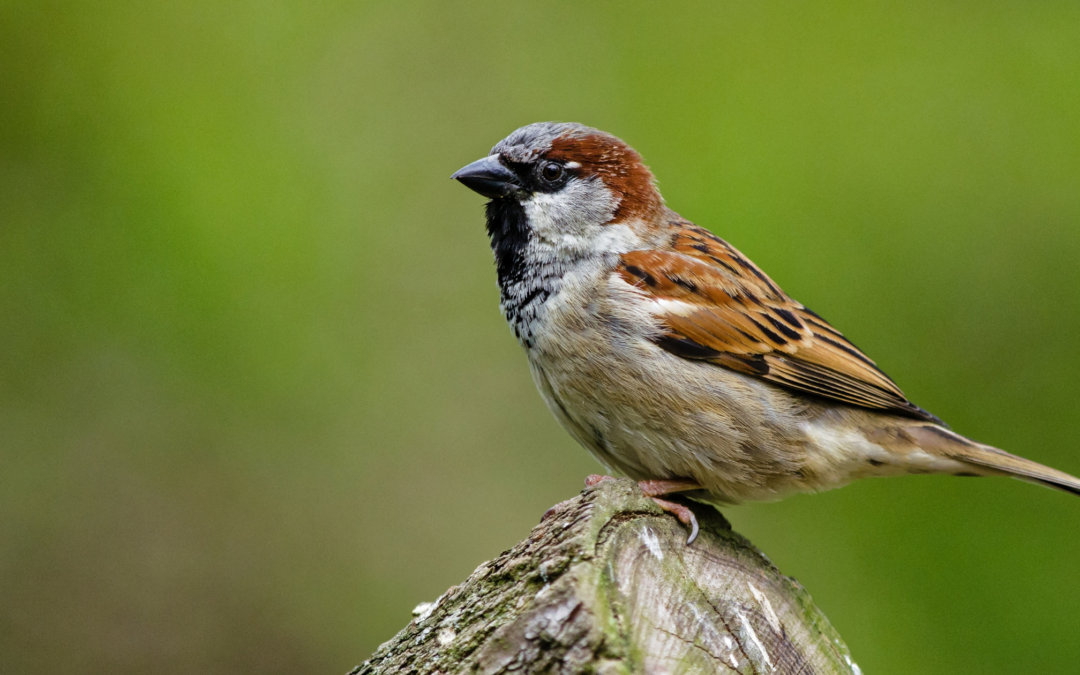
- Sparrows: These small birds are adept at finding their way into buildings through small openings, where they may roost and nest, causing damage and spreading disease.
- Starlings: Known for their large flocks and noisy behavior, starlings can quickly become a nuisance, especially around agricultural areas where they can damage crops.
- Seagulls: While typically associated with coastal regions, seagulls can also be found inland, scavenging for food in urban and suburban areas. Their aggressive behavior and droppings can pose significant problems for property owners.
Risks Posed by Nuisance Birds
Beyond their irritating presence, nuisance birds can pose several risks to both property and human health:
- Property Damage: Bird droppings contain uric acid, which can corrode building materials such as metal, wood, and stone. Accumulated droppings can deface structures and lead to costly repairs.
- Health Hazards: Bird droppings can harbor harmful bacteria, fungi, and parasites, posing health risks to humans and pets. Inhaling airborne particles from dried bird droppings can also cause respiratory issues.
- Nesting and Roosting: Birds often nest and roost in eaves, vents, and other sheltered areas of buildings, leading to clogged gutters, damaged insulation, and fire hazards from nesting materials near electrical fixtures.
How to Get Rid of Nuisance Birds
When faced with a bird problem, it’s essential to employ effective bird control strategies. Here are some methods commonly used by wildlife control companies:
- Bird Spikes: Bird spikes are physical deterrents installed on ledges, signs, and other surfaces to prevent birds from roosting or landing. These spikes make it uncomfortable for birds to perch, encouraging them to seek alternative locations.
- Bird Netting: Bird netting creates a barrier that prevents birds from accessing specific areas, such as rooftops or balconies. It’s an effective solution for large open spaces where other deterrents may not be practical.
- Bird Repellents: Various bird repellents, including visual deterrents like scarecrows and reflective tape, as well as auditory deterrents like ultrasonic devices, can deter birds from settling in unwanted areas.
- Exclusion Devices: Installing screens, vents, and other exclusion devices can prevent birds from entering buildings and nesting in attics, vents, and chimneys.
- Habitat Modification: Removing food sources, such as open trash containers and bird feeders, can discourage birds from congregating in specific areas.
Preventing Nuisance Birds from Your Property
While effective bird control measures can help address existing bird problems, preventing future infestations is key to long-term success. Here are some preventive measures to consider:
- Seal Entry Points: Conduct regular inspections of your property to identify and seal any openings that birds could use to access buildings or nesting sites.
- Maintain Cleanliness: Keep outdoor areas clean and free of food scraps, garbage, and standing water, which can attract birds looking for food and water sources.
- Trim Trees and Shrubs: Trim trees and shrubs near buildings to eliminate potential roosting and nesting sites. Removing overhanging branches can also prevent birds from gaining access to rooftops.
- Install Bird-Proofing Devices: Proactively install bird-proofing devices, such as chimney caps and vent covers, to prevent birds from nesting in vulnerable areas.
- Implement Routine Maintenance: Regularly inspect and maintain your property to address any potential bird-attracting conditions, such as clogged gutters, leaky pipes, and damaged roofing materials.
Dealing with nuisance birds can be a challenging task for property owners, but with the right approach, it’s possible to keep these feathered intruders at bay. By understanding the common nuisance birds found in Georgia, recognizing the risks they pose, and implementing effective bird control and prevention strategies, you can protect your property from damage and ensure a bird-free environment. Whether you’re facing a minor bird problem or a full-blown infestation, partnering with a reputable wildlife control company can provide expert assistance in addressing your bird control needs.
May 15, 2024 | Commercial
Integrated Pest Management (IPM) might sound like something that’s reserved for large agricultural operations or sprawling industrial complexes, but IPM can be just as vital for small businesses like yours. But why does it matter for small businesses and how can you implement a strategy that works for you? Let’s find out!
Understanding Integrated Pest Management
Unlike traditional pest control methods, IPM focuses on prevention, monitoring, and control with an emphasis on the use of multiple strategies to minimize pest populations. While minimizing risks to human health and the environment, key components of an IPM strategy include:
- Identification: Accurately identifying pests and understanding their behavior is crucial to effectively manage pests
- Prevention: Implementing measures to prevent infestations before they start, such as sealing entry points, maintaining cleanliness, and eliminating sources of food and water
- Monitoring: Regularly monitoring for signs of activity allows for early detection and intervention, stopping minor issues from escalating
- Control: When necessary, methods of control may be used such as traps and targeted applications
Why IPM Matters for Small Businesses
The consequences of ignoring pest problems can be just as severe for small businesses compared to large-scale operations. It’s just as essential to have an IPM strategy ready to protect your reputation and preserve the health and safety of your customers and employees. While the upfront investment of an IPM program can seem daunting, it can save you money in the long run by reducing the need for costly pest control treatments and potential damage to your property or inventory.
How to Prevent Pests in My Small Business
It doesn’t have to be complicated or costly to get an IPM strategy in place or begin prevention:
- Identify potential pest vulnerabilities, such as entry points, food storage areas, and landscaping features.
- Train your employees on the importance of pest prevention and how to spot early signs
- Implement good business hygiene protocols, proper waste management, and routine maintenance to limit pest attractants
- Consider partnering with a pest management company near you to receive a free, no-obligation inspection and a personalized strategy tailored to your business’s needs.