May 14, 2024 | DIY Pest Control, Florida Termite Control
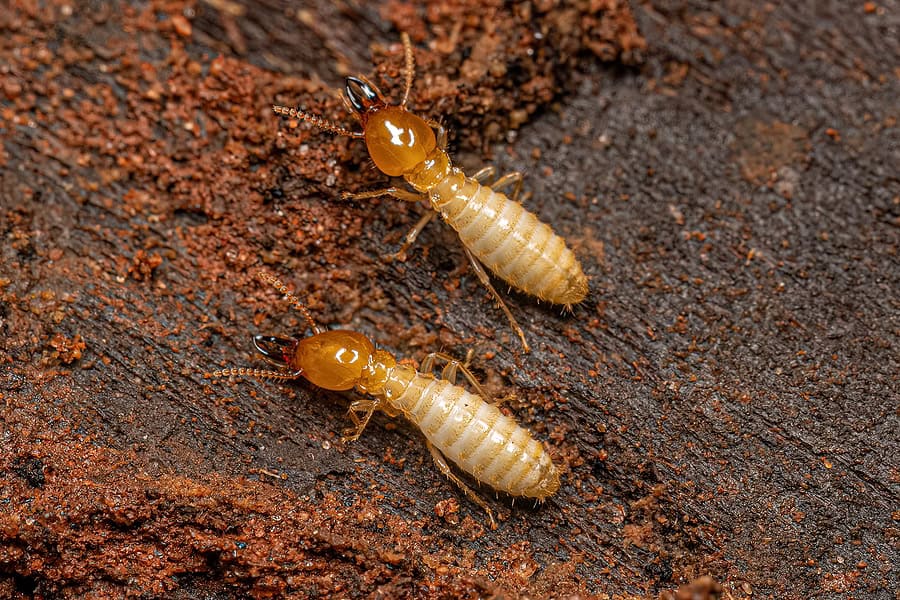
Subterranean termites will go undetected and cause severe damage to Florida homes. While there are several species of termites, subterranean termites are one of the most popular species found in areas of Florida. We breakdown what you should know about these termites and how you can prevent them from infesting your home.
What You Should Know About Subterranean Termites
They Need Water & Soil to Survive
Subterranean termites need a water source and soil to survive and form their colonies. These termites create mud tubes to travel back and forth between your home and their nest. These tubes protect them from damage and predators, and allow them to accumulate moisture for survival.
They Are Active Year-Round
Subterranean termites are active year-round, with swarmers being the earliest sign of their activity. Termite swarming season in Florida can start as early as February and run all the way until June. Spotting swarmers around your home is the first indication that a termite colony is present nearby, and another one could be starting up soon.
Their Colonies Are Hidden
Subterranean termites will stay hidden within wood and underground within their colony. Their mud tubes will protect them and allow them to stay hidden when traveling back from their nest to your home. These mud tubes are typically about the size of a pencil and can be on ceilings, walls, exterior surfaces, and on the sides of slabs.
Their Damage Can Be Extensive
Since these colonies stay hidden, it can be very difficult to detect them, allowing them to cause extensive damage to homes. Many termite infestations can go unnoticed until it’s too late for early treatment before their damage is done. In the United States, termites are known to cause over $5 billion in damage to homes annually.
Subterranean Termite Infestations Are Preventable
There are several preventative options that Florida homeowners should consider to prevent termite infestations. Several pest control companies provide varying techniques of termite management, including liquid barrier treatments and termite bait treatments, such as the Sentricon®️ Always Active Bait Station. These preventative measures also include annual inspections along with their treatments to provide you with the peace of mind that your home is always being protected from termites.
If you’re interested in termite control, reach out to a pest control company near you. These professionals will provide you with a thorough inspection and a customized treatment and prevention plan for your home.

May 10, 2024 | DIY Mosquito Control, Mosquito
In the warm and humid climate of Georgia, mosquitoes are a common nuisance, particularly during the summer months. While their buzzing may seem harmless, mosquito bites can lead to discomfort and even pose health risks. Understanding how to identify, treat, and prevent these bites is essential for maintaining a safe and enjoyable outdoor experience. In this guide, we’ll delve into everything you need to know about mosquito bites and how to deal with them effectively.
Identifying Mosquito Bites
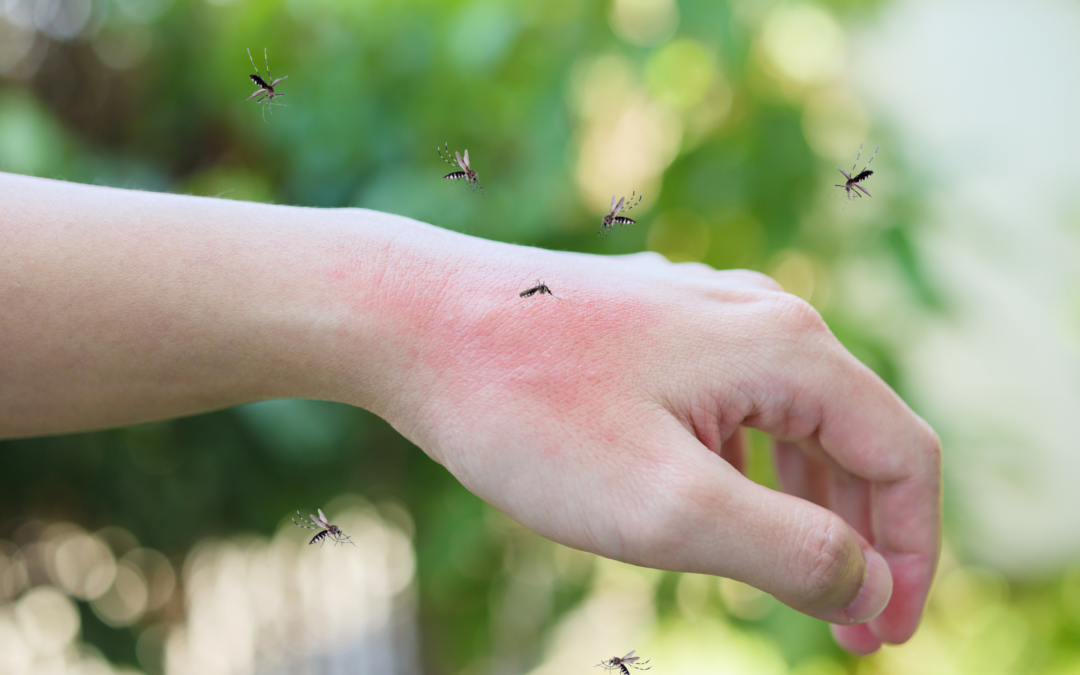
Mosquito bites are typically small, red, and itchy bumps on the skin. They often appear in clusters and can be easily mistaken for other insect bites. However, there are some distinguishing features of bites from mosquitoes that can help you identify them. They usually have a central puncture mark, where the mosquito has inserted its proboscis to draw blood. Additionally, they tend to itch more intensely compared to other insect bites.
Symptoms of Mosquito Bites
Aside from the characteristic red bumps and itching, bites from mosquitoes can sometimes cause more severe reactions in certain individuals. These symptoms may include swelling, soreness, and even blistering around the bite area. In rare cases, individuals may experience allergic reactions to mosquito saliva, leading to symptoms such as hives, difficulty breathing, and swelling of the face or throat. It’s essential to seek medical attention immediately if you experience severe allergic reactions to these bites.
Risks Associated with Mosquito Bites
Mosquito bites not only cause discomfort but also carry the risk of transmitting various diseases. In Georgia, mosquitoes can transmit diseases such as West Nile virus, Eastern equine encephalitis, and Zika virus. Additionally, pets are also susceptible to mosquito-borne illnesses, including heartworm disease in dogs. Mosquito control is crucial for protecting both humans and pets from these potentially harmful diseases.
How Long Do Mosquito Bites Last
The duration of insect bites can vary depending on individual factors such as skin sensitivity and immune response. In general, mosquito bites typically last for a few days to a week. However, the itching and discomfort can persist for longer periods in some cases. Proper treatment and care can help alleviate symptoms and speed up the healing process.
Treating Mosquito Bites
When it comes to treating bites from mosquitoes, there are several home remedies and over-the-counter options available. Calamine lotion or hydrocortisone cream can help reduce itching and inflammation. Applying a cold compress or ice pack to the affected area can also provide temporary relief. Additionally, antihistamines can help alleviate itching and discomfort caused by the bites. For severe reactions or signs of infection, it’s best to consult a healthcare professional for proper evaluation and treatment.
Preventing Mosquito Bites
Prevention is key when it comes to avoiding mosquito bites. Here are some effective strategies to minimize your risk of being bitten:
- Eliminate standing water: Mosquitoes breed in stagnant water, so it’s essential to eliminate any sources of standing water around your home, such as clogged gutters, flower pots, and bird baths.
- Use insect repellent: Apply EPA-approved insect repellents containing DEET, picaridin, or oil of lemon eucalyptus to exposed skin and clothing when spending time outdoors.
- Wear protective clothing: Cover exposed skin with long sleeves, pants, and socks to reduce the risk of mosquito bites.
- Install screens: Keep windows and doors screened to prevent mosquitoes from entering your home.
- Avoid peak mosquito activity: Mosquitoes are most active during dawn and dusk, so try to limit outdoor activities during these times if possible.
Mosquito bites are more than just a nuisance—they can pose serious health risks to humans and pets alike. By understanding how to identify, treat, and prevent them, you can enjoy the outdoors safely and comfortably. Remember to take proactive measures to control mosquitoes around your home and minimize your exposure to these pesky insects. If mosquito infestations persist despite your efforts, consider seeking professional assistance from a trusted mosquito control company to address the issue effectively. Stay informed, stay protected, and enjoy a bite-free summer in Georgia!
May 7, 2024 | DIY Pest Control, Florida Pest Control
House mice, roof rats, Norway rats, and other rodents seek our homes as a place for shelter to breed and search for an available food source to survive. These creatures are known to contaminate our environments and spread diseases such as plague, tularemia, and hantavirus. Rodents will often chew through insulation and electrical wiring, creating the risk of a fire. Placing do-it-yourself rodent-proofing measures throughout your home will protect your property and family from these pests.
Do-it-Yourself Rodent Proofing Tips
Rats and mice seek out food, water, and shelter in homes, so it’s important to eliminate these factors from your property to avoid an infestation. Let’s review our DIY rodent-proofing tips for your Florida property:
- Rodents can enter through the smallest opening, so inspect your home’s doors and windows for holes, gaps, and loose or broken seals, repairing where necessary.
- Remove any clutter from your home, including old newspapers, books, magazines, and cardboard boxes you don’t utilize anymore.
- Always keep your yard well-maintained by mowing on a regular basis, keeping shrubs and trees trimmed, and removing yard debris.
- If you store lumber or firewood, place it at least 20 feet from your home and elevated off the ground.
- Check for any excess moisture throughout your home; repair any leaky pipes and eliminate excess moisture in your crawlspace through crawlspace encapsulation.
If you’ve noticed signs of rodents or would like extra help with rodent-proofing, call a pest control company near you! Professionals will provide you with a free analysis and a recommended rodent control treatment and prevention plan!
May 2, 2024 | DIY Mosquito Control, Florida Mosquito Control
Dealing with mosquitoes is almost a year-round endeavor for Florida homeowners. Florida’s humid and hot weather is the perfect environment for these pesky insects to thrive. Unfortunately, we often deal with their itchy, irritating bites. So why do mosquitoes bite in the first place? And what are the best ways to prevent mosquitoes from biting us and taking over our yards? Let’s breakdown mosquito bites and easy do-it-yourself methods to prevent them.
Why do mosquitoes bite?
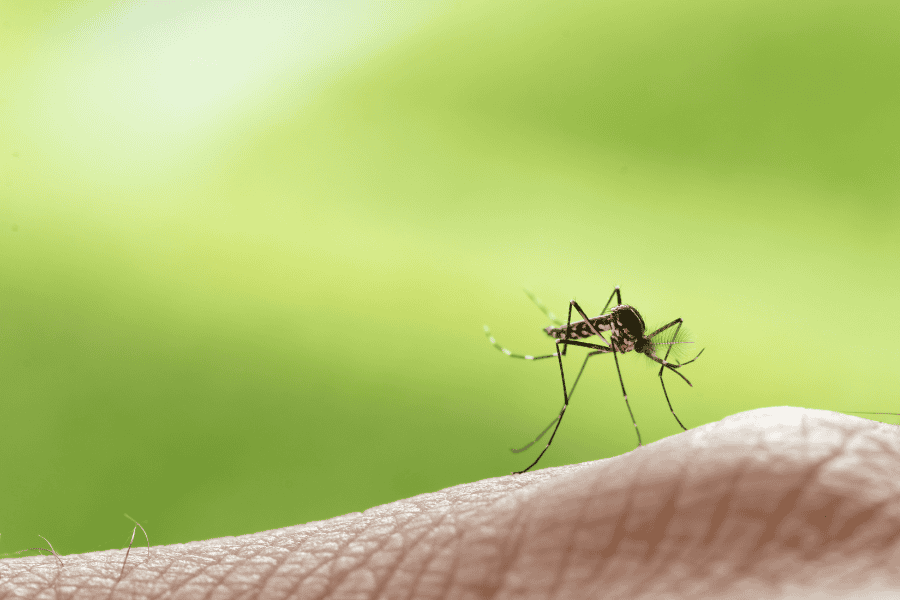
To obtain the protein to develop eggs, female mosquitoes will bite animals and humans. Female mosquitoes will locate a host by the carbon dioxide we exhale, heat, and even body odor. When a mosquito lands on your skin, it will use its proboscis or their long, needle-like mouthpart, to pierce your skin and suck your blood. While the mosquito is feeding, it will inject its saliva onto your skin, which can cause an allergic reaction and result in itchiness and swelling. Mosquitoes will bite and feed on blood until they have consumed enough and are full.
How can I avoid mosquito bites?
Depending on the person, mosquito bites can cause an allergic reaction and are also prone to spread disease, including the Zika virus, West Nile, and Encephalitis, so it’s important to take precautions before you go outside during peak mosquito season and maintain your yard to avoid their infestation. There are several do-it-yourself tips to prevent mosquito bites you can utilize:
- Use mosquito repellent: Apply mosquito repellent containing DEET to your skin before going outdoors during peak mosquito time; make sure to rub the repellent on your skin instead of only spraying it.
- Wear protective clothing: If you’ll be outside for a long period of time, consider wearing long-sleeved shirts and pants to cover your skin. Since mosquitoes are attracted to dark colors, consider wearing light-colored clothing instead.
- Use screens: Install screens on your windows and doors making sure they are in good repair during mosquito season.
- Remove standing water: Mosquitoes use standing water to survive and breed. Remove any items that could hold water, especially after a rainstorm, such as toys, buckets, pet bowls, tarps, old tires, and hollowed logs or stumps.
Eliminating and controlling mosquitoes can feel like an endless battle during Florida’s spring and summer months, even with preventative measures in place. But you don’t have to battle mosquitoes alone! Contact the nearest pest control company for a thorough inspection, effective mosquito control plan, and recommendations on preventing mosquitoes in the future!
Apr 26, 2024 | DIY Pest Control, Fire Ant
Fire ants, with their fiery stings and relentless mounds, can quickly turn your yard into a battleground. For Georgia homeowners, dealing with these aggressive pests is an ongoing challenge. However, with the right strategies and tools, you can regain control of your outdoor space and enjoy it without fear of fire ant attacks. In this guide, we’ll explore the signs of fire ants, the dangers they pose, what to do if you’re bitten, and most importantly, how to effectively eliminate them from your yard.
Signs of Fire Ants
Identifying a fire ant infestation is crucial for prompt action. Look out for telltale signs such as:
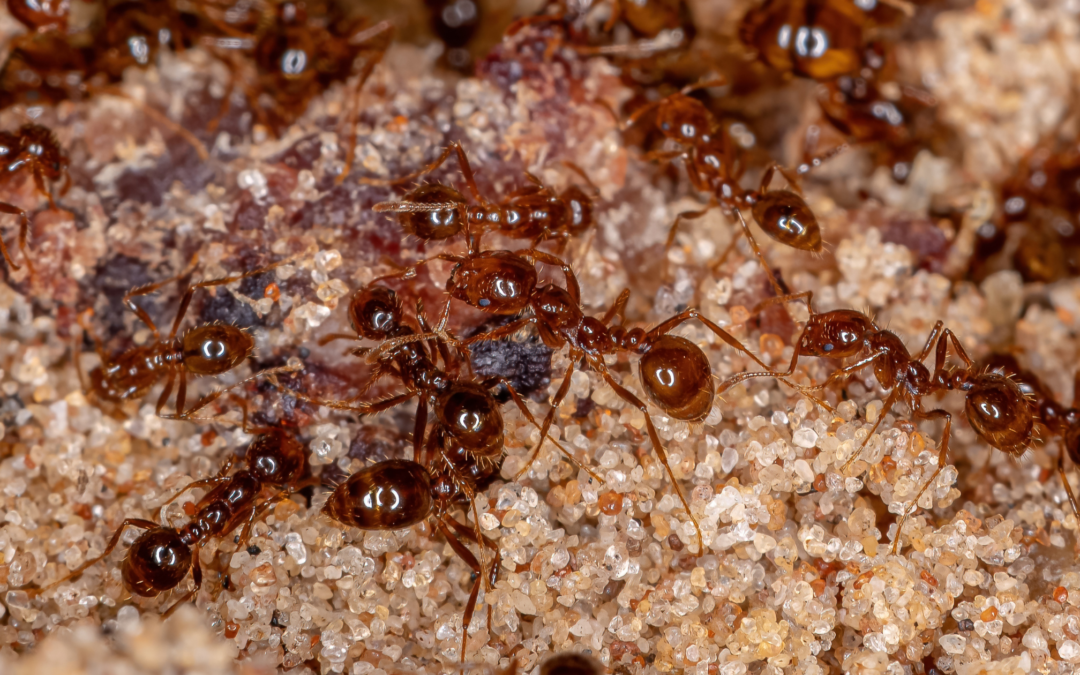
- Visible Mounds: Colonies construct dome-shaped mounds, typically found in sunny areas like lawns and open fields.
- Aggressive Behavior: If you disturb a mound, you’ll quickly notice the workers swarming out to defend their territory. Their aggressive nature is a clear indicator of their presence.
- Stings: Fire ant stings are painful and often leave behind itchy, red bumps. If you or your pets experience multiple stings while outdoors, it’s likely that these ants are nearby.
Dangers of Fire Ants
Beyond their painful stings, fire ants pose several risks:
- Health Concerns: Fire ant stings can cause severe allergic reactions in some individuals, leading to symptoms like difficulty breathing, swelling, and dizziness. Those allergic to bee stings should be particularly cautious.
- Damage to Property: Fire ant mounds can disrupt the aesthetics of your yard and damage landscaping equipment. Moreover, their tunneling activities can undermine the soil structure, affecting plant roots and potentially causing structural issues.
What to Do if Bitten by a Fire Ant
If you or someone else is stung by a fire ant, follow these steps:
- Stay Calm: Although painful, most stings are not life-threatening. Panicking can worsen the reaction.
- Wash the Area: Clean the sting site with soap and water to reduce the risk of infection.
- Apply Cold Compress: Use a cold compress or ice pack wrapped in a cloth to alleviate swelling and discomfort.
- Monitor for Allergic Reactions: If the individual shows signs of a severe allergic reaction, such as difficulty breathing or swelling of the face and throat, seek immediate medical attention.
How to Get Rid of Fire Ants in Your Yard
Effective fire ant control requires a multi-faceted approach. Here are some strategies to consider:
- Fire Ant Baits: Utilize bait products specifically designed for fire ant control. These baits contain slow-acting toxins that are carried back to the colony, effectively eliminating the queen and other ants.
- Broadcast Granular Insecticides: Apply granular insecticides across your yard to target mounds and foraging ants. Follow product instructions carefully to ensure safe and effective application.
- Direct Treatment of Mounds: For visible fire ant mounds, apply insecticidal dust or liquid directly into the mound entrance. This method provides fast-acting control and reduces the risk of colony relocation.
- Regular Inspections: Conduct routine inspections of your yard to identify new fire ant activity and treat it promptly before it becomes a widespread infestation.
- Landscaping Modifications: Make your yard less hospitable to fire ants by removing debris, keeping vegetation trimmed, and minimizing moisture sources.
Preventive Measures
Once you’ve eradicated fire ants from your yard, take steps to prevent future infestations:
- Maintain Good : Healthy, well-maintained lawns are less attractive to fire ants. Regular mowing, watering, and fertilizing can help deter their presence.
- Create Barrier Treatments: Apply residual insecticides around the perimeter of your property to create a protective barrier against invading fire ants.
- Monitor Imported Materials: Inspect any soil, plants, or landscaping materials before introducing them to your yard to avoid inadvertently introducing fire ant colonies.
In conclusion, controlling fire ants in your Georgia yard requires diligence and a combination of tactics. By identifying signs of infestation, understanding the dangers they pose, and implementing effective control measures, you can reclaim your outdoor space from these troublesome pests. For fast-acting and reliable fire ant control, trust the expertise of a professional pest control company near you to safeguard your home and family.