Apr 25, 2024 | DIY Pest Control, Florida Pest Control
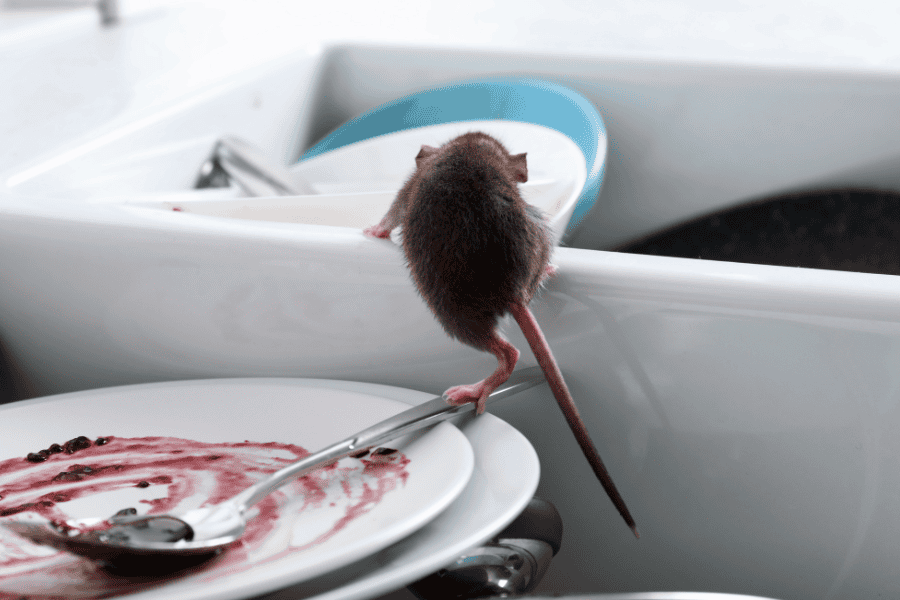
Rats are practically year-round creatures in Florida, seeking your home for a warm place to nest and find a food source. Once these rodents find their way inside your home, they will reproduce quickly, making it difficult to remove them. Here is what attracts rats to your home and easy prevention tips to avoid a future infestation!
What Attracts Rats To Your Home
Dirty & Cluttered Home
Rats are attracted to homes that are both dirty and cluttered. These wildlife creatures look for leftover food crumbs and spills for their food source. Likewise, rats tend to utilize piles of old newspapers or cardboard boxes to create a nest and hide out.
Easy Access Inside
Rats can enter homes through a gap or hole the size of a quarter! If any openings are found, they’ll use it to their advantage to make their way inside your home. You can often find these openings around your foundation, doors, and windows.
Cluttered Yard
Your yard is the first line of defense for avoiding rodents but there could be factors attracting them right onto your property. Leaf piles and deep mulch are the perfect materials for rats nesting sites. Likewise, dirty outdoor grills and open garbage cans can be an invitation for rats to scavenge and find a food source.
Available Water Source
Rats need water to survive and will look for any source available in and around your home. If there is a constant supply of water dripping from your pipes, that’s enough for rats to move into your home. Common areas where rats find water include leaky bathroom faucets, pipes in your basement, hose faucets, and even HVAC systems.
Access to Food
One of the biggest rat attractions is any available food source. Leftover crumbs, drink spills, and open food containers in your pantry will all attract rats into your home. Rats are not picky eaters and are attracted to all kinds of food, including meats, vegetables, fruit, and more.
Preventing Rats from Your Florida Home
Having a rat infestation can be alarming, not only because of the damage they can cause but also the diseases they can spread. One of the best ways to keep rats from entering your property is to place the preventative measures to deter them in the first place. Consider these tips and tricks to avoid rats:
- Empty your garbage on a regular basis and always use a tight-fitting lid or lock it.
- After each meal, make sure to clean up food crumbs and drink spills. Don’t forget to wipe your countertops and stovetops of food too.
- Avoid leaving dirty dishes in the sink overnight; instead, wash, dry, and put them away.
- Repair windows and doors, making sure there are no open gaps, holes, and loose or broken seals.
- If you have pets, consider storing their food in plastic containers with a lid instead of the bag it comes in; always bring in your outside pet food and water bowls at night.
- Check your exterior home for any cracks or gaps that rats could fit into, seal these openings as soon as possible.
- Reduce all standing water on your property by fixing leaky pipes and eliminating moisture in your crawlspace through encapsulation.
- Maintain your yard by keeping your grass mowed, trimming back shrubbery, and removing debris.
If you’ve noticed rodent activity at your property or would like to start rodent control now, it’s best to call a pest control company near you. These professionals can provide you with a thorough inspection, rodent identification, and a rodent treatment and removal plan based on your needs.

Apr 19, 2024 | DIY Wildlife Prevention, Wildlife
Georgia, with its lush greenery and thriving ecosystems, offers a haven for diverse wildlife. However, amidst this natural beauty, one tiny creature often wreaks havoc in yards and gardens – the mole. These subterranean mammals may seem innocuous, but their tunneling activities can cause significant damage to your landscape. In this guide, we’ll delve into what moles are, how to identify them, signs of their presence, the damage they can cause, and most importantly, effective methods for mole control.
Understanding Moles
Moles, small mammals belonging to the Talpidae family, are expert diggers equipped with powerful forelimbs and specialized claws for tunneling underground. Typically measuring around 5 to 8 inches in length, moles have velvety fur and small eyes, adapted for a life spent primarily underground. Contrary to popular belief, moles are not rodents but are more closely related to shrews.
Identifying Moles
Spotting moles in your yard might prove challenging due to their subterranean lifestyle. However, their telltale signs are often visible. Look out for raised ridges or mounds of soil resembling miniature volcanoes, which mark the entrance to their intricate tunnel systems. Additionally, you might notice surface tunnels or ridges created by their underground passages.
Signs of Moles in Your Yard
Aside from visual cues like mole mounds and surface tunnels, there are other signs indicating mole activity in your yard. Wilting plants or patches of dying grass may result from moles disrupting the root system while tunneling. Furthermore, the presence of grubs, earthworms, and other soil-dwelling insects in abundance might attract moles to your yard, as they constitute their primary food sources.
Damage Caused by Moles
While moles primarily feed on insects and earthworms, their tunneling activities can wreak havoc on your yard and garden. Besides uprooting plants and disrupting the root system, their tunnels can create air pockets in the soil, leading to water runoff and soil erosion. Additionally, mole tunnels can provide easy access for other pests like voles and mice, exacerbating the damage to your landscape.
Effective Mole Control Methods
When faced with a mole problem, it’s crucial to tackle the issue promptly to prevent further damage. Here are some effective mole control methods:
- Mole Repellents: Various repellents are available in the market, ranging from castor oil-based solutions to ultrasonic devices. While repellents may deter moles temporarily, their effectiveness can vary, and repeated applications may be necessary.
- Natural Predators: Introducing natural predators of moles, such as domestic cats or certain species of birds of prey, can help keep mole populations in check. However, relying solely on predators may not be sufficient for complete mole control.
- Mole Exclusion: Installing barriers like underground fencing or hardware cloth can prevent moles from accessing specific areas of your yard. However, this method requires careful planning and installation to be effective.
- Habitat Modification: Eliminating the factors that attract moles, such as excessive moisture or an abundance of grubs, can discourage their presence in your yard. Proper lawn care practices, including regular mowing and watering, can help create an environment less conducive to moles.
Choosing a Professional Mole Control Company
While DIY mole control methods can yield results, severe infestations may require professional intervention. When selecting a mole control company in Georgia, consider the following factors:
- Experience and Expertise: Look for a company with extensive experience in dealing with mole infestations and a proven track record of success.
- Licensed and Insured: Ensure that the company is licensed to operate in Georgia and carries adequate insurance to cover any damages or liabilities.
- Humane Practices: Opt for a company that employs humane methods for mole removal, prioritizing the safety and well-being of both humans and wildlife.
- Guarantee: Inquire about any guarantees or warranties offered by the company regarding their mole control services.
By enlisting the services of a reputable mole control company, you can effectively address the issue and safeguard your yard from further damage.
Moles, with their incessant tunneling and voracious appetite for insects, can pose a significant challenge to homeowners in Georgia. Identifying the signs of mole activity early on and implementing effective control measures are crucial for preserving the integrity of your yard and garden. Whether opting for DIY methods or seeking professional assistance, addressing a mole problem promptly is essential to minimize damage and restore your outdoor space to its former glory. With the right approach and persistence, you can bid farewell to these subterranean nuisances and reclaim your yard once more.
Remember, if you’re facing a mole problem that seems insurmountable, don’t hesitate to reach out to a trusted mole control company for assistance. With their expertise and specialized tools, they can help you eliminate moles and restore peace to your outdoor oasis.
Apr 18, 2024 | Good Deed Team
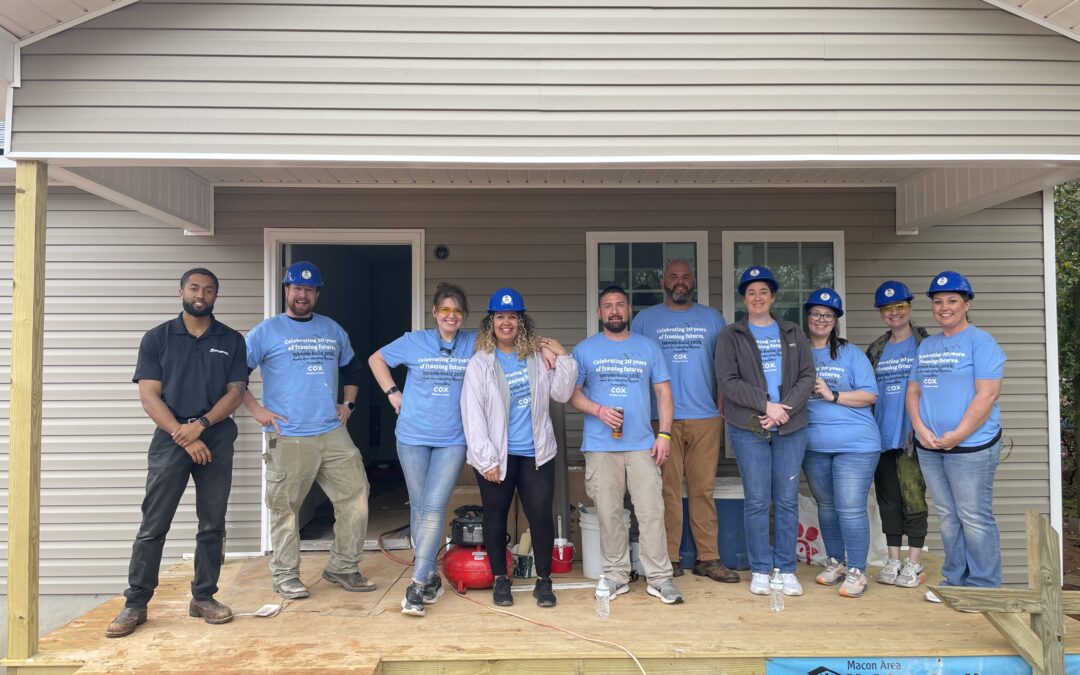
The Macon office recently participated in the Macon Area Women’s Build, which was graciously organized by our Macon Office Manager. This initiative brought together 12 dedicated volunteers from Region 4, including the Good Deed Team Ambassadors, to spend a day making a difference at a local house in Macon. From cutting and nailing trim to hanging doors and painting, our team poured their hearts and skills into improving the lives of others. It was truly a fulfilling experience, working side by side for such a noble cause.
Macon Habitat for Humanity has been making a profound impact since its inception in 1986, completing its first house by 1987. Over the years, through unwavering collaboration with the Macon community, they have served over 120 families, providing them with safe and decent housing. Their dedication to building not just houses, but homes, resonates deeply with our team’s values of community and compassion.
This year’s Women’s Build marked the event’s 20th anniversary, drawing together 11 groups and nearly 200 volunteers throughout the month-long event in March. Corporate teams of women and men from various industries joined forces with their local Habitat affiliates, including Macon Habitat for Humanity, to sponsor, build, and dedicate homes. It’s inspiring to see the collective effort and commitment to empowering families and strengthening communities through homeownership. We are proud to have been a part of this incredible milestone and look forward to continuing our support for such impactful initiatives.
Apr 18, 2024 | Good Deed Team
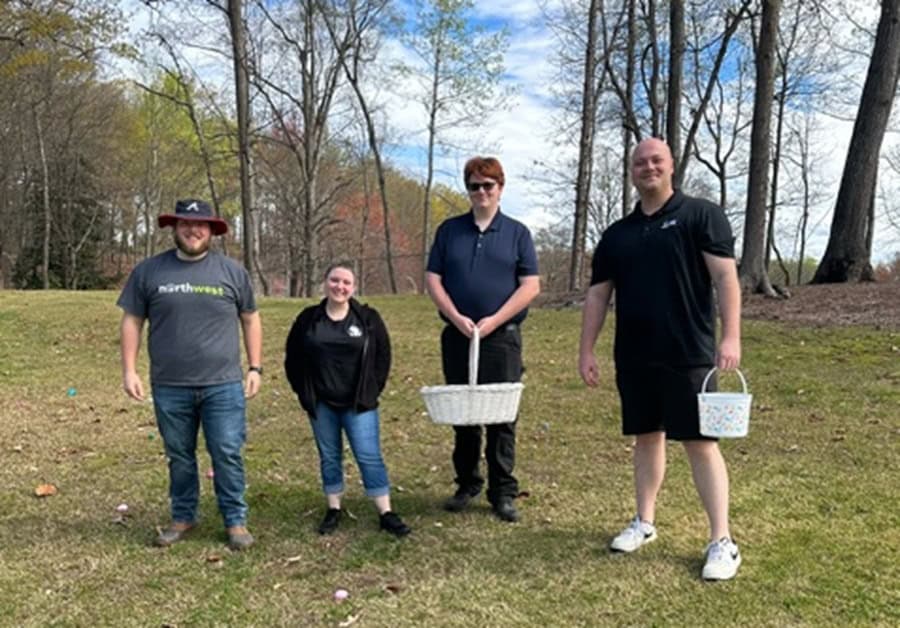
The spirit of service was alive in Buford as the Northwest Exterminating office rallied together to contribute to the Housing Authority’s annual Easter egg hunt. Four dedicated team members took time out of their schedules to make a meaningful impact and spent the day ensuring everything ran smoothly – from placing eggs strategically to distributing baskets and assisting with food and drinks for the residents.
Reflecting on our involvement, it’s evident how Service Standard #11 (Servant’s Heart) resonates with our team. We take pride in going above and beyond to support our local community in Buford. Contributing to events like the Easter egg hunt allows us to not only fulfill our duty as responsible citizens but also to make a tangible difference in the lives of those less fortunate.
Participating in events like this reinforces our belief in the power of community and collective action. The smiles on the children’s faces and the gratitude expressed by residents reaffirm that our efforts are worthwhile. Our team looks forward to continuing to serve and support our community!
Apr 18, 2024 | Good Deed Team
As we mark our fifth consecutive year of spearheading the Easter Basket Donation Drive for the Willett Children’s Hospital in Savannah, Georgia, we couldn’t be prouder of our team’s collective effort. Since the beginning, our yearly goal of collecting 75 Easter Baskets has consistently been surpassed, and this year was no exception. With overwhelming support, we completed a remarkable tally of 90 Easter baskets, along with 6 Nurse baskets, and over 500 Easter eggs, bringing joy to the hospital’s staff, patients, and families.
Since our inaugural drive in 2020, our commitment to making holidays special for those at the Willett Children’s Hospital has only grown stronger. Building on the success of previous years, our collaboration with the Family Life Coordinator, and the enthusiastic participation of Northwest branches across the southeast, have become integral to the annual Easter basket event. This milestone year is a testament to the enduring dedication of our team and the profound impact of community support.
The Memorial Health Dwaine & Cynthia Willett Children’s Hospital of Savannah stands as a beacon of hope for families across Southeast Georgia and South Carolina. Inaugurating their new facility in 2021 was a significant milestone, reflecting their unwavering commitment to providing specialized care tailored to children’s needs. As we continue our partnership with the hospital, we look forward to many more years of spreading joy and making a difference in the lives of those who need it most.
To learn more about the Children’s Hospital, visit here!