Sep 22, 2023 | Florida Pest Control
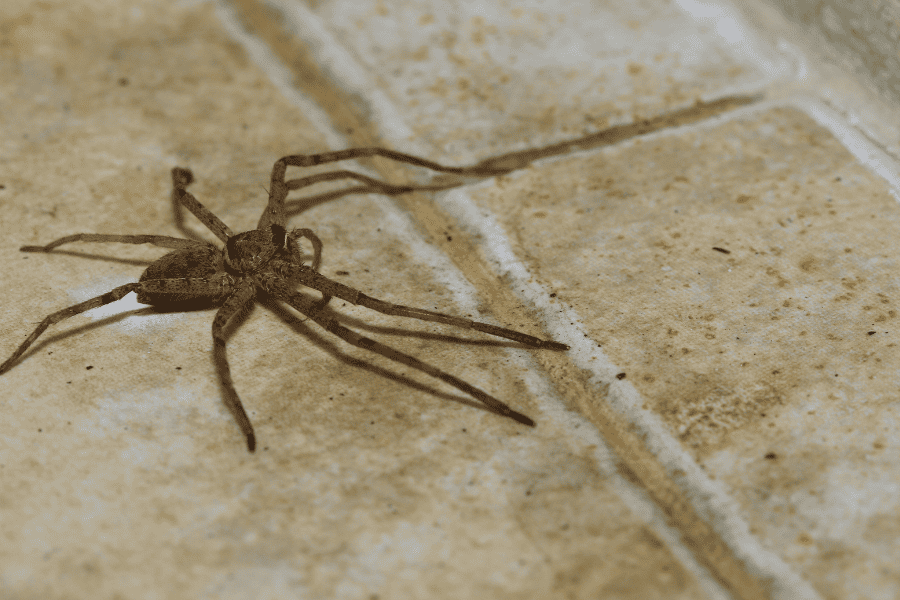
Florida homeowners know that the climate rarely changes in their state, typically staying well above 50 degrees year-round. With the warmer climate, pests tend to stick around year-long, sometimes invading our homes in the process! Spiders are a likely pest that homeowners might come across throughout the year. Check out the reason Florida spiders might be invading your home and how you can prevent them.
How Did Spiders Get into My Home?
Spiders thrive in Florida’s humid climate, which provides plenty of opportunities for several spider species to invade our homes! Spiders, such as wolf spiders, brown widows, and black widows are all common to our area. These pests are small and will sneak into the home through the smallest hole, gap, or through packages without being noticed. Spiders prefer to be secluded and hidden away from human activity, and they’ll often find dark areas in the home to habitat such as behind furniture, in basements, under dressers, and in attics.
How to Prevent Florida Spiders from Your Home
Taking precautions is the best way to ensure spiders don’t enter your home. Consider the following prevention tips to keep spiders away:
- Inspect your foundation for cracks and repair them as soon as possible
- Check your windows and doors throughout the year and repair any cracks or tears in screens
- Declutter throughout your home by throwing away cardboard boxes, old newspapers, and keeping clothes off the ground.
- Vacuum and dust frequently, especially in the rooms that are not often utilized
- Check items that are prone to be infested with spiders, including firewood, plants, boxes, decorations, and even pets
- Consider investing in a routine pest control plan to eliminate other pests and in return limits food sources for spiders, leaving them to search other places for a meal.
If you notice more spiders than you’re comfortable with on your property, reach out to your local pest control company for a free inspection!

Sep 15, 2023 | Florida Pest Control
One thing about Florida: pests love to live here! Warm, humid climates make our state the perfect oasis for both humans and pests. While it’s inevitable to come across them, there are ways to prevent them from invading your home. Read more on the types of Florida pests to be aware of and how you can prevent them from ruining your fun in the sun!
Ants:
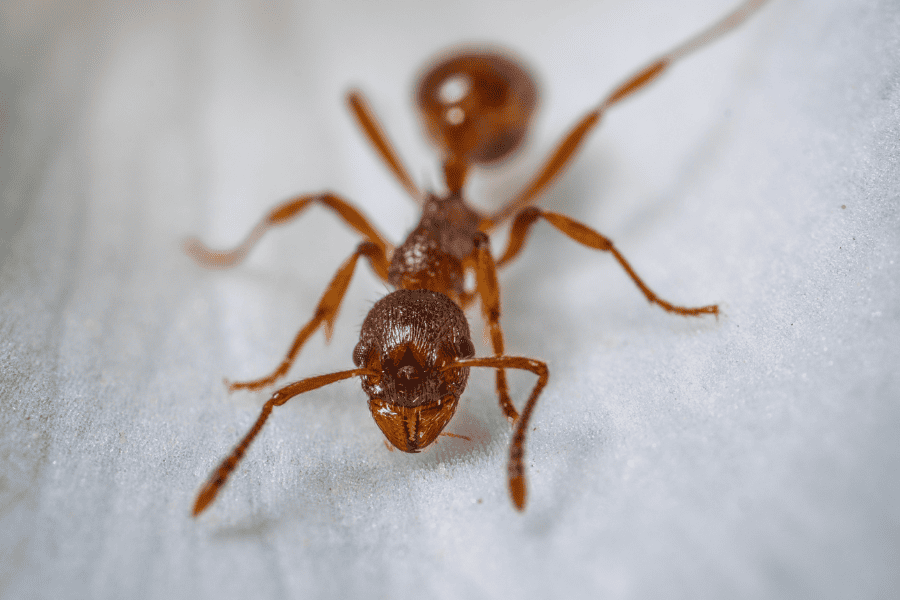
Small, pesky, and will sneak into your home unnoticed, ants can become a major problem if they find their way inside. There are several types of ants popular to our area, including fire ants, carpenter ants, Argentine ants, and more. These ants may have different characteristics, but they all are looking for a water and food source to survive. You will often find these pests in your bathroom, kitchen, basement, or even utility room. While ants can be harmless, they are known to bite which can lead to allergic reactions such as itching or swelling.
Prevent Ants:
- Seal any cracks or crevices around windows, doors, foundations, or exterior walls.
- Keep your plants and shrubbery trimmed and away from your home.
- Ensure your kitchen is free of crumbs and spills by cleaning up after each meal.
Cockroaches
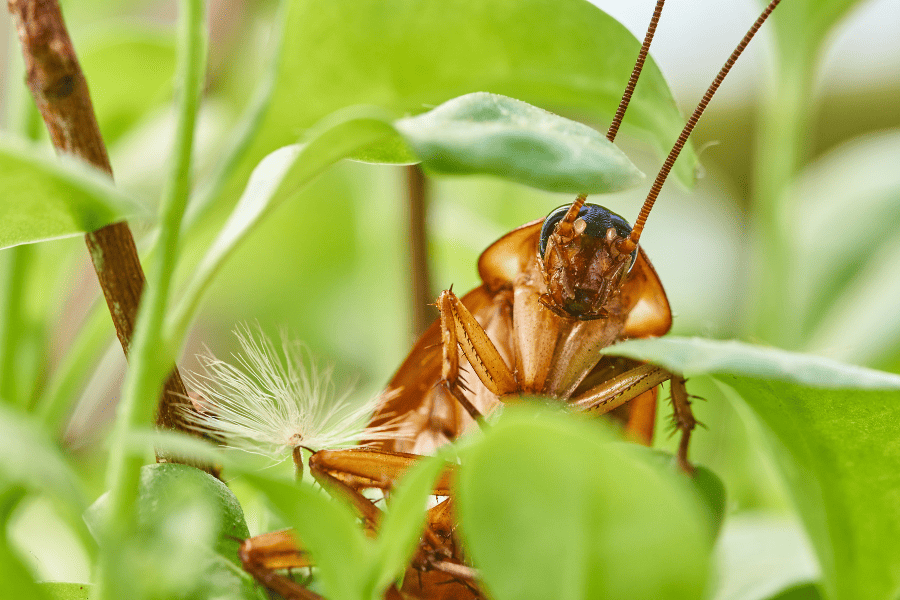
Seeing a cockroach in your home is always alarming! Roaches, including the American roach, German roach, and brown-banded roach prefer to live in places such as sewers, trashcans, basements, and bathrooms, to seek food, shelter, and water for survival. Once these pests invade, it can be hard to remove them as they can multiple quickly. Roaches also carry bacteria on their bodies and feet and will spread unwanted germs when they walk across surfaces. They’re also known to trigger allergic reactions and asthma attacks.
Prevent Cockroaches:
- After each meal, mop up any spills, clean up any leftover crumbs, and throw away your trash in a trashcan with a tightly sealed lid.
- Keep rooms in your home decluttered and maintain a regular dusting schedule.
- When eliminate moisture by regularly checking for leaks or standing water around your home, fixing them if needed.
Ticks
Ticks can not only harm humans but can also be harmful to our pets. These pests are extremely small and will latch and feed onto the blood of animals and humans. They can often be found in wooded or grassy areas, transmitting diseases such as Lyme disease and Rocky Mountain fever. If you’ve been outside for a long period of time, you can often find them on your face, legs, armpits, belly, and in-between toes!
Prevent Ticks:
- Mow your lawn often to keep your grass short
- Remove brush and debris from your lawn
- Keep your yard dry and sunny, as ticks prefer moist and shaded areas
Termites
Dealing with a termite infestation at your home can be devasting, as they can cost thousands of dollars in repairs. There are two common termites in Florida: drywood termites and subterranean termites. Drywood termites prefer to live and nest in wooden structures or dry wood and do not need a water source. Signs of drywood termites include spotting their frass, which appear like sawdust, and located in piles near the infestation area. Subterranean termites need a water source and build their nest underground to obtain it. Signs that indicate a subterranean termite infestation include seeing their mud tubes along a home’s foundation or floor.
Prevent Termites:
- Eliminate moisture problems from your property to avoid a subterranean termite infestation by fixing leaky pipes and ensuring your home has proper drainage around its foundation.
- Be cautious of soil-to-structure contact to avoid subterranean termites from entering your home.
- Keep any firewood stored at least 20 feet from your property and elevated off the ground to avoid drywood termites.
- Regularly inspect your deck or patio for signs of drywood termite damage.
If you notice an influx of the pests listed above, consider reaching out to your local pest control company for help! These professionals will also provide you with free inspection and a treatment and prevention plan customized for your home.
Sep 8, 2023 | Florida Pest Control
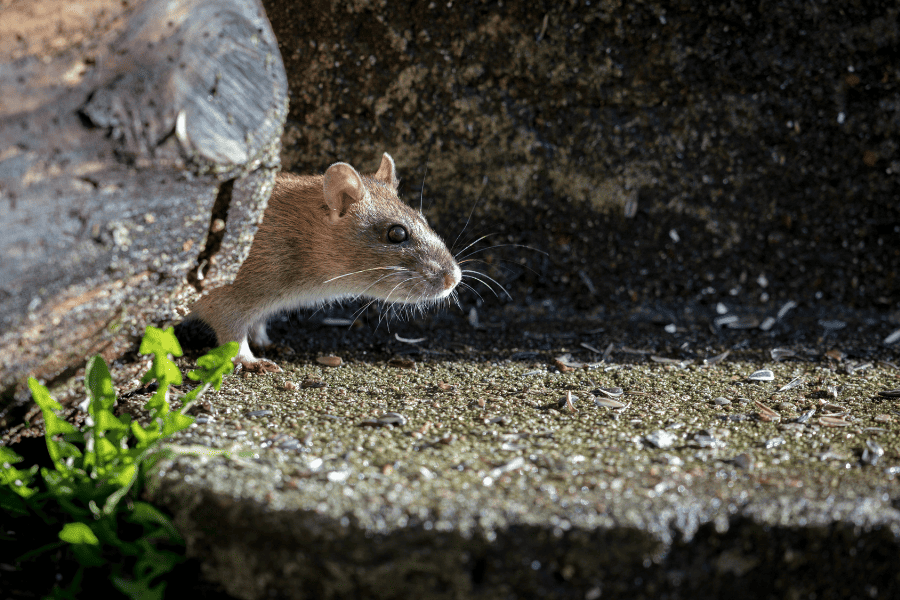
Rodents, like mice and rats, are searching for a place to call home and often look towards our Florida home for it. Once inside our homes, these critters can cause severe damage and be a health risk to our homes and families. Destroyed insulation, left behind droppings, and chewed electrical wires, are signs of rodent infestations. We list popular south Florida rodents to look at for and a few ways you can avoid these creatures from invading your home. Check them out below!
South Florida Rodents
- House Mouse: These creatures will eat any food to survive but tend to feed on cereal grains. If this rodent finds a food source, it will typically stay in that area for more, usually establishing a territory of 30 to 50 feet from it. These creatures are also known to create electrical fires by gnawing on wires.
- Roof Rat: These rodents are excellent climbers, preferring to stay in higher places like our attics. Roof rats eat fruits, vegetables, and cereal products. If they have found a food source, they typically return to the same place for more.
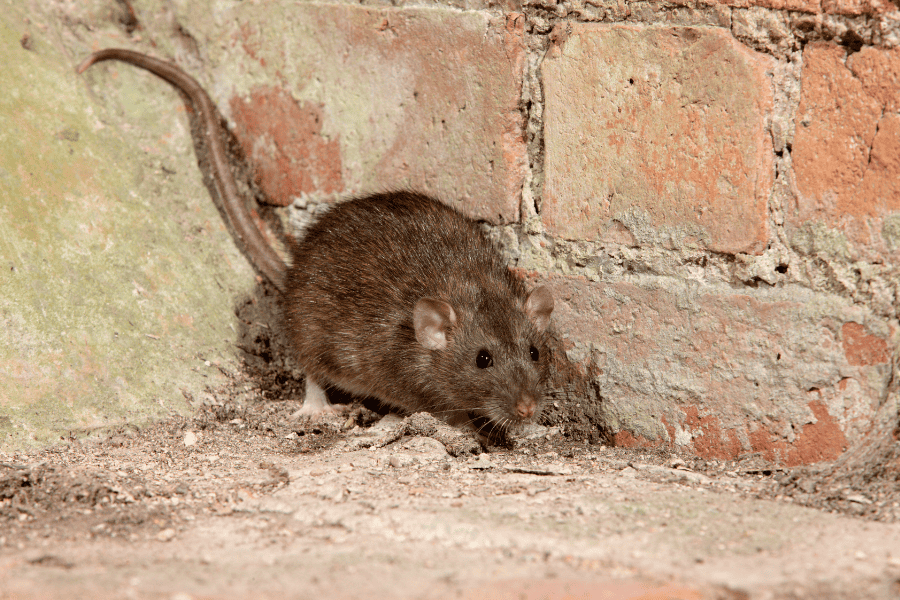
- Norway Rats: These rats are known to create their nests underneath buildings, crawlspaces, and basements. Norway rats do need water to survive, often looking for standing water and will look for standing water in our yards and homes, often bringing with them fleas and mites!
Rodent Prevention Tips
- Place a Lid on Your Trash: Consider utilizing metal trashcans with a tightly fitting lid. If you must use a plastic trashcan, check it has no holes in it.
- Store Your Pet Food: Look to store pet and bird food in glass or metal containers with tight lids. Remember to bring your pet food inside at night and store it until the morning. If you have fruit trees, make sure to pick them up if they’ve fallen on the ground.
- Store Items Properly: Rodents will eat lawn seed, tulip bulbs, bone meal, and other items used in gardening, so it’s important to store them in containers with lids. Likewise, store your firewood at least 20 feet away from your home. In your garage, place storage boxes off the ground to help eliminate nesting places.
- Tidy the Kitchen: Rodents are attracted to any leftover food, making it crucial to clean up any food crumbs or spills after each meal. Additionally, keep your pantry food stored in tightly sealed containers.
- Keep a Well-Maintained Yard: Inspect the inside and outside of your home for any gaps or openings, sealing them as soon as possible. Always ensure that your gutters are clear of debris and standing water. Keep screens on windows and doors, making sure they are in good repair and replaced when needed.
- Consider Professional Help: Once rodents infest, they can multiply, making it difficult to remove them! If you suspect that you have a rodent problem, it could be best to reach out to your local wildlife removal company for help. These professionals will evaluate your home, provide you with a comprehensive treatment plan, and safely remove these critters from your home.
Aug 28, 2023 | Florida Pest Control
After a rainstorm, the last thing we want to deal with in our Florida homes is an influx of pests. Unfortunately, prolonged periods of heavy rains can cause certain pests to emerge, seek shelter, and cause damage to your home. To prevent pests after rain, it’s important to understand the prevention measures to put in place.
Prepare Before the Storm
If reports of a potential rainstorm or hurricane emerge, look to inspect the exterior and interior of your home to help identify any issues that could lead to a pest infestation. Look for any cracks, crevices, holes, or gaps throughout your home, and seal them up with a silicone-based caulk as soon as possible. Likewise, ensure that your downspouts are diverted away from the foundation rather than towards it. Look to place both your garbage and any mulch away from your home too.
Remove Standing Water
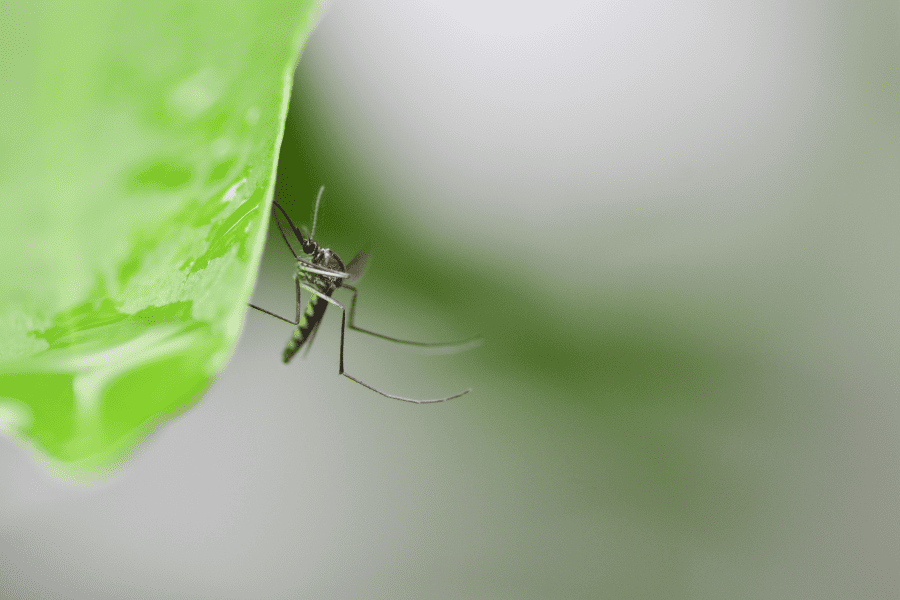
After a storm, your property could see plenty of standing water throughout. Unfortunately, pests like mosquitoes and roaches seek out excess moisture for survival. Look to remove all standing water from your property to avoid an influx of pests. Remove items holding water, such as buckets, old tires, tarps, etc. Likewise, clear out debris and leaves from your gutters.
Remove Spoiled Food
With storms comes the chance that power outages may occur. If these outages last for a while, your stored food could go bad. Pests, like flies and rodents, seek out rotten food to eat, making it crucial to remove it as soon as possible. Deposit any food that’s gone bad in a sealed trash bag outside of the house. Likewise, ensure that any discarded food outside is also picked up and thrown away.
Identify Water Damage
Rotting wood caused by water damage can attract destructive pests like termites, who will chew wood from the inside out. If these pests infest, they can cost millions of dollars in repairs. After a storm, inspect your home for any water damage that may have occurred. Remove any rotting debris, fix damaged pipes, and fill areas in your yard where water has pooled with dirt.
Inspect for Openings or Holes
High winds and rain result in damage to our homes. Any openings that lead inside your home are an open invitation to larger pests such as rats, mice, raccoons, and squirrels to seek shelter. It’s important to inspect these areas after a storm has occurred. Damaged roofing, siding, and soffits can provide entry points inside the home. If you see any openings, look to seal them with caulk or steel wool.
Call a Professional
If you notice more pests than you can handle after a storm, it’s best to reach out to your local pest control company. These professionals will inspect your property, identify the type of pest that’s infested, and recommend the best treatment and prevention plan.
Aug 21, 2023 | Florida Pest Control
Highly adaptable pests, cockroaches will find their way inside homes and quickly begin to multiply! Once they’ve infested in numbers, it can be difficult to control them. Understanding the factors that attract these pests into homes is your first step to preventing them! Check out our guide to preventing roaches from infesting your Florida home.
Types of Roaches in South Florida
There are several types of roaches homeowners should understand to properly prevent them. Here are some common roaches that you could come across at your home:
- American Cockroach: One of the largest cockroaches, these pests are reddish-brown with a yellow figure-eight pattern on the back of their heads. They prefer to live in dark, secluded areas such as basements or sewers.
- Brown-Banded Cockroach: Receiving their name from the light brown bands across their wings, brown-banded roaches prefer warmer, higher locations in a room, including in cabinets and behind picture frames. They can typically hide their egg cases in or underneath furniture.
- German Cockroach: Preferring warmer and humid spaces, German roaches will gravitate towards rooms where humans eat, such as kitchens. They can be identified by their light brown body with two dark brown stripes on their back.
- Oriental Cockroach: These roaches are considered to be one of the dirtiest roaches due to the strong odor they produce. You can identify them by their dark reddish-brown to shiny black color. They are often found in sewers, entering homes through drains and door thresholds.
Remove Food Sources
Roaches prefer to eat sugar, carbs, and protein but will eat about anything they can find. Regularly clean up any leftover food, spills, or crumbs on tables, countertops, and appliances, especially after cooking or eating a meal. After a grocery trip or storing leftovers, look to place your food in airtight containers. Likewise, rinse out cans, bottles, or jugs, before throwing them out in your garbage can. Finally, empty your garbage on a regular basis, placing it outside in trash cans with lids.
Remove Water Sources
Did you know that roaches are able to survive without water for 2 weeks? It’s true! Despite this, they still seek out water as much as they can and will enter homes if they’ve found it. It’s important to remove any standing water inside or outside of your home. Look to remove water near drains and sinks, particularly overnight. Your crawlspace and basement can create excess moisture; consider utilizing a dehumidifier or installing a moisture barrier or crawlspace enclosure to help.
Remove Shelter
Roaches love clutter, making it essential to remove any unnecessary items from your home, garage, and attic. Get rid of any old cardboard boxes, newspapers, and magazines. Likewise, vacuum and dust periodically and consider painting or varnishing your wood shelves to seal cracks and crevices where roaches tend to hide. Check your interior walls, skirting, electrical outlets, baseboards, sinks, and cabinets for any gaps or openings, sealing them as soon as possible. Inspect that your windows and doors are sealed and consider utilizing weatherstripping.
Prevention is a great way to keep cockroaches away, but if the issue becomes more than you can handle, it’s always best to call your local pest control company for help. These professionals will be able to identify the infested roach and provide you with a treatment and prevention plan.
Jul 25, 2023 | Florida Pest Control
Common to the Florida area, rodents can cause significant damage to our homes by chewing on wires, destroying insulation, and contaminating our living areas. There are several types of rodents in Florida that homeowners should be aware of to properly prevent them from invading. Check out our list of common rodents and how to prevent them from invading your home.
Types of Rodents in Florida:
- Norway Rats: Norway rats have brown fur and can grow up to 10 inches long! They typically live in burrows and will enter homes through gaps in the foundation or holes in walls.
- Roof Rats: Roof rats are smaller than Norway rats and can be typically found in the upper parts of buildings, such as attics, roofs, and trees. You can tell them apart from other rats as they have longer tails and are gray or black.
- House Mice: House mice are small and can fit through very small openings. You’ll typically find these mice in kitchens and they are often identified by their droppings, which are small and black.
- Squirrels: Cute but not so cuddly, squirrels are known to invade our yards and attics! Once inside, these wildlife creatures can cause significant damage to homes by chewing on wires and insulation.
Preventing Rodents from Invading Homes:
- Seal Entry Points: Check for any gaps or holes in your home’s foundation, walls, and roof, and seal them to prevent rodents from entering.
- Keep Your Home Clean: Keep your home clean and free of food debris. This will make it less attractive to rodents. After each meal, make sure to wipe up any leftover crumbs or spills as soon as possible.
- Store Food Properly: Look to store your food in sealed containers with a tight lid. This will make it more difficult for rodents to access.
- Trim Trees and Shrubs: Trim any trees or shrubs that are close to your home and roofline, as they can provide a pathway for rodents to enter.
- Reduce Moisture: Check for sources of moisture throughout your home, as rodents are attracted to water. Consider utilizing a dehumidifier in your basement and enclosing your crawlspace.
If you suspect that any of these common rodents have invaded your home, it’s best to reach out to your local pest control company for help. These expert professionals will be able to remove, exclude, and prevent them in the future!
Jul 21, 2023 | Florida Pest Control
Bed bugs are tiny, invasive pests that can easily hitchhike a ride with you after traveling and infest your home. Bed bugs are notoriously difficult to get rid of once they’ve made themselves at home in your furniture, bedding, and even carpet. To avoid the headache and expense of a bed bug infestation, consider following these tips to prevent them after you’ve come home from traveling.
Inspect Your Luggage and Clothes
Upon your hotel arrival, consider inspecting your hotel for bed bugs and checking the bed bug registry before booking a room. After your stay, when packing up and leaving your hotel room, do a thorough inspection of all your items, including luggage, bags, and clothing you’ve traveled with. Check for any signs of bed bugs, such as live bugs, shed skins, and brown stains on the mattress or bedding. Pay close attention to the seams of your luggage, as bed bugs often hide in small crevices. If you find any evidence of bugs, throw out your luggage and purchase a new one or seal it in a plastic bag until you can properly treat it.
Wash Your Clothes and Bedding
As soon as you get home from your trip, inspect and unpack your clothes outside instead of inside your home. After unpacking, wash all your clothes and bedding in hot water as soon as possible. Bed bugs cannot survive in temperatures above 120°F, so washing and drying your items in the hottest setting is one of the best ways to kill any hitchhiking bugs. If you cannot wash an item in hot water, seal it in a plastic bag and place it in the freezer for a few days to kill any bugs that could be hiding inside.
Inspect Your Home
After unpacking and washing your clothes, it’s still important to inspect your home after a trip. Inspect the areas where you often store your luggage and clothing, such as closets, dressers, and bedside tables. Check for any signs of bed bugs.
Be Vigilant
Even if you take these precautions, bed bugs can still find their way into your home. Be vigilant and watch for any signs of bed bugs, such as bites on your skin, live bugs, or small bloodstains on your bedding. If you suspect that you have a bed bug infestation, it’s best to call your local pest control company for help. These bed bug experts will be able to provide you with a thorough inspection and a treatment and prevention plan.
Jun 30, 2023 | Florida Pest Control
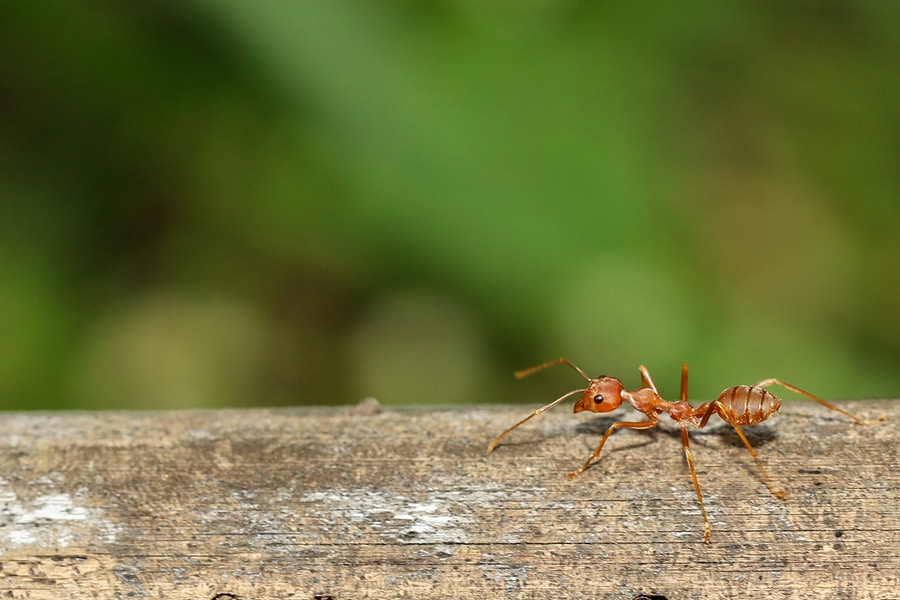
Once they’ve infested your yard, it can be difficult to get rid of ant infestations. These pests are extremely invasive and will search our yards and inside our homes for a place to nest and for a food source. Once ants take over your yard, it’s likely they will enter your home, sometimes without us even knowing. Check out the common ways to prevent ants in your Florida yard.
Clean Up Debris
Keeping your yard well-maintained is crucial in preventing ants from taking over your yard. Make sure you regularly mow your grass and trim back plants and shrubbery away from the home. Likewise, ensure that leaves and debris are picked up, especially after a storm. Get rid of rotten tree stumps or logs, as ants will build their nests in them.
Utilize Natural Remedies
Did you know there are certain smells that will deter ants away? It’s true! Ants dislike scents such as peppermint, vinegar, and citrus. Consider using these scents to deter them away from your yard and home by placing cotton balls soaked in the scent around the perimeter of your property.
Remove Food Sources
Ants are looking for water and food sources to survive, making it crucial to remove them. While many of us leave our pet’s food bowls outdoors during the warmer months, it’s important to remove them at night, as they will attract not only ants but other creatures such as rats and mice. Likewise, remove any standing water from your property, including fixing leaky pipes, removing buckets holding water, and unclogging gutters.
Eliminate Points of Entry
To ensure ants will not enter your home, it’s important to identify and eliminate any entry points they could enter in from. Inspect the exterior of your home and seal any holes, gaps, and cracks you find. Don’t forget to check the areas around pipes and wires as well. Likewise, check your windows and doors for any openings and consider utilizing screens and weatherstripping.
Eliminating ants can seem like a daunting task, but it doesn’t have to be. Consider reaching out to your local pest control company which can help identify the type of ant, provide you with a treatment plan, and set you up with a prevention plan to avoid a future infestation.
Jun 23, 2023 | Florida Pest Control
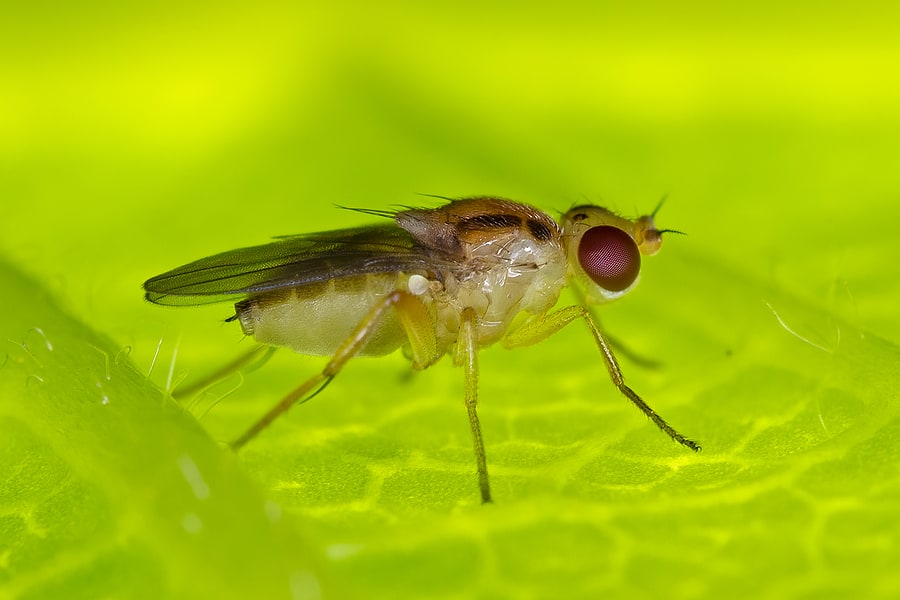
Once flies get inside your home, they not only become a major nuisance, but they can also be difficult to eliminate. While flies can look very similar at first glance, there are different types, each with their own set of characteristics. It’s important for every homeowner to understand their difference to properly prevent them from invading their home! Check out the common flies you can encounter in Florida and tips on preventing them!
Drain Flies
Commonly found in kitchens or bathrooms, drain flies look like fuzzy moths. They thrive in dark and damp environments, such as floor and sink drains. You can tell these flies apart from others as they are light gray or tan in color and have a dark border around their wings. While these flies don’t bite, their presence can trigger asthma in some people.
Fruit Flies
One of the most common flies known to invade our kitchens is fruit flies. These flies are known to rapidly produce and will breed in dark, moist areas of your home, including drains, garbage disposals, and trashcans. These flies can lay around 500 eggs that hatch in as little as 24 hours! These pests are attracted to and will eat rotting food and usually prefer fruits and vegetables. While these flies won’t sting or bite humans, they will contaminate foods with bacteria and disease-causing pathogens.
Horseflies
Horseflies can often be found near bodies of water they utilize for breeding, both in suburban and rural areas. Horseflies are most active during the hotter days of the year and typically rest on paths and roads in wooded areas. Female horseflies can be a risk to our health as they are known to have a painful bite with their mouthparts utilized for cutting open flesh instead of sucking blood. Their bites are also known to cause allergic reactions too.
How to Prevent Flies from Your Florida Home
- Clean up spills and leftover food crumbs as soon as possible
- Frequently sweep, mop, and vacuum your home.
- Store your food in tightly sealed containers, including your pet food.
- Don’t leave your pet bowls outside and clean up any pet waste in your yard.
- If you are going to open your windows to enjoy the fresh air, make sure to use screens to keep flies from entering.
If you’ve noticed more flies around your property than usual, it could be time to reach out to your local pest control company for help. These pest professionals will be able to find a fly prevention method that works best for your home.