Jul 25, 2012 | Pest Control, Wildlife
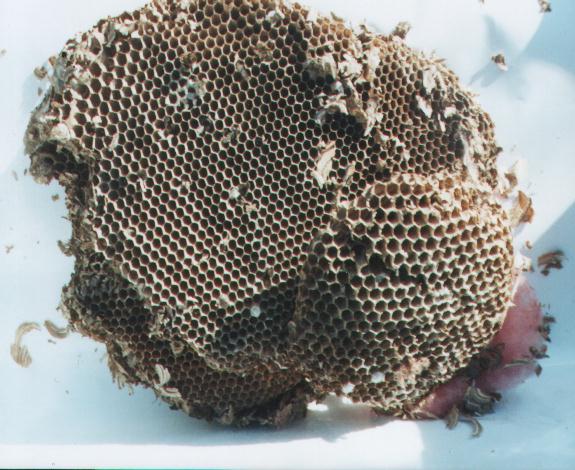
A wasp sting can potentially be very dangerous to those in your home, including yourself, your children, and even your pets. If allergic, a sting can cause severe complications, and even death. Even for those that aren’t allergic, a wasp sting is painful and can cause itchiness and infection at the site of the sting.
Needless to say, if there is a wasp nest around your home it is very important that you get rid of it. Since nests are usually home to a colony of wasps they can be dangerous to try to remove by yourself. We suggest calling a professional exterminating company, like Northwest Exterminating, to remove the wasp for you, especially if you have an allergy to stings.
You can purchase a can of wasp remover at your local hardware store. For best results and safety, read and follow all directions on the label. Most labels will tell you that nighttime is the best time to treat because the wasps will either be inside the nest or on the nest. Make sure that you have an “exit” plan for when the wasps come out of their nest. You don’t want to have to run through their swarm to get back inside your home. Wearing protective clothing (long sleeves and pants, gloves, hat, safety goggles, and mask) spray directly into the nest. Once you have sprayed for the amount of time suggested on the can, leave the area immediately. Most products will advise you to wait a specified amount of time before visiting the area of the nest. Once activity around the nest has seized, knock down the nest and dispose of the nest in a covered trash can outside of the home.
We strongly recommend that you contact Northwest Exterminating, or your professional exterminating company, to remove a wasp nest if you:
- Feel uncomfortable to do it yourself
- If the nest is large or there is a large amount of wasps around the nest
- If you or anyone in your home is allergic to stings
Where is the strangest place you’ve seen a wasp nest around your home?
Jul 19, 2012 | Pest Control
Fruit flies are a nuisance in homes! That’s the bottom line! They seem to come out of nowhere and are extremely hard to get rid of. But the truth is, they don’t come out of nowhere…they come from up to miles away when they have smelled the scent of ripening fruit and vegetables. Because they are so small they are able to fit through even the tiniest of openings to get inside your home and to the fermenting fruit.
“Well that’s easy enough”, you say, “just throw away the fruit once you’ve seen fruit flies”…it’s not that easy. Fruit flies are fast reproducers! Fruit flies can lay up to 500 eggs at a time and their entire life cycle only takes 8-10 days. This makes them difficult to control once they have infested your home. It’s not just the fruit they are after, they can also lay their eggs in sink drains, garbage disposals, empty bottles and cans, garbage bags, and even damp mops and sponges.
Getting rid of fruit flies is difficult but it’s not impossible. By following some simple steps you can rid your home of fruit flies and ensure that they don’t return.
How to get rid of fruit flies:
- The first step is to remove the sources of attraction like fruits and vegetables.
- Remove breeding sources by throwing away old sponges and mops, and cleaning out dish drains.
- Store fruits and vegetables in the refrigerator rather than on the counter tops.
- Wipe down sides and bottom of trash cans for any debris that may have spilled over.
- For smaller infestations you can choose to try a DIY approach to eliminating fruit flies. Using a glass of some sort (jar or wine bottle) put a slice of banana or apple cider vinegar at the bottom of the glass and stick a paper funnel out of the top of the glass. The flies will enter the glass in search of the food source but will be unable to get out. After a few hours, seal the glass and throw away…the fruit flies should be gone.
- When DIY tricks don’t work…call the experts at Northwest Exterminating. A professional pest control company will be able to target the living fruit flies as well as the eggs. They will help you find the source of your problem and help you to control the issue.
Jul 17, 2012 | Fire Ant, Mosquito, Pest Control, Termite Control, Wildlife

Community managers, property managers, and homeowners associations are in place in communities to enforce bylaws, maintain safety, maintenance and upkeep, and the general property value of a community. This is no easy task. The management teams above have their work cut out for them. It can difficult to deal with so many different trades in order to maintain a community. But with Northwest Exterminating, community managers can check pest and termite needs off of their list of worries.
Northwest Exterminating has a team in place that specializes in the pest and termite needs of management companies. Our Community Management Services Team is familiar with the demands of management companies and is in place to assist them with: termite control, pest control, mosquito control, wildlife control, fire ant control, and carpenter bee control. We provide pest and termite services for single-family detached housing, multi-unit housing, clubhouse, amenity buildings, and condominiums.
With professional representatives, ongoing training of staff, convenient billing, repair warranties, multiple locations throughout Georgia and Tennessee, and over 60 years of experience, Northwest is community manager’s choice for pest control.
For more information on how Northwest Exterminating’s Community Management Services team can help you, visit us online or call us at 888.466.7849.
Jul 17, 2012 | Fire Ant, Mosquito, Pest Control, Termite Control, Wildlife
Community managers, property managers, and homeowners associations are in place in communities to enforce bylaws, maintain safety, maintenance and upkeep, and the general property value of a community. This is no easy task. The management teams above have their work cut out for them. It can difficult to deal with so many different trades in order to maintain a community. But with Northwest Exterminating, community managers can check pest and termite needs off of their list of worries.
Northwest Exterminating has a team in place that specializes in the pest and termite needs of management companies. Our Community Management Services Team is familiar with the demands of management companies and is in place to assist them with: termite control, pest control, mosquito control, wildlife control, fire ant control, and carpenter bee control. We provide pest and termite services for single-family detached housing, multi-unit housing, clubhouse, amenity buildings, and condominiums.
With professional representatives, ongoing training of staff, convenient billing, repair warranties, multiple locations throughout Georgia and Tennessee, and over 60 years of experience, Northwest is community manager’s choice for pest control.
For more information on how Northwest Exterminating’s Community Management Services team can help you, visit us online or call us at 888.466.7849.
Jul 9, 2012 | Pest Control
The NPMA recently released the results of a survey that listed the Top 5 Pests of the Summer for homeowners. The results are not too surprising to us here at Northwest Exterminating.
- Mosquitoes
- Ants
- Ticks
- Wasps & hornets
- Spiders
Along with being an annoyance, these pests can cause health and sanitary issues for homeowners and their families. Stings, bites, and disease are all risks that come with such pests. Luckily, with good housekeeping and an exterminator that you can trust, you can rest easy.
The NPMA has offered tips to avoid these pests throughout the summer:
- Clean out all parts of your kitchen where food products are stored to ensure that there are no crumbs or spills. Keep foods like cereal, crackers and cookies in sealed containers. This eliminates the food supply that attracts ants, mice, and cockroaches.
- Dust and vacuum regularly to prevent cobwebs and the spiders that weave them.
CLICK HERE to view the rest of the tips to avoid these summer pests.
Do you agree with the Top 5 pest results?
Jul 6, 2012 | Fire Ant, Pest Control, Wildlife
People love a good myth. These narratives contribute bright symbolism of interactions between higher powers, people, and nature. They assist in many relevant functions as well as further adding colorful stories. One valuable role of myths is to illustrate some angle of life.
Several myths describe the beginnings, morphology, and conduct of various insects. Here are just a few:
The origin of mosquitoes is revealed by The Tlingit Indians of North America. The narration tells of a blood sucking carnivorous giant who dines on humans. This giant is eventually avenged after his horrific death by coming back to feed on humans in the appearance of blood sucking mosquitoes.
An Algonquin tale of North America justifies why bees, wasps, and hornets have stingers. This myth grants that the god Wakonda bestowed stingers to bees because the bees were industrious, but required a defense. Since wasps and hornets are linked to bees, The Great Spirit willingly endowed them with stinging weapons as well.
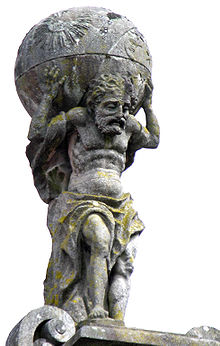
Ant actions are revealed in an African myth that reminds us of the everlasting punishments of Atlas, Prometheus, and Sisyphus of classical mythology. An infinite punishment of bearing a burden is handed down to ants by deception in the African myth. Accordingly, we see the outcome today in ants repeatedly transporting things in their everyday routine.
Atlas
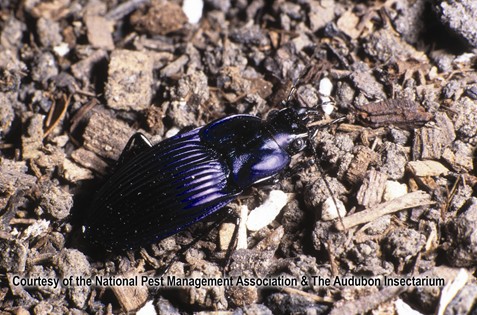
And on an absolutely universal spectrum, the composition of our galaxy, The Milky Way, is translated in an insect myth of the Cochiti. This myth tells of an Eleodes Beetle that was in charge of depositing stars in the sky. The stars were dropped due to his ego and recklessness, thus forming the Milky Way. The beetle was so distraught at what he had done, that even today, the beetle hides his face in the dirt when approached – will lower its head, raise its abdomen, and emit a disagreeable odor probably for defense. This simple insect myth explains not only insect behavior, but also the start of our own galaxy.
Beetle
Who are your favorite mythological characters?
Jul 4, 2012 | Community/Events, Pest Control
Happy 4th of July!! We’d like to take a second to say how proud we are to be Americans!! We’re proud to live in the country of the land of the free and the home of the brave!! And like always, we’d like to thank all of the brave men and women and their families that have given so much for this great country!!
But before you go enjoy those fireworks…here are some tips to stay bug free this 4th of July:
- Avoid standing water in areas like flower pots, bird baths, buckets, barrels, etc. Areas like these are breeding spots for mosquitoes that can carry diseases like West Nile and encephalitis.
- Wear an insect repellant, such as DEET, to protect against mosquitoes and other bugs.
- Keep food covered when possible to avoid attracting mosquitoes, flies, and ants.
- Tightly seal garbage and put it in a sealed garbage container on the outside of your home. Make sure that the lid to the trash can is on securely to avoid rodents from getting in and going through the trash.
- Keep your lawn mowed and clear of debris.
- Protect your pets from fleas and ticks by using a preventative. These can be purchased over the counter or by your veterinarian.
- Have your exterminator treat your yard and home for insects and other rodents that could BUG you this summer! (Get it, BUG you!)
What other tips do have for staying bug free this 4th of July?
Jul 2, 2012 | Pest Control
If there was an award for “Most Annoying Bug” there is a good chance that the house fly would win!! House flies are the most common type of fly found in and around homes. The adults usually live between 15-25 days but when they’re flying around your head or your food…even 15-25 seconds is too long.
House flies don’t cause damage to your property and they don’t bite but they are known to transfer over 100 diseases including malaria, salmonella, and tuberculosis. They transfer diseases and contaminate our food when they land on food and other surfaces. So not only are they annoying but they are a sanitary issue too!
The best way to get rid of flies and ensure that they stay away is to keep things clean!
Preventing House Flies:
- Keep surfaces clean and wipe up spills immediately.
- Take out the garbage regularly and be sure that trash bags and receptacles are well sealed.
- Clean up waste, including pet waste, in yard.
- Keep doors and windows closed to prevent entry. If open, use fine mesh screens.
Want more information on flies? Click here!
Jun 29, 2012 | Going Green, Pest Control
There are few things more important to us at Northwest than protecting the Earth. In today’s world, there is no excuse not to go green – especially, when it comes to pest control. NorPest Green is an all-around Eco-friendly program that utilizes what nature has given us to protect homes, and businesses from pests.
NorPest Green was developed exclusively by Northwest Exterminating to get rid of pests while maintaining the lowest environmental impact possible. We know how important the health of your family (pets included!) and the environment is…you can do both with our environmentally friendly pest control solution.
NorPest Green is a customized program that utilizes only the most innovative and advanced products and equipment available. Our products’ active ingredients are derived from flowers, plants, and natural elements from the earth. Our green pest control doesn’t use harsh chemicals and is just as effective as traditional pest control.
NorPest Green Highlights:
- Kind to your natural surroundings
- Uses botanicals and earth-based products
- Enhances the health of living and working environments by keeping pests out
Why choose NorPest Green?
While the environment is crucial on our list of priorities, our customers are number one! That’s why we think home and business owners should… Trust the Mouse!
What other ways do you go green?
Cara Carver
[email protected]