Jul 23, 2014 | Wildlife
What’s the Buzz on the Benefits of Bees?
By: Katherine King
“Busy as a bee” is an old saying. The phrase implies that you are constantly moving, being industrious, getting your work done, and focused in order to achieve a goal. Now let’s think about the insect in the phrase, the bee. Bees are very industrious little animals. They are constantly in search of places to get nectar, their food, which they can bring back to the colony in order to feed everyone else. The bees that remain inside the hive are busy working as well. They are expanding the size of the hive, caring for young, and producing the honey which is their main food source.
All of these things are wonderful to hear about, but not many people are comfortable when they see bees. They can be rather large, bright colored, loud, and have a reputation to sting. These factors may make you wary of bees and may make you think that you need to make a run for it. In actuality, bees would much rather leave you alone. They only sting as an absolute last resort. They can only sting one time in their life and then die shortly after they sting you.
Benefits of Bees:
There are some redeeming qualities and benefits of bees…their honey. Honey does not have an expiration date. If your honey hardens, you can gently heat it and it will soften back up. If you ever get a burn, you can put honey on it to protect the burn and help it heal. Honey has other medicinal properties that aren’t confirmed, but from a holistic stand-point they are great. I have personally had good results using honey to try and fight some major allergies. If that is why you are eating honey, be sure you buy local honey from your area so that you are exposed to the right pollens.
Although bees have positive benefits, we want to make sure you know that they can also be a threat if caution is not exercised. If you have bees in or around your property and would like them removed, call our Wildlife division at Northwest Exterminating for our bee removal service.
Jun 4, 2014 | Wildlife
Scientists Develop a Use for Rats in Space
By: Katherine King
It seems like every little kid, and some (most) adults, dream of going to space one day. The only trouble seems to be the whole lack of gravity thing, minor details. Scientists have come up with a new way to study the effects of microgravity on astronauts…rats!
Scientists have developed new, high-tech cages that will allow for constant monitoring of rats or mice as they are in space. The cage provides food, water, fresh air, lighting, and bars to aid in movement. It is designed so that the rats can move from a transport cage to their main habitat without risk of escape. Rats and mice are great study animals, because they have similar eating habits to humans, have been extensively studied, and have a short life span. The new information gathered from the rats and mice will help scientists to understand the effects of microgravity over time, and help astronauts to come back healthier than in the past.
Scientists may not have been studying rodents in space for very long, but Northwest Exterminating has been studying rodents in your “space” for years! If you have a rodent problem, call Northwest Exterminating today.
May 30, 2014 | Wildlife
Beware of Snakes While Still Enjoying Your Summer
By: Katherine King
The weather is starting to warm up nicely, making a lot of us want to be outside to soak up the sun. We aren’t the only ones enjoying the sun’s rays, though. Snakes are reptiles, which means they are cold-blooded and dependent on their surroundings to regulate body temperature. Be careful when participating in outdoor activities. Caution is necessary around rock and log piles, particularly if they are in a nice, sunny spot. Snakes will often rest on the top of these areas to warm up before they begin the day’s activities.
Snakes may also be in your garden, helping you control insect populations. Watch where you put your hands so that you do not accidentally grab a small snake. Snakes never intentionally harm humans, but when they do it is because they feel threatened. If at all possible, avoid interactions with snakes. If you are bitten by a snake that is poisonous, seek medical attention immediately, do not try to do anything on your own.
If you are having a snake problem, contact Northwest Exterminating’s Wildlife division. A service representative will be sent to remove the snake, and provide suggestions on how to avoid contact with snakes in the future.
Katherine King
[email protected]
Nov 20, 2013 | Wildlife
The Damage Squirrels Can Do and How To Keep Them Out of Your House
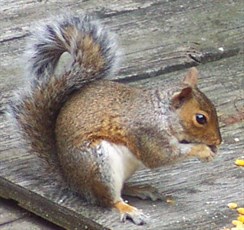
Squirrels are cute when they’re running around outside but are not so cute when they’ve entered your home. Squirrels are difficult to control because of their ability to enter small and high spaces. They are known to get into houses by using tree limbs and even power lines to squeeze their way into the smallest openings, chimneys, or vents. Once squirrels are inside they can cause significant damage and contaminate your home.
Squirrels can cause considerable damage to your property. Their gnawing can damage wires (leading to power outages and potential house fires), holes in the structure (allowing other pests/rodents entry into the home) and damage or contaminate insulation. They can invade and damage items that you may have stored away, including storage boxes and their content. Outside items like electrical boxes and phone cables can also become a victim of squirrel damage.
In addition to property damage, squirrels can contaminate your property. Contamination from their fur, urine, and droppings can damage insulation, items in storage, electrical wiring, among other things.
Although squirrels are a threat all year, the cooler months, when they seek warmth and shelter, are a main concern. Prevention is the key to squirrel control:
- Locate and seal off any entry points 1/4″ or larger to prevent squirrels and other rodents from entering the home.
- Caulk any openings or crevices that can be used as entry points.
- Provide an exclusive barrier on roofline.
- Set traps if you suspect you may have a squirrel, or other rodent, in your home.
- To keep squirrels from using utility wires as a way to your attic, slit a 2-foot section of 2-inch PVC pipe lengthwise and slip it over the wire. This makes squirrels unable to maintain their footing when the pipe rotates.
- Cut back tree limbs that are close to your structure.
- Squirrel removal is not recommended for amateurs. Call Northwest Exterminating for squirrel removal.
Jun 28, 2013 | Wildlife
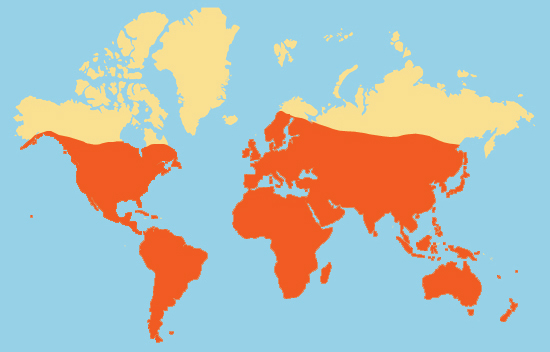
Bats are the only mammals that are actually capable of flight. However, what we consider to be wings are actually elongated fingers with a wing membrane attached. Bat wings are actually far more similar to human hands than they are to bird’s wings. Bats can be found globally, aside from in the extreme polar regions of the earth. Additionally, in many places some species of bat are endangered, whereas others have populations numbering well into the millions.

Bats Range Map
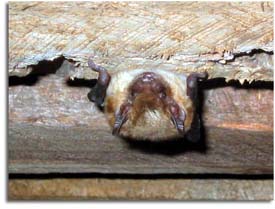
There are 15 known bat species located in the state of Georgia. One of these species includes the Big Brown Bat, which is found throughout North America. These bats can be found anywhere, but prefer places where they can be well concealed such as under look bark, tree cavities or as many people are used to, inside caves.
Big Brown Bat
Despite popular media, these bats, as well as 70% of the others, are insectivores and eat only insects including wasps, bees, flies and more. Other species of bat include Mexican free-tailed bats, Eastern pipistrelle, the Gray bat, as well as many others. Bats may be by your home if you live in a heavily wooded area or have anywhere they can feel sheltered and well-fed. If you find yourself with unexpected neighbors, our Wildlife Services will come to your aid!
Jan 25, 2013 | Pest Control, Wildlife
The NPMA recently posted an article on their website that explained the dangers that rodents can cause to your home and your health. We often talk in our blogs about the unsanitary conditions and the property damage that a rodent infestation can lead to but we rarely discuss the health risks that are involved.
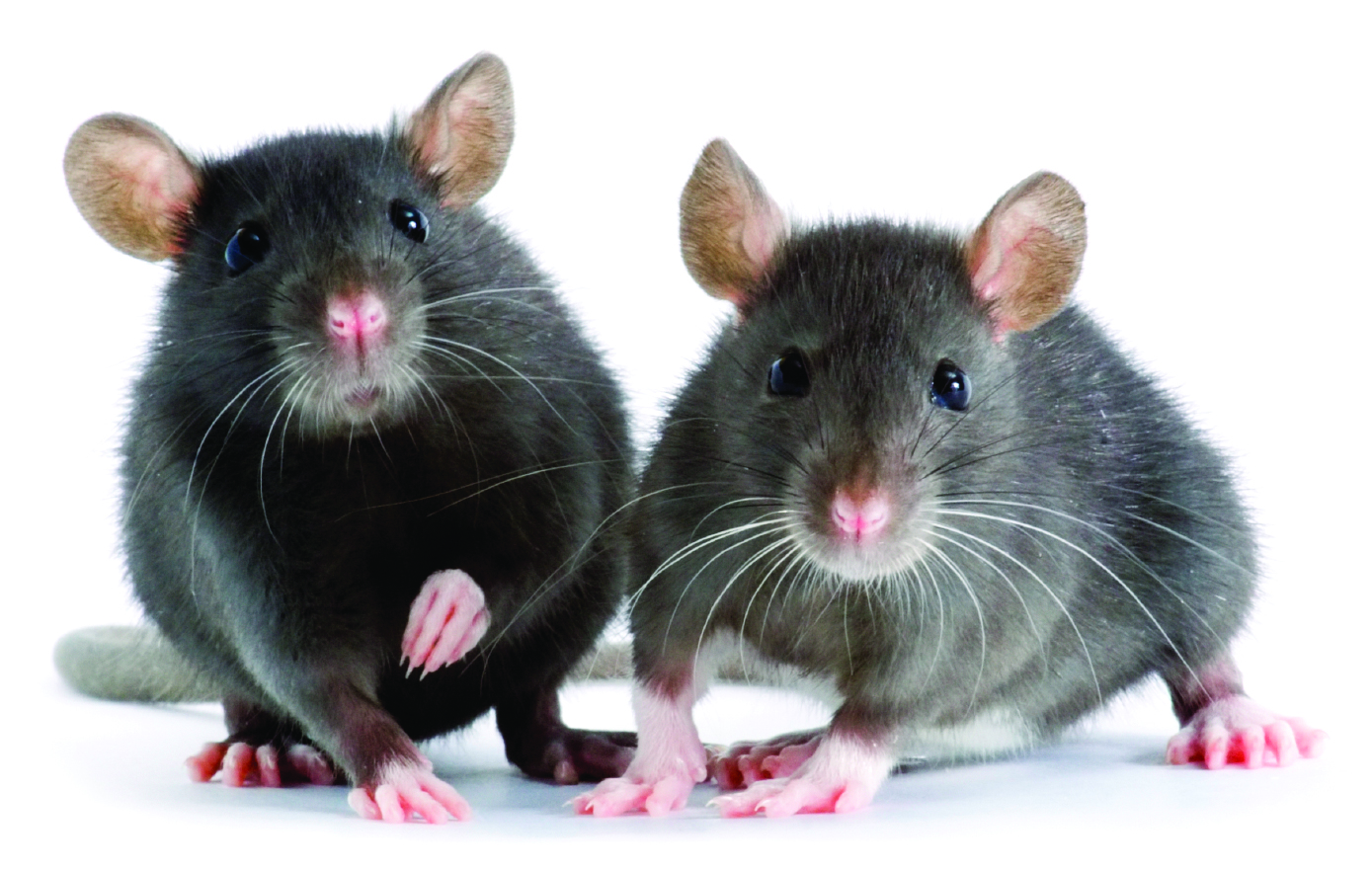
Rodents, such as mice and rats, can leave droppings that can spread bacteria, contaminate food, and cause allergic reactions. Droppings can also spread diseases and viruses such as the following:
- Hantavirus – “Hantavirus is a potentially life-threatening disease transmitted to humans by rodents—primarily, the white-footed deer mouse. People become infected through exposure or inhalation of infected rodent urine, droppings or saliva, and the chances increase when people are near spaces where rodents are actively living.”
- Bubonic plague – “…is usually spread by the bite of an infected rodent flea and can cause fever, headache and painfully swollen lymph nodes.”
- Salmonellosis – Salmonellosis is a type of food poisoning spread by rodent feces, especially through the consumption of contaminated food. Symptoms include diarrhea, fever and abdominal pain.”
- Rat-Bite Fever – “Rat-bite fever (RBF) is a potentially fatal infectious disease spread by infected rodents or the consumption of food contaminated by rodents.”
To read the full article or get more information on the diseases above click HERE.
Please don’t take chances with the health of you or your loved ones. If you have rodents in your home, call a licensed exterminator, Northwest Exterminating, to get rid of the rodents in your home.
Source: http://www.pestworld.org/news-and-views/pest-articles/articles/health-threats-posed-by-rodents/
Nov 9, 2012 | Wildlife
Some people think that when the temperatures drop, they will have less pest issues. For some critters this may be true, as they use the autumn to store up for a cold winter, during which they hide away. However, some of the larger animals such as squirrels, raccoons, possums, etc., might want to use your home for a warm space to hide away from the weather. Northwest Exterminating’s Wildlife Team knows just what to do in order to keep your home a pest-free zone!
Depending on what type of animals may be in your area, they can leave you susceptible to various issues. For instance, some squirrels like to make nests in attics, using your insulation as material! The costs of repair plus the hazards of a potential electrical fire due to damaged wires makes it really necessary to block this area off from potential unwanted guests. Aside from squirrels, other creatures have the potential to do damage in the form of bites or fleas that might affect your children or pets.
To reduce these risks against you, Northwest’s Wildlife Team specializes in wildlife exclusion. One of form of wildlife exclusion involves sealing up any potential openings to secure your home. The Wildlife Team will inspect your home, evaluating potential problem areas and implementing measures to eliminate these issues. However, if by chance your home has already gotten unsolicited attention from these pests, the Wildlife Team knows just what to do to take care of your home and prevent the issue from happening in the future. If you need a Wildlife representative, please contact us at 888-466-7849 or visit our website www.callnorthwest.com
Source: http://ezinearticles.com/?The-Importance-of-Wildlife-Exclusion&id=7352650
Melissa Brown
[email protected]
Nov 7, 2012 | Wildlife
Researchers in Missoula, Montana are testing to see if hot peppers will keep deer mice from eating grass seeds. Research scientist, Dean Pearson with the U.S. Forest Service’s Rocky Mountain Research Station is trying out different methods of attaching powder from the bhut jolokia pepper to the seeds of native grass. The bhut jolokia pepper is one of the hottest peppers known to man. Some success has been found in using the pepper to keep mice away from the grass seeds after planting.
The team of researchers will return to Missoula next spring to see if the peppered seeds have survived the hungry mice. Benefits to this would be cost effective agriculture applications and the use of native seeds instead of exotic seed.
To read the full article click HERE.
Oct 19, 2012 | Wildlife
Rodents are mammals that are distinguished by a single pair of constantly growing teeth known as incisors in both their upper and lower jaws. These incisors are kept short by the constant gnawing that the animal does on wood, food, predators and unfortunately in and around homes. About 40% of mammals are classified as rodents, compromising the majority of these species. Common rodents include mice, rats, squirrels, porcupines, beavers, guinea pigs and even hamsters. Contrary to popular belief bats, moles, and weasels, despite common associations, do not belong to the rodent family.
Many rodents have had an adverse effect on humankind. For instance, rodents cost billions of dollars in lost crops each year and some carry diseases such as bubonic plague, typhus and hantavirus. The best way to prevent human exposure to rodent disease is rodent control. This includes eliminating food sources such as open garbage bags, sealing entries to the home and trapping rodents in and around the home.
Northwest Exterminating’s Wildlife Team specializes in the exclusion, removal, and control of wildlife nuisances. A Wildlife Services Representative will inspect your business or property for evidence of wildlife and will determine the points of entry being used by these critters to access your building. A customized plan will be developed to get the immediate nuisance under control and to seal off any known points of entry. If you have more questions, please give us a call at 1-888-466-7849.
Sources:
http://en.wikipedia.org/wiki/Rodent
http://www.ucmp.berkeley.edu/mammal/rodentia/rodentia.html
http://www.cdc.gov/rodents/
https://www.callnorthwest.com/commercial-services/commercial-wildlife-control/
Melissa Brown
[email protected]