Oct 12, 2015 | Wildlife
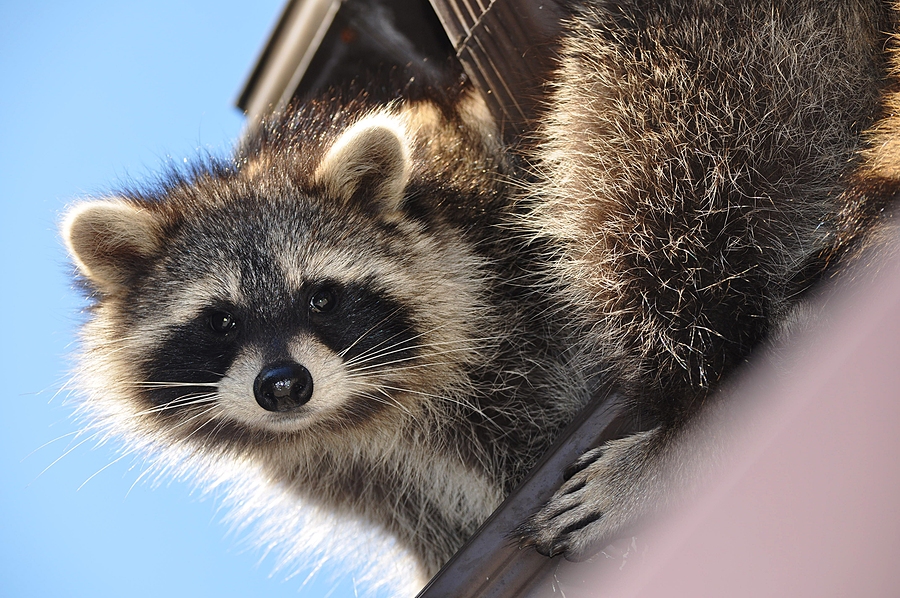
Raccoons are cute, right? Sure they are…until they’re hanging out around your house, rummaging through your trash, spreading disease, and living (yes, living) in your home, usually in attics or walls. And because raccoons are most active at night, they can sometimes go unnoticed for quite awhile.
So, how do you know if you have a raccoon invasion? The most obvious sign is hearing noises at night. If a raccoon is inhabiting your attic, for example, you may hear its foot steps after dark while its on a mission to find food. Another good indication of a raccoon roommate is garbage. If you have trash cans around you home that are rummaged through or knocked over, it’s likely a raccoon is nearby. And while you may think these animals are harmless, they can cause serious damage to your home and are known carriers of rabies, which is a serious and often life-threatening disease if contracted by humans.
If you think raccoons are living in or around your home, call a professional exterminator that specializes in wildlife removal. It’s not advised to trap or remove a raccoon on your own if you’re not properly trained since they can become aggressive. To deter raccoons, don’t give them a steady food source. Use trash bins with lids that lock. And keep them out of your attic by removing access points around your home, like tall hedges or trees.
For more on raccoon removal in your area, click on the links below or use the Request a Quote form.
Atlanta Raccoon Removal
Chattanooga Raccoon Removal
Nashville Raccoon Removal
Request a Wildlife Quote

Oct 12, 2015 | Wildlife
Raccoons are cute, right? Sure they are…until they’re hanging out around your house, rummaging through your trash, spreading disease, and living (yes, living) in your home, usually in attics or walls. And because raccoons are most active at night, they can sometimes go unnoticed for quite awhile.
So, how do you know if you have a raccoon invasion? The most obvious sign is hearing noises at night. If a raccoon is inhabiting your attic, for example, you may hear its foot steps after dark while its on a mission to find food. Another good indication of a raccoon roommate is garbage. If you have trash cans around you home that are rummaged through or knocked over, it’s likely a raccoon is nearby. And while you may think these animals are harmless, they can cause serious damage to your home and are known carriers of rabies, which is a serious and often life-threatening disease if contracted by humans.
If you think raccoons are living in or around your home, call a professional exterminator that specializes in wildlife removal. It’s not advised to trap or remove a raccoon on your own if you’re not properly trained since they can become aggressive. To deter raccoons, don’t give them a steady food source. Use trash bins with lids that lock. And keep them out of your attic by removing access points around your home, like tall hedges or trees.
For more on raccoon removal in your area, click on the links below or use the Request a Quote form.
Atlanta Raccoon Removal
Chattanooga Raccoon Removal
Nashville Raccoon Removal
Request a Wildlife Quote
Oct 5, 2015 | Pest Control, Wildlife
As the season changes to Fall, the weather cools down and gives us much needed relief from the hot summer. This is also the season of home pest invasions. Pests and rodents are looking for a warm place with food and shelter and your home or business may be the target. Here’s 6 things you can do at home to prevent pests from becoming part of the family this Fall.
1. Close any openings around your home.
Attic and crawl space vents should be properly screened, as well as chimney openings. This is a common entry points for wildlife and pest nuisances, like squirrels and mice.
2. Eliminate moisture.
Pests need water to survive just like people do. Correct leaking pipes and clogged drains to avoid excess areas of moisture, which will attract pests.
3. Seal cracks and crevices.
Using caulk and/or steel wool, seal any openings around your home, especially around utility pipes.
4. Keep food and trash concealed.
Making food and trash available to pests and rodents gives them steady food supply. Store food in airtight containers and dispose of garbage regularly in bins that have lids.
5. Keep wood and debris away from your home’s exterior.
Store firewood at least 20 feet away from the house and keep shrubbery well trimmed to eliminate potential hiding spots for pests and wildlife.
6. Eliminate entry points around doors and windows.
Install door sweeps on any exterior doors to close any gaps for pests to come through. Repair damaged screens or replace missing ones. This creates an extra barrier around windows to help keep pests out.
For more on pest control and wildlife & animal control in your area, click on the links below.
Atlanta pest and animal control
Savannah pest and animal control
Nashville pest and animal control
Chattanooga pest and animal control
Aug 12, 2015 | Going Green, Pest Control, Wildlife
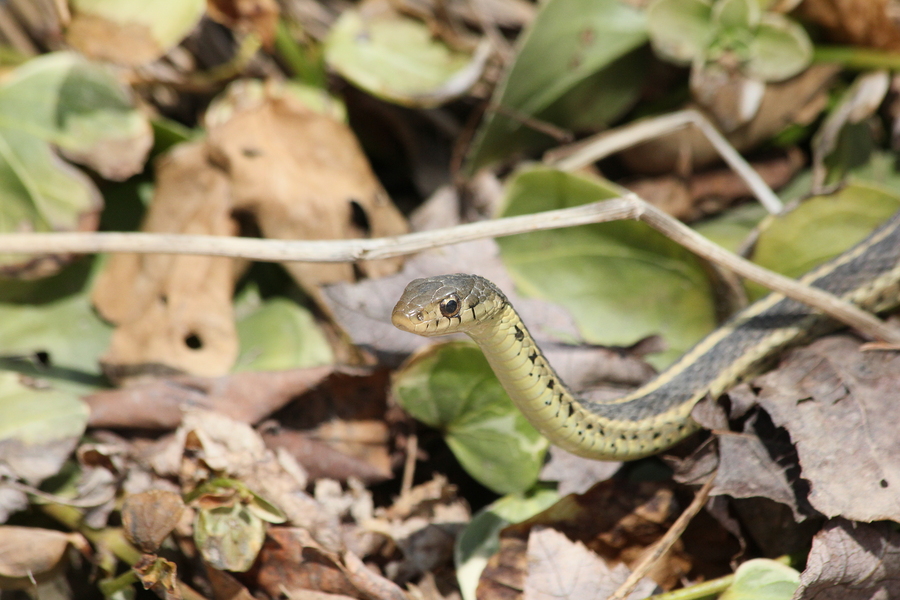
The weather is warm and the snakes are out. Here are 6 ways that you can reduce your risk of a snake encounter, and keep snakes away from your home.
1. Use a snake repellant
Some home remedies like moth balls and lemon grass can be deterrents for snakes, for a natural approach, or check your local hardware store for chemical repellants.
2. Remove clutter from your yard
Keeping grass cut and vegetation trimmed down reduces areas for snakes to hide. Remove any wood piles, leaves, or other debris where snakes can hide.
Regularly scheduled pest control keeps insects and rodents out of your yard that snakes use to feed on. By keeping these pests out of your yard…you have a better chance of keeping snakes out too.
4. Check for gaps and cracks
Snakes can enter homes through any open gaps or holes that may be present. Use weather stripping under doors and seal all cracks and crevices. This will assist in keeping out pests and keeping in the cool air.
5. Don’t forget about the shed
Sheds can become cluttered and perfect places for snakes to hide. De-clutter your work space.
If you have a snake in your yard or home, a snake removal specialist will properly identify the snake and safely remove it. For more on snake control in your area, click on the links below.
Atlanta Snake Control
Savannah Snake Control
Nashville Snake Control
Chattanooga Snake Control
Jul 31, 2015 | Pest Control, Wildlife
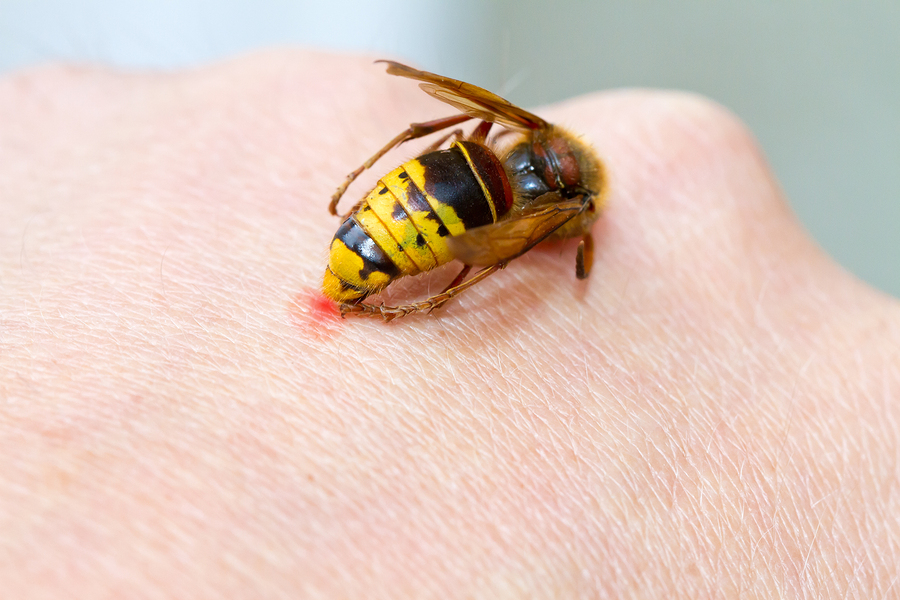
School is almost back in session but summer is far from over here in the south. This means we have a few more months of summer pests to look forward to. Some of the most threatening: stinging pests. Yellowjackets, wasps, hornets and other common stinging insects can pose serious risks to our health and send more than half a million people to the emergency room every year, according to the National Pest Management Association. They often create painful stings and severe allergic reactions, and are likely lurking around outside, at BBQs, playgrounds, and pools. Minimize your risk by being aware. Here are the 4 most common stinging pests you should be on the lookout for.
1. Yellowjackets – Yellowjackets are distinguished by the black and yellow color pattern banded across their abdomens. They are territorial and may sting repeatedly if threatened.
2. European Hornets – European hornets are active at night. They have smooth stingers that carry venom known to cause itching, swelling and pain for about 24 hours. Like yellowjackets and wasps, European hornets can sting repeatedly during an attack.
3. Paper Wasps – Paper wasps are not an aggressive species by nature, but they will sting if their nest is threatened. Wasp stings are painful and can cause the same risk of allergic reaction as other insect stings.
4. Killer Bees – Africanized “killer” bees defend their colony and will attack in large numbers when threatened. However, they can only sting once as their stingers are barbed and tear off when trying to get away. Killer bees have been known to chase people for more than a quarter mile.
The best way to prevent an unwanted encounter is to exercise caution when outdoors. If you come in contact with a bee or wasp, do not swat it, as that may actually provoke an attack. Remain calm and the insect should fly away without causing harm. For bee infestations, contact your local pest control company.
Apr 20, 2015 | Pest Control, Wildlife
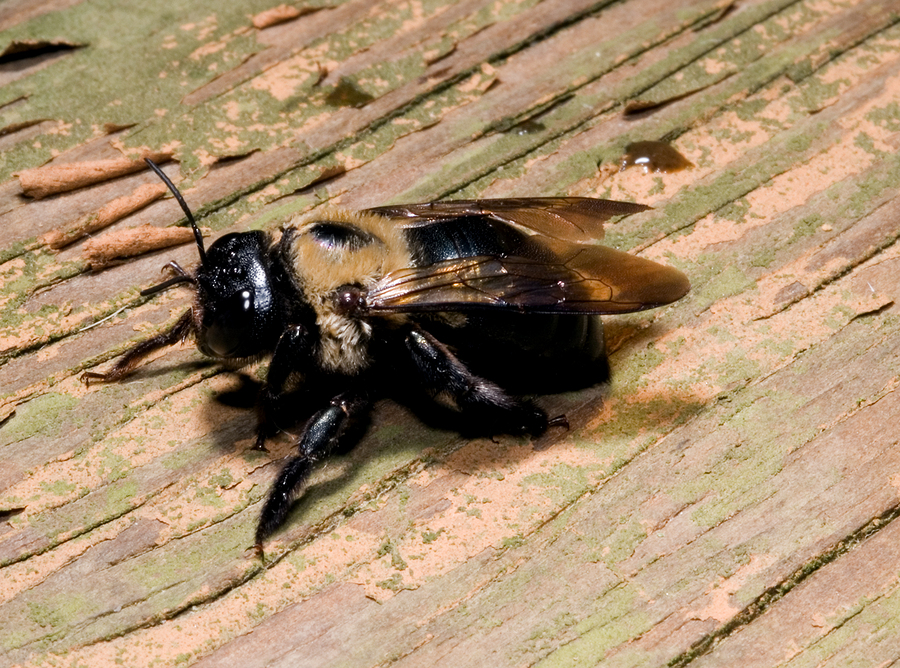
Spring brings warm weather and new plant life that has been missing all winter. Unfortunately, that means the reappearance of several pests, including the carpenter bee. They are large and awkward looking. They also have the tendency to hover in place for no apparent reason, at least until another one flies up. Then they do some aerial fighting, and anyone in close proximity is at risk of being bumped by the bees.
Carpenter bees are known for nesting in wood. The female bores in to a suitable piece of wood and lays her eggs in individual cells leaving them with a supply of bee bread and nectar to feed on once they hatch. The eggs are laid in individual chambers, so every bee has their own “room”. They all hatch and emerge at the same time. They overwinter as adults in old nest chambers, or other suitable places. The males, or drones, do not bother the wood, they hover around waiting for the females. If another male enters their territory, they will fight briefly to make sure their area is not overtaken. The males will not sting you, but the female may if she feels threatened.
Carpenter bees prefer unfinished wood. You can prevent carpenter bees from nesting in areas such as fences, decks, and porches by painting or sealing the wood. If you have had carpenter bee activity in the past, plug the exit holes and then paint or seal over them. For existing carpenter bee infestations, contact your local bee removal company.
Jan 23, 2015 | Going Green, Insulation, Pest Control, Wildlife
The solution: INSULATION.
Insulation can have a major impact on your home’s temperature. The benefits don’t stop there, though. Proper attic insulation translates into lower utility bills (savings up to 30% or more!), energy conservation, and a break for your HVAC system…which also cuts down heating and air repair costs. So you’re probably wondering how much insulation is enough insulation and what type is best. We’ve got answers.
1. How much insulation do you need to keep the house warm and get all the above perks?
Let’s talk R-values. According to Energy Star, homes in southeast states like Georgia, Tennessee, Alabama, and the Carolinas require an R-value of R30-R60. So what is R-value exactly? It’s a measurement of insulation’s ability to resist heat. The higher the R-Value, the more comfortable your home’s temperature will be – throughout the year. Essentially, the more insulation you have, the more warm air you’ll keep in your home when running the heat and the more cold air you’ll keep out. Same applies in the summer. Energy Star also says that the majority of homes in the US do NOT have enough insulation to be effective…so it may be worth having a professional get up in the attic and take a look around. Most companies give free evaluations and quotes. Then you can decide if the investment makes sense.
2. Now that we’ve established the importance of insulation – what type of insulation is right for your home?
Just like most products in today’s market, you’ve got options.
Batt Insulation – A popular choice, and with reason. Fiberglass insulation batts (most common) are easy to install compared to the alternative (more on that later) and often cost a little less. Depending on the size and shape of your attic, batts usually have to be cut and sized for a perfect fit – which can be time-consuming and tedious. A good fit is essential for the insulation to be effective, though; gaps will cause warm or cool air to leak out.
Blown (or loose) Insulation – There’s a large variety of blown-in insulation, some with more benefits than others. Equipment is required for installation which could be rented from your local home improvement store. Or you can use a professional insulation company that has materials, equipment, and will know exactly how much insulation you need to see maximum results. Our choice is TAP Insulation…here’s why.
Start making money back immediately.
TAP Insulation is an investment for your home and will provide a hefty return. It’s typical to save 30% or more on energy costs!
A cozy, warm house this winter.
Problem solved! Keep temperatures warm and heating costs low.
Goodbye household pests.
TAP is a unique insulation product that’s treated with Borates, a naturally occurring mineral that is an effective fungicide/insecticide against a broad spectrum of pests, according to the EPA.
Fire Protection.
TAP is also treated with a fire retardant that helps to limit the spread of fire.
Your HVAC system will thank you.
By keeping your home warm in the winter and cool in the summer, your heating and cooling system won’t have to work as hard…saving you money on utility bills and keeping HVAC repair costs low.
It’s never been easier to be green.
TAP is a eco-friendly solution – it’s made from recycled newsprint, saves landfill space, conserves energy, and utilizes a natural pest control solution.
TAP Insulation can also be added on top of existing insulation to increase the R-value. Still not convinced? Find out more here or schedule a free home evaluation.
Stay warm this winter with TAP!
Jan 6, 2015 | Pest Control, Wildlife
Right now, pests are looking for warmth, food, and shelter from winter’s chilly temps. These are some of the critters you can expect to see this winter, and what you can do to keep them out.
Mice
Mice are common house pests and love nesting in the less-traveled areas of your home: attics, basements, cabinets, closets. These invaders can fit through 1/4 inch gaps making it difficult to keep them out.
[checklist style=green]
- Before cold weather hits, inspect your home for any entry points and seal them
- During winter months, routinely inspect your home for traces of mice (small droppings are an indication of mice infestations)
- Keep your home clear of clutter so mice don’t have a place to hide
[/checklist]
Rats
Like mice, rats are common winter nuisances, looking for food and warmth inside your home. They only need space the size of a quarter to enter.
[checklist style=green]
- Routinely inspect for evidence of rats by looking for droppings, gnawing, or footprints and tail tracks
- Do not leave any trash in or around your home, making sure outside trash cans are emptied daily and away from your home’s perimeter
- Seal any gaps or holes in your home’s foundation, around your roof, in the crawl space or basement, or around doors and windows
- Call an exterminator if you think you have rats; infestations can be difficult to eliminate
[/checklist]
Raccoons
Raccoons have been known to make an appearance in homes this time of year, specifically preferring crawl spaces, attics, and chimneys. Because it can be more difficult and time consuming to eradicate raccoons, we recommend contacting a wildlife control company. A professional can identify where the raccoons are coming into your home, remove them, and prevent them from coming back with exclusion techniques.
Squirrels
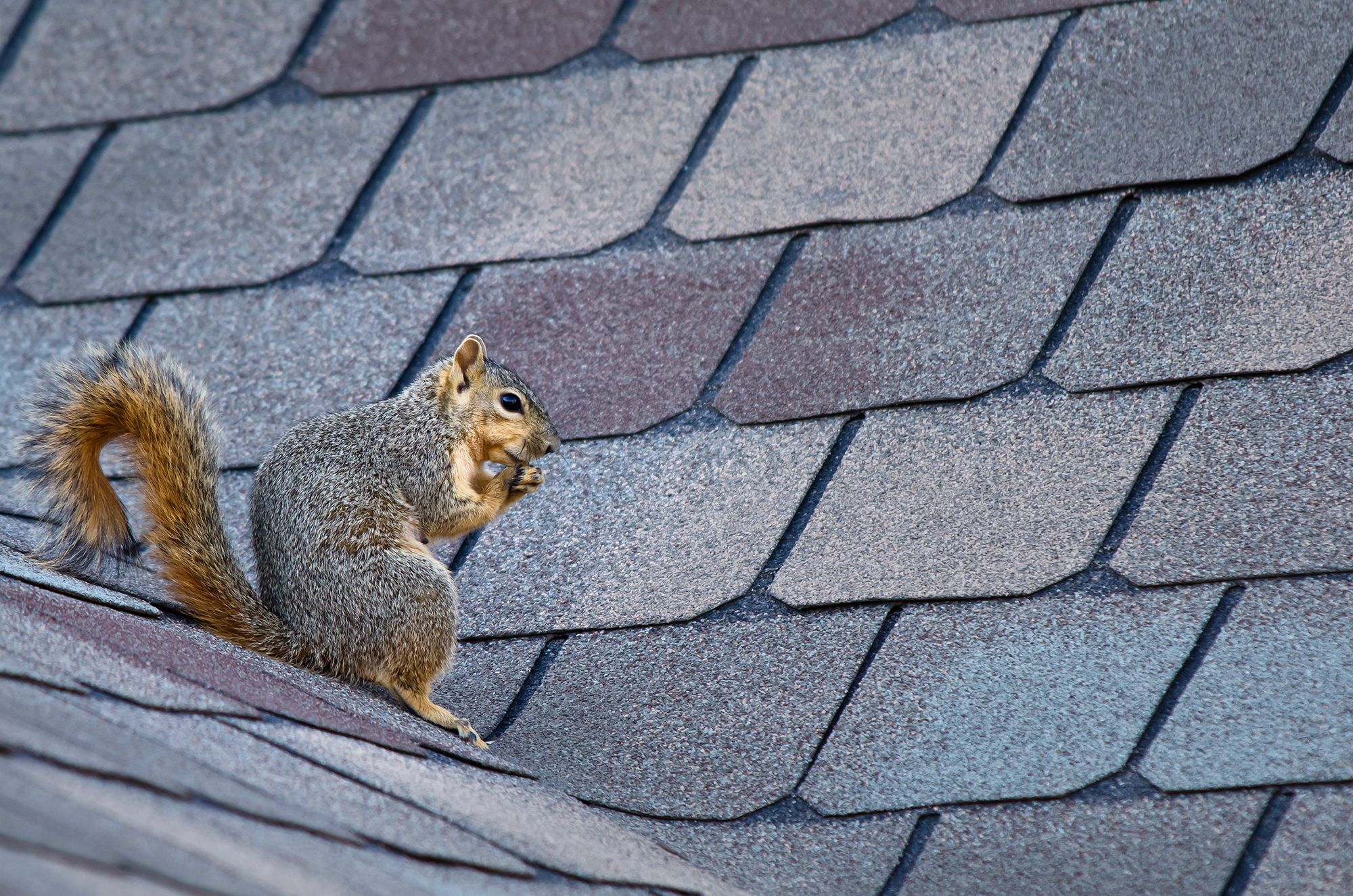
If you’re hearing noises in your attic, it’s possible you have a squirrel invasion. Similar to raccoon control, getting rid of squirrels in your attic or other parts of the house is a process that requires expertise. It’s important to know how they’re getting inside the attic, when they’re leaving, and how to prevent them from gaining access again once they’ve been removed. To prevent squirrels, keep trees trimmed and away from your home, and entry points sealed (usually cracks or holes in your home’s exterior or roof vents). A squirrel control professional can identify these areas and make recommendations for ongoing squirrel prevention.
Roaches
Cockroaches, too, are looking for food and warmth and often find it in your home. It’s typical to experience a roach infestation in the winter; here are some things you can do to prevent this:
[checklist style=green]
- Regular, preventative pest control service will ensure your home is protected, even in the winter months
- Eliminate food and water sources – never leave water out, make sure food containers are sealed and properly stored, clean up food debris and dirty dishes daily
- Seal any holes, cracks or gaps in and around your home
- Eliminate clutter
[/checklist]
If you are seeing roaches, call a pest control company immediately. Cockroaches are extremely difficult to get rid of once you have an infestation and a professional can implement techniques that will eliminate the problem quickly and prevent them from coming back.
Spiders
Most spiders will seek refuge indoors in the fall months, preparing for cold winter temperatures. And while most spiders pose no real threat, some are poisonous and will bite when feeling threatened. To eliminate and prevent spiders:
[checklist style=green]
- Ongoing pest control service throughout the year
- Knock down cobwebs regularly
- Eliminate clutter; spiders like to hide in dark, undisturbed places
- Seal any holes, cracks or gaps in and around your home
[/checklist]
Sep 10, 2014 | Pest Control, Wildlife
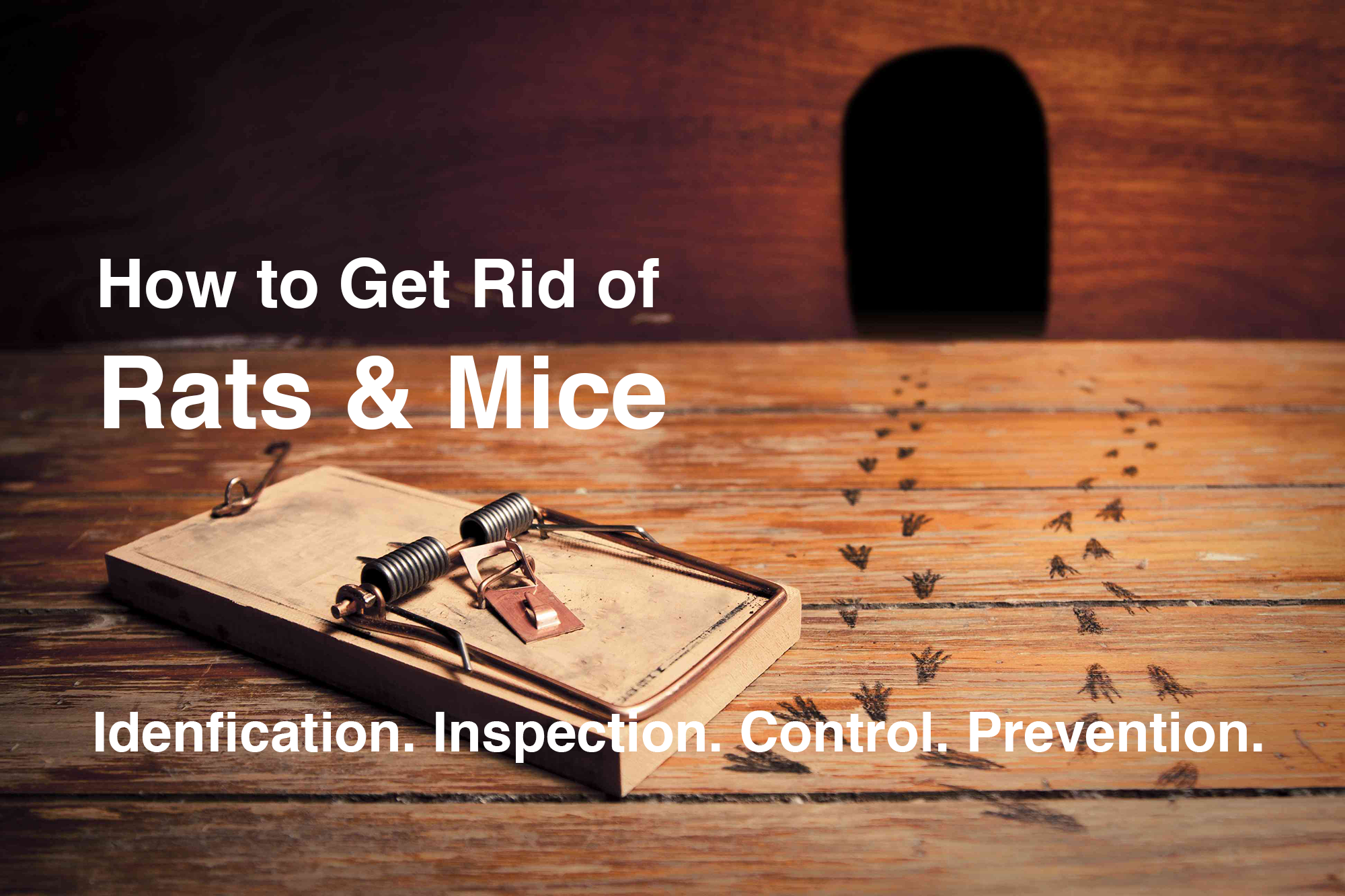
Do You Have Rats or Mice?
It’s a common question homeowners often ask us: Do I have rats or mice? Neither are good news but it’s important to know which type of rodent is inhabiting your home so you know how to properly get rid of them.
Rats
If you’ve had the misfortune to actually see a rodent in your home, a rat would be significantly larger than a mouse. There are 2 common types of house rats – the Norway Rat and the Roof Rat.
The Norway Rat is the largest of commensal rodents with small ears, a blunt nose, and a short tail relative to its head and body. Their droppings are up to 3/4 inch with blunt ends. They usually gnaw on wood but will also chew on electrical wiring, causing damage. Typically, they will reside outside your home in burrows or in your crawl space or basement, entering the structure at night for food and water.
The Roof Rat is usually darker in color than the Norway Rat and smaller, weighing less than a pound. They have large ears, a pointed nose, and a long tail. Their droppings are spindle shaped with pointed ends. Unlike Norway Rats, Roof Rats prefer to live higher above ground, making your attic an ideal environment.
Both are cautious and will be suspicious of any foreign objects or changes in their environment. This makes rodent control tricky as they usually will not approach a recently placed trap or bait box. Proper placement and patience is crucial.
Mice
Mice are smaller than rats and usually a lot less suspicious, making them easier to trap through routine pest control methods. They’ll eat mostly anything so your home likely has a food source that’s appealing to them. Mice breed often and offspring can reproduce in less than 6 weeks, so it’s important to catch them early before they multiply. Like rats, mice are nocturnal and mostly come out of their nest, looking for food, at night. They have the ability to fit into tiny spaces, needing only 1/4 inch gap or opening. Also like rats, mice will leave behind droppings (much smaller, rod-shaped, with pointed ends).
How to Get Rid of Rats & Mice in Your Home
DIY Pest Control is not recommended for rodent control. Rats and mice have very specific habits, making them harder to catch and eradicate. Because rats are cautious by nature, any differences in their routine may cause them to move into other areas of your home. Depending on where they are nesting in your home and the type of rodents, an exterminator can then determine the best plan of attack; whether to use baits, traps, a combination of both, and the size of traps required. And because rats and mice multiply quickly, its essential that you call a pest control company at the first signs of infestation:
- Droppings
- Gnawed areas
- Tracks or tail marks in dusty areas
- Noises at night in less-frequented areas of your home, commonly attics & basements
- Unusual odor
Preventing Future Mice & Rat Infestations
Because these rodents require only a tiny gap or space to enter your home, it’s essential that you implement good exclusion and sanitation practices. Every gap in your structure larger than 1/4 inch should be properly sealed, especially those around drainage pipes, vents, utility lines, doors & windows, etc. It’s also important to remove any available food sources, like trash cans, pet food, and bird feeders.
If you think you have a rat or mice infestation, call your local pest control company for an immediate inspection.